



















During the operation of biomass boilers, the following aspects should be noted:
Fuel Selection: Choose a biomass fuel that suits your needs, considering factors such as supply stability, quality, and cost. Additionally, be aware of the fuel's characteristics and combustion properties to ensure it meets the boiler's requirements.
Equipment Selection: Choose the appropriate biomass boiler equipment based on actual requirements, including boiler type, capacity, and configuration. Consider factors such as fuel characteristics, thermal load needs, and environmental protection requirements to ensure the equipment meets operational demands.
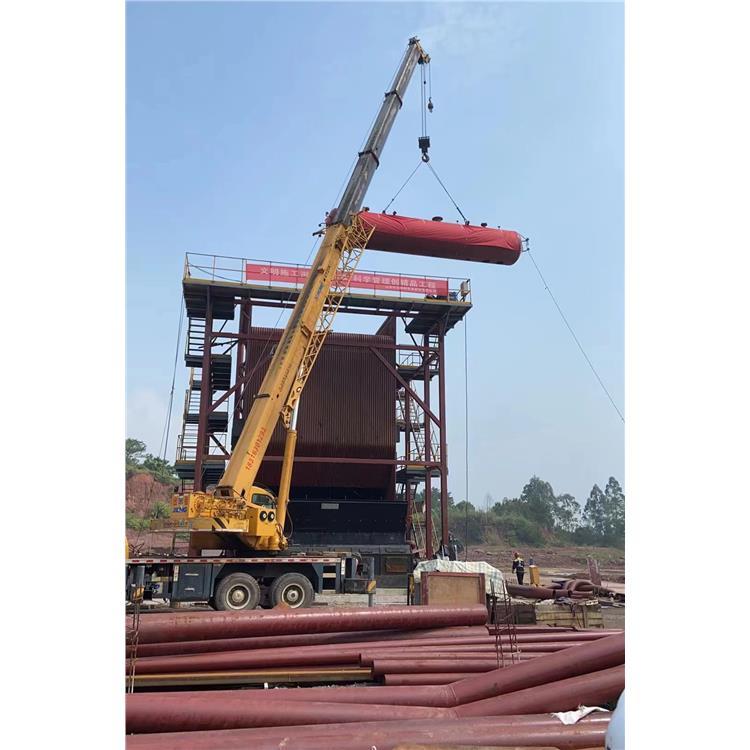
Installation and Commissioning: During the installation of biomass boilers, follow relevant specifications and requirements, and conduct necessary adjustments and tests to ensure the safe and reliable operation of the equipment.
Operation Management: Establish and improve operational management systems, covering daily operation, maintenance, and care of equipment. Regularly inspect equipment operation status and promptly address malfunctions and abnormal conditions.
Combustion Control: Reasonably control the combustion process, including fuel supply, combustion air adjustment, and combustion temperature control. Improve combustion efficiency and environmental performance through optimized combustion parameters.
Flue Gas Treatment: Processes flue gas generated from biomass boiler combustion, including dust removal of particulates, nitrogen oxide denitration, and sulfur dioxide removal, to ensure flue gas emissions meet standards.
Safety Protection: Enhance safety measures for equipment, including automated control of the combustion system, monitoring and protection of pressure and temperature, to ensure safe and reliable operation of the equipment and prevent accidents.
Knowledge Training: Provide necessary training for operators and management staff to enhance their understanding of biomass boilers and operational skills. Ensure personnel can operate the equipment correctly and address operational issues promptly.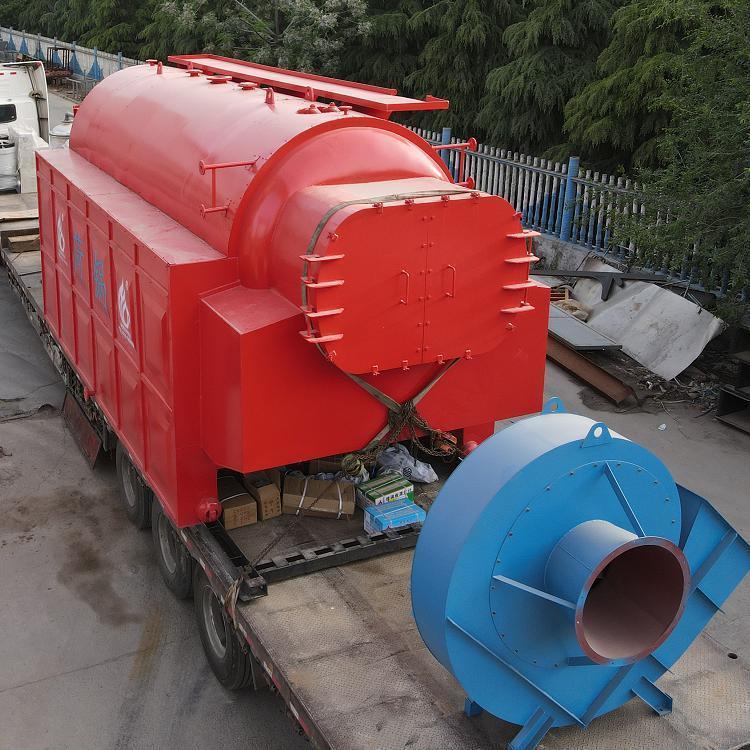
Using biomass boilers holds significant importance for energy conservation and emission reduction:
Reducing Carbon Emissions: Fuel for biomass boilers comes from organic matter such as plants, animals, and microorganisms. The carbon dioxide released during combustion can be absorbed by plants, forming a cycle. Compared to traditional fossil fuels, biomass fuel has a lower carbon footprint, effectively reducing greenhouse gas emissions and playing a significant role in combating climate change.
Reduce Energy Consumption: Biomass boilers, utilizing combustion technology and a heat recovery system, can enhance energy utilization efficiency and minimize waste. By conserving energy, energy costs can be reduced and the benefits of energy use can be improved.
Reducing Dependence on Fossil Fuels: Biomass, as a domestic renewable energy source, can diminish reliance on imported fossil fuels and enhance energy security. In regions with scarce resources, the use of biomass boilers can provide a reliable energy supply, reducing dependence on external energy sources.
Promote the development of agriculture and forestry: Fuel for biomass boilers primarily comes from agricultural and forestry by-products such as crop straw and wood, fostering the sustainable development of agriculture and forestry. By effectively utilizing agricultural and forestry waste, we can reduce resource waste and enhance the comprehensive benefits of the agriculture and forestry industry.
Promote Environmental Protection: The combustion of biomass boilers produces relatively fewer emissions and ash, with a smaller impact on the environment. Additionally, the use of biomass boilers can reduce the exploitation and destruction of natural resources, thereby protecting the ecological environment.
In summary, the use of biomass boilers is significant for energy conservation and emission reduction.
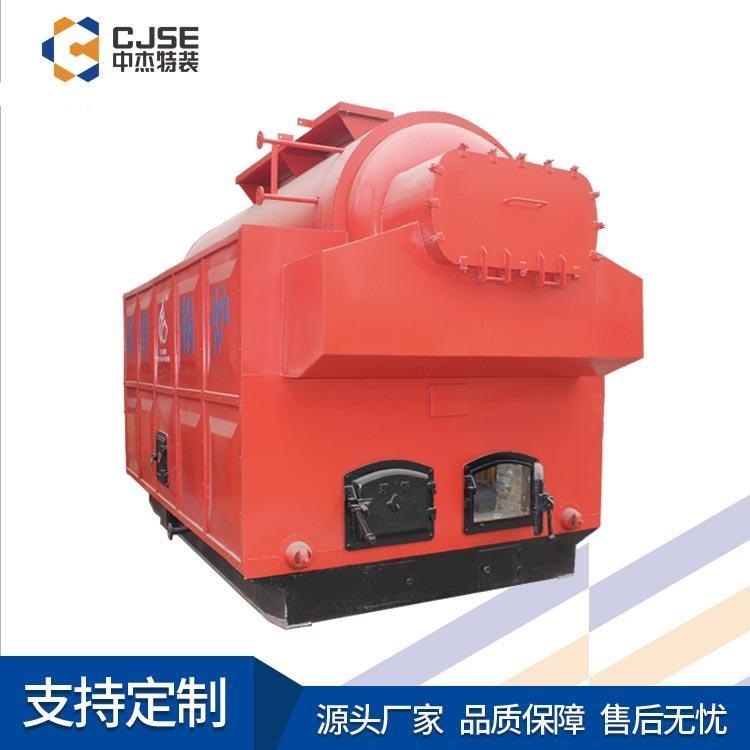
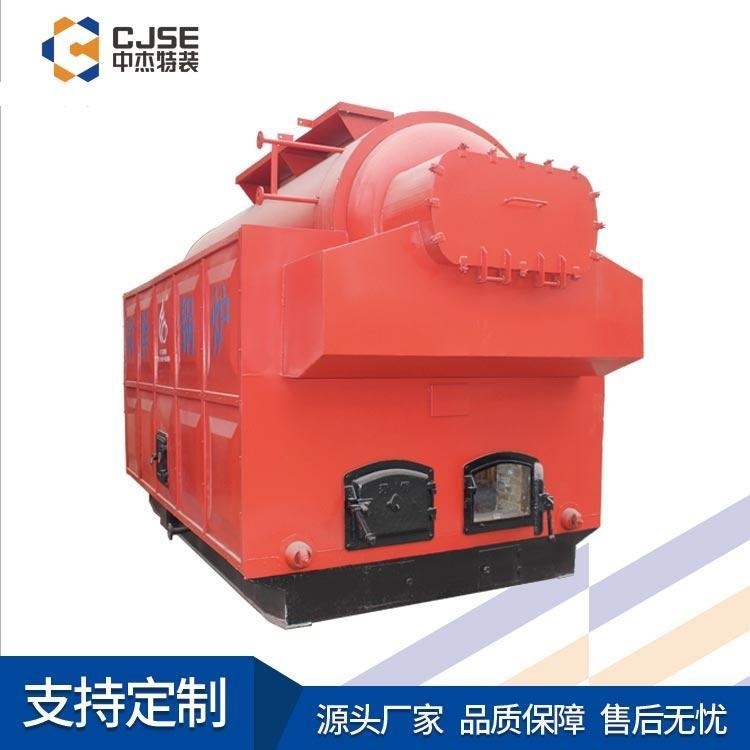
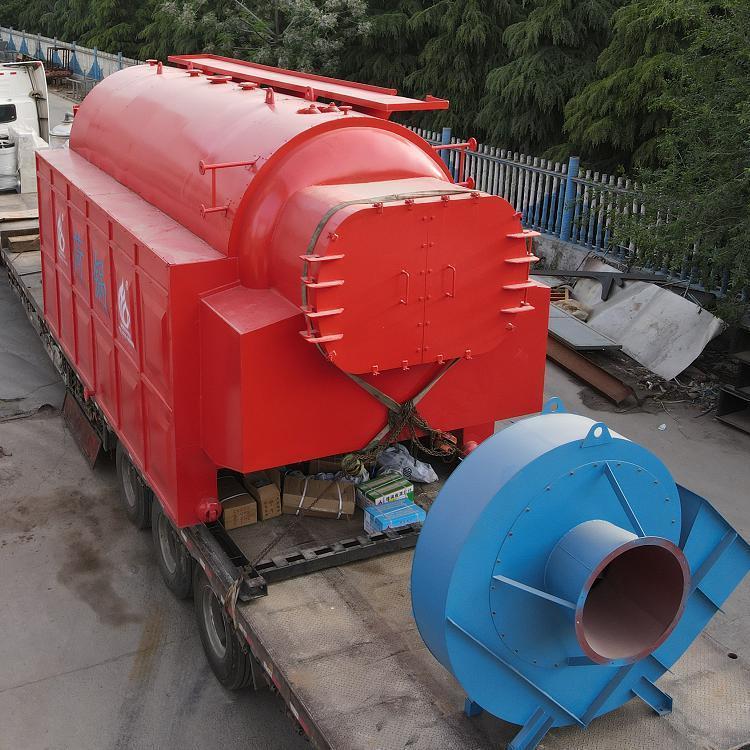
Horizontal biomass steam boilers feature the following performance advantages:
Low footprint: The horizontal design results in a lower overall height of the boiler, occupying less floor space, making it suitable for use in areas with limited space.
High thermal efficiency: The horizontal biomass steam boiler utilizes advanced combustion technology and heat exchange design, maximizing the thermal energy of biomass fuel, enhancing thermal efficiency, and reducing energy consumption.
Combustion Stability: The horizontal biomass steam boiler utilizes a combustion system that ensures even and stable fuel combustion, minimizing fluctuations and instability during the burning process.
Operation and maintenance are user-friendly: The horizontal biomass steam boiler design takes into account ease of operation and maintenance, featuring manholes and inspection doors for easy internal inspection, cleaning, and maintenance.
Environmental Protection and Energy Saving: Biomass fuel is a renewable energy source. The use of horizontal biomass steam boilers can reduce dependence on traditional fossil fuels and decrease emissions of carbon dioxide and other pollutants, demonstrating good environmental protection properties.
Adaptable: The horizontal biomass steam boiler is suitable for various biomass fuels such as wood chips, straw, etc., demonstrating strong fuel adaptability.
In summary, the horizontal biomass steam boiler features a small footprint, high thermal efficiency, stable combustion, and easy operation and maintenance.
Biomass refers to renewable energy derived from organic matter such as plants, animals, and microorganisms. It includes wood, straw, waste crops, food scraps, and urban solid waste, among others. Biomass has a wide range of sources and types, and serves as a renewable energy alternative to fossil fuels.
A biomass boiler is a specialized equipment designed for burning biomass fuel. It combusts biomass fuel to produce high-pressure, high-temperature thermal energy, which is used for heating, power generation, or other industrial processes. Biomass boilers typically use granular, pelletized, or shredded biomass fuel, releasing thermal energy through the combustion process.
The advantages of biomass boilers include:
Renewable Energy: Biomass is a renewable energy source with lower carbon emissions and environmental impact compared to fossil fuels.
Diversity: There is a wide variety of biomass fuels available, utilizing waste and by-products from plants and animals to enhance resource utilization efficiency.
Environmental Friendliness: The carbon dioxide produced during biomass combustion can be absorbed by plants, forming a cycle and reducing atmospheric pollution.