



















1. High-purity carbon dioxide is primarily used in the electronics industry for calibrating CO2 lasers and detectors, as well as for preparing other special mixed gases. It also serves as an adjusting agent in the polymerization reaction of polyethylene.
2. Solid carbon dioxide is widely used in the refrigeration of dairy products, meats, frozen foods, and other easily damaged food during transportation. It serves as a refrigerant in many industrial processes, such as粉碎 heat-sensitive materials, rubber polishing, metal cold treatment, shrink fitting of mechanical parts, and vacuum cold traps.
3. Gaseous carbon dioxide is used in carbonation of soft drinks, pH control in water treatment processes, chemical processing, food preservation, inert protection in chemical and food processing, welding gases, plant growth regulators, for hardening molds and cores in casting, and in pneumatic devices.
Also used as a diluent for sterilizing gases (i.e., a mixture of ethylene oxide and carbon dioxide used as a sterilizing and fumigant, widely applied in the fumigation of equipment, packaging materials, garments, furs, factories, cultural relics, and books).
4. Liquid carbon dioxide is used as a refrigerant, for low-temperature testing of aircraft and electronic components, to enhance oil recovery rates, rubber polishing, to control chemical reactions, and also as an extinguishing agent.
5. Carbon dioxide in supercritical state can be used as a solvent for dissolving non-polar, non-ionic, and low molecular weight compounds, thus widely applied in homogeneous reactions.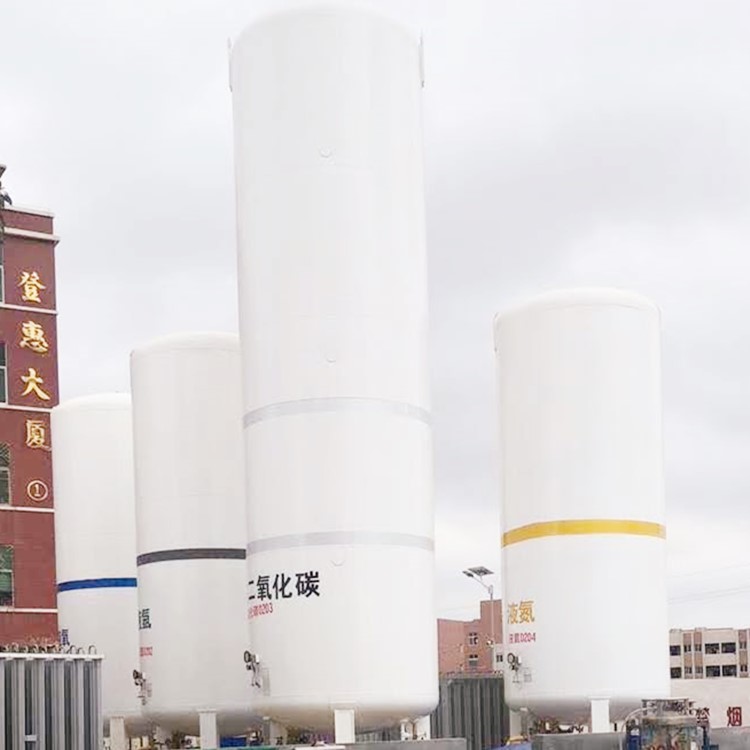
Liquid Storage
Liquid carbon dioxide storage is a pressurized (pressure not less than 0.8 Mpa) storage. During storage, in addition to using the pressure gauge, level gauge, and safety valve, all other valves should be closed. When the storage tank pressure exceeds 2.1 Mpa, open the V7 exhaust valve to reduce pressure. However, note that the internal tank pressure must not drop below 0.8 Mpa, otherwise, it will cause the liquid carbon dioxide to turn into dry ice.
Liquid carbon dioxide storage with pressure (pressure not less than 0.8Mpa) storage. During the storage, the pressure gauge,level gauge, safety valve should be put into use, the other valves should be closed. When the tank pressure exceeds 2.1Mpa, open the V7 exhaust valve buck. However, it should be noted that the pressure inside the tank must not drop below 0.8Mpa, otherwise liquid carbon dioxide will be converted to dry ice.
【Product Details Images】
[Title]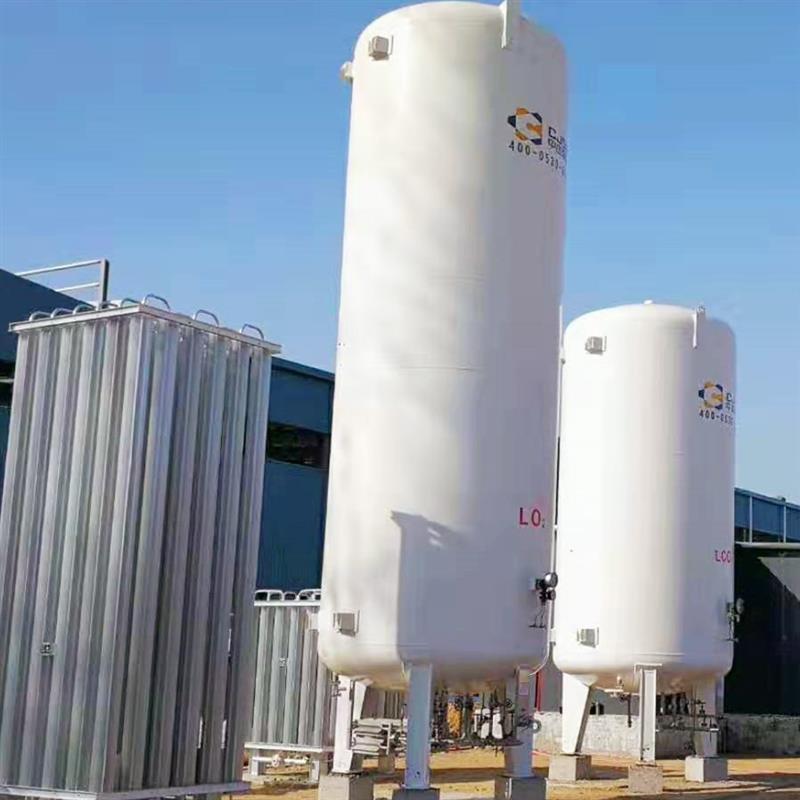
Carbon Dioxide Storage Tank Material
Insulation performance
Insulation materials are filled with pearlescent sand under heat conditions and then evacuated. The vacuum degree standard after the sandwich is sealed is:
Effective Volume: ≤ 10m³ with vacuum ≤ 2Pa, > 10m³ and ≤ 50m³ with vacuum ≤ 3Pa, > 50m³ and ≤ 100m³ with vacuum ≤ 5Pa, achieved through exquisite technology, special filling process, and quality assurance commitment, resulting in superior insulation effects.
Safety Technology Features
The low-temperature liquid carbon dioxide storage tank employs a "combined, safety system valve" that utilizes two safety valves operating simultaneously. During regular safety valve inspections, one side can be closed while the other continues to function, ensuring the safe operation of the tank.
Operating System
Tanks are equipped with pressure gauges, differential pressure level gauges, and a level reference chart at the top, enabling real-time monitoring of the tank's storage volume and pressure changes, facilitating operations during filling and draining.
Inspection System
The bottom of the tank is equipped with tank vacuum detection, vacuum gauges, and vacuum valves. The vacuum degree of the tank can be periodically or on-demand checked with a vacuum gauge to ensure the safe operation of the tank.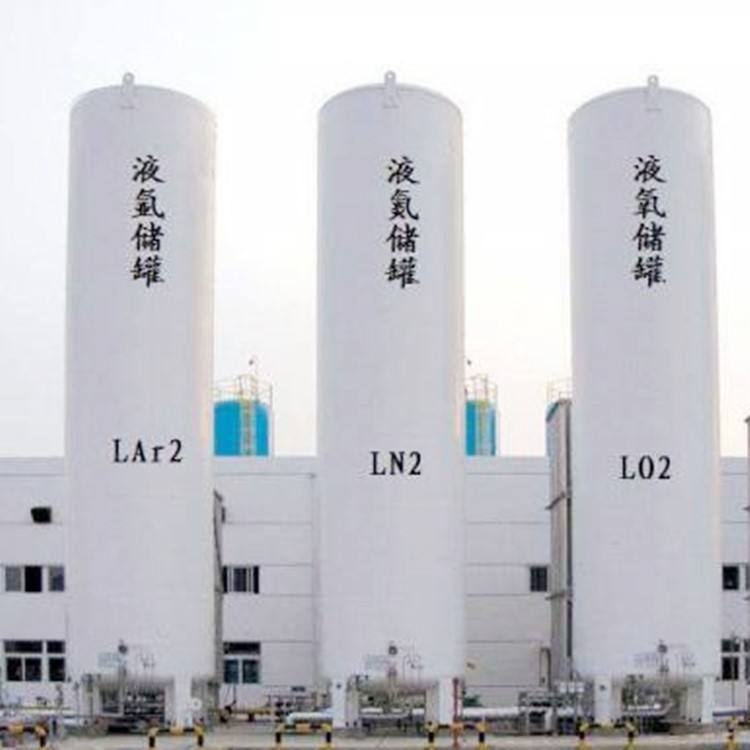
Cautionary Notes: Matters requiring attention
Thank you sincerely for purchasing our company's equipment. We manufacture strictly according to standards and processes, but accidents may still occur due to improper installation and use. The safety precautions in this user manual are provided to ensure the safe and correct operation of this equipment, to prevent harm or damage to you or others in advance. Any consequences resulting from incorrect operation are related to safety. Please accept this user manual and pay attention to the following:
Please receive our sincere thanks for your purchase of our equipments. We manufacture in strict accordance with standards and craftsmanship, but will still cause accidents due to improper installation and use. The safety instructions in this manual are for the purpose of safe and correct use of this equipment, to prevent the harm to you or others from harm or damage, and once the wrong operation method is implemented, all the consequences arising therefrom are safety related. Please accept the instructions in this manual, and note the following:
This equipment is a special type, requiring dedicated personnel for management and operation. Operators must be trained and certified before taking up their posts; otherwise, improper operation and use may pose a risk to life and safety.
The equipment belongs to special equipment, which should be managed and operated by full-time personnel. Operators should be trained and certified to be on duty. Otherwise, it will be possible to endanger life safety due to misoperation and use.
The installation, operation, and maintenance of this equipment shall comply with the provisions of JB6898-1997 "Safety Rules for the Storage and Transportation of Low-Temperature Liquids." This equipment should be placed outdoors in a well-ventilated area. CO2 is highly asphyxiating and can cause asphyxiation hazards, even life-threatening situations.
the installation, use and maintenance of the equipment shall conform to the provisions of JB6898-1997 "safe rules for the use of cryogenic liquid storage and transportation equipment". The equipment should be placed outdoors and well ventilated. CO2 has a strong asphyxiation, which can cause choking hazards and even life.
This equipment stores low-temperature liquids at -40°C. It is strictly prohibited to thaw frozen pipes and valves by methods such as striking with heavy objects, using fire, or spraying with cold water. Instead, use clean, oil-free hot air or hot nitrogen at 70-80°C for thawing.
this equipment is to 40 ℃ cryogenic liquid storage, pipe, valves, frozen jams it is forbidden to use heavy percussion, fire, or cold water spray method of thawing, application of 70 ~ 80 ℃ clean hot air, hot nitrogen release without oil.
Product Details Image
[Variable 3][Variable 2][Variable 1]
WeChat Official Account

Scan to follow Official Account



















