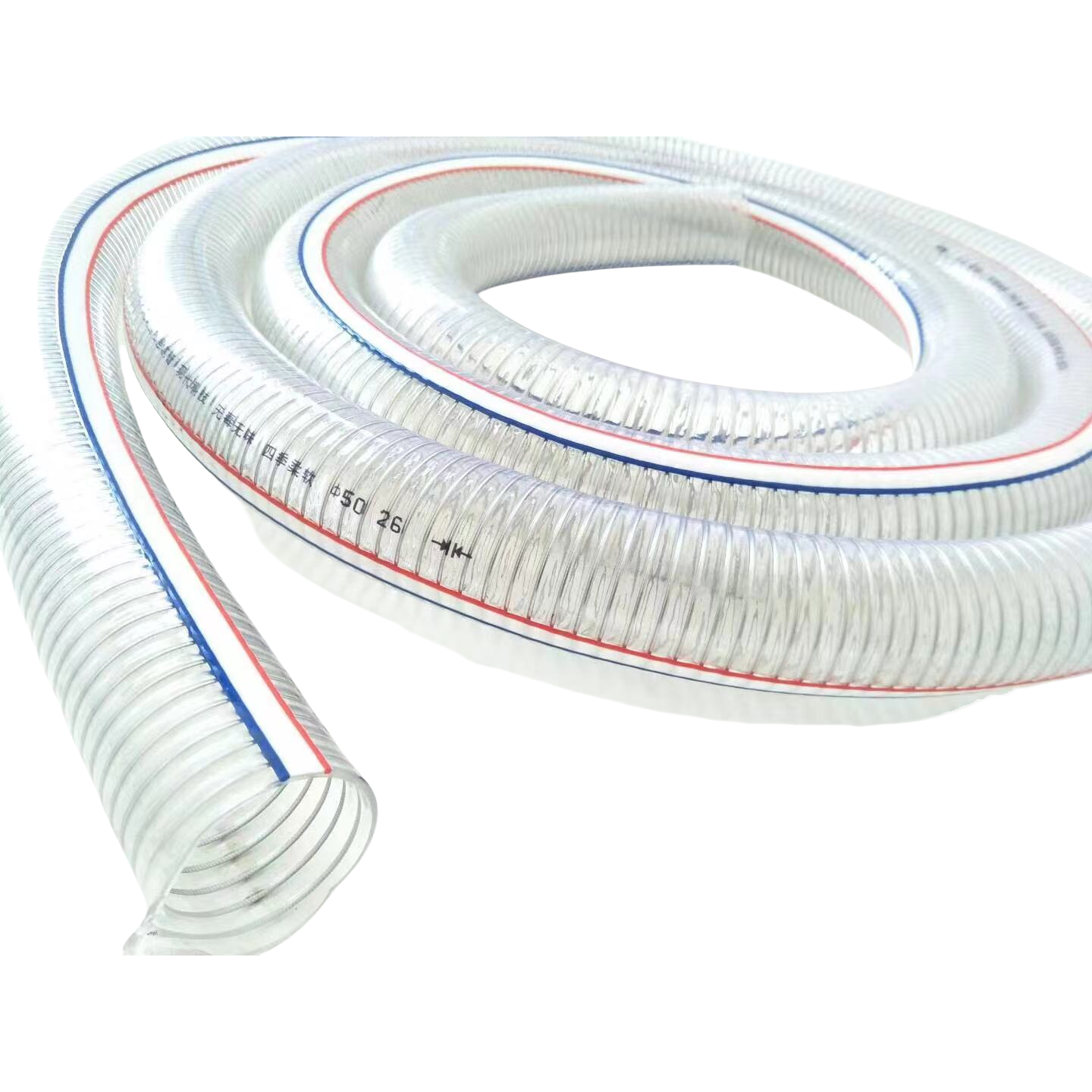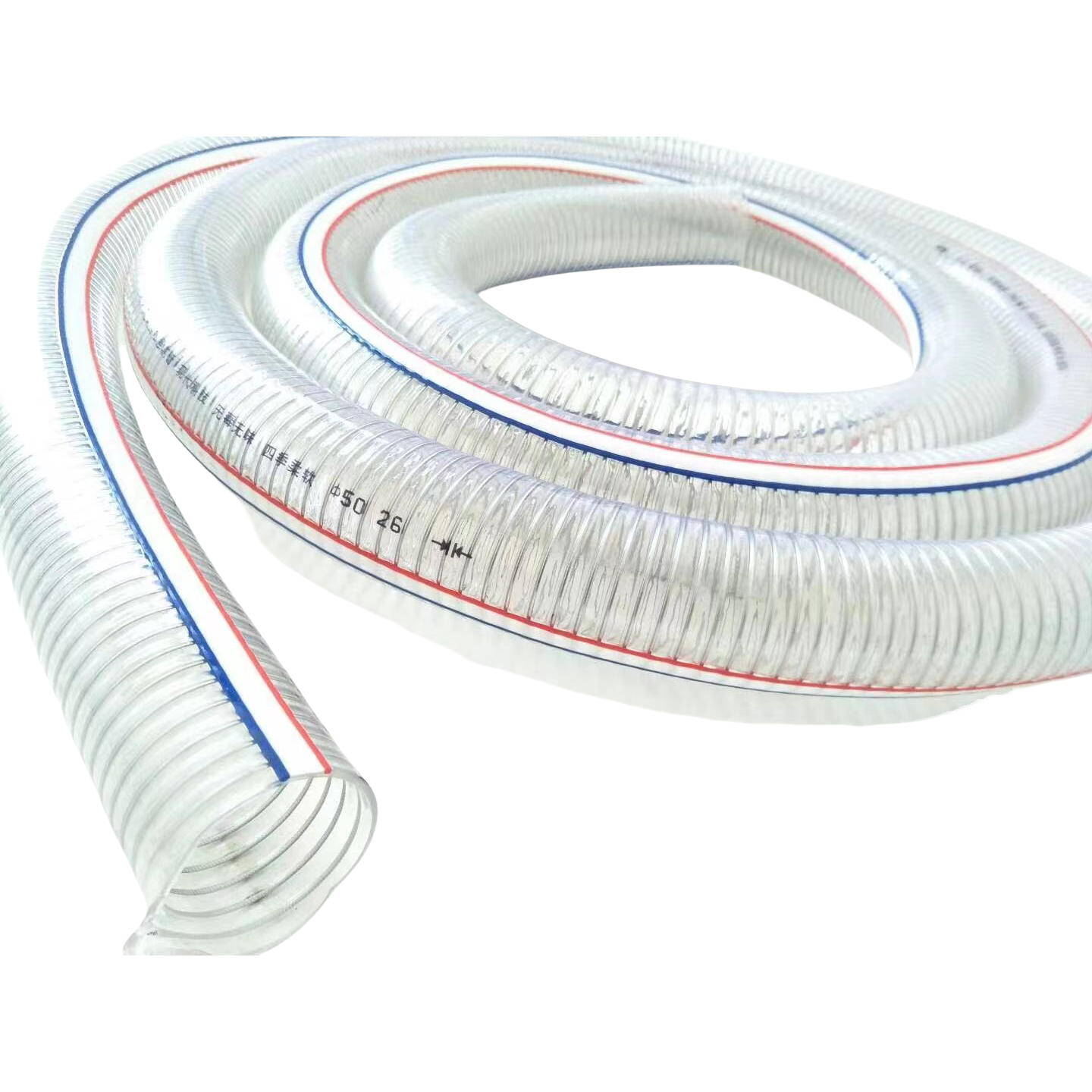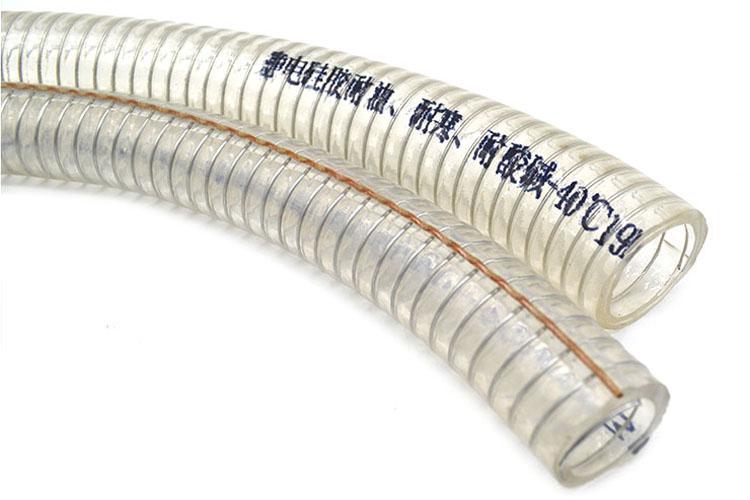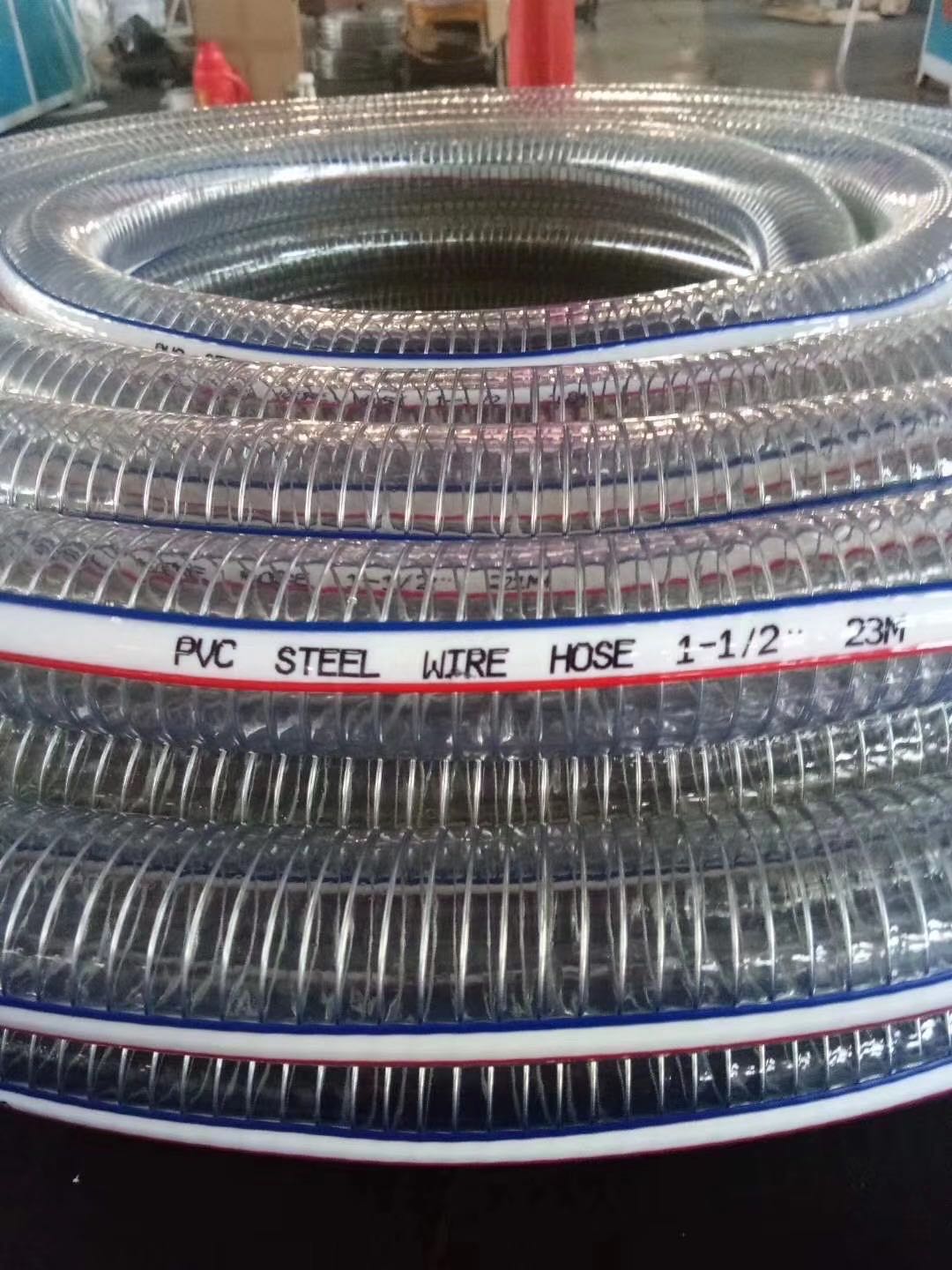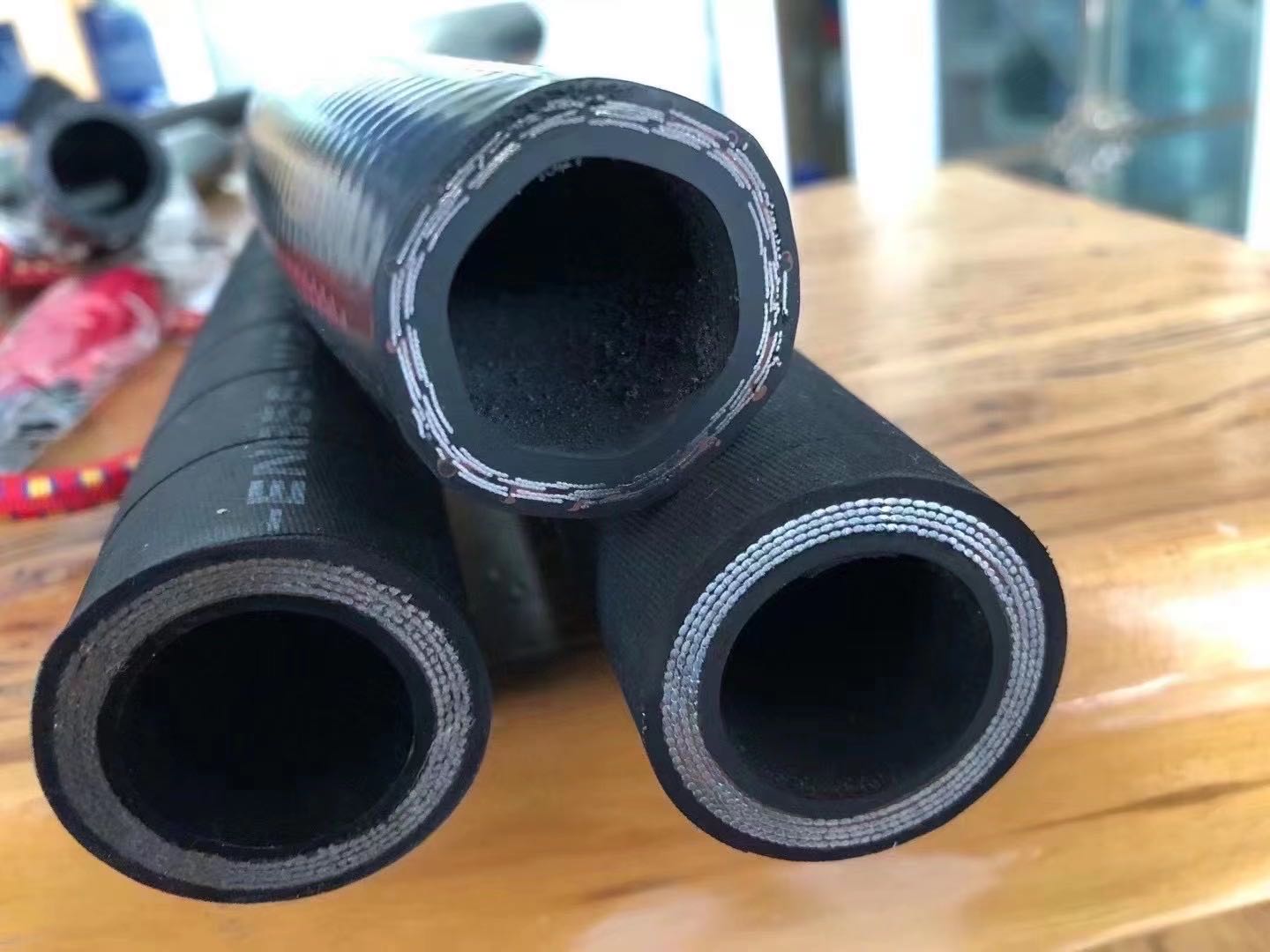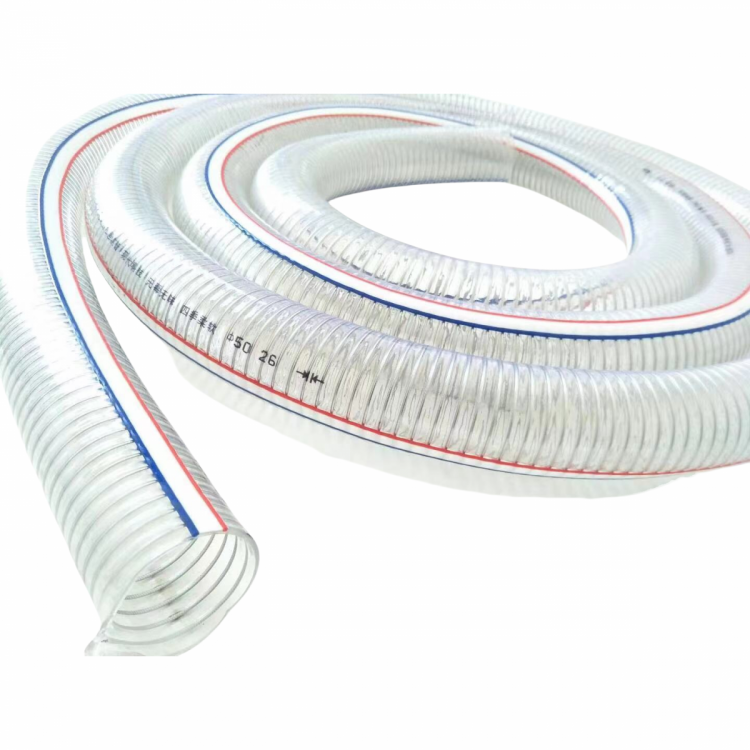
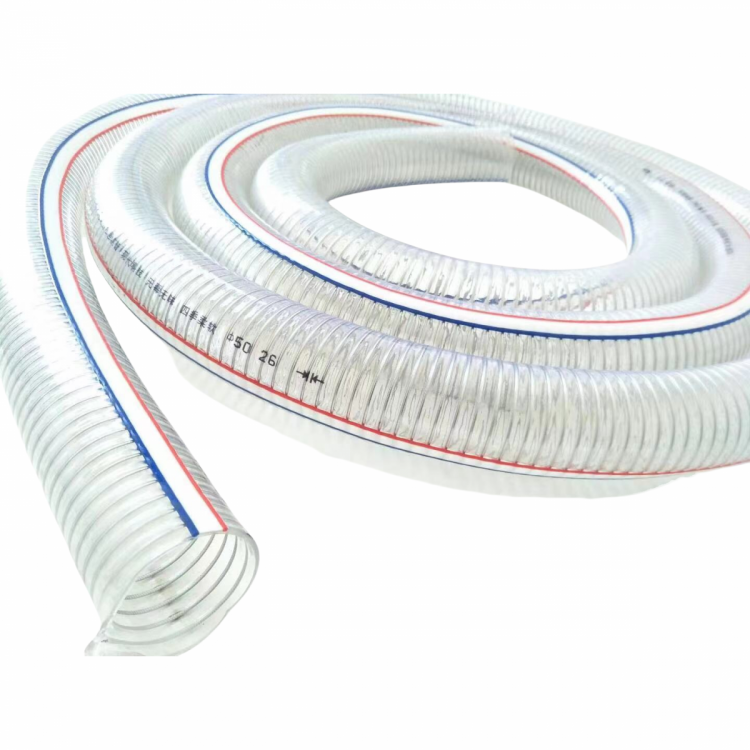
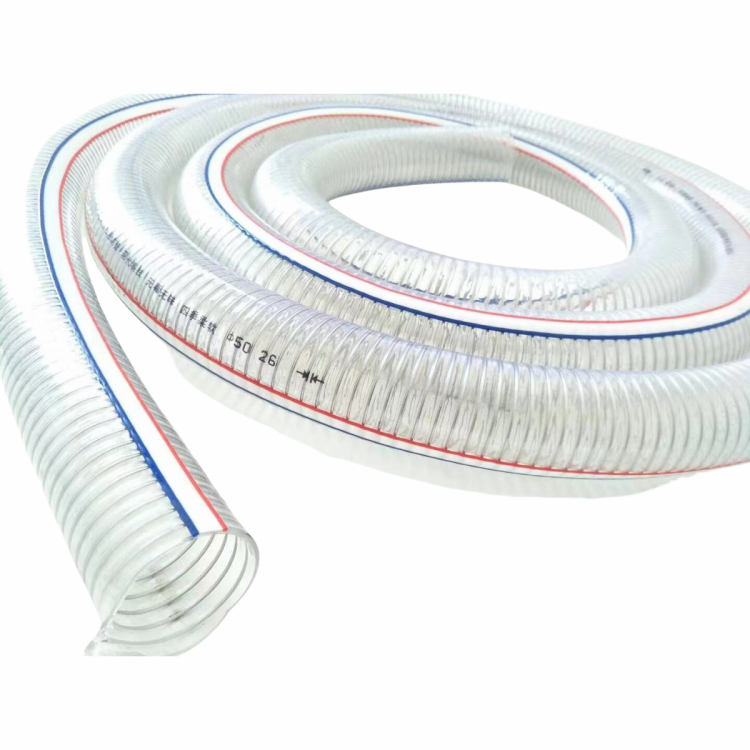


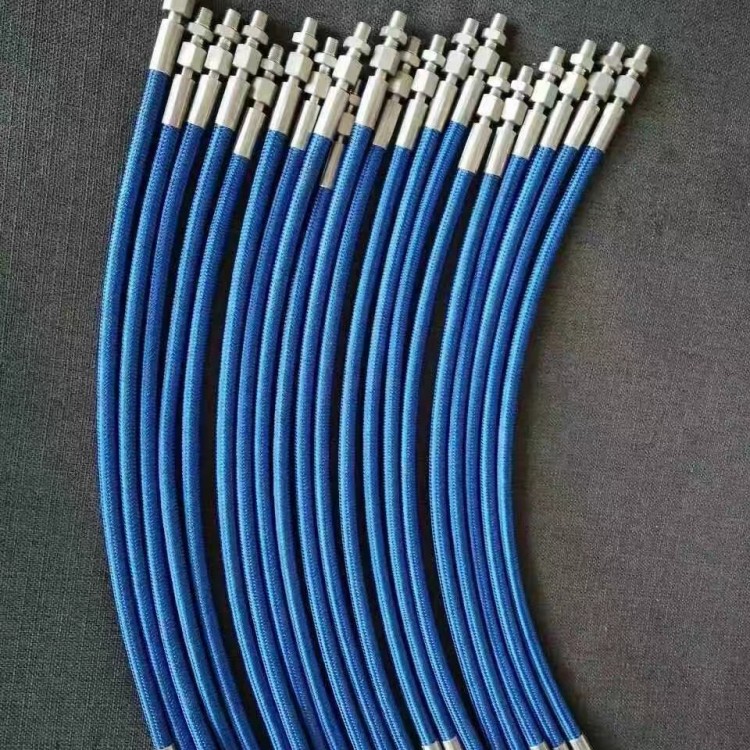
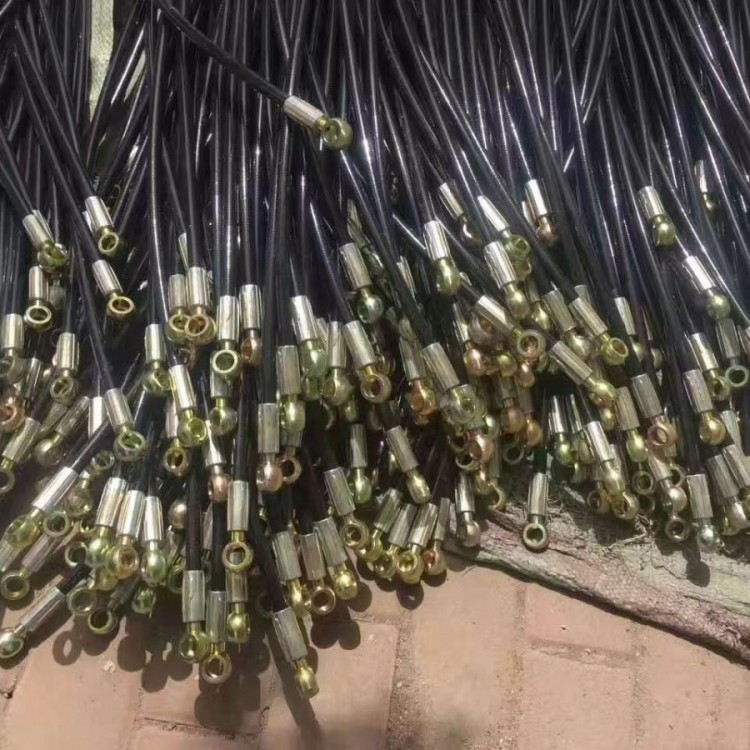
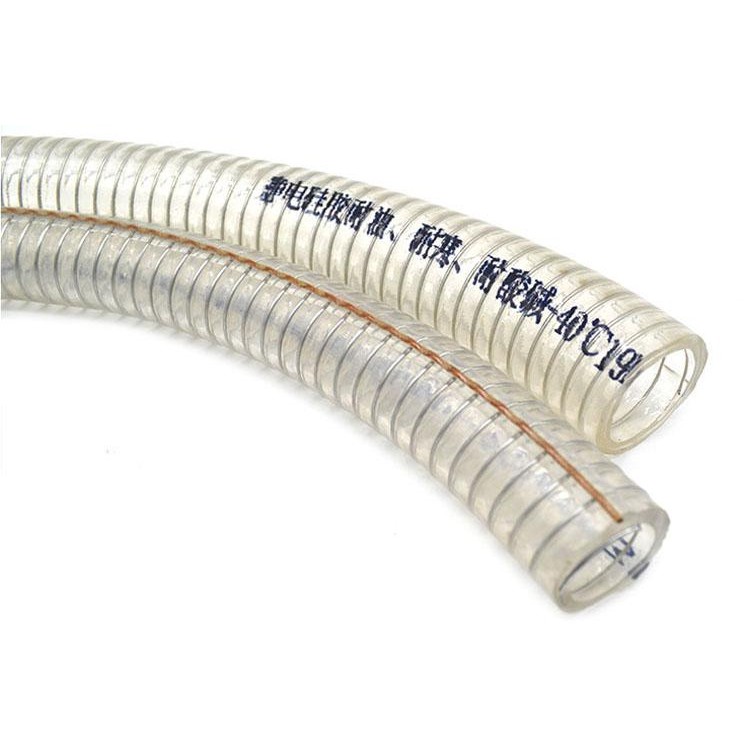
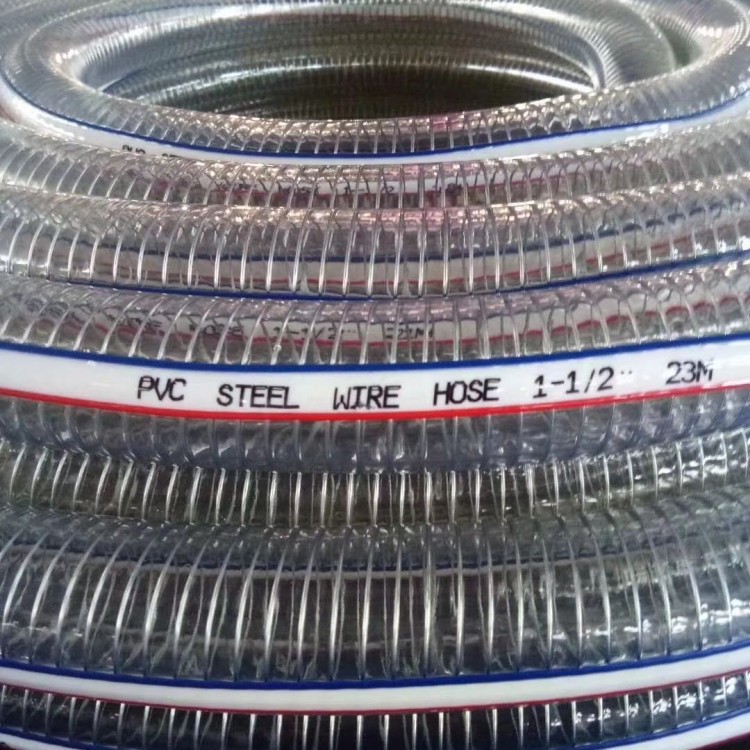





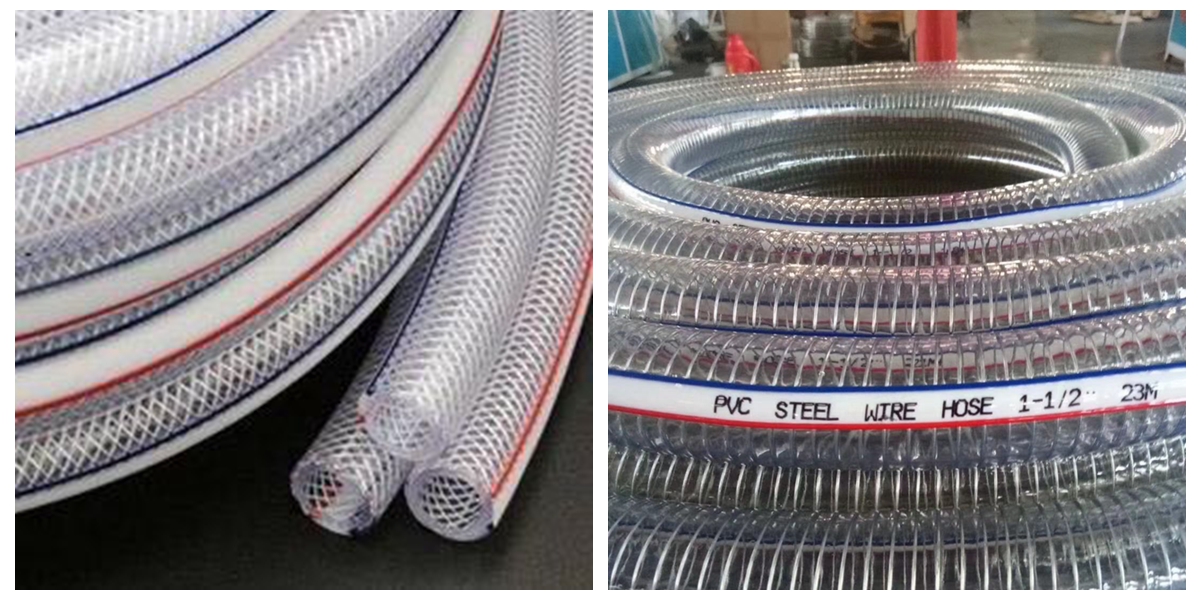
A PVC transparent hose is a pipe product made by adding a large amount of plasticizer, a certain amount of stabilizer, and other additives to the PVC resin, and then extruding it into shape. Below is a detailed introduction to the PVC transparent hose:
I. Material Composition
The primary formula for PVC transparent hoses includes PVC resin, heat stabilizers, lubricants, plasticizers, and colorants, among others. Among them, lubricants are categorized into internal and external types. Due to the larger amount of plasticizers used in PVC transparent hoses, the material's viscosity is relatively low, ensuring good fluidity, thus requiring less lubricant. Colorants are used to mask the yellowing phenomenon that occurs during the processing of PVC due to heat and mechanical friction, enhancing the product's aesthetic appeal.
II. Key Features
High transparencyPVC transparent hoses offer excellent transparency, making it easy to observe the flow state of the fluid inside the tube.
Lightweight qualityCompared to soft tubes made of other materials, PVC transparent tubes are lighter in weight, making them easier to carry and install.
Good softness and coloration propertiesFlexible hoses, easy to bend for use in various environments, and customizable for coloring to meet different aesthetic requirements.
High-pressure and corrosion-resistantPVC material boasts strong resistance to acids and alkalis and chemical corrosion, suitable for conveying various liquids.
Section 3: Application Fields
PVC transparent hoses are widely used in various fields due to their unique properties and advantages:
Agricultural IrrigationUsed for pump machinery, it facilitates irrigation and drainage in farmlands. Its transparent nature allows farmers to clearly observe the water flow, ensuring effective irrigation.