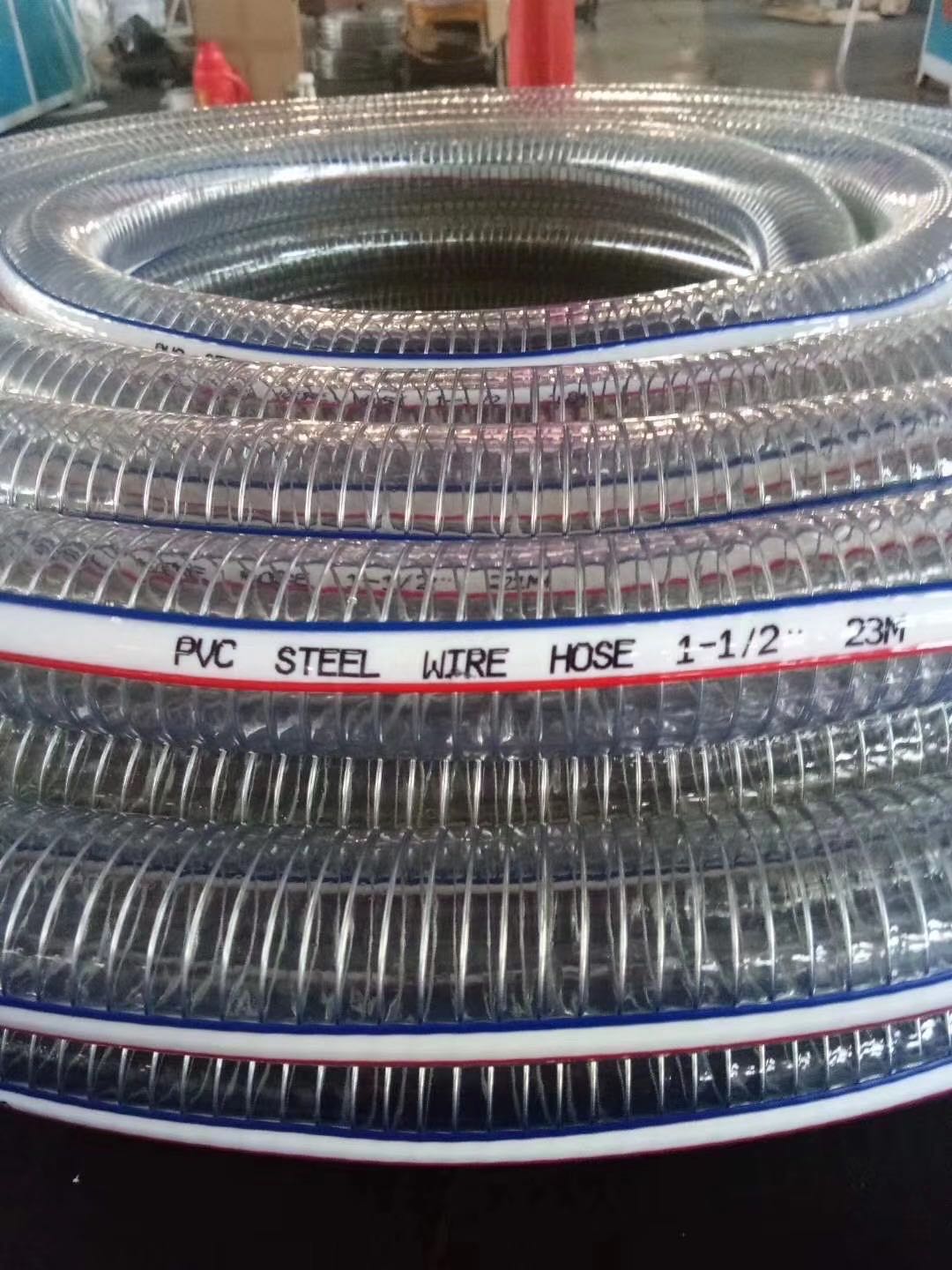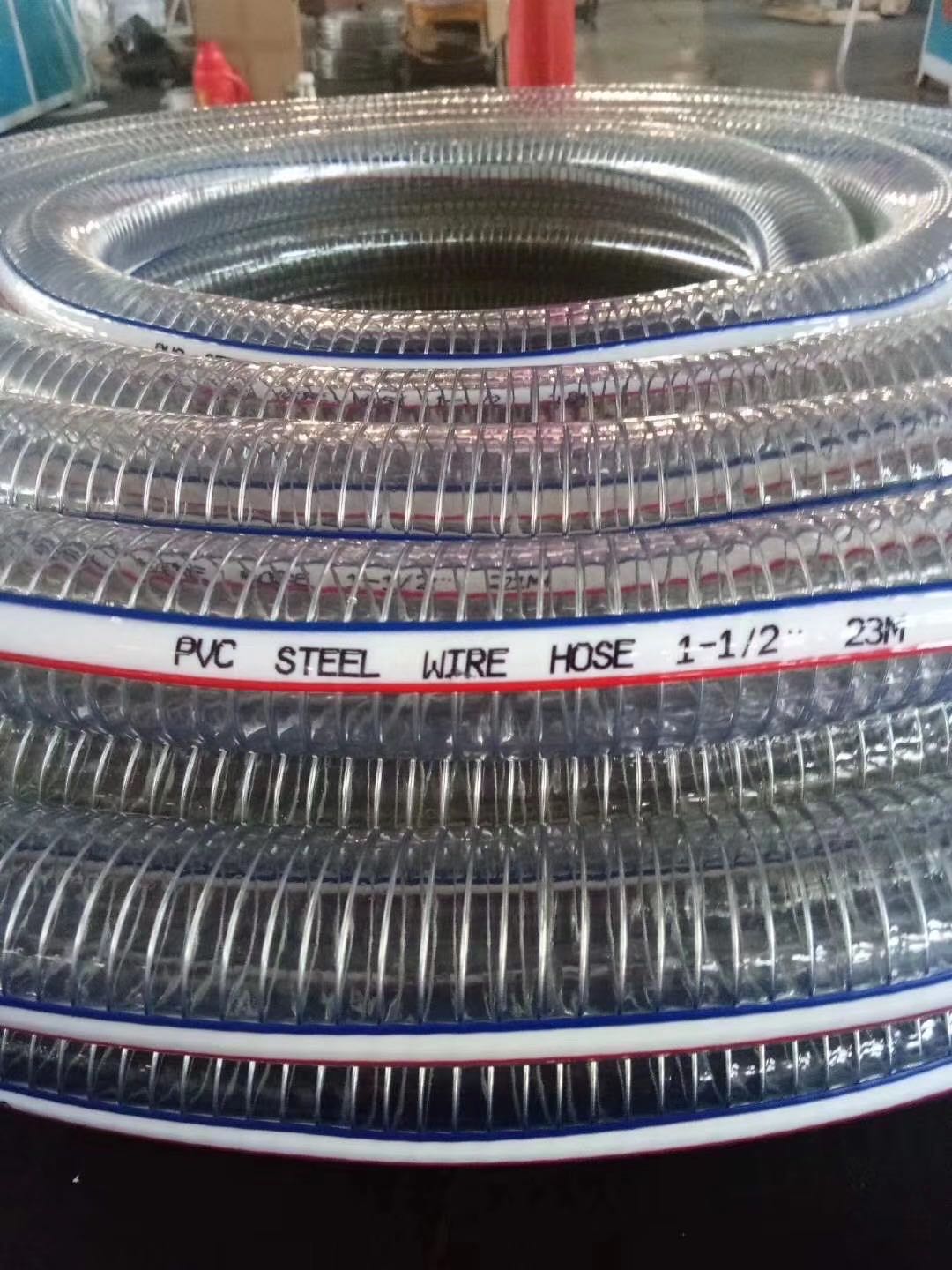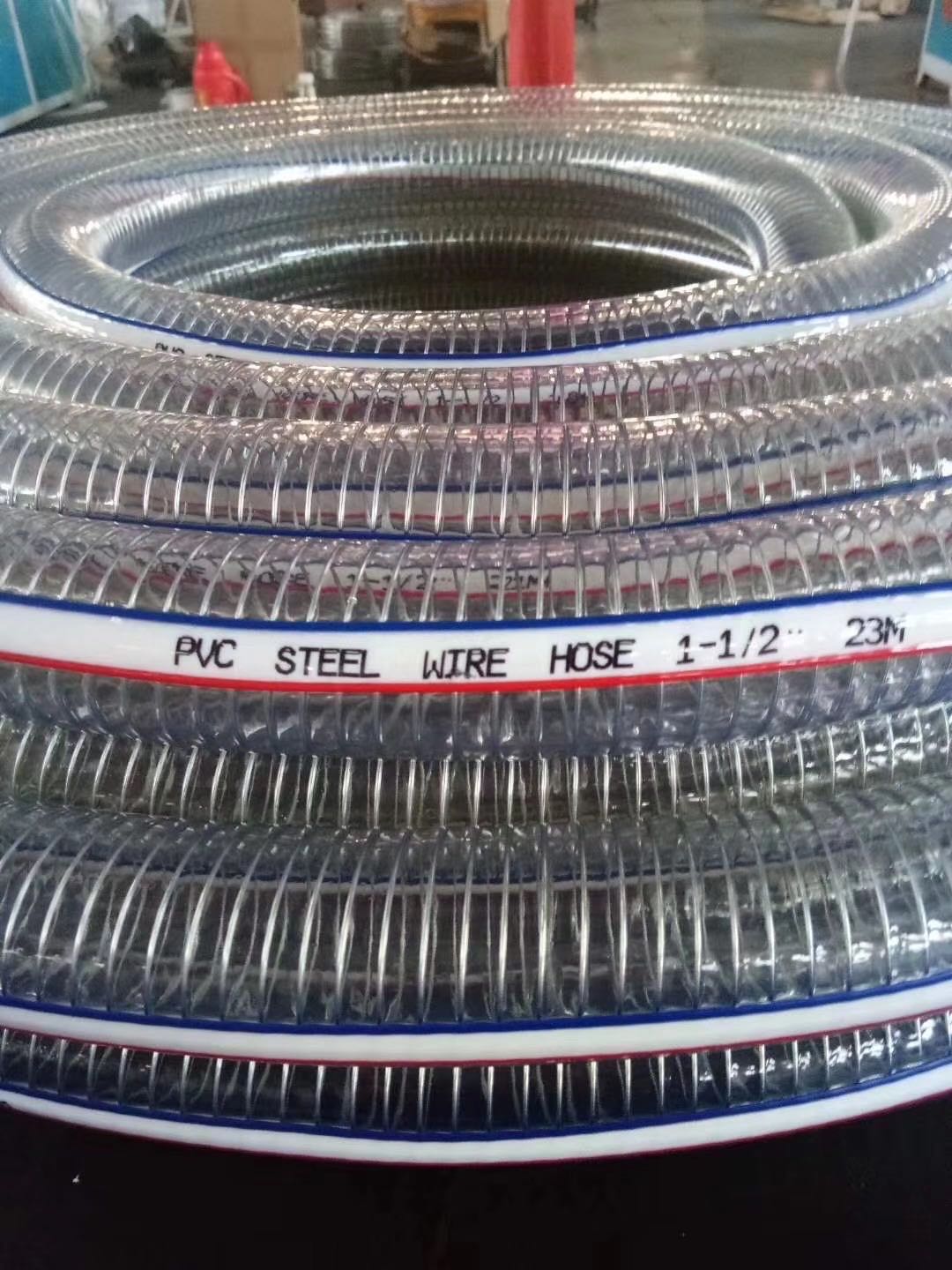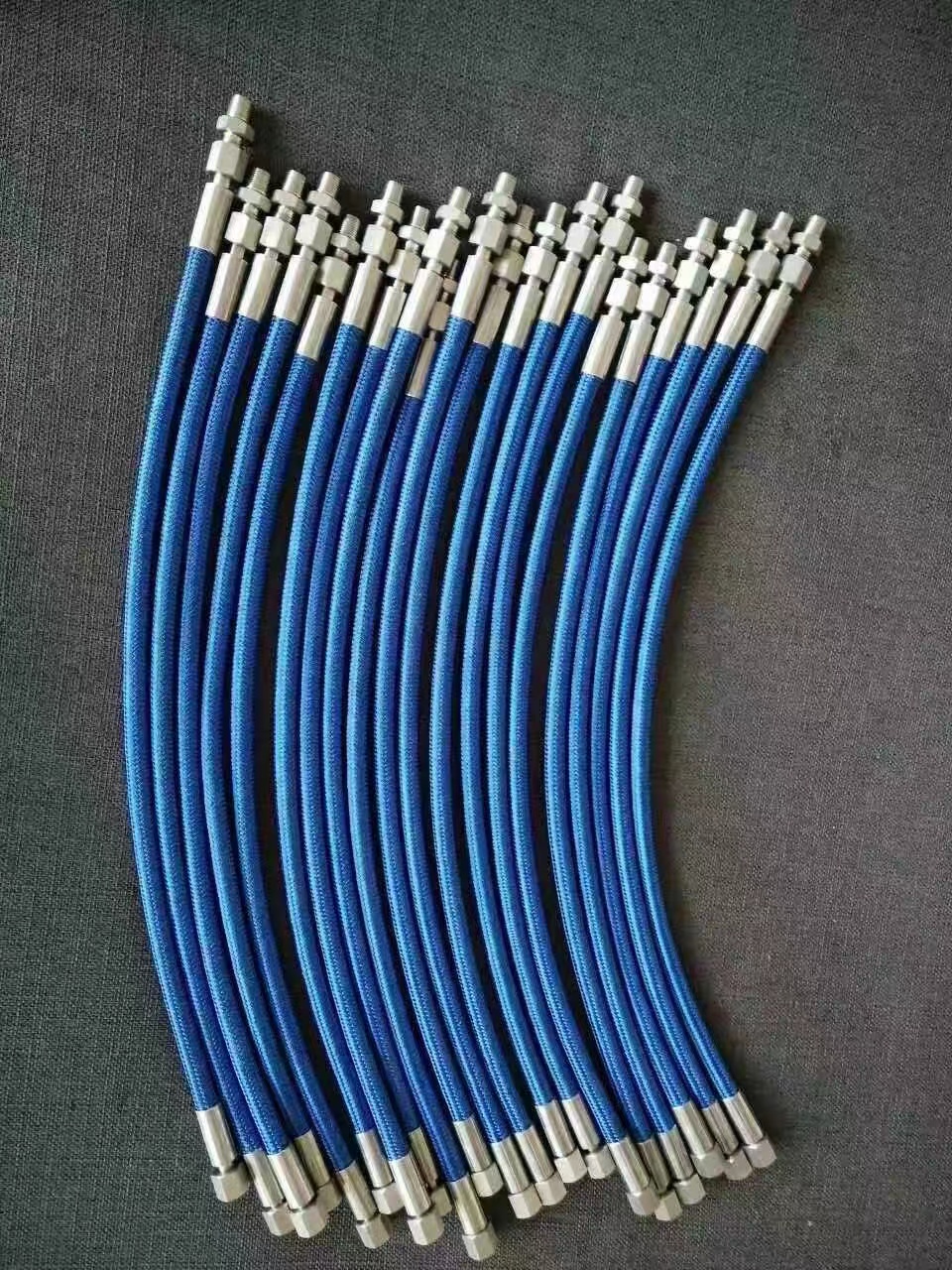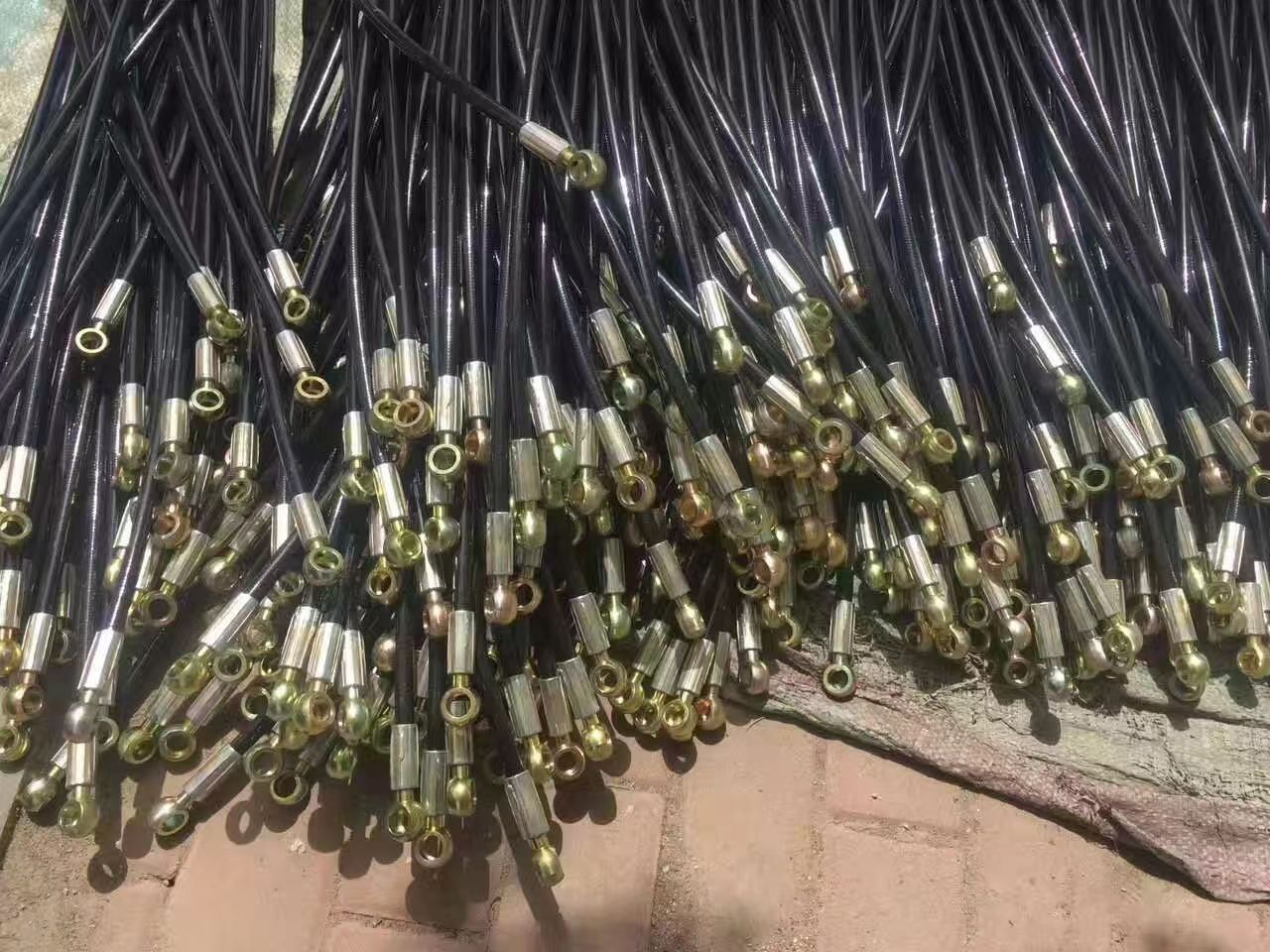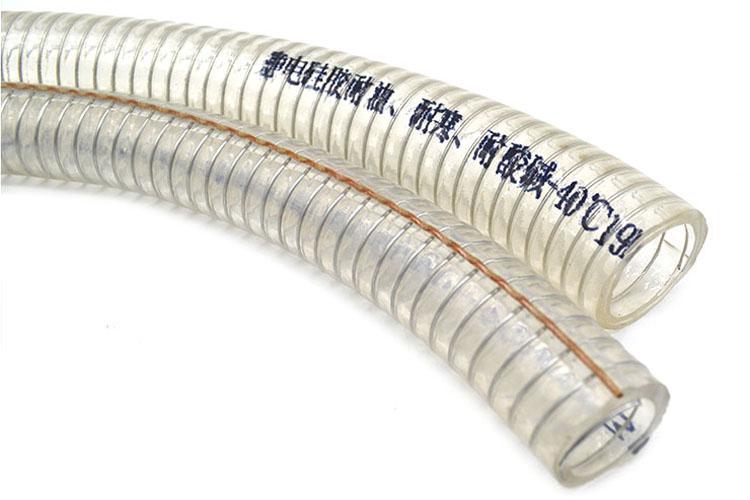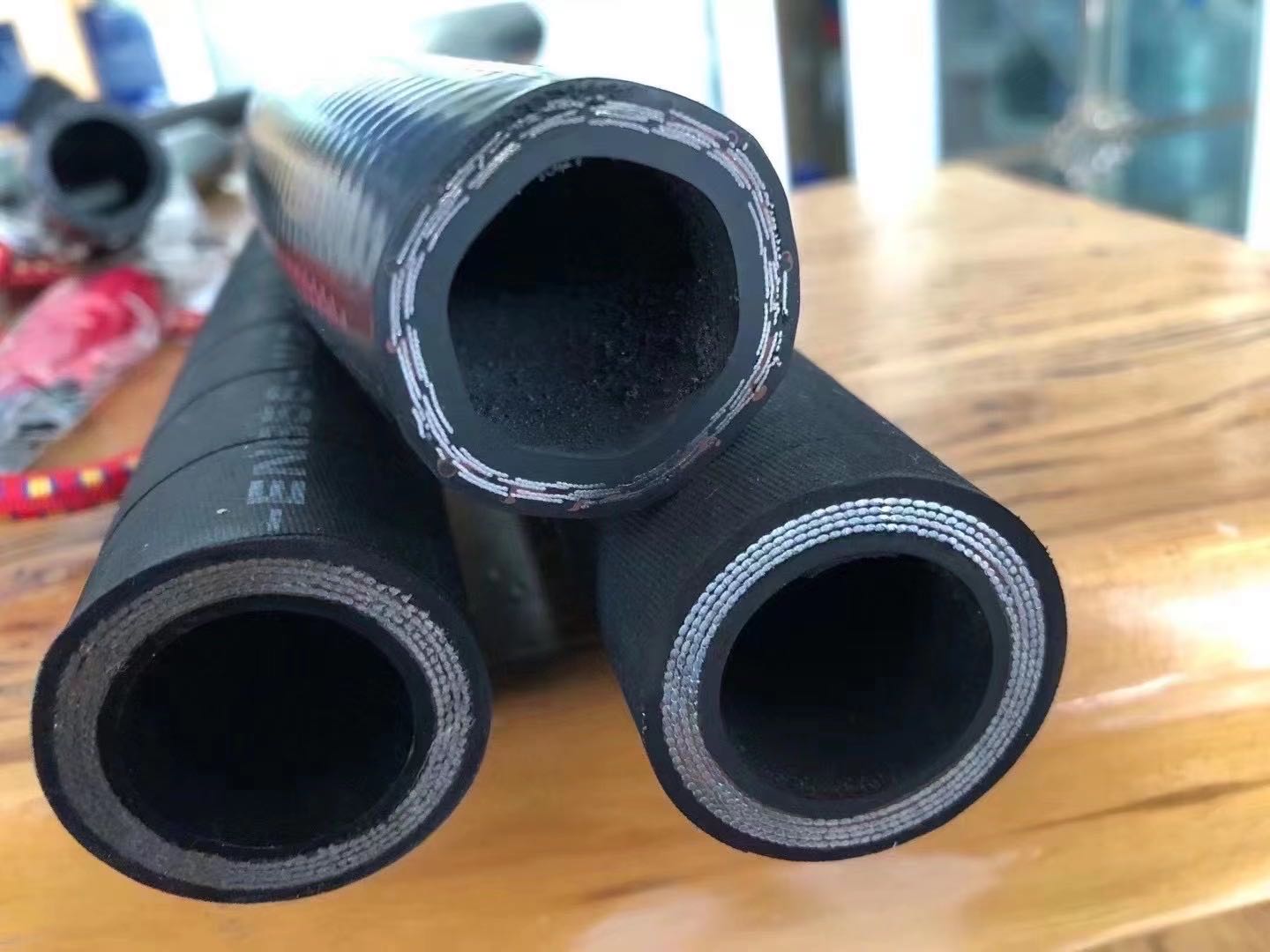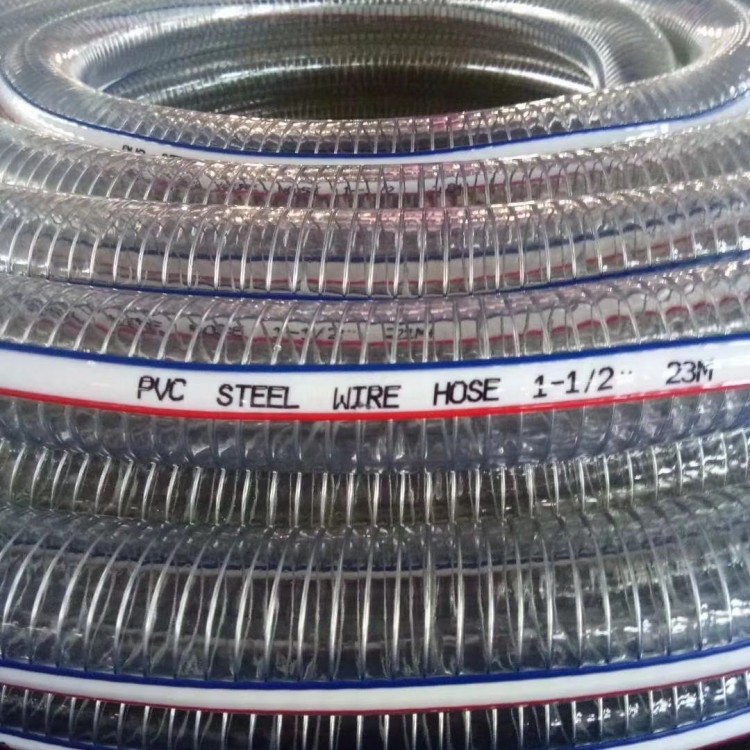

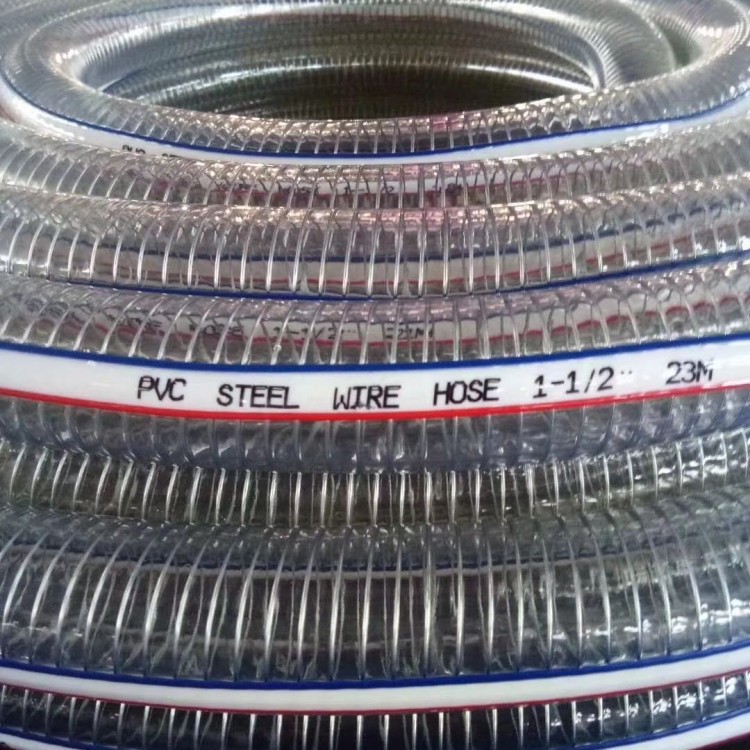
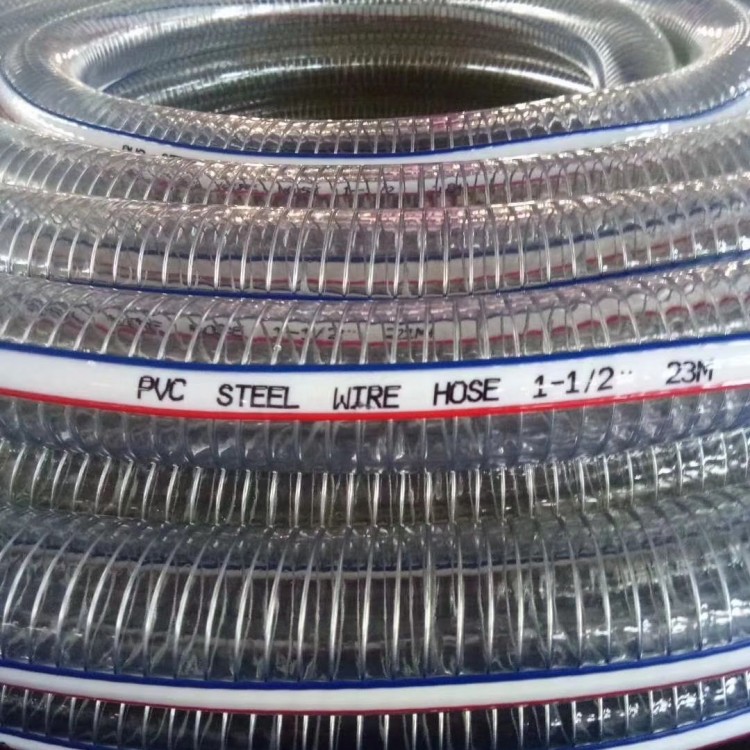
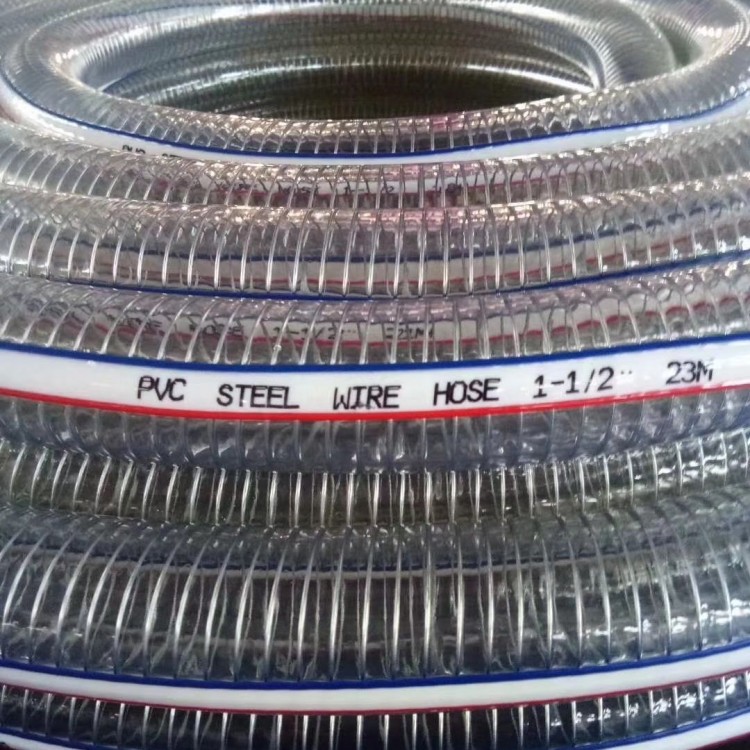


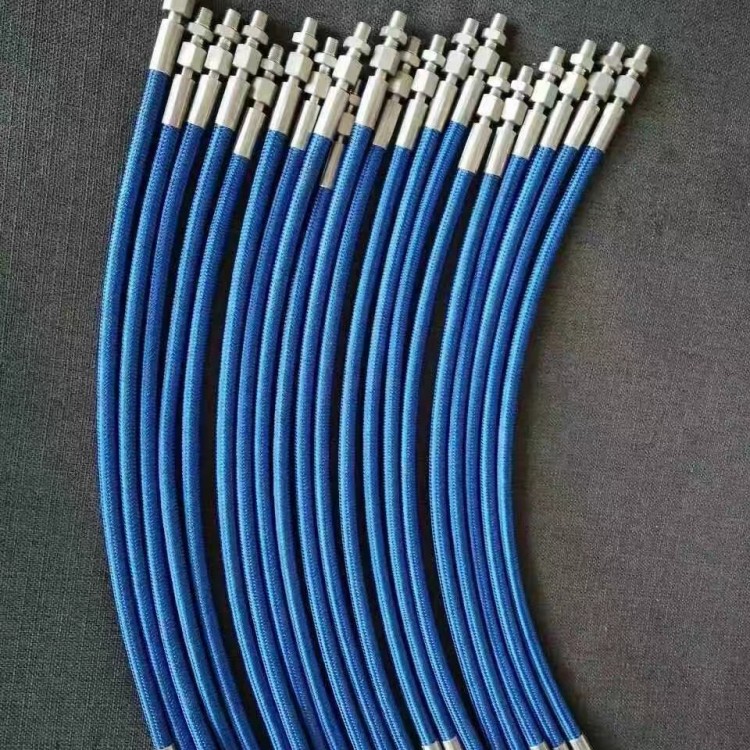





The current differences between imported and domestically produced rubber hoses mainly manifest in the following aspects:
1. Raw Materials and Production Process: Imported rubber hoses commonly use high-quality raw materials, such as imported latex or synthetic rubber, combined with advanced production techniques and technology, ensuring the hoses meet international quality and performance standards. Some domestically produced rubber hoses, however, may use cheaper materials and have lower production and technological standards, potentially leading to inconsistent quality and performance issues.
2. Quality and Reliability: Imported rubber hoses generally excel in quality and reliability due to rigorous quality control and testing to ensure their performance and lifespan meet standards. Some domestically produced rubber hoses may suffer from inconsistent quality and are prone to damage, affecting their lifespan and reliability.
3. Performance Specifications: Imported rubber hoses typically boast higher performance standards, such as lower compression deformation rates, better temperature resistance, and corrosion resistance. These high-performance specifications ensure that the hoses maintain excellent working conditions in various complex environments. However, some domestically produced rubber hoses may have lower performance standards, leading to issues like deformation, aging, and damage during use.
4. Price and After-Sales Service: Imported rubber hoses generally cost more than domestic ones due to higher production costs. Additionally, the after-sales service for imported rubber hoses might be more comprehensive, offering more professional technical support and repair services. Conversely, some domestic rubber hoses may have inadequate after-sales service, which can affect their performance and lifespan.
Overall, while domestic rubber hoses have certain advantages in some aspects, imported rubber hoses still hold a certain edge in terms of overall quality, performance, reliability, price, and after-sales service. When selecting rubber hoses, it's necessary to consider the specific usage environment and requirements, choosing a product that suits your needs.