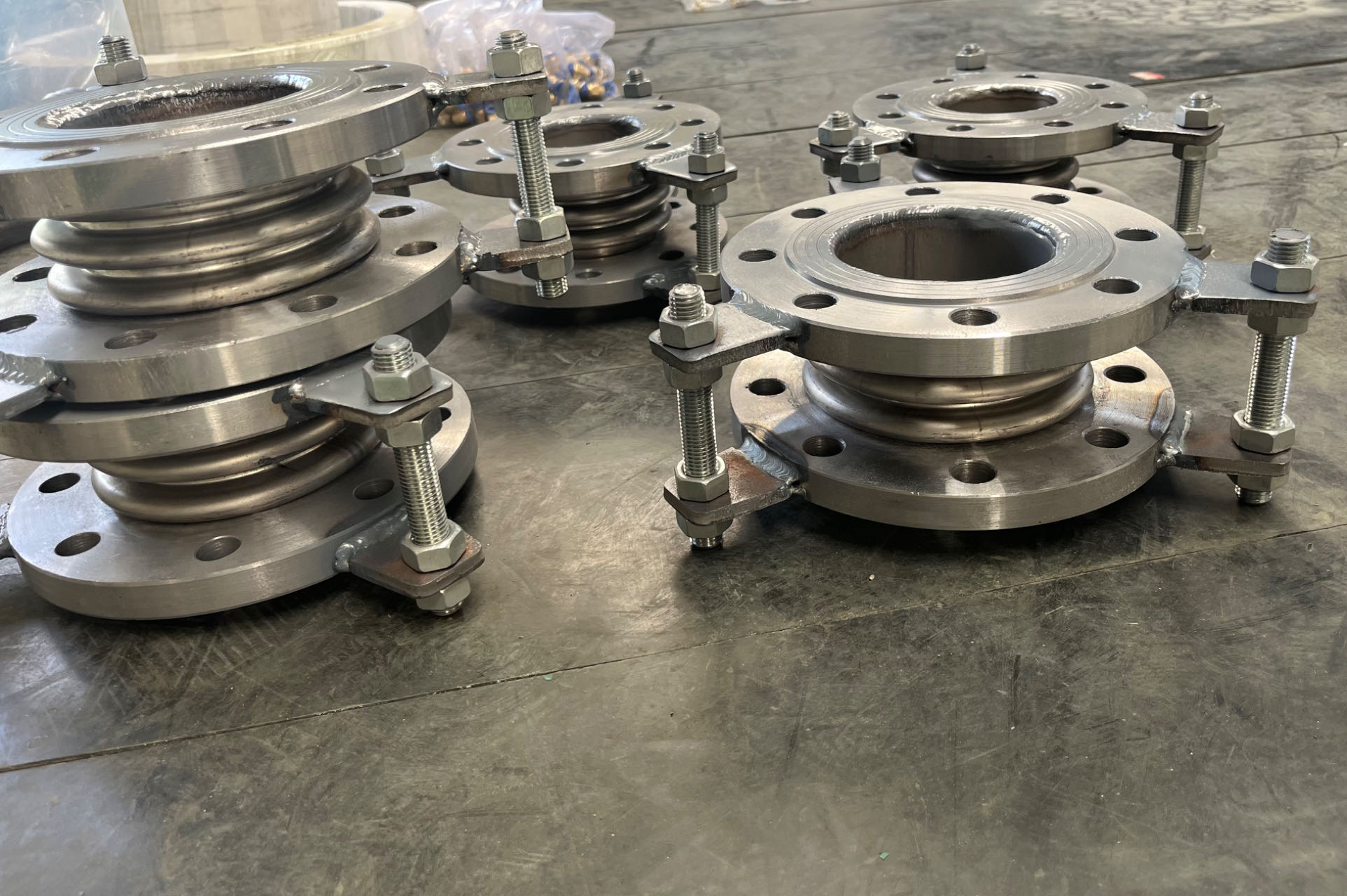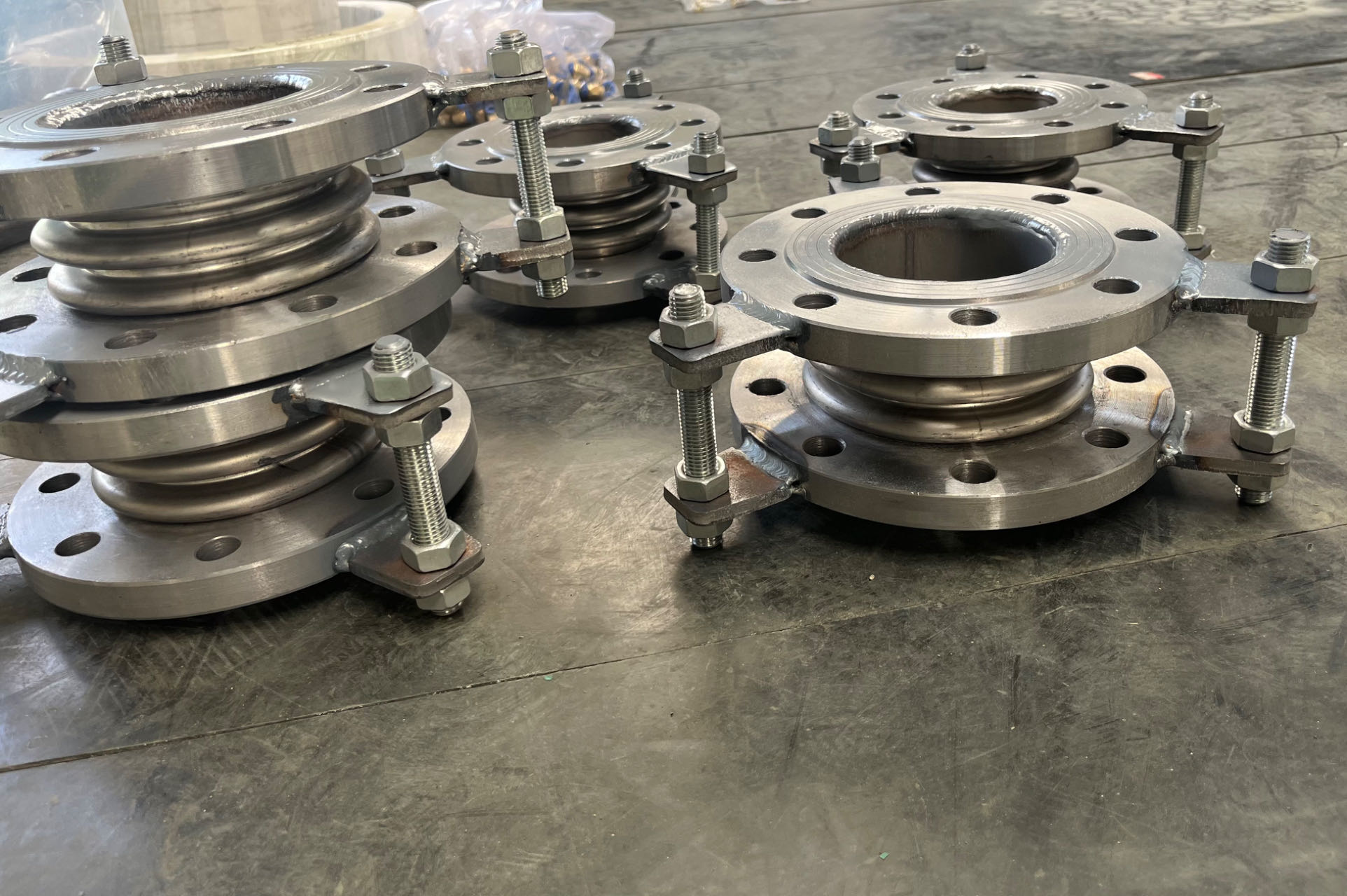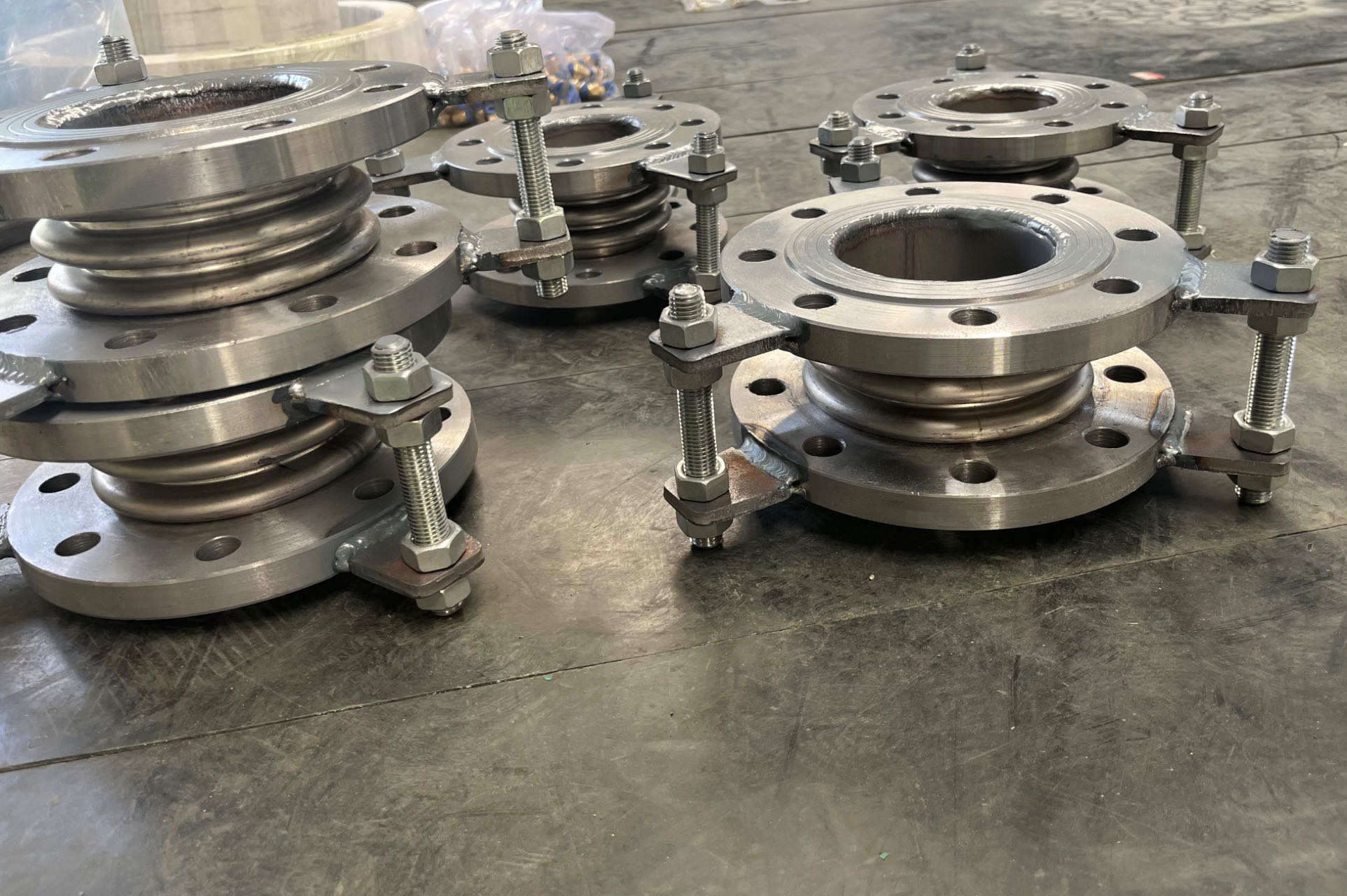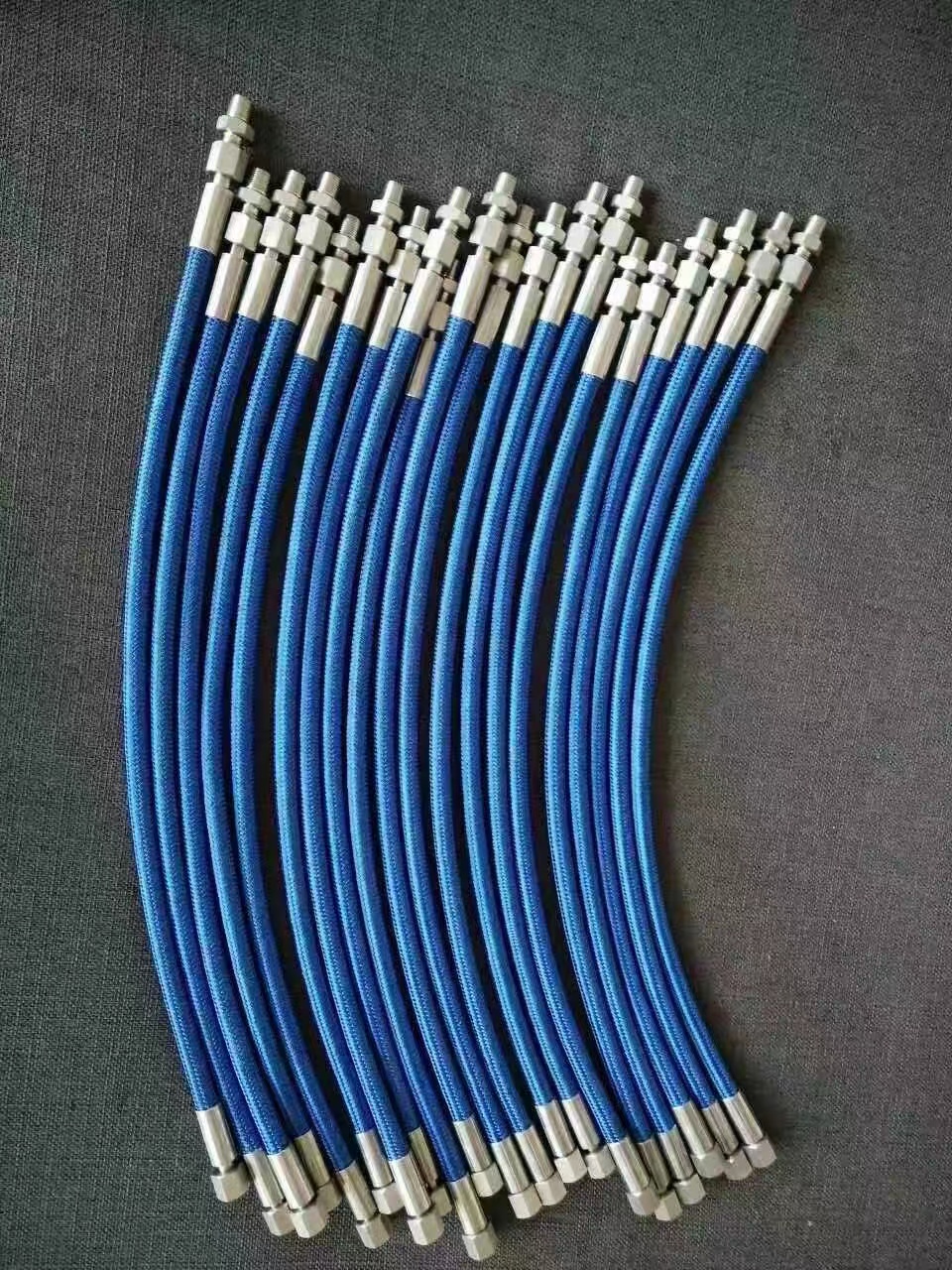







Metallic bellows are an essential mechanical component; the following is a detailed introduction to them:
I. Design Principles and Structural Features
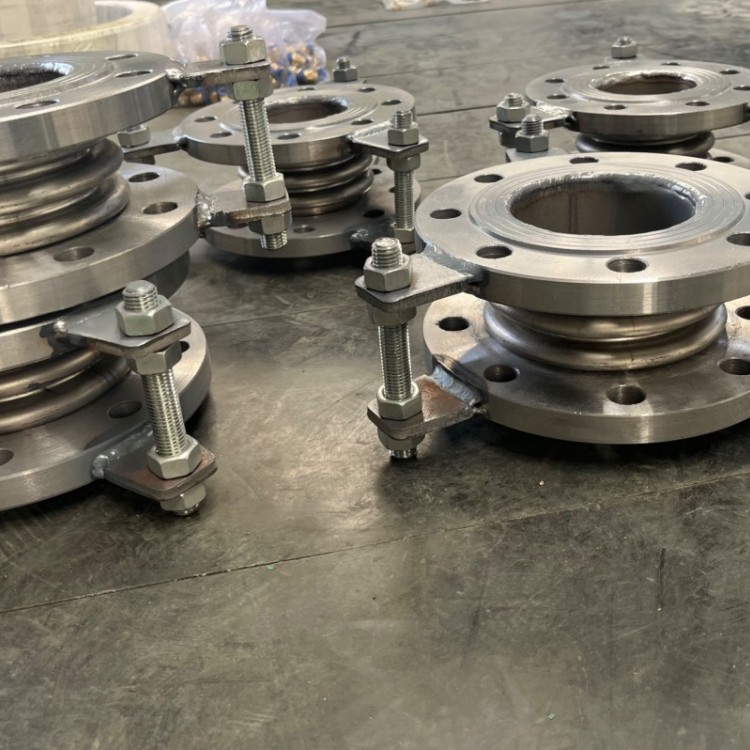
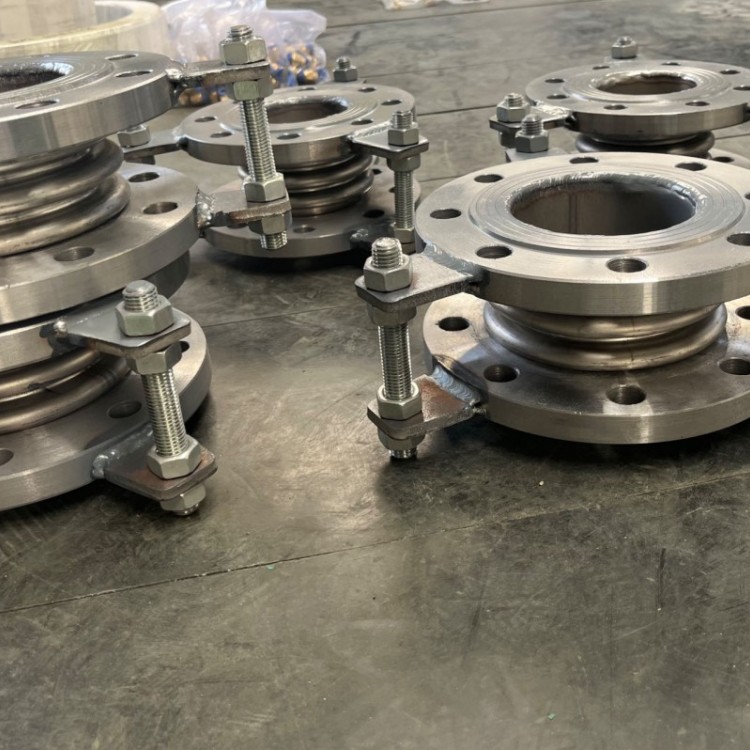
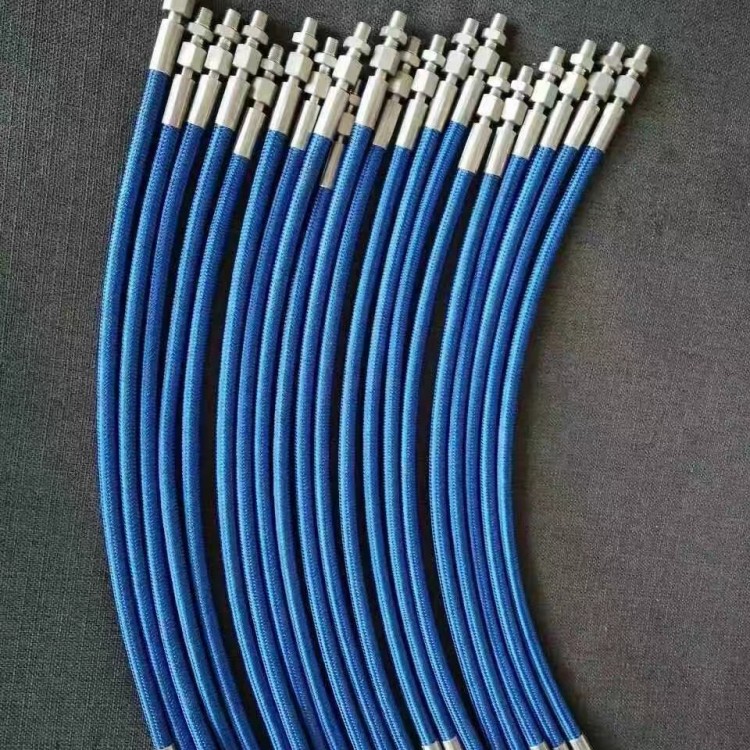
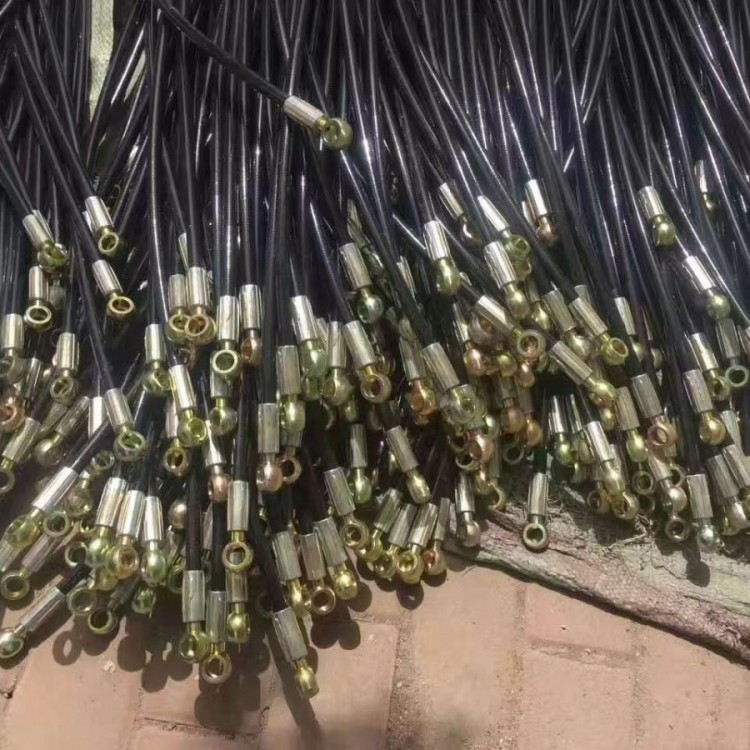
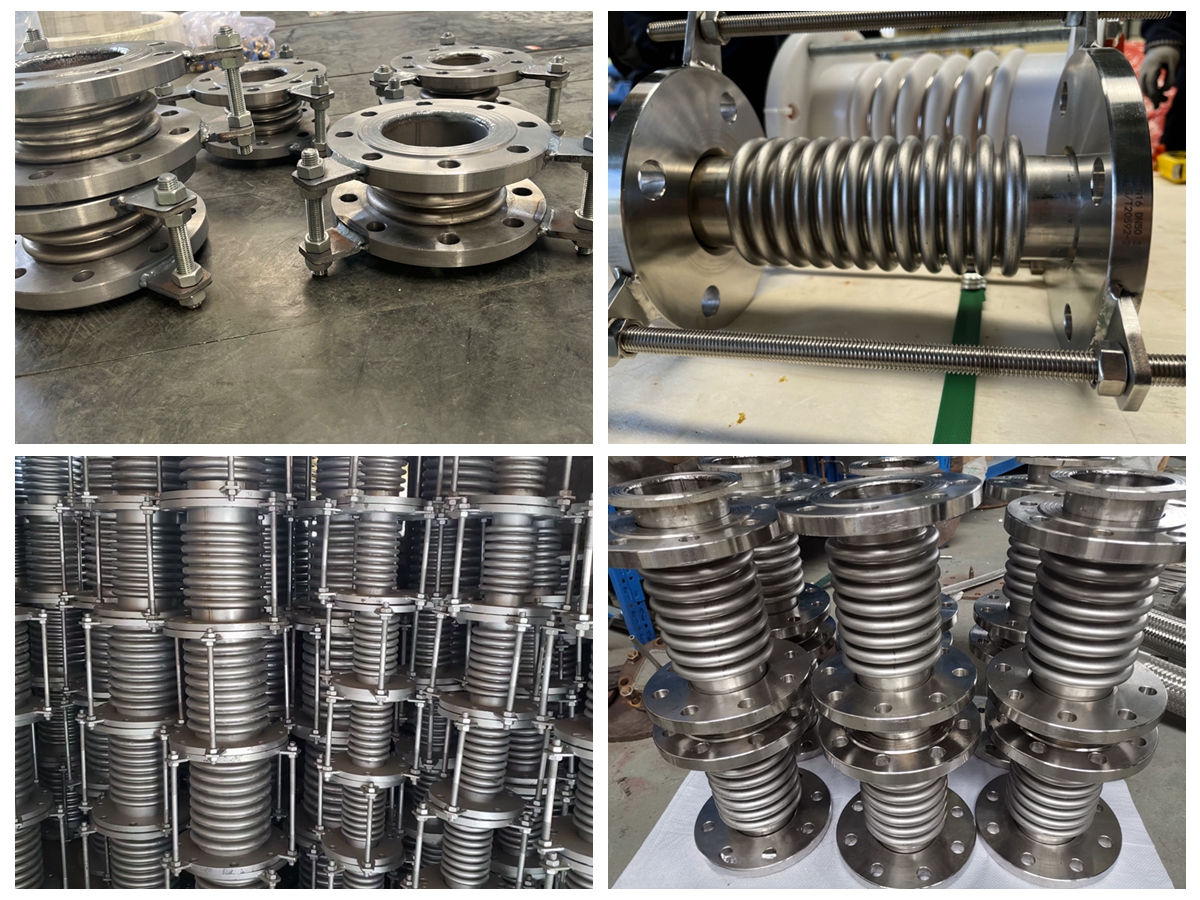
The design of the metal bellows is based on its unique corrugated structure, which imparts flexibility and elasticity to the bellows. It is primarily composed of a corrugated flexible tube, a metal mesh sleeve (stainless steel woven mesh), and joints, with some including flanges and other components. This structural feature allows the metal bellows to withstand certain bending and vibration, adapting to various complex pipeline layouts and operating conditions.
II. Material Selection
The material selection for metal bellows significantly impacts their performance and service life. Common materials include:
Stainless Steel: Due to its excellent corrosion resistance and mechanical properties, it is widely used in the manufacturing of corrugated pipes, particularly in the chemical and food industries.
Nickel-based alloysNickel-based alloys are an ideal choice in high-temperature and corrosive environments due to their excellent high-temperature and corrosion-resistant properties.
Copper and copper alloys: Excellent thermal and electrical conductivity, suitable for applications requiring good thermal and electrical conduction.
Titanium alloy: Known for its lightweight and high strength, it is commonly used in high-end fields such as aerospace.
Section 3: Performance Advantages
Metallic bellows offer various performance advantages, including:
Deformation capabilityBellows deform through compression and expansion of their bellows, which grants them the ability to maintain excellent sealing and stability in high-pressure or high-temperature environments.
Stress DistributionBy designing the shape and thickness of the corrugations reasonably, the applied external pressure can be effectively distributed, preventing localized stress concentration and thereby extending the service life of the corrugated tube.
Sealing PerformanceThe design of the bellows considers its sealing property. Through the elastic deformation of the corrugations, it ensures a sealed effect at the joint, preventing medium leakage.
Section 4: Function and Applications
Metallic bellows play a crucial role in various fields, including:
Compensating DisplacementBellows can absorb thermal expansion and mechanical displacement within the piping system, preventing pipe rupture or loose connections due to displacement.
Vibration and noise reductionThrough the elastic deformation of the corrugation, the corrugated pipe can effectively absorb vibration and impact, reducing the noise and vibration of the equipment.
Sealed connectionBellows are used for sealing in pipeline connections, ensuring the sealing integrity of the pipeline system under high-pressure or vacuum conditions.
Transmitting TorqueBellows can transmit torque in both axial and radial directions, suitable for various complex working environments.
Specifically, metal bellows are widely used in various fields such as petrochemicals, aerospace, automotive, food processing, and medical equipment. In the petrochemical industry, bellows are used for compensation and sealing in pipeline systems; in the aerospace field, they are used for connecting and compensating structural components; in the automotive industry, bellows are used for vibration reduction and compensation; in the food processing industry, stainless steel bellows are used for fluid conveyance; and in medical equipment, bellows are used for connecting and transferring gases or liquids.