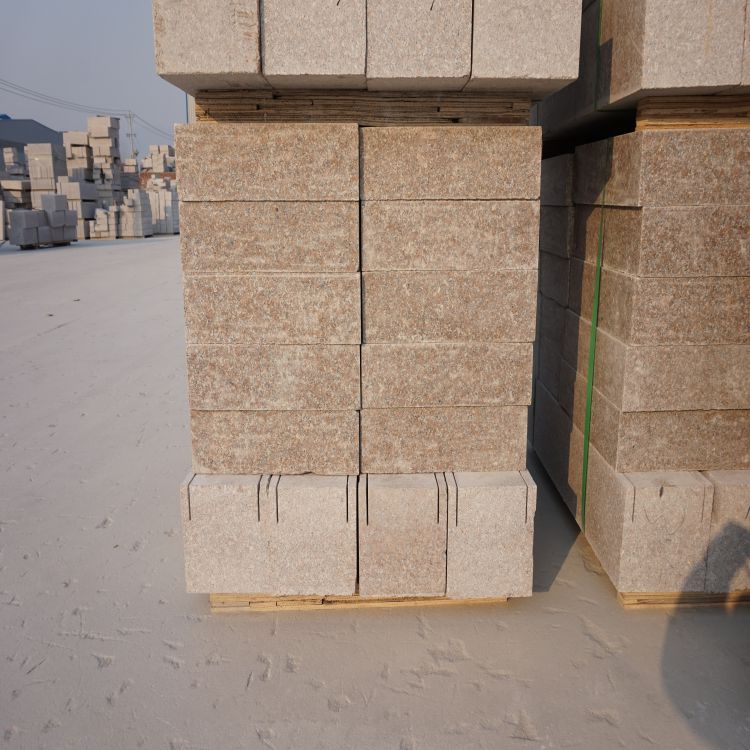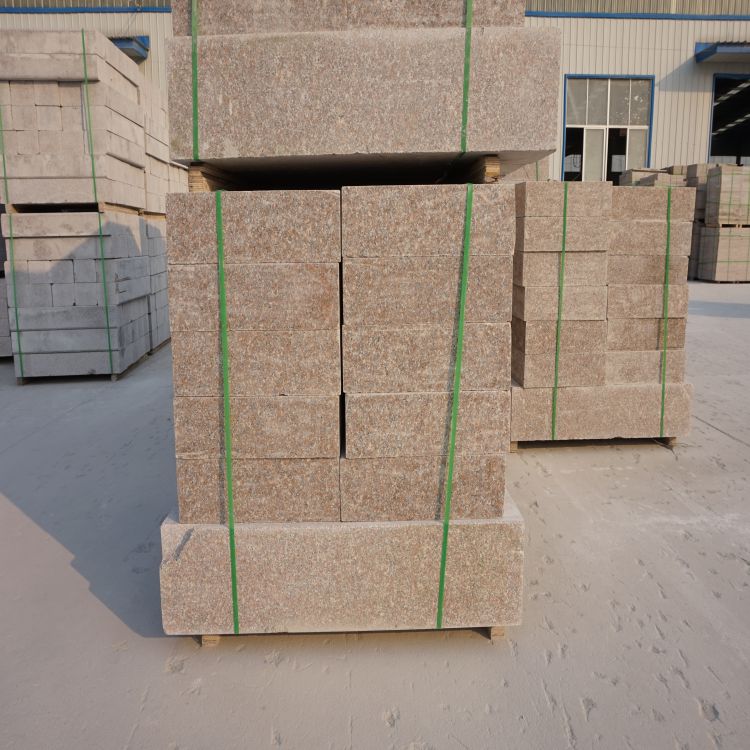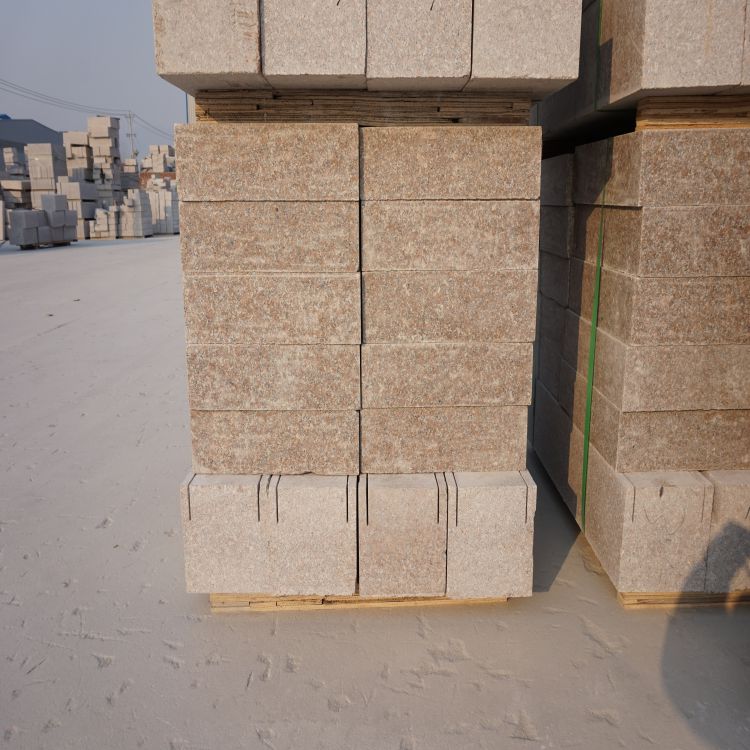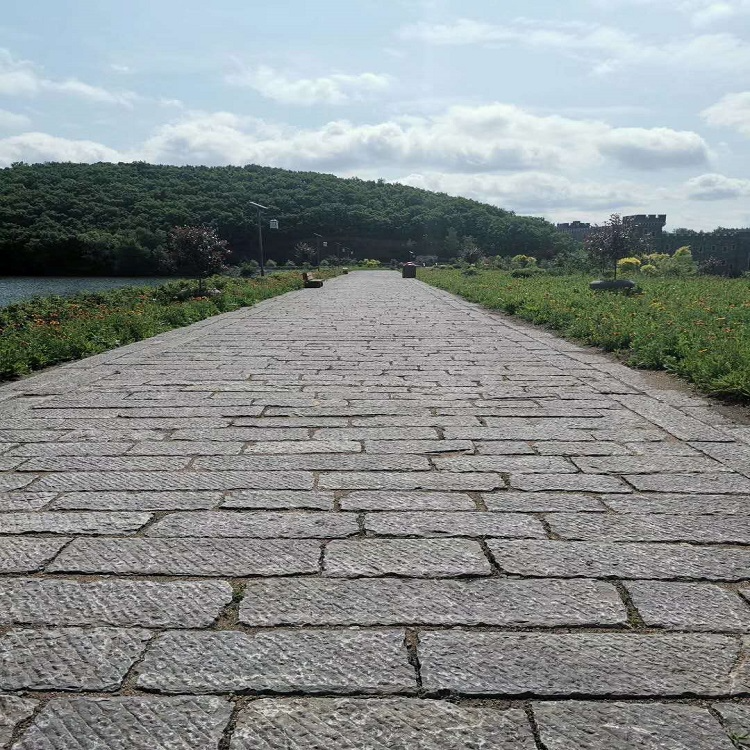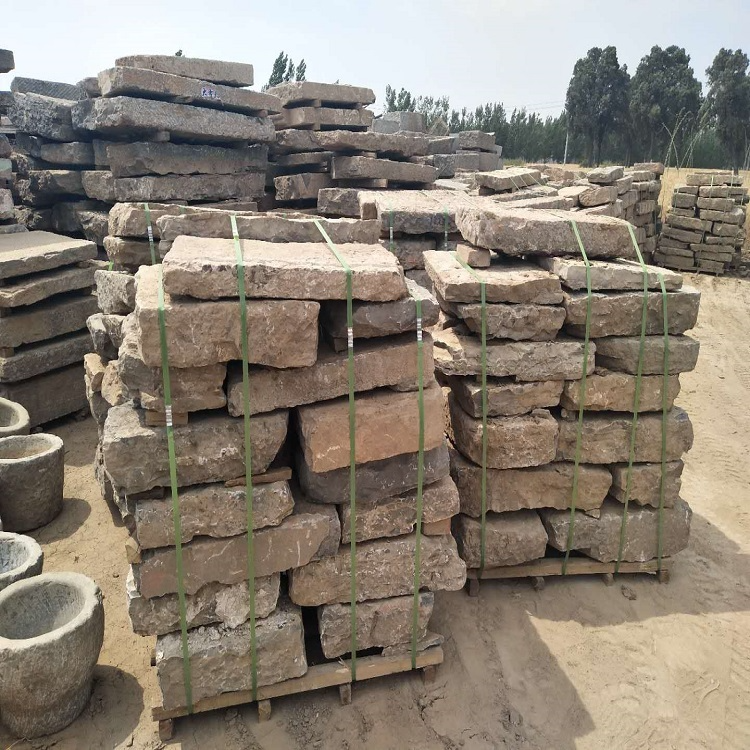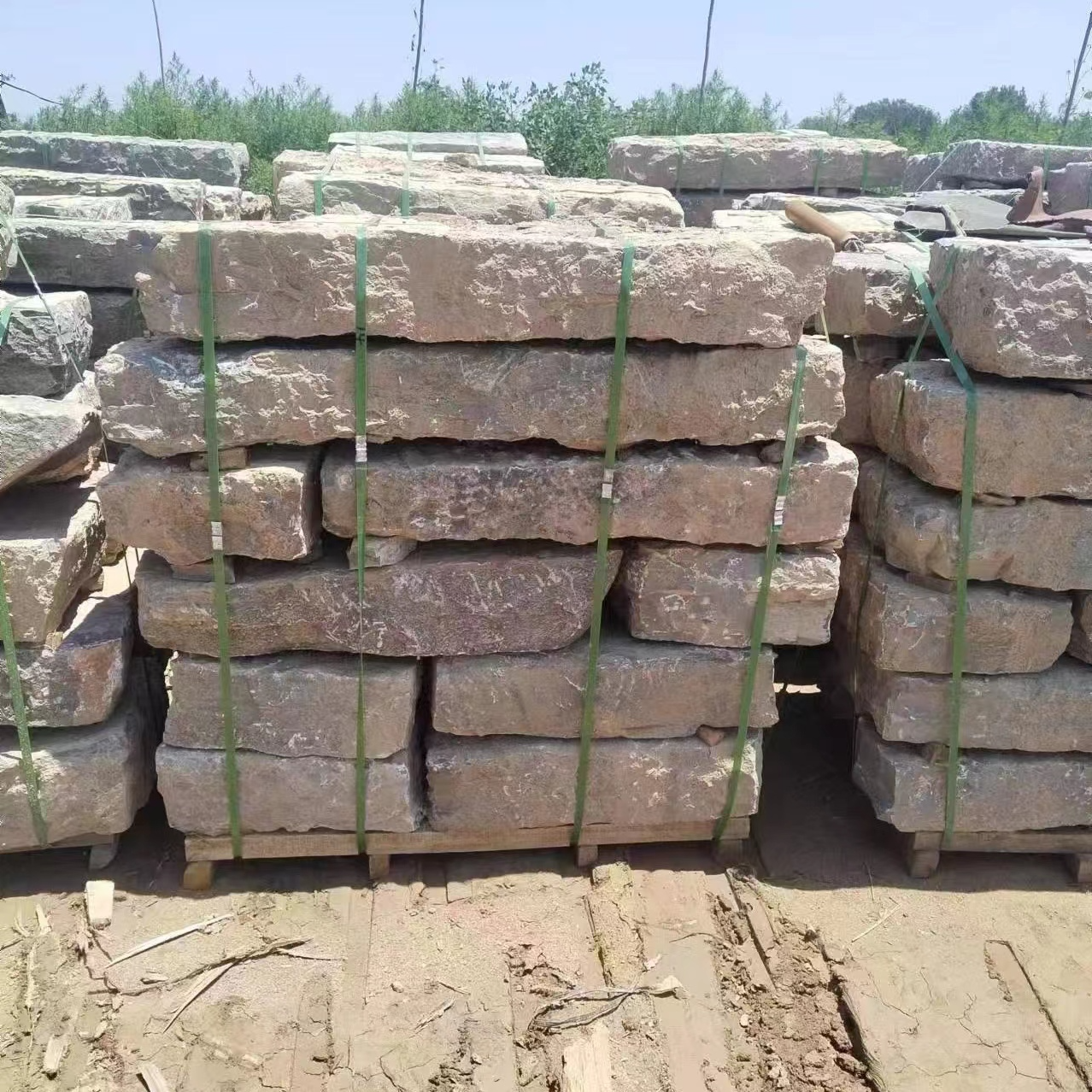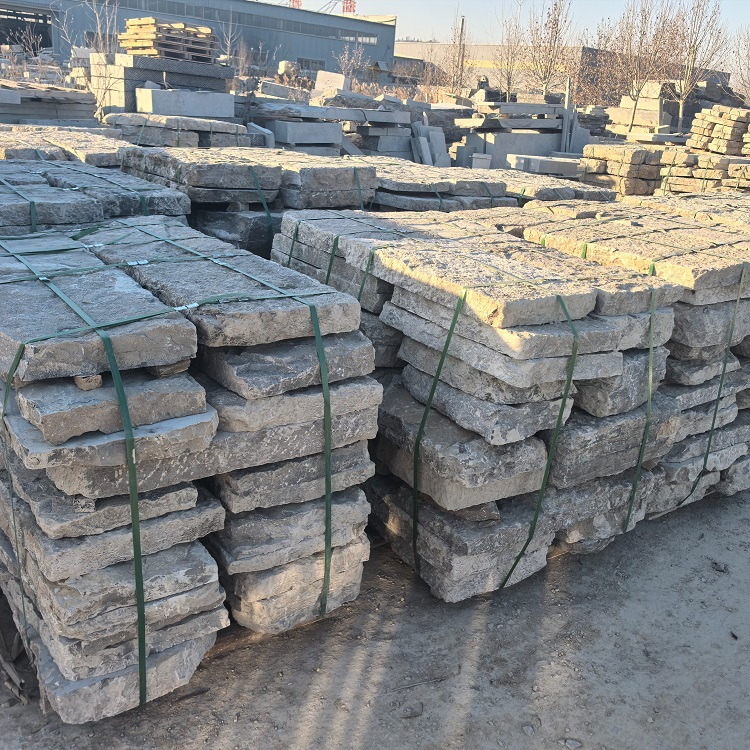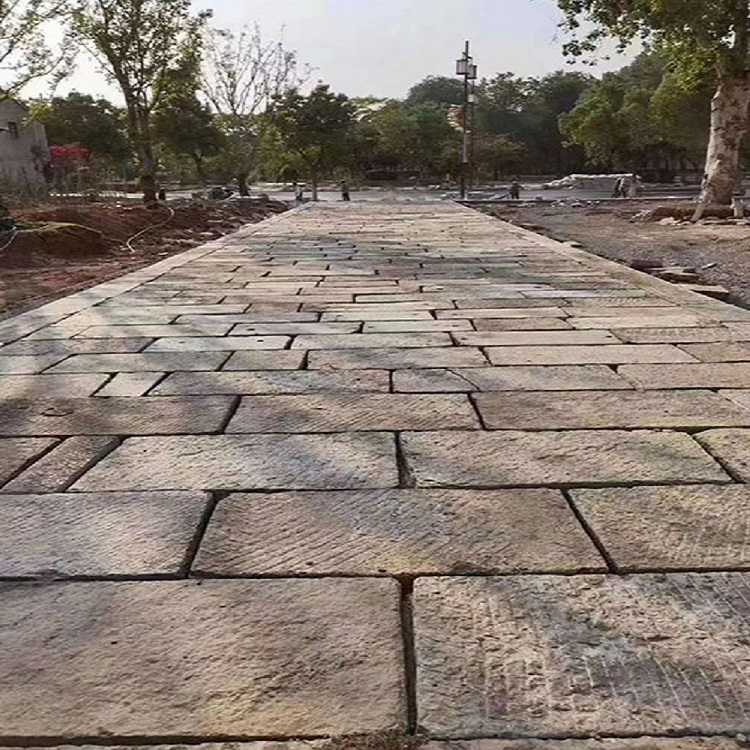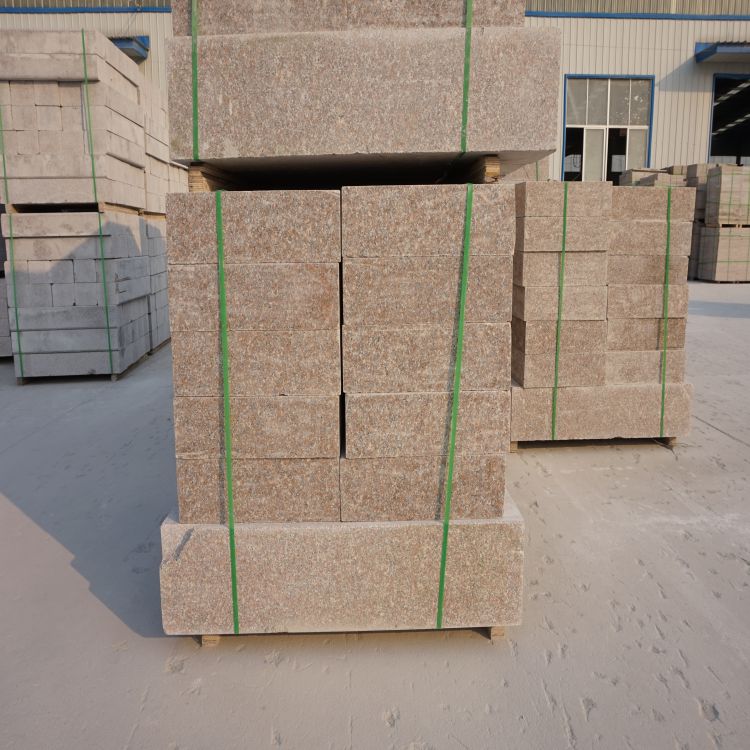

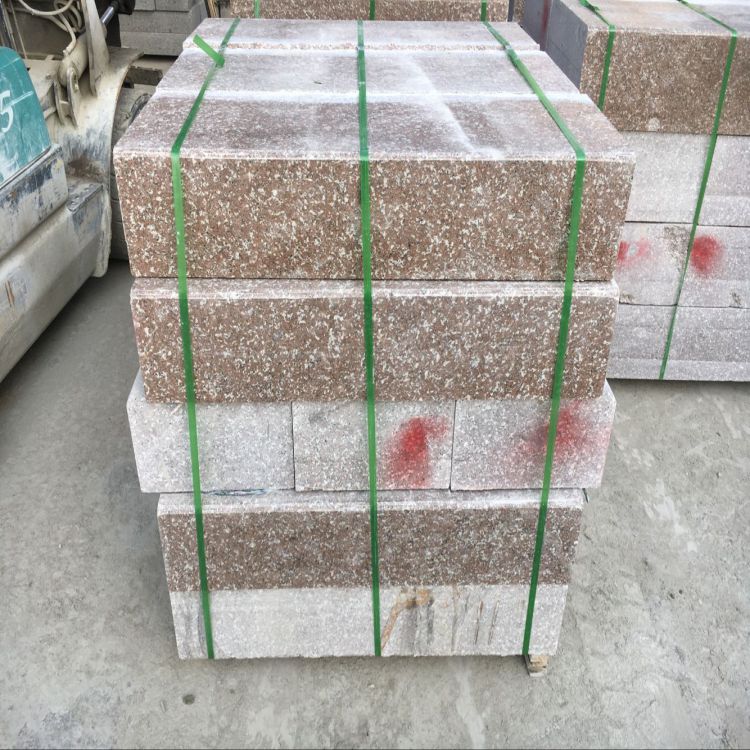


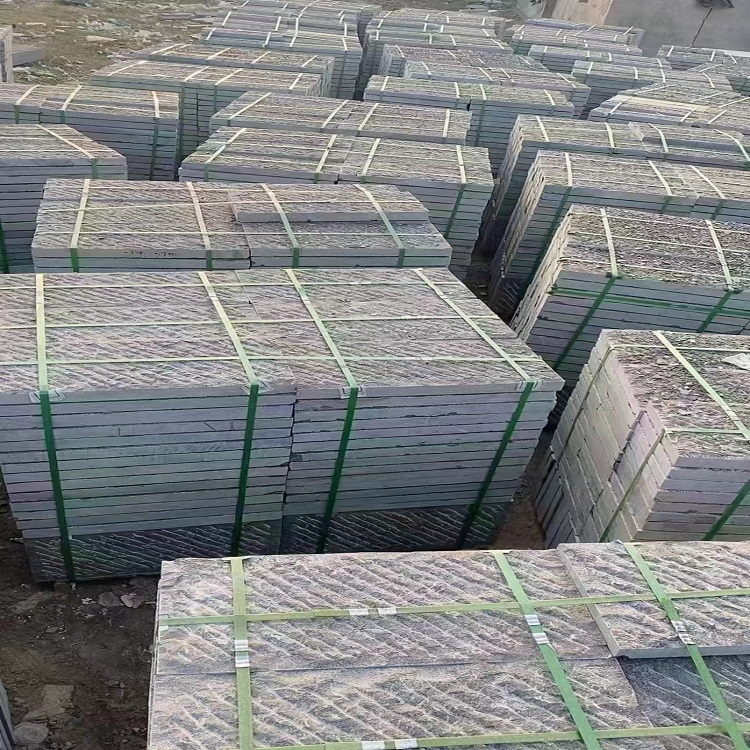
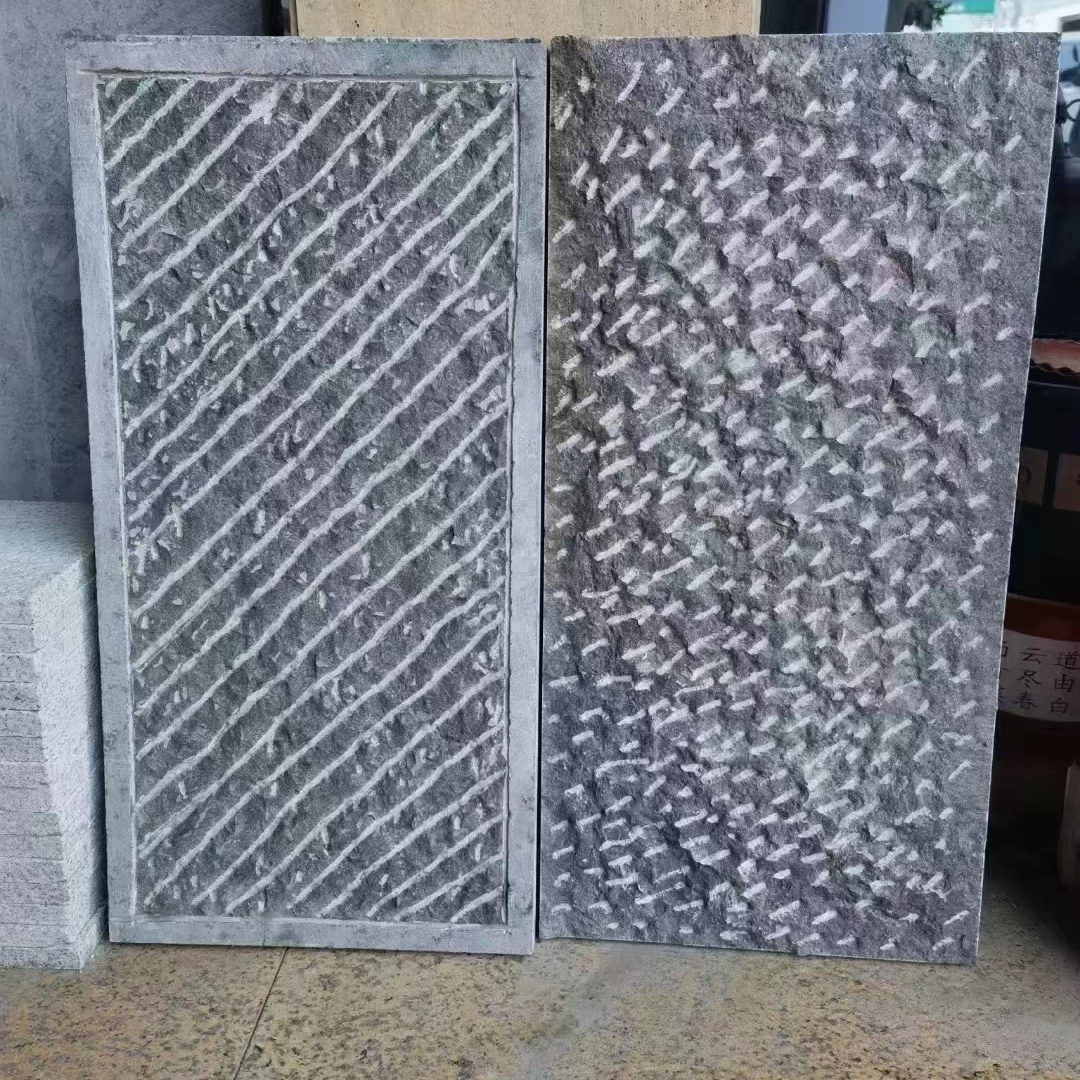
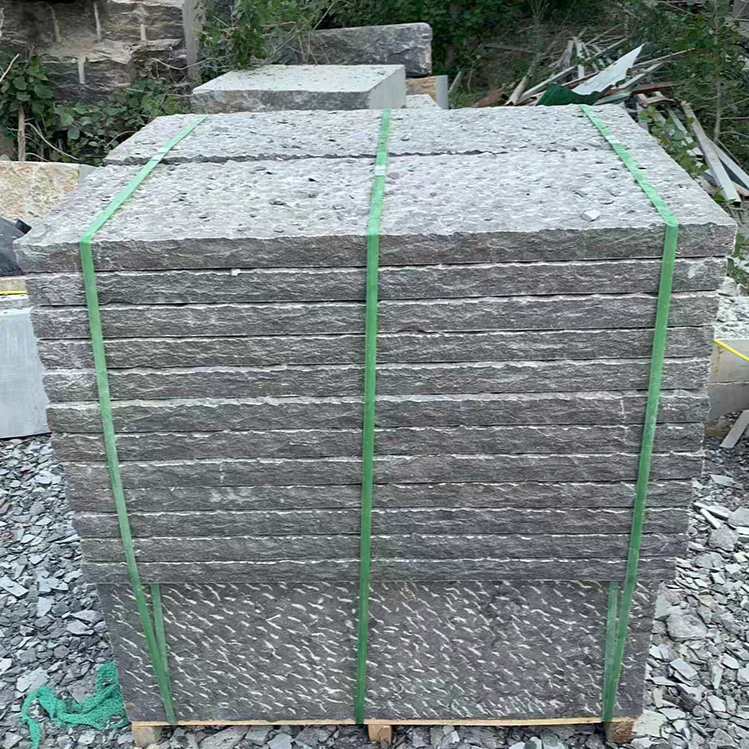





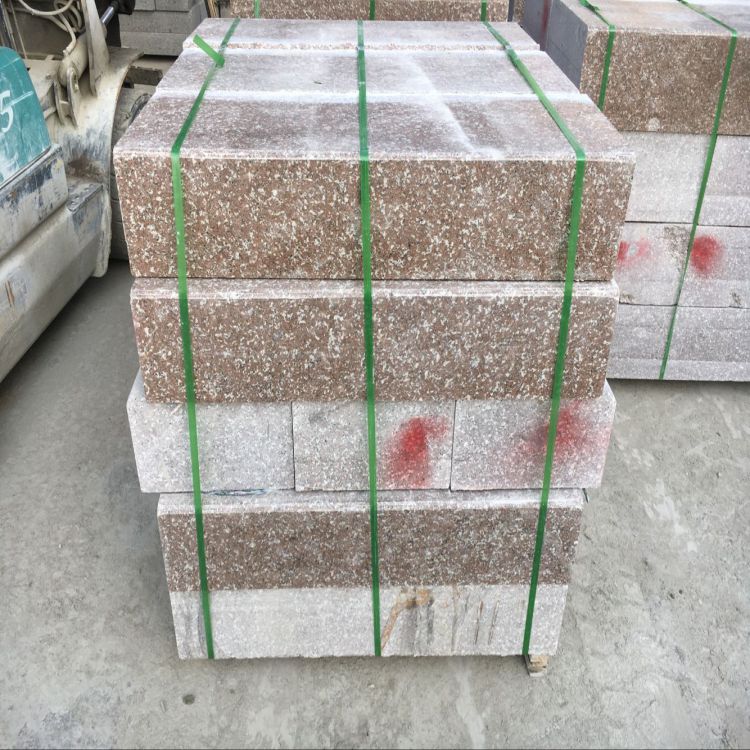
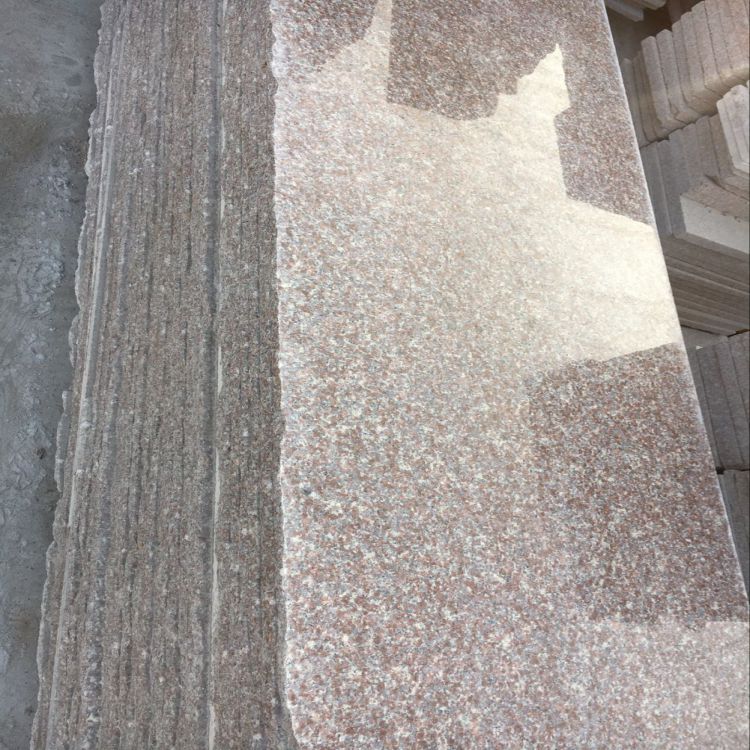
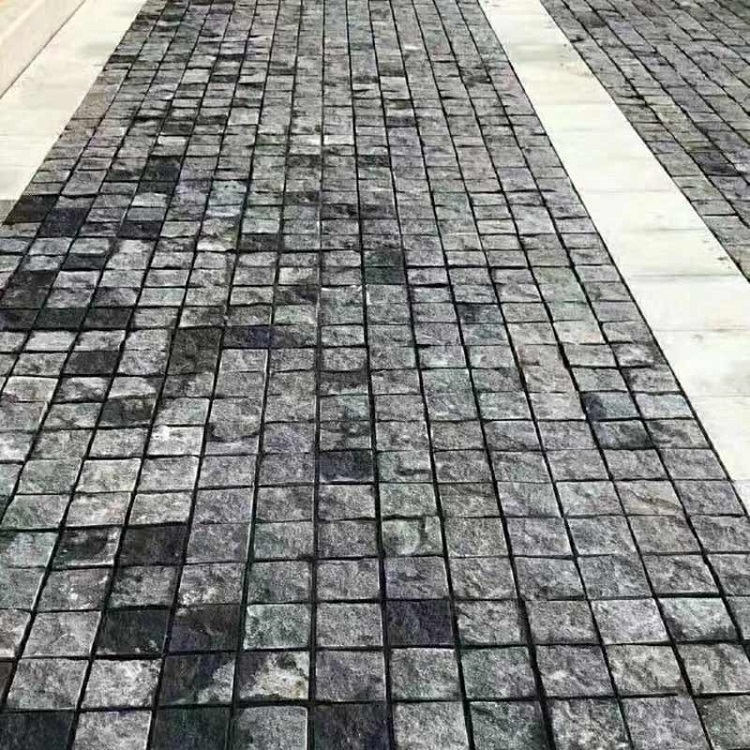
The cause of yellow spots on shrimp red stone:
Improper use of chemicals leads to pollution.
2. Reaction of high alkaline cement mortar with the internal elements of coral stone.
3. The shrimp red stone itself has cracks or loose texture, with a high clay content.
4. The shrimp red stone contains sensitive elements that can produce chemical reactions.
5. Waxing or applying other sealing treatments to the shrimp red stone surface affects its breathability.
6. Poor ventilation affects the breathability of the shrimp red stone.
7. Not waterproof treated; shrimp red stone has too high water content.
Precautions for preventing yellow spots on shrimp red stone:
1. Preferably use carnelian stone with fewer cracks and lower clay content.
2. Preferably use shrimp red stone with low content of sensitive elements.
3. It is recommended to apply a six-sided protective treatment to the coral red stone before installation. Protect the coral red prior to installation to prevent water from penetrating the slate, thus avoiding oxidation reactions between iron minerals and air moisture and oxygen, which can cause rust stains. Apply an oil-based protective agent before installation; 24 hours later, evenly spread the coral red sealant on the bottom and four sides of the coral red stone (excluding the surface); before the sealant dries completely, sprinkle a layer of fine sand on the bottom to enhance the bonding between cement and the coral red stone; then let it dry, maintaining a 24-hour separation between the coral red stone and water molecules. The bottom adhesive forms a tough and transparent protective film on the back of the coral red, effectively preventing whitening, yellowing, rust spots, and yellow stains.
4. When using shrimp red with numerous cracks, high clay content, high iron content, or a high presence of sensitive elements, it is recommended to treat with a protective agent for six-sided protection prior to installation.