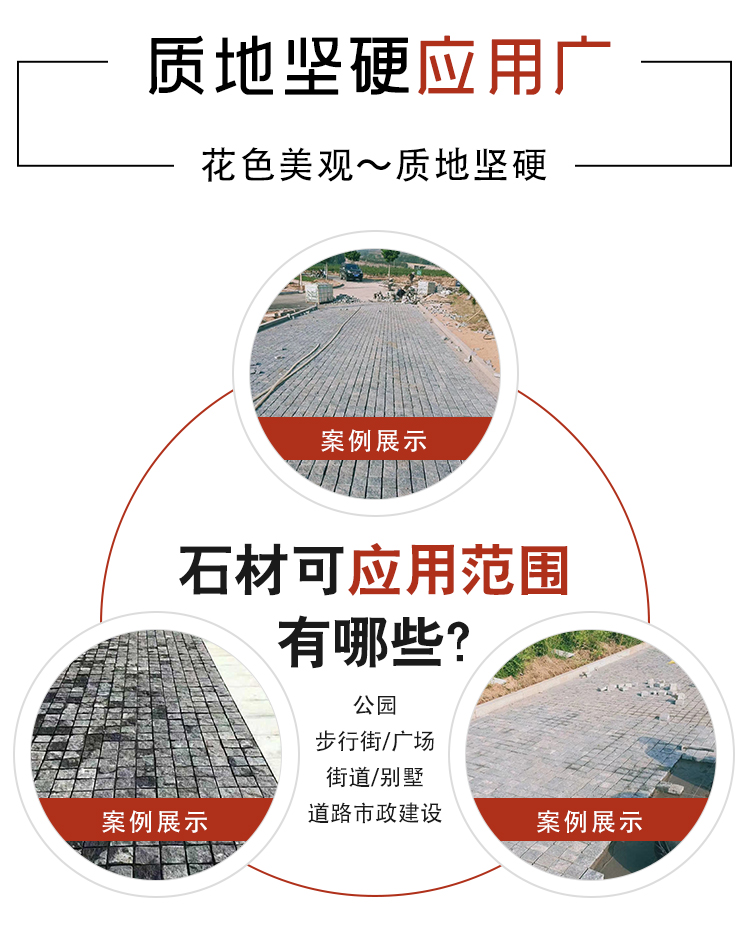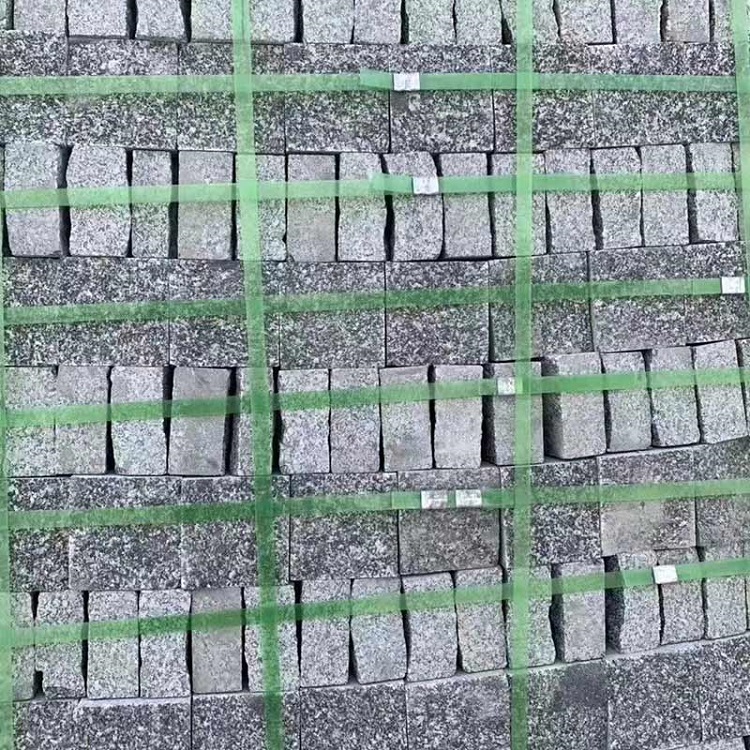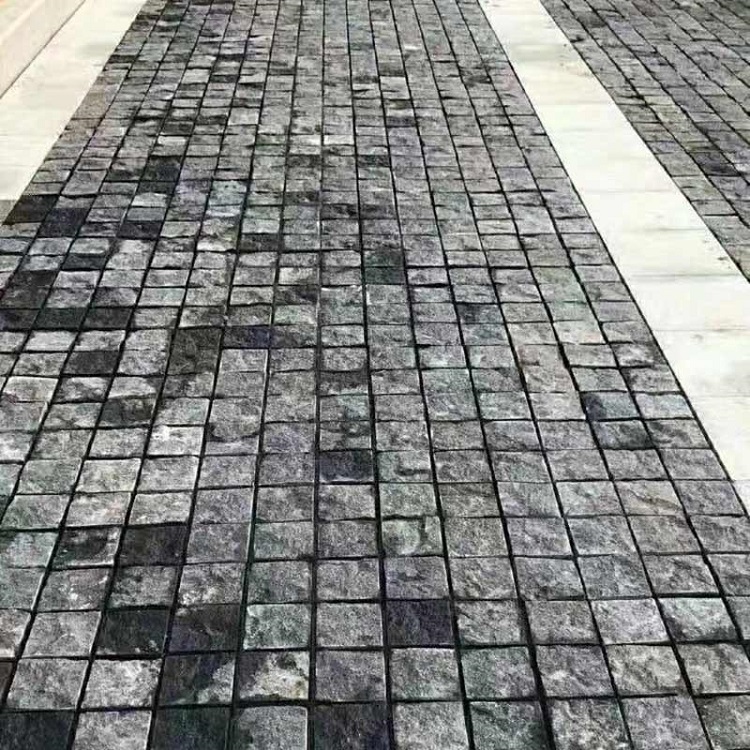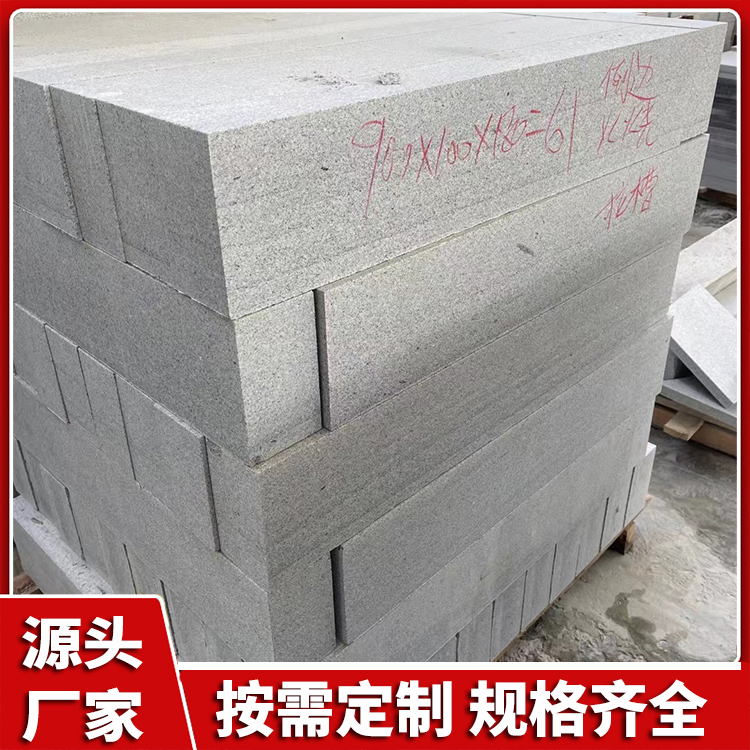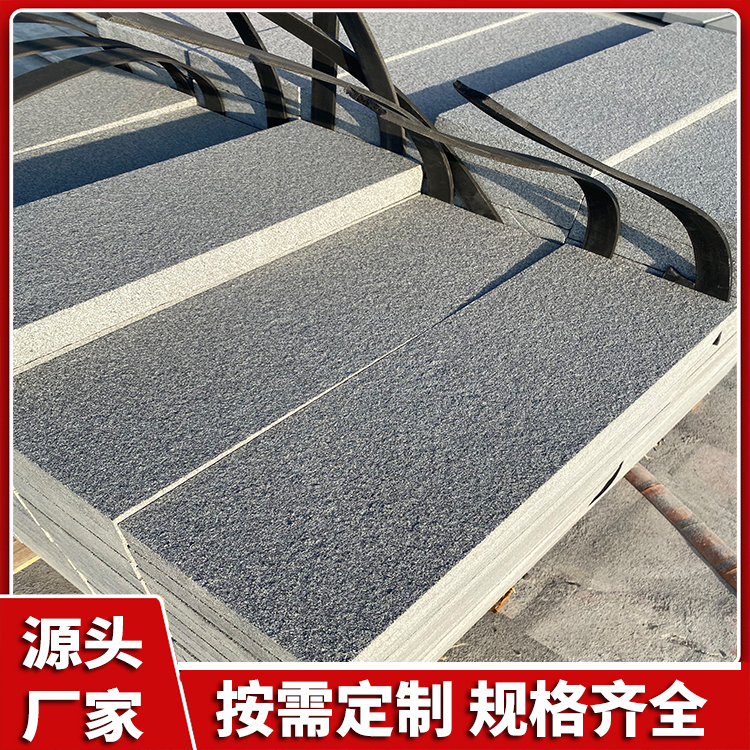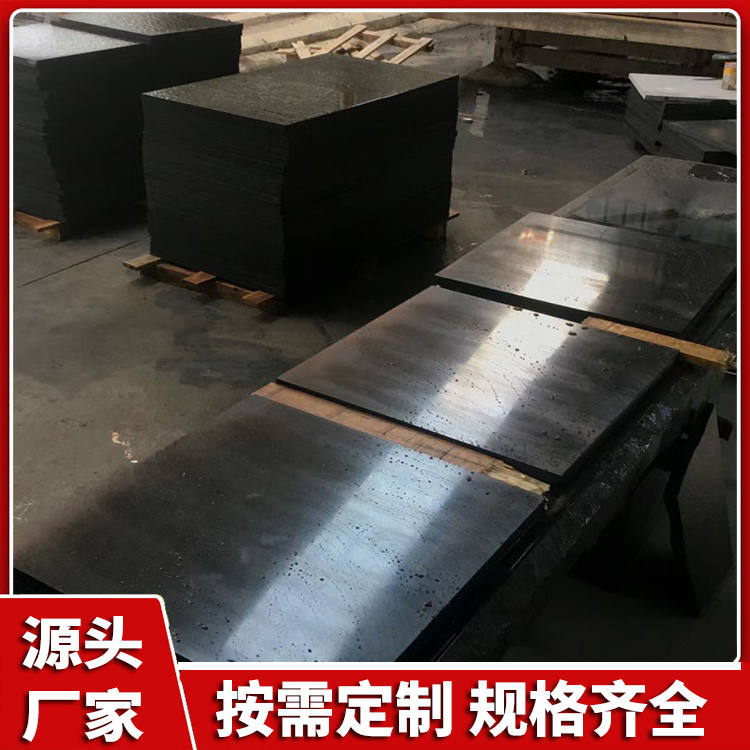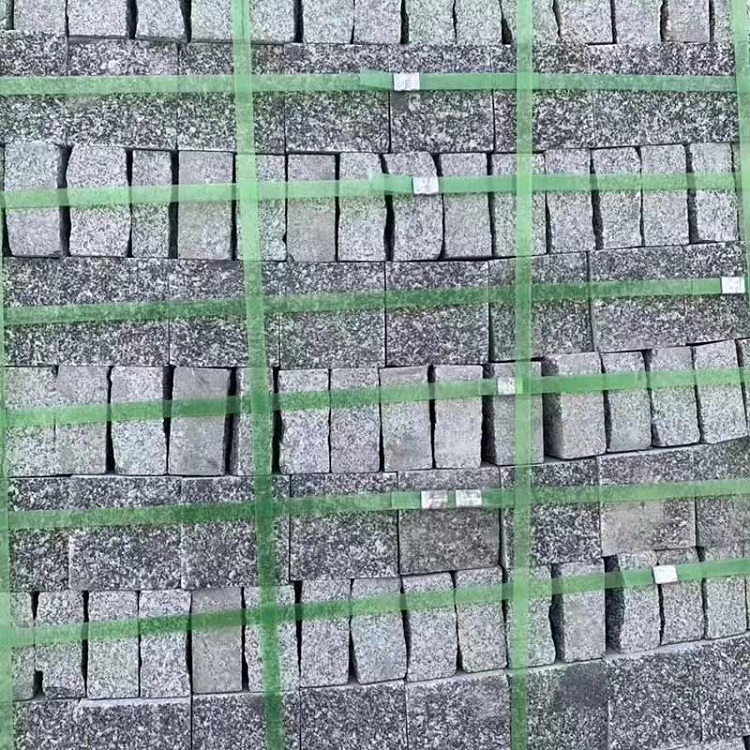

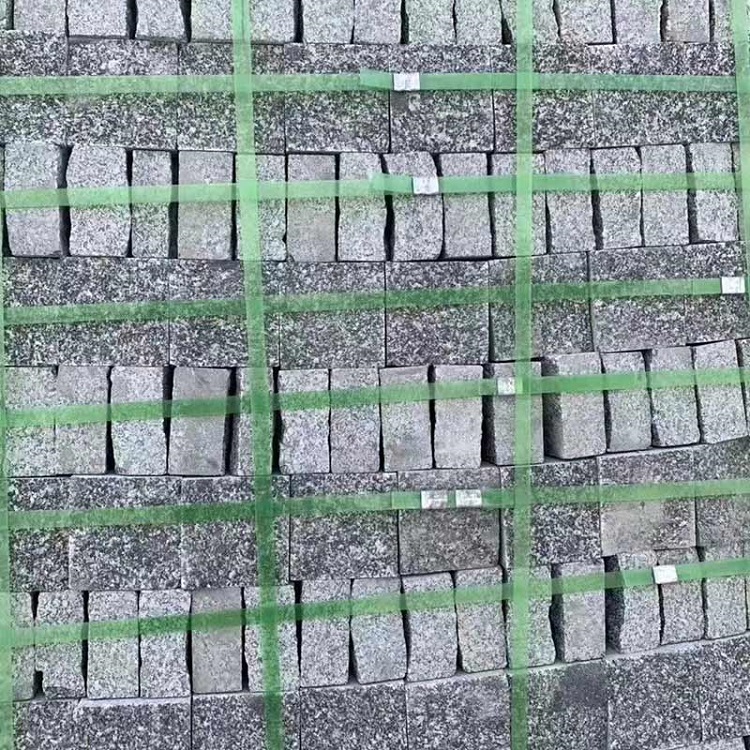
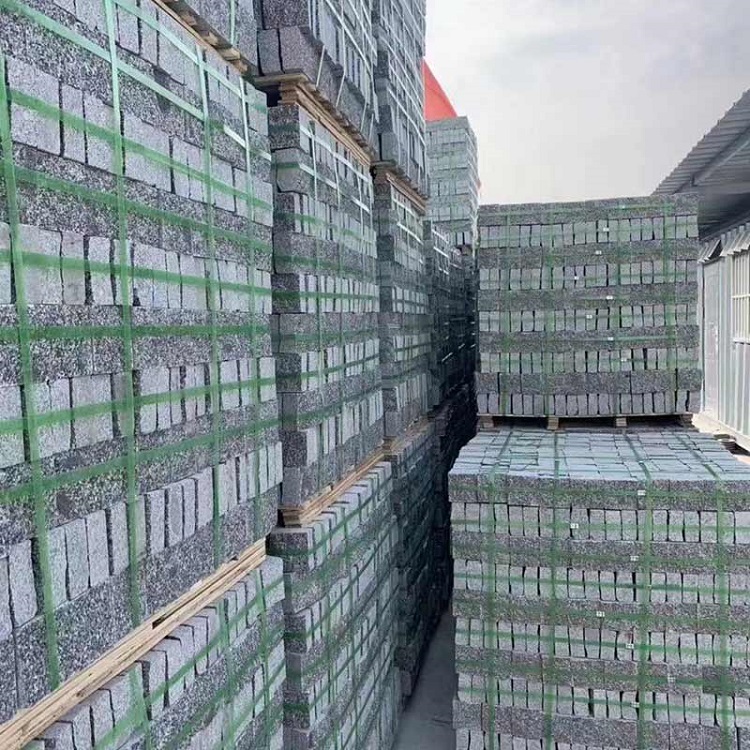


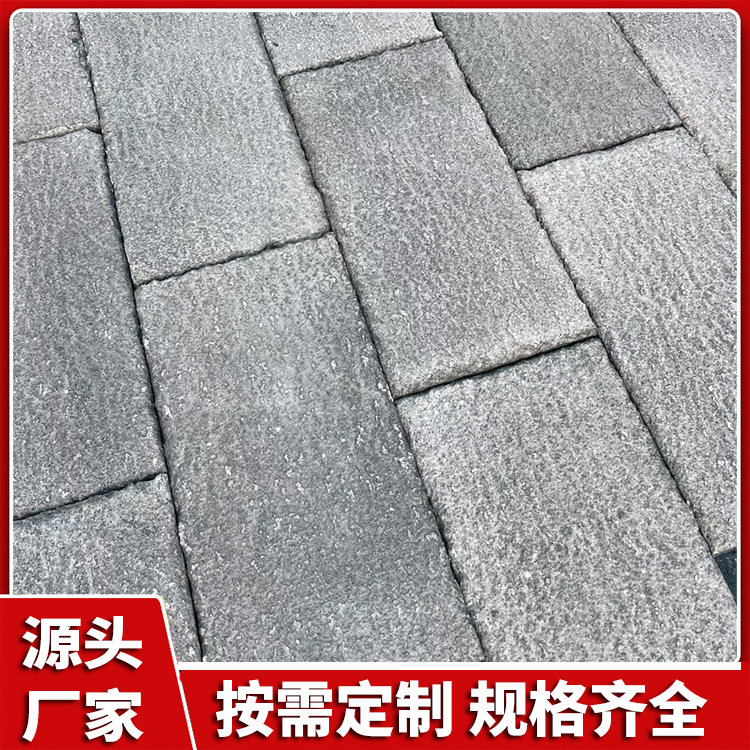
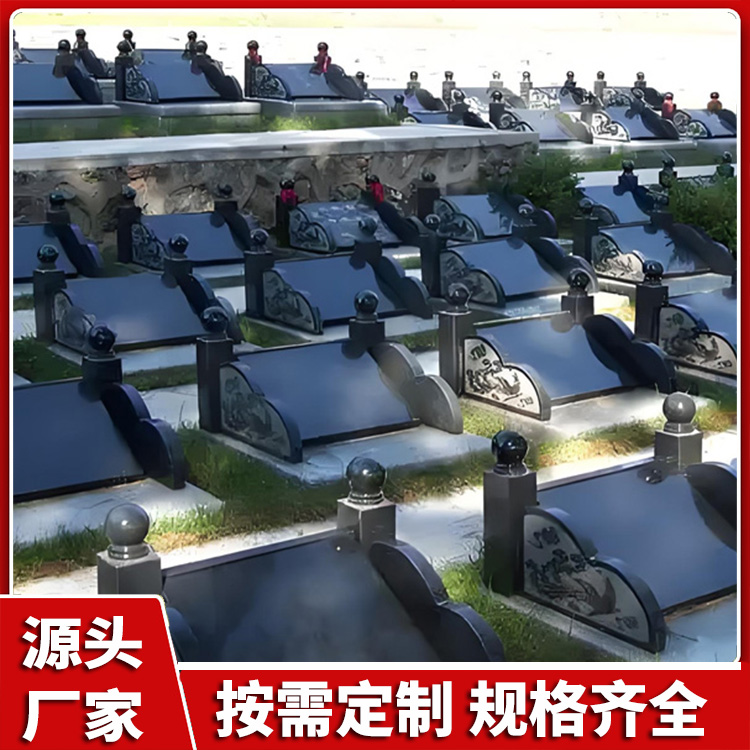

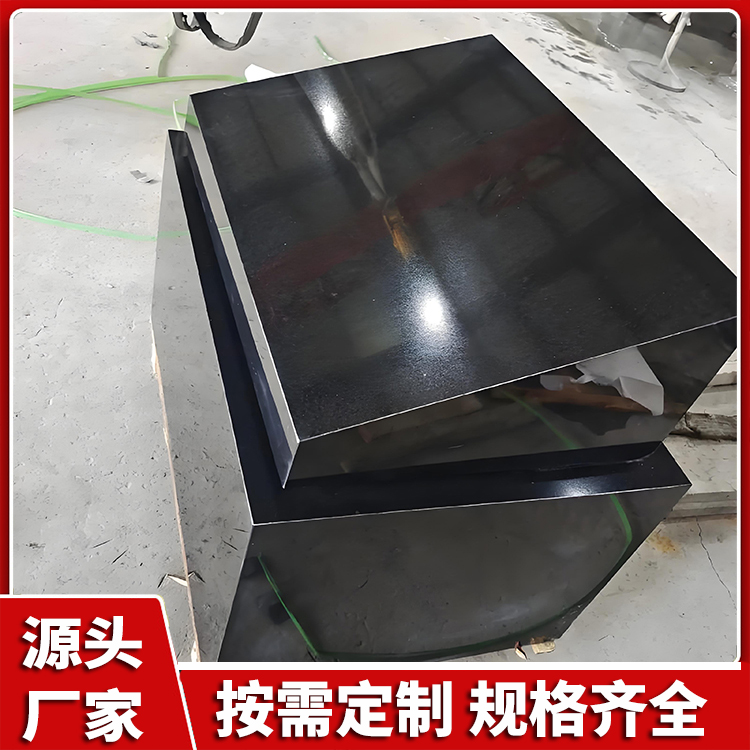
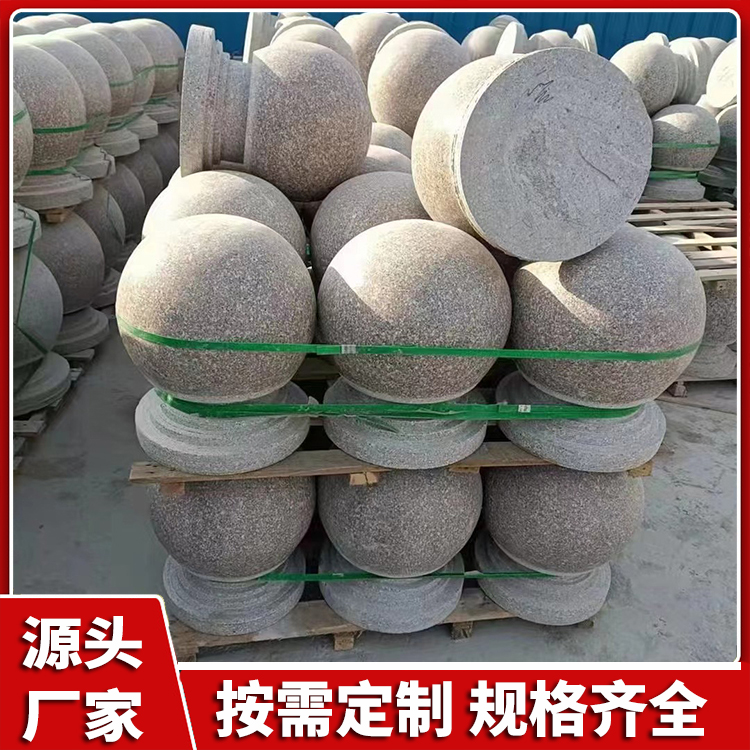





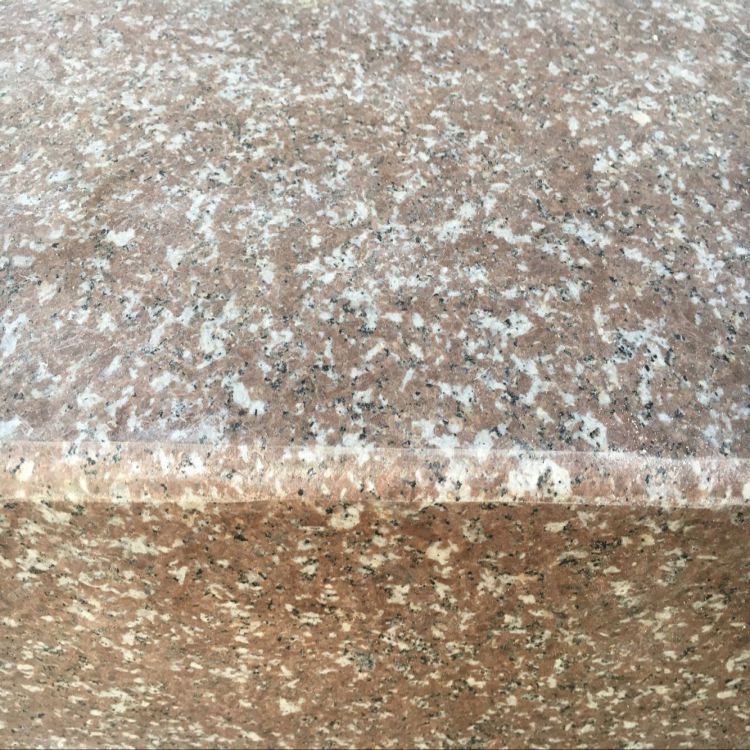
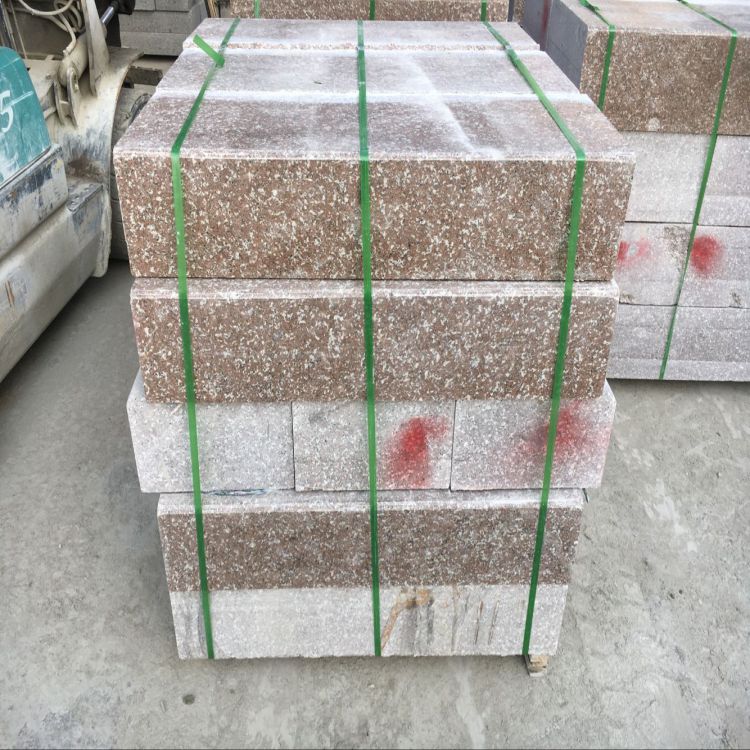
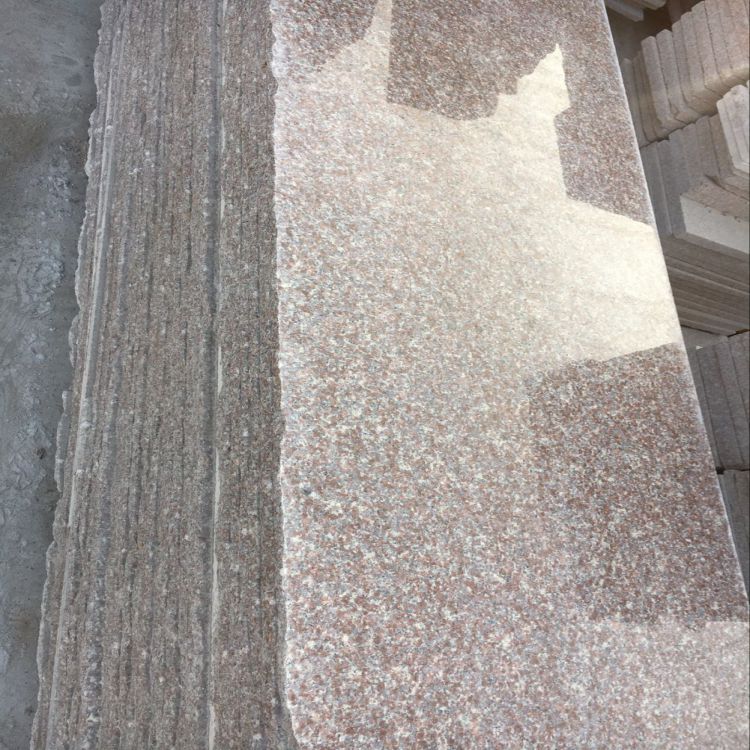
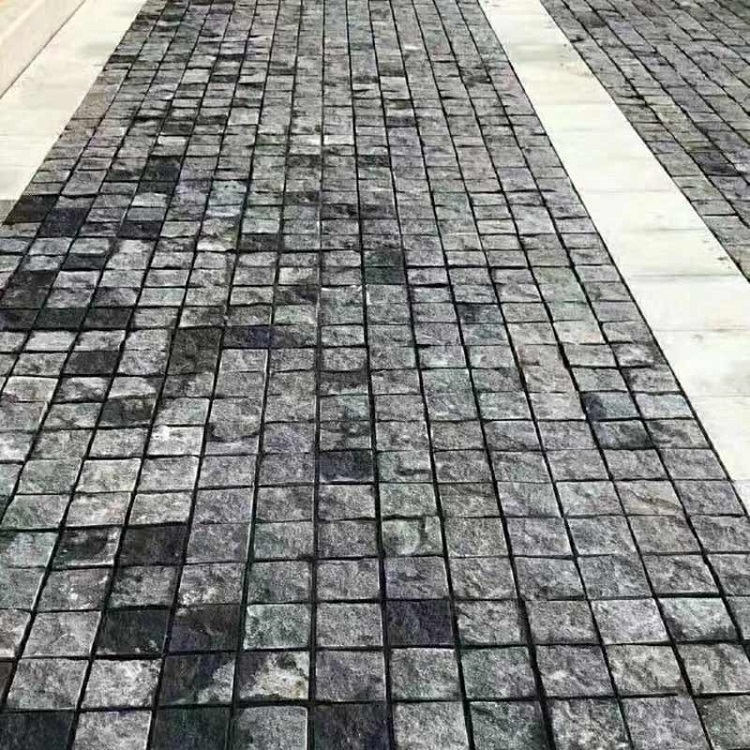
Discussing methods to deal with cracks on horseshoe stone surfaces. Horseshoe stone is hard, with beautiful color and appearance, thus offering excellent decorative effects. However, cracks may appear during use. Cracks primarily refer to the phenomenon where, after the stone is laid, horseshoe stone is weathered by nature, causing the cracks to enlarge or fall off the original layer. Today, I'll briefly introduce methods to handle cracks on horseshoe stone.
The occurrence of spalling in cobblestone is primarily due to its relatively poor weather resistance, as well as long-term exposure to external environments where it is subject to erosion by wind and rain, and the effects of sunlight, which easily lead to cracking. The occurrence of cracking in the stone is often accompanied by acidic rain erosion and freezing weather conditions.
Some cracks in cobblestones are caused by inconsistent temperature changes due to the different expansion coefficients of the stone and cement. When the temperature changes, the expansion of both is uneven, leading to cracks between the stone and the binder. These cracks are often accompanied by freezing and the like. We can perform seamless treatment on the cracks in the road. Seamless treatment can be applied to wall and floor surfaces. The purpose of seamless treatment for cobblestone is to avoid gap contamination, thereby improving the quality of the stone decoration. Seamless treatment of cobblestone should prevent gaps from being polluted. Over time, the water used for cleaning the stone daily is retained in the gaps of the stone, reacting with different types of pollutants, which can lead to stone deterioration.
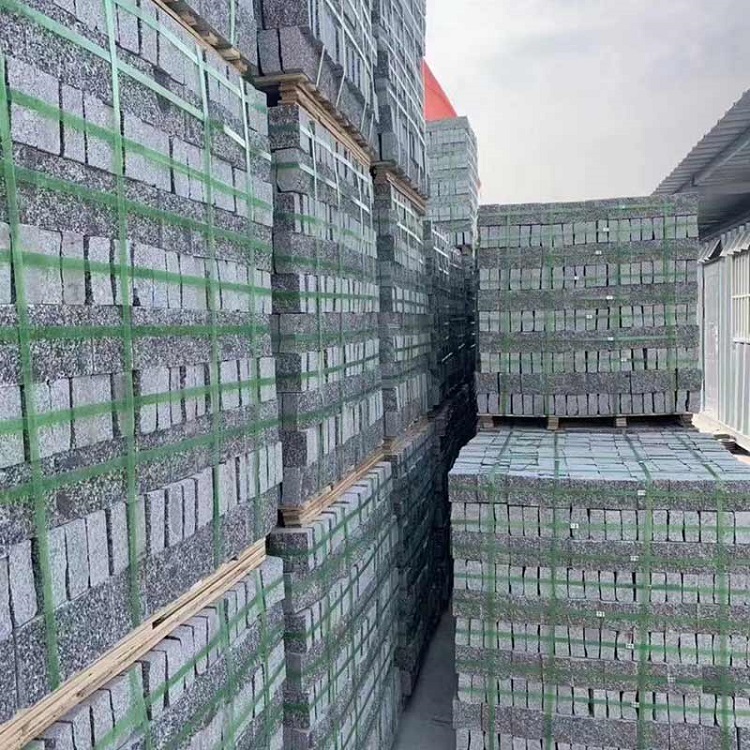
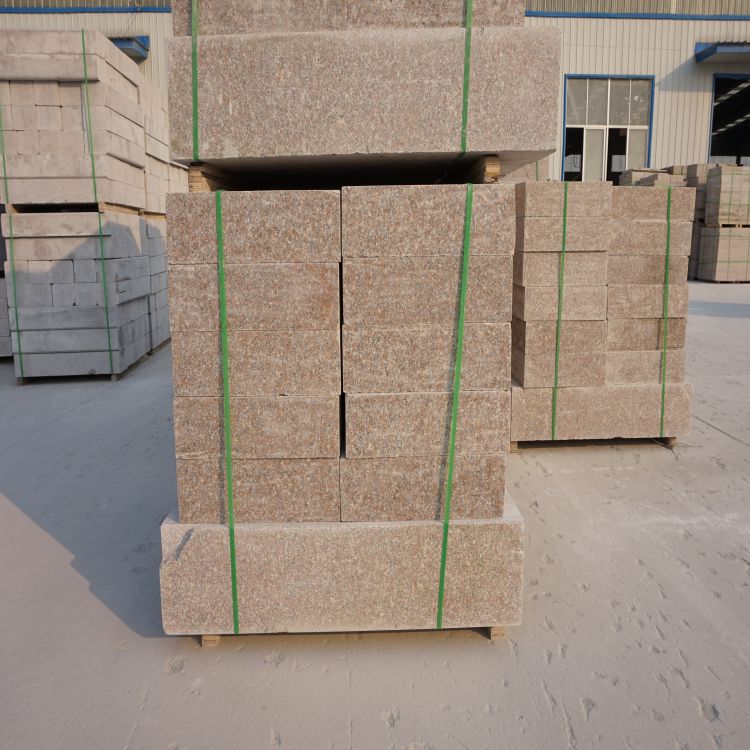
Horseshoe stone is an excellent type of stone that should be handled with care during transportation to prevent damage. Before installing the horseshoe stone, carefully inspect the texture and color, devise a suitable laying plan, and find a professional installer to carry out the installation according to the unified laying plan.
Timely protective treatment is required for stone materials. Before applying protection, it's essential to have a basic understanding of the stone, including its specifications and materials, and to conduct a thorough inspection. The installation method for the stone is also a factor we need to consider. Analyzing which installation method to use will help differentiate when selecting the protective agent.
Discussing the treatment methods for cracks on cobblestone surfaces. Friends interested in this may contact us; we will be committed to providing you with excellent service!