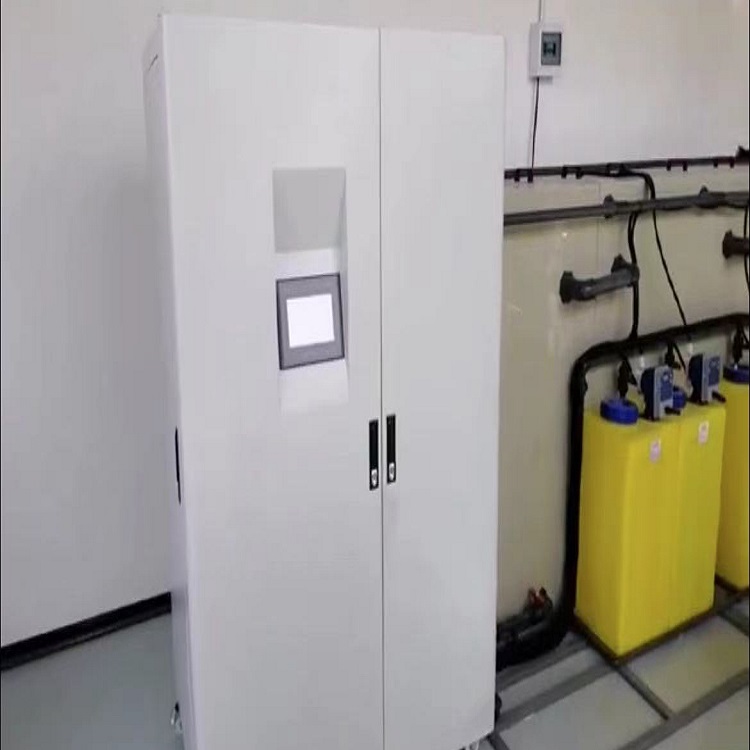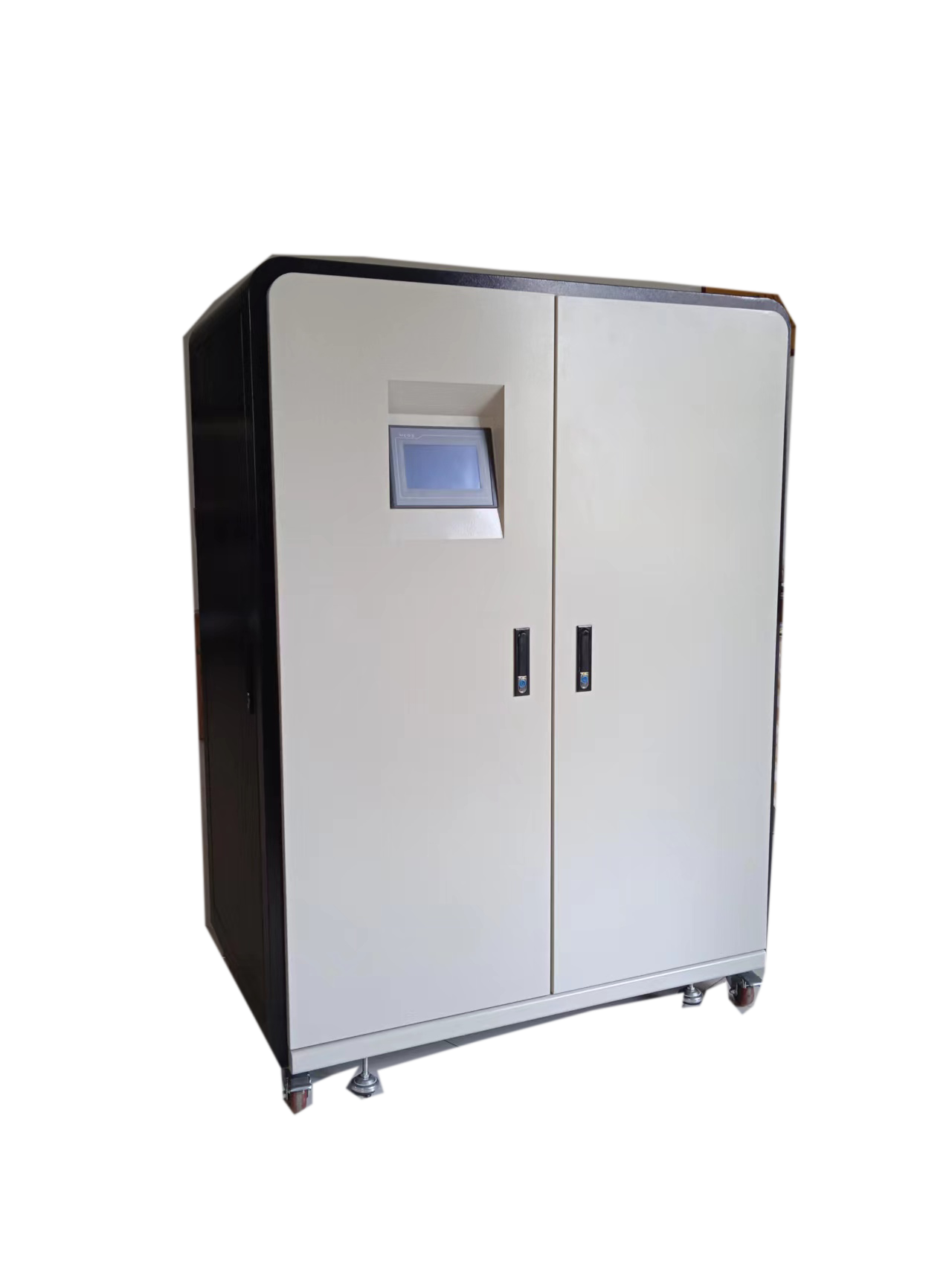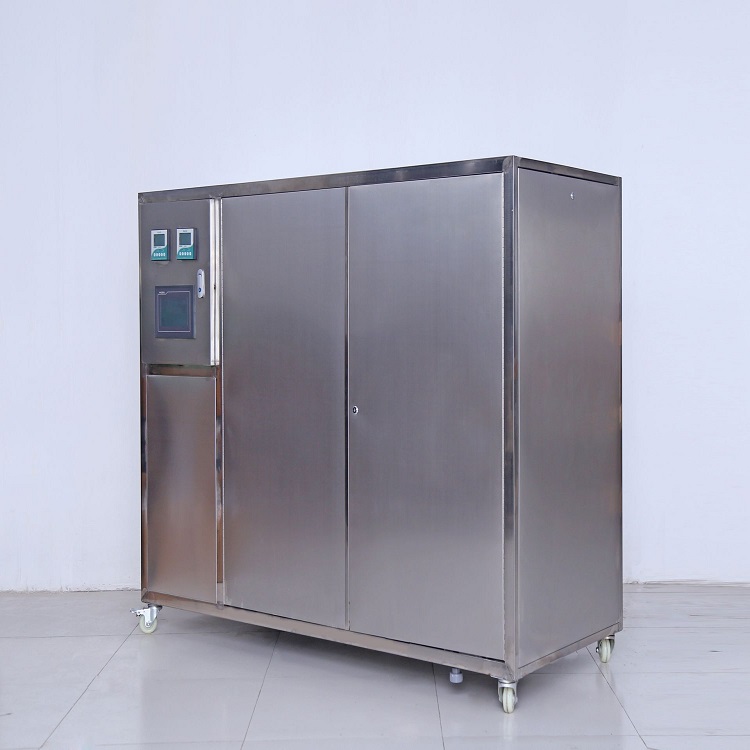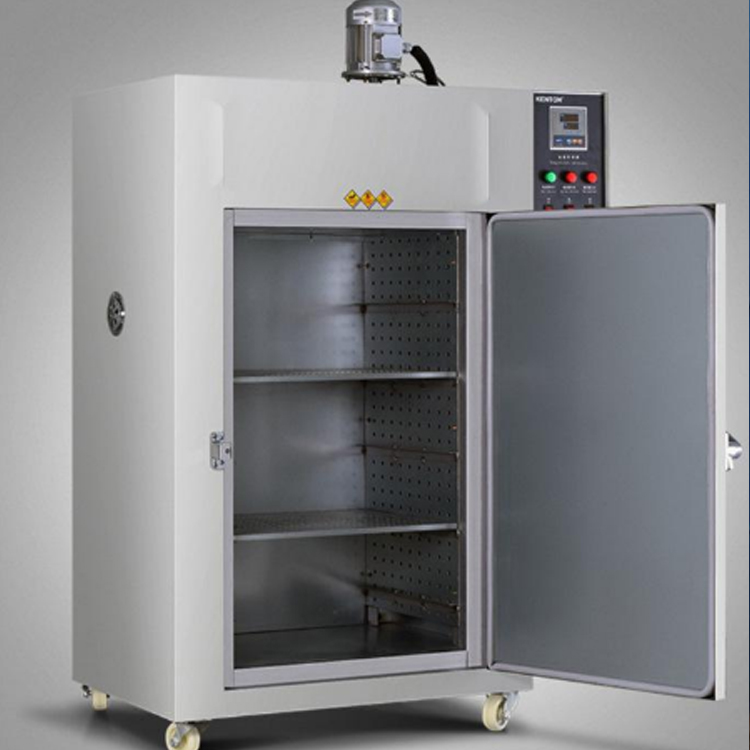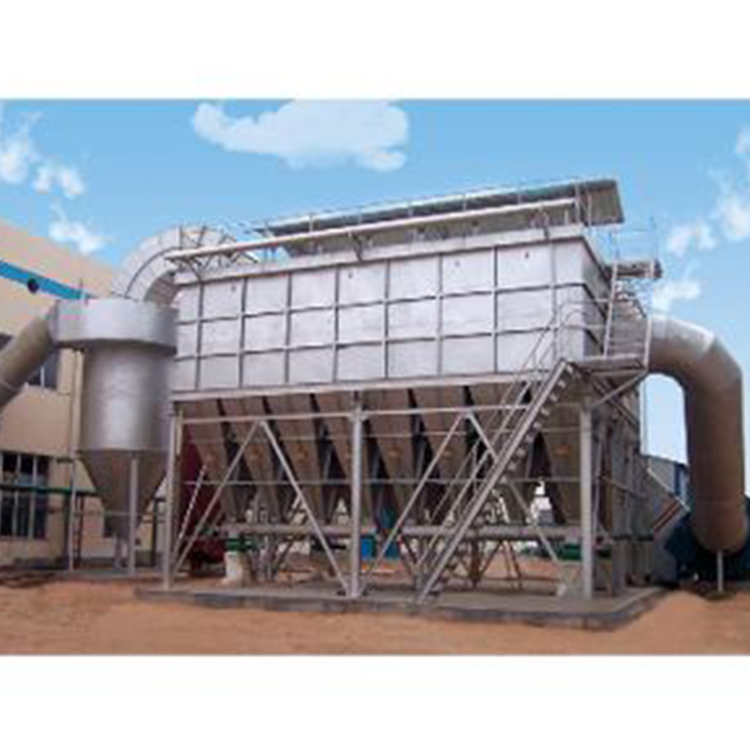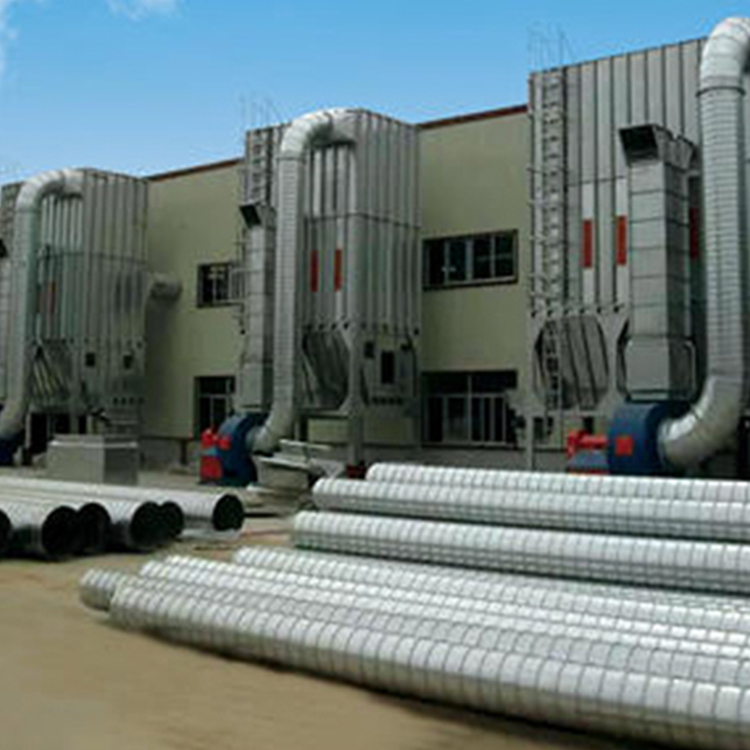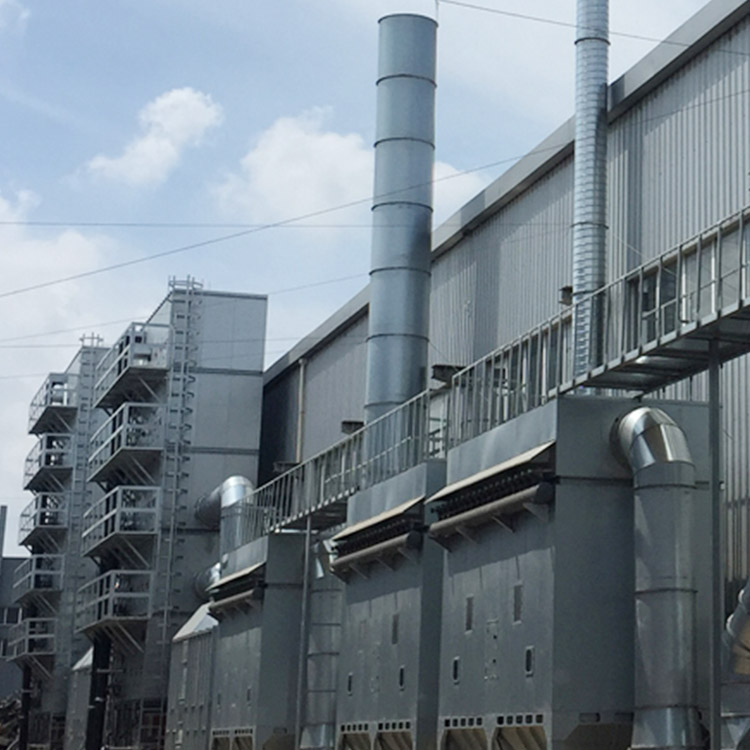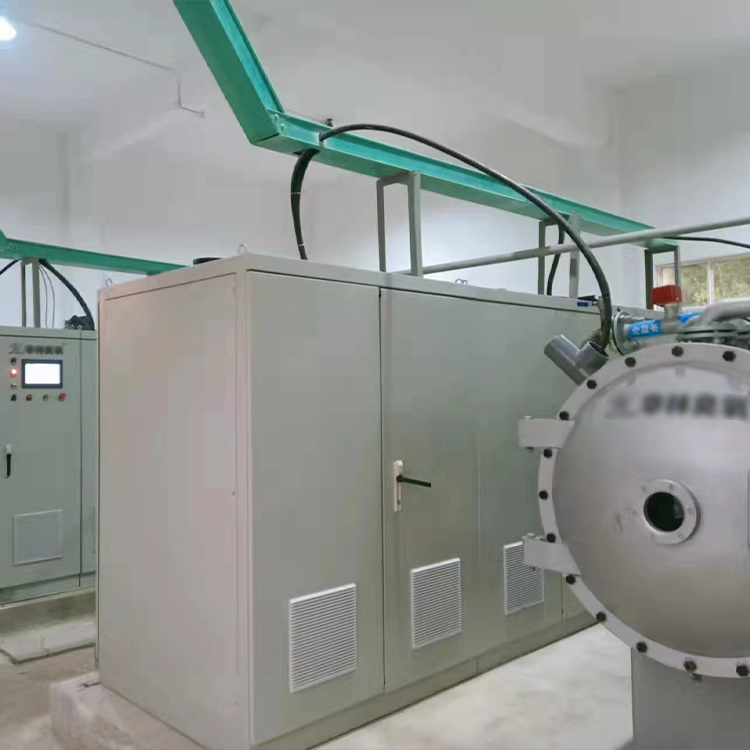

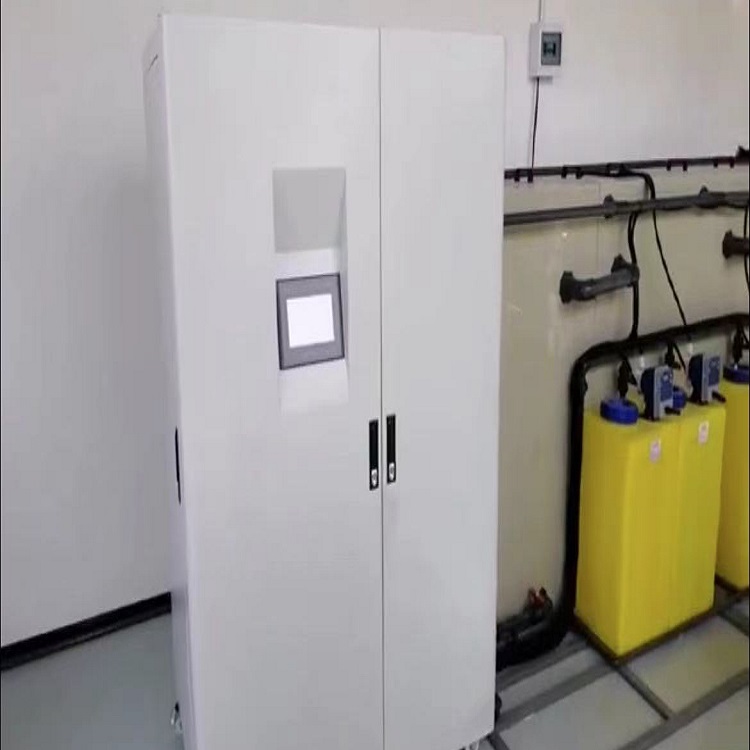

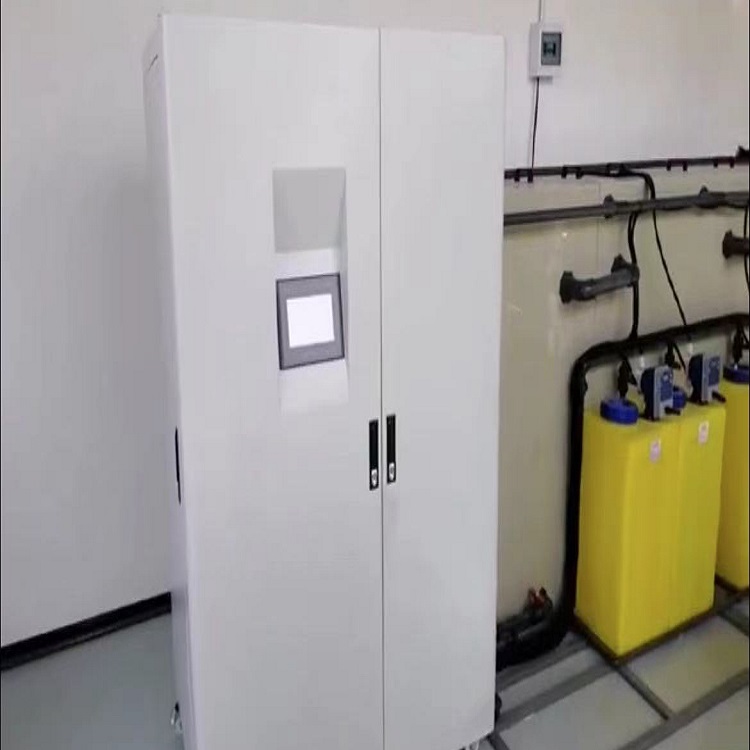
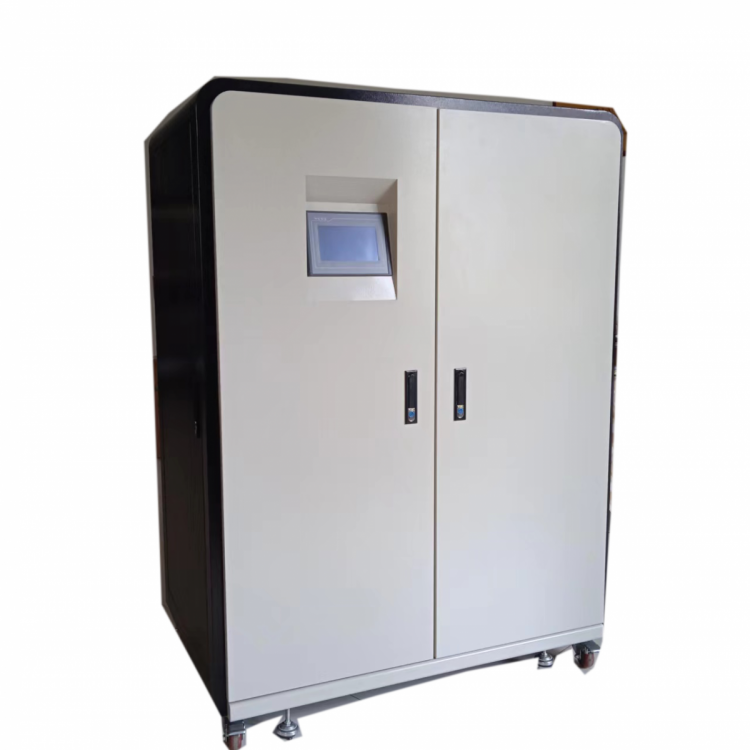
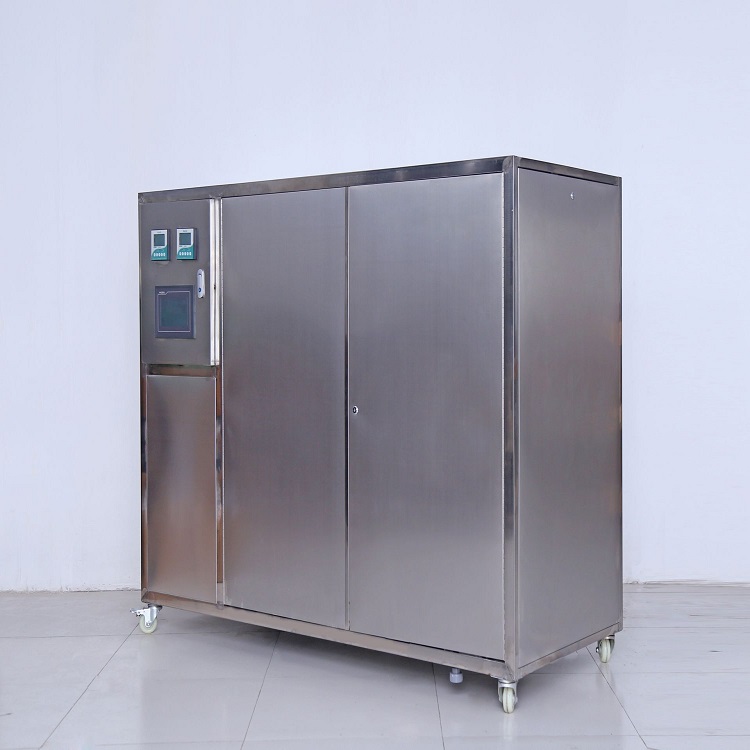


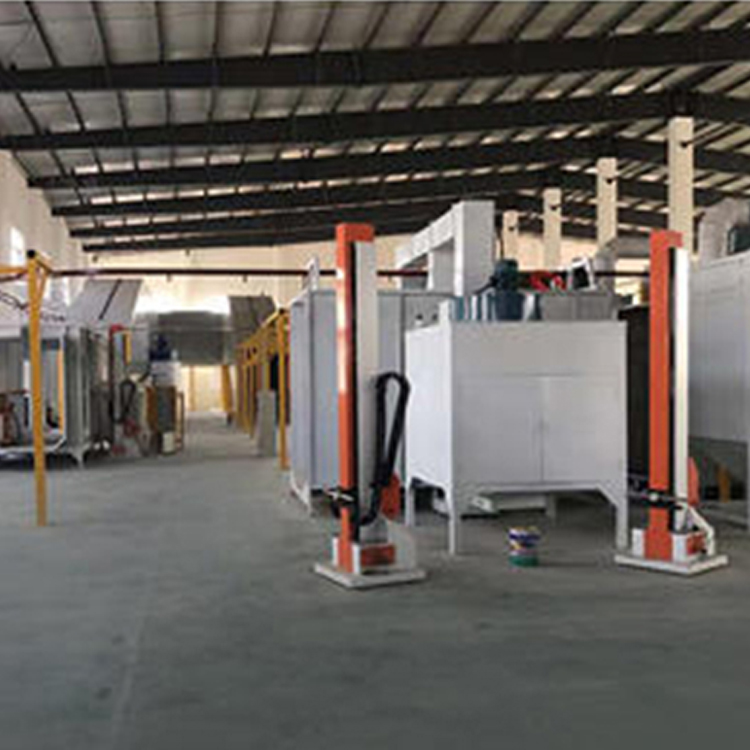
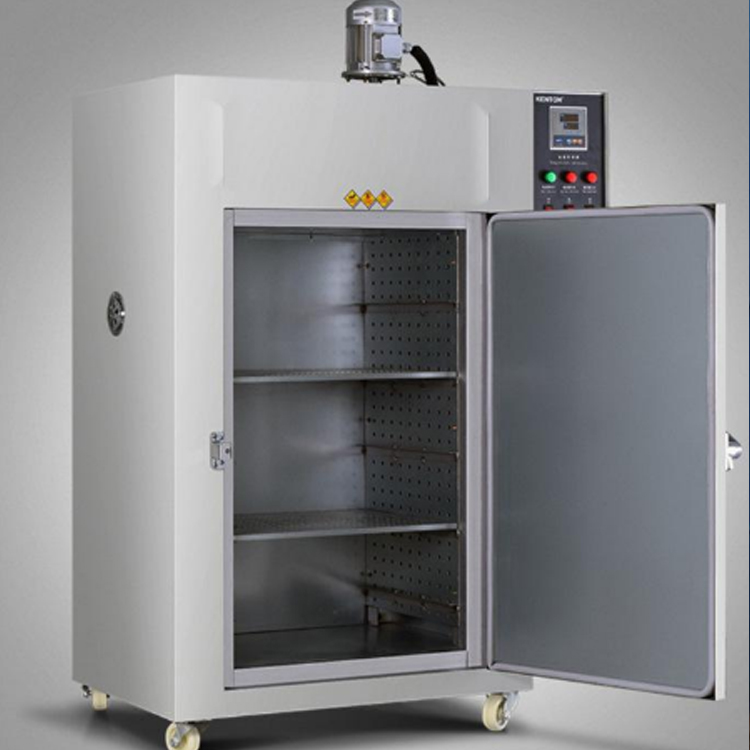
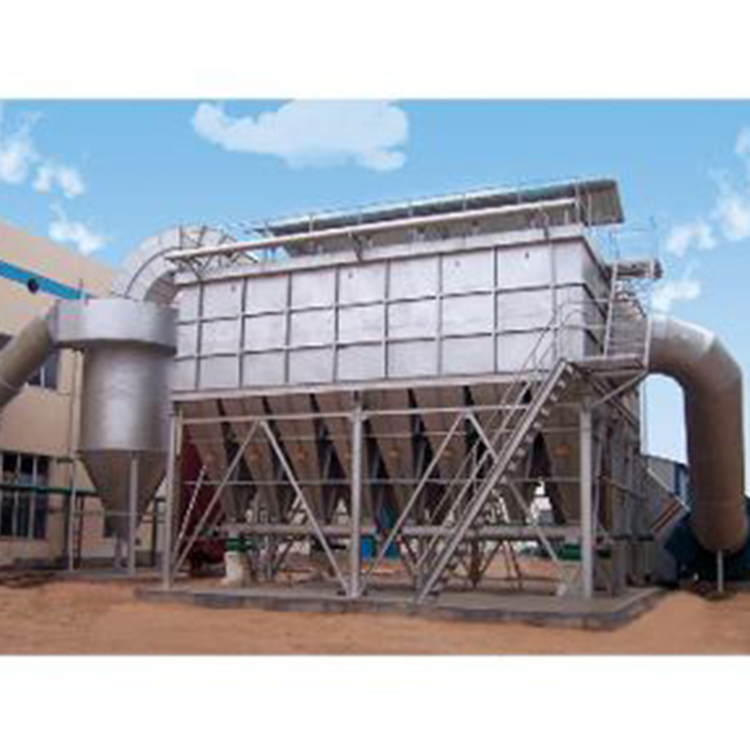





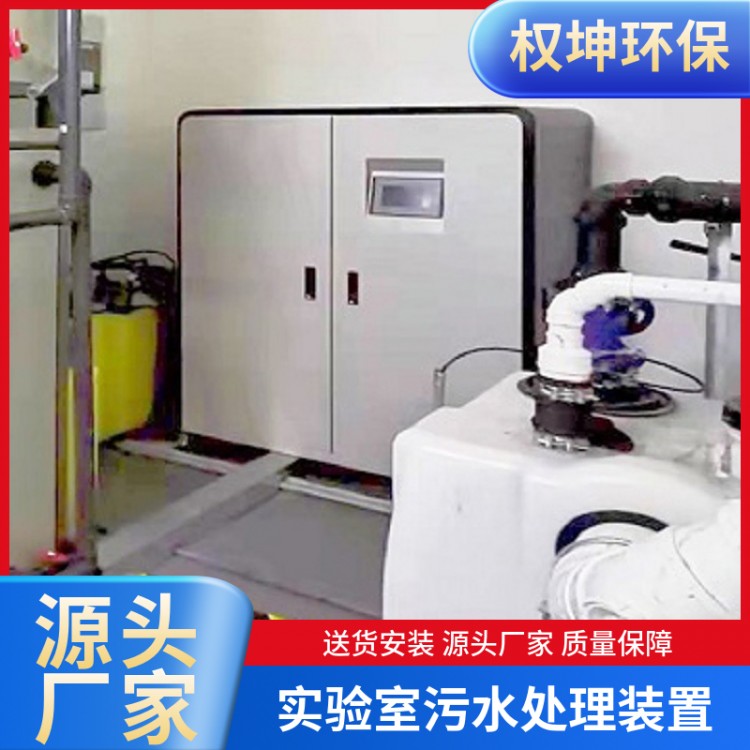
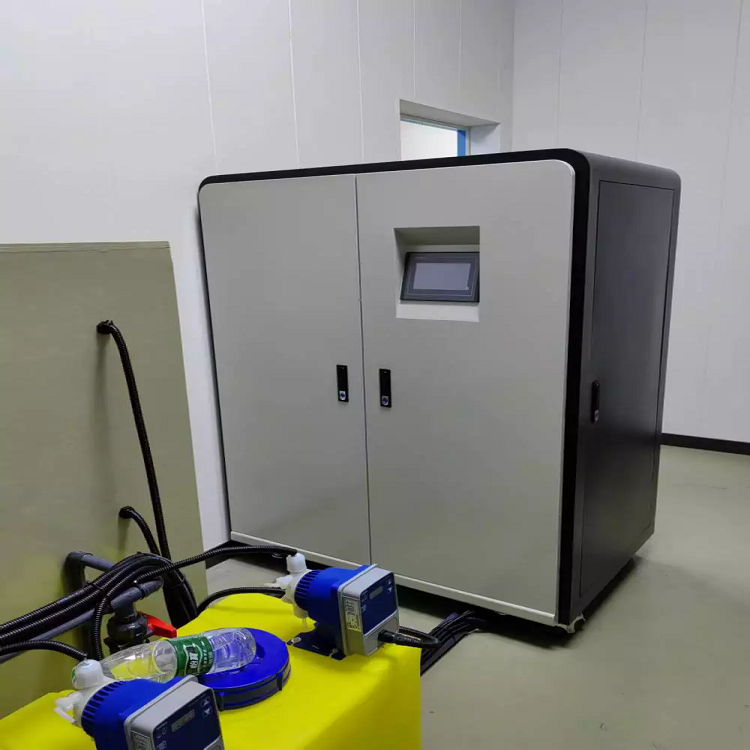
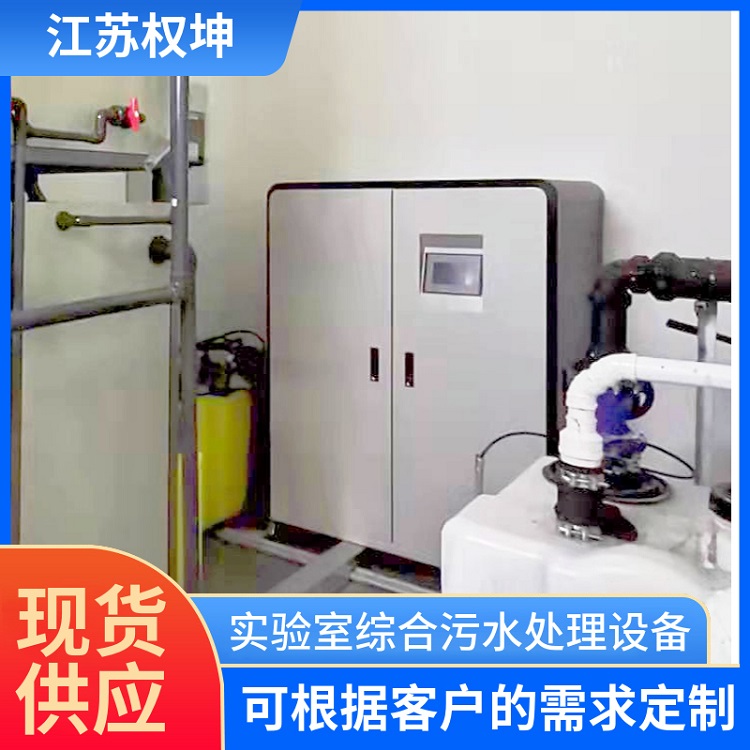
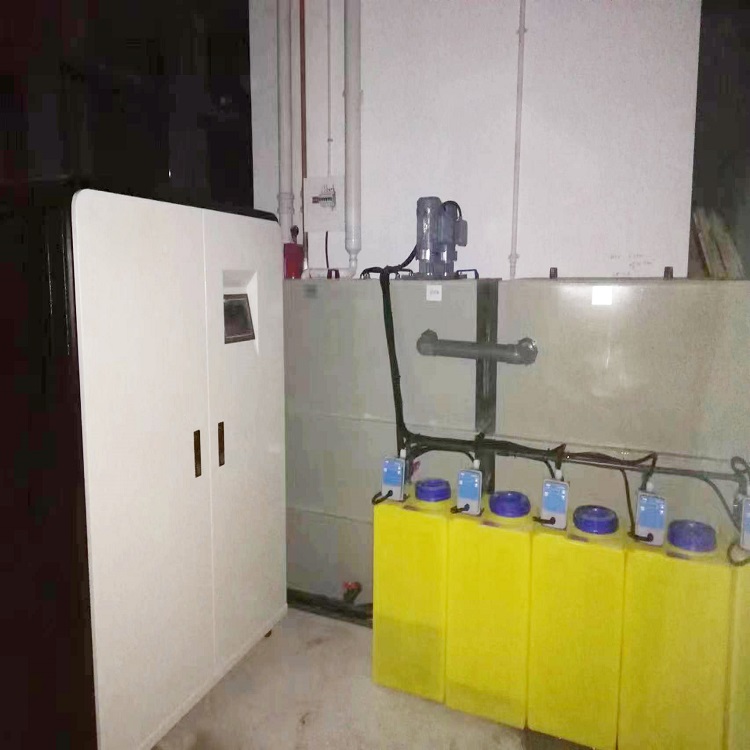
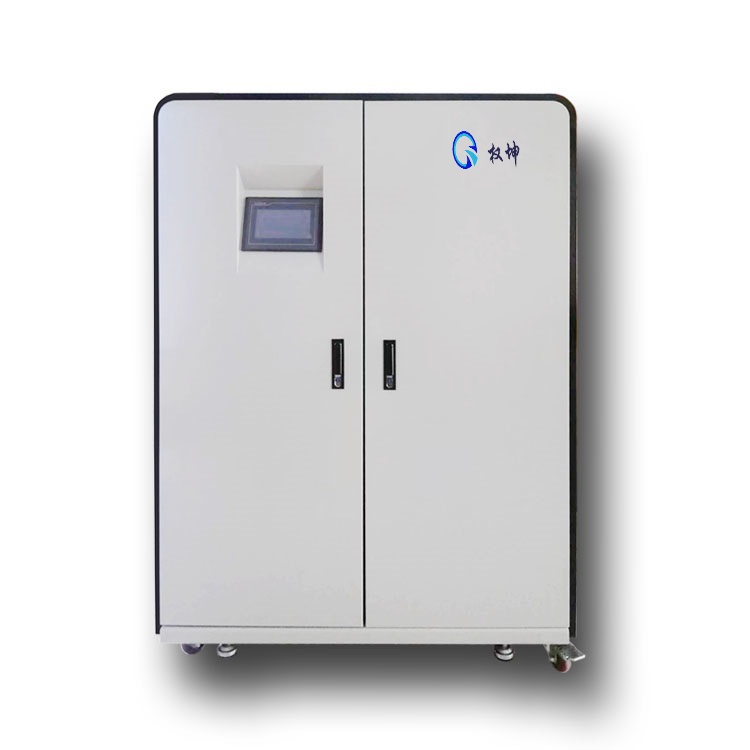
Small Laboratory Wastewater Treatment Equipment, Laboratory Analytical Waste Disposal and Disinfection Equipment
Laboratory wastewater containing acids and alkalis primarily originates from the use of acid and alkali reagents in experiments, the synthesis and treatment of chemicals, and the cleaning of experimental equipment. These wastewaters contain a large amount of acidic and alkaline substances and organic pollutants, posing potential threats to the environment and human health.
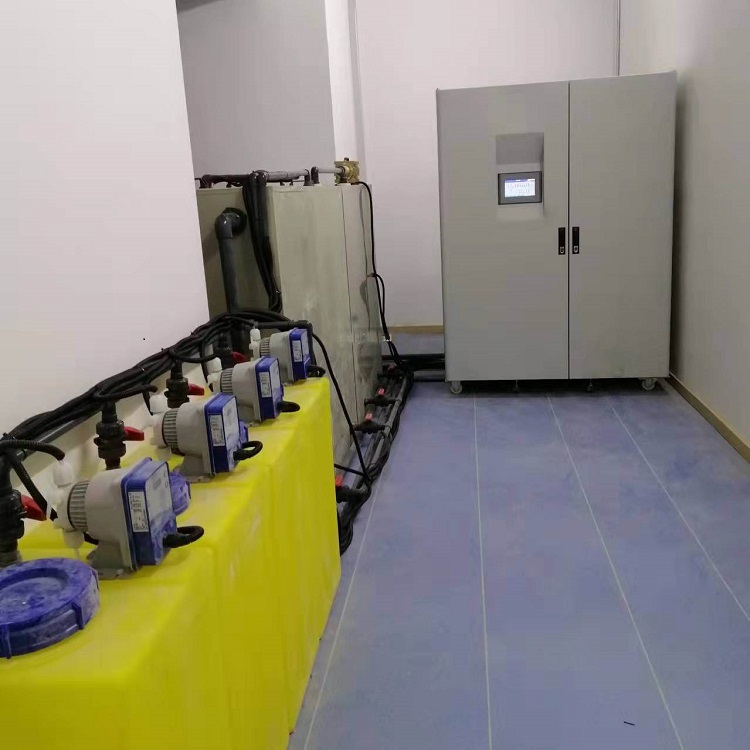
Primary Requirements:
Acid-base neutralization
Laboratory acidic and alkaline wastewater typically exhibits extreme acidity or alkalinity, necessitating neutralization treatment to reduce pH levels to meet environmental discharge standards. The laboratory acidic and alkaline wastewater treatment equipment utilizes a neutralization unit to react the acidic and alkaline substances in the wastewater with neutralizing agents, achieving neutralization and resulting in a pH that is neutral or nearly neutral.
2. Impurity Removal
Laboratory wastewater often contains various impurities, such as suspended solid particles, heavy metal ions, and organic matter. These impurities not only degrade water quality but also harm downstream treatment equipment. Laboratory acidic and alkaline wastewater treatment systems utilize impurity removal devices, like centrifugal sedimentation and deep filtration, to effectively eliminate impurities from the wastewater, enhancing its purity.
Wastewater Treatment
Treated acidic and alkaline wastewater must undergo further processing to meet environmental discharge standards or to achieve reusable water quality. Laboratory wastewater treatment equipment for acidic and alkaline substances employs treatment systems such as biological treatment and oxidation-reduction to process organic matter and heavy metals in the wastewater, reducing pollution levels and enabling resource utilization.
4. Safety and Controllability
The design of the laboratory acidic and alkaline wastewater treatment equipment should consider safety and controllability. Firstly, the equipment should have safety measures to prevent leaks and explosions to ensure the safety of laboratory personnel. Secondly, the operation and maintenance of the equipment should be simple and convenient, with the equipment's operational status and treatment effects capable of being monitored and adjusted in real-time to ensure the efficient operation of the equipment.
Technical Principle:
During the design process, we adhere to principles of rationality, practicality, reliability, and economy. We employ practical, mature, and reliable treatment technologies to meet the requirements of fluctuating water quality and unstable water flow, ensuring that the treated wastewater meets the standards for discharge.
[2] Employ reasonable technology and layout, optimizing the wastewater treatment process design to enhance overall system efficiency; strive to minimize construction costs, achieving excellent treatment results with minimal investment while ensuring the system's safety, economy, and stable operation.
[3] Utilizing cost-effective operational processing technology, we enhance the wastewater treatment efficiency while reducing equipment investment costs. Lowering both operational and investment expenses brings the owner superior economic benefits.
[4] Employing reliable equipment and automatic control systems, the main facilities and equipment are designed with targeted engineering for automation optimization in wastewater treatment, reducing the workload for management and maintenance, and ensuring convenient and reliable operation and management.
[5] Design for low-noise, energy-efficient power equipment, and implement measures such as vibration reduction and noise reduction to prevent noise pollution.
[6] The overall environment of the wastewater treatment project harmonizes with the surrounding area; a reasonable layout is adopted with a small occupied area, and the treatment process is optimized for design.
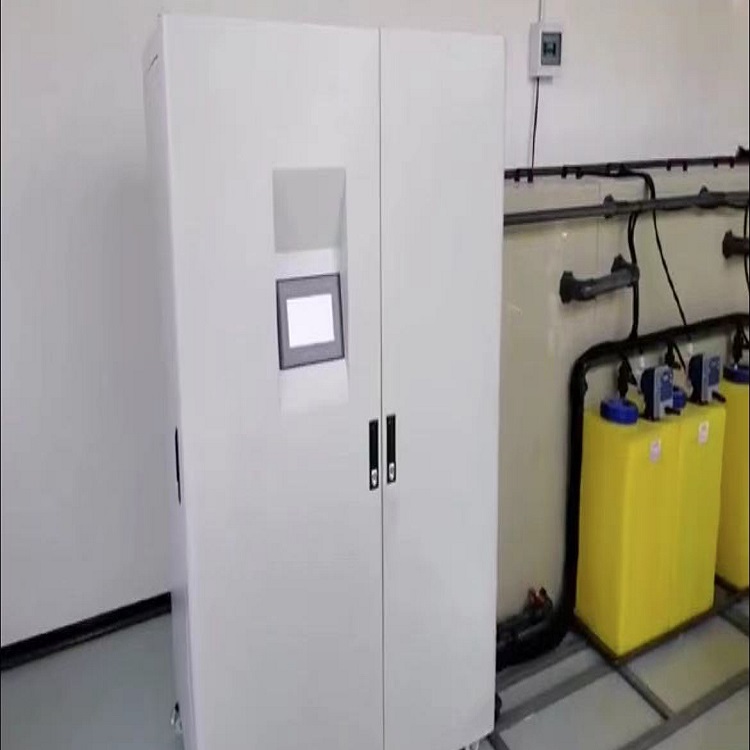
Small Laboratory Wastewater Treatment Equipment, Laboratory Analytical Waste Treatment and Disinfection Equipment
Based on different treatment methods and application scenarios, wastewater treatment equipment for testing laboratories can be categorized into the following types:
Physical Treatment Equipment: Such as sedimentation tanks, filters, etc., which remove suspended solids and sediments from wastewater through physical means.
2. Chemical Treatment Equipment: Such as dosing systems, reactors, etc., which remove soluble harmful substances from wastewater through chemical reactions.
3. Biological Treatment Equipment: Such as activated sludge tanks and biofilm reactors, which utilize the metabolic action of microorganisms to degrade organic matter in wastewater.
4. Integrated Treatment Equipment: Combines physical, chemical, and biological treatment methods to form an efficient and energy-saving wastewater treatment system.