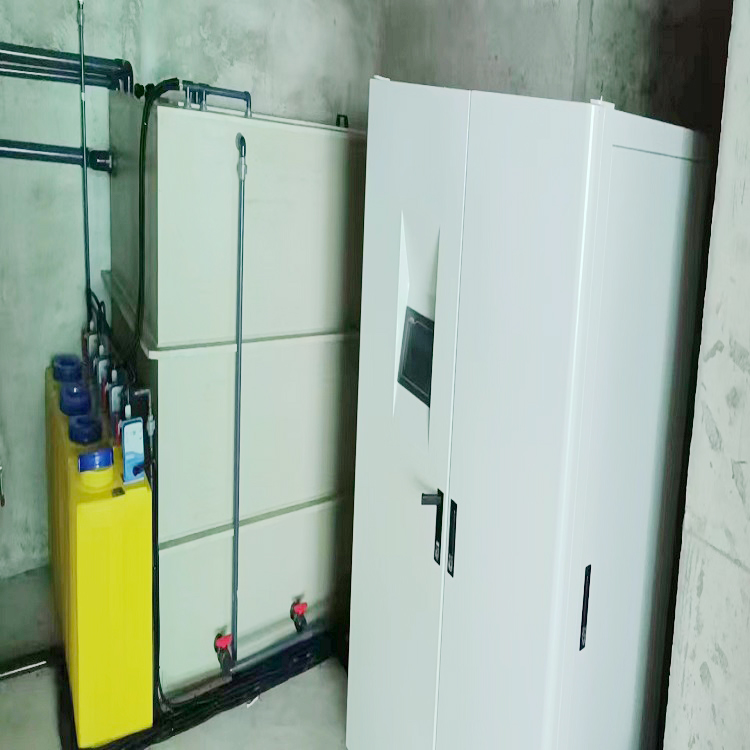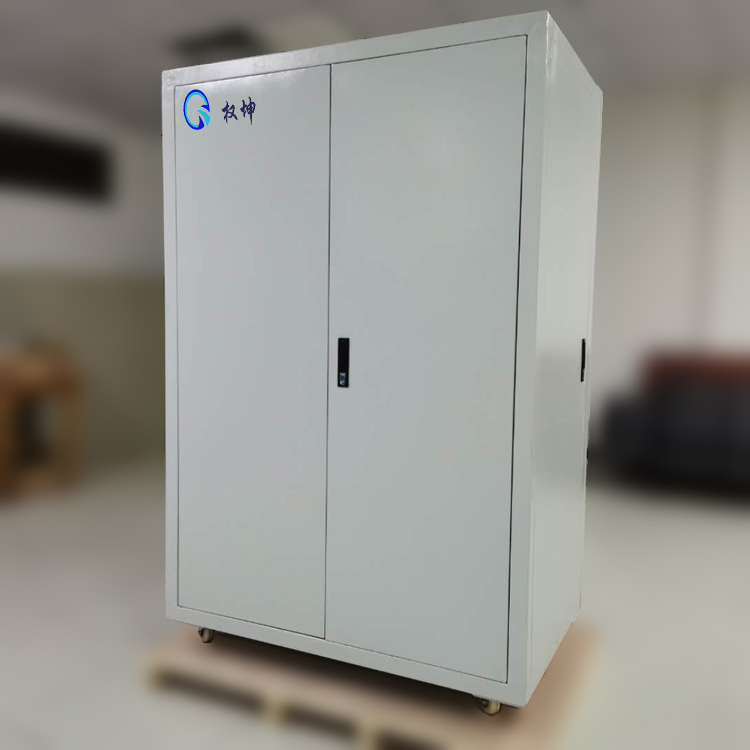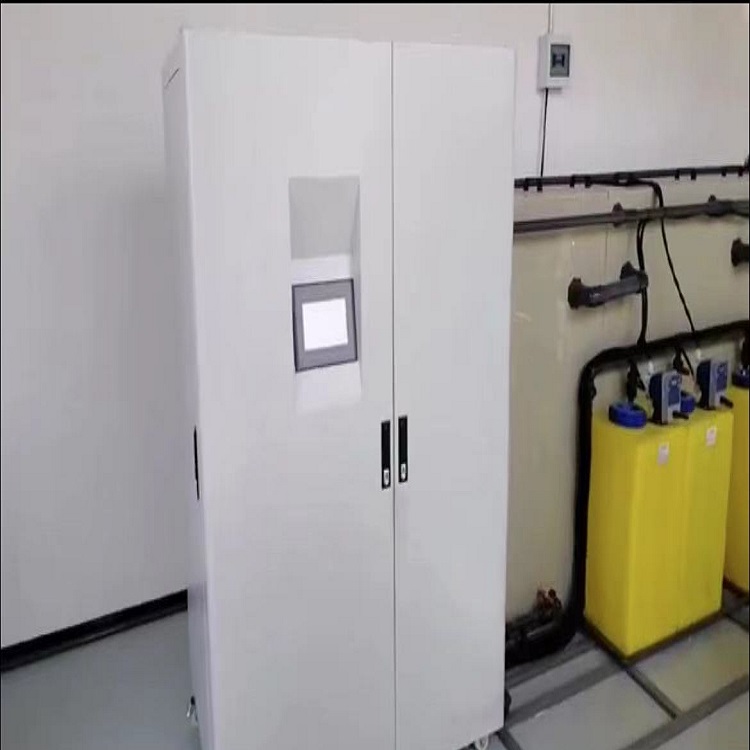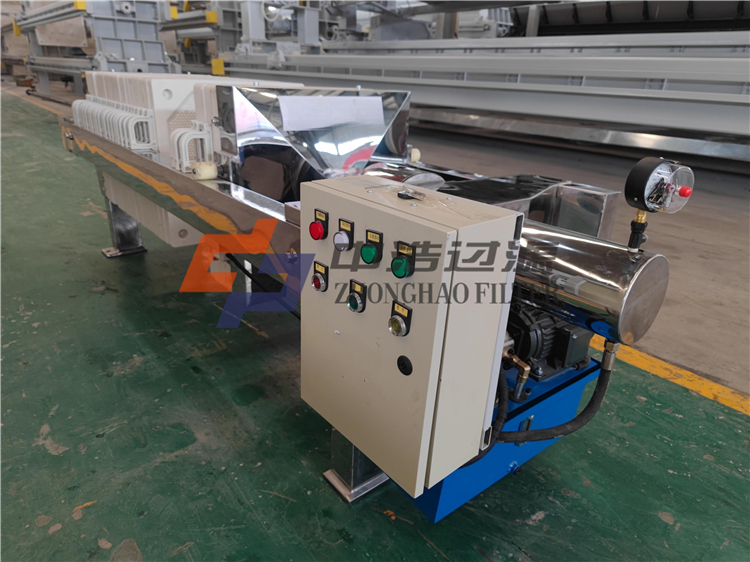

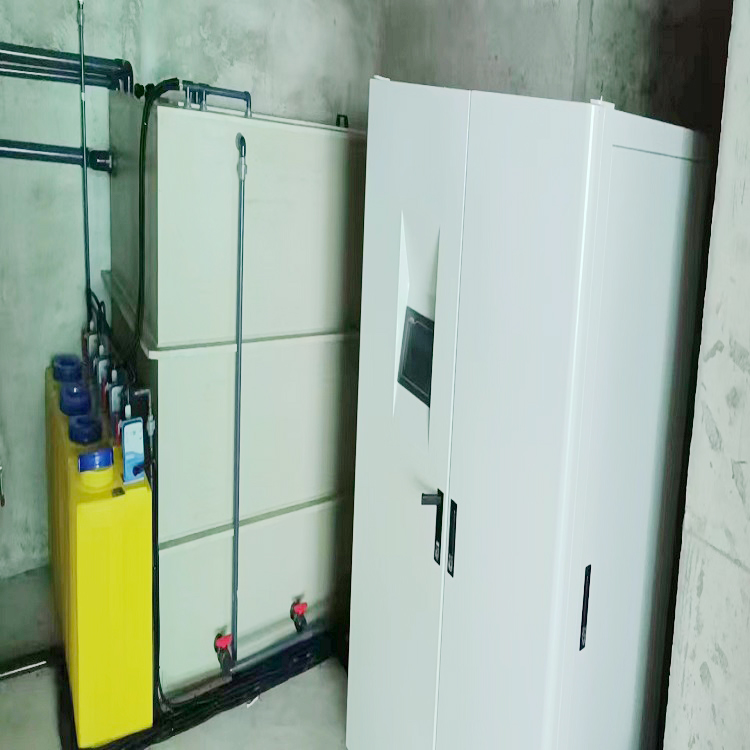


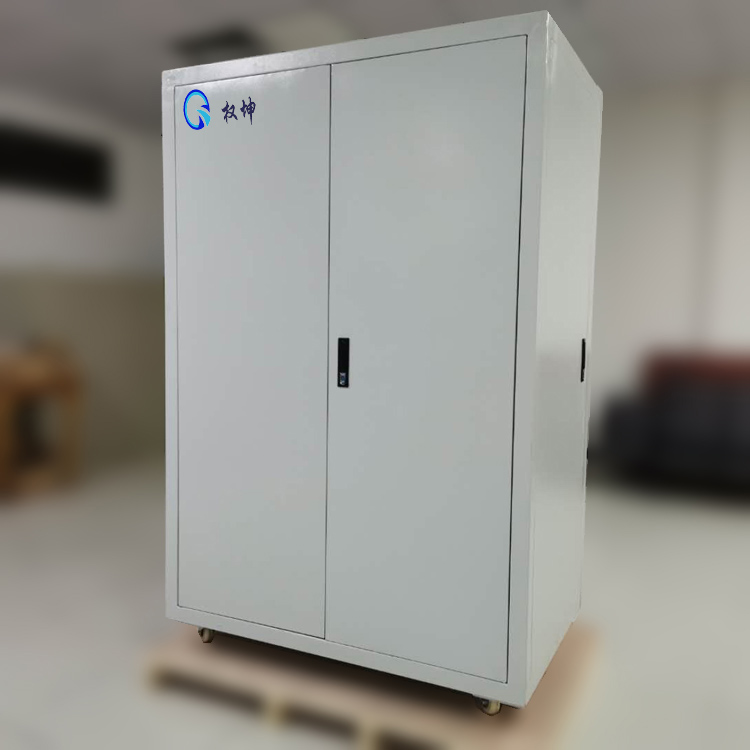
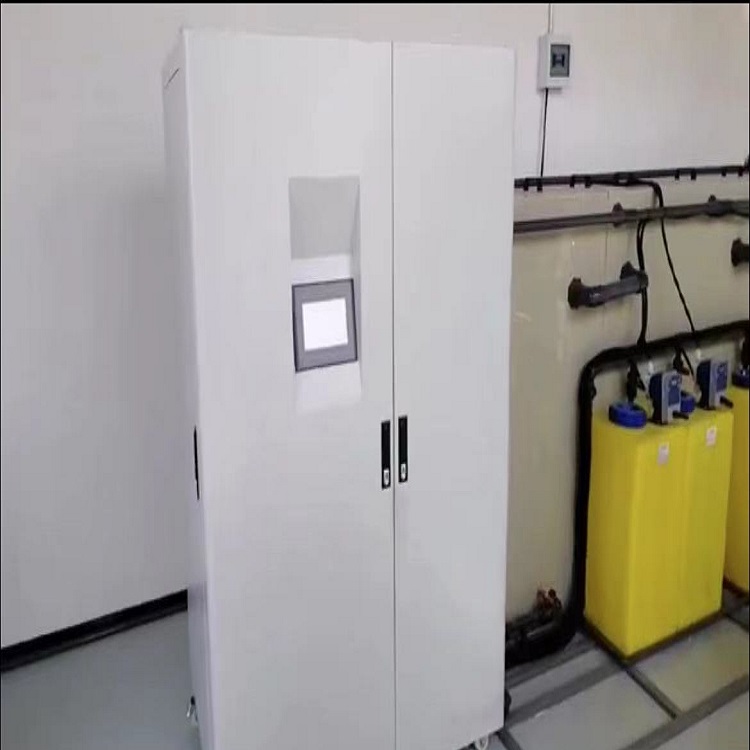


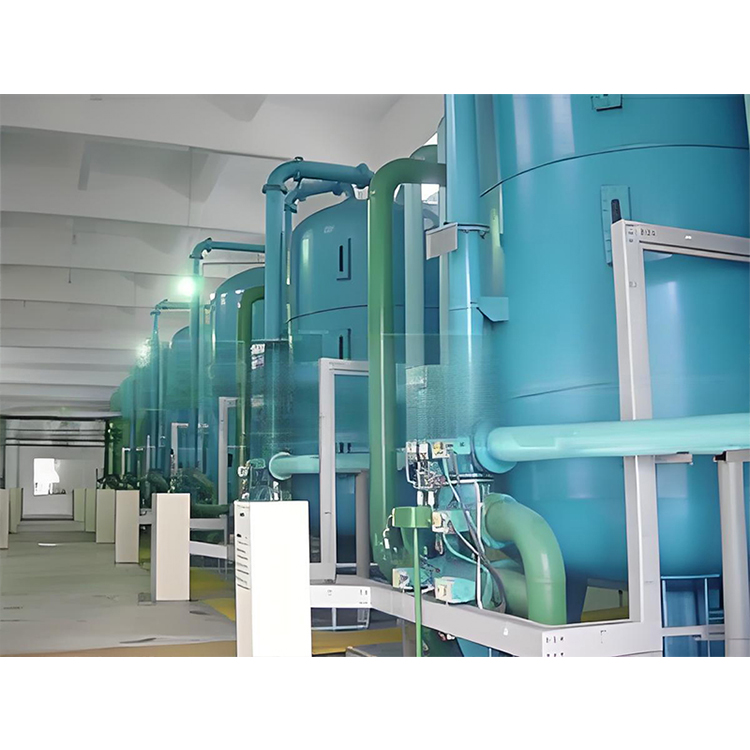
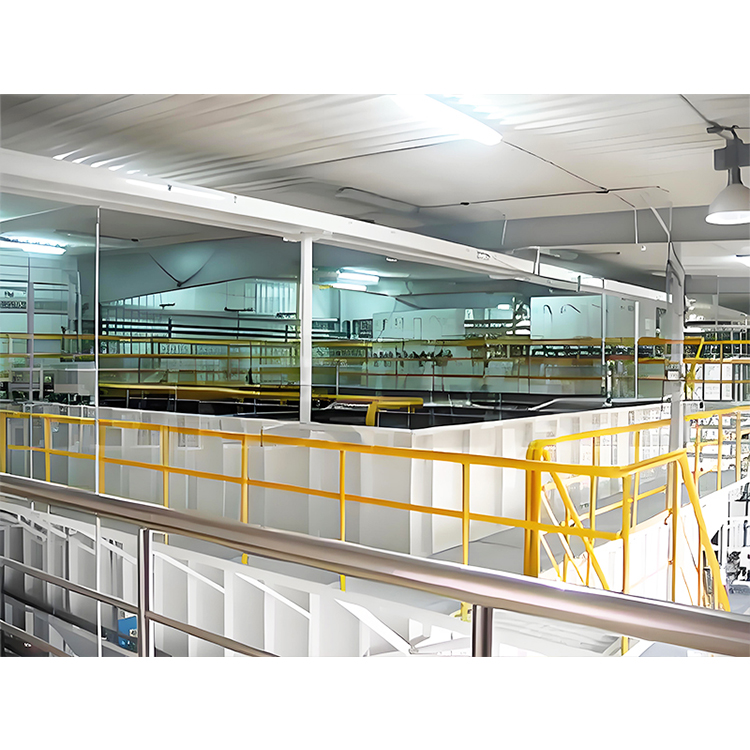
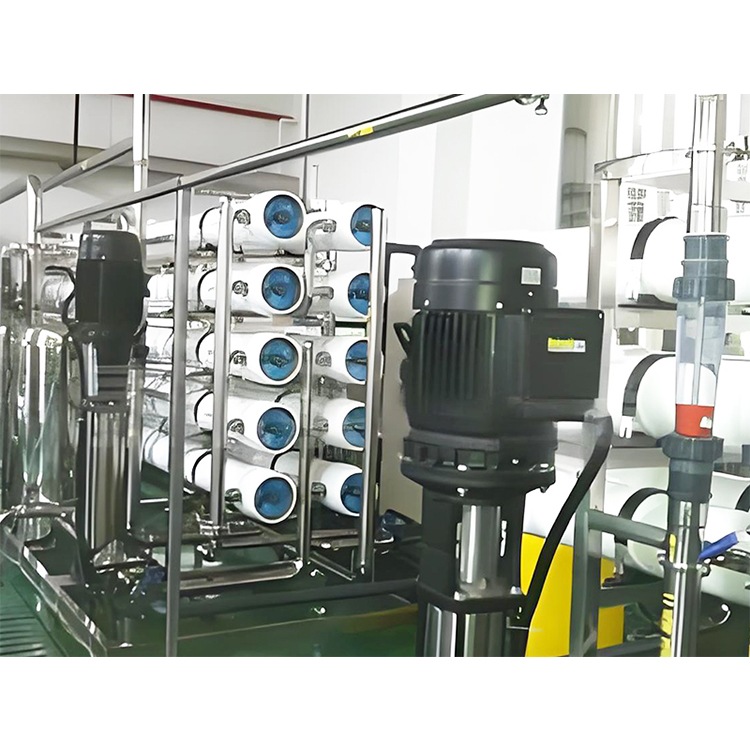
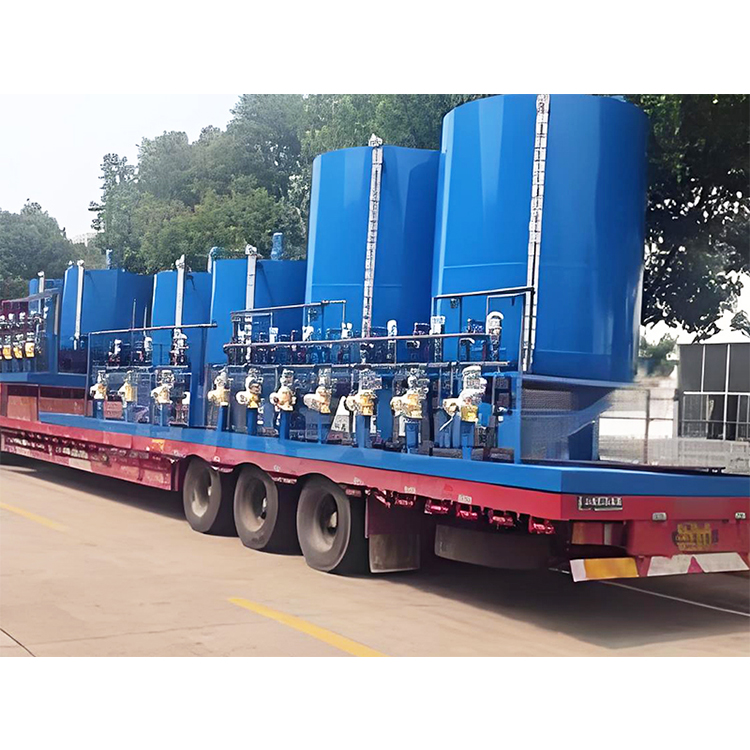





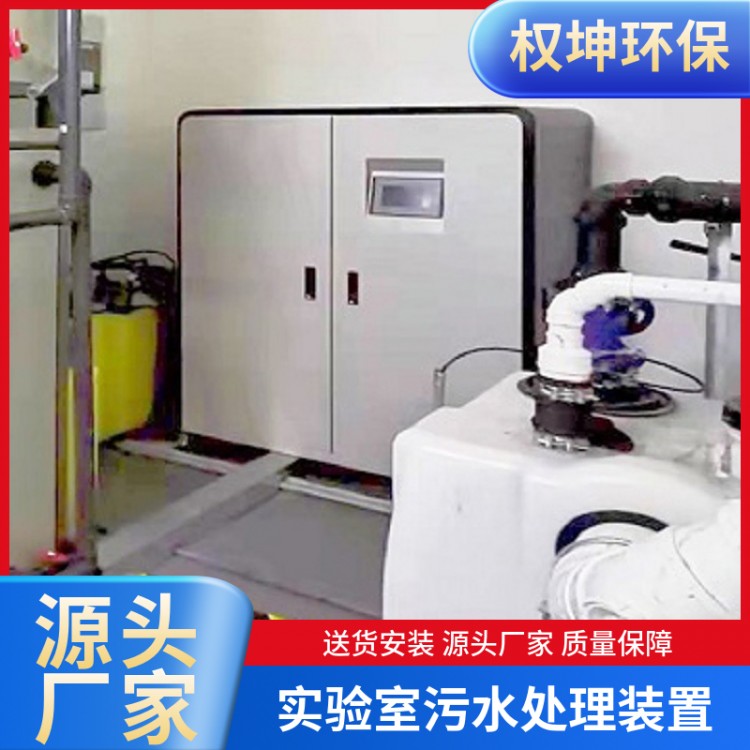
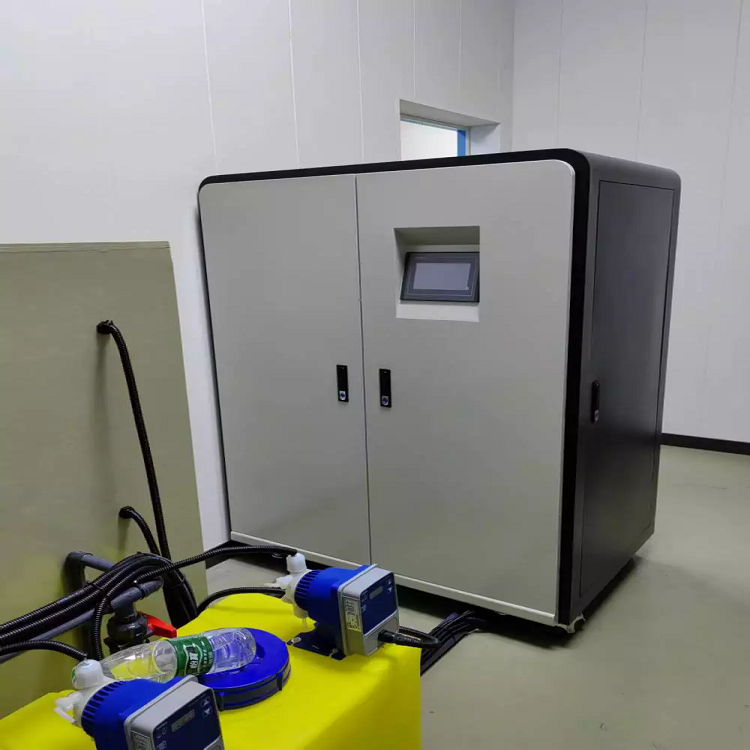
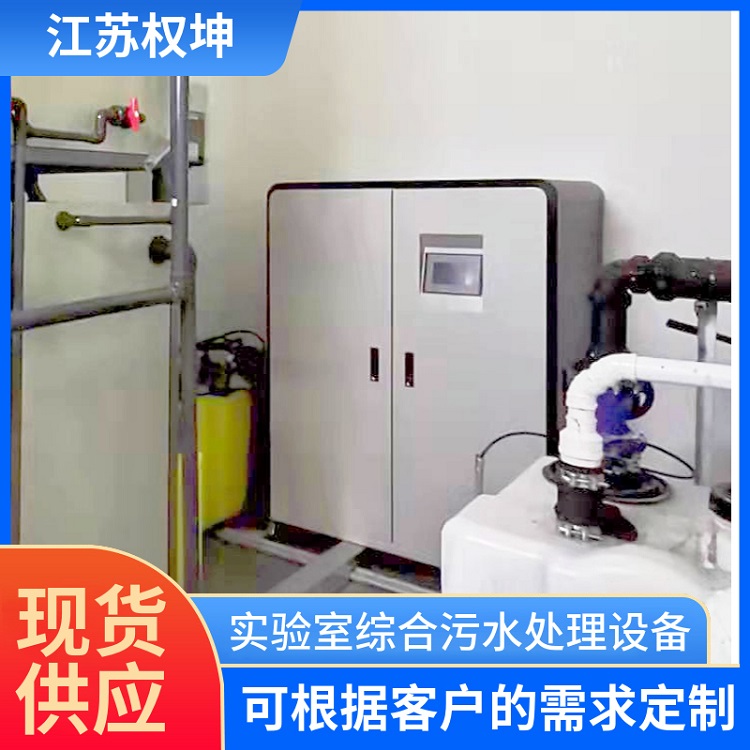
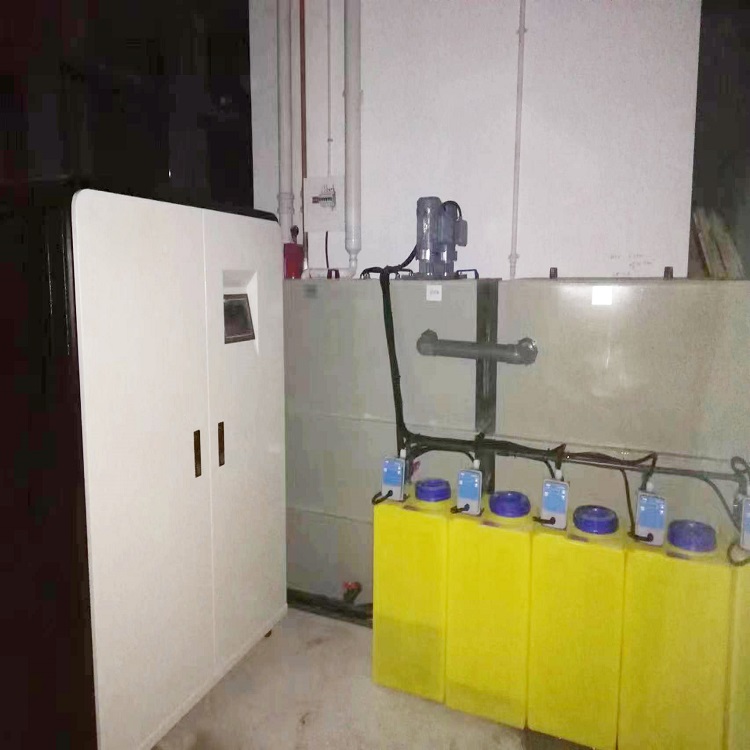
Institute Laboratory Wastewater Treatment Unit, Quankun; Integrated Floating Machine Wastewater Treatment Equipment
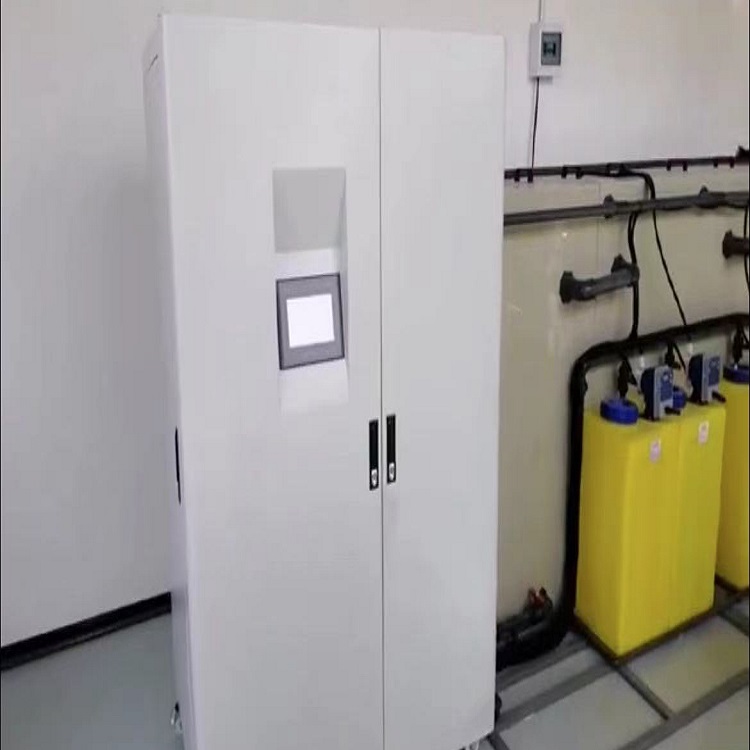
The comprehensive laboratory wastewater treatment system is composed of units such as wastewater collection, automatic adjustment, pretreatment, automatic dosing, coagulation and air flotation mixing, flocculation and coagulation sedimentation, sedimentation separation, solid-liquid separation, sludge drying, heavy metal capture, filtration and adsorption, novel catalytic activity micro-processing, electrochemical catalytic oxidation-reduction technology treatment, multi-stage advanced decomposition degradation treatment, two-stage organic biological activity treatment, novel biological reaction treatment, and composite disinfection treatment. These technologies form a complete laboratory wastewater treatment system. The system operates using a PLC programmable control system and a human-machine interface operating system, with remote monitoring and operation. It runs automatically based on the program set by the PLC controller and parameters set by the PH self-control instrument, featuring multi-level automatic online monitoring.
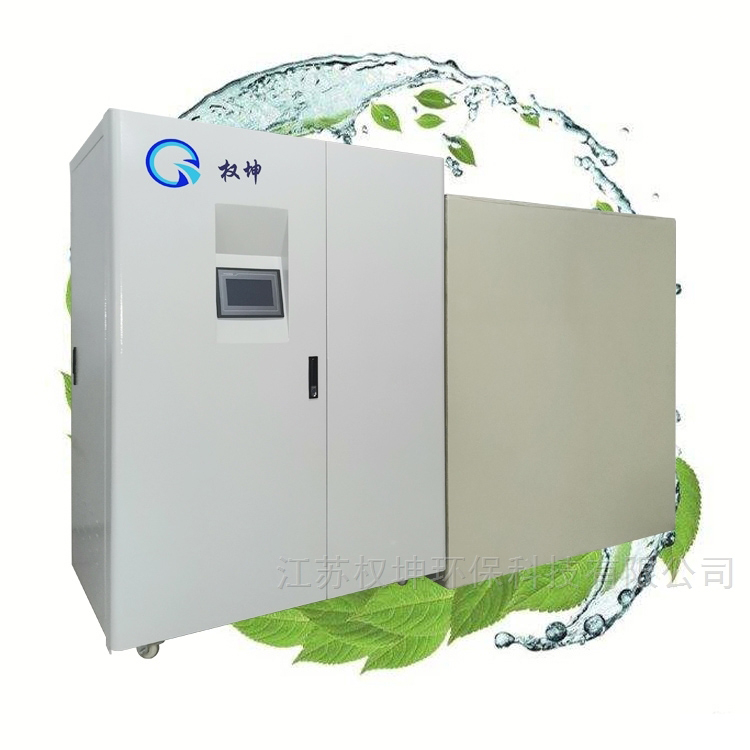
Process Features:
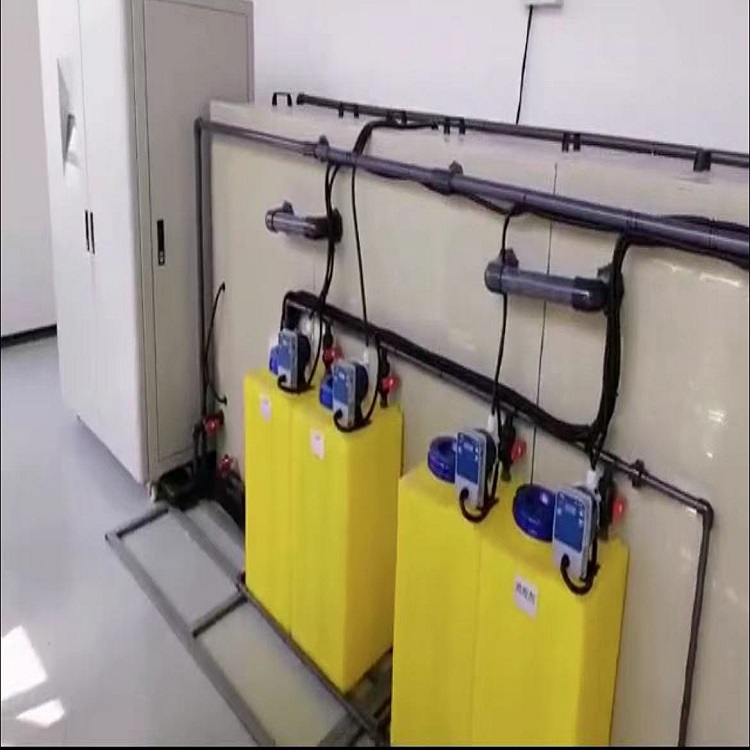
1. Treat various pollutants in wastewater using neutralization precipitation, chemical oxidation, ozone oxidation, and multi-media filtration techniques.
2. Utilizes a microcomputer program for real-time monitoring and control of wastewater quality and treatment process, ensuring around-the-clock, fully automatic operation without the need for constant supervision.
3. Accurately control dosing with a pH meter, ORP meter, and imported metering pump, featuring liquid level control, drug shortage alarms, and automatic sludge discharge systems.
4. Utilizing advanced oxygenators, ensuring thorough gas-water contact and complete reaction.
5. Easy to operate, stable performance, long service life, low operation and maintenance costs.
6. Compact footprint; can be installed indoors or outdoors as needed.
7. Custom design and manufacturing services available to meet diverse customer requirements.

Process Description:
Wastewater from tank 1 is pumped into the neutralization reaction tank, where the pH is adjusted to 6-9; heavy metal ions react with alkali to form hydroxides. Laboratory wastewater enters the collection tank via the pipeline.
2. Precipitation of Extracts.
3. Chelating reaction tank, by adding chelating agents, heavy metals react with the chelating agents to form chelates, further removing heavy metal ions.
4. Then, by adding PAC, PAM coagulation, and flocculation;
5. Post-settled wastewater is fed into the security filter to remove suspended solids.
6. Production water enters the membrane treatment process.
7. Sludge and solid waste are handled by qualified units; odors from the integrated unit pond are piped to the laboratory for waste gas treatment and discharge.
8. Install one or more laboratory wastewater treatment units in the lab, perform deep treatment on the laboratory wastewater, and then discharge it to the bio-sedimentation pond or the urban sewage network after meeting relevant standards.
9. Laboratory hazardous waste liquids, high-concentration hazardous wastewater, and hazardous solid waste should be stored and disposed of in accordance with the relevant requirements of "Regulations for Hazardous Waste Storage Pollution Control" (GB18597-2001), and a hazardous waste disposal agreement should be signed with a qualified unit.
Performance Features:
1). The disinfectant produced has a high purity, with chlorine dioxide content exceeding 98%.
2) High conversion rate, raw material conversion rate of 95%.
3) Imported metering pump controls dosing, measurement, and back pressure valve to prevent siphonage.
4) Simple design structure, easy installation and maintenance.
5) Low land occupation (or no land occupation).
6) Flow meter and dosing pump for adjusting chlorine dioxide concentrations can produce various concentrations of the disinfectant, particularly suitable for food production companies, catering to the varying concentration needs of chlorine dioxide disinfectant across different production processes.

Institute Lab Wastewater Treatment Unit, Quankun Aeration Floating Machine Integrated Wastewater Treatment Equipment
Process Flow:
The entire wastewater treatment process is controlled by an automatic control system. The neutralization and adjustment system features a float ball level controller, with automatic pump shutdown at low levels and automatic startup at high levels, enabling basic unattended operation.