










Magnetic flocculation
Product Overview:
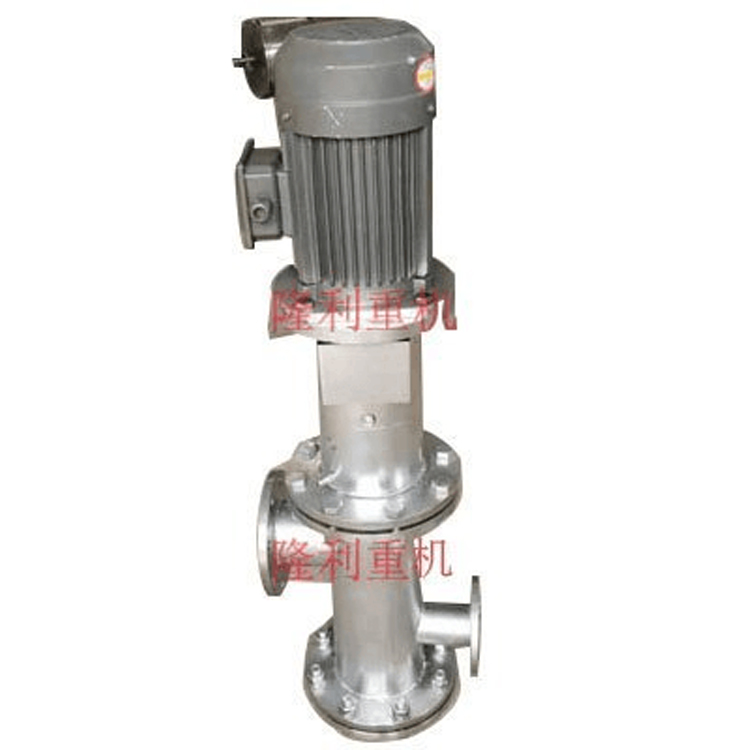
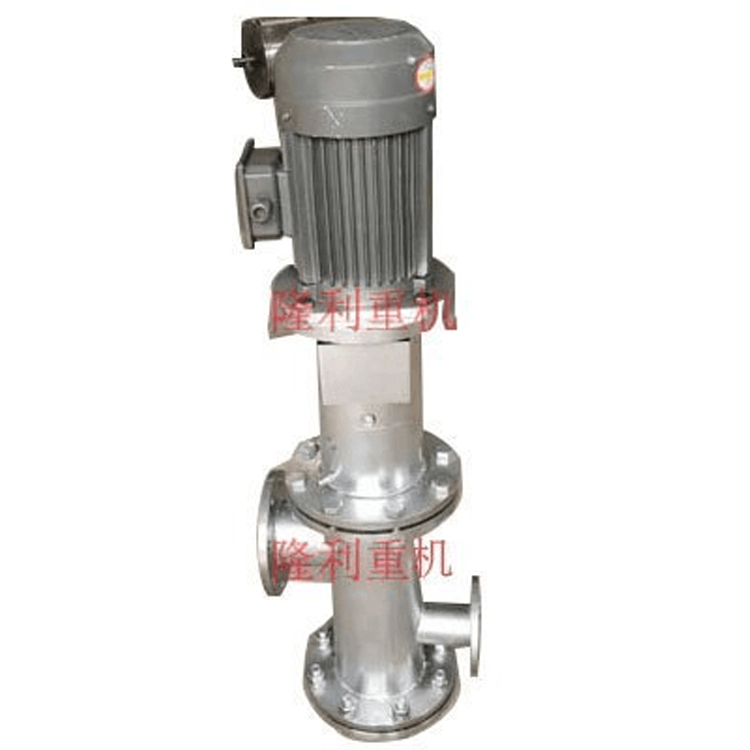
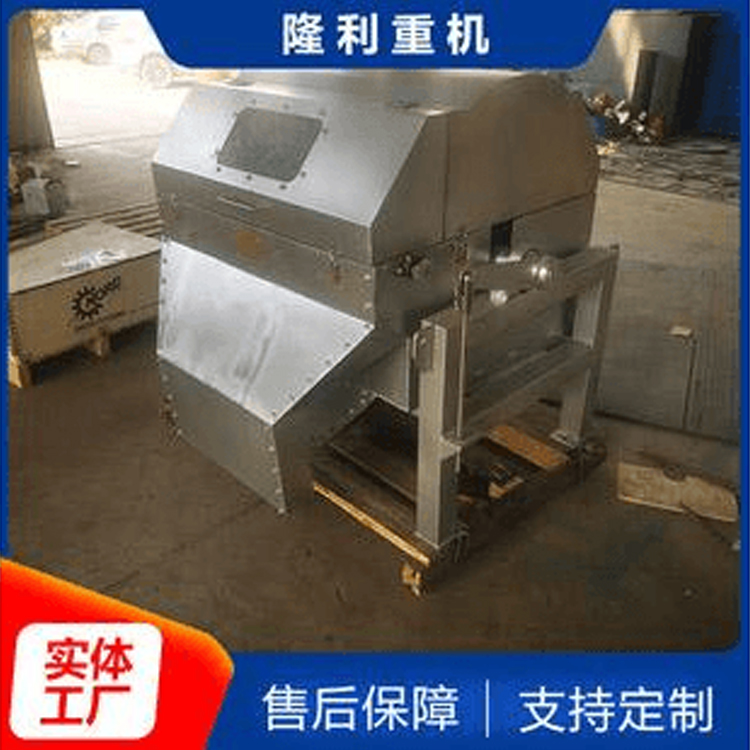
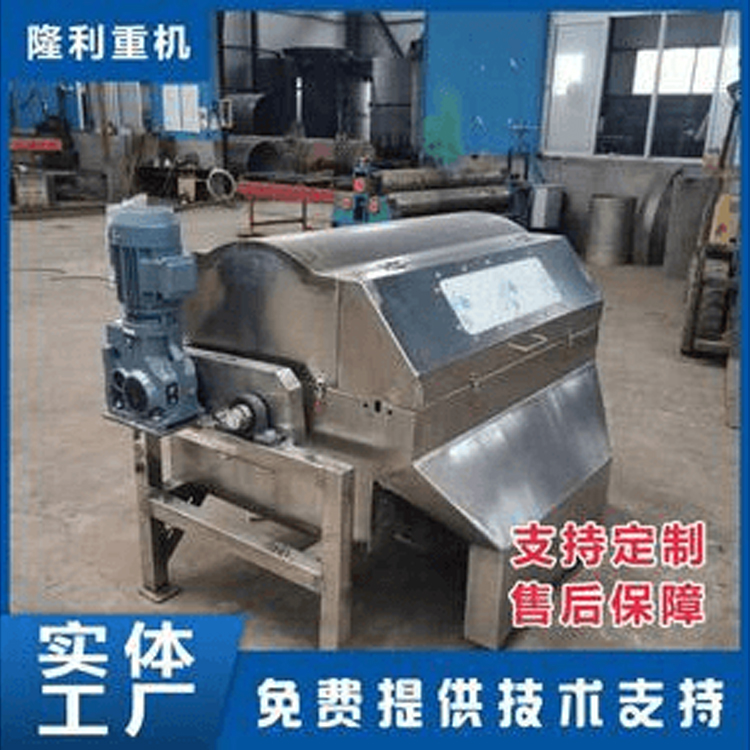
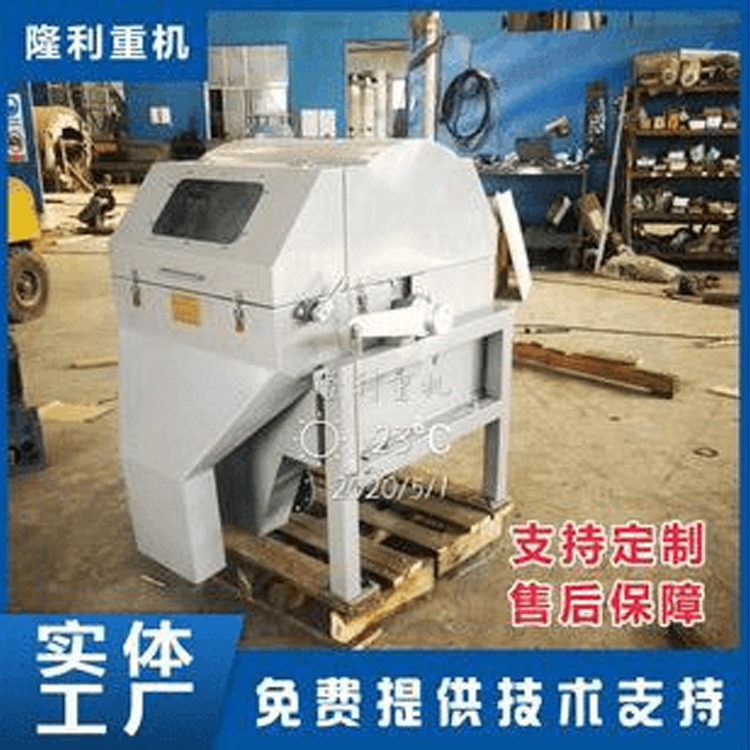
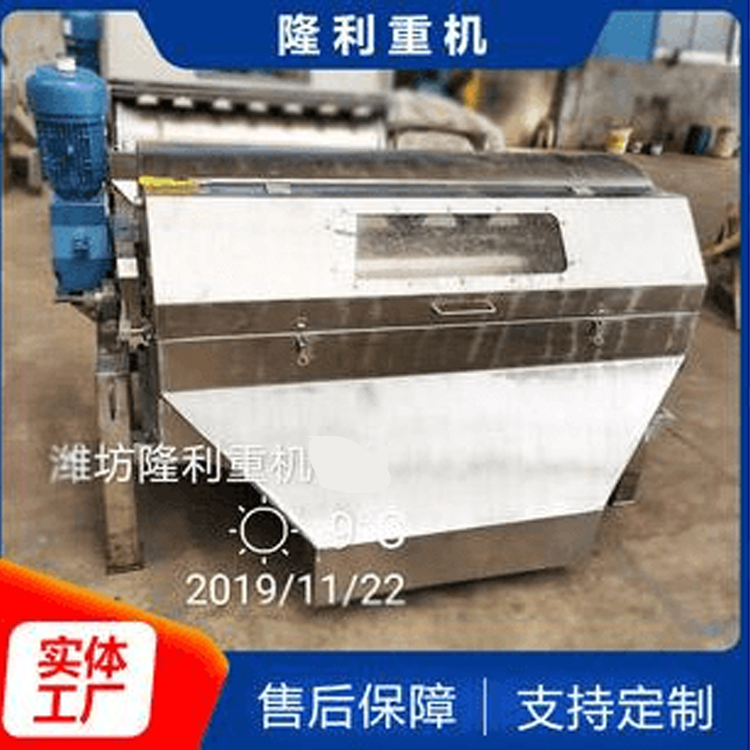
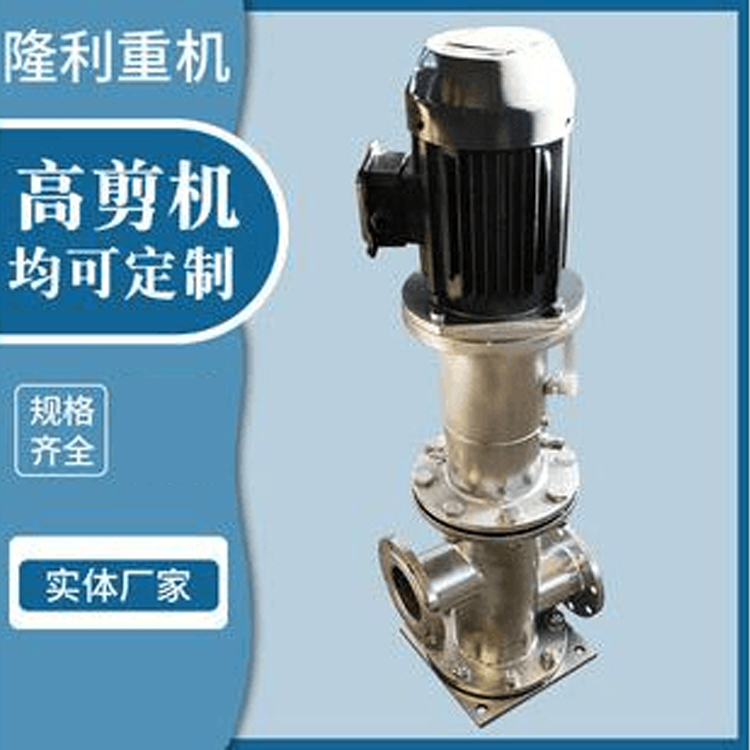
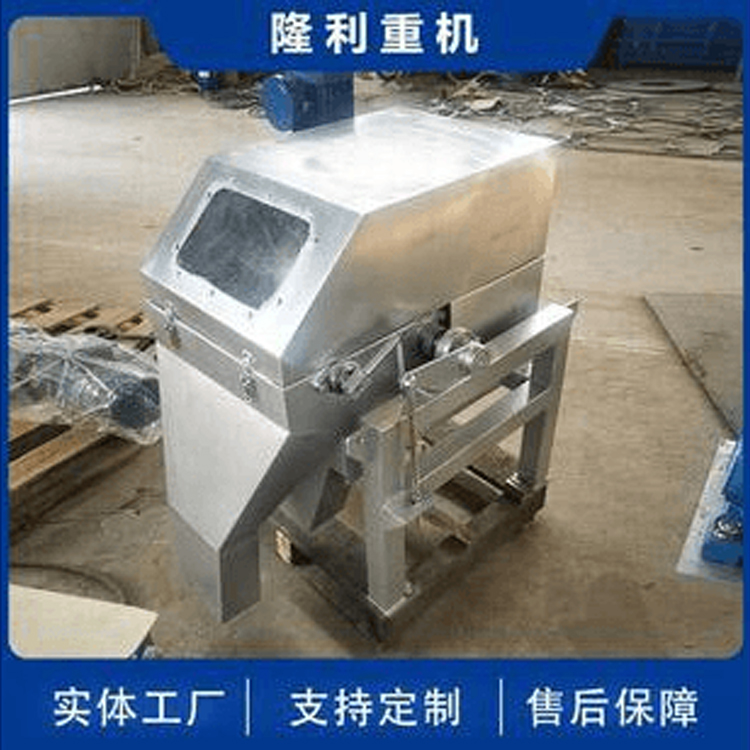
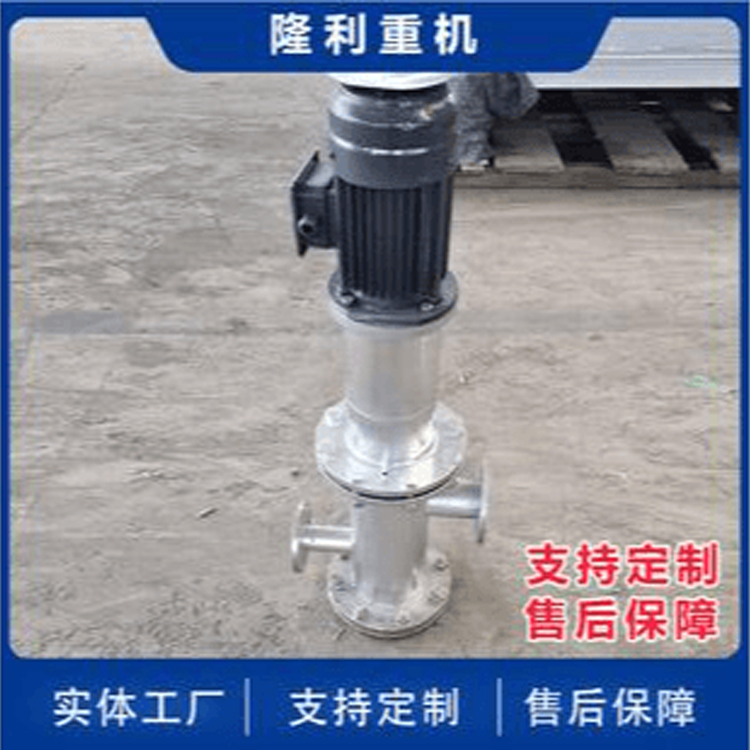
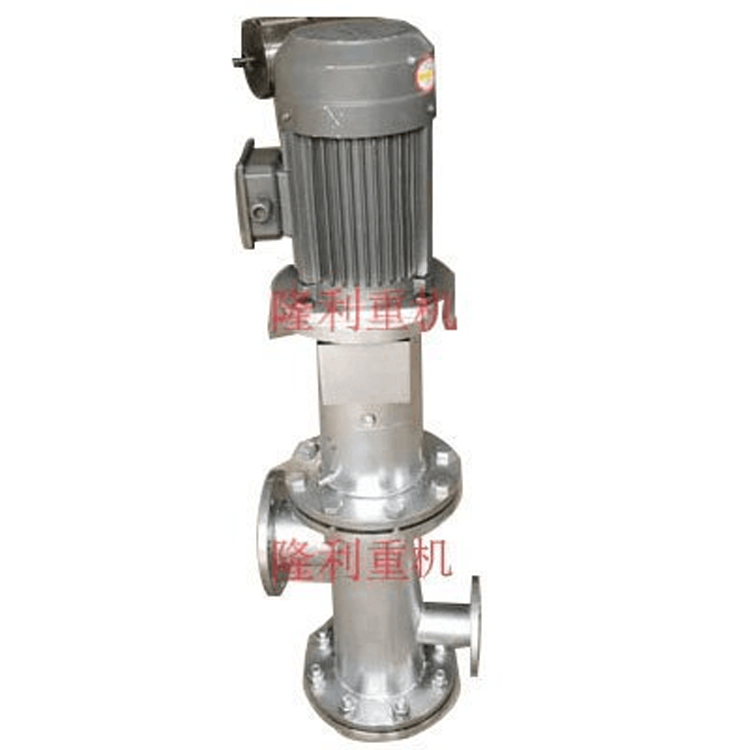
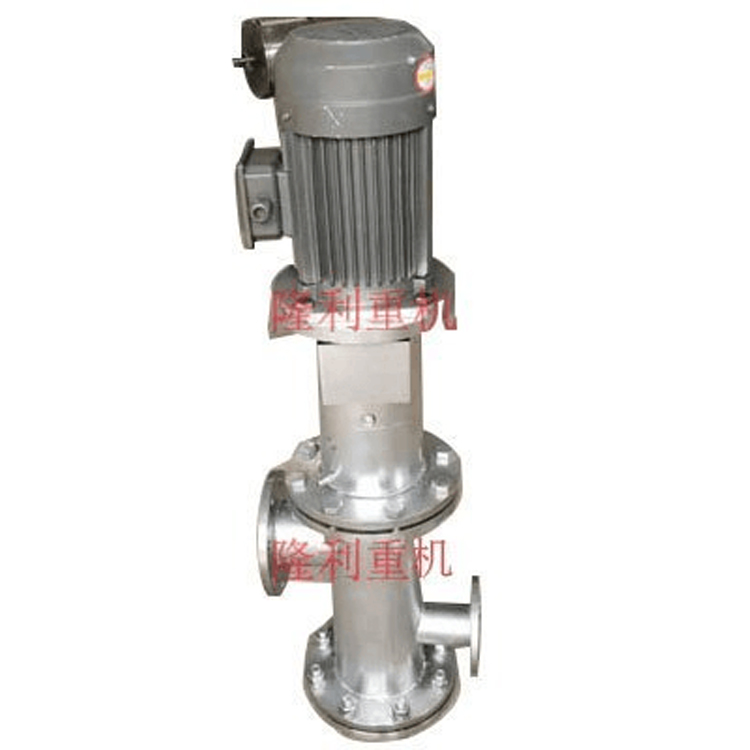
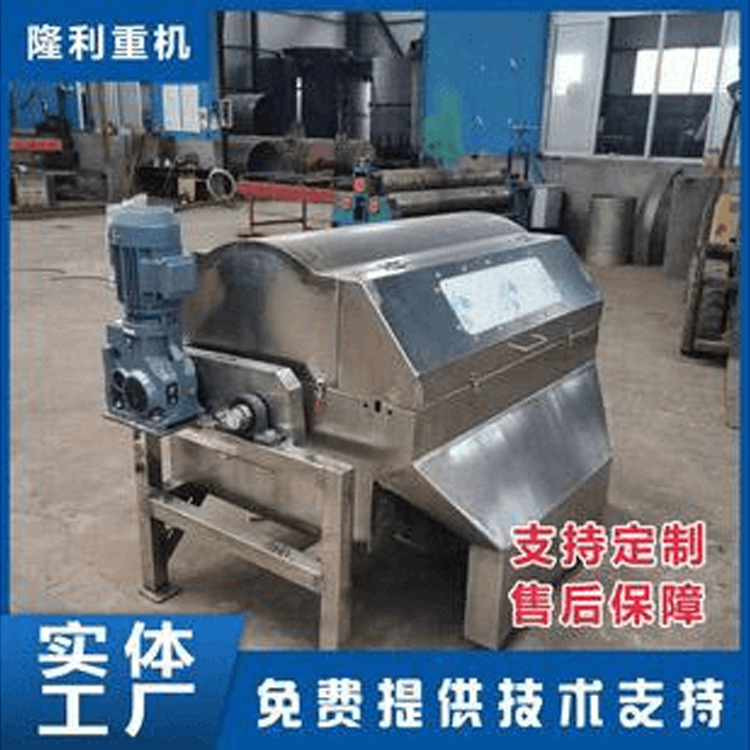
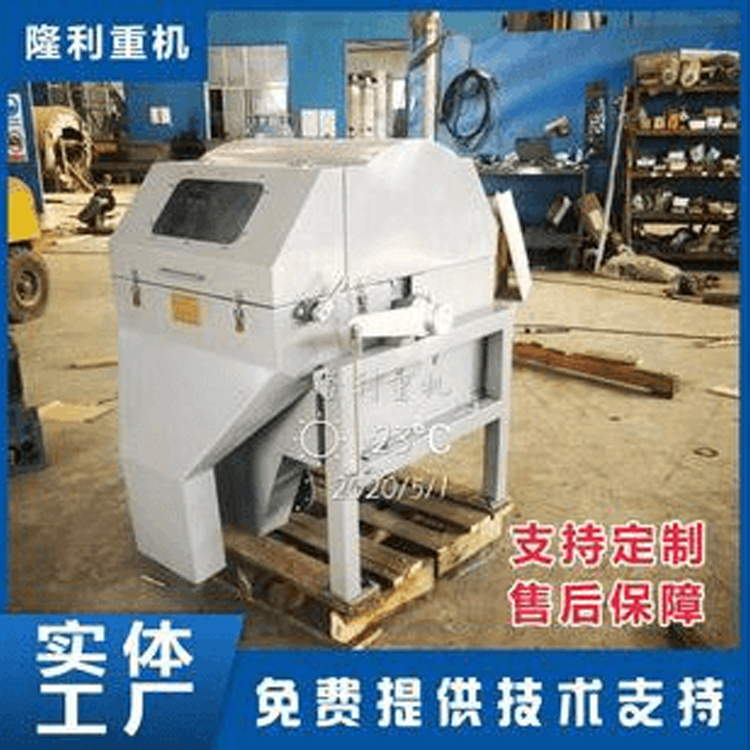
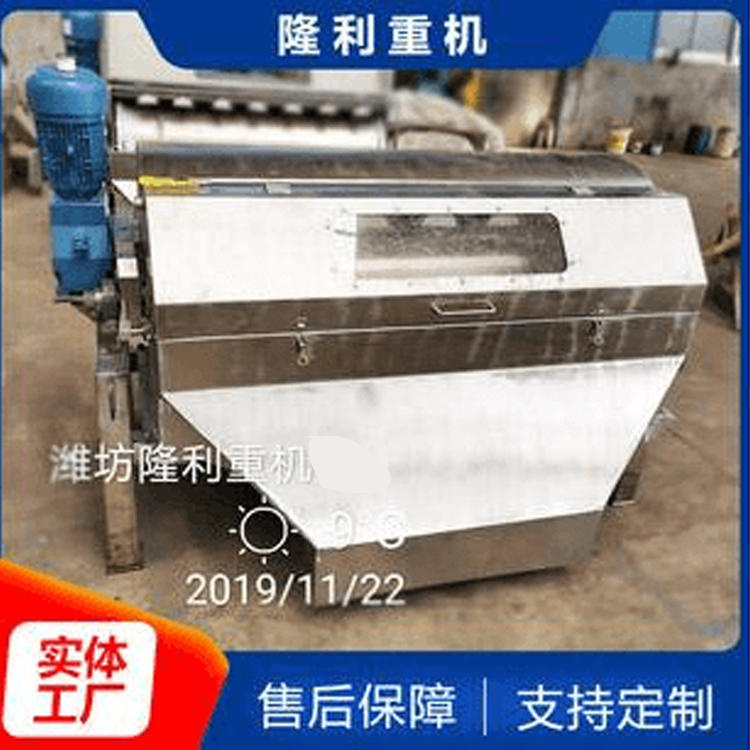
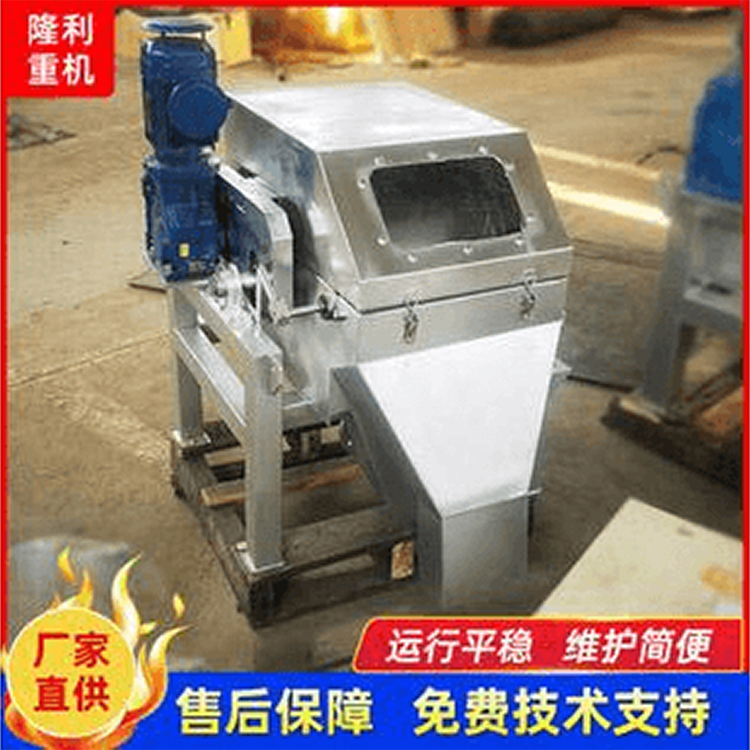
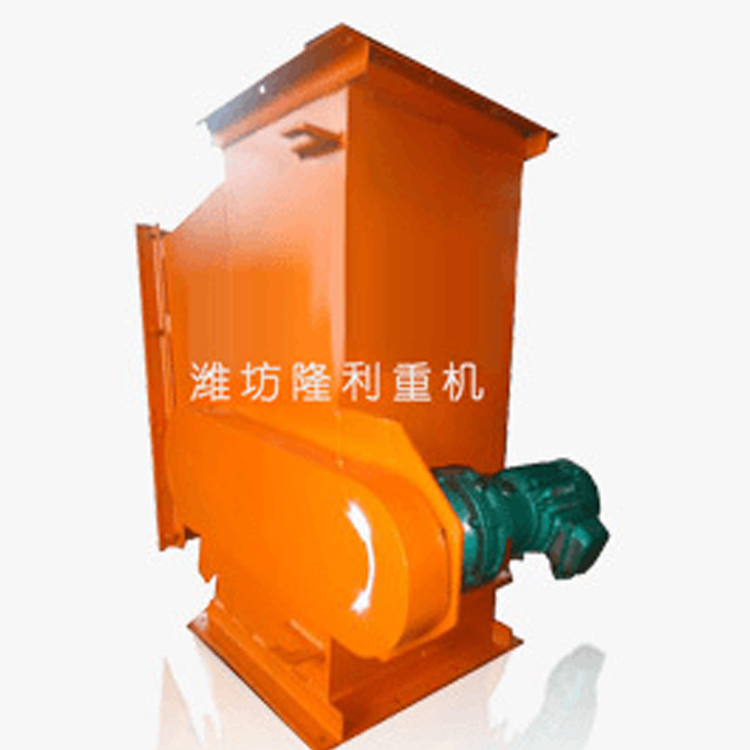
Defiberizer, also known as the abbreviation for a high-speed shearing defiberizer, colloquially referred to as a high-speed defiberizer or high-cut machine, is one of the key equipment in the heavy medium coagulation sedimentation water treatment process. The heavy medium coagulation sedimentation technology involves adding a dense floc core to the water body.----Heavy medium powder is used to achieve rapid sedimentation. This method is fast and efficient, with stable and excellent removal effects on SS and TP in water bodies. The deflocculator is used to deflocculate the flocs of heavy medium powder, allowing for the recovery and recycling of the heavy medium powder.
Heavy medium sedimentation system The remaining sludge from the process first enters the deflocculator. Break up the concrete flocs, deflocculating machine[1] A unique channel design combined with high-speed rotating machinery generates intense shearing force, allowing the heavy medium powder in the flocs to become free. This facilitates the subsequent recovery of magnetic heavy medium powder from sludge by the heavy medium separator, thereby enhancing the recovery and utilization rate of the heavy medium powder [2].
Heavy medium sedimentation technology vs. conventional sedimentation (water supply)/Compared to wastewater treatment projects, its technical advancement lies in:
(1) The surface loading in the sedimentation pond can reach 20-60 m/h, which is 2-20 times that of conventional sedimentation processes (1.5-3 m/h for horizontal sedimentation ponds, 10-15 m/h for inclined plate sedimentation ponds).
(2) By partially recycling flocs, the floc concentration in the reaction pond can reach up to 20 times that of conventional sedimentation processes, achieving reaction effects in a short period while reducing the amount of chemical additives.
(3) Under economic operation conditions, treating Grade B water quality can achieve SS and TP effluent that meets or exceeds Grade A standards, with stable SS effluent levels below <5 mg/L and stable TP effluent levels below <0.3 mg/L.
(4) Operating costs are comparable to conventional coagulation and sedimentation processes, yet land usage can be reduced by over 50%, effectively addressing the renovation and new construction of water plants in areas with scarce land resources.