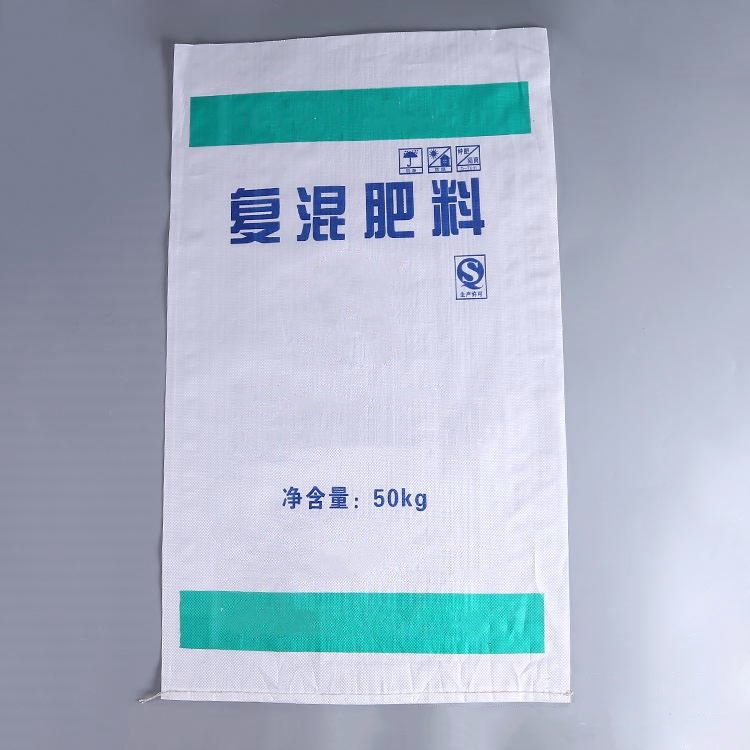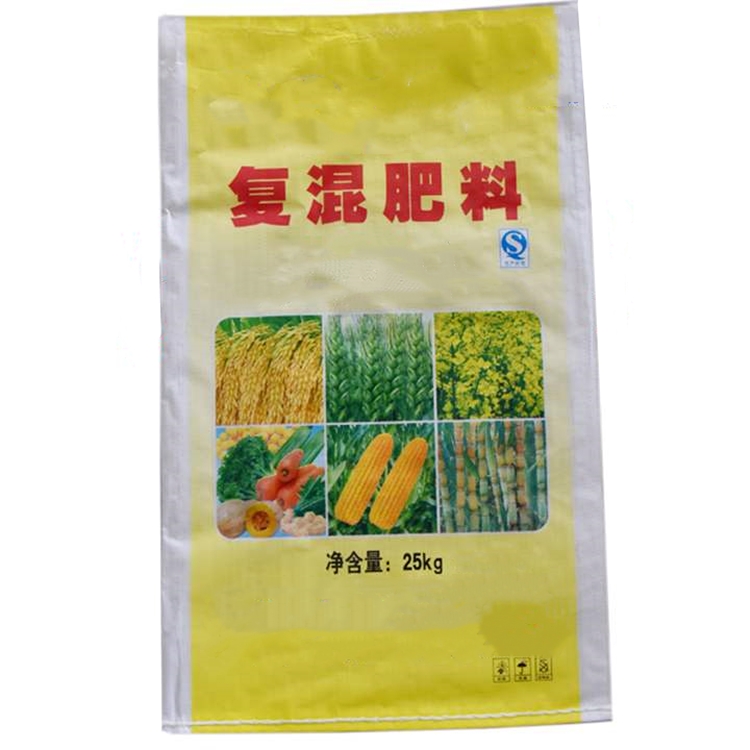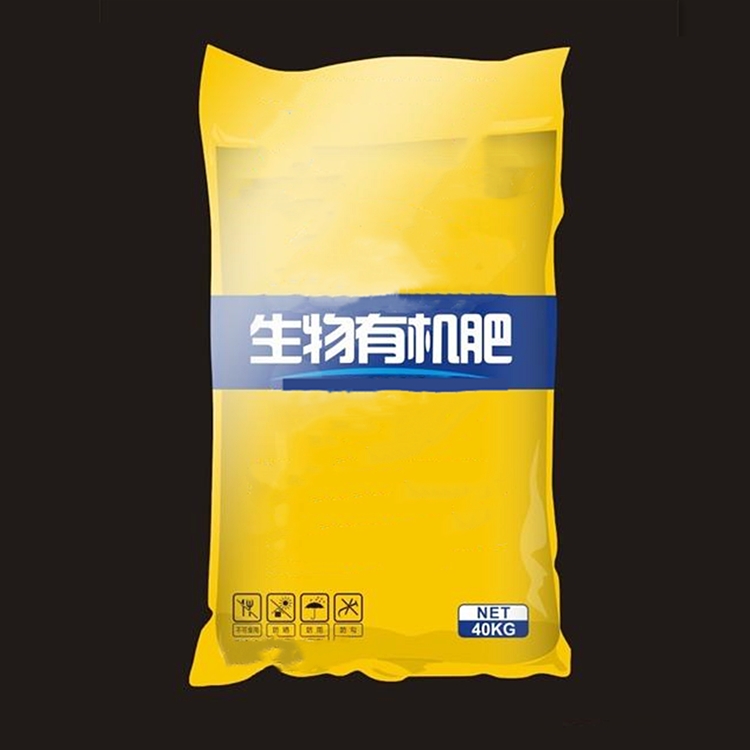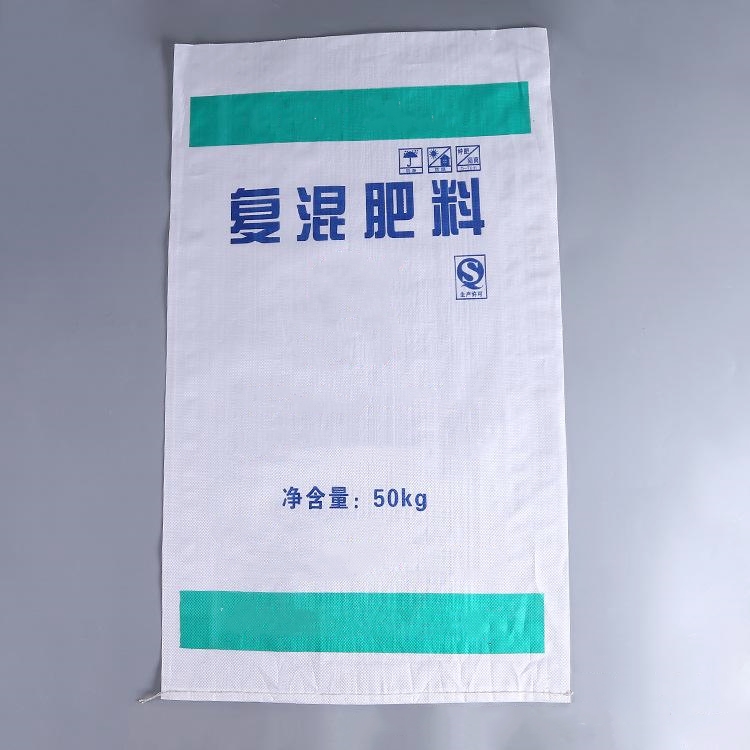


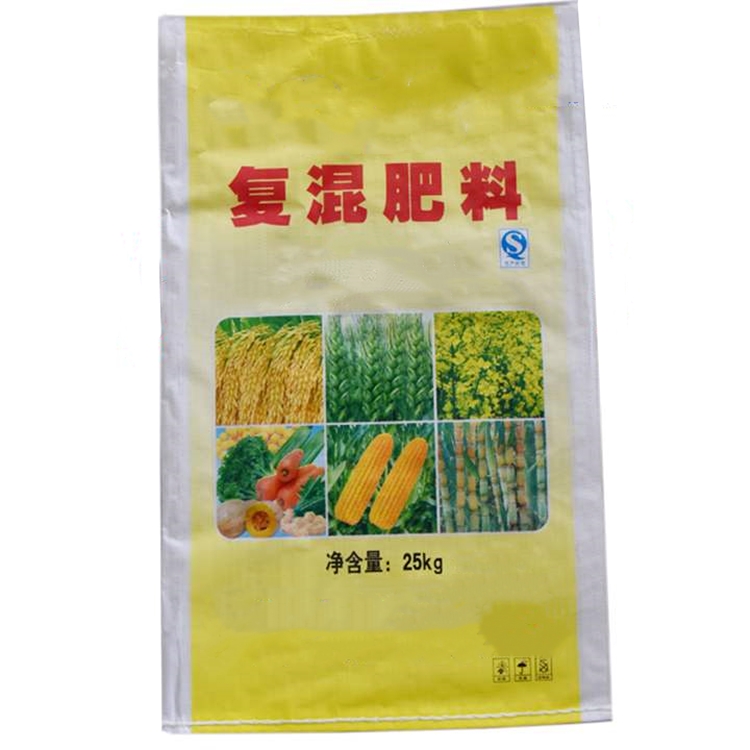







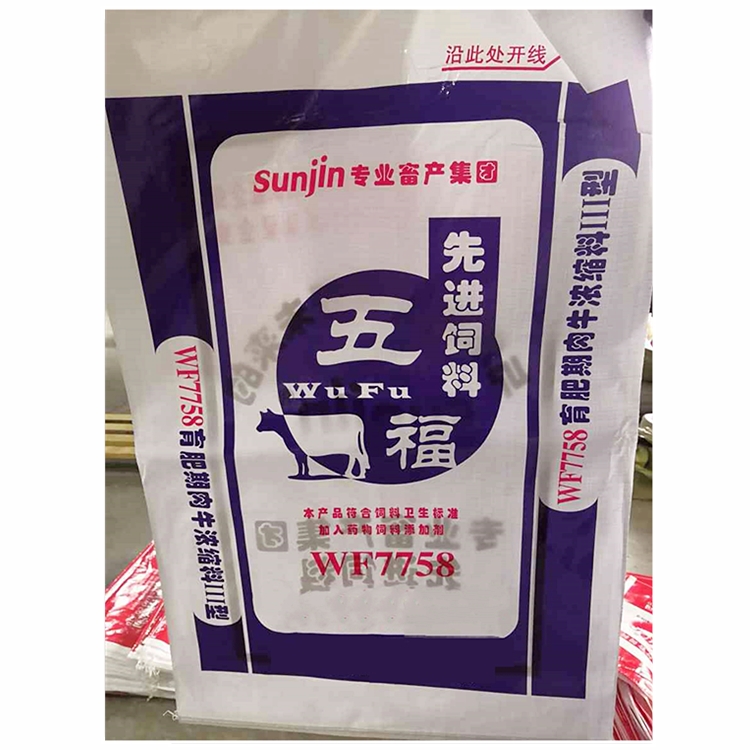


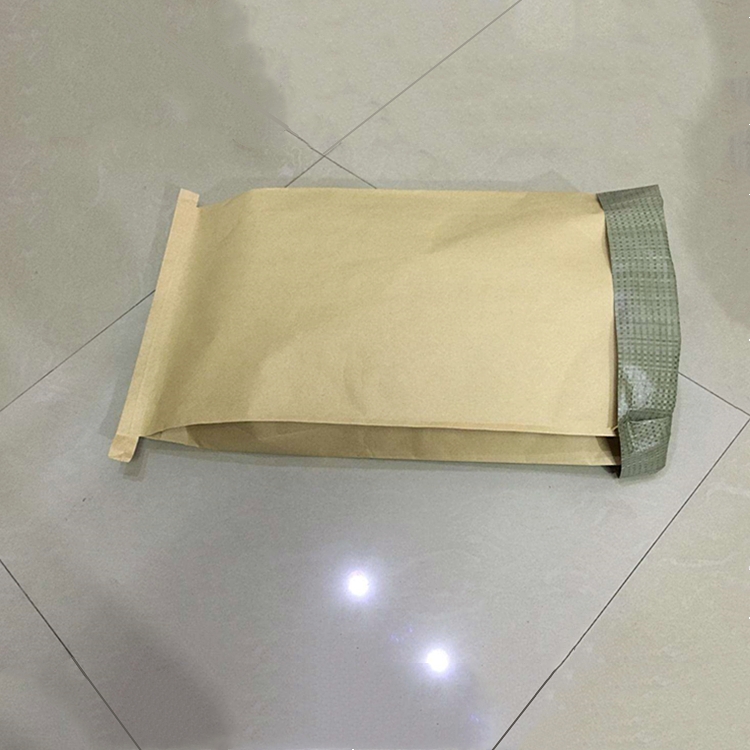
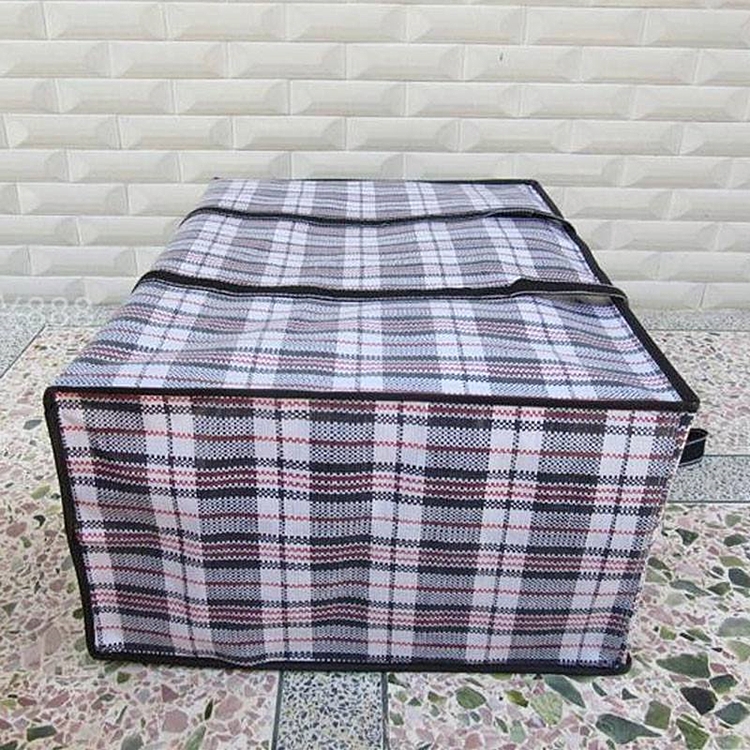
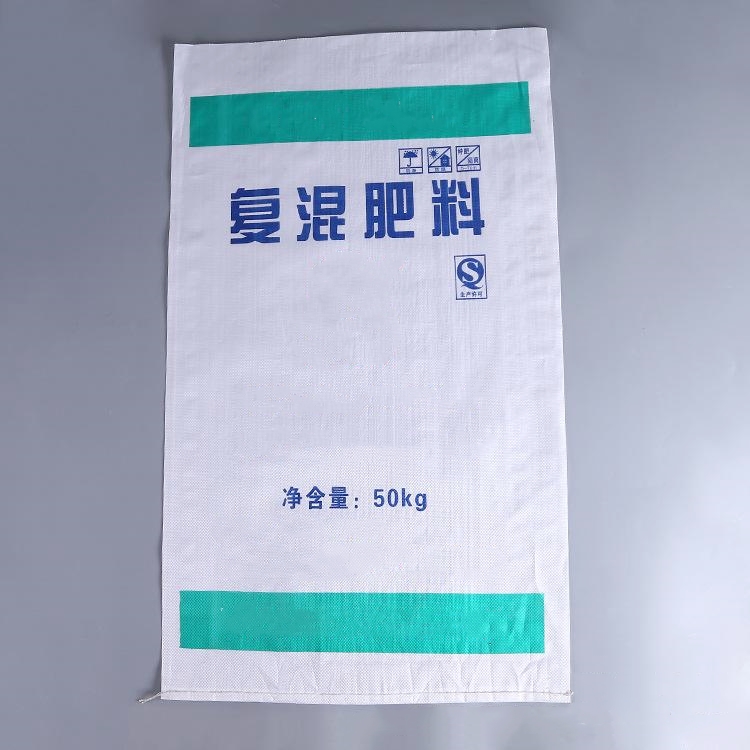
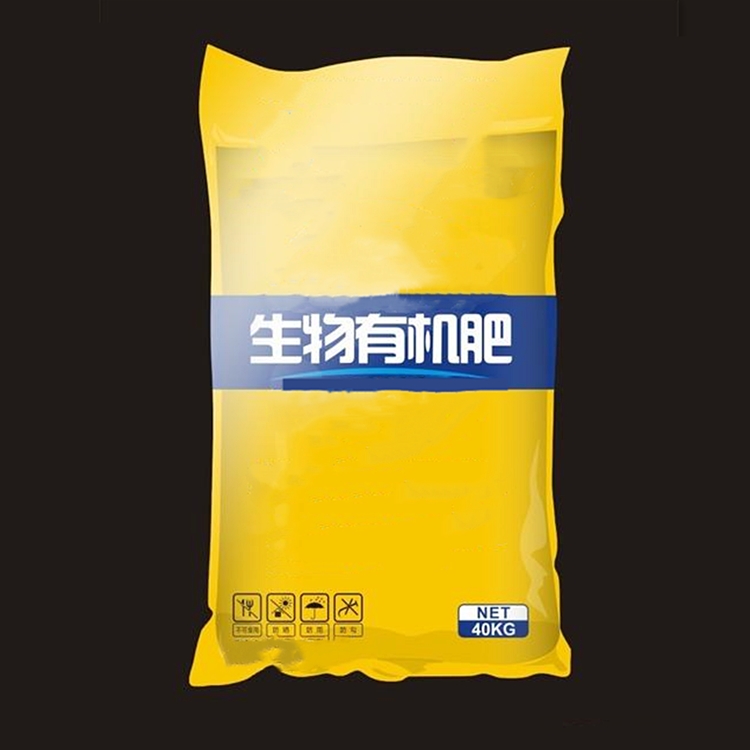
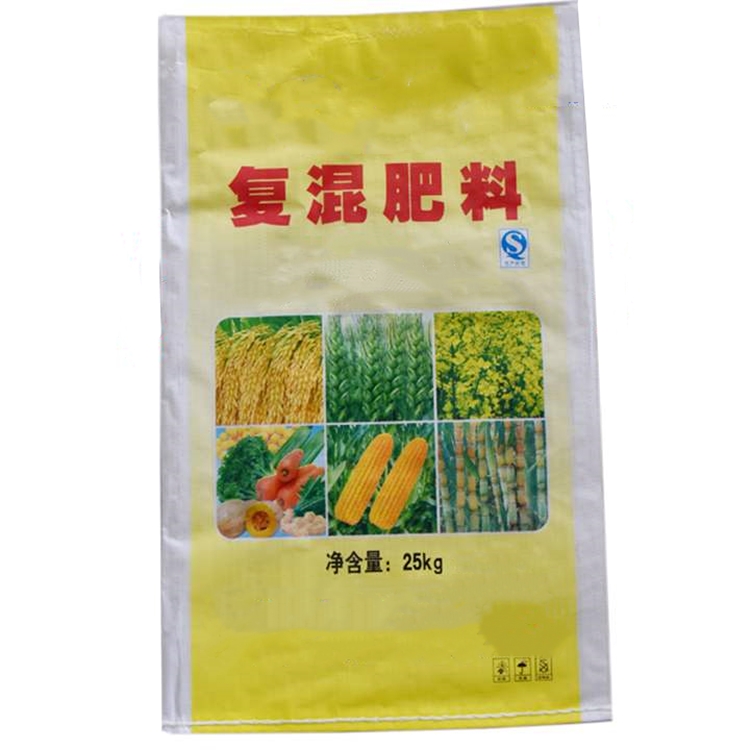
Standard Woven Bag Specifications:30cm-----75cmWide, available in any length, suitable for both standard and full-color printing.
Application Scope
Vegetable and other agricultural product packaging
Later, replace paper-based cement packaging bags.
Due to product resources and pricing issues, our country has6010 billion woven bags for cement packaging, accounting for a significant share of bulk cement packaging85%Above, with the development and application of flexible container bags, plastic woven container bags are widely used in marine, transportation, and packaging for agricultural and industrial products. In agricultural product packaging, plastic woven bags are extensively used for seafood packaging, poultry feed packaging, covering materials for farms, shading, windbreak, and hailproof structures for crop planting, etc. Common products include feed woven bags, chemical woven bags, putty powder woven bags, urea woven bags, vegetable mesh bags, and fruit mesh bags, etc.
Food Packaging
Rice, flour, and other food packaging is increasingly being transitioned to woven sack packaging. Common types of woven sacks include: rice woven sacks, flour woven sacks, corn woven sacks, and other woven sacks.
Geotechnical Engineering
From80Since the development of geotextiles, the application fields of plastic woven fabrics have been broadened, widely used in small-scale water conservancy, power, roads, railways, sea ports, mine construction, and military engineering projects. In these projects, geosynthetic materials offer functions such as filtration, drainage, reinforcement, isolation, and seepage prevention, with plastic geotextile being one type of synthetic geosynthetic material.
Travel Transportation
Temporary tents and sunshades in the tourism industry, as well as various travel bags and suitcases, utilize plastic weaving. Various canvases are widely used as covering materials for transportation and storage, replacing the easily moldy and heavy cotton canvases. Construction barriers and netting are also extensively applied with plastic weaving. Common items include logistics bags, logistics packaging bags, cargo bags, and cargo packaging bags.
Daily Necessities
Most workers, farmers, cargo handlers, and market-goers use plastic woven products, which are found everywhere from stores and warehouses to homes. Plastic woven materials have also replaced padding for synthetic carpets, such as shopping bags, supermarket bags, eco-friendly supermarket bags; as well as cargo bags for logistics transportation, logistics woven bags.
6Flood control supplies
Burlap bags are indispensable for flood relief efforts, as well as for the construction of embankments, riverbanks, railways, and highways. This includes flood prevention bags, drought resistance bags, and flood control bags.
National Standards
TAGS:National Standard for Plastic Woven SacksGB/T8946-2013
Date:2008-08-22
This standard specifies plastic packaging, Transportation Storage requirements. This standard applies to polypropylene, Polyethylene resin is the main raw material. Through extrusion, Drawn into flat filaments Further weaving, Plastic woven bags made for packaging powdered or granular solids and flexible items (hereinafter referred to as "bags") 。
Cited Standard
The provisions contained in the following standards: Provisions incorporated into this standard by reference to this standard. At the time of this standard's publication, All shown versions are valid. All standards will be revised. Parties using this standard should discuss the use of the following standards.***The Possibility of a New Version.
GB/T 1039-92 Plastic Mechanical Property Test Methods - General Principles
GB/T 1040-92 Plastic Tensile Property Testing Method
GB/T 2828-87 Batch Inspection Count Sampling Procedure and Sampling Sheet (suitable for continuous batches inspection)
GB 2918-82 Standard Environment for Plastic Sample Condition Adjustment and Testing
GB/T 4857. 5-92 Packaging | Transport Packaging Unit | Drop Test Method
GB/T 5009. 60-1996 Analysis Methods for Hygiene Standards of Polyethylene, Polystyrene, and Polypropylene Molding Used in Food Packaging
GB 9687-88 Sanitary Standard for Polyethylene Molding Used in Food Packaging
GB 9688-88 Sanitary Standards for Food Packaging Polypropylene Molding Products
Product Categories
Variety
Purse made of polypropylene. Polyethylene bags.
By sewing method, divided into seam-bottom bags, Seam Bottom Pouch
Testing Method
Tensile Load
Test Conditions
Please provide the Chinese content to be translated.GB/T 1039 Regulations are in effect. Samples are tested at temperature.23℃±2°C, Moisture Content Adjustment4hAnd tests were conducted under these conditions.
Testing equipment should comply withGB/T1040-1992 Chapter6Section on Equipment Regulations: Spacing of fixtures200mmThe empty vehicle descends at a speed of200mm/min±20mm/min。
Sampling Method
By taking the sewing rolled edge as the sampling surface, samples are taken from each bag in the warp and weft directions. Edge direction Two pieces each for the bottom stitching and sample. Long300mmApprox. width:60mmNo Chinese content provided.50mm, such as***Leave any seam that extends beyond half an inch. The seam lines on both sides of the sample should be left longer, with each side tied into three knots.
Record the tensile load of the sample and take its arithmetic mean.
If a sample breaks or slips in the fixture during testing, affecting accuracy, a new sample should be used to repeat the test.
Thermal resistance
Remove two samples each from the warp and weft directions from the bag, length300mm, wide20mm。
Overlap the surfaces and apply on top9.8 NThe load, place into80℃ oven1hRemove the two overlapping specimens immediately and inspect the surfaces for any abnormal conditions such as sticking or melting marks.
Impact resistance
Test environment is at room temperature and humidity.
The testing site is a level concrete surface.
Fill factor0.80~0.85。
Test quality and material selection
TAType bags20kgPolypropylene, polyethylene resins, or materials of equivalent density.
ABagged25kgPolypropylene, polyethylene resins, or materials of equivalent density.
BBagged style40kgUrea or material with equivalent density.
CBagged style50kgUrea or material of equivalent density.
Test Sequence
******Vertical—Horizontal—Lateral
Article 2: Parallel—Lateral—Vertical
Article 3: Lateral—Vertical—Horizontal
Place the sample on1.2mThe height of free fall, by5.7.5Perform three drop tests in the specified order, inspect for any bag破裂 (rupture) and packaging leakage.
Sanitary performance
As perGB/T5009.60Regulations are in effect.
Inspection Regulations
Batching
Products of the same model and specification are considered a batch, with no batch exceeding1510,000.
Random Sampling
Bag appearance and deviation qualification determinationGB/T2828A standard sampling plan as specified(See Table5)Each woven sack is a sample unit.
|
Bulk Range |
Sample Size |
Qualified Assessment CountAc |
Number of non-conforming determinationsRc |
|
501—1200 |
32 |
3 |
6 |
|
1201—3200 |
50 |
7 |
8 |
|
3201—10000 |
80 |
10 |
11 |
|
10001—35000 |
125 |
14 |
15 |
|
35001—150000 |
120 |
21 |
22 |
Tensile load: random sampling per batch5Thread,Amongst2Item for backup,3Strip by strip5.5.3Sample measurement.
Other inspection items as specified in Item No.5The article stipulates random sampling, with the sample quantity to meet the testing requirements for the necessary items.
Inspection Category
The factory inspection items include tensile load.
Type Testing
The type inspection items include all items in the technical requirements. Generally, an annual inspection is conducted. Type inspection should be carried out under any of the following circumstances:
a) Trial type certification for new or existing products converted for factory production.
b) After formal production, any significant changes in structure, materials, or process may affect product performance.
c) Upon resuming production after a long-term halt.
d) When the factory inspection results show significant differences from the previous type inspection;
e) The national quality supervision authority has proposed requirements for type testing.
6.4Evaluation Rules
Quality Assessment of Sample Units
The bag's appearance and deviations are inspected according to specifications. If all items pass the inspection, the sample unit is deemed qualified.
Quality Determination of Qualified Batch
Bag appearance and deviation qualification judgmentGB/T2828Regulations are in place, expressing batch quality in terms of the number of non-conforming products per hundred units, with a general inspection level ofIQualified Quality LevelAQL) For6.5Specific provisions are detailed in the table.5。
If there are any items that fail the tensile load test, double the sampling from the original batch should be taken for retesting the failed items. If the retest results are all合格.,The batch is deemed qualified.
Heat Resistance Test
If the heat resistance test fails, the type test is considered不合格.
Drop Test
If the drop test is not passed, the type test is considered to be non-compliant.
Sanitary Performance
If any hygiene performance indicators are not up to standard, the type examination is considered不合格.
Branding, Packaging, Transportation, Storage
Brand
The product packaging should include the manufacturer's name, product name, specifications, quantity, standard number, trademark, and manufacturing date. Special requirements should be negotiated by both parties.
Packaging
Bags should be sturdy, flat, and suitable for transportation.
The number of items per package is subject to negotiation between both parties.
Each package should contain a product qualification certificate.
Transportation
The bags must be handled gently during transportation to prevent sun exposure and rain, ensuring the packaging remains intact.
Storage
Bags should be stored in a cool, clean indoor area, with a shelf life of no more than 18 months from the date of manufacture.
Woven bags, woven bag pockets, snake skin bags, Sichuan woven bags, fertilizer packaging bags, color-printed woven bags