








Signage, as the name implies, is a sign that indicates directions, also known as billboard or identification sign, such as toilet direction signs, road signs, etc. Its definition is quite broad. Items such as hotel lobby directional signs, guide signs, room number signs, information desk signs, cashier desk signs, plastic signs for parking, park warning signs, etc., all fall under the category of signage. Heilongjiang Shanghai Eco-friendly Public Toilets Wholesale
Signage Introduction
Sign
B Signs can be placed near the company for easy access and quick identification; roadside signs guide people on which route to take; property development companies' estate communities facilitate easier location recognition; for example: gas stations, highways, hotels, etc., found in many places.
The "C" signboard also functions as an advertisement board, indicating its role in advertising. It can be used as an advertisement board at the entrances of shopping malls, hotels, banks, and inns to showcase various products or services that need promotion.
2. Park Signage Categories
Material: Park signage materials include stainless steel, acrylic, titanium gold, cold rolled steel, aluminum profiles, brass, WPC, LED, etc.
Process: Stainless steel corrosion, flat brushed, reflective, photo-sensitive, copperplate engraving, screen printing, hot stamping, acrylic carving, acrylic vacuum forming, drum-shaped, flat, beveled, painted, titanium plated, sandblasted.
3. Shaanxi Advertising Signage Manufacturing Materials
Typically, materials such as stainless steel mirror or brushed panels, titanium plate, glass, acrylic plate, copper sheet, aluminum sheet, cold-rolled sheet, marble, stainless steel tube, and solid wood are used for the surface. The internal structure is made of stainless steel tube, with black metal profiles as reinforcing materials. Lighting sources include LED, plasma lights, neon lights, and light guide plates, among other materials.
4. Xi'an Plastic Wood Signboard Manufacturing Process
Metal is used for welding, bending, degreasing, turning, waterjet cutting, wire cutting, sanding, polishing, wire drawing, electroplating, oxidation, etching, and painting. Acrylic and glass surfaces are processed using silk screening, sticker application, engraving, sandblasting, and other techniques as per the design drawings. The key to the logo lies in the rationality of the design concept and manufacturing process.
5. Signboard Font Technology
As a primary directional component, the logo plays a crucial role. According to the principle of hierarchical guidance, it serves as the starting point of the signage directional system. Therefore, the selection of appropriate materials, processes, and colors is decisive for the overall image effect. For a long time, traditional outdoor text has been centered around several traditional crafts.
We undertake technical assessments and certifications for building structures affected by adjacent construction, foundation pit inspections, tunnel reinforcement, elevated bridge inspections and reinforcement, subway inspections and appraisals, bridge safety inspections and reinforcement, road inspections, rivercourse construction, post-fire inspections and appraisals, traffic accident-related damage, and various hazard house inspections. Additionally, we handle property registration, special industry licenses, rental house lease contract filings, pre-rental house safety inspections and appraisals, campus building safety seismic proof, corporate building safety proof, hazard house (demolition, reconstruction) proof, construction quality disputes, and alterations in building usage functions.
Xinjiang Indoor Stair Handrail Photo Album


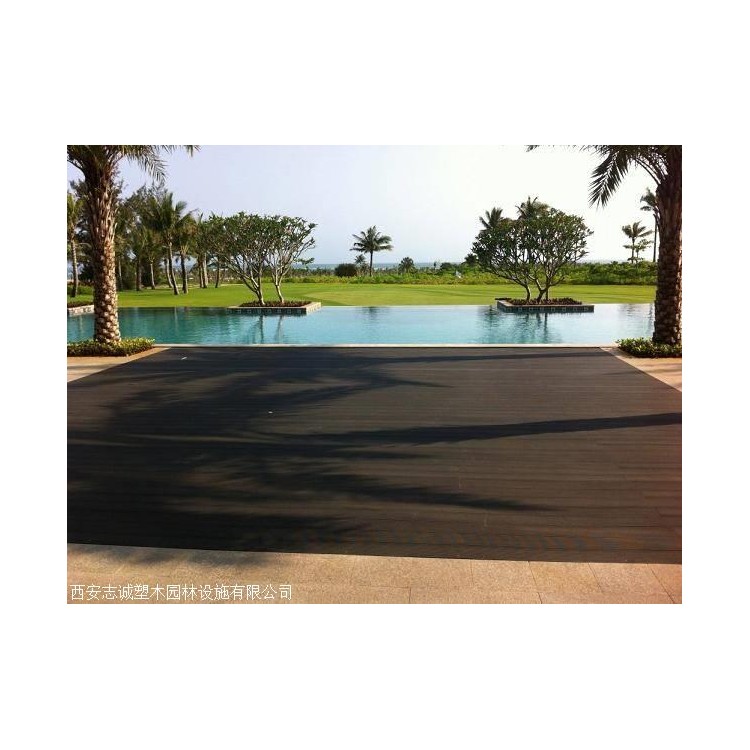
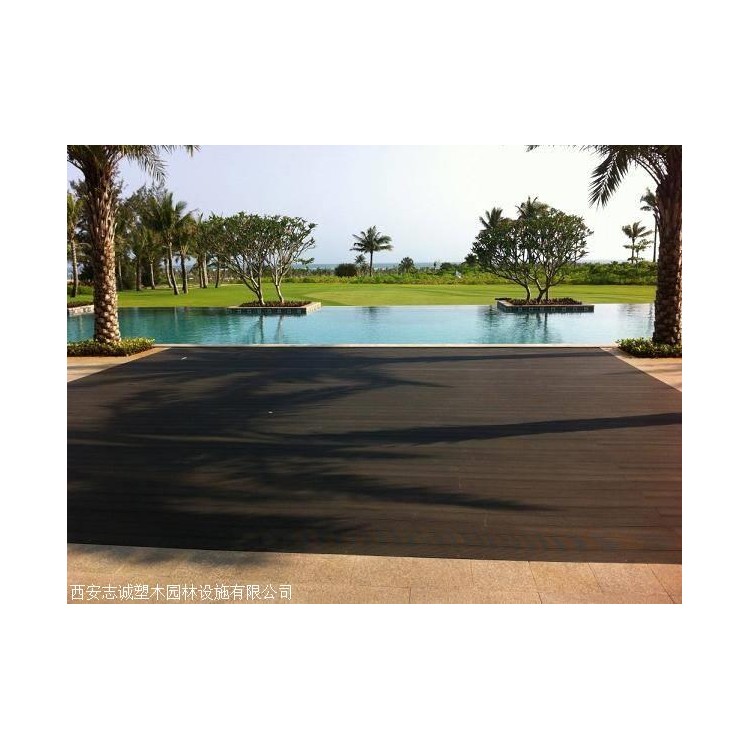
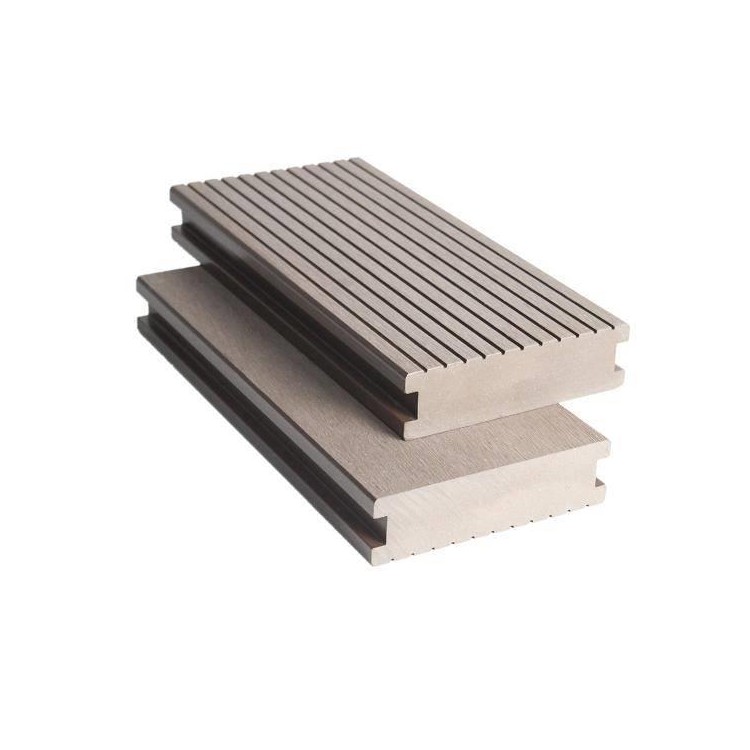
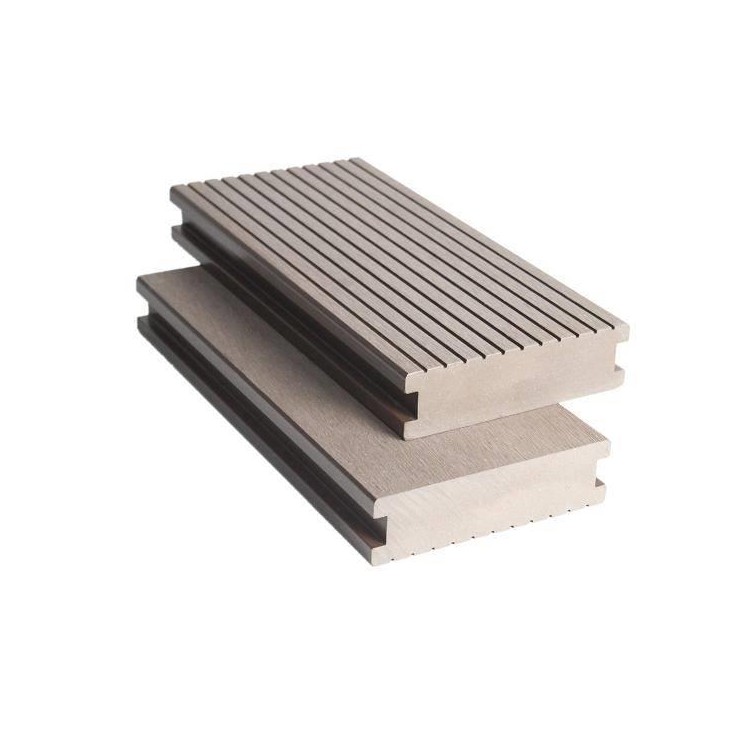
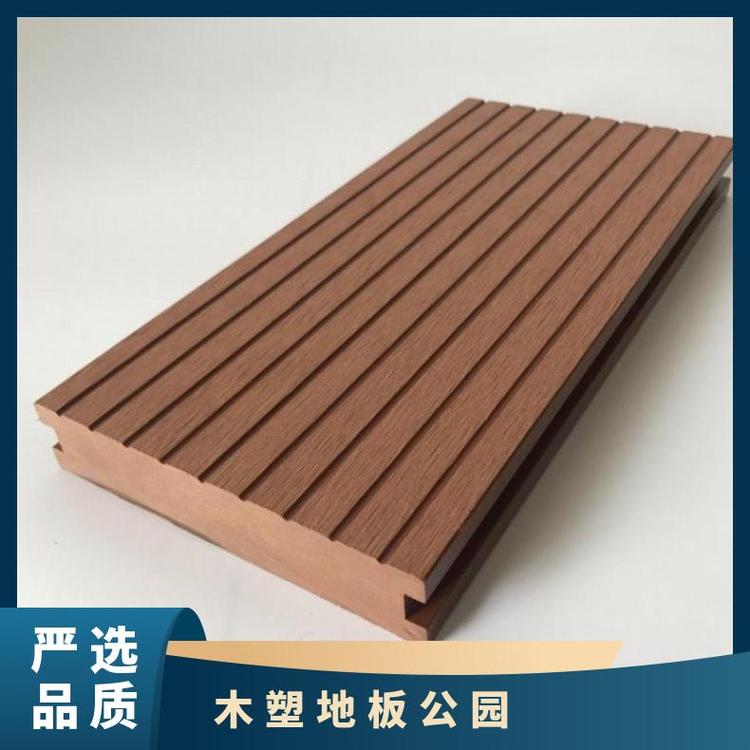
What is Wood-Plastic/Plastic-wood Material? Wood-plastic or plastic-wood is a product made by utilizing plastic and natural wood fibers, processed through special techniques such as extrusion, injection molding, and compression molding. The primary components of wood-plastic are plastic and natural fibers. It is a new type of composite material, mainly plant fibers, blended with plastic, combining the benefits of both. Its applications are extensive, covering almost all usage areas of solid wood, plastic,塑钢, aluminum alloy, and other similar composite materials. It also addresses the issue of recycling waste resources in the plastic and wood industries. Key features include: resource utilization, product malleability, environmental friendliness, cost-effectiveness, and recyclability. Compared to traditional wood, the advantage of wood-plastic is its significant contribution to the environment, saving wood to protect ecological environments, avoiding environmental pollution by not requiring paint, and being recyclable after disposal to prevent secondary pollution. Wood-plastic products do not require painting and are also water-resistant. After about 10 years of use, they can be recycled. Anhui Flower Box Manufacturer Contact Phone Number