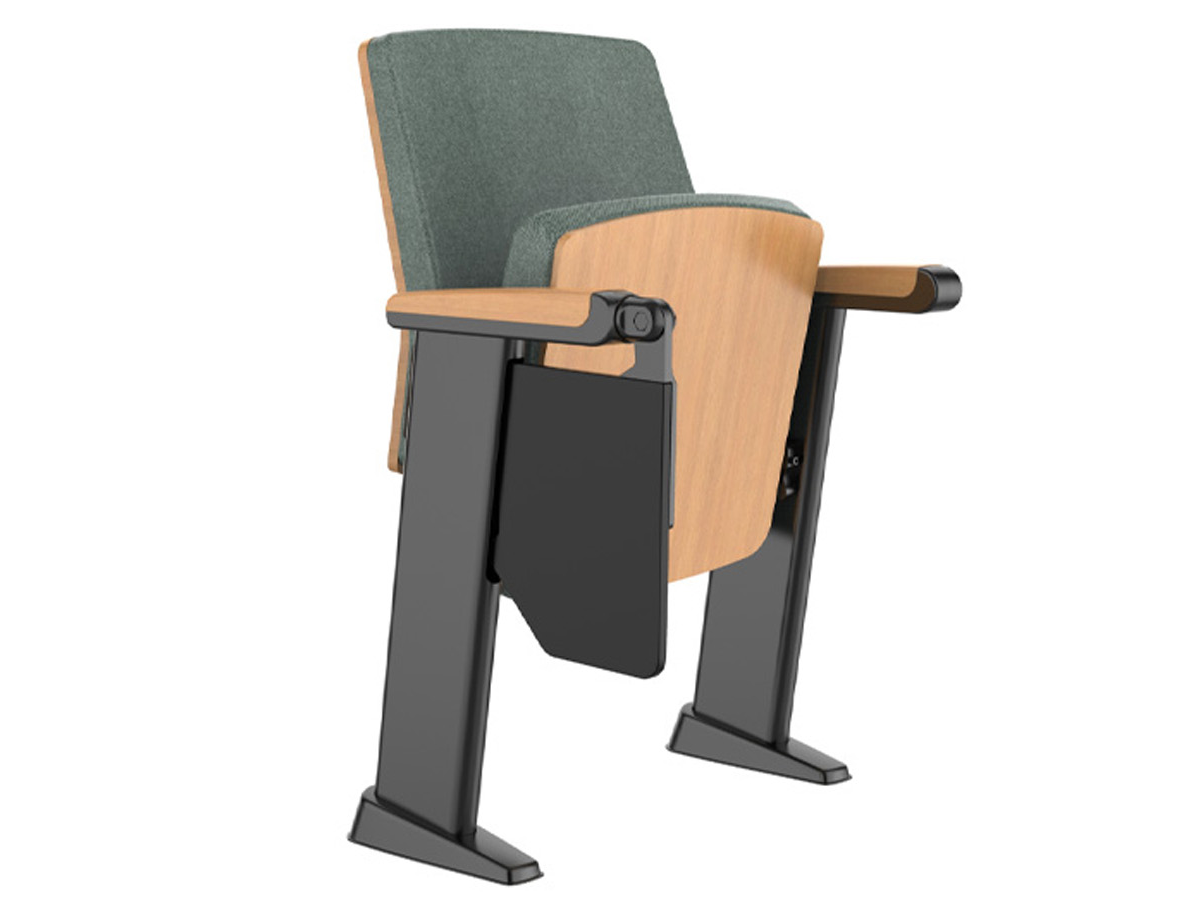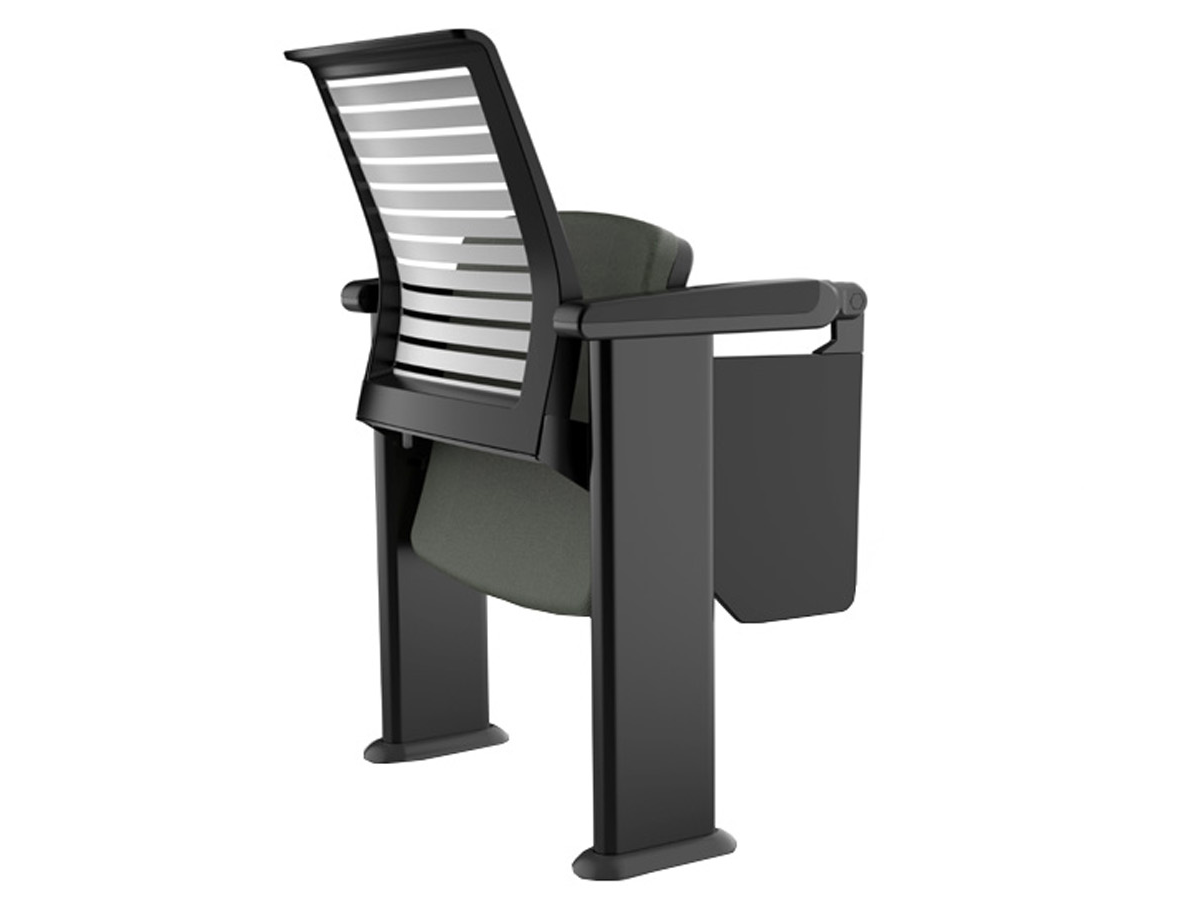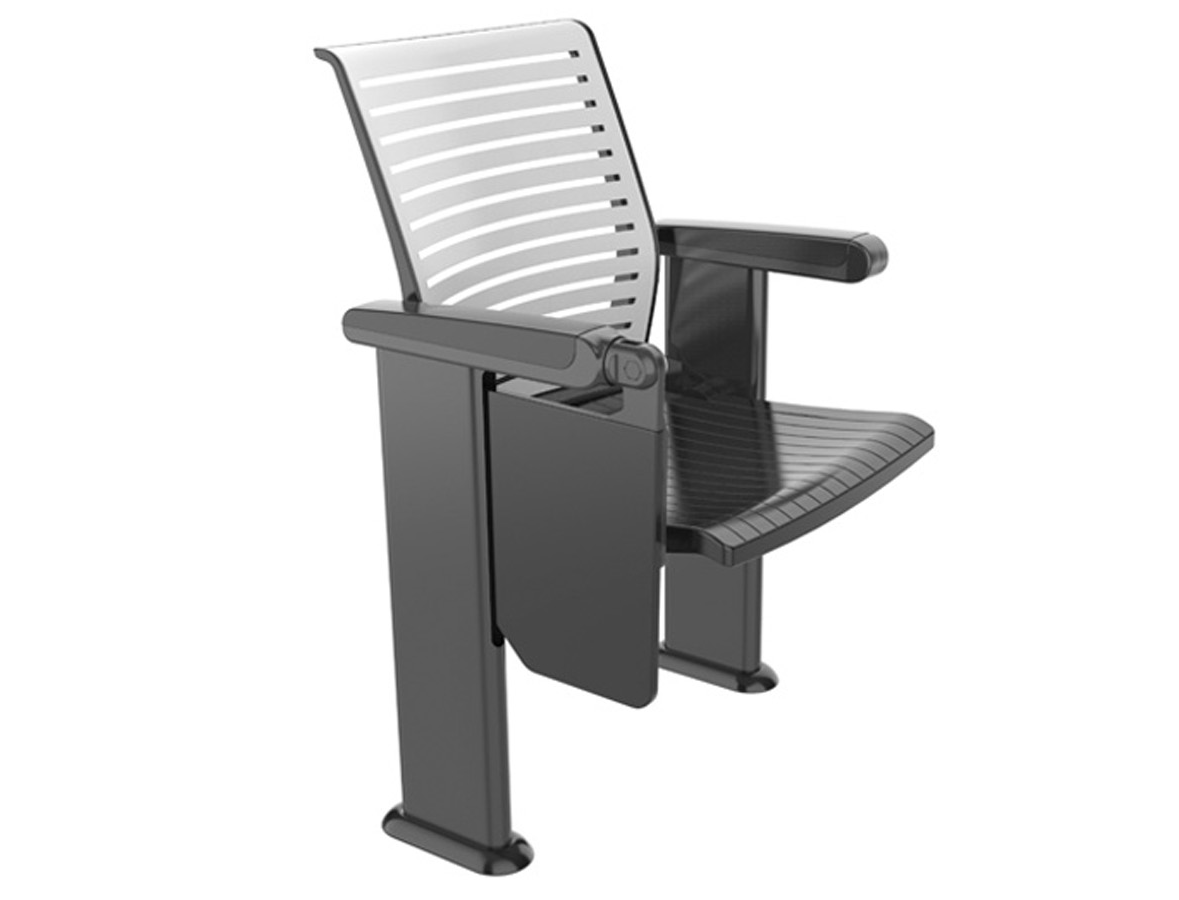



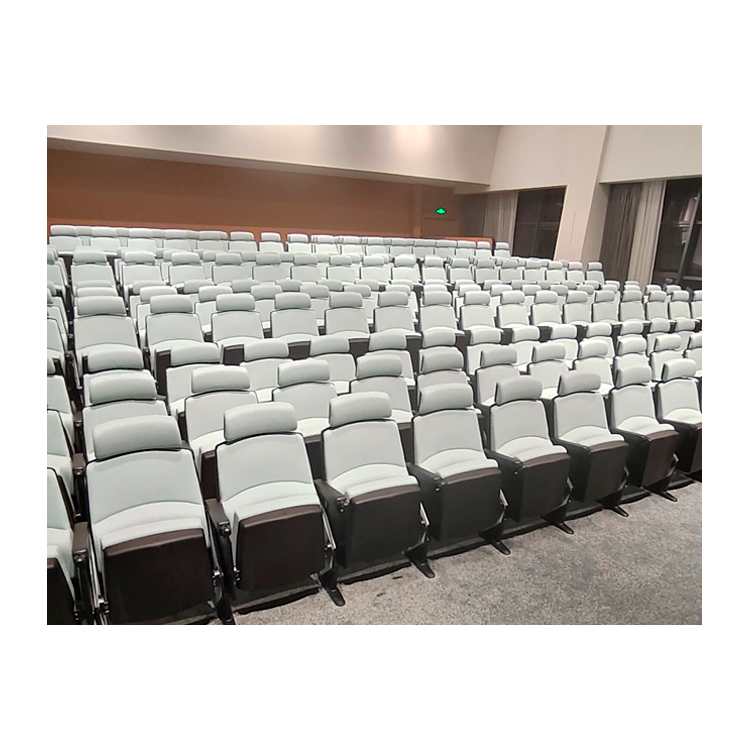
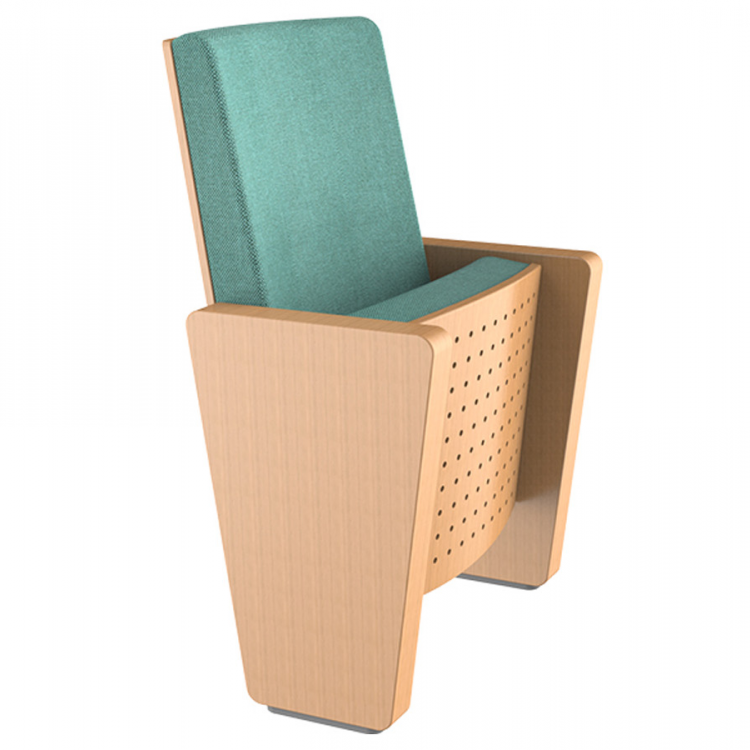
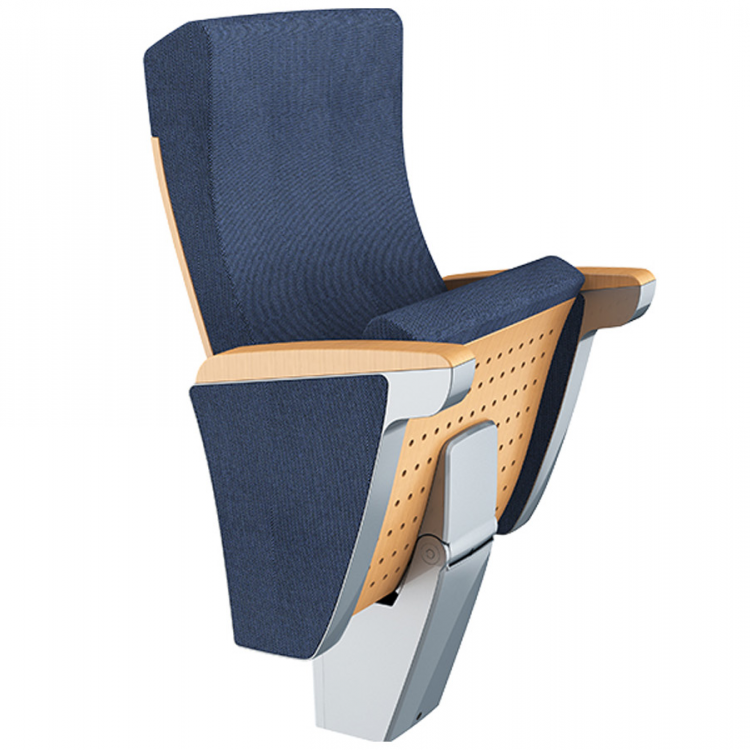






Composition
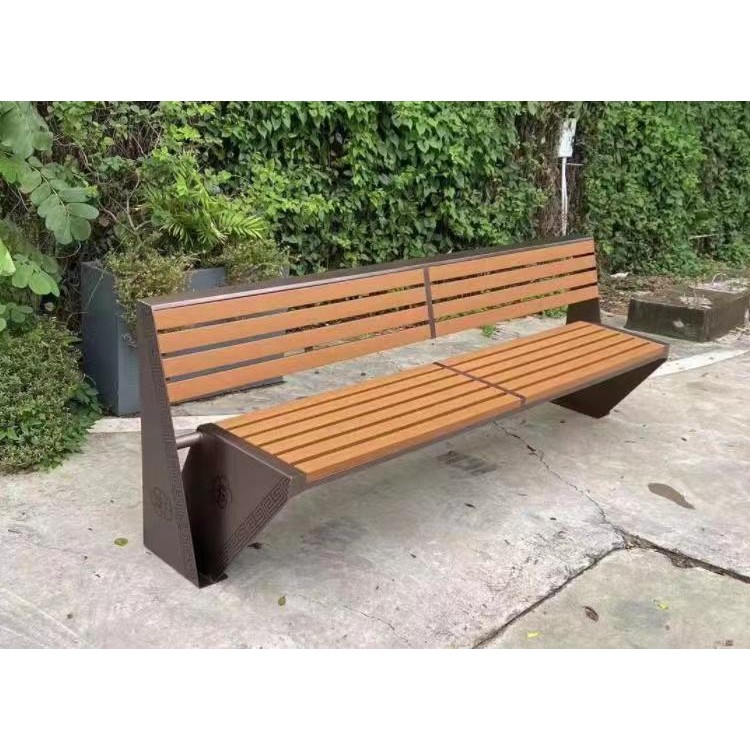
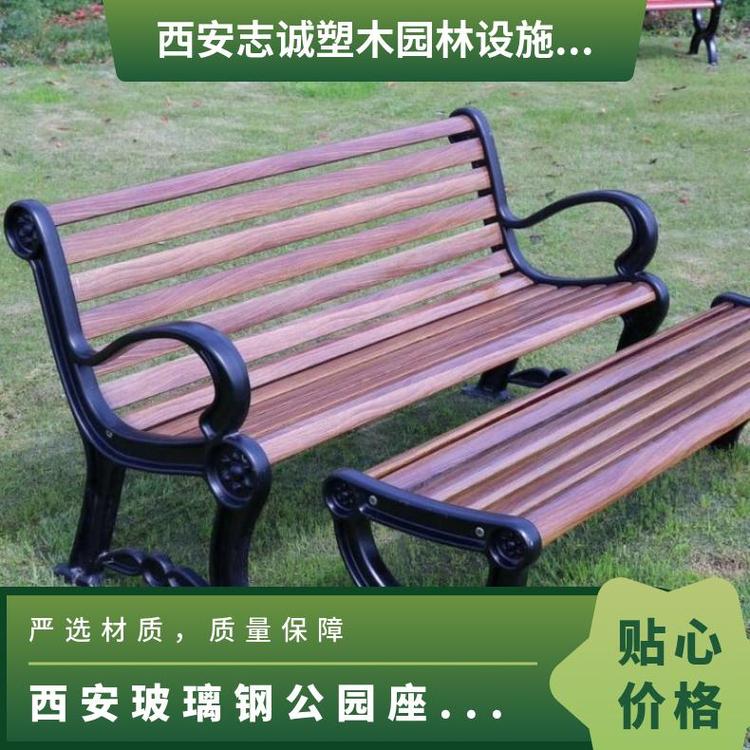
Chair rail section
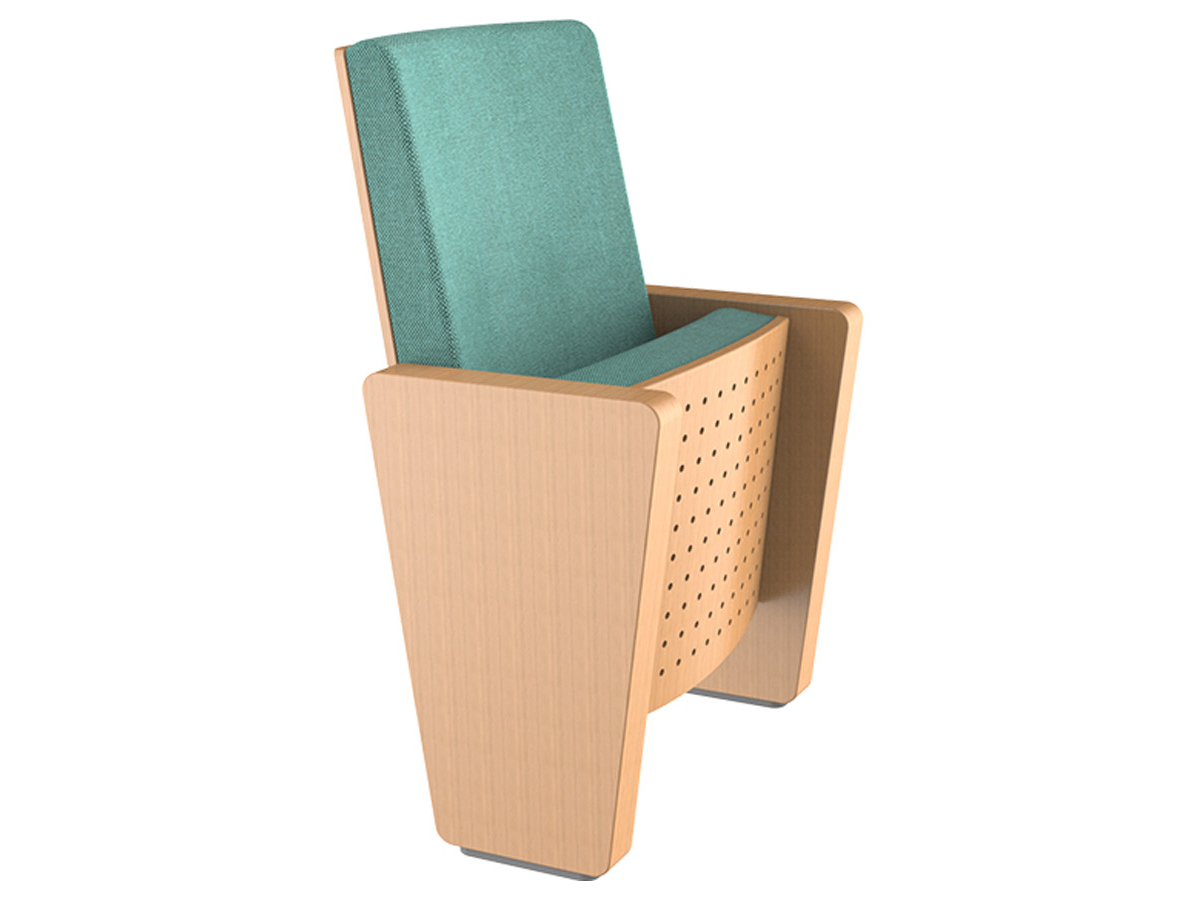
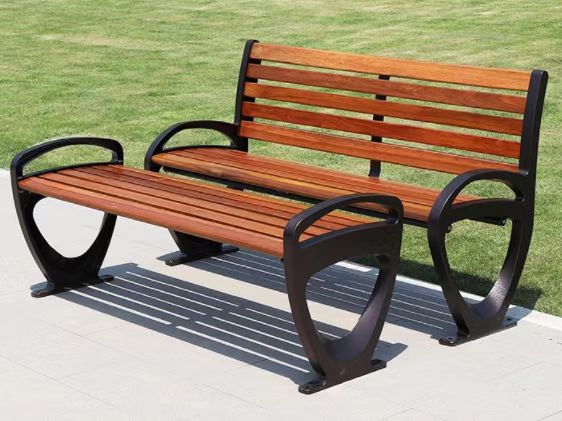
1. Wooden chair slats
Cut logs to the required specifications for chair slats, then dry them (either air-dried or steam-dried). Afterward, undergo a series of treatments to ensure the slats are flat, ready for painting.
2. The paint treatment is as follows: The wood is coated with several layers of primer and then sanded. Use sanding equipment to remove burrs from the wood surface, followed by the application of topcoat, which should be even and consistent.
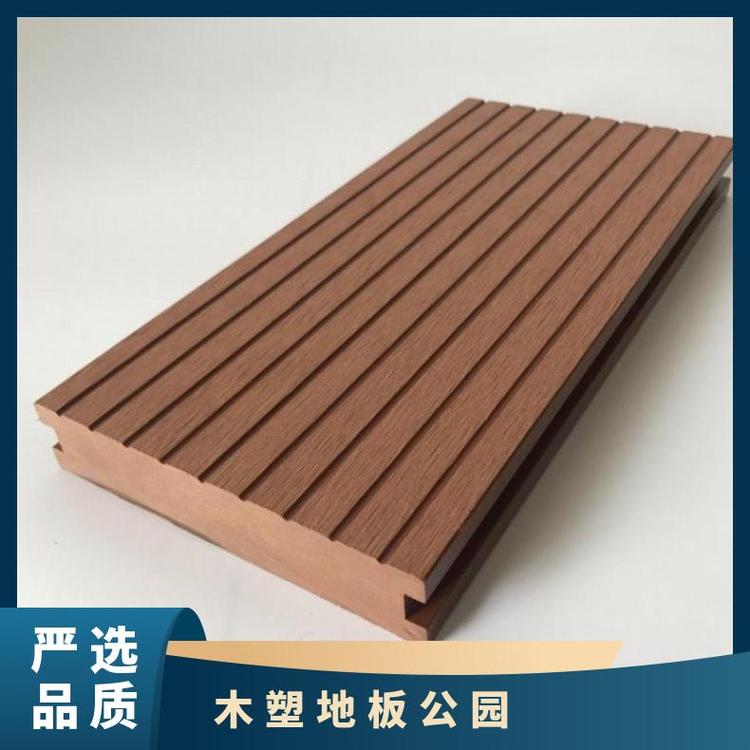
Section 2: WPC Chair Rails
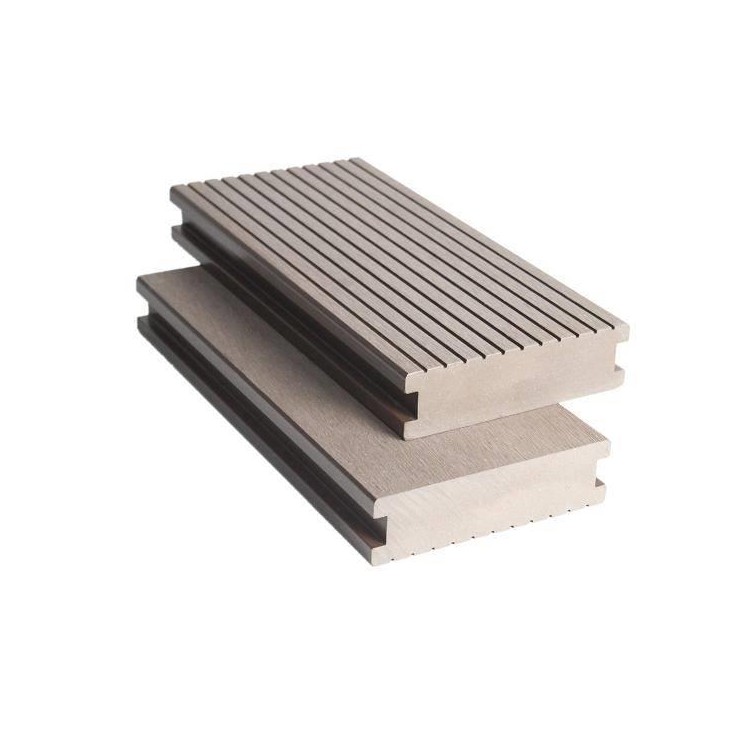
Mix with PE, PVC, PP, PS, and wood powder.
2. Place the powder into the wood-plastic extrusion machine, heat it up, then mold it into the dimensions of chair strips.
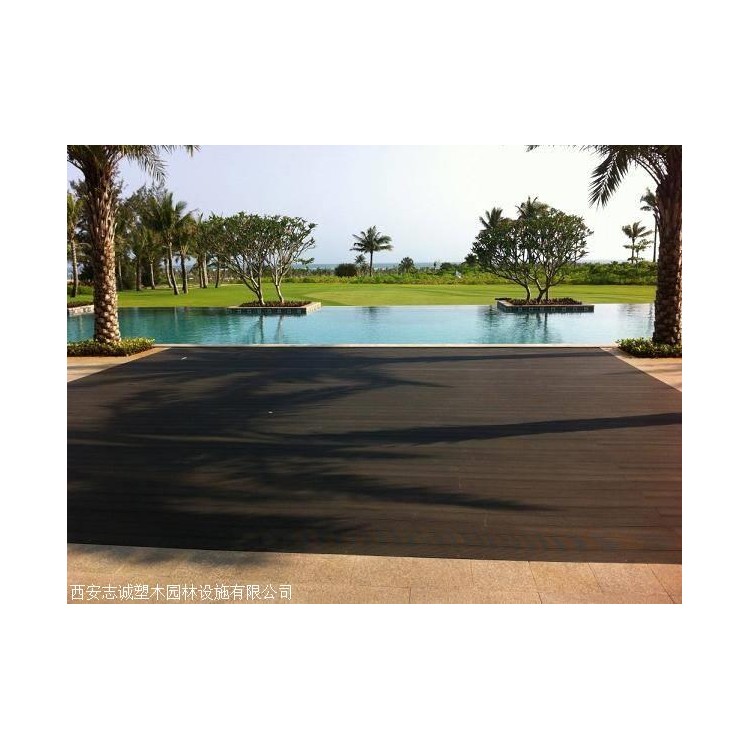
WPC Decking - Waterproof, moisture-proof, non-cracking, non-swelling, and non-deforming. Flame-retardant, electrically insulated, self-extinguishing upon contact with fire, and emits no toxic gases. UV-resistant, anti-aging. Available in various colors and textures with good luster and strong wood-like texture. Paint-free, zero formaldehyde, ammonia-free, and free from benzene and other decorative pollution issues.
General wood requires surface painting or water-based coating treatment. Low carbon and environmentally friendly, with 100% recyclability. The non-cracking, non-swelling, and non-warping properties eliminate the need for maintenance and care, making it easy to clean and saving on future repair and maintenance costs. Wood typically needs maintenance or repainting within one year. In the long run, the maintenance costs of WPC (Wood-Plastic Composite) are significantly lower than those of wood products. WPC is profiled, allowing materials of the required length to be produced, whereas wood lengths are fixed. Durable, cost-effective, and with a lifespan of over 15 years.
Section 3: Other Materials
1. Preservative-treated Wood: Wood that has been treated with special preservatives to resist rot, termites, and fungi. The effectiveness of the preservation can vary depending on the treatment process.
2. Charcoal Wood: Also known as heat-treated wood, it involves carbonizing the effective nutrients in wood. In fact, the early process of charcoal wood was the bottom treatment of wooden utility poles, which many of you are familiar with.