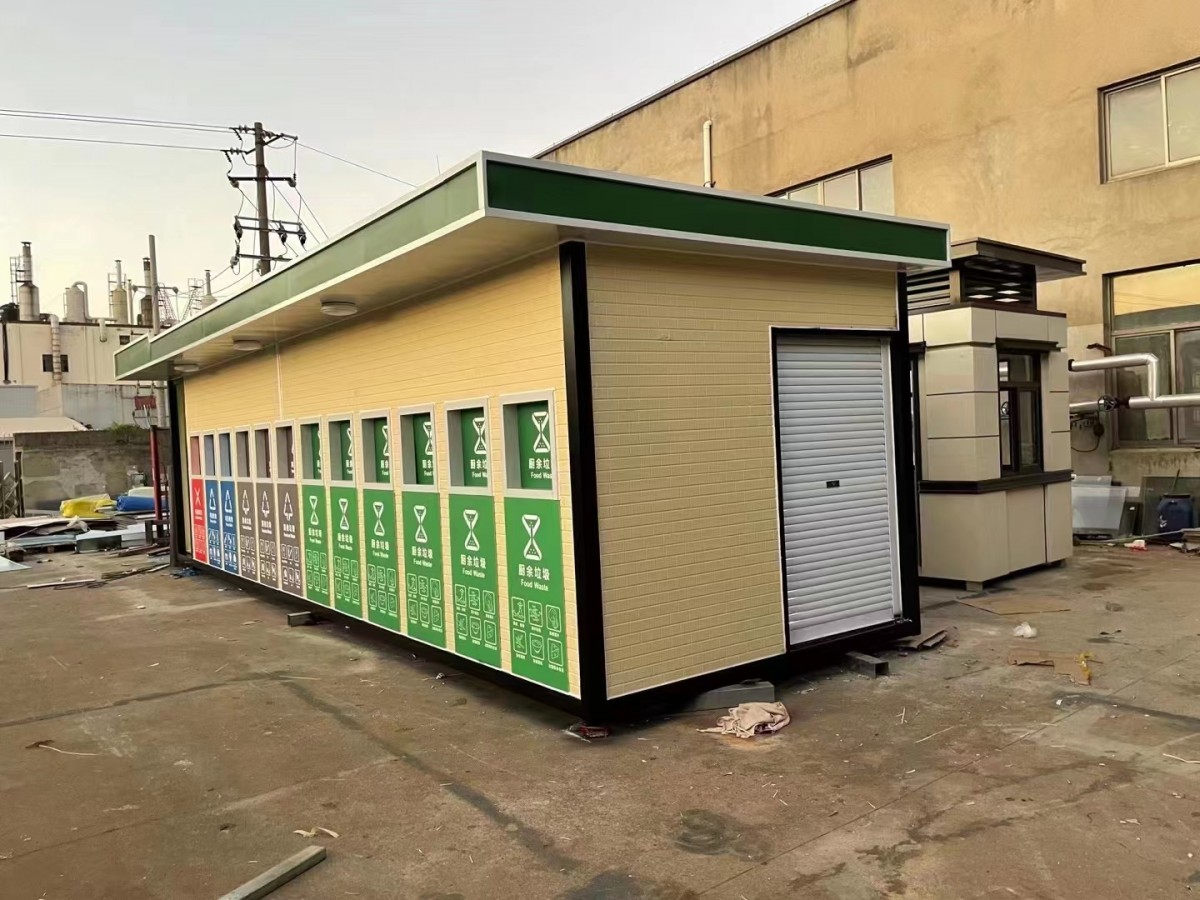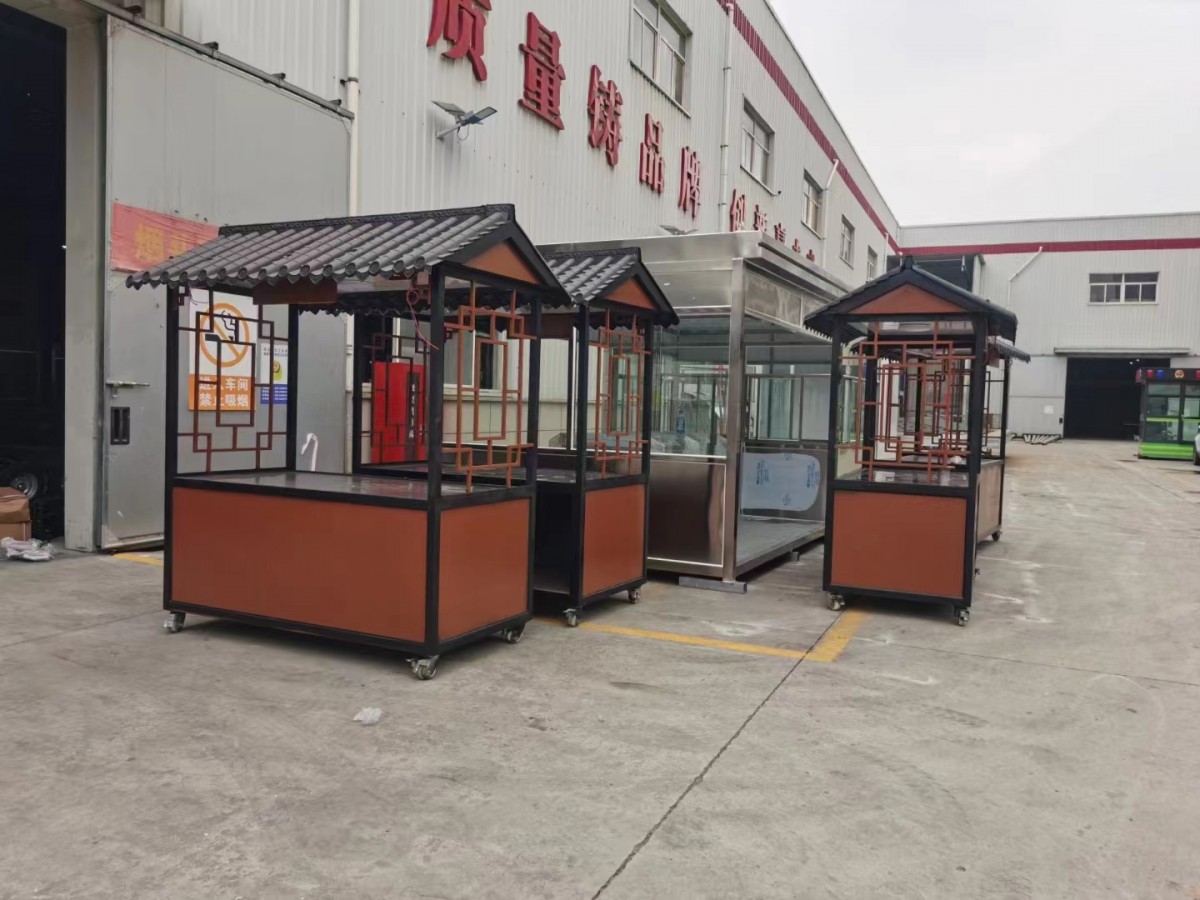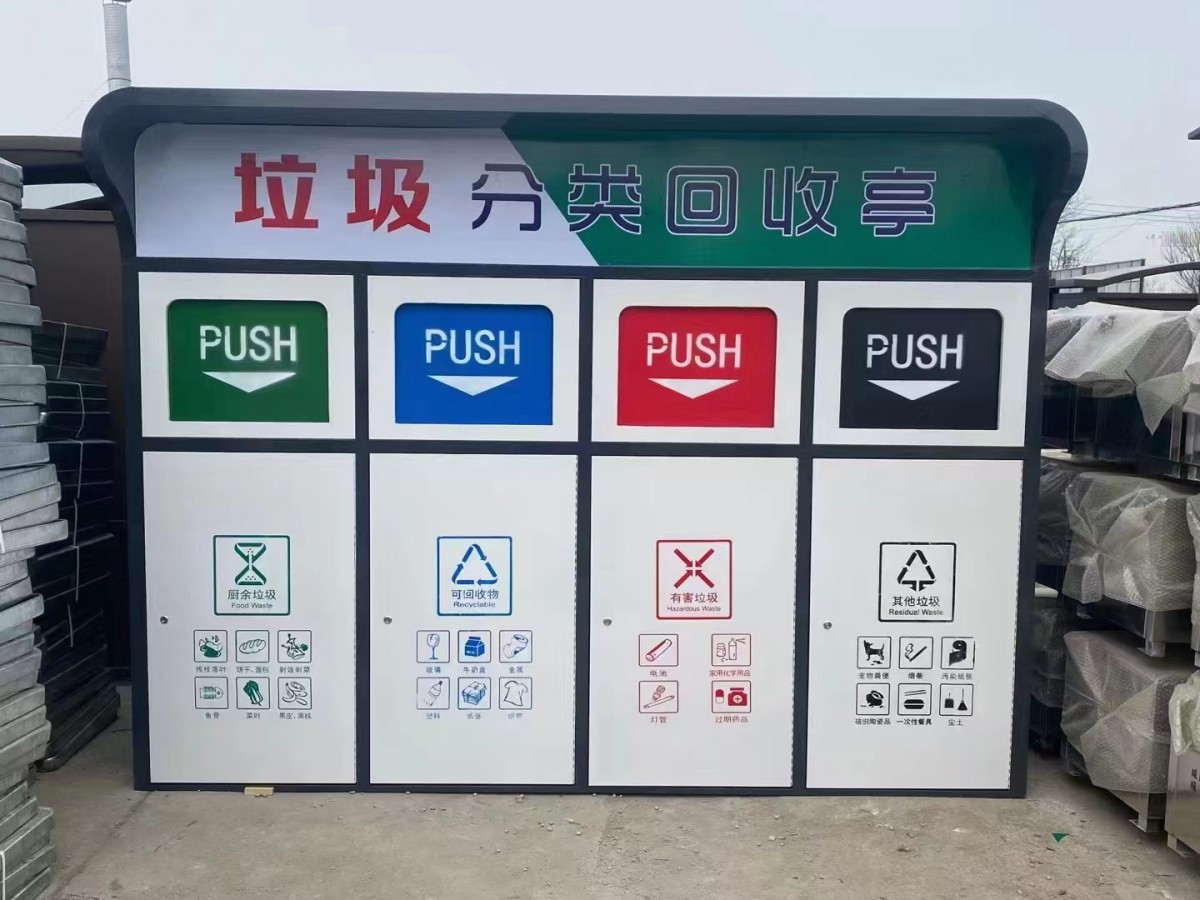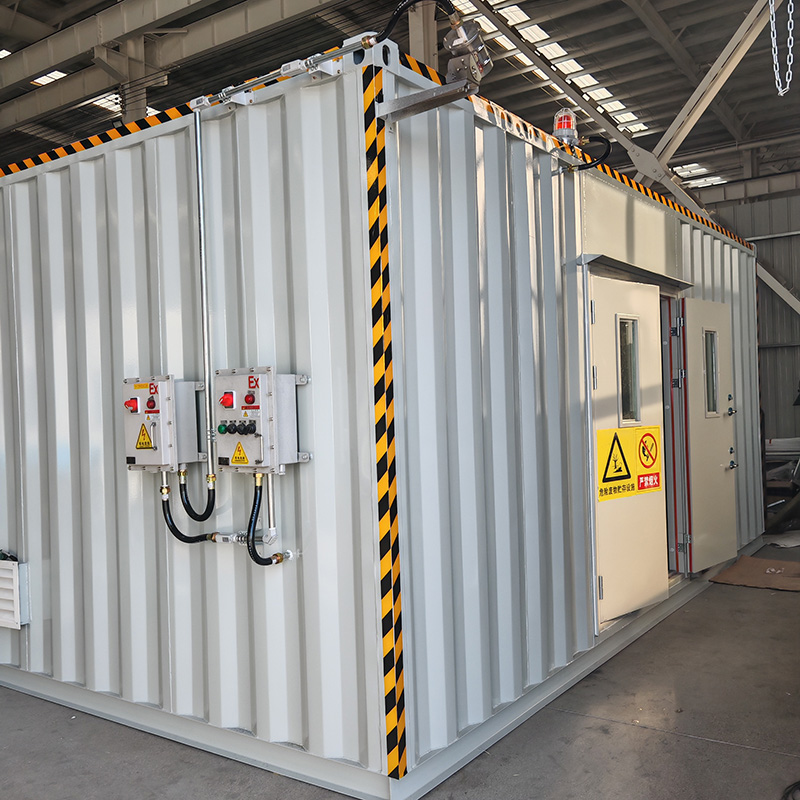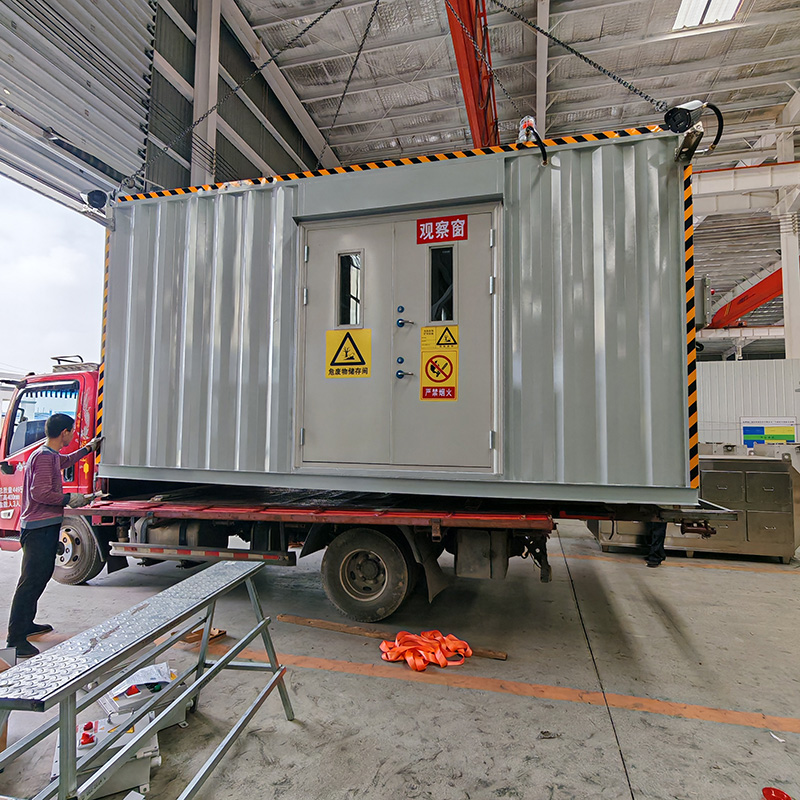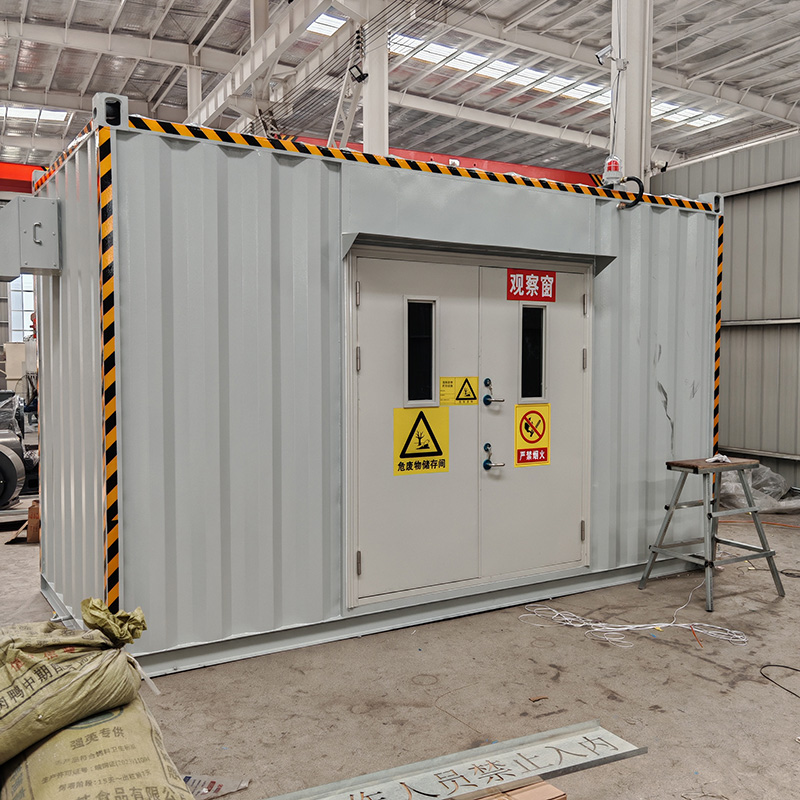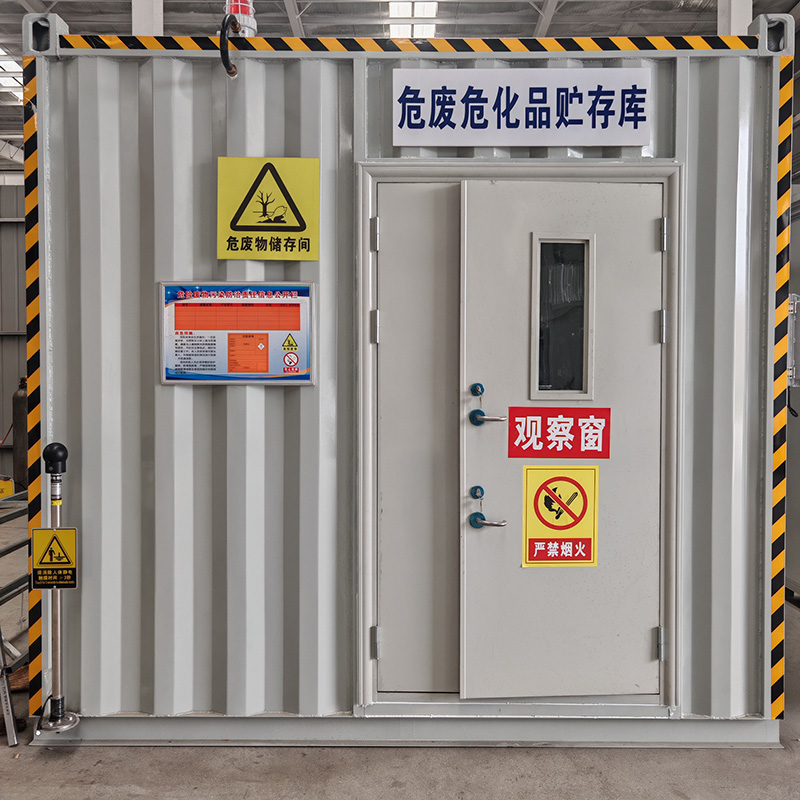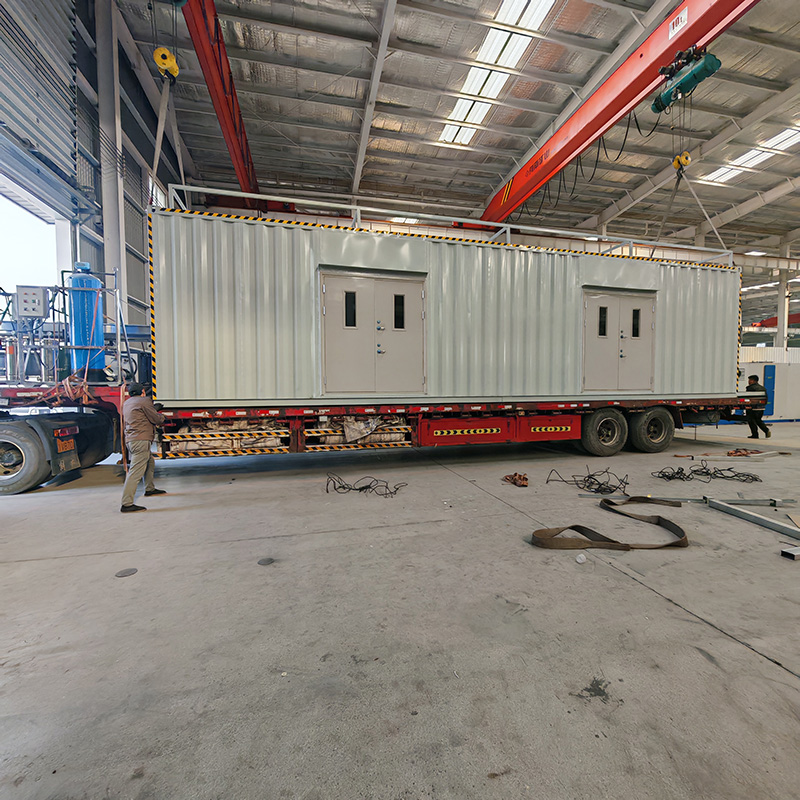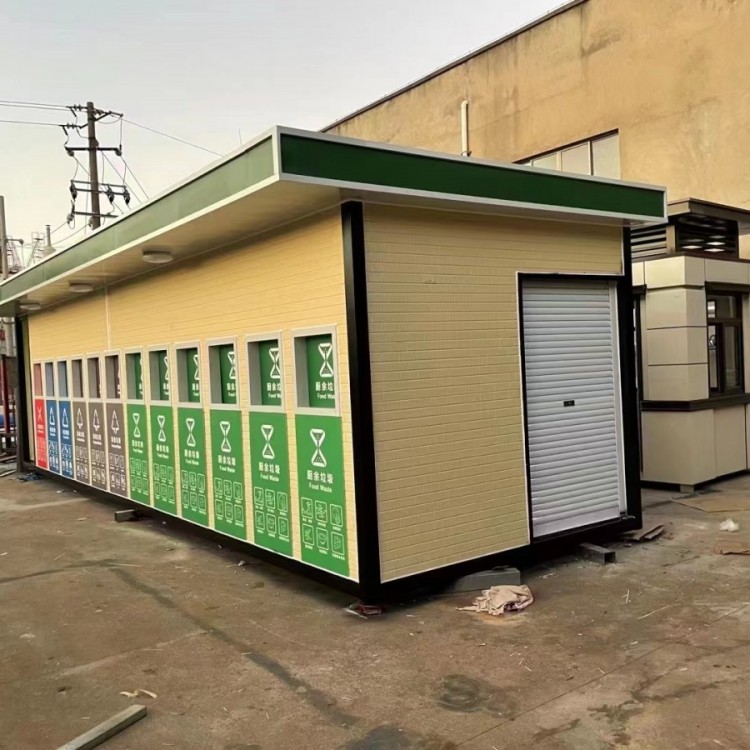


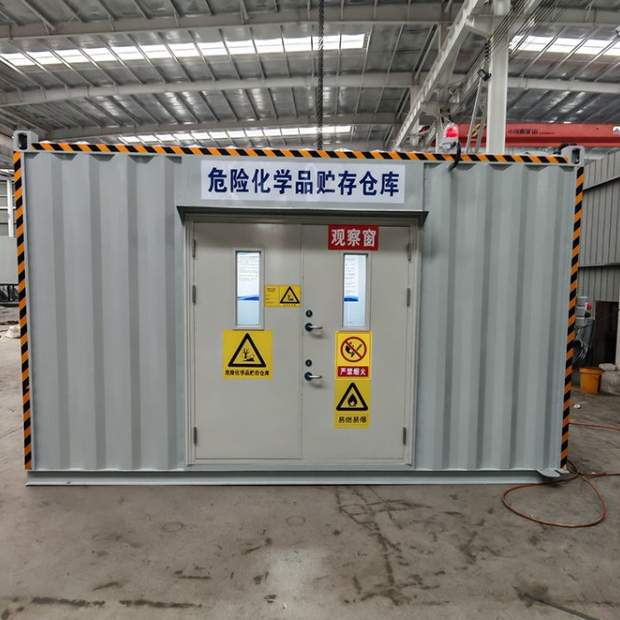





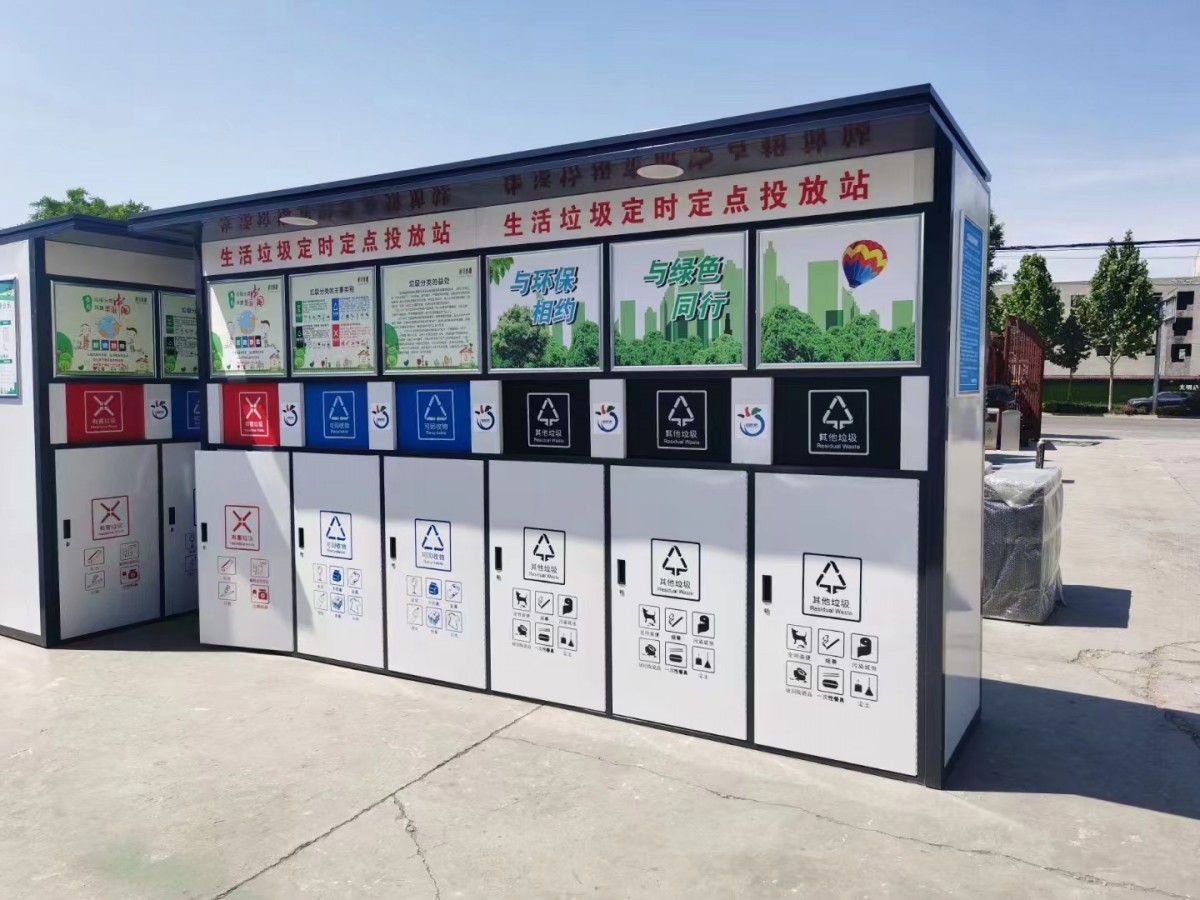
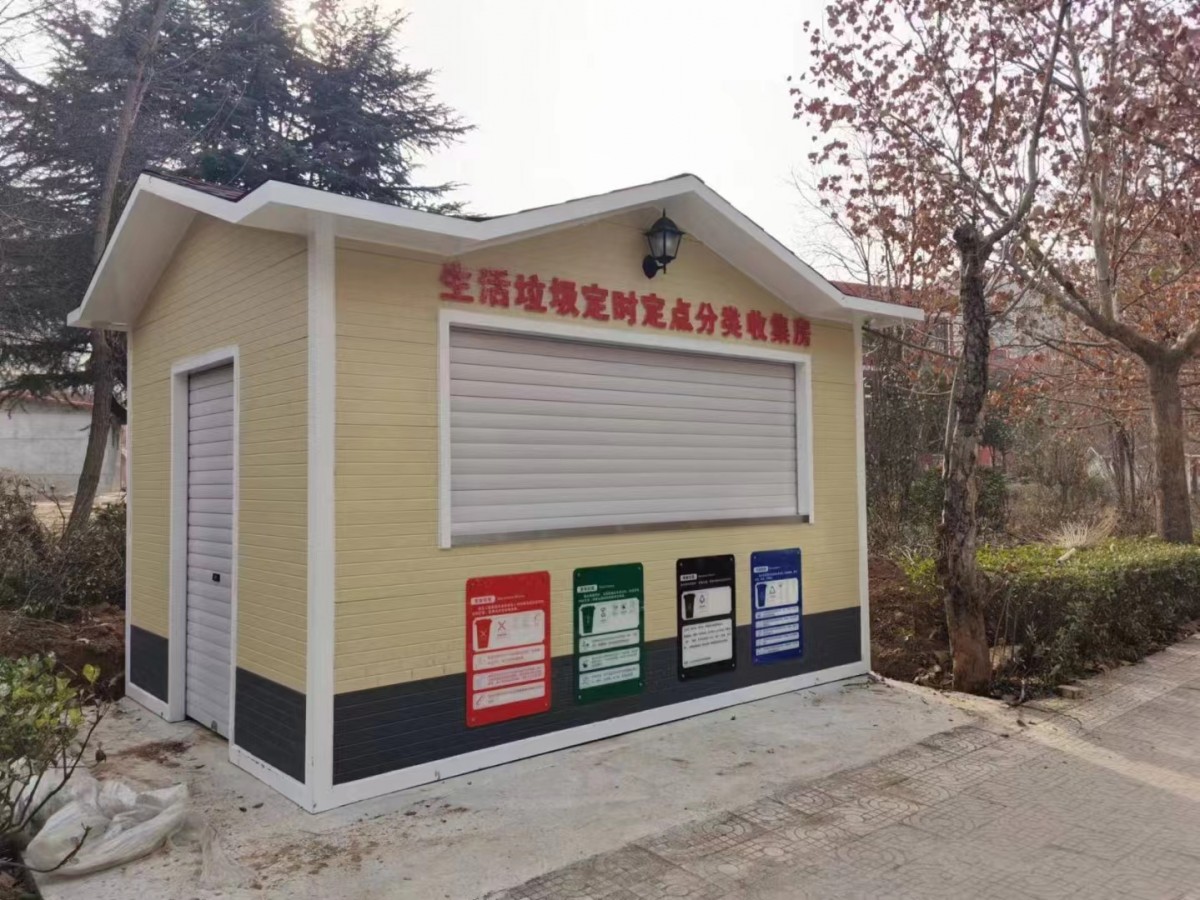
As people's living standards continue to rise, so does their demand for environmental conditions, with traditional urban and rural expectations increasingly elevated.Waste stationThe existing solutions no longer meet the public's demands for concepts such as environmental protection and energy-saving low consumption, thus the promotion of compact garbage stations is imperative. Compact garbage transfer stations, with their small land footprint, good concealment, and rational spatial structure, are driving the development of the garbage transfer station industry.
Function
Promotion and application of waste transfer stations not only beautify the environment but also prevent secondary pollution, reduce the breeding of mosquitoes and flies, enhance vehicle loading efficiency, alleviate workers' labor intensity, and significantly reduce operational costs.
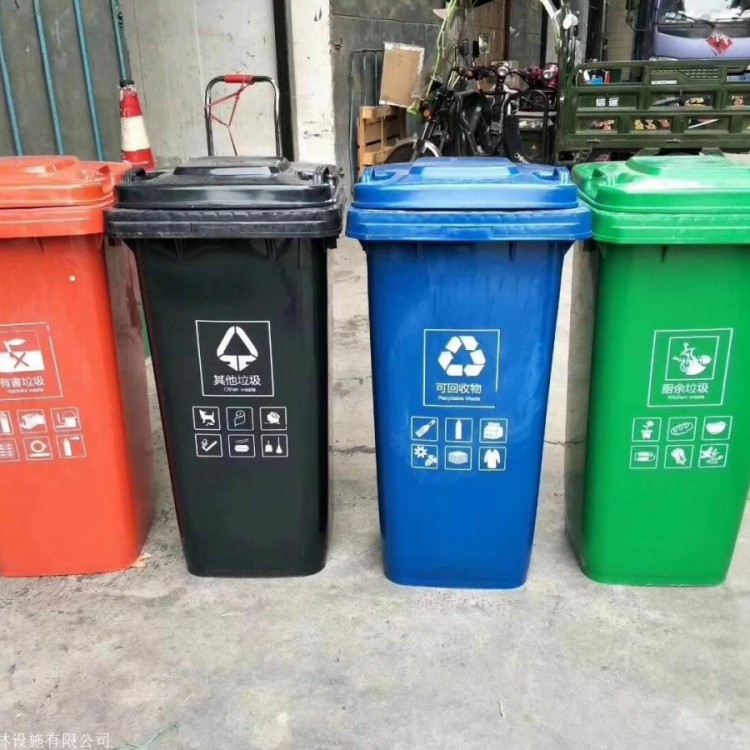
Waste Segregation
The collected waste is transported to the transfer station by specialized waste trucks. The waste transportation vehicles are completely sealed. Once at the transfer station, the waste undergoes a step of processing. It is first sorted by a sorting machine into organic and inorganic materials, as well as recyclable and non-recyclable items. Large-volume waste is also compressed. Subsequently, the waste is sorted and removed.
Waste transported from transshipment stations is either taken to a sanitary landfill, where it is placed in pre-prepared pits, covered, compacted, and allowed to undergo biological, physical, and chemical transformations to decompose organic matter, achieving the goals of reduction and harmless treatment. Specialized pipes and impermeable layers are laid within these pits to collect gas and leachate generated from waste fermentation. The gas is treated by combustion, and a portion of the leachate is purified to become graywater, used for cleaning waste collection vehicles and ground dust. A portion of the leachate, after filtration, meets national first-class standards before being discharged, ensuring no environmental pollution.
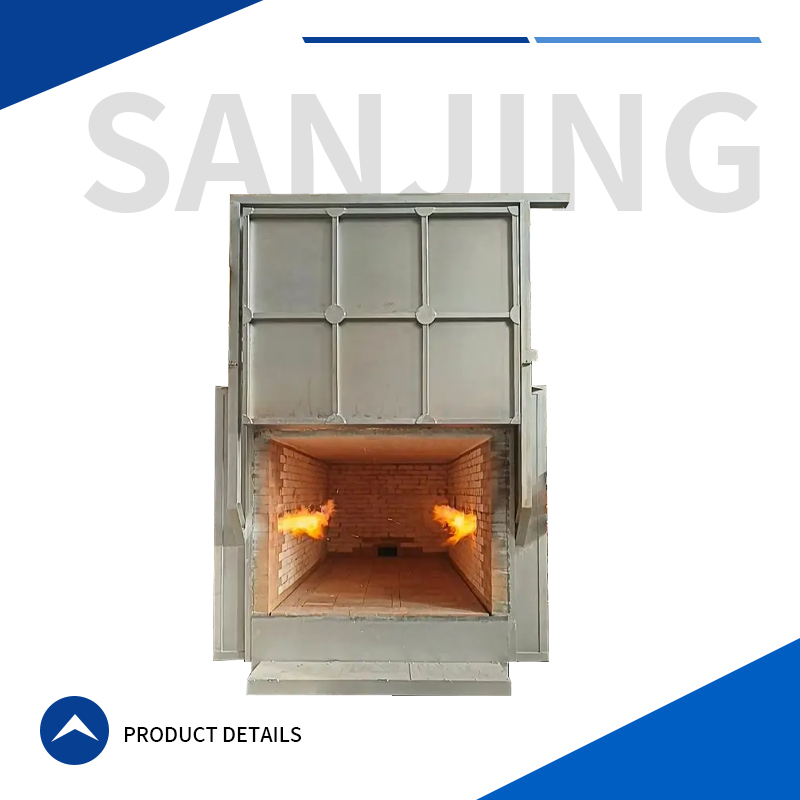
Some waste is transported to composting plants, where it is processed into hygienic, odorless humus, used as plant fertilizer. Another portion is sent to incinerators for combustion, allowing the combustible components of the waste to be fully oxidized, with the heat generated used for power generation and heating. China has already built, is constructing, or is in the process of approving 140 waste-to-energy plants. One ton of waste can generate 300 degrees of electricity, with the excess heat also used for heating. Tianjin Shuanggang Waste-to-Energy Plant processes 1,200 tons of waste daily, producing 120 million degrees of electricity annually, sufficient to power the daily needs of 50,000 households, equivalent to saving 48,000 tons of standard coal. Recyclable waste is collected and reused. During waste processing, China has established numerous relevant standards, such as urban waste agricultural use control standards, faecal decontamination hygiene standards, and incinerator exhaust emission standards.
Process Flow
Editor Broadcast
The entire compressed box is equipped with a hydraulic lifting system at the bottom. The rear of the compressed box features a compression thrust cylinder, as well as a hydraulic system for opening and closing the filling port and a hydraulic system for opening and closing the front discharge port curtain door.
The compactor top stops automatically when it reaches ground level. The compactor top is equipped with an automatic opening and closing waste compaction door cover, which opens to 110 degrees and closes parallel to the ground.
When the garbage piles up near the filling opening, start the compression cylinder button "Push Button" to compress the waste.
When waste is compressed to 4m³ in the bin, the compression cylinder performs 3 to 4 reciprocating compressions, followed by a 1 to 2-minute pressure compression to extract moisture. Then, return the compression cylinder to its original position and wait for further transportation.