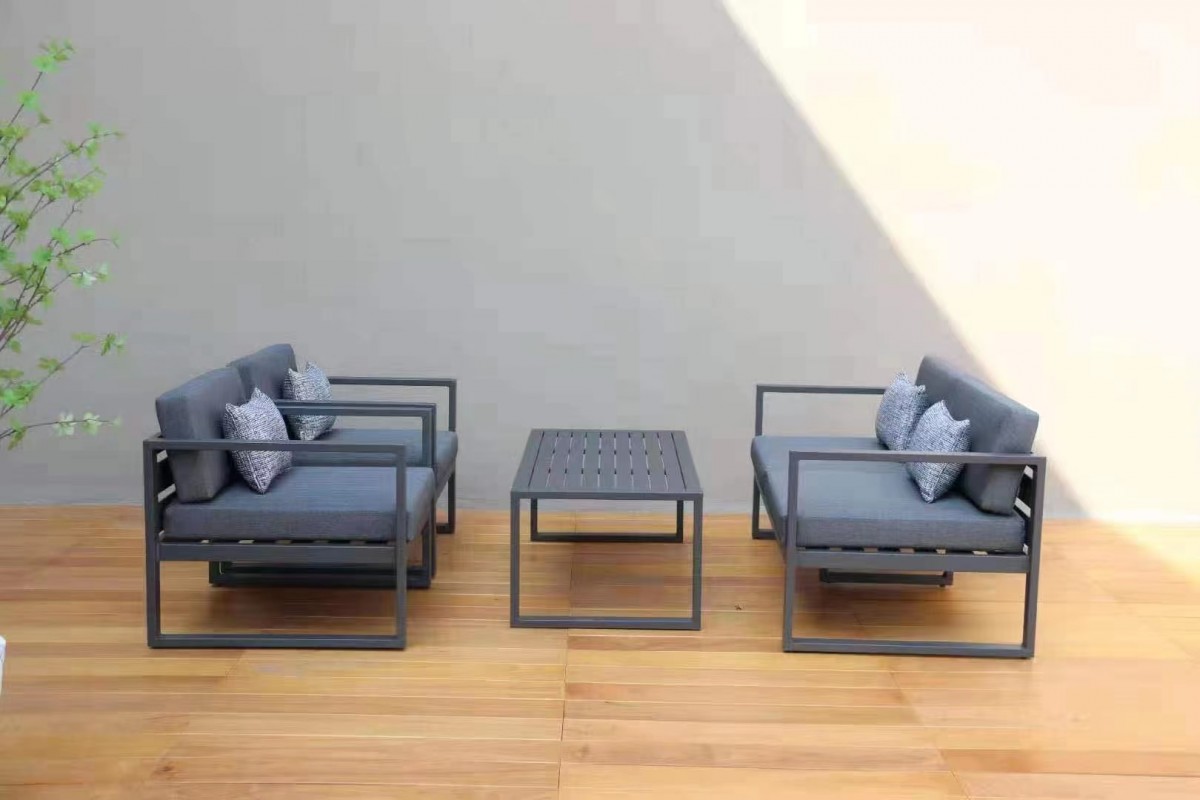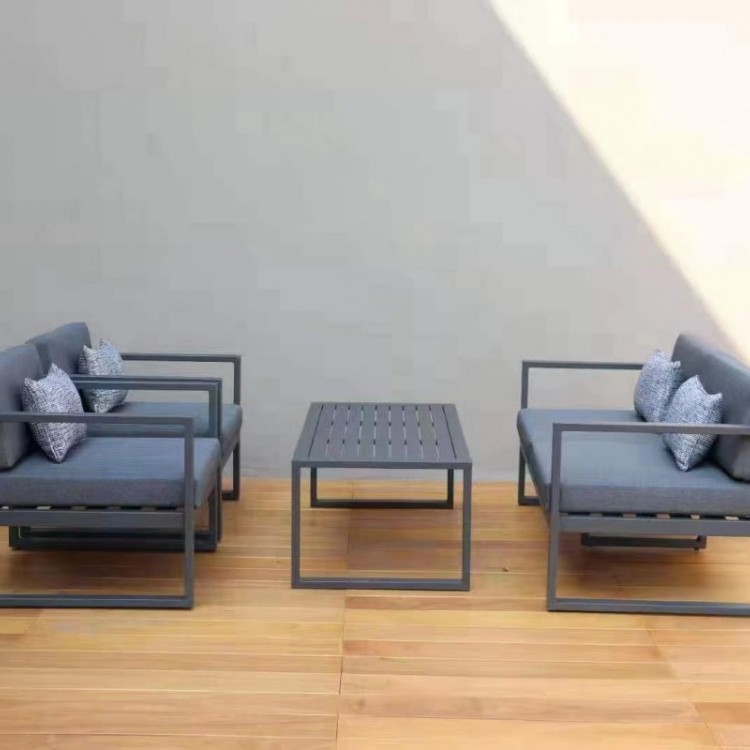
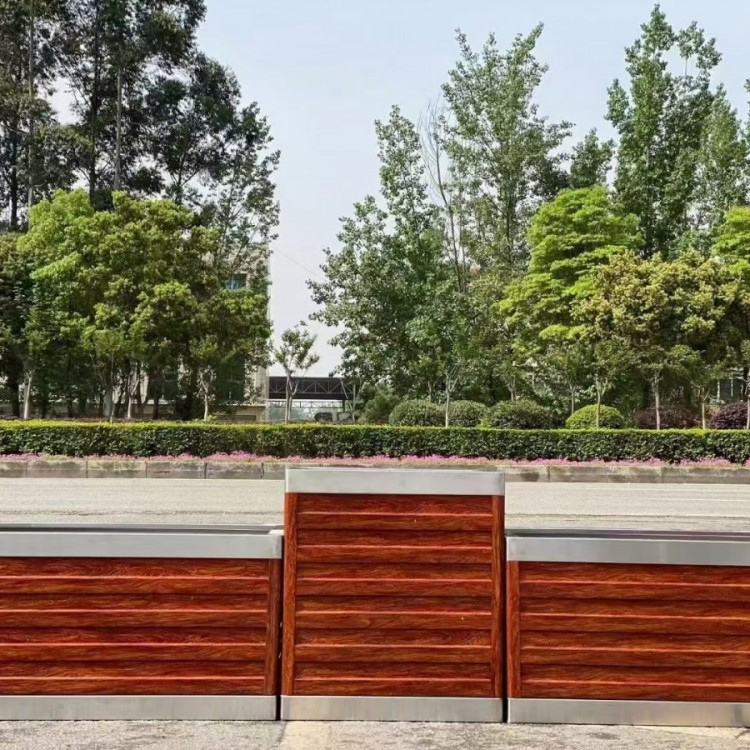








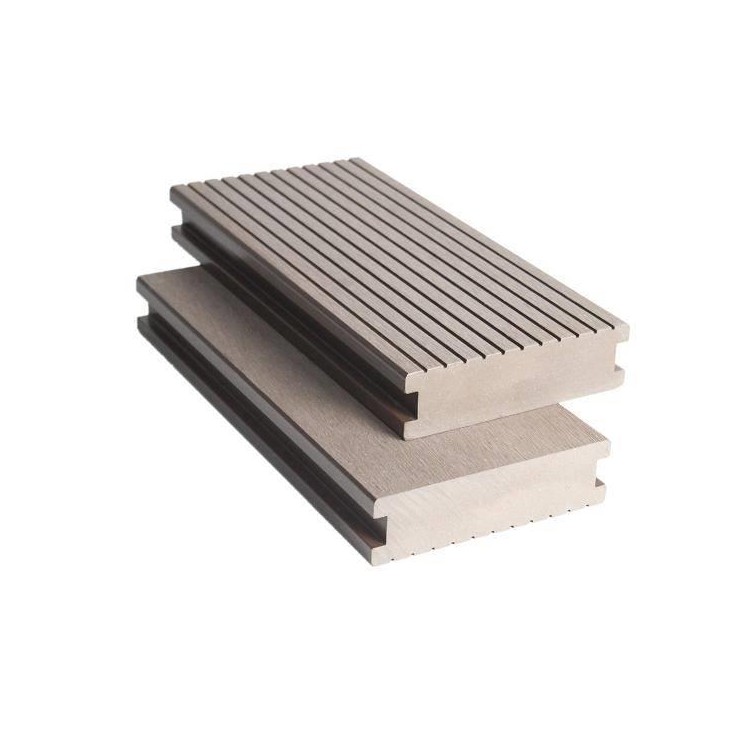
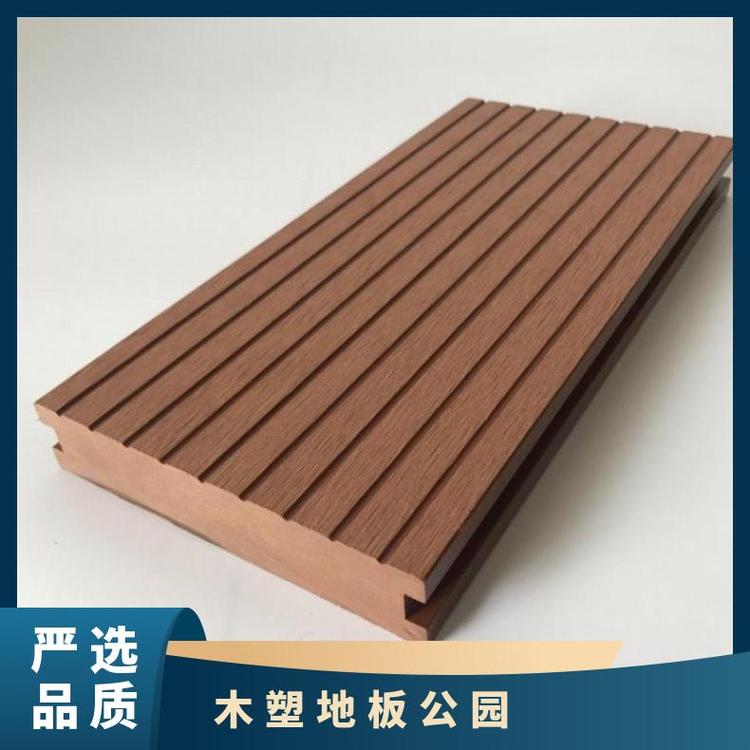
Wood-plastic flooring is a new type of environmentally friendly composite material product. It is made by adding wood phenol generated during the production of medium and high-density fiberboard to recycled plastic, which is then granulated into wood-plastic composite material and extruded to form wood-plastic flooring.

Advantages
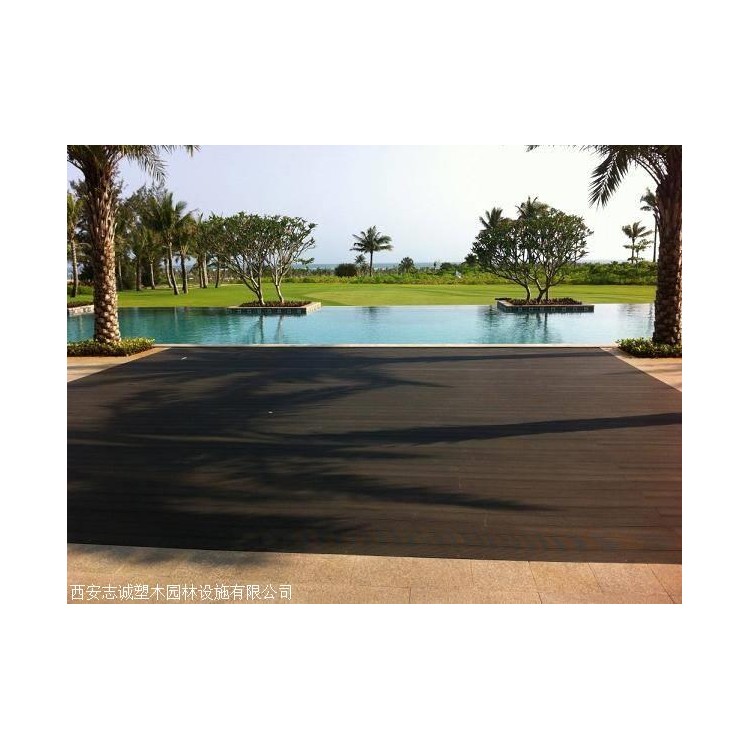
Waterproof and moisture-proof. It fundamentally solves the problem of wood products rotting and expanding when absorbing moisture in humid and water-rich environments, and can be used in environments where traditional wood products cannot be applied.
(2) Insect and termite-proof, effectively preventing pest disturbances and extending service life.
(3) Vast color selection available, offering a diverse array. Features a natural wood feel and grain, while also allowing for customization to match personal style.
(4) Highly malleable, allowing for easy customization to achieve personalized styles, fully showcasing individuality.
(5) High environmental friendliness, non-toxic, harmless, and recyclable. The product is free of benzene substances and has a formaldehyde content of 0.2, which is below the EO grade standard. It meets the European environmental grading standards and is highly recyclable, significantly reducing wood usage. This aligns with the national policy of sustainable development, benefiting society.
(6) High fire resistance. Effectively flame-retardant, with a fire rating reaching B1 level, self-extinguishing upon contact with fire, and producing no toxic gases.
(7) Good for processing; can be machined, cut, sawed, drilled, and painted on the surface.
(8) Easy installation, quick construction, no complex construction techniques required, saving installation time and costs.
(9) Non-cracking, non-swelling, non-deforming, no need for maintenance or care, easy to clean, saving on future repair and maintenance costs.
(10) Excellent sound absorption and energy-saving properties, achieving over 30% energy savings indoors.
Definition
Wood-Plastic Composites (WPC) are high-tech green environmental materials primarily made from wood (cellulose, plant cellulose) as the base material, mixed uniformly with thermoplastic polymers (plastics) and processing additives, then heated and extruded into shape by mold equipment. They combine the properties and characteristics of wood and plastic, serving as a new eco-friendly high-tech material that can replace both wood and plastic.
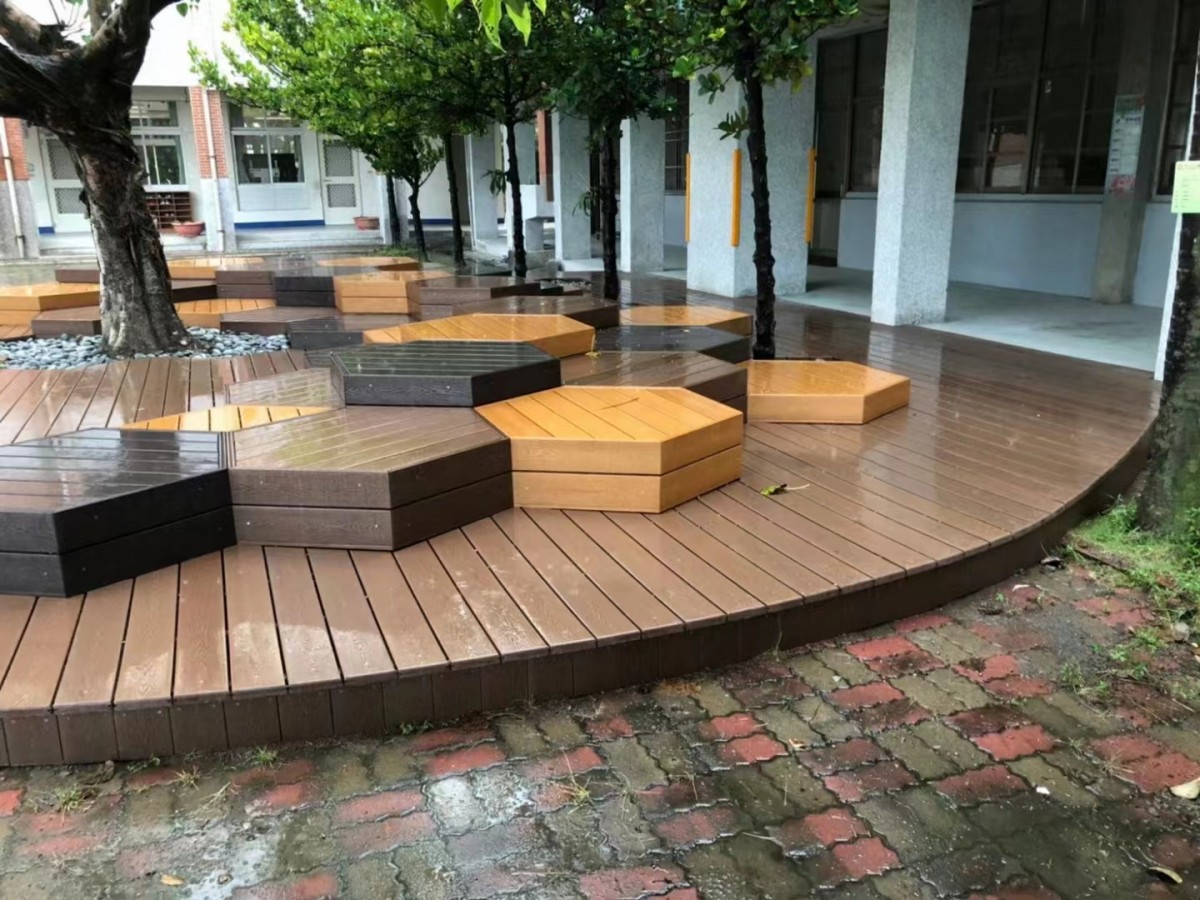
WPC flooring is made from wood-plastic composite material, featuring the same processing characteristics as wood. It can be easily cut, drilled, and nailed with ordinary tools, making it very convenient for use. It can be used just like ordinary wood. It also boasts the wood-like texture of wood and the water-resistant and rot-proof properties of plastic, making it a high-performance and durable outdoor waterproof and anti-corrosion building material.