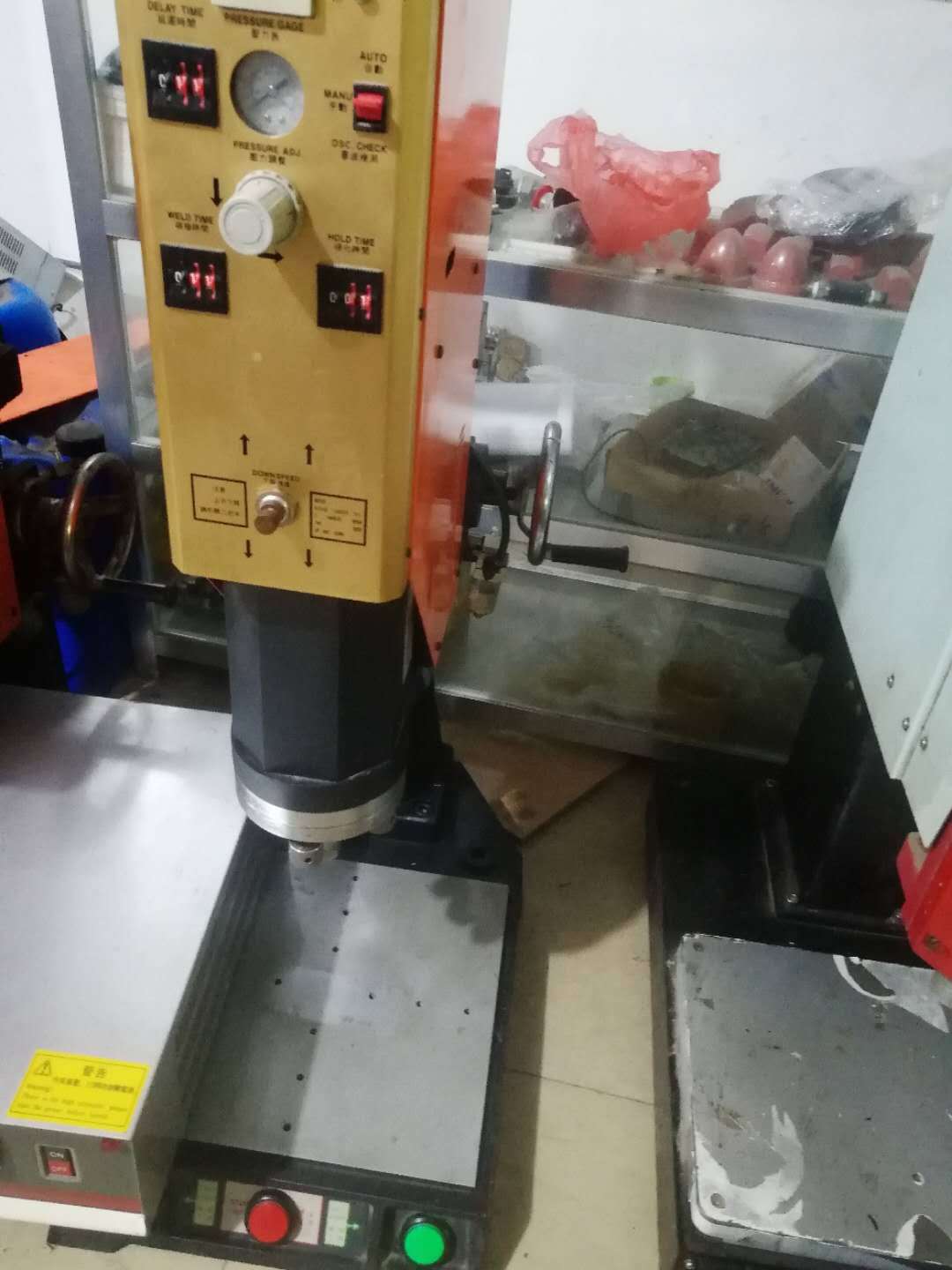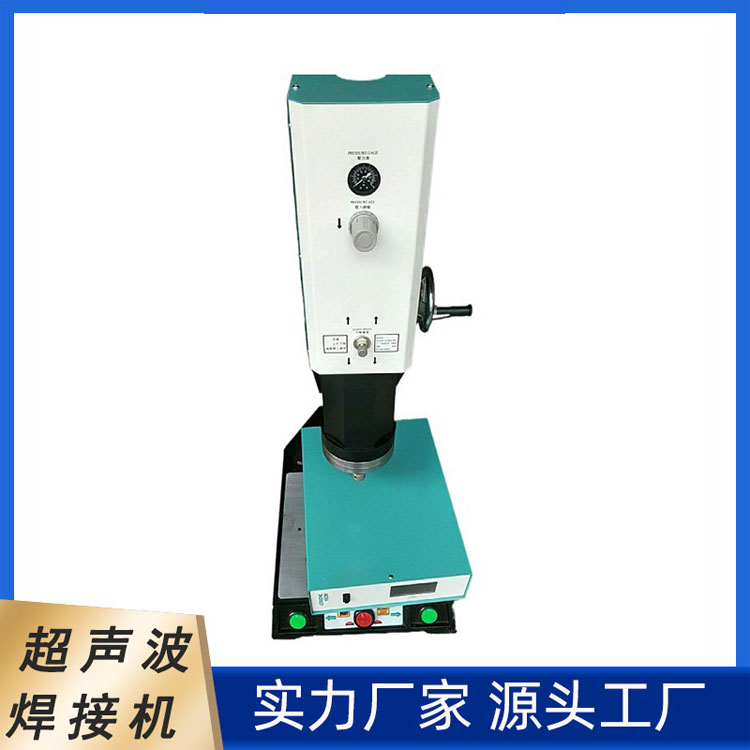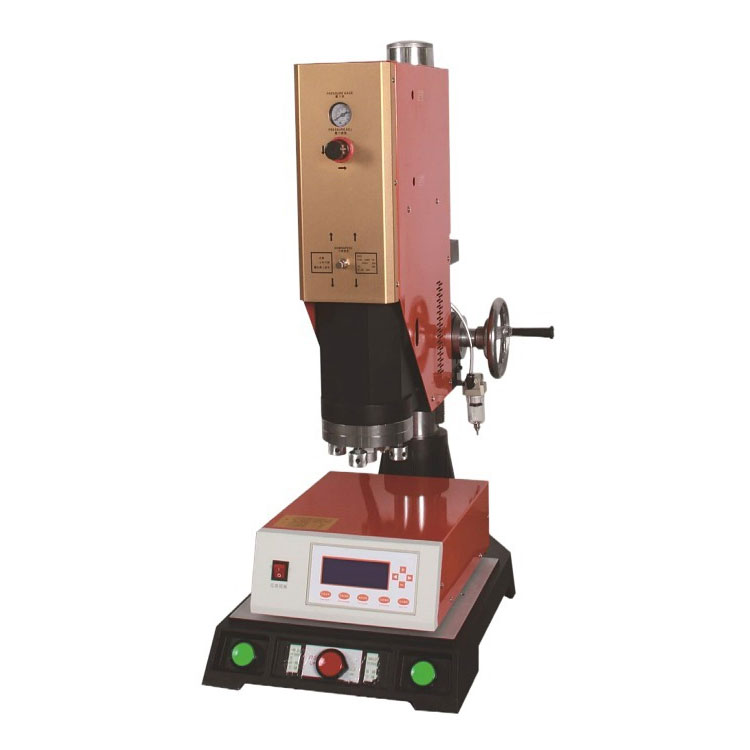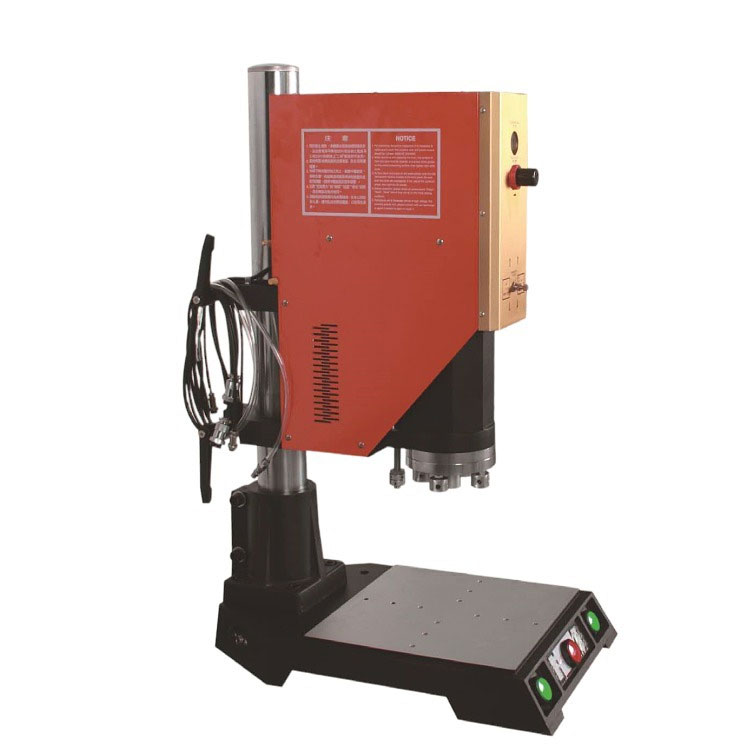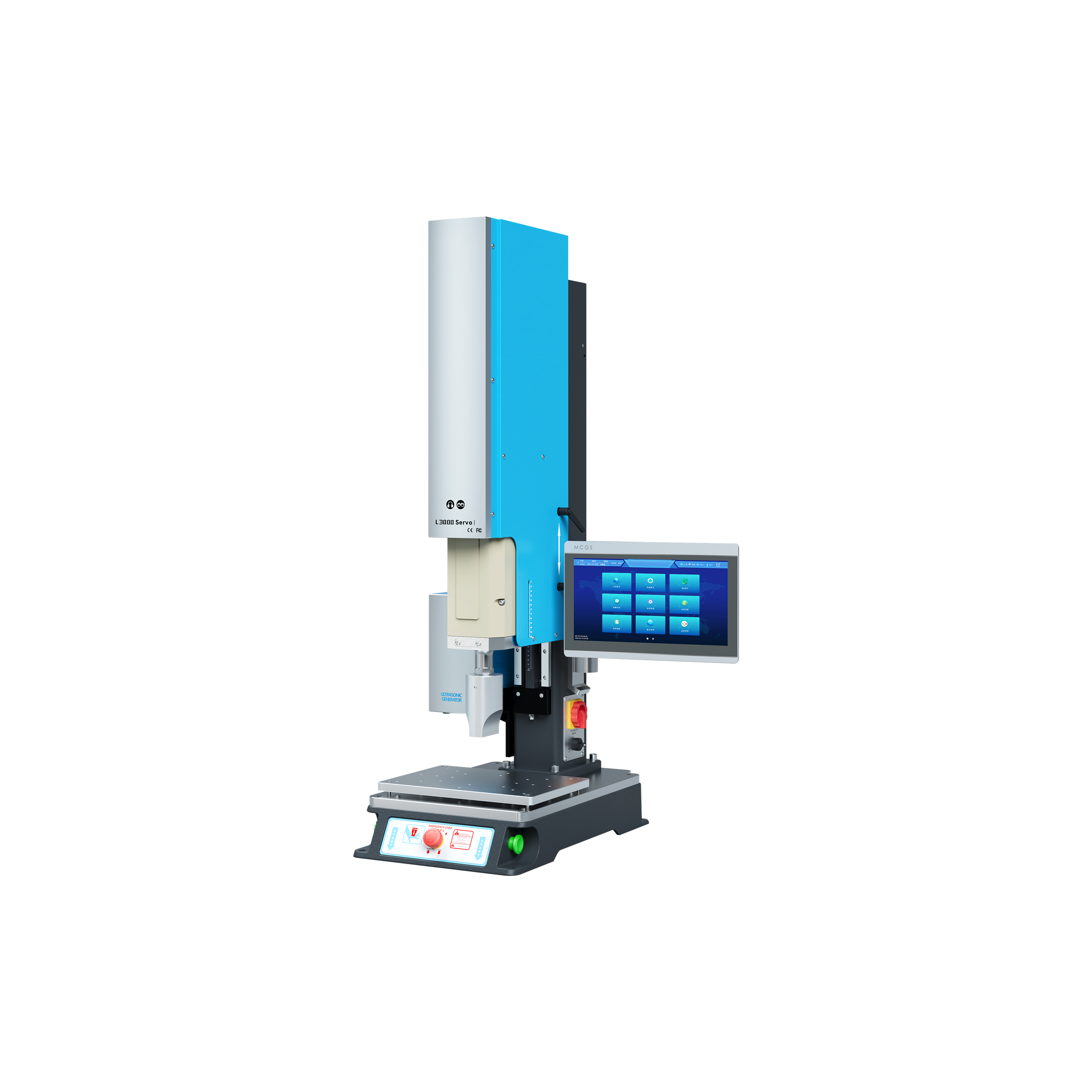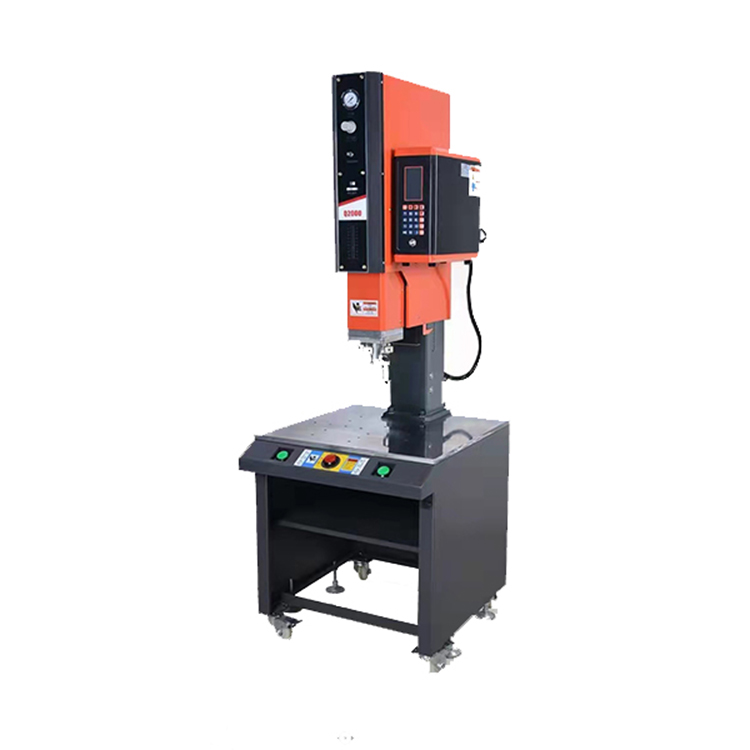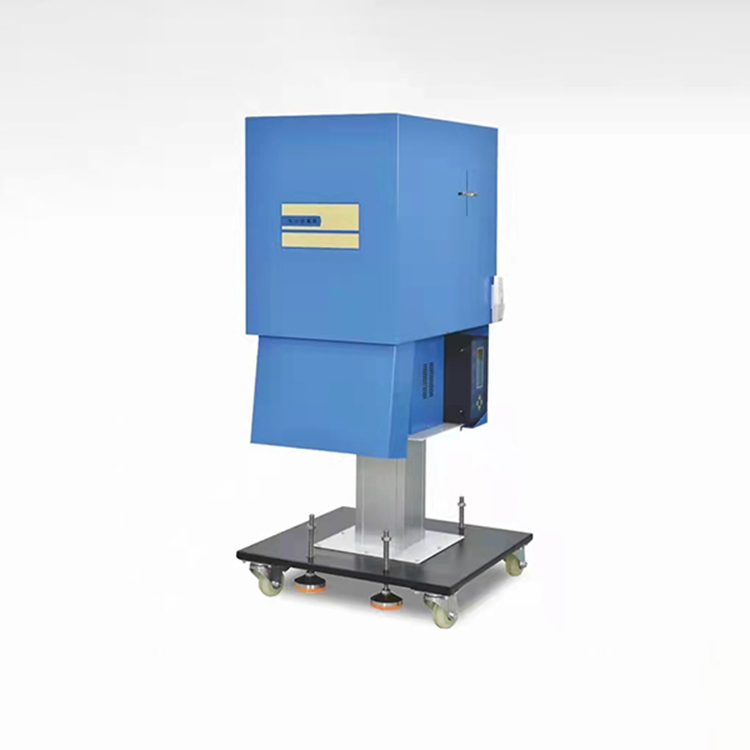

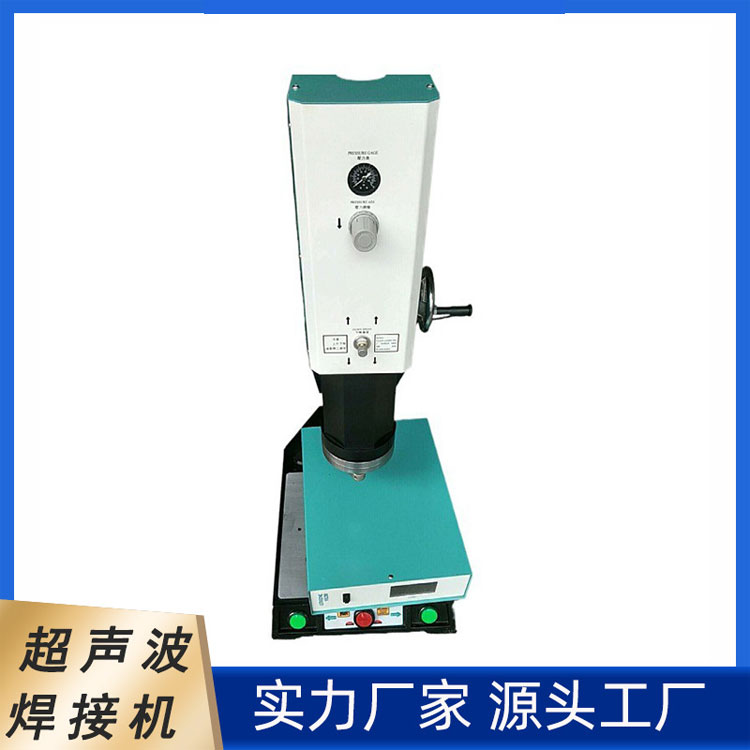

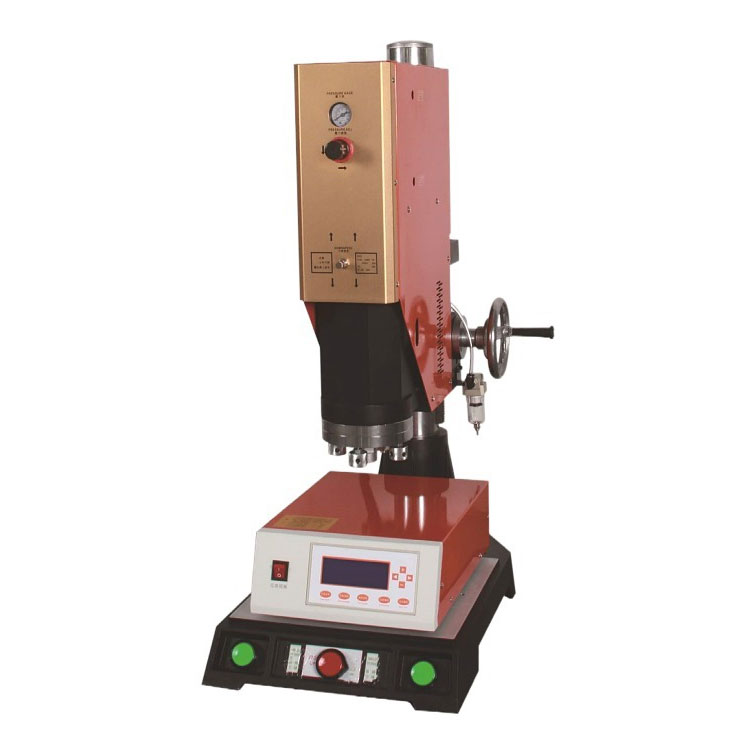
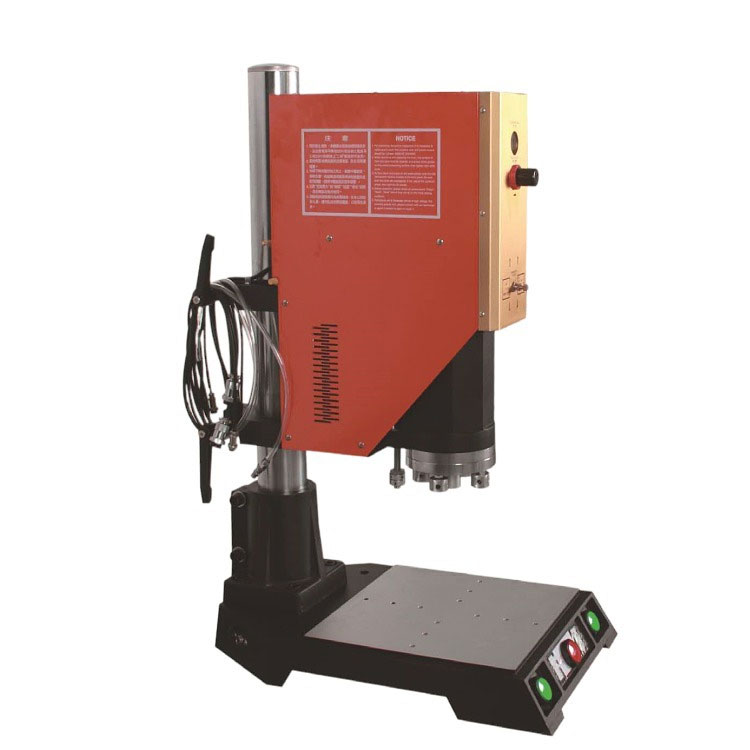


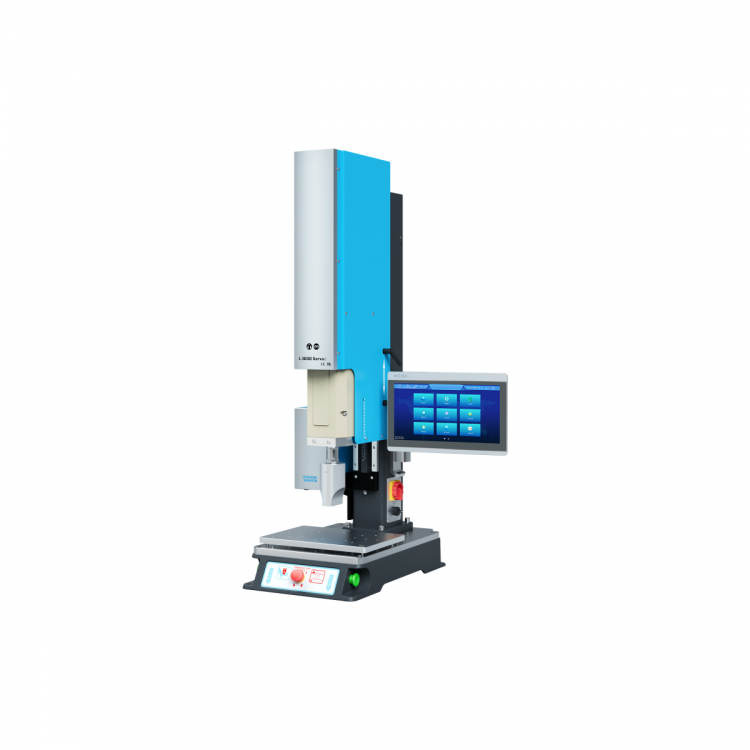
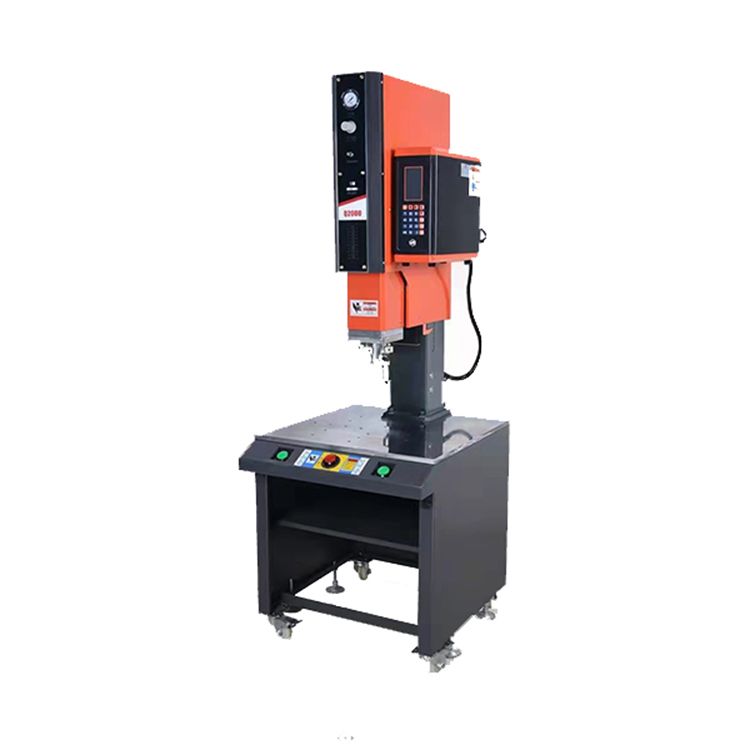
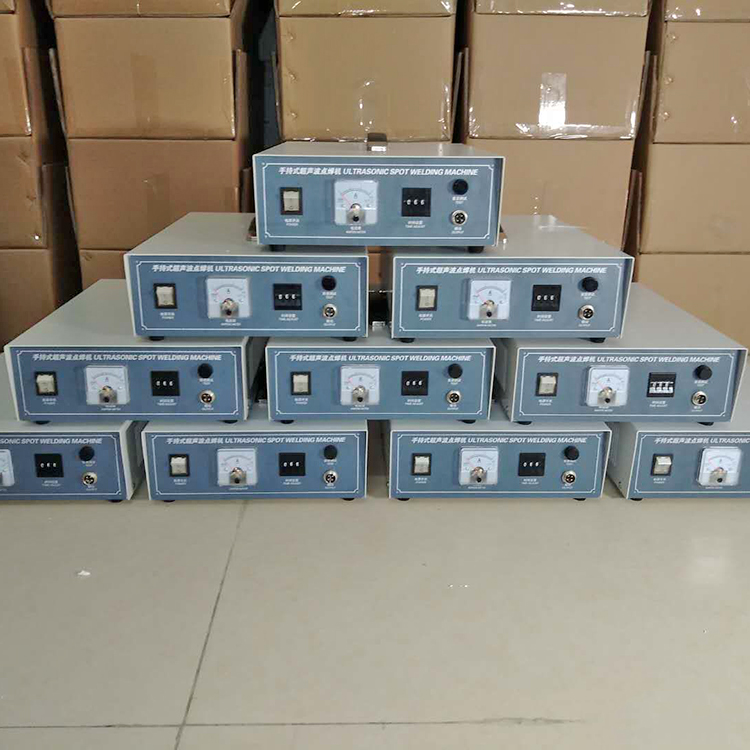








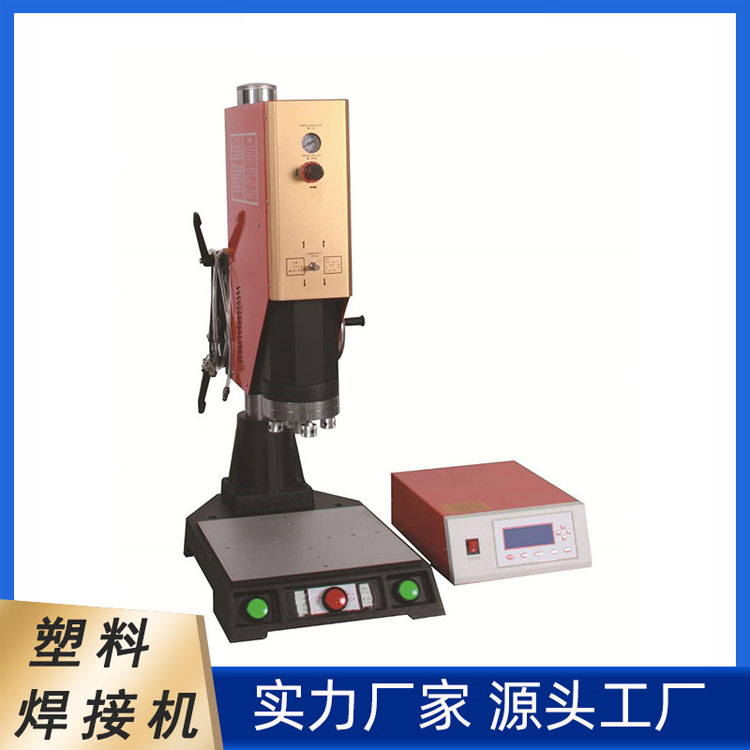
Ultrasonic Welding Principle:
Ultrasonic Welding Principle: When ultrasonic energy is applied to the thermoplastic plastic contact surface, it generates several tens of thousands of high-frequency vibrations per second. This high-frequency vibration, with a certain amplitude, transfers the ultrasonic energy to the welding zone through the upper welding piece. Due to the high acoustic impedance at the interface of the two welding surfaces, a localized high temperature is produced. Since plastics have poor thermal conductivity, the heat cannot be dissipated immediately, accumulating in the welding zone and causing the contact surfaces of the two plastics to melt rapidly. Applying a certain amount of pressure fuses them into a single unit. After the ultrasonic energy stops, maintaining the pressure for a few seconds allows the material to solidify and take shape, forming a strong molecular chain and achieving the welding goal. The strength of the weld can approach the strength of the raw material. The quality of ultrasonic plastic welding depends on three factors: the amplitude of the transducer welding head, the applied pressure, and the welding time. The welding time and the welding head pressure are adjustable, while the amplitude is determined by the transducer and the variable amplitude rod. These three quantities interact at an optimal value; if the energy exceeds this value, the plastic melt quantity increases, making the welded part prone to deformation. If the energy is too low, the weld may not be secure, and the applied pressure should not be excessive. This pressure is the product of the edge length of the welding part and the appropriate pressure per 1mm of the edge.