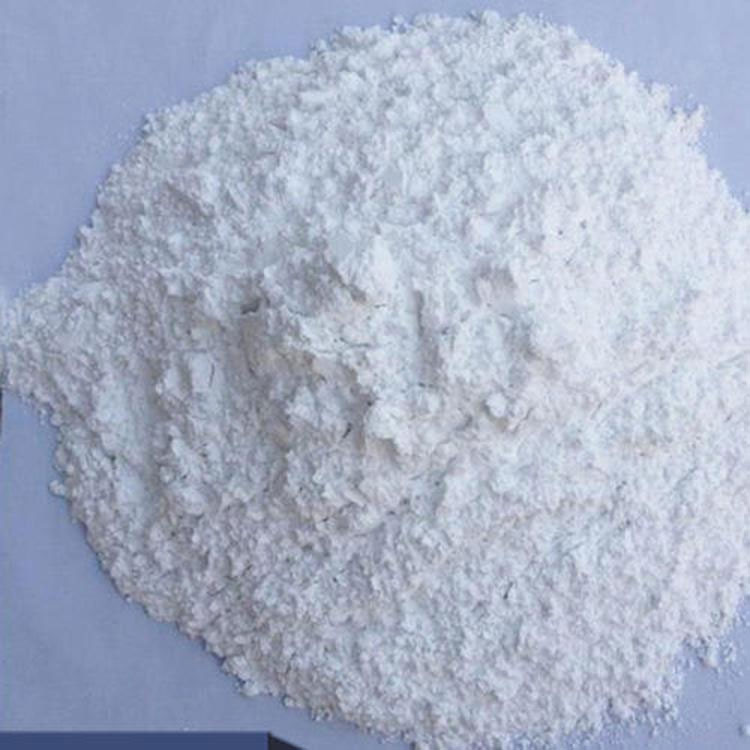

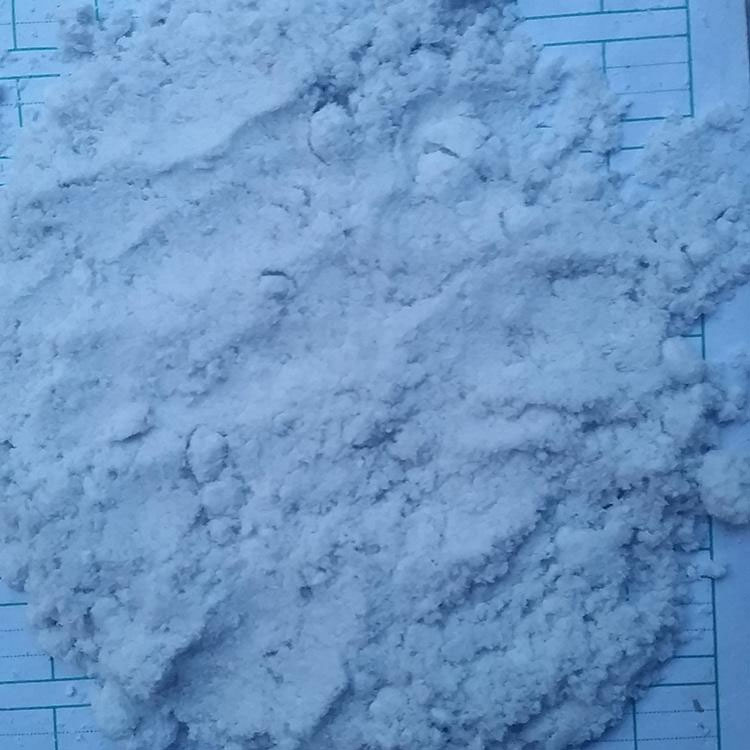
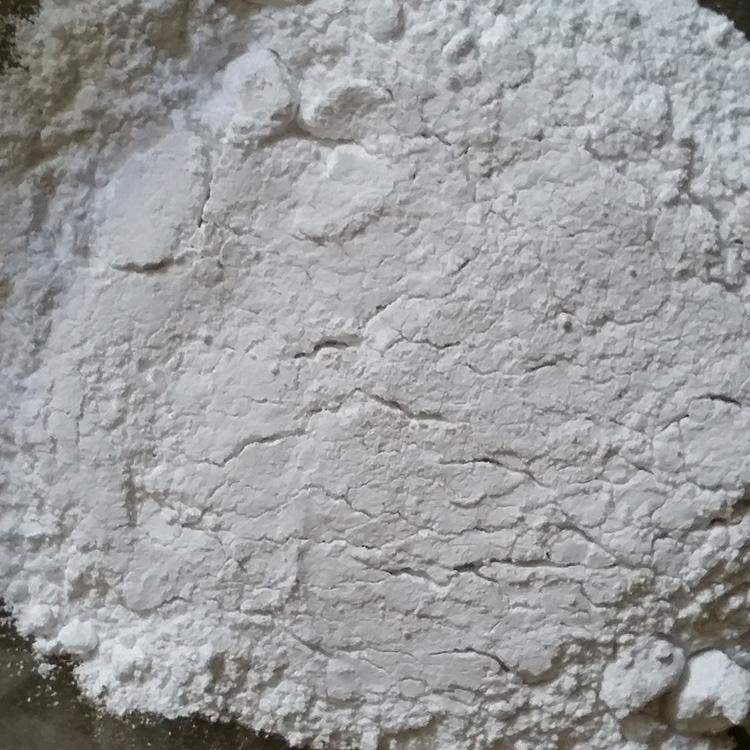







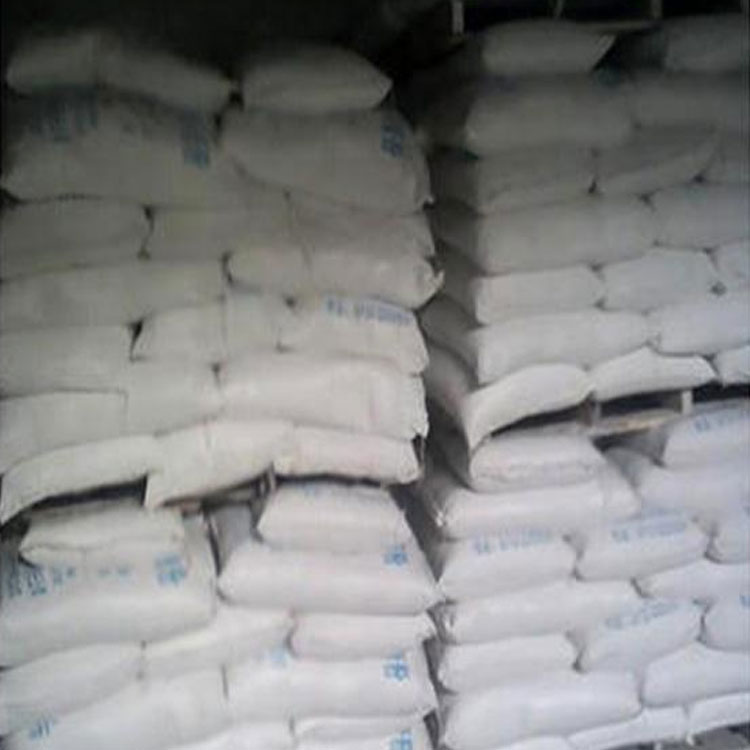
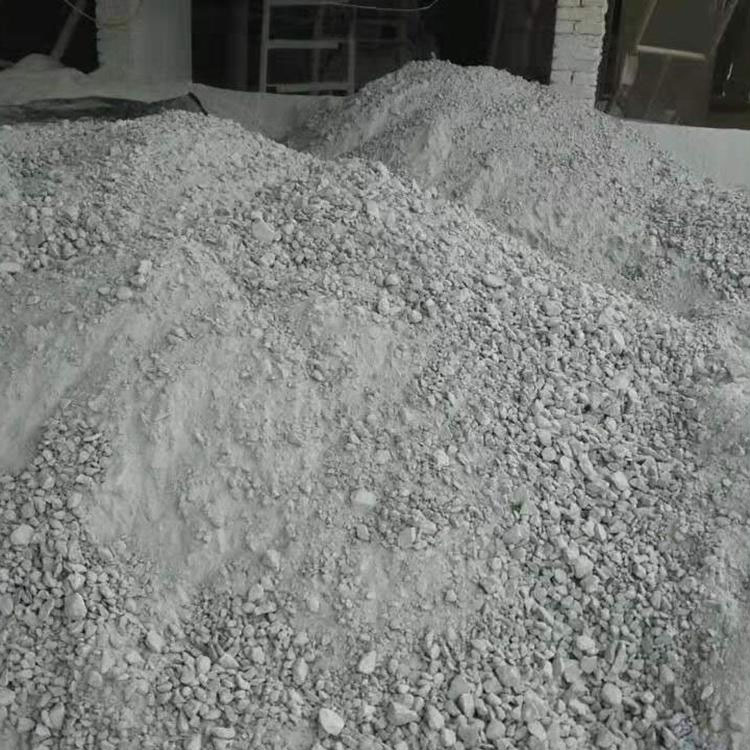
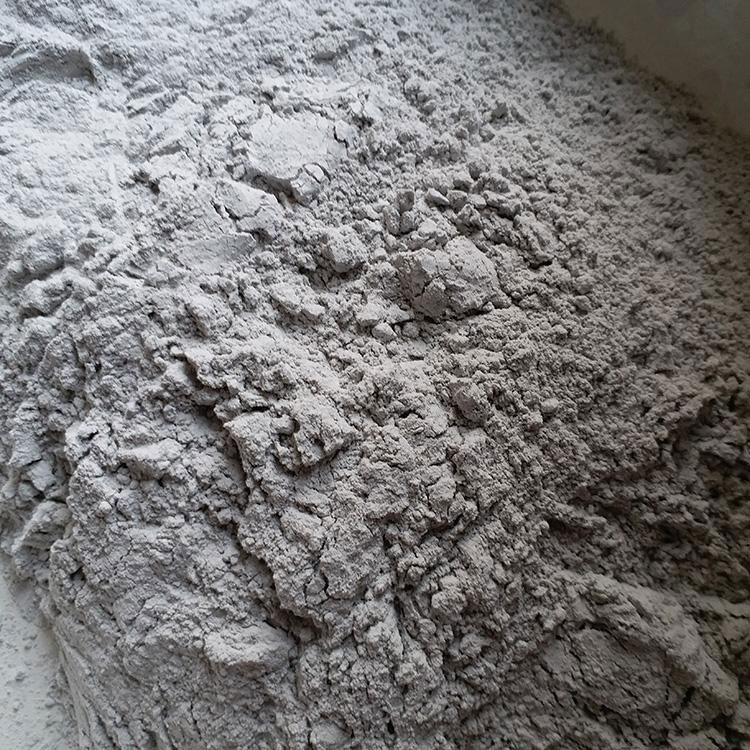
Yuquan Gypsum Wallboard Gypsum Powder Construction Gypsum Powder, Long-Term Supply
Gypsum is generally colorless or white, but can be gray-brown or yellow when impurities are present. It has a specific gravity between 2.31 and 2.33, with a Mohs hardness of 1.5 to 2. Its solubility in water is relatively low; at 20°C, the solubility of anhydrite (calcium sulfate dihydrate) is 2.05 grams per liter. Once hardened, gypsum has a high porosity of up to 50% to 60%, resulting in a low density and strength. Building gypsum has strong hygroscopic properties after hardening, which weakens the intercrystalline bonding and significantly reduces its strength upon absorbing moisture. When exposed to water, the crystals dissolve, leading to destruction. Freezing after absorbing water makes it more prone to cracking. Therefore, the water resistance and frost resistance of pure building gypsum are poor. Unlike lime and cement, gypsum does not shrink upon setting; instead, it slightly expands (about 1%) and does not crack during hardening. This allows gypsum paste to be cast into components with precise dimensions and smooth, fine surfaces. Gypsum is a poor conductor of heat, with a thermal conductivity of 0.259 kcal/m·°C·h between 16°C and 46°C. When exposed to fire, the heat is absorbed by the evaporation of the crystalline water in the gypsum, and the resulting anhydrous material is an excellent thermal insulator, making gypsum fire-resistant.