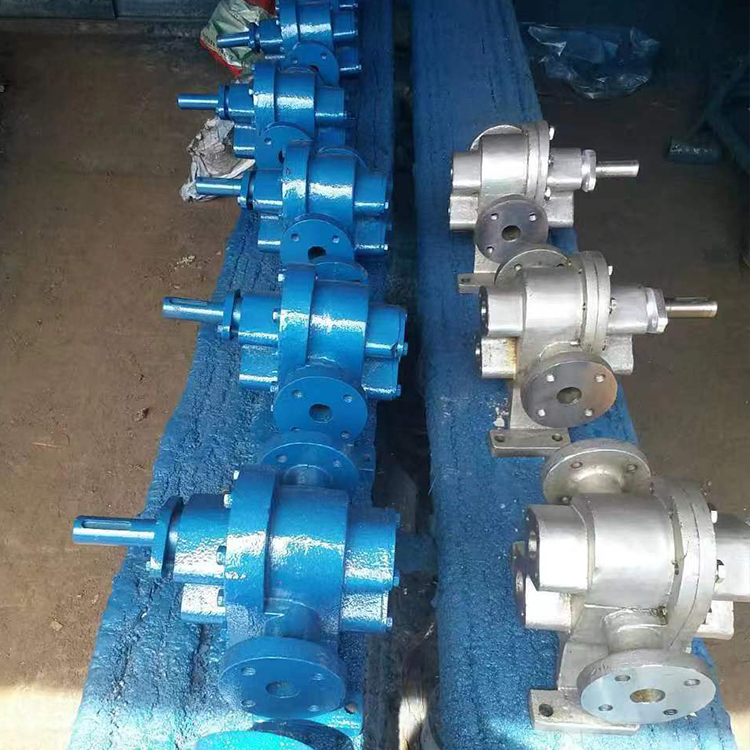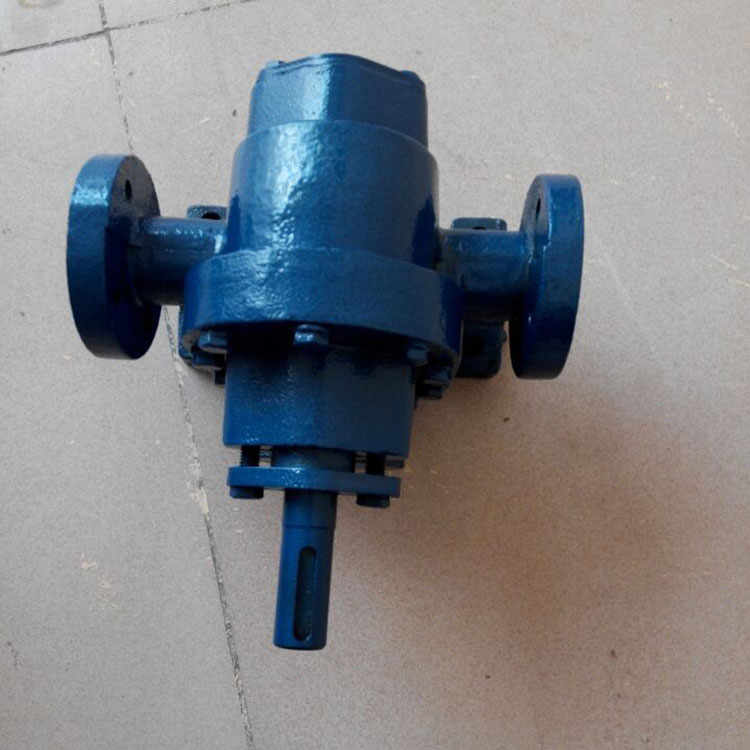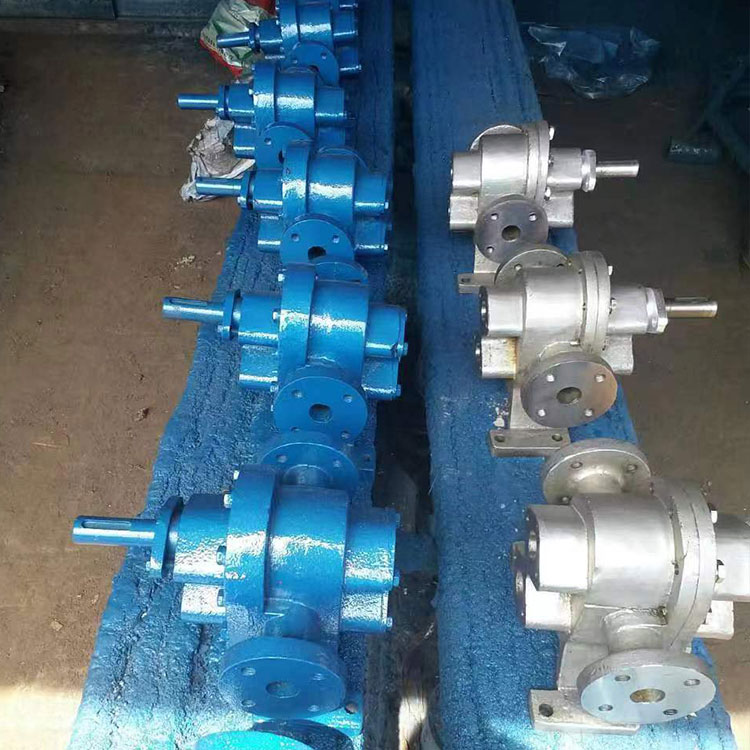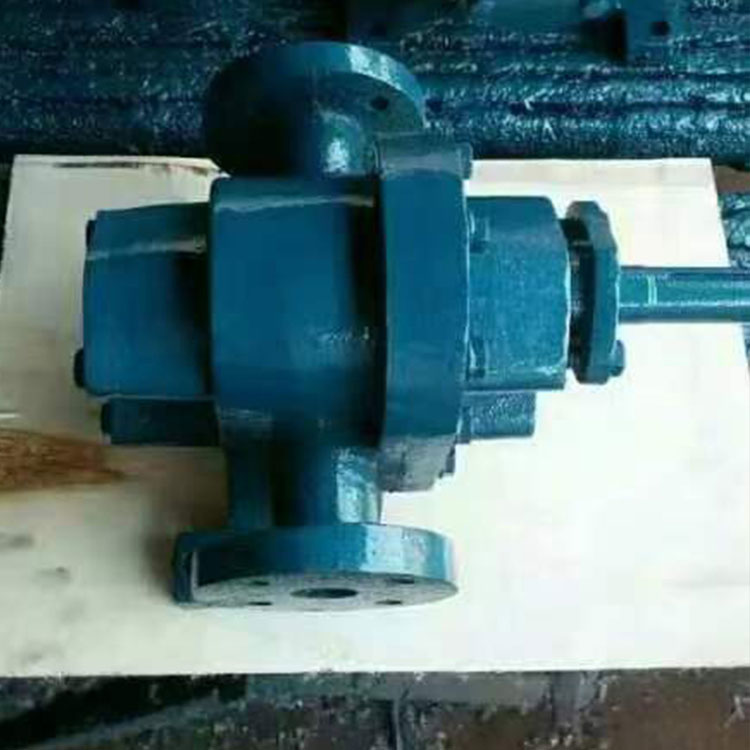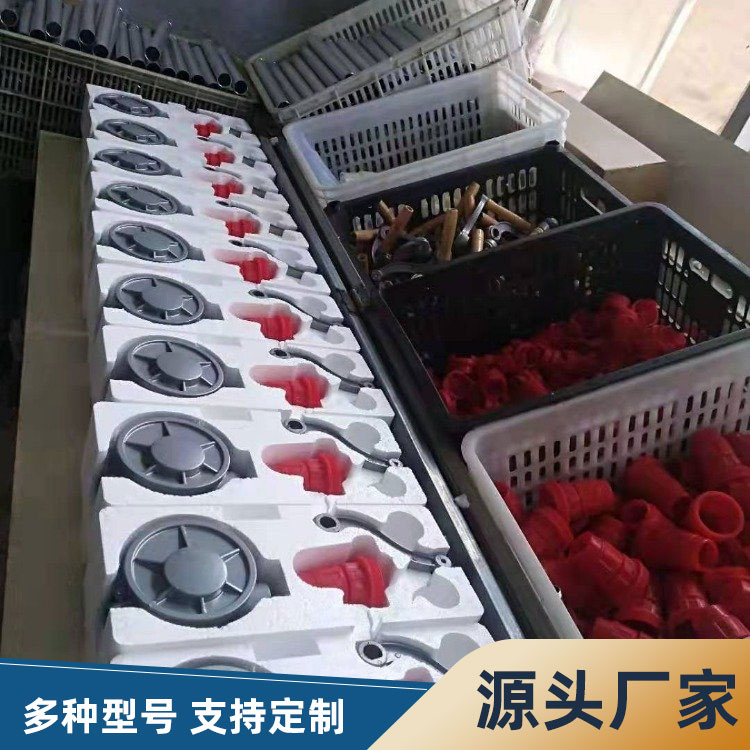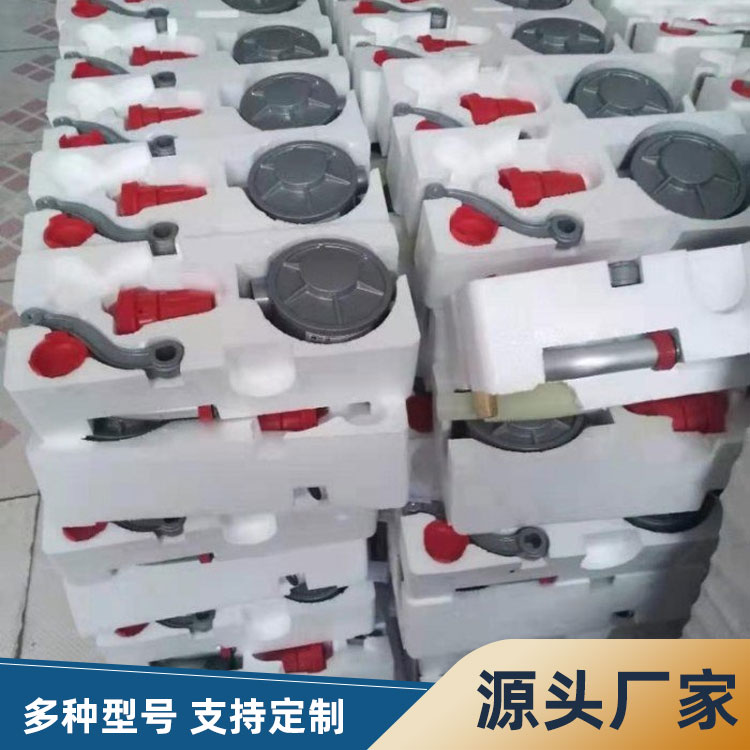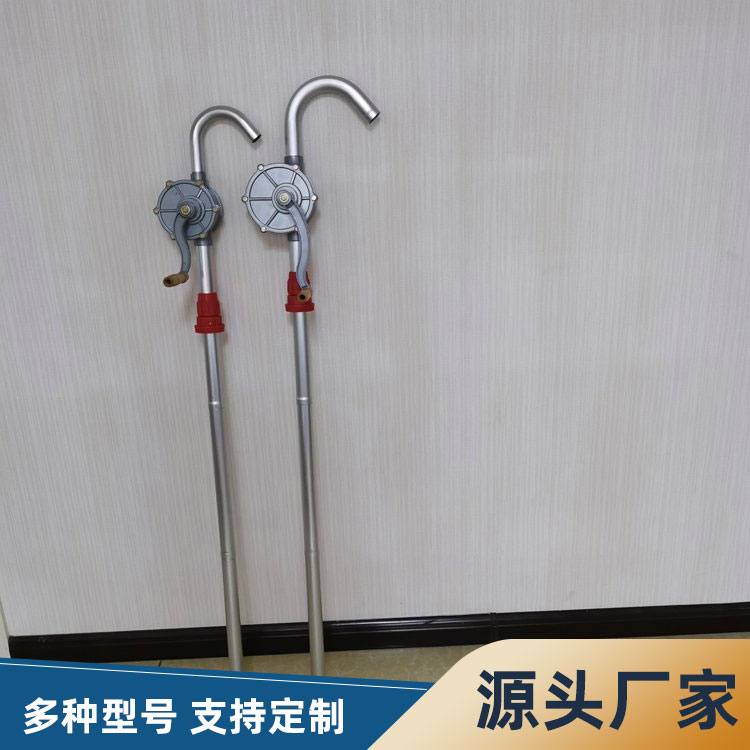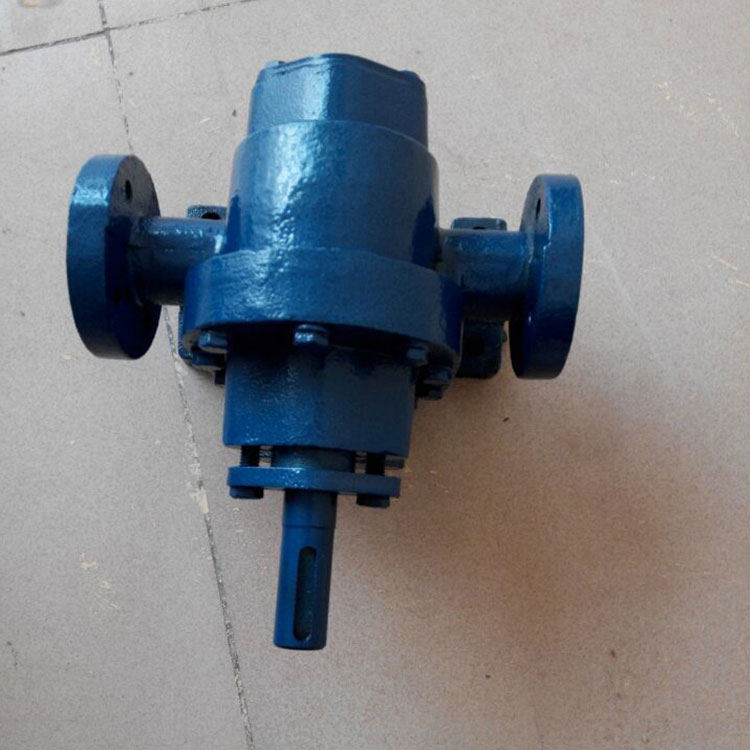

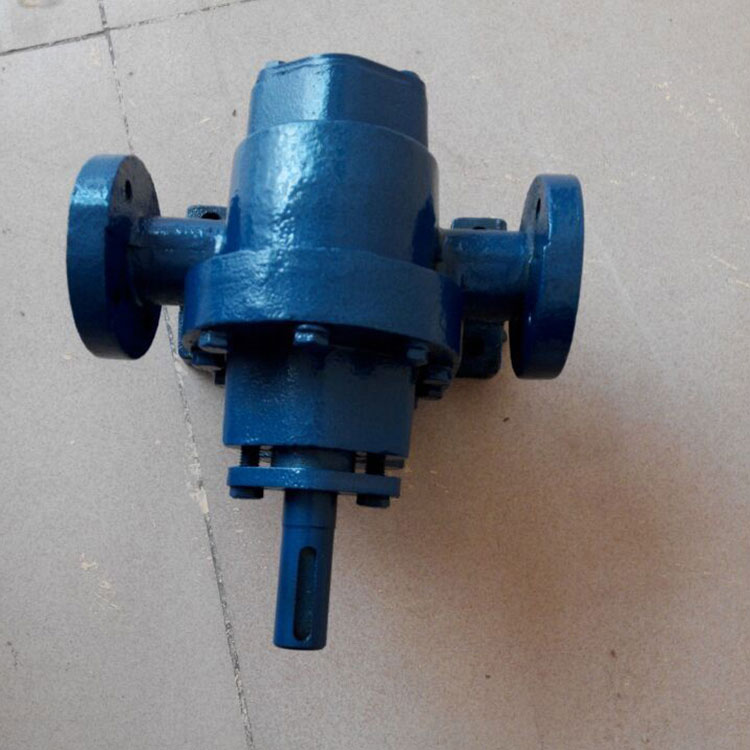
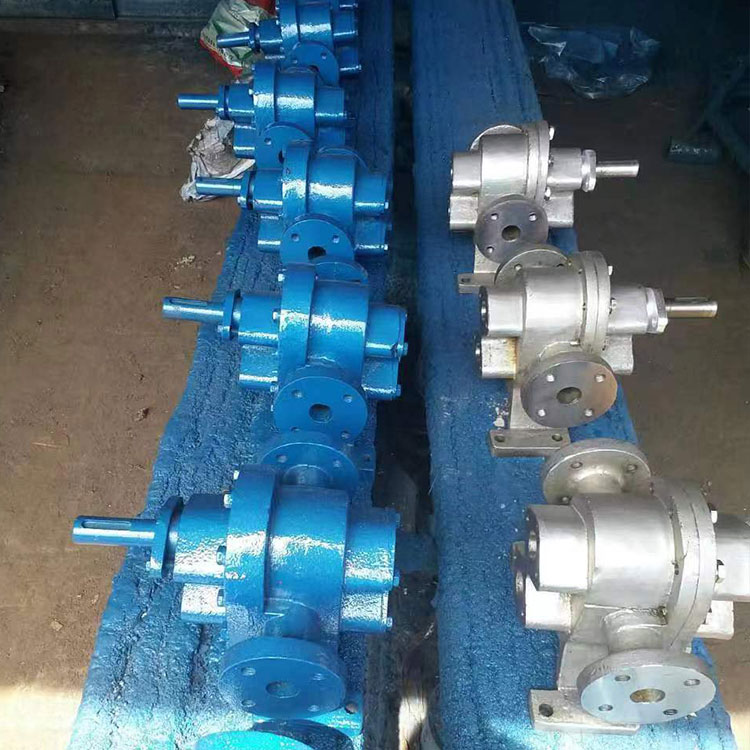


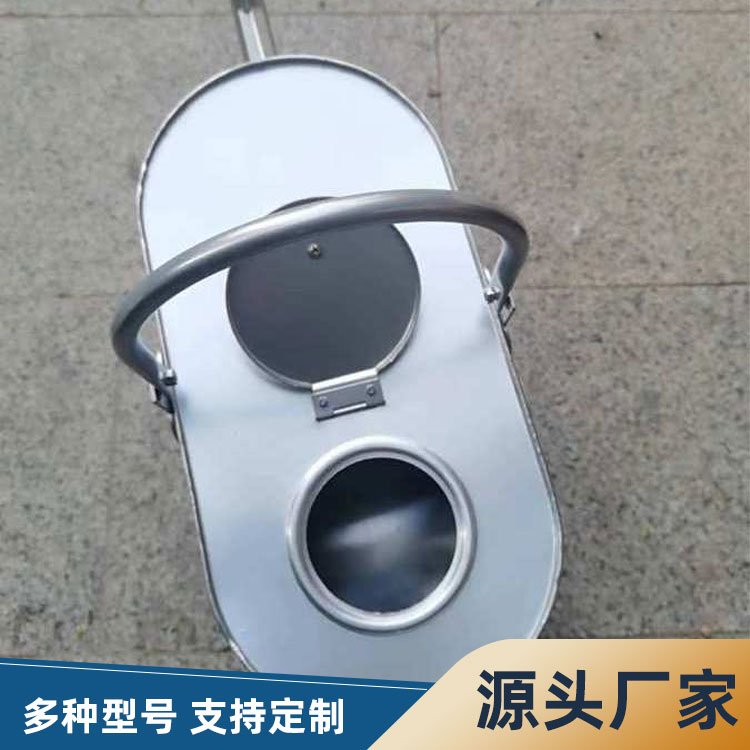
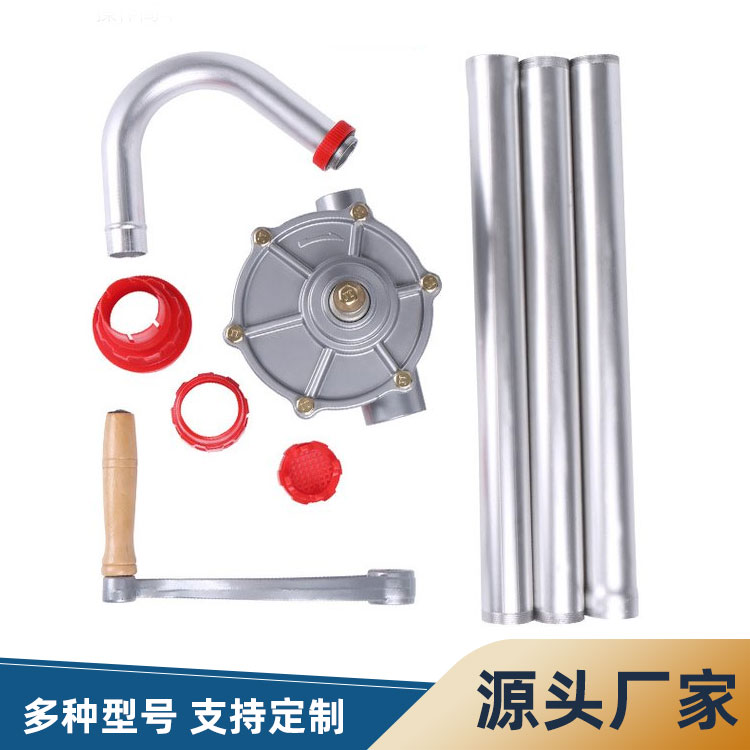
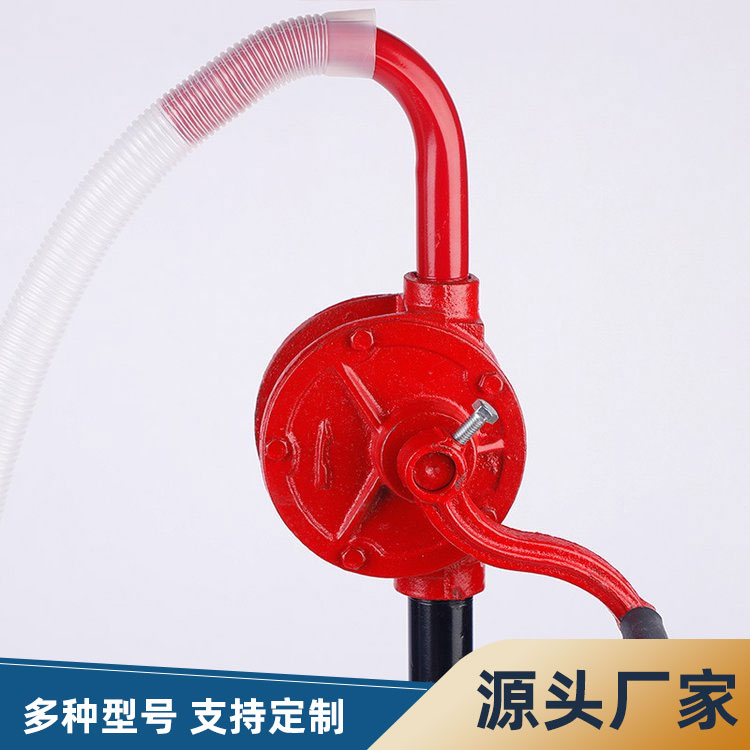
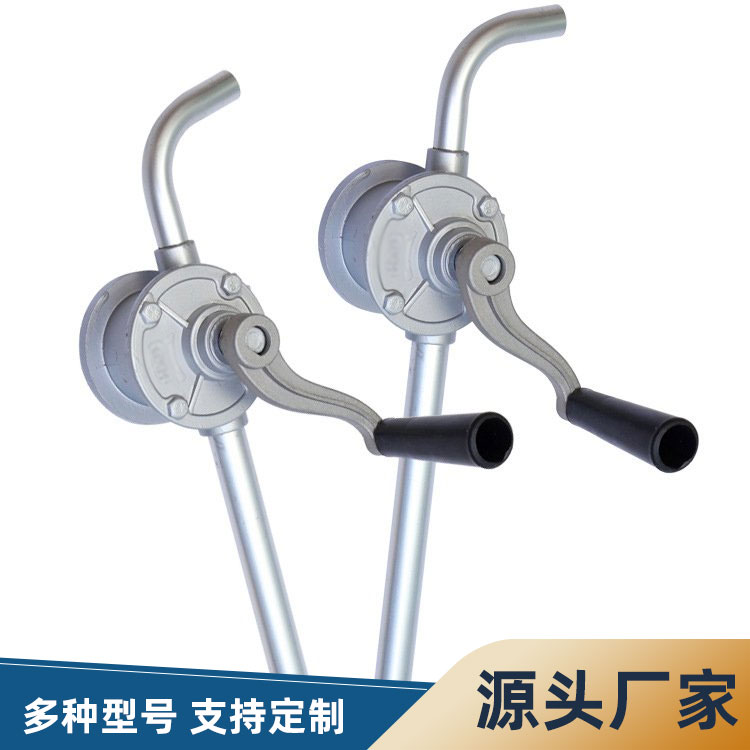
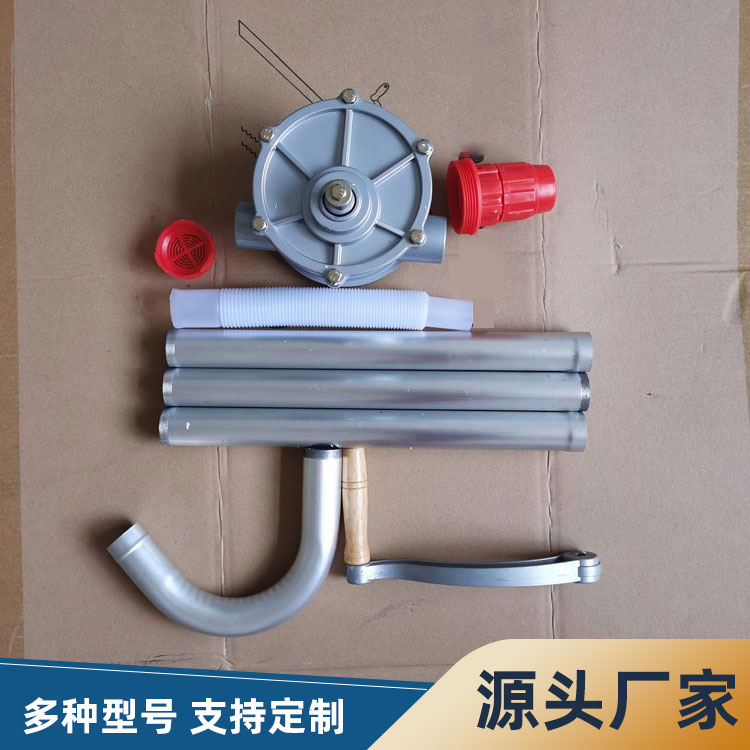





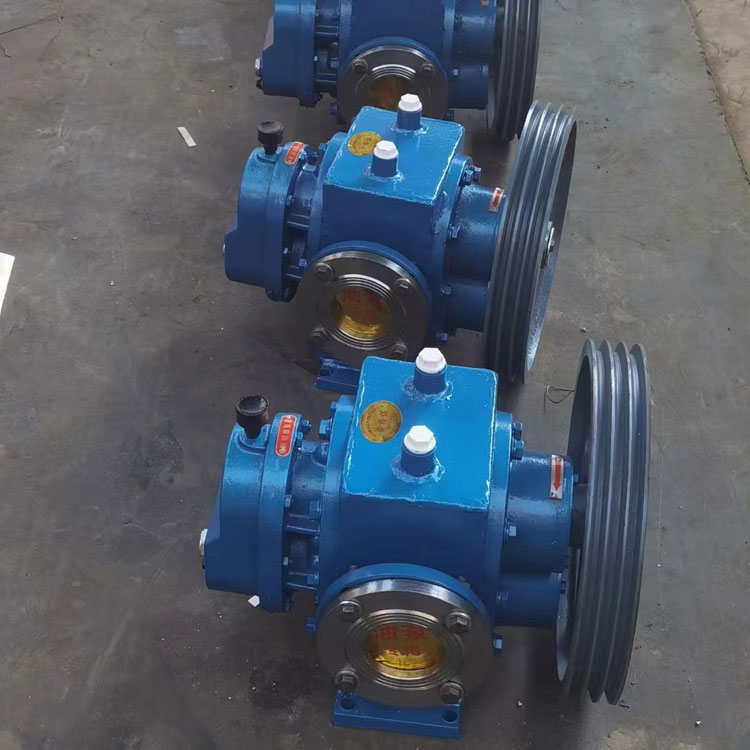

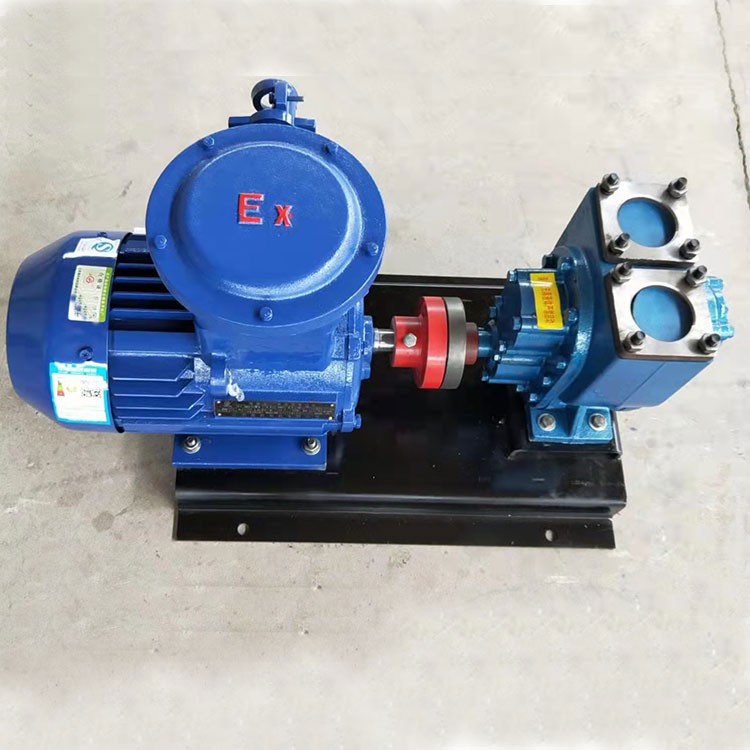


The LCB asphalt pump is primarily used for transferring lubricating oils or other liquids with similar properties that do not contain solid particles or fibers, are non-corrosive, and have a temperature not exceeding 80°C, with a viscosity ranging from 5×10⁻⁶ to 1.5×10⁻³ m2/s (5-1500 cSt). The pump features oil discharge and return channels, which minimize the torque force on the gears during operation, resulting in reduced bearing load and wear. It is equipped with a valve for overload protection; the full回流 pressure of the valve is 1.5 times the pump's rated discharge pressure, and it can also be adjusted within the allowable discharge pressure range as needed. However, note that this valve is not intended for long-term operation as a pressure-reducing valve; an additional installation on the pipeline is required if necessary.
Structural Features:
The LCB type asphalt pump is primarily composed of gears, shafts, pump bodies, pump covers, bearing sleeves, shaft end seals, etc. The gears are manufactured using a double-circular arc sine curve tooth shape. Compared to involute gears, its advantage is that there is no relative sliding of the tooth profiles during the gear meshing process, thus ensuring no wear on the gear surfaces, smooth operation, no liquid leakage, low noise, long service life, and so on.
The LCB asphalt pump is mainly used for transferring various lubricating liquids with temperatures not exceeding 70°C. For temperatures up to 200°C, please contact our company for suitable materials. The viscosity range is 5×10^-5 to 1.5×10^-3 m^2/s. This pump is primarily suitable for transferring various oils, such as heavy oil, diesel, and lubricating oil. With copper gears, it can handle low pour point liquids, such as gasoline and benzene.
The LCB asphalt pump is equipped with a pair of rotating gears within the pump body, dividing the entire working chamber into two separate sections through the interlocking of the two gears. As the pump operates, the driving gear rotates the driven gear, and when the gears disengage, a partial vacuum is formed on the suction side, drawing in the liquid. The liquid fills the grooves of each gear tooth and is carried to the discharge side. When the gears engage, the liquid is expelled out of the pump.
Selection Tips for Pumps:
The correct selection is crucial for achieving the desired operational effectiveness. To cater to the varying physical, chemical properties, and operational requirements of different mediums, we suggest the following process: The user provides the pump operating data, our factory personnel make the selection and recommendation, and the user confirms. When selecting a pump, pay attention to the following points:
1. Lubricity, cleanliness, and corrosiveness of the medium.
2. Viscosity and temperature of the medium.
3. Inlet and outlet pressure of the medium, installation height.
4. Requirements for Application Scenario.
5. Installation requirements: horizontal or vertical, fixed or mobile, and pipeline connection specifications.
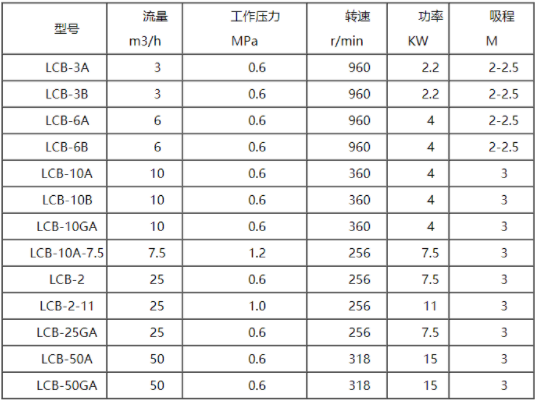
Parameter Specifications: