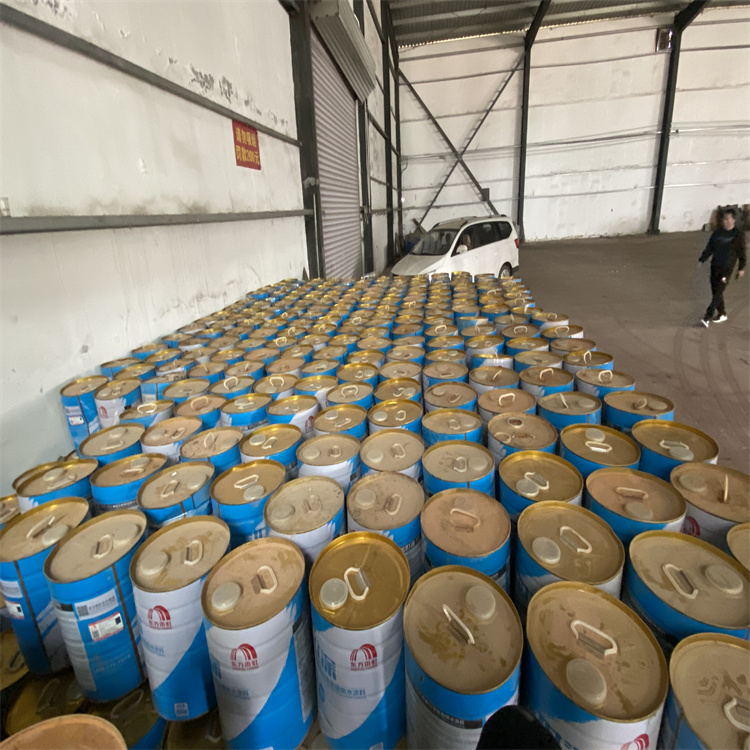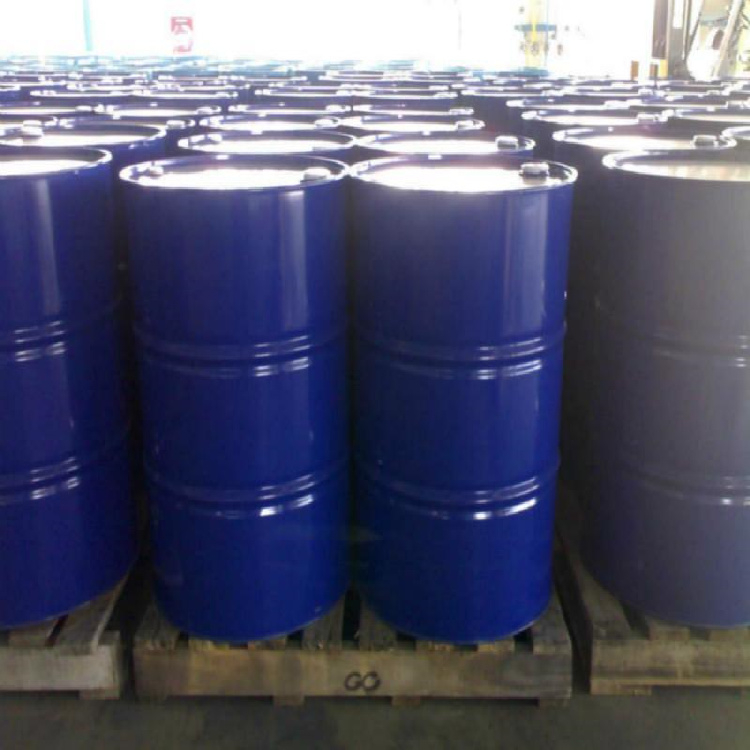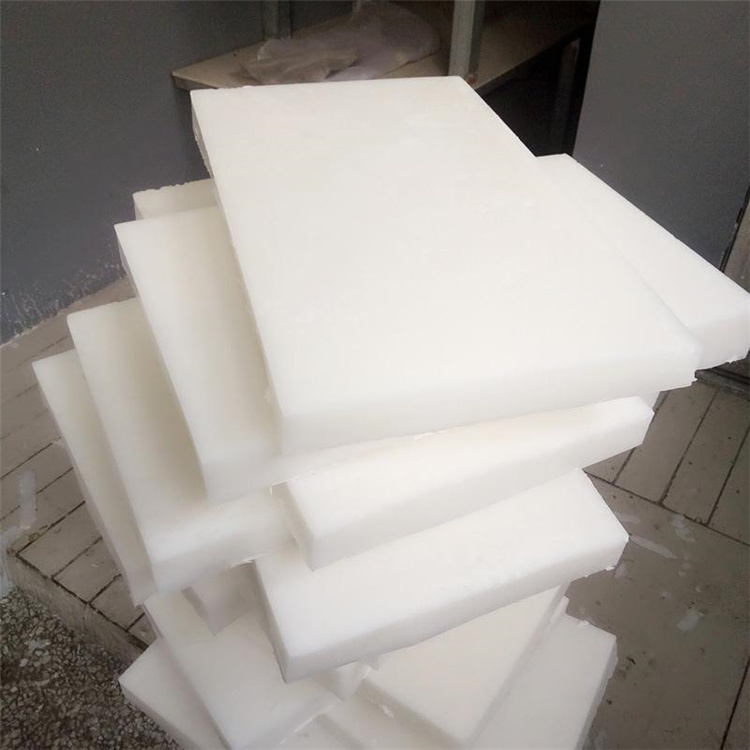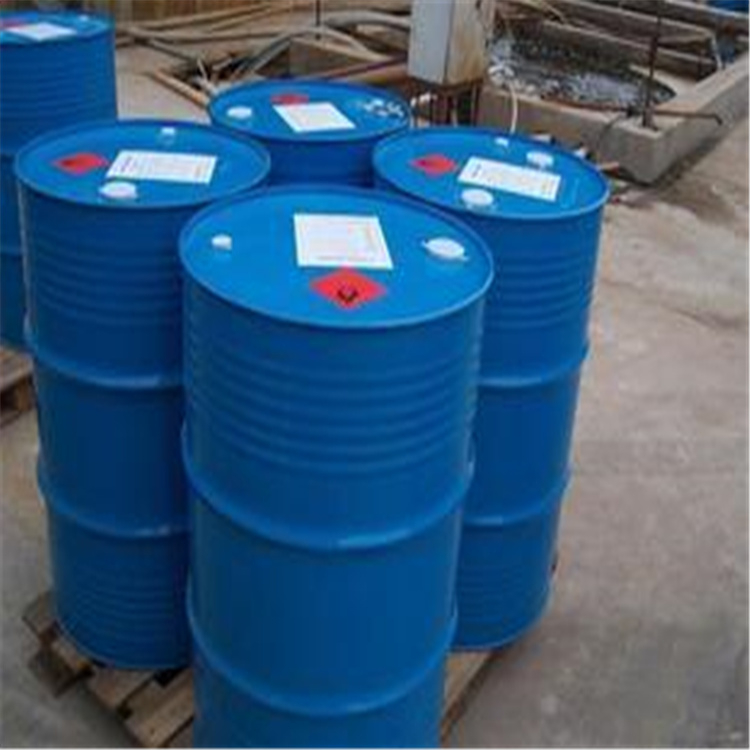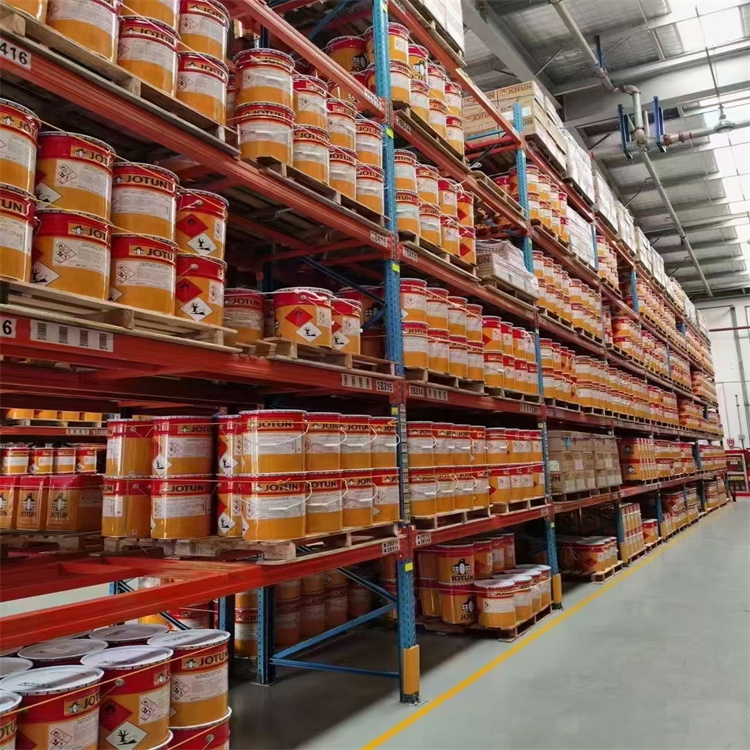


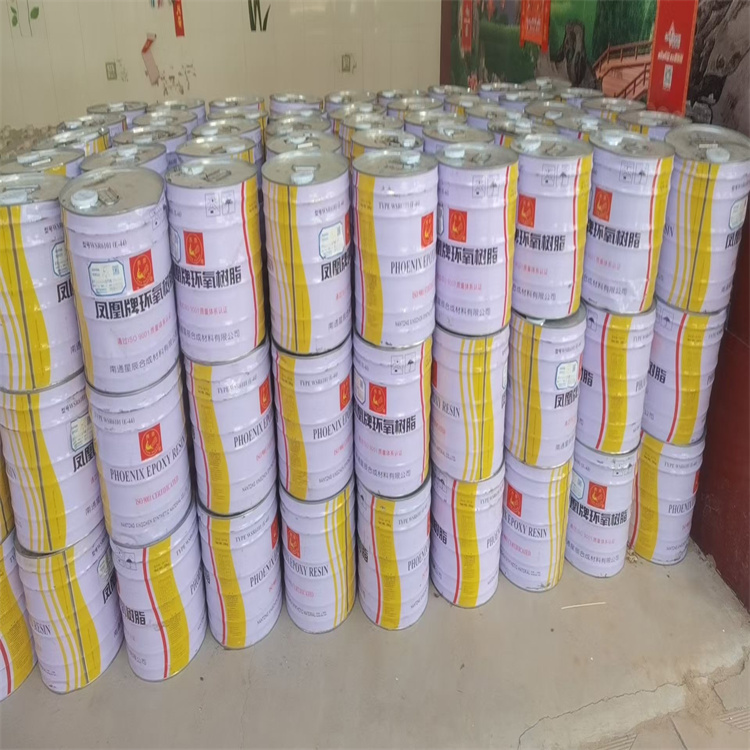
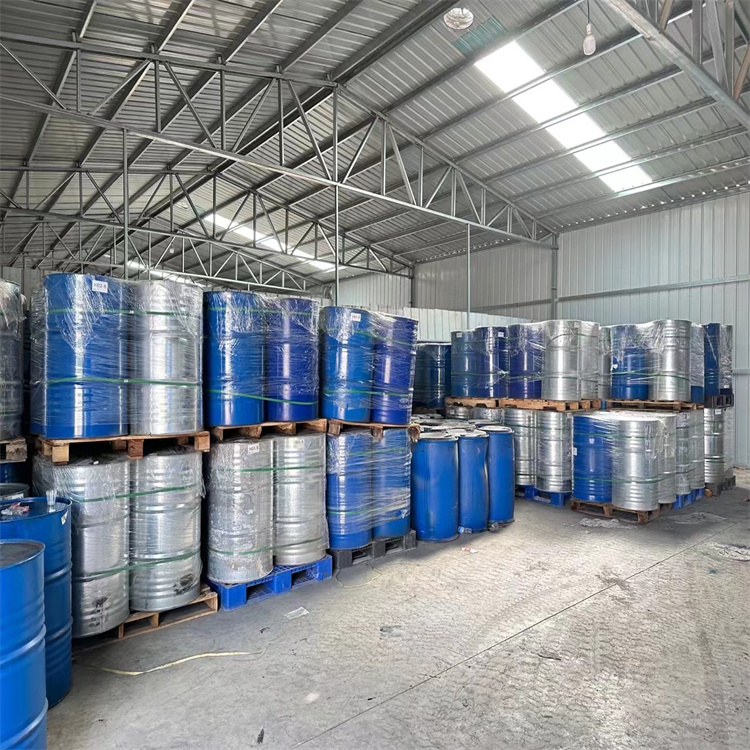
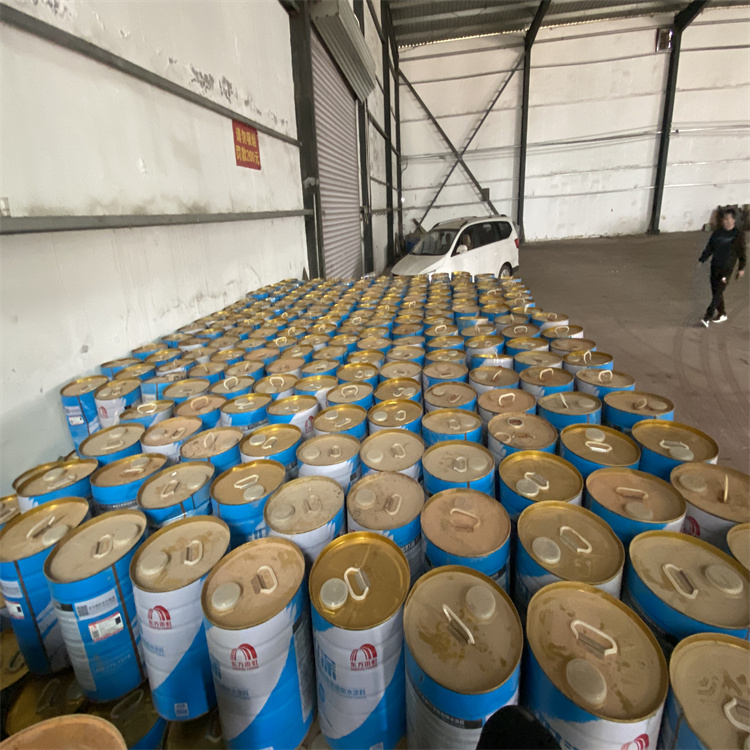











Waste ink recycling refers to the business of collecting, purchasing, or processing discarded inks or excess ink materials.
The process of recycling used ink typically involves the following steps:
1. Collection: Establish cooperative relationships with recycling companies or related institutions, printing plants, packaging factories, and suppliers of printing materials to collect waste inks or leftover ink substances.
2. Categories: Classified according to the type and properties of inks, such as solvent-based inks, water-based inks, UV inks, etc.
3. Processing: Different types of waste ink require different treatment methods. Solvent-based inks can be processed and recycled through distillation and solvent recovery. Water-based inks can be treated through water treatment and filtration. UV inks can be processed with UV radiation and hardeners.
4. Reuse: Processed waste ink can be reused, such as for producing recycled inks and energy recovery.
The purpose of recycling used ink is to reduce resource waste and environmental pollution, while enhancing resource utilization efficiency. Companies involved in recycling used ink must possess relevant qualifications and technology to ensure the safety and reliability of the recycling and processing process. Additionally, compliance with relevant laws and regulations is necessary during the recycling process to ensure the safety of the environment and public health.