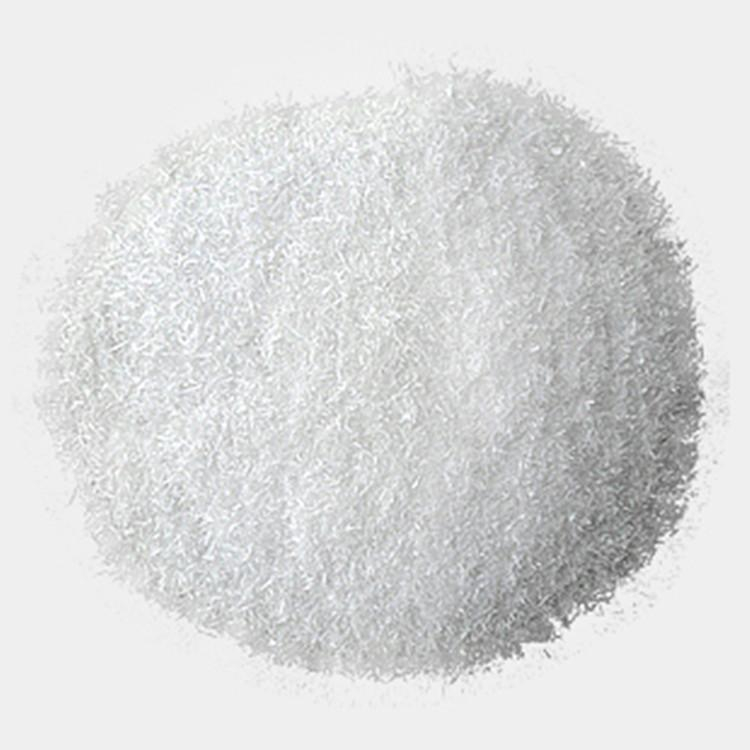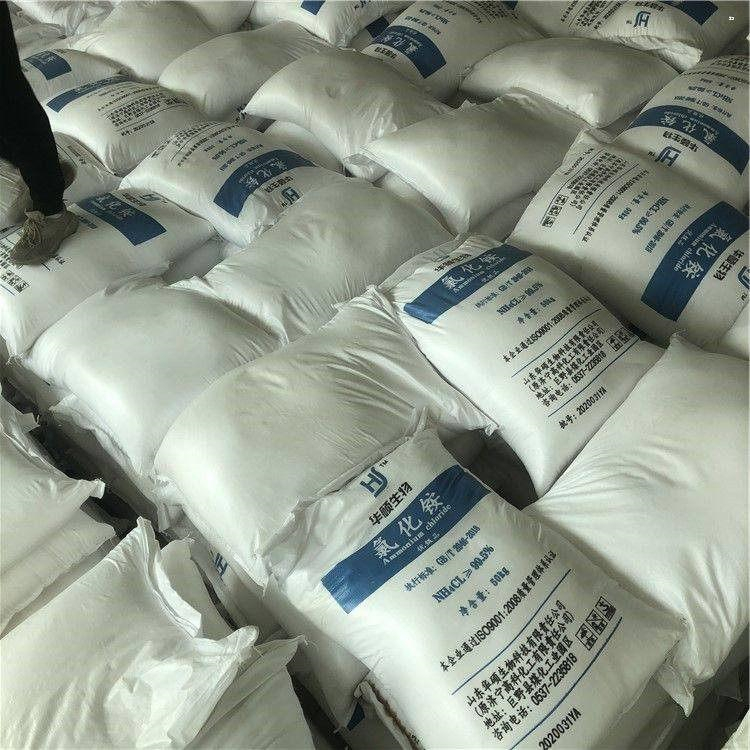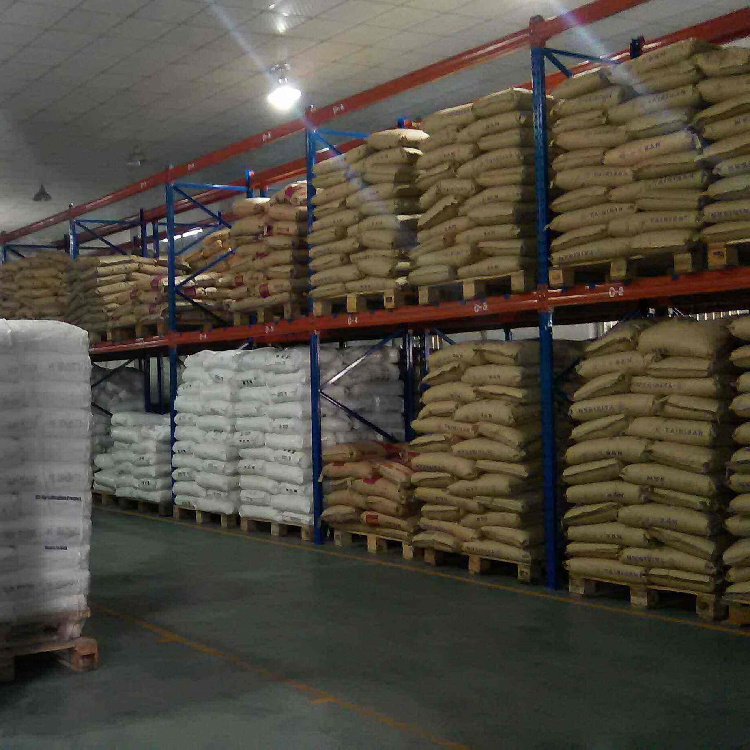












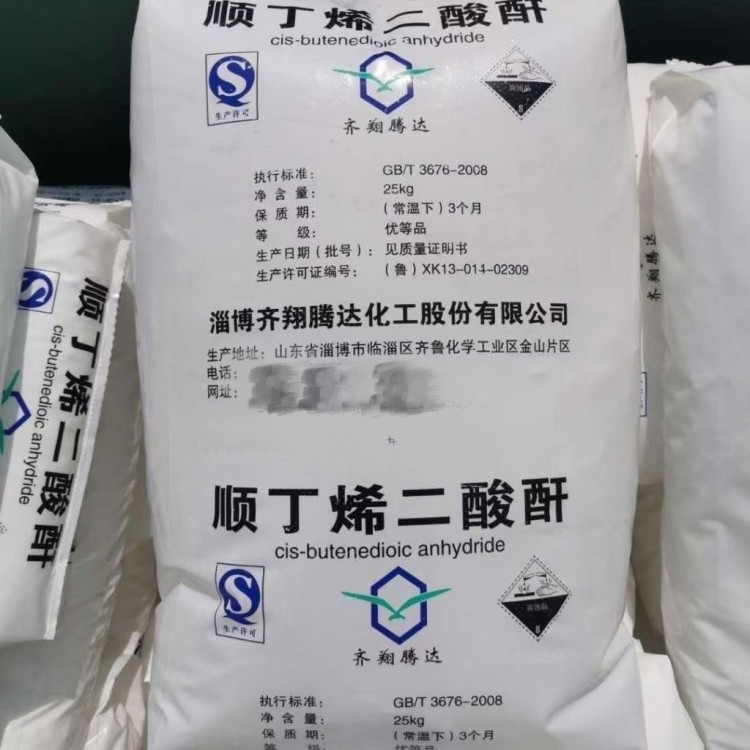

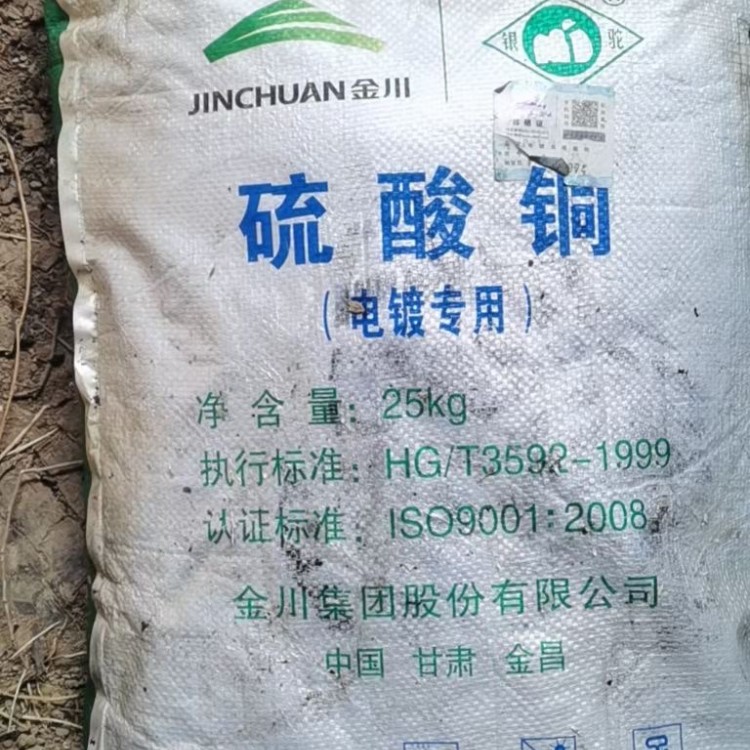
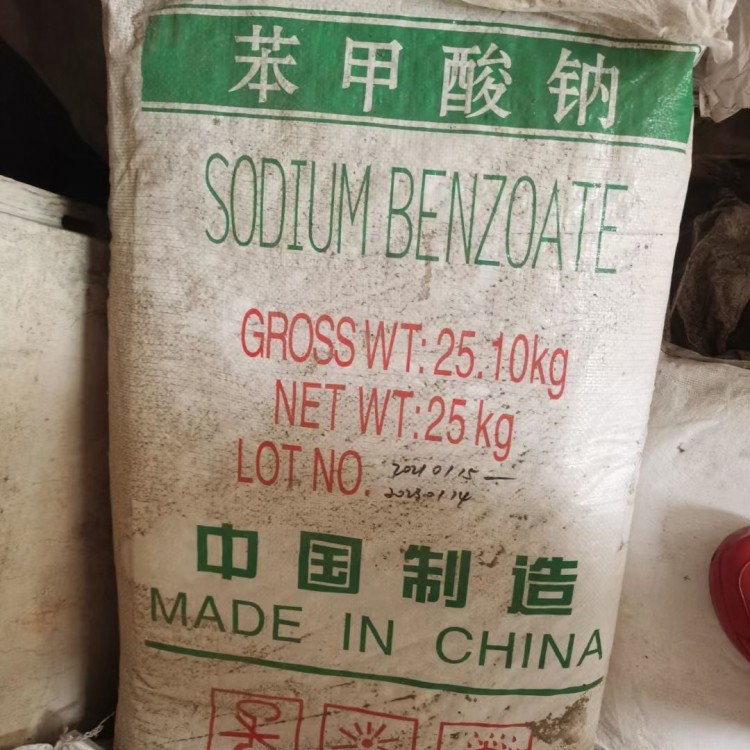
Potassium Iodide Recovery refers to the business of recycling, purchasing, or processing waste or by-products containing potassium iodide. Potassium iodide is a commonly used inorganic compound, primarily used in chemical, electronic, and other fields. It is often used in the preparation of antiseptics like iodine tincture and iodophor; in the chemical industry, potassium iodide can be used as a catalyst and in electroplating; in the electronic field, it is used to produce optical glass and fiber optics.
The process of potassium iodide recovery typically includes the following steps:
1. Collection: Recycling companies or relevant institutions establish partnerships with manufacturers, chemical enterprises, and electronic manufacturers, etc., to collect discarded potassium iodide or surplus potassium iodide materials.
2. Inspection: The reclaimed potassium iodide will undergo quality inspection, including purity, moisture content, impurities, etc., to determine if it meets relevant standards.
3. Categories: Classified based on the quality and usage of potassium iodide, such as recyclable potassium iodide and non-recyclable waste.
4. Processing: Recyclable potassium iodide will undergo a series of processing techniques, such as purification, crystallization, and drying, to ensure its quality and purity. Waste materials will be disposed of in an environmentally friendly manner, including chemical neutralization, incineration, landfilling, or other treatment methods.
5. Reuse: Processed potassium iodide can be reused in the production of pharmaceuticals, chemical products, electronic devices, etc., to achieve resource recycling.
The purpose of potassium iodide recovery is to reduce resource waste and environmental pollution, while also enhancing resource utilization efficiency. Companies involved in potassium iodide recovery must possess relevant qualifications and technology to ensure the safety and reliability of the recovery and processing process.