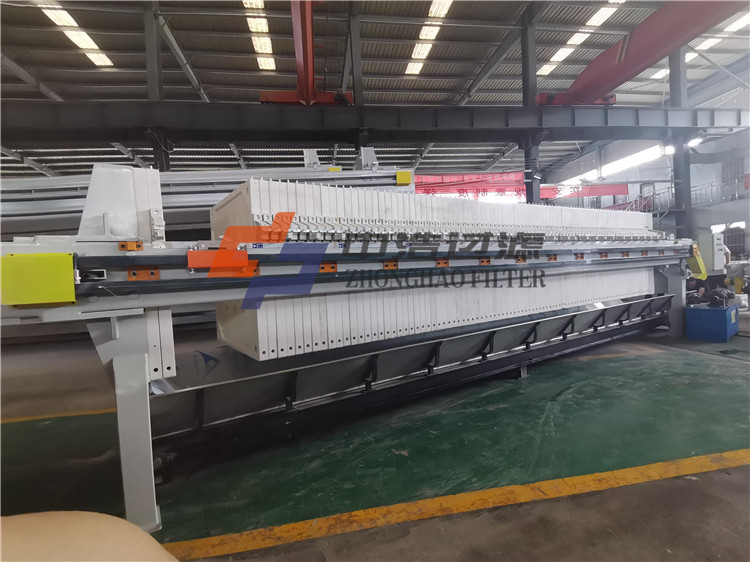

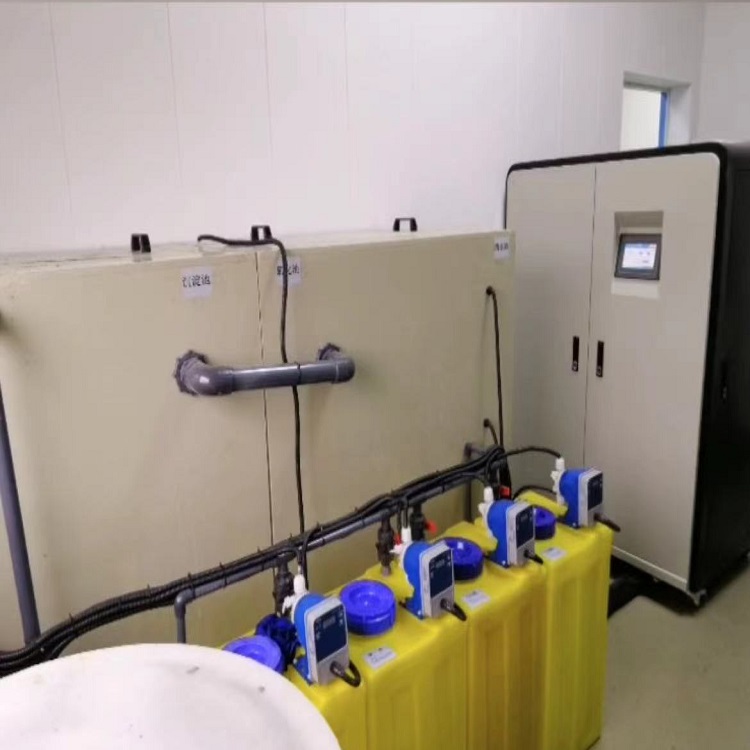

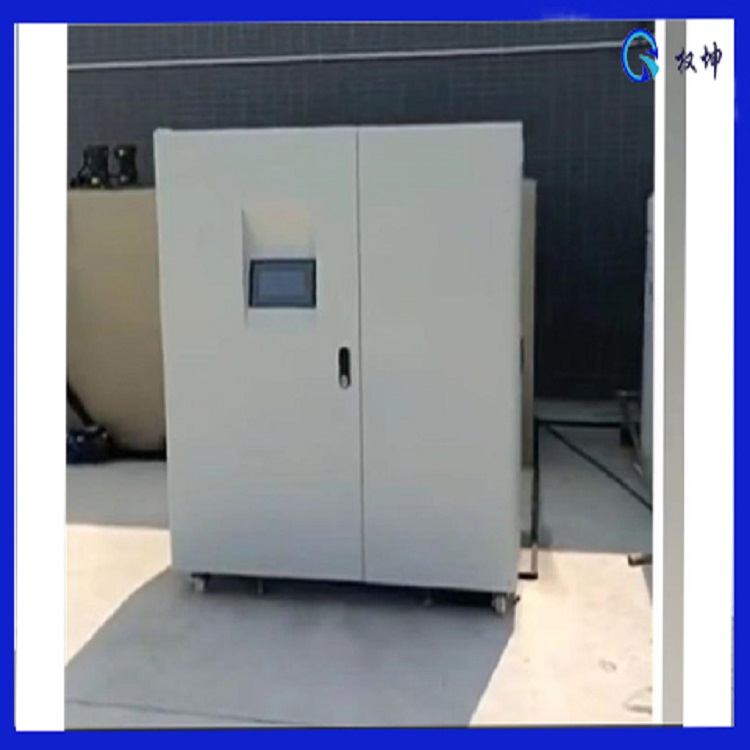
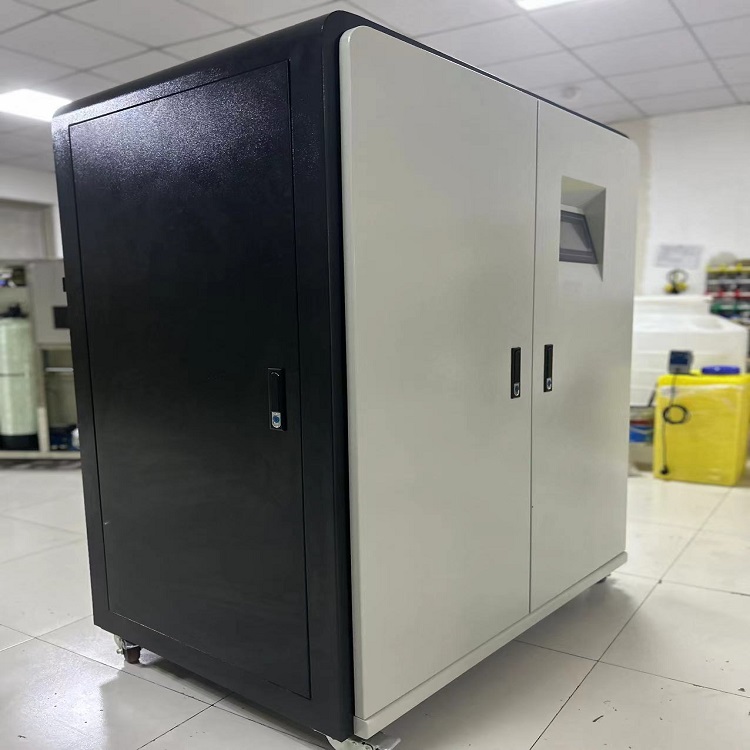


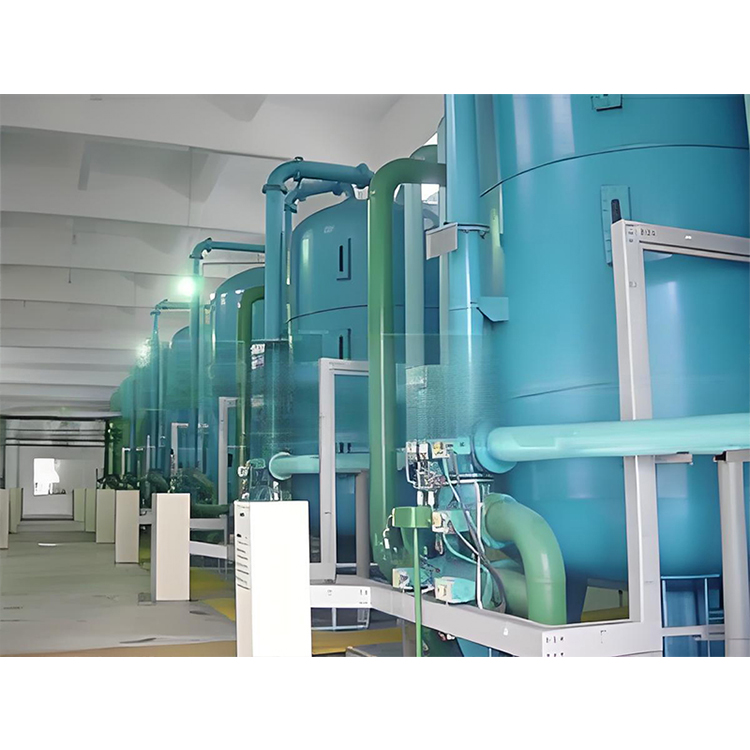
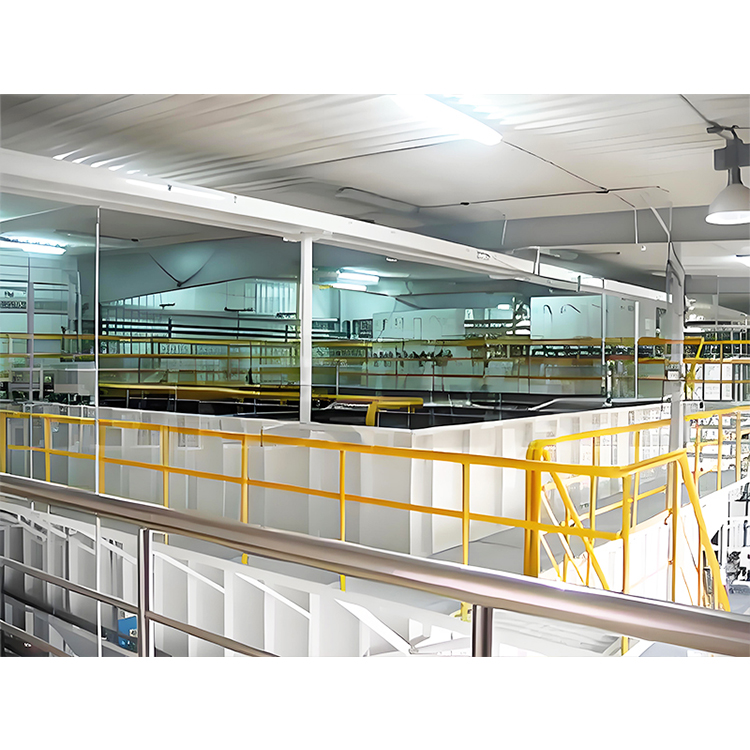
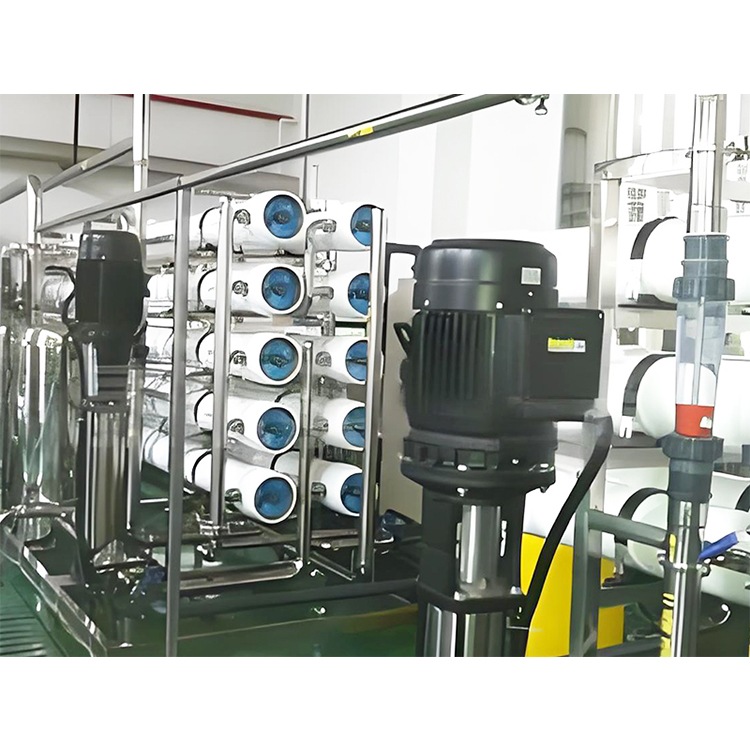
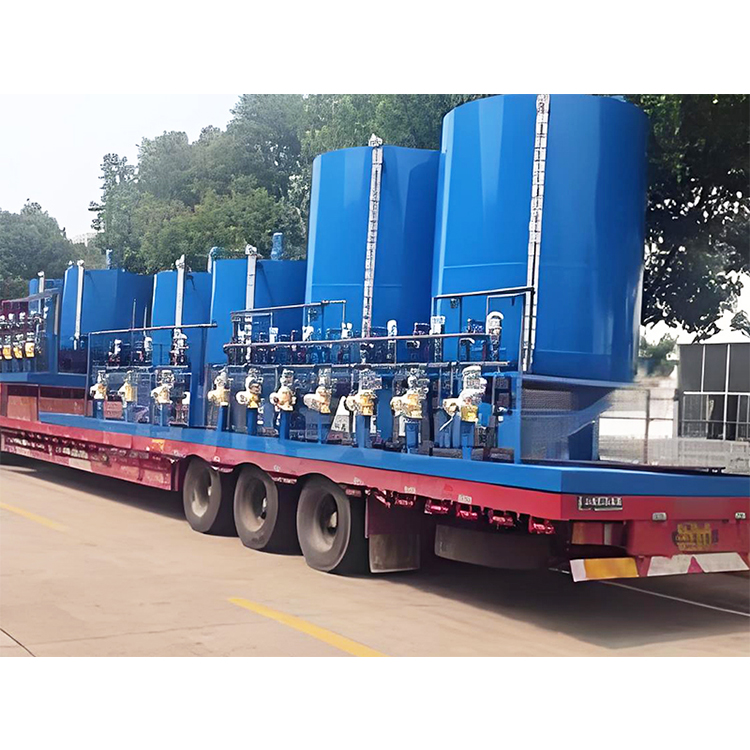





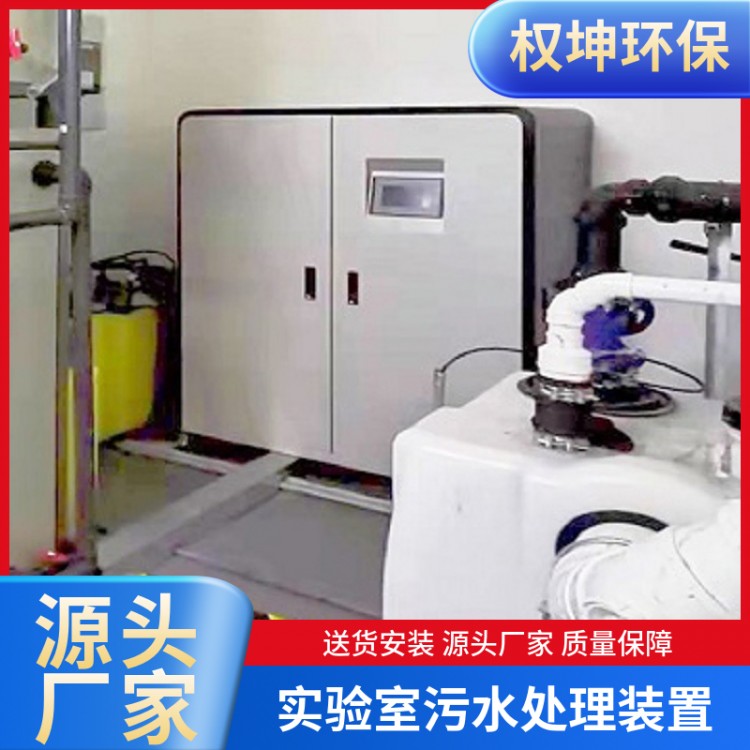
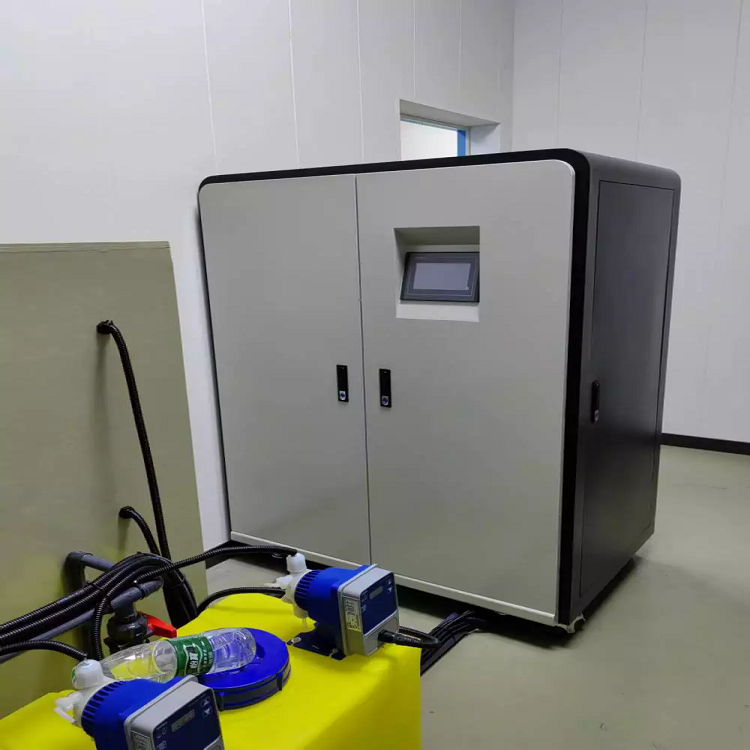
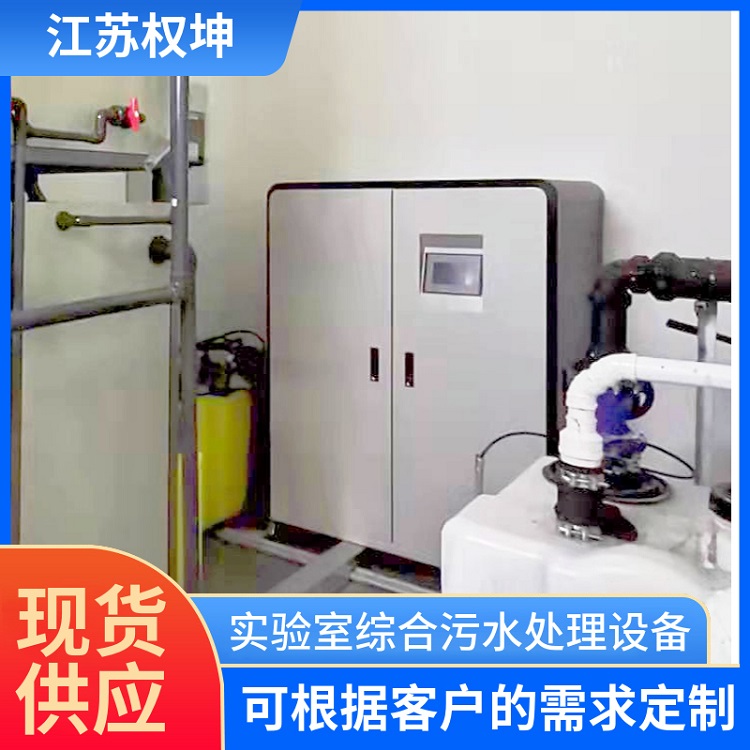
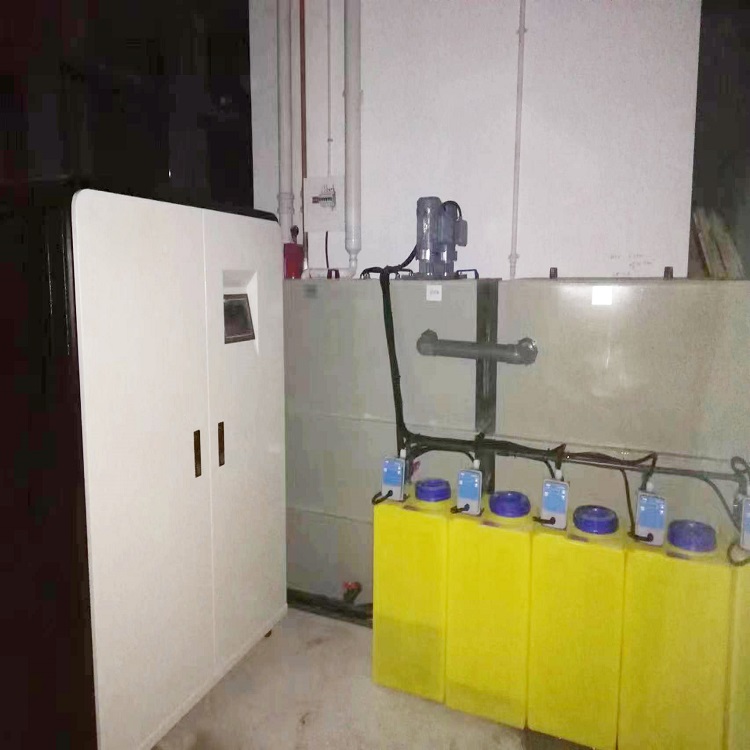
Laboratory wastewater treatment equipment - Quankun carbon steel material integrated sewage treatment equipment
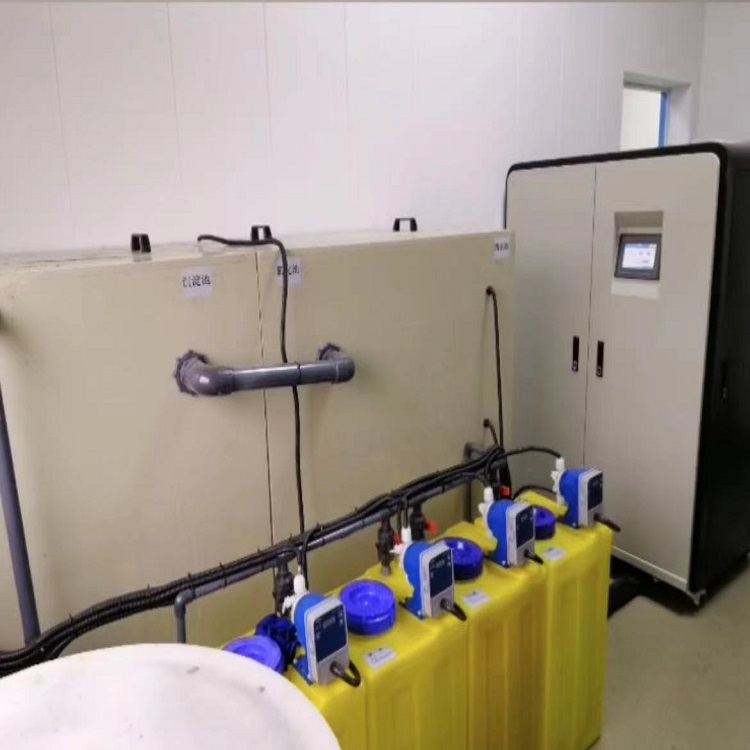
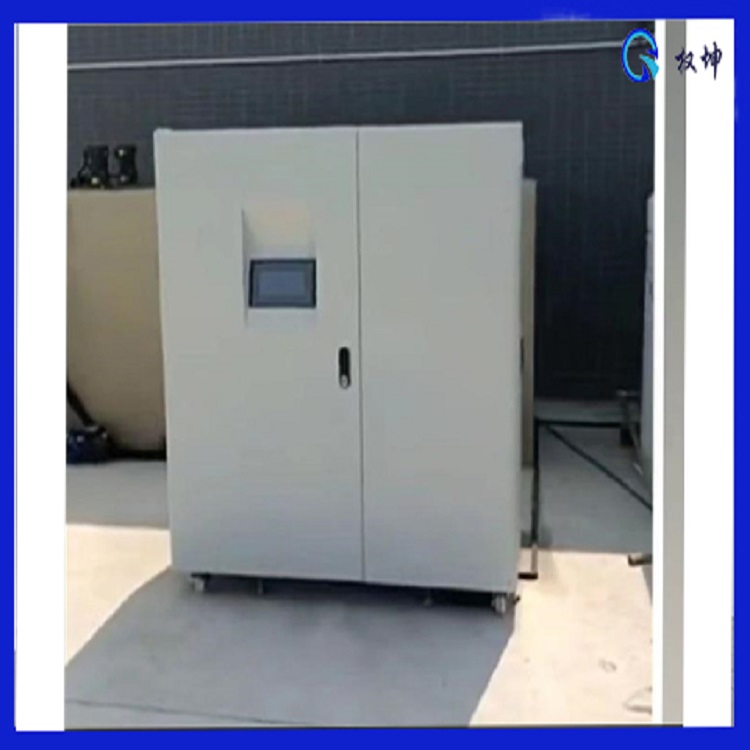
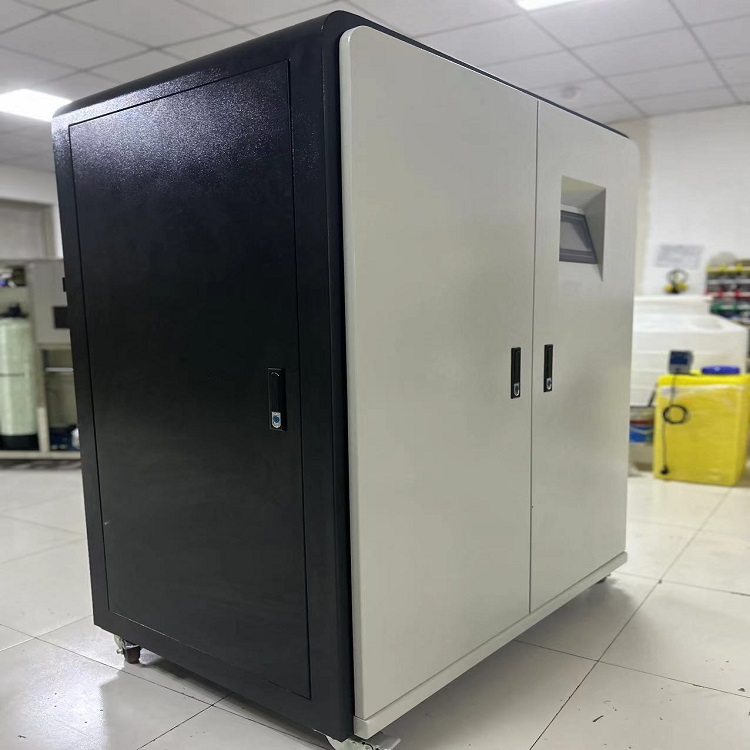
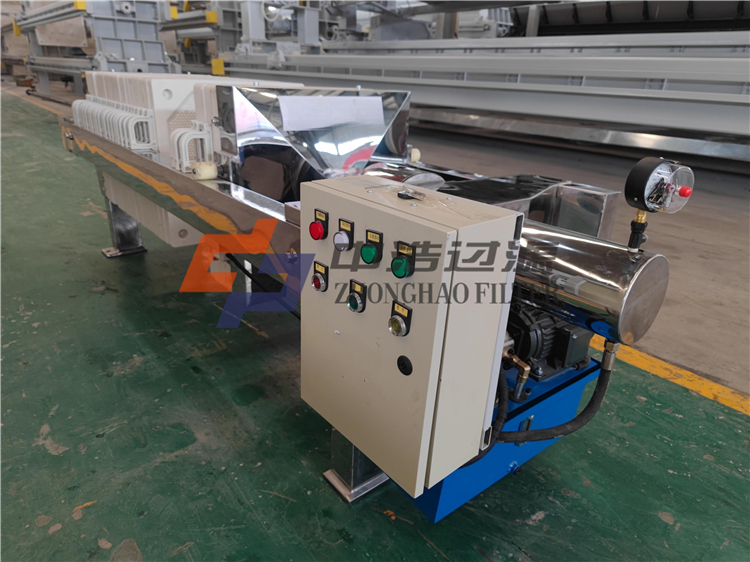
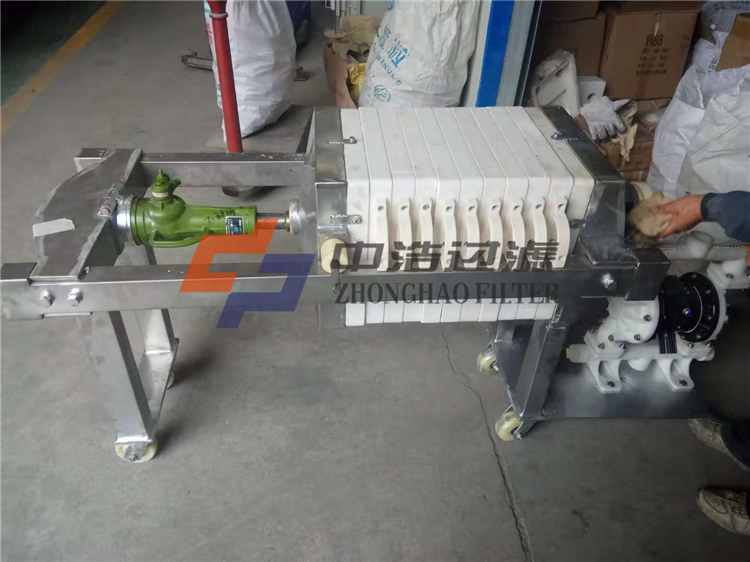
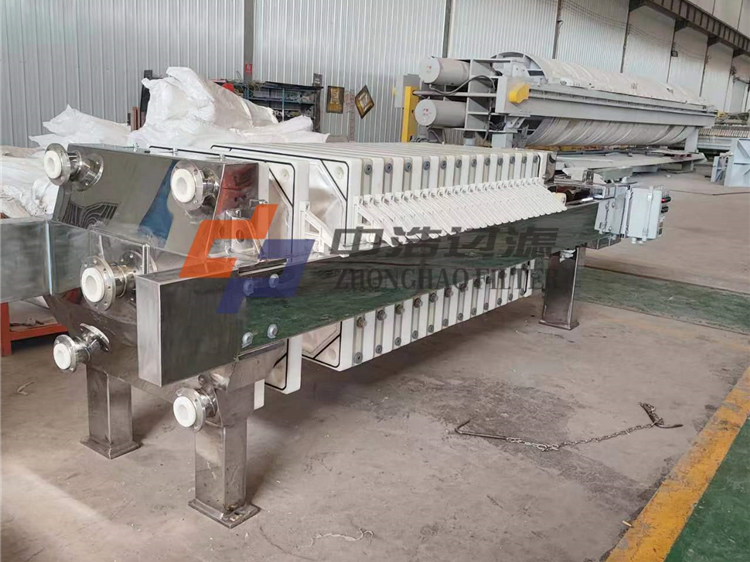
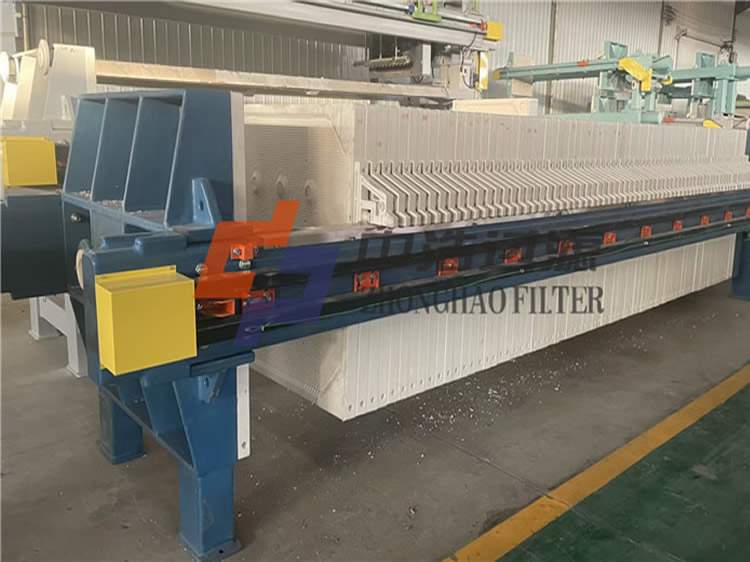
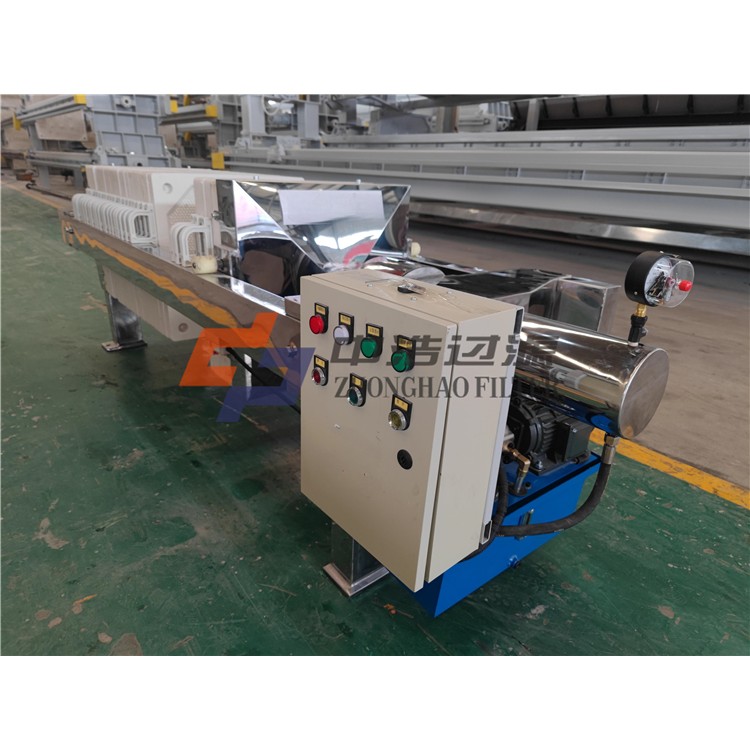
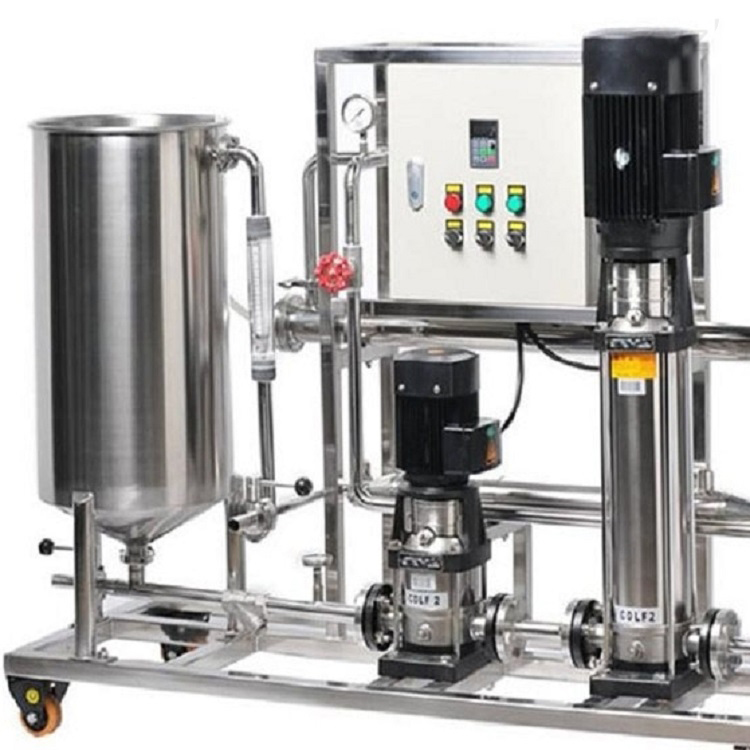
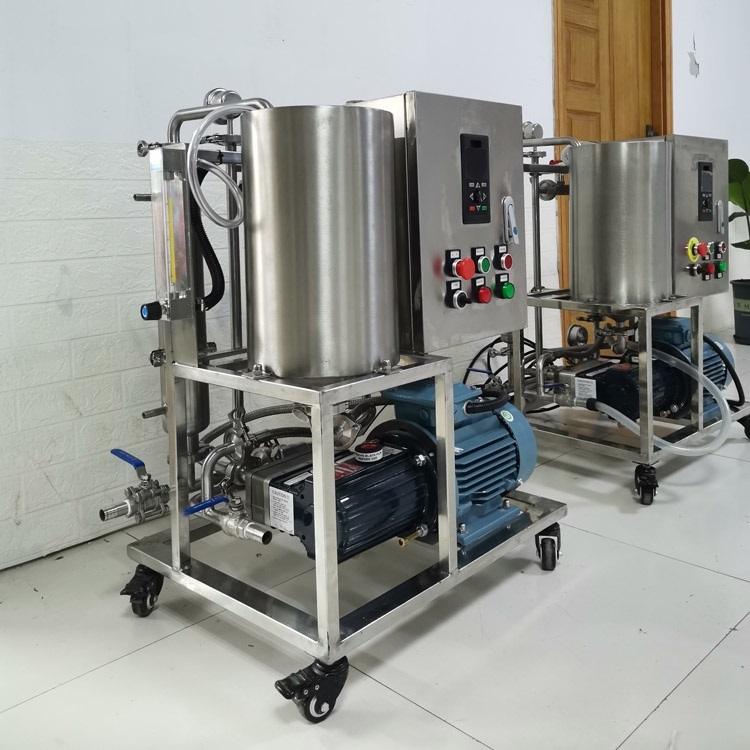
The laboratory wastewater treatment equipment consists of a waste water collection unit, manual/automatic adjustment unit, pretreatment unit, automatic dosing unit, coagulation/flocculation aeration mixing unit, flocculation aid sedimentation unit, sedimentation separation unit, solid-liquid separation unit, sludge drying unit, heavy metal capture unit, filtration absorption unit, optional active micro-electrolysis treatment unit, biological oxidation unit, and photo-catalytic oxidation reaction technology treatment unit. The entire process is advanced, simple, and efficient. The process design takes into account the need for sufficient reaction time in the wastewater treatment phase from the outset, ensuring complete removal of harmful components. The process, reaction tank volume, and reaction time of each unit have been scientifically calculated and tested. The entire system's treatment process is set according to national standards or customer specifications, ensuring full automation and treatment effectiveness. The system operates using a PLC programmable control system and a human-machine interface operating system, with optional remote monitoring and operation (multiple water quality parameters can be automatically monitored online. The control system automatically calculates based on the composition and concentration of different laboratory wastewater, then automatically dosing reagents in proportion, without the need for manual addition or supervision.)
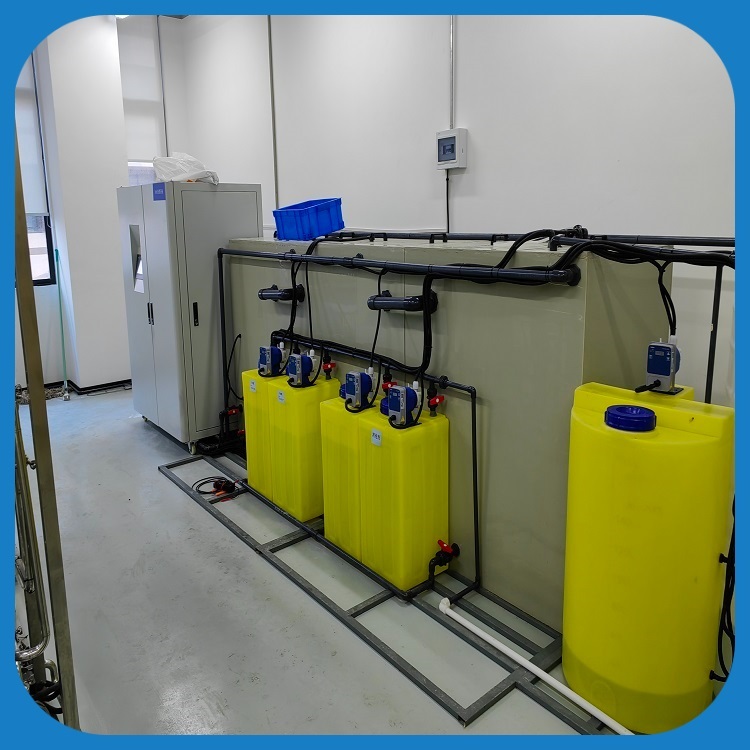
Equipment Features:
Wastewater Collection System: The laboratory wastewater treatment equipment must first be equipped with an efficient wastewater collection system. This system should quickly collect and transport various types of laboratory wastewater to the treatment equipment, ensuring no leakage occurs.
2. Wastewater and Solid-Liquid Separation: Laboratory wastewater often contains a significant amount of solid particles, such as试剂瓶(reagent bottles), tissues, etc. The treatment equipment must utilize processes like wastewater and solid-liquid separation to separate solid materials from the liquid in the wastewater, making it easier for subsequent treatment.
3. Biodegradable and Chemical Treatment: The laboratory wastewater contains a large amount of organic matter, such as drug residues and chemical reagents. The equipment should employ biodegradable and chemical treatment technologies to convert the organic substances in the wastewater into harmless materials. During the biodegradation process, microorganisms degrade the organic substances, breaking them down into water to remove the organic matter. Chemical treatment further degrades the remaining organic substances in the wastewater by adding appropriate chemicals, such as oxidizing agents and pH adjusters.
4. Heavy Metal Removal: Laboratory wastewater may also contain high levels of heavy metal ions, such as lead and mercury, posing serious threats to both the environment and human health. The equipment should be equipped with heavy metal removal technology, such as adsorption, precipitation, or electrochemical precipitation methods, to remove heavy metal ions from the wastewater, ensuring the environmentally safe discharge of wastewater.

Remote Monitoring Advantages of Laboratory Wastewater Treatment Equipment:
a. Remote Desktop Access: Synchronize viewing of the remote user interface screen, allowing the use of local mouse and keyboard to operate the remote device's user interface as if it were a local machine.
b. Remote File Management: Allows for remote modification and execution of files, facilitating shared resources between connected endpoints for remote office operations and more.
c. Remote Command Control: Remote power on, remote power off, remote restart, remote log off, lock local or remote programs, etc.
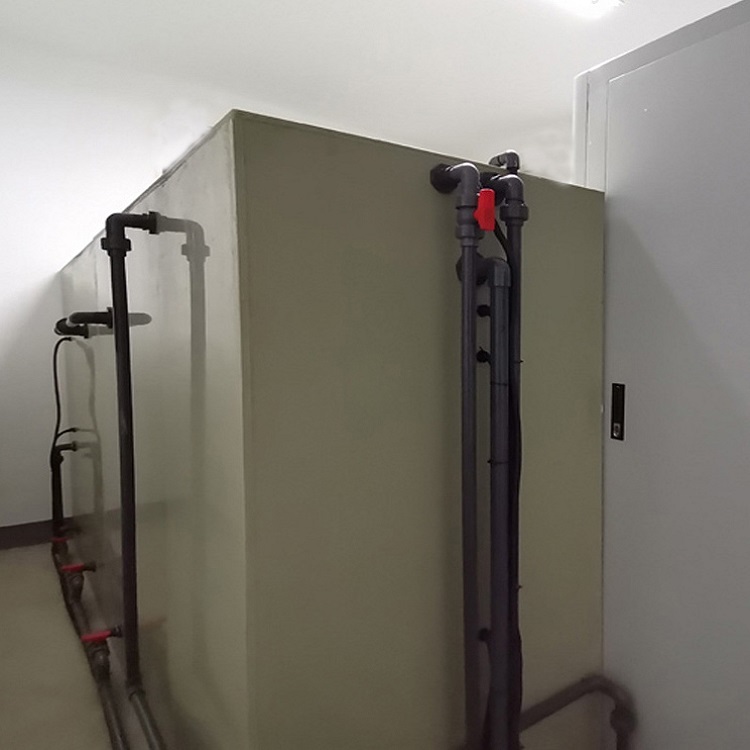
Laboratory wastewater treatment equipment - Quankun, carbon steel material, integrated sewage treatment equipment
Application Range:
The comprehensive laboratory wastewater treatment equipment is a highly technological, automated, and efficient system with a small footprint, easy operation and management, and no need for dedicated staff. It is widely used in various industries at home and abroad, including universities, research institutions, food and drug inspections, product quality testing, disease control centers, environmental monitoring, agricultural product inspections, quarantine inspections, grain and oil testing, animal disease control, blood stations, animal husbandry, biological drugs, petrochemicals, and P1, P2, P3, and PRC laboratory enterprises. After treatment, the wastewater meets the first, second, and third-grade standards of the Comprehensive Wastewater Discharge Standard [GB8978-1996]. The treated wastewater can be discharged into the municipal sewage system or surface and river water, or it can be reused through further treatment processes.