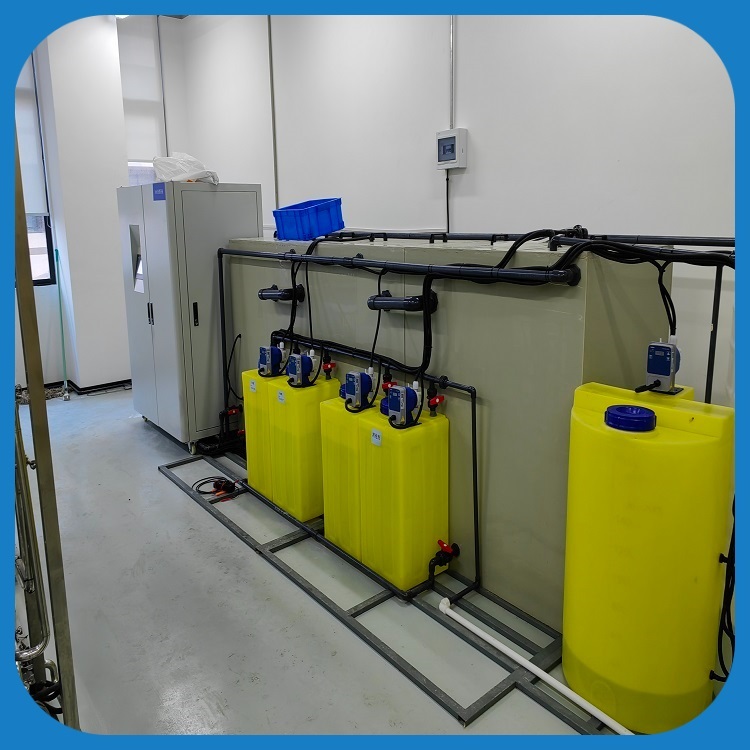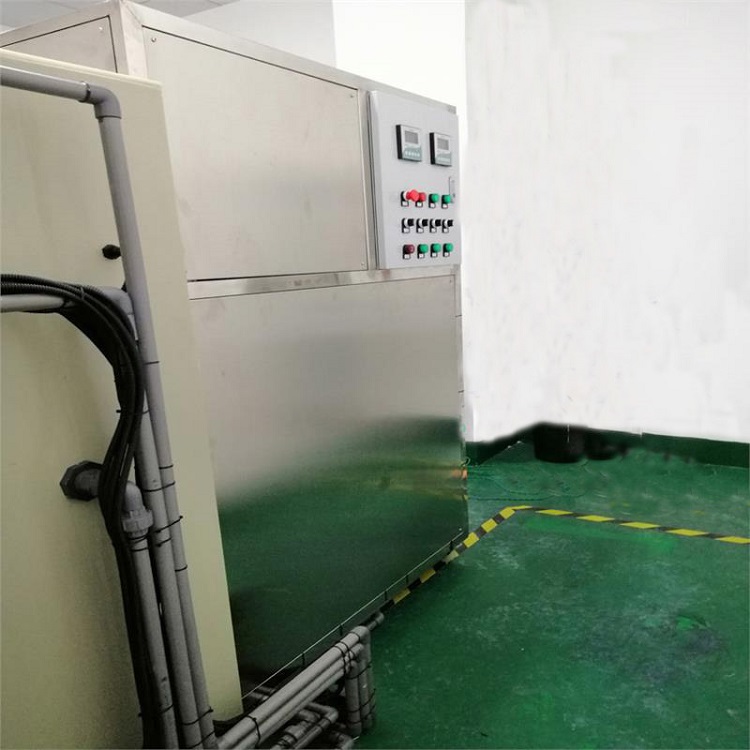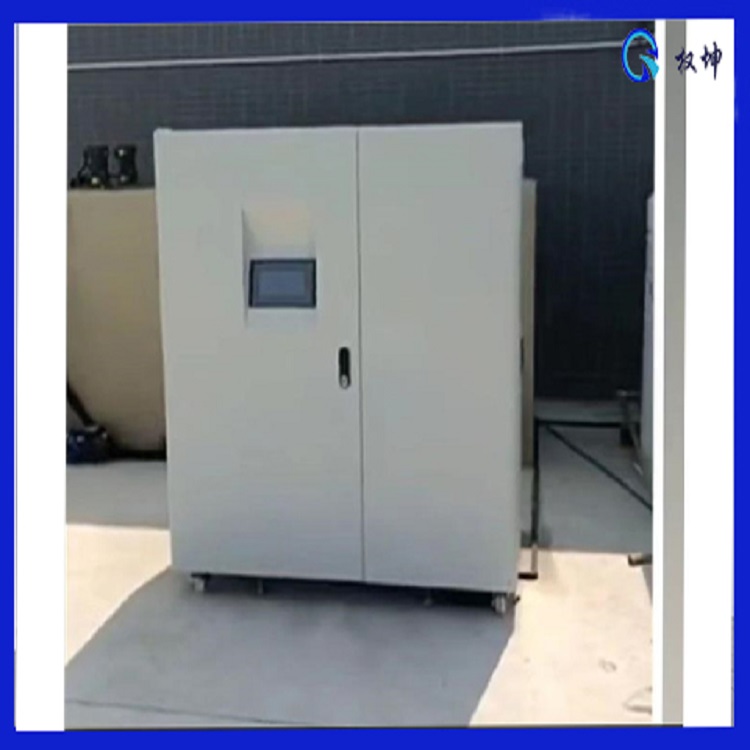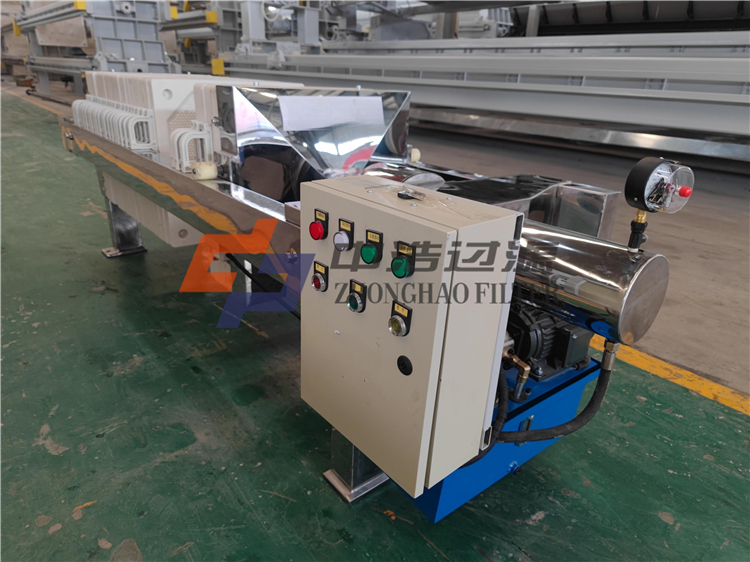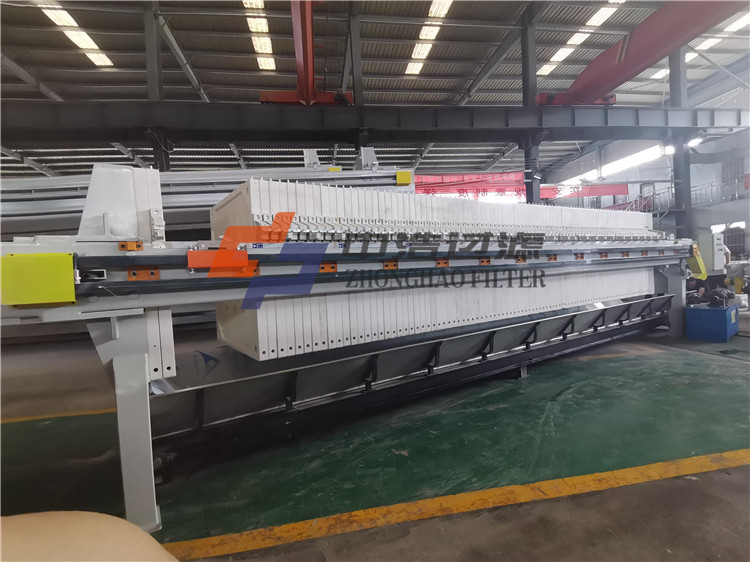

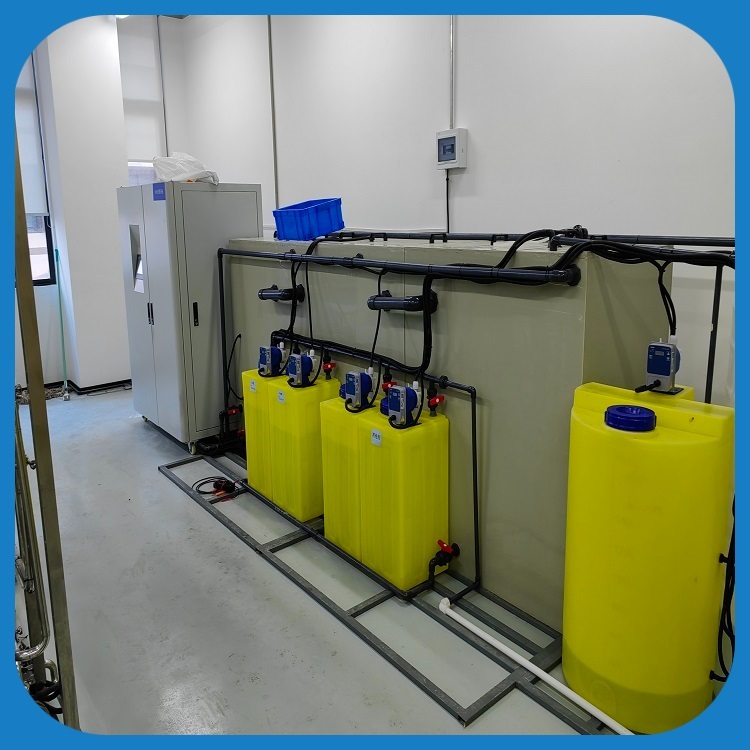

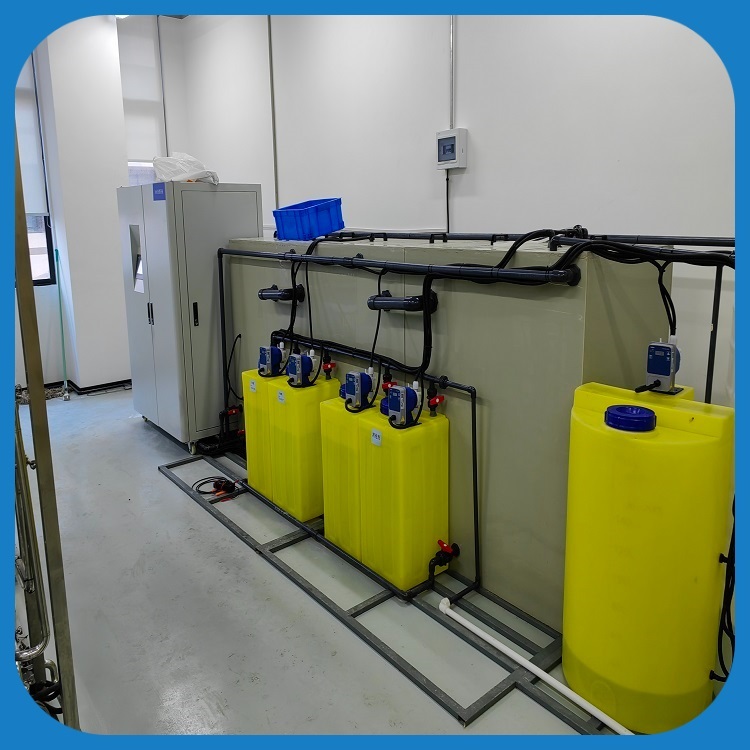
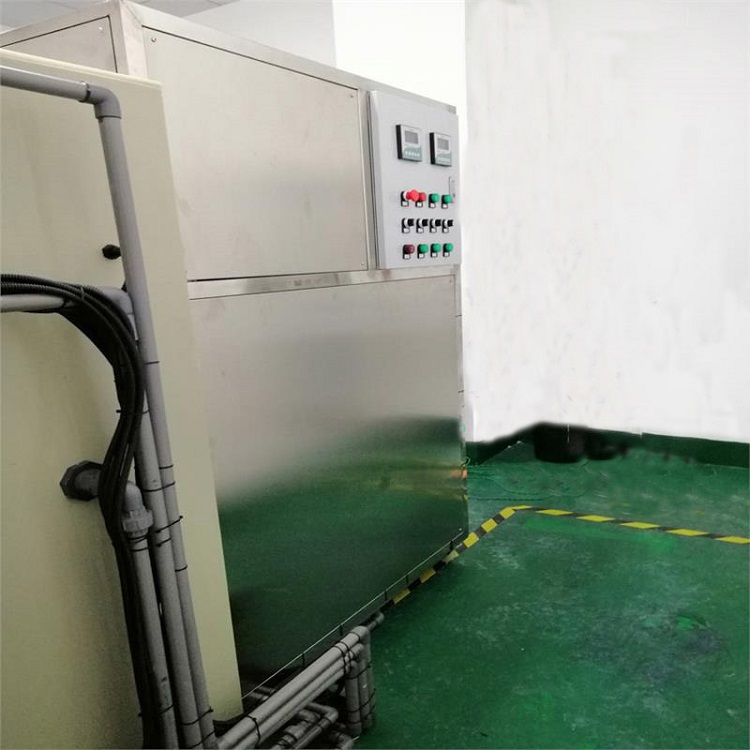
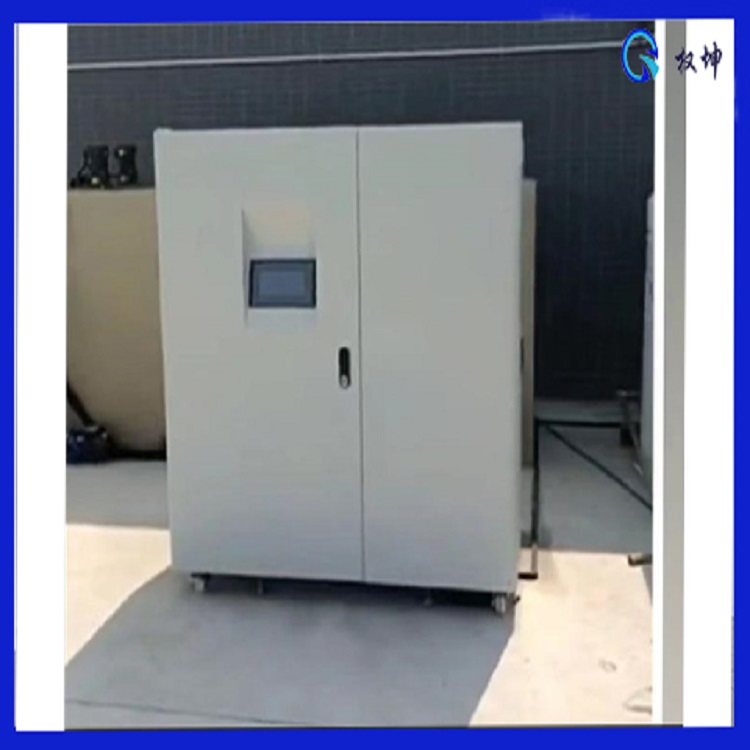


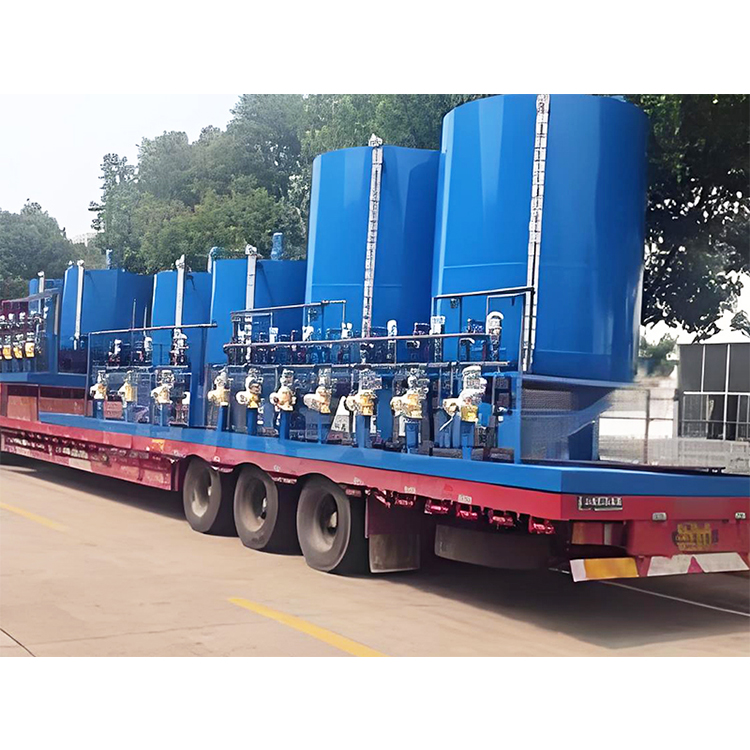
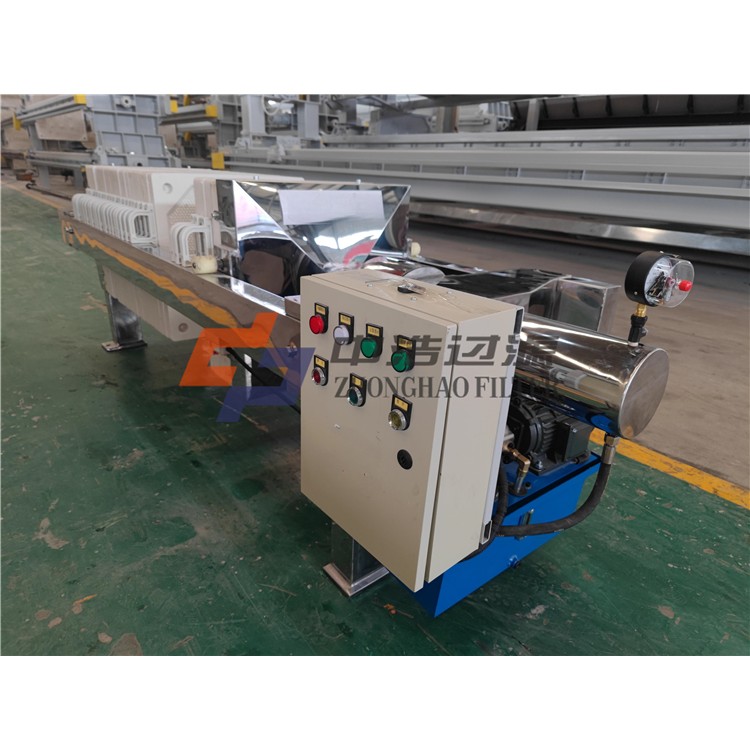





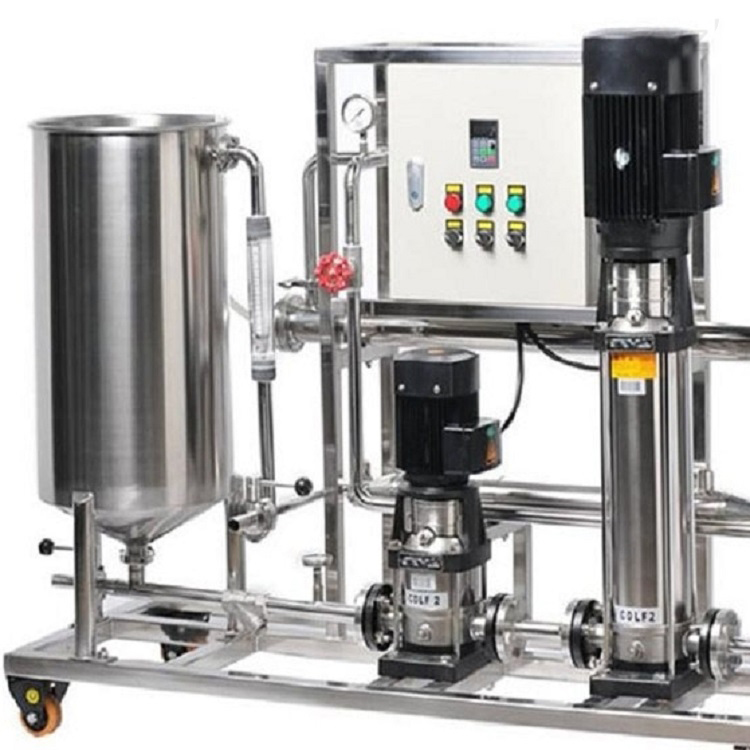
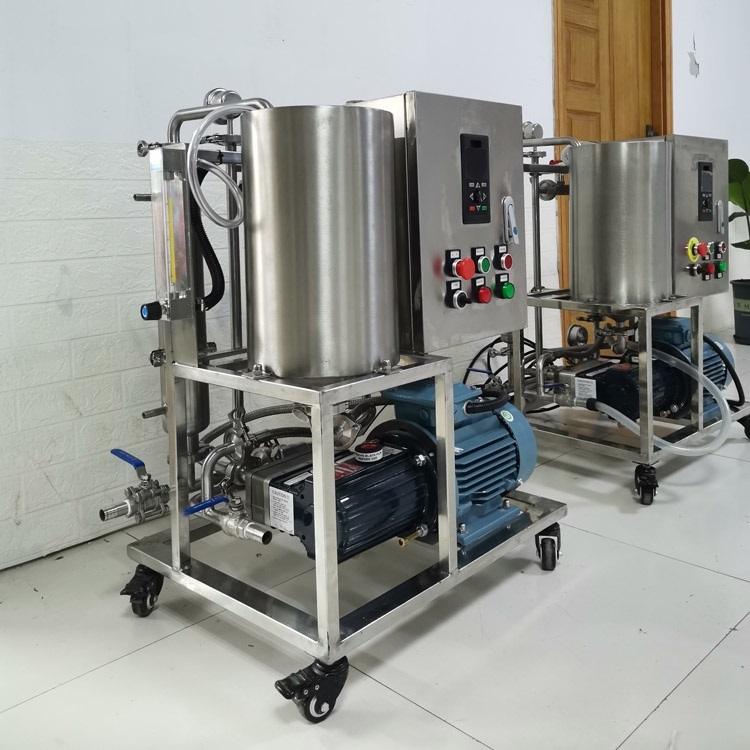
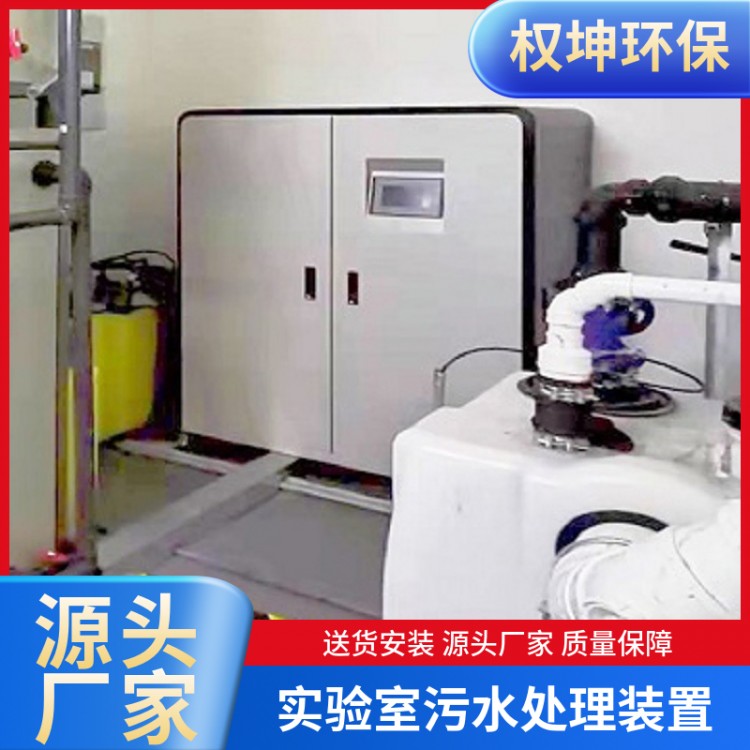
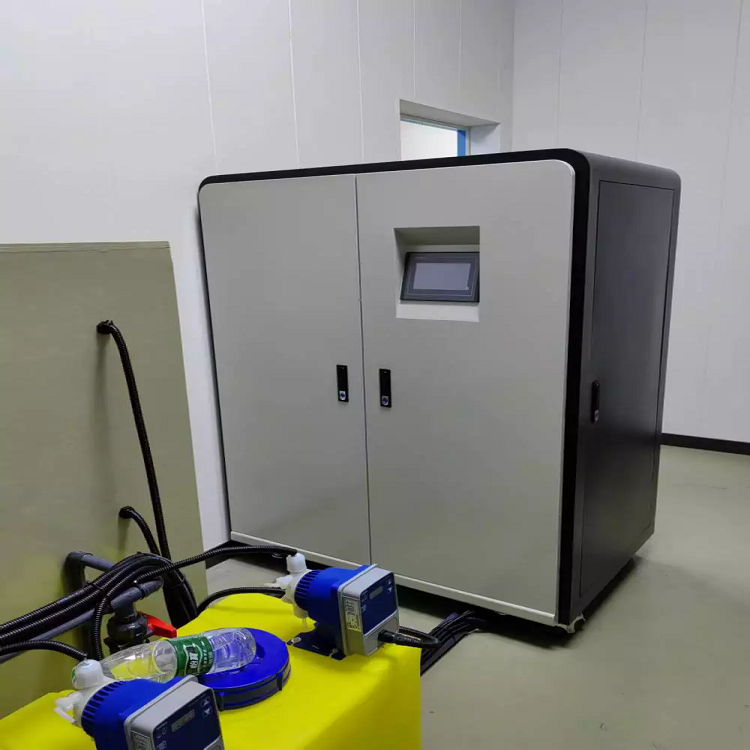
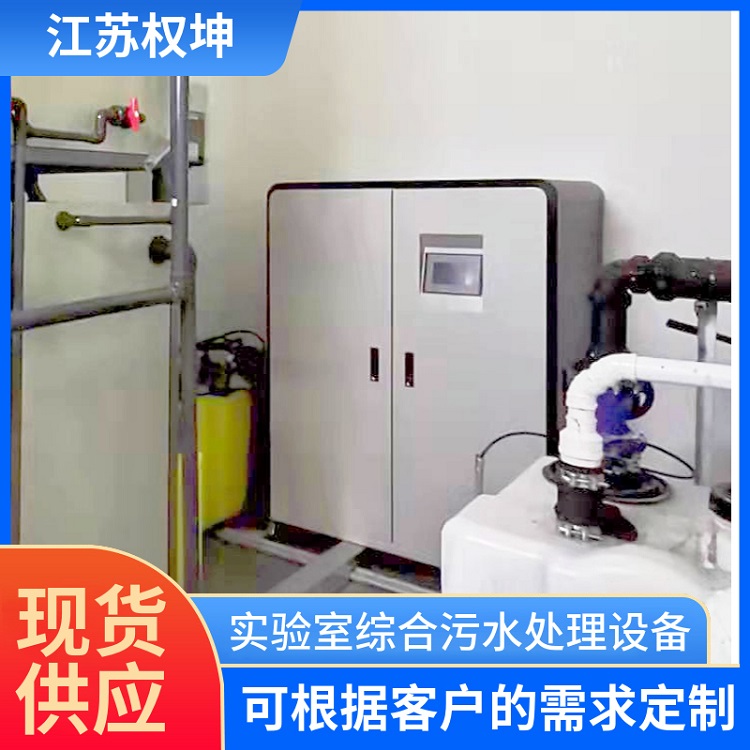
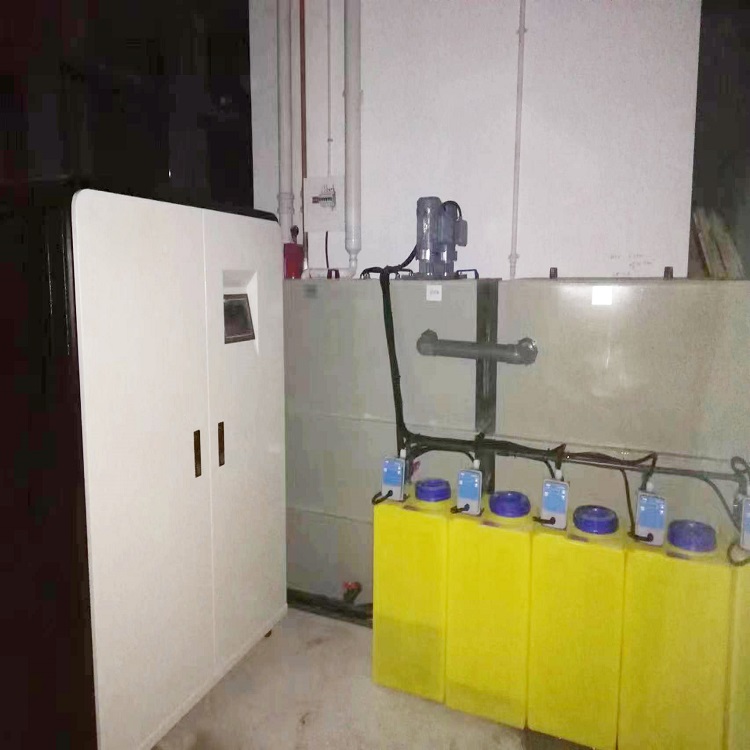
Integrated Laboratory Waste Water Treatment Equipment Introduction
Wastewater treatment equipment for laboratories plays a crucial role in environmental protection. By selecting appropriate treatment processes, applying core technologies, and upgrading equipment, heavy metal detection laboratory wastewater can be effectively treated, reducing environmental pollution. We believe that with the continuous development of science and technology, wastewater treatment equipment for heavy metal detection laboratories will have a broader development prospect and make significant contributions to global environmental protection.
Laboratory wastewater treatment equipment can effectively remove COD, BOD, SS, pigments, and heavy metal ions from wastewater. Depending on the composition of different laboratory wastewater, various treatment technologies and control systems are employed for wastewater treatment. The laboratory wastewater treatment equipment boasts advanced technology, high level of automation, no need for dedicated personnel, excellent treatment results, compact installation space, and convenient operation and management.
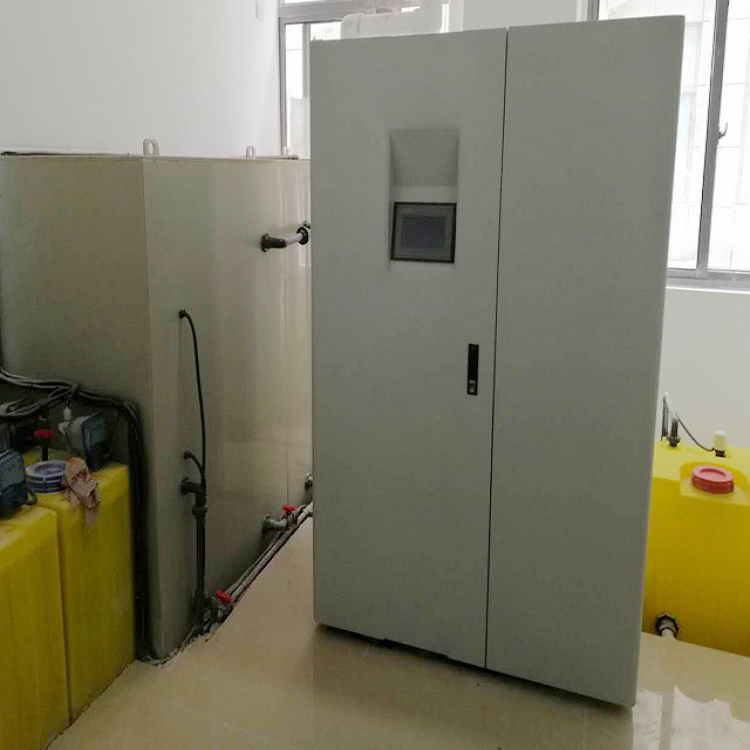
Process Flow:
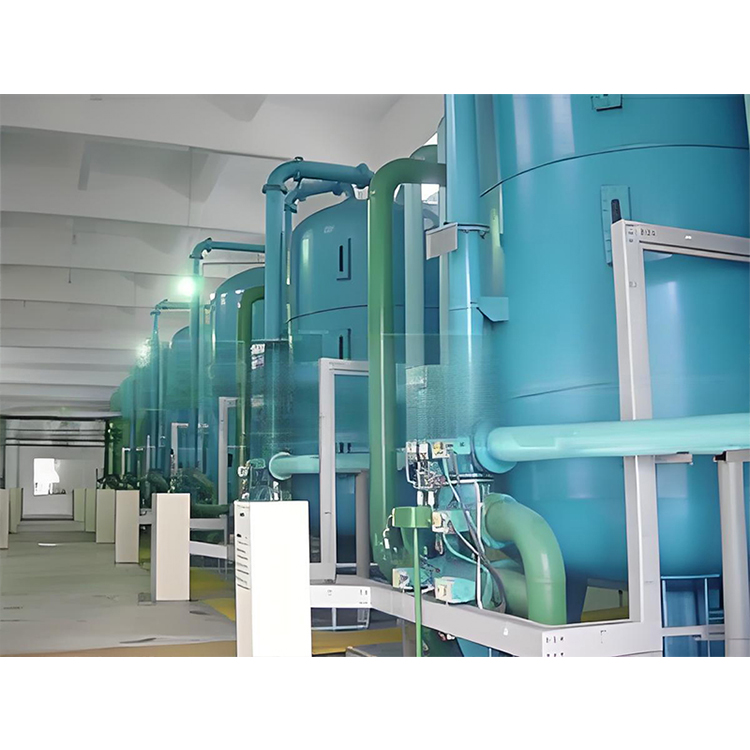
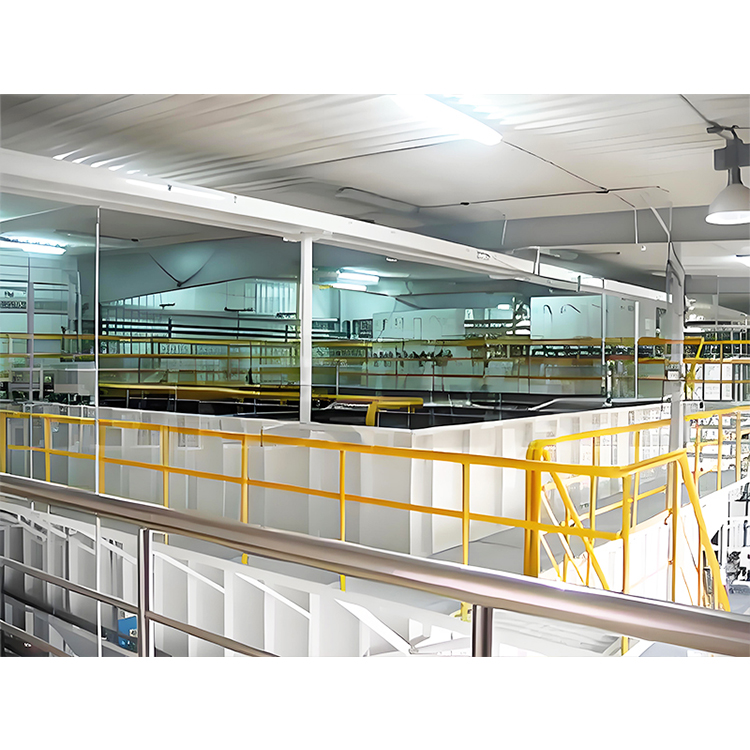
The laboratory wastewater treatment process typically includes initial filtration, sedimentation, coagulation and flocculation, sedimentation pond treatment, and activated carbon adsorption. Firstly, the primary filtration removes large particles from the wastewater. Then, the solid particles in the wastewater are sedimented to the bottom through the sedimentation process. Next, coagulation and flocculation are performed, using chemicals to aggregate fine particles in the wastewater into larger deposits. Finally, the activated carbon adsorption stage further removes heavy metal substances from the wastewater, enhancing the treatment effectiveness.
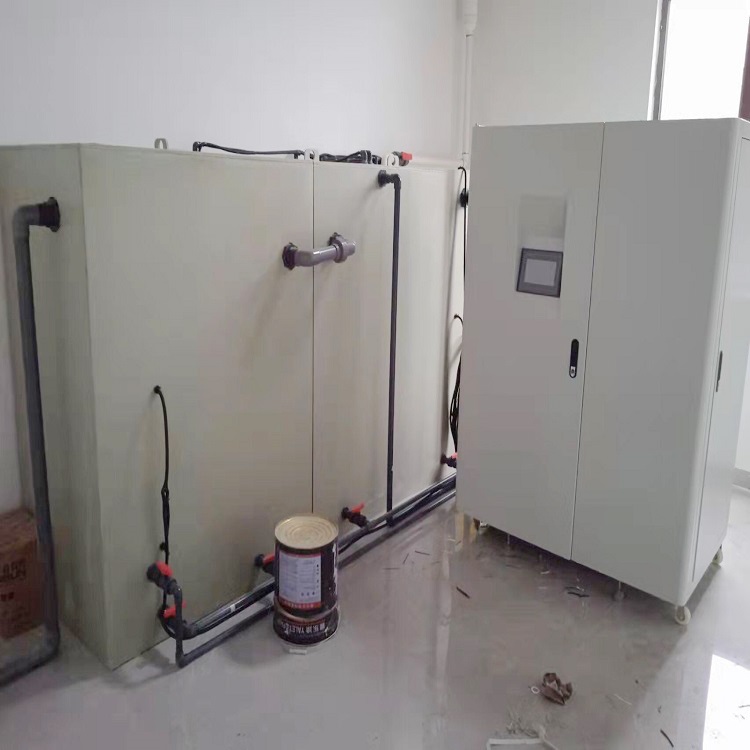
Introduction to Integrated Laboratory Waste Water Treatment Equipment
Technical Principles and Operation Process of Laboratory Wastewater Treatment Equipment:
1. Biological Treatment Technology
Biological treatment technology is an important technique in wastewater treatment equipment for scientific laboratories. By utilizing the action of microorganisms, organic matter in wastewater is decomposed into water, achieving the purpose of water purification. Common biological treatment technologies include the activated sludge process and the fixed-film biological process. The activated sludge process removes organic matter from wastewater primarily due to its high sludge activity and stable treatment effects, while the fixed-film biological process utilizes the biological film to decompose organic matter, characterized by its small area and stable biofilm.
2. Physical Processing Technology
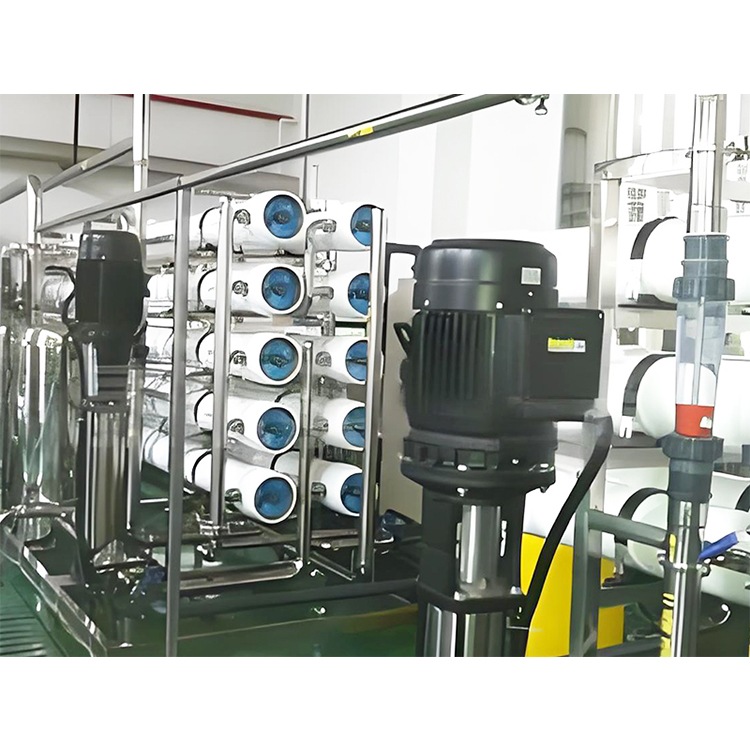
Physical treatment technology is another key technology in the wastewater treatment equipment for scientific laboratories. It removes suspended solids, particulates, and dissolved organic matter from wastewater through physical methods such as filtration, sedimentation, and air flotation, achieving the purpose of water purification. These physical treatment technologies are usually used in conjunction with other treatment techniques to enhance the water quality treatment efficiency.