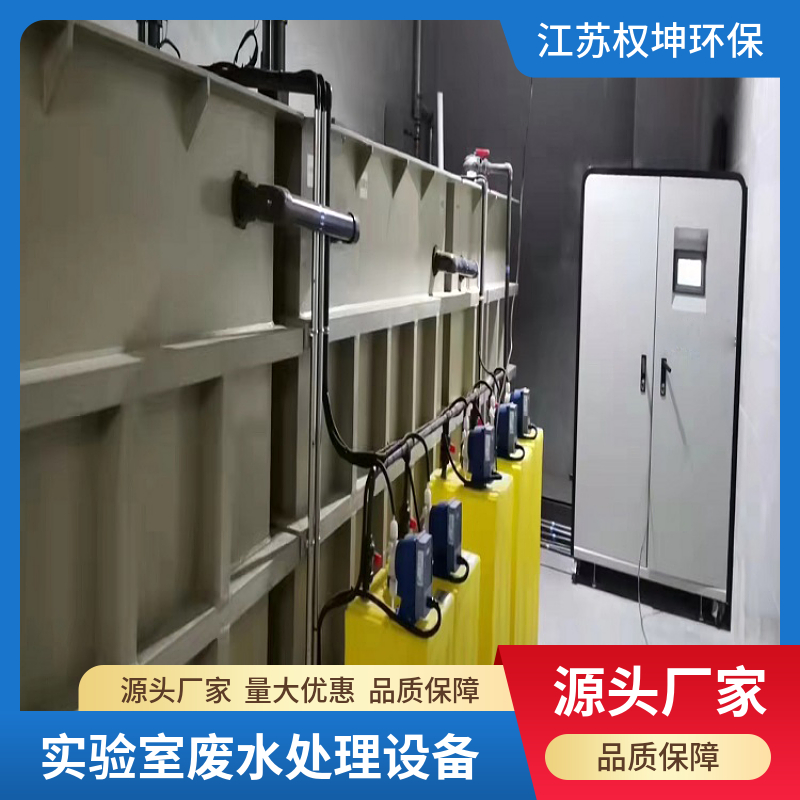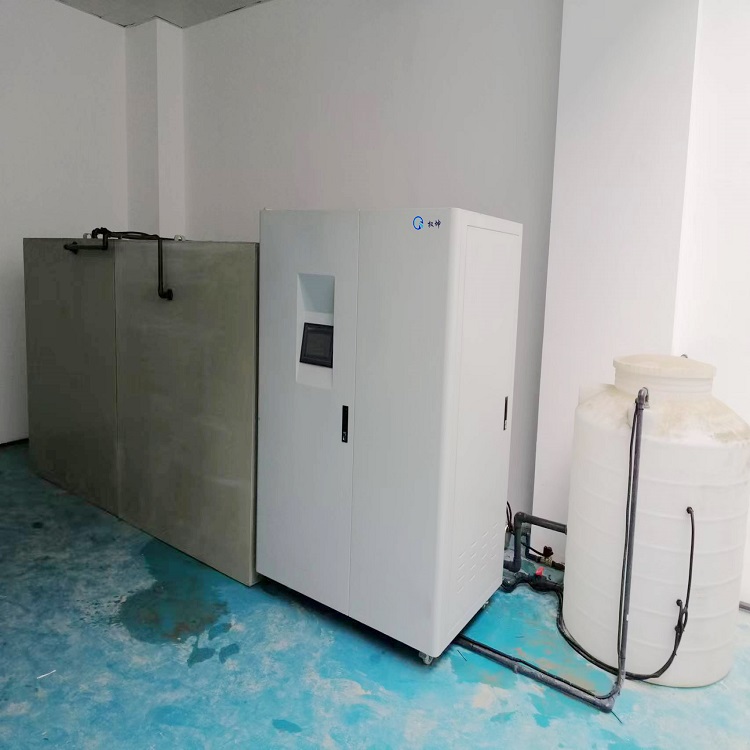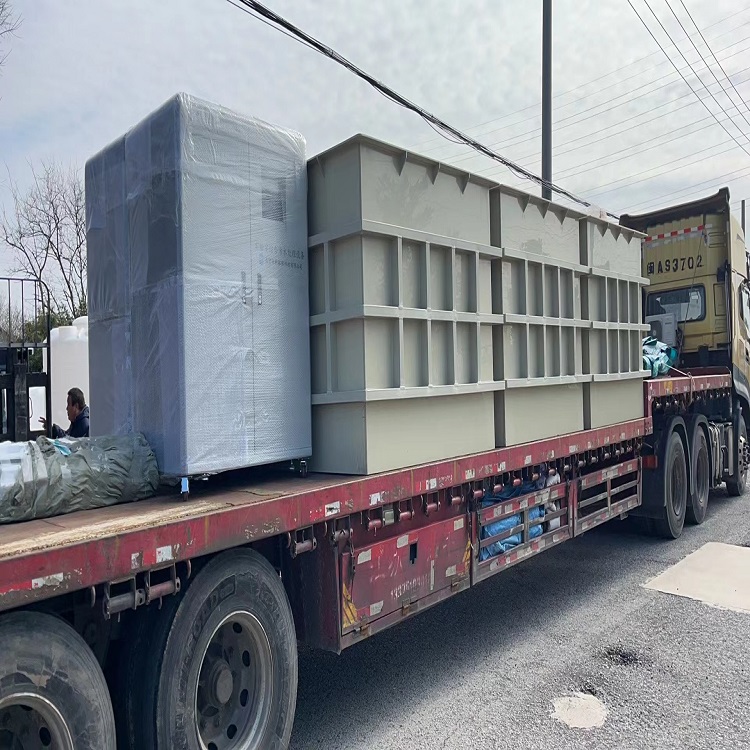

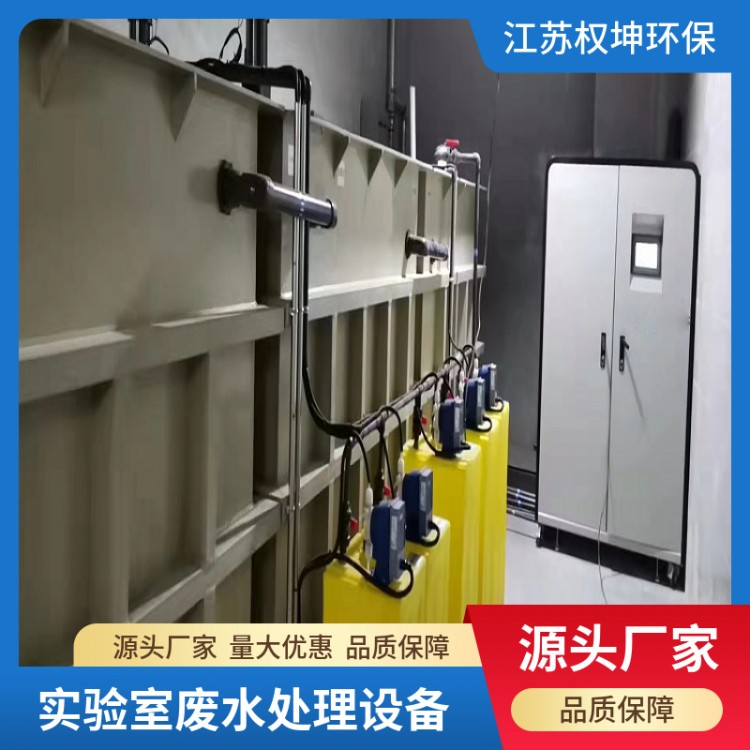

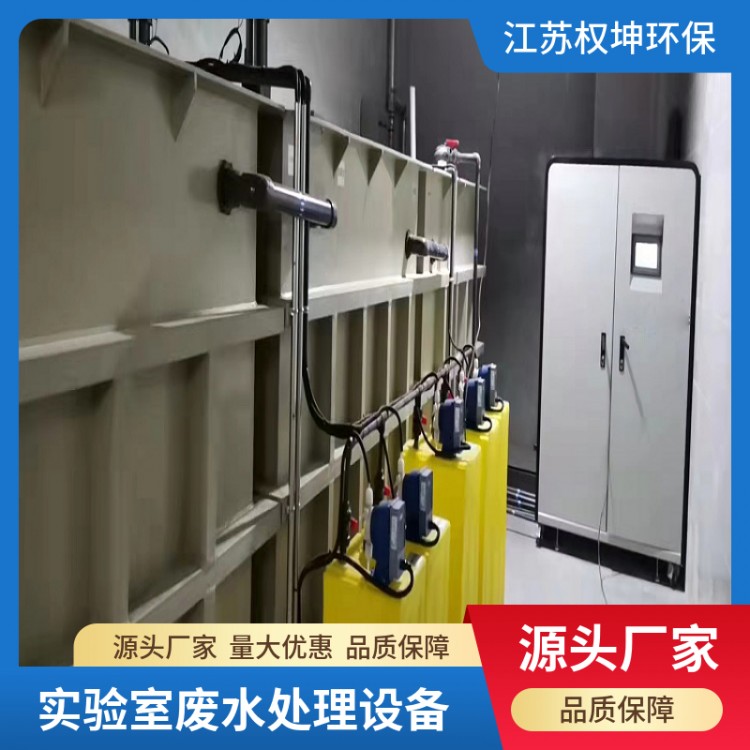












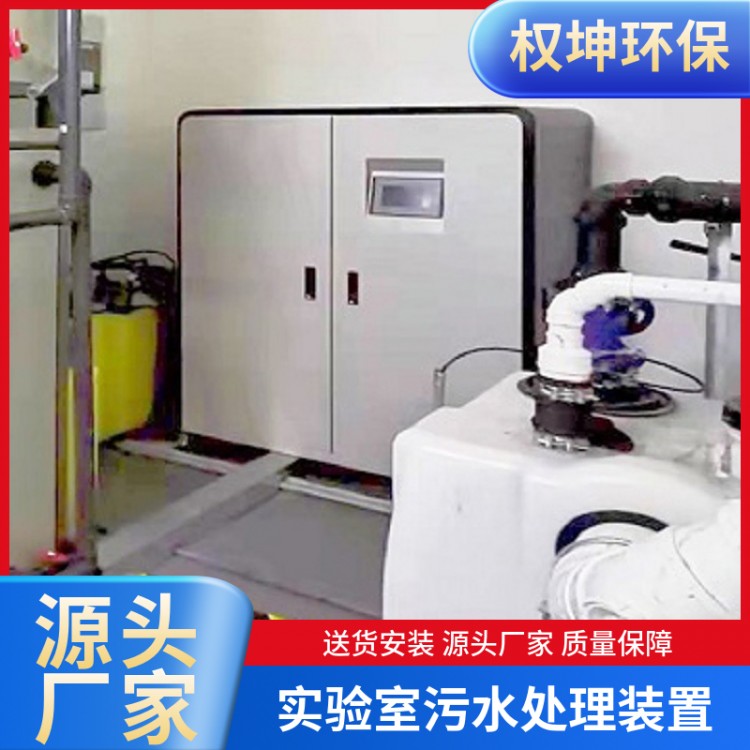
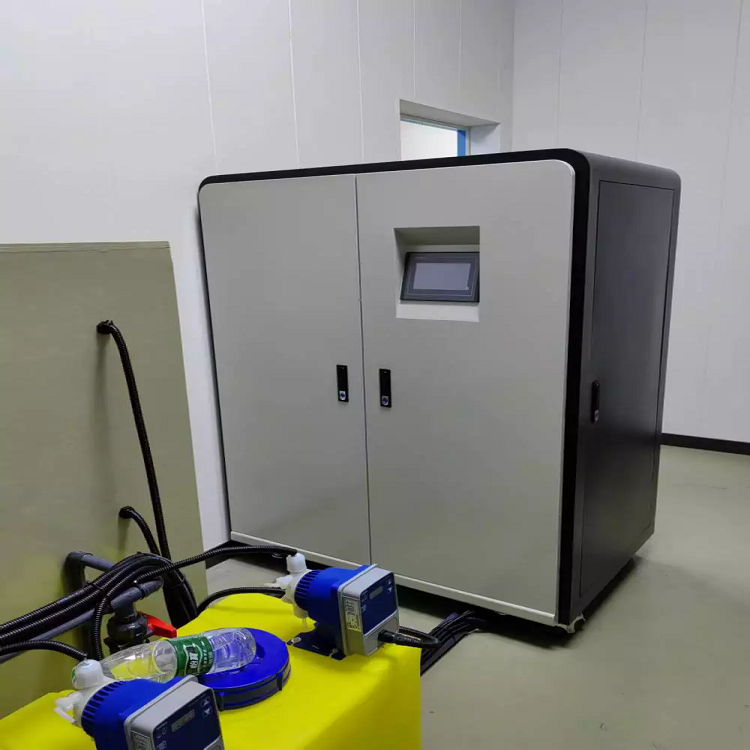
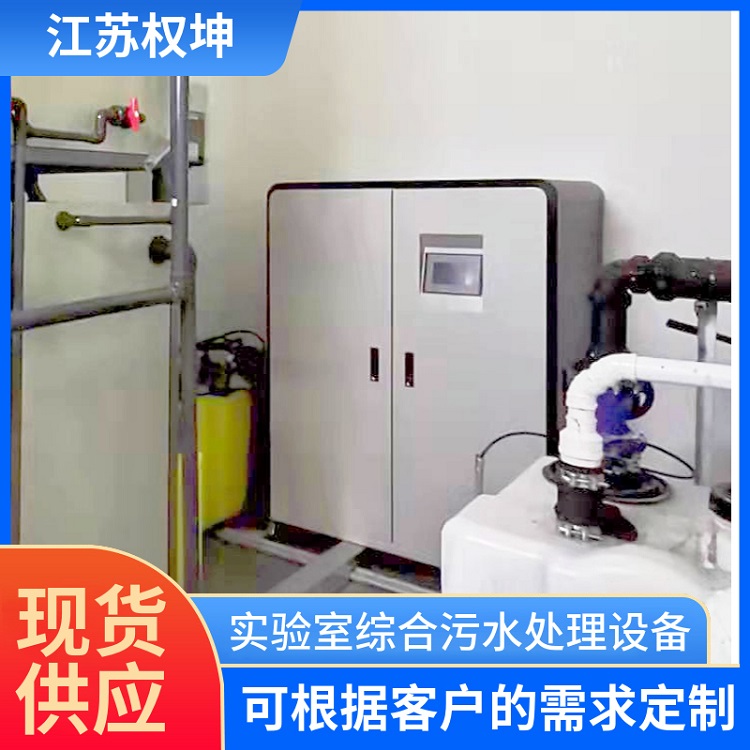
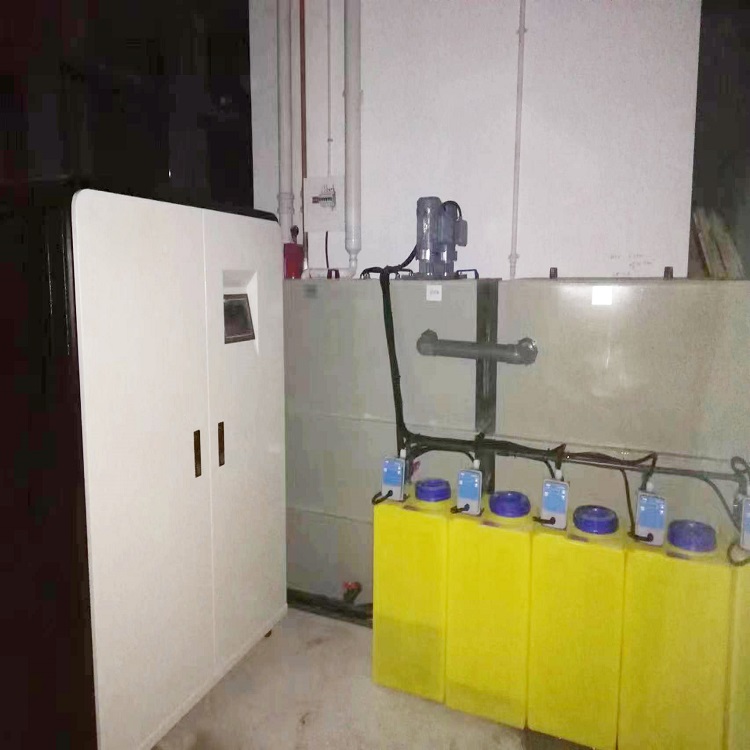
Highly automated middle school laboratory wastewater treatment equipment - 2T/D treatment capacity - customizable
Middle school laboratories inevitably generate wastewater during daily teaching and scientific research activities. This wastewater primarily originates from the use of laboratory personnel, students, and equipment, including waste water, waste liquids, discarded reagents, and rinse water from laboratory equipment. If these wastewaters are discharged directly into the environment without treatment, they can pose potential hazards to the surrounding environment and human health. Therefore, wastewater treatment in teaching laboratories has become an important issue.

Equipment Features:
1. Broadly applicable, suitable for wastewater treatment in various laboratories.
2. Utilize advanced technologies for multi-stage treatment and purification of wastewater, meeting discharge standards.
3. Centralized control, high level of automation, easy operation, fully automatic operation, no need for dedicated personnel.
4. Automatic leak and electric shock protection, high/low voltage automatic protection, no wastewater protection, and liquid storage tank level protection function.
5. Dynamic operation with digital LCD display for water quality indication.
6. "One-stop" integrated design with attractive appearance, compact installation space, rapid processing speed, low operation cost, easy installation and relocation, high processing capacity, excellent processing effects, low energy consumption, resistance to acid and alkali corrosion, low noise, and truly designed for multiple safety features, including protective, leak-proof, and environmentally friendly. No need to excavate multiple treatment ponds, no secondary pollution generated such as waste residue, waste gas, and waste water.
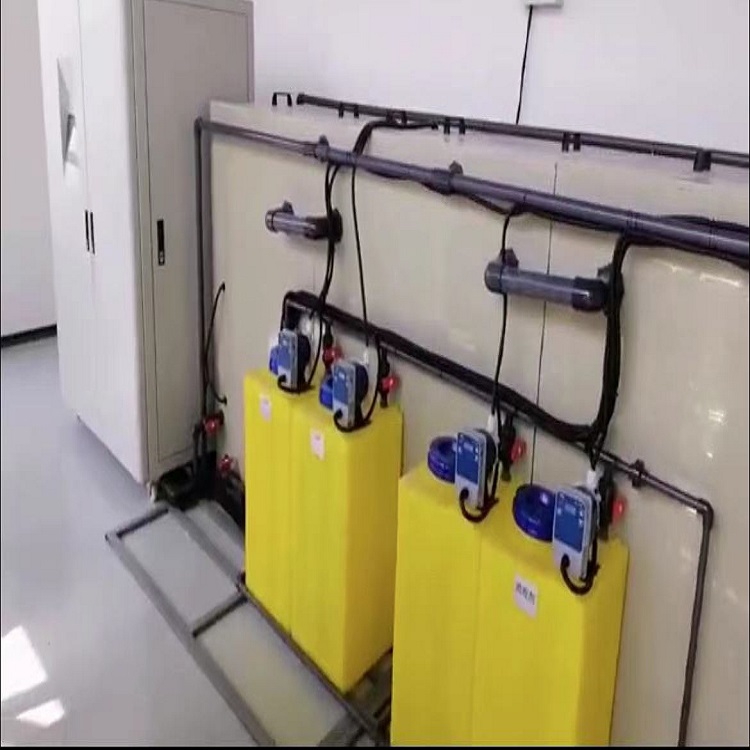
The laboratory wastewater contains acids, bases, organic pollutants, heavy metal ions, and pathogenic microorganisms, with significant fluctuations in pH levels and high COD concentrations. It is mainly categorized into three types:
1. Organic wastewater: Primarily sourced from laboratory reagents and solvents.
2. Inorganic Wastewater: Main sources include acidic reagents and heavy metal reagents.
3. Biological Pathogen Wastewater: Primarily originates from microbial culture, blood biochemical experiments, blood stations, disease control centers, etc.
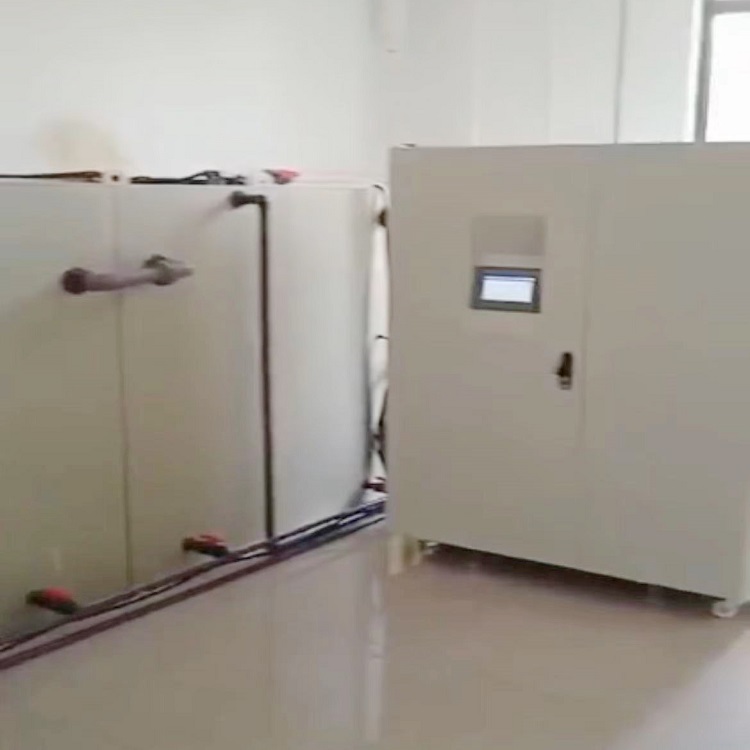
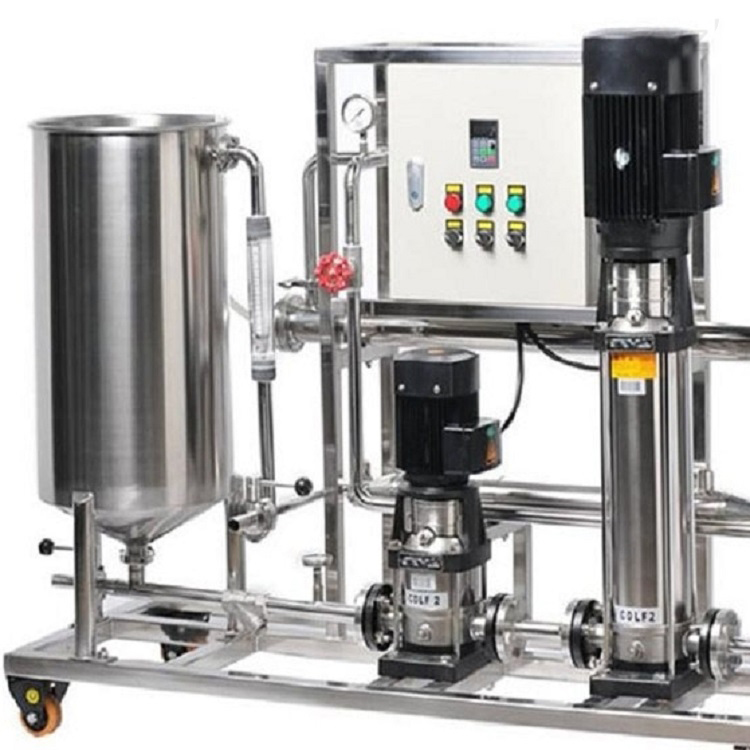
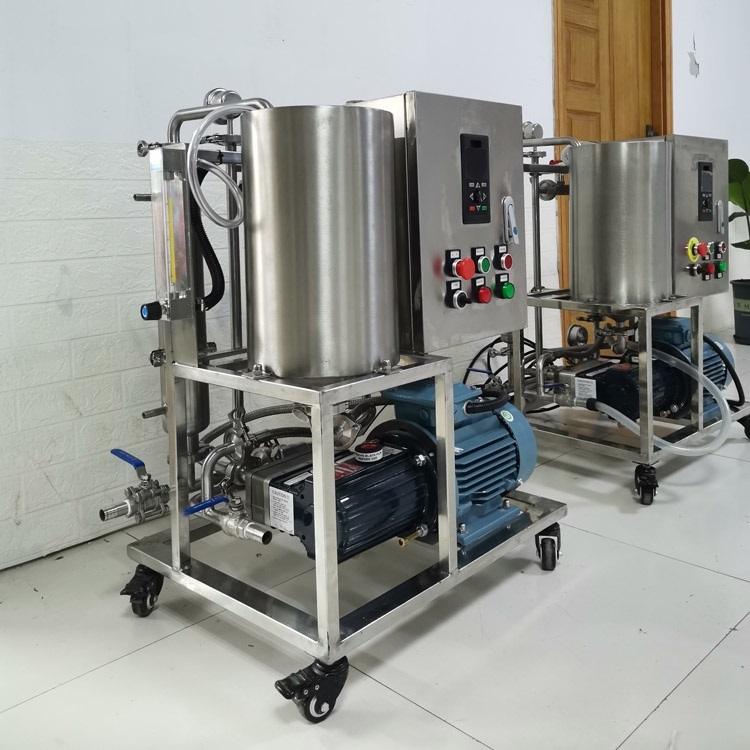
The laboratory's concentrated salt solution often produces a large amount of saline wastewater. This wastewater contains high concentrations of salt solutes and can cause severe pollution when discharged into the environment. To effectively treat this wastewater and recover salt resources, the laboratory must use high-concentration salt delayed crystallization equipment.
A high-concentration salt delayed crystallization unit is a device that crystallizes solutes in wastewater mainly containing salt solutes through heating and cooling processes. Initially, the wastewater temperature is raised by the heating process to promote the dissolution of salt solutes. Subsequently, the solubility of the wastewater is reduced by the cooling process, leading to the crystallization of the solutes. Finally, the crystallized salt solids are separated and recovered through processes such as filtration.
Highly automated middle school laboratory wastewater treatment equipment - 2T/D treatment capacity - customizable
The equipment features the following: Firstly, it can process highly saline wastewater and recover salt resources from the wastewater. Secondly, it is easy and convenient to operate, with no complex equipment or processes. The unit is compact in size and structure, making it suitable for laboratory use.