







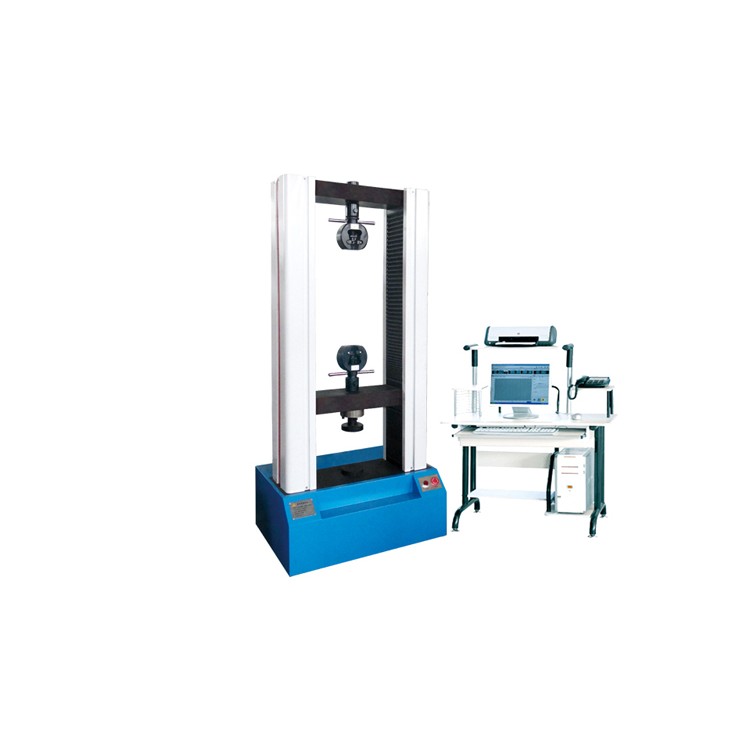
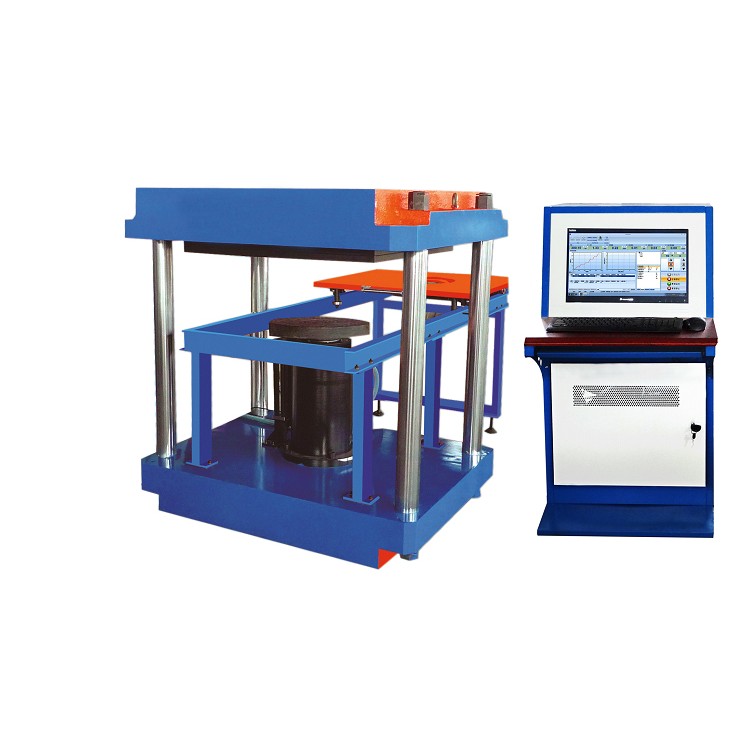
Product Description:
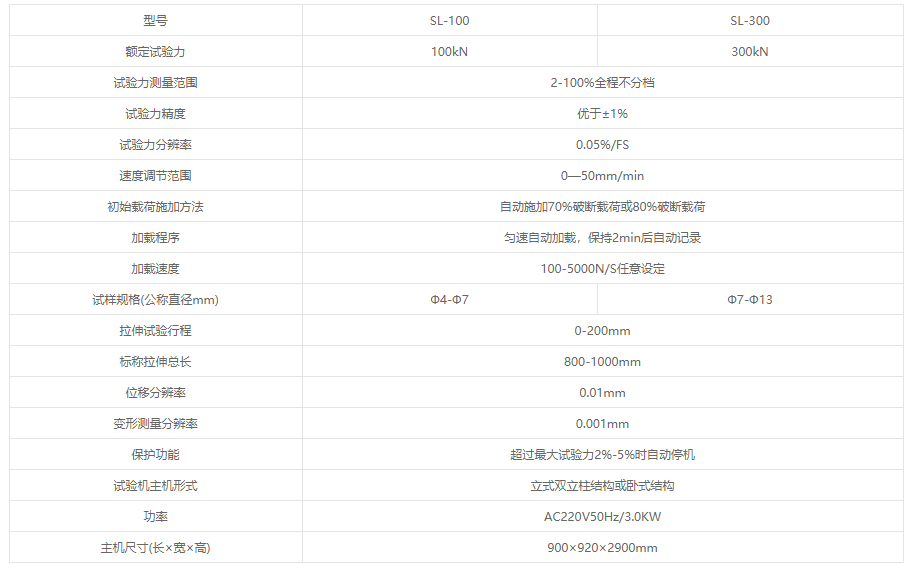
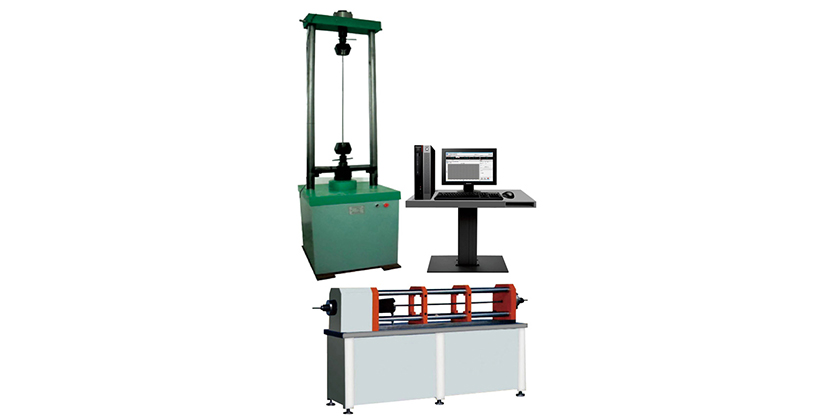
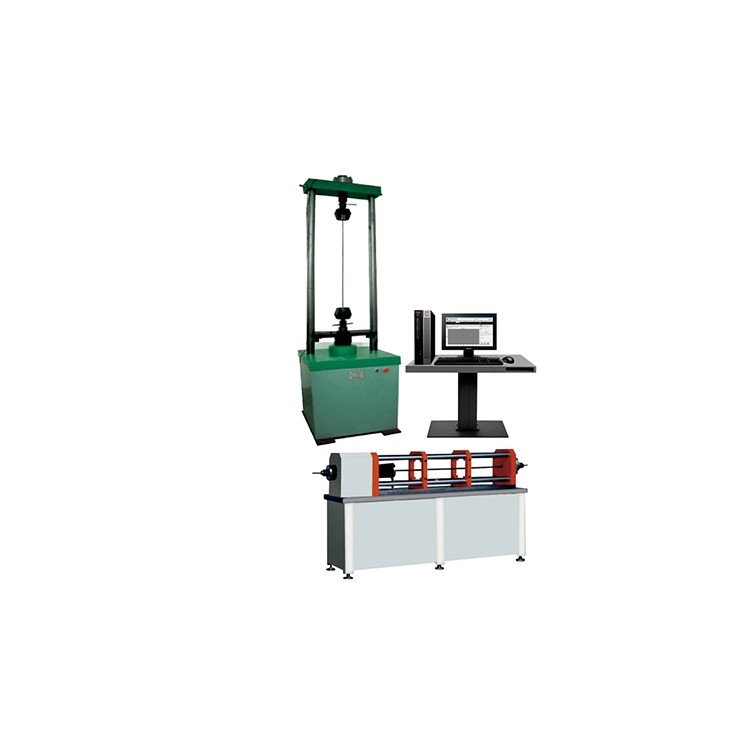
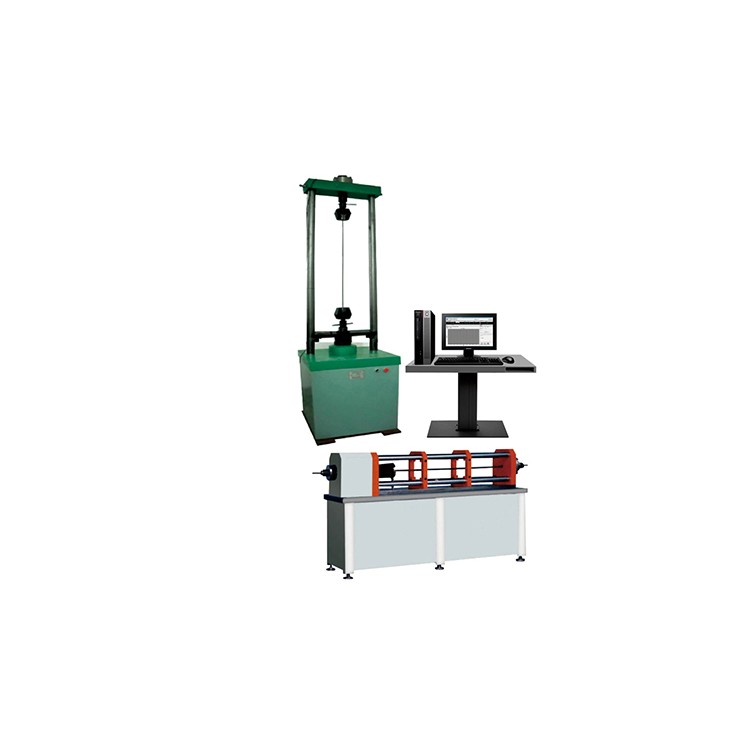
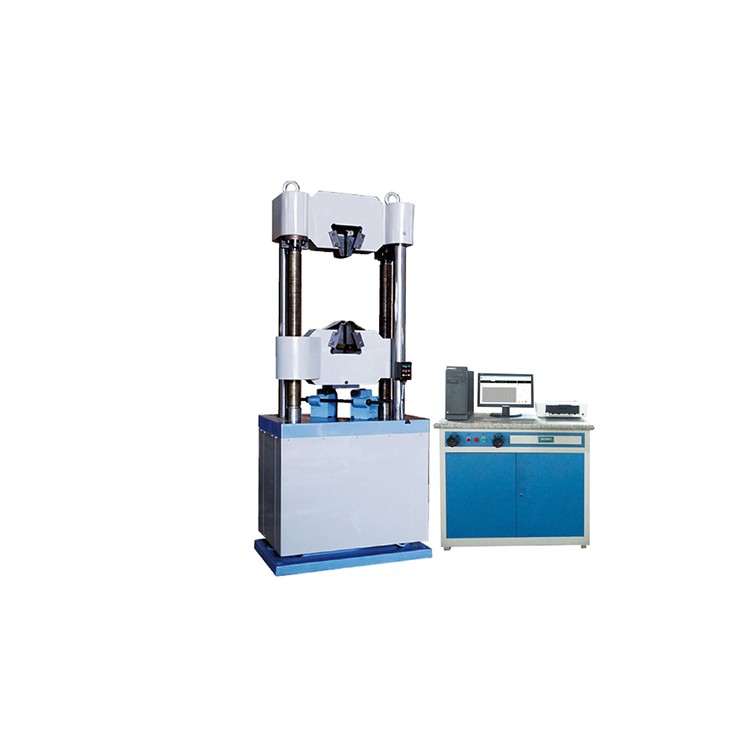
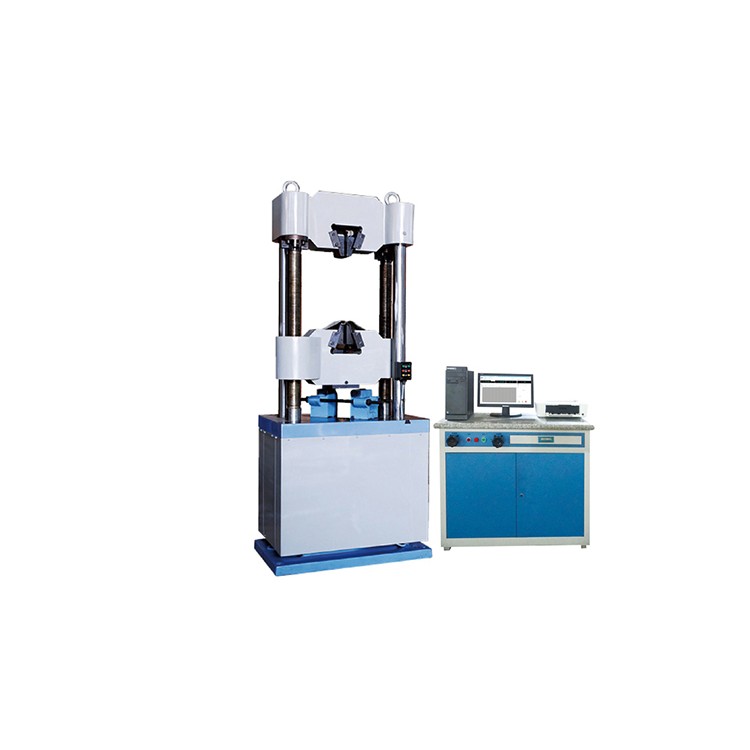
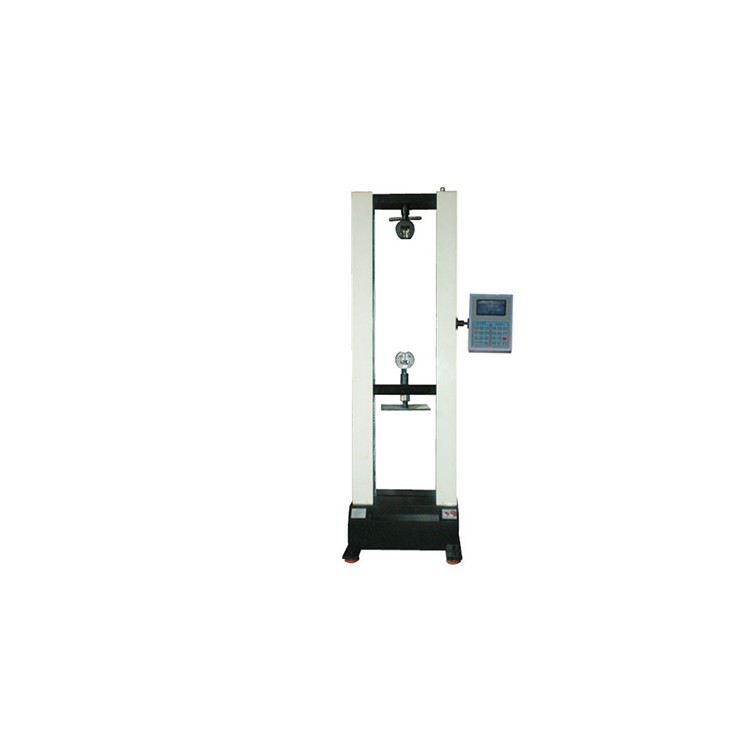
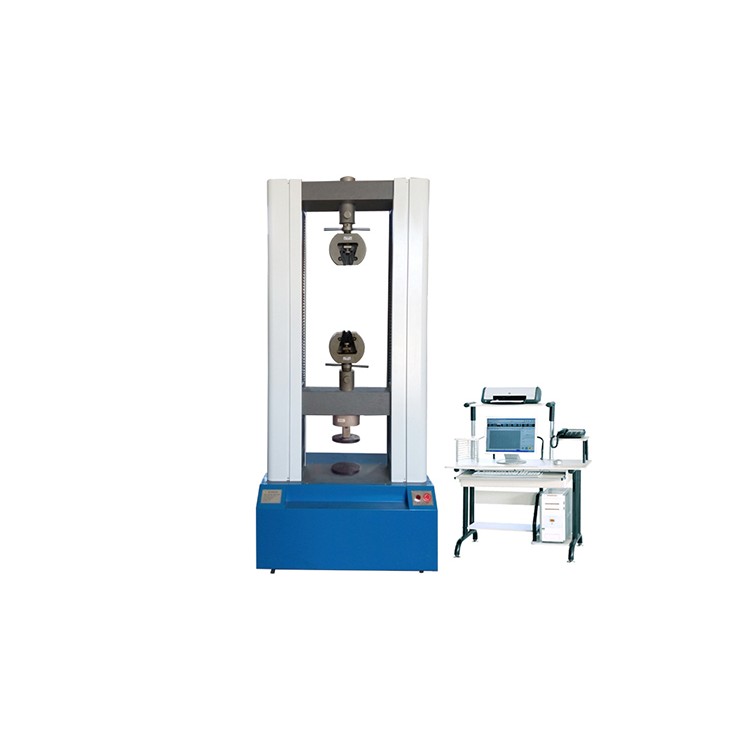
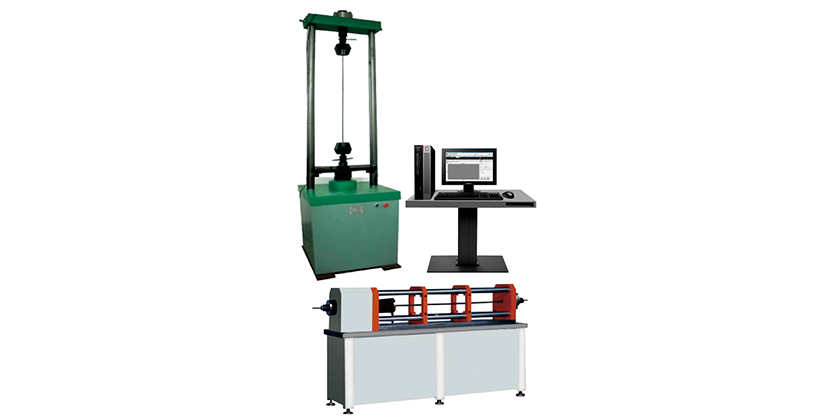
The Microcomputer-Controlled Relaxation Testing Machine is a new equipment for conducting relaxation tests on prestressed concrete steel wire, PC steel bars, and steel strand. It utilizes microcomputer control for the testing process, automatic data collection and processing, reducing labor intensity and enhancing test accuracy, making it an ideal testing equipment for enterprises and research institutions. With appropriate accessories, the machine can also perform tensile and compression tests on other specimens.
Standard of Execution:
GB/T5224-2003 "Steel Ropes for Prestressed Concrete"
2. GB/T10120-1996 "Method for Testing the Stress Relaxation of Metals"
Main Product Features and Benefits:
1. This testing machine features a vertical structure, with the upper beam connected to the worktable via double columns to form the tensile test space. The power transmission mechanism (comprising an AC servo motor, reducer, and screw pair) is mounted beneath the worktable. The loading screw moves up and down, driving the lower clamp to apply force to the sample. A force sensor is installed on the upper beam and connected to the upper clamp. The machine boasts high rigidity, ensuring the accuracy of the test results.
2. Utilizes industrial control computers with high anti-interference capabilities, suitable for long-term operation.
3. Specialized software for Win7 platform computers, drawing on the experience of similar foreign products, designed in accordance with the relevant requirements of National Standard GB/T5224-2003 "Steel Ropes for Prestressed Concrete" and GB/T10120-1996 "Test Methods for Stress Relaxation of Metals," featuring comprehensive functions:
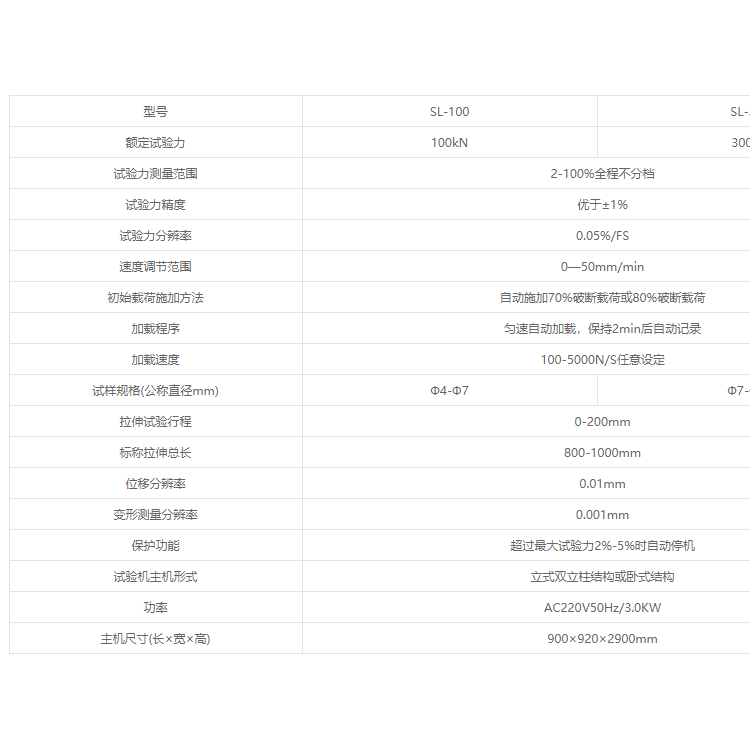
3.1 A standard test procedure is in place. By pressing the shortcut key, the testing system can load the steel strand to 70% or 80% of its breaking load within 5 minutes, and automatically begin recording test data within 2 minutes. The test will automatically stop upon reaching the set time.
3.2 The correlation coefficient between the experimental curve and the theoretical fitting curve exceeds 99%, thus allowing the relaxation rate at 1000 hours to be calculated from 72-hour test data, thereby shortening the actual experimental time.
4. The testing machine is equipped with steel wire specialized sensors, offering strong resistance to relaxation and creep. It maintains zero-point drift under long-term force, with sensitivity coefficients that ensure they remain within permissible limits.
5. Steel strand anchors are made with special materials and processes, offering a long service life and reliable gripping.
Product Images:
Product Main Functions and Features:
1. The testing machine features a vertical structure, with the upper beam connected to the worktable via dual pillars to form the tensile testing space. The power transmission mechanism (comprising an AC servo motor, a reducer, and a screw pair) is mounted beneath the worktable. The loading screw moves up and down, driving the lower clamp to apply load to the specimen. A force sensor is installed on the upper beam and connected to the upper clamp. The machine boasts high stiffness, ensuring the accuracy of the test results.
2. Utilizes industrial control computers with high anti-interference performance, suitable for long-term operation.
3. Computer-specific software based on the Win7 platform, fully absorbing advanced experience from similar foreign products, designed in accordance with the relevant requirements of National Standard GB/T5224-2003 "Steel strand for prestressed concrete" and GB/T10120-1996 "Test methods for metal stress relaxation," featuring comprehensive functions:
3.1 Standard test procedures are in place. By pressing the shortcut key, the test system can load the steel strand to 70% or 80% of its breaking load within 5 minutes, automatically start recording test data within 2 minutes, and terminate the test automatically upon reaching the set time.
3.2 The correlation coefficient between the experimental curve and the theoretical fitting curve is over 99%, thus the relaxation rate for 1000 hours can be calculated from the 72-hour test data, shortening the actual experimental time.
4. The testing machine is equipped with steel strand-specific sensors, offering strong resistance to relaxation and creep. It maintains zero-point drift even under long-term stress, with a sensitivity coefficient that ensures it stays within the permitted range.
5. Steel strand anchor assemblies are made with special materials and processes, offering long service life and reliable holding power.