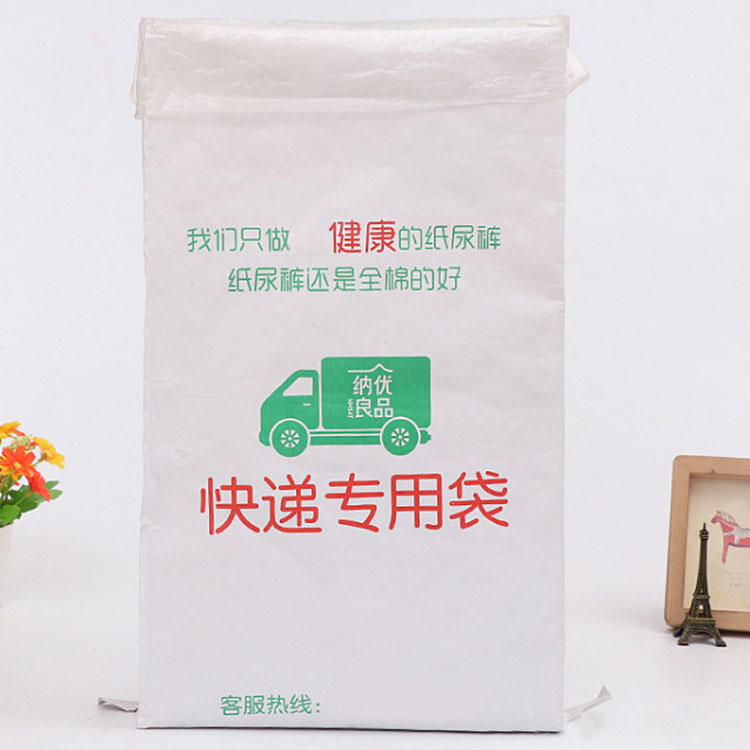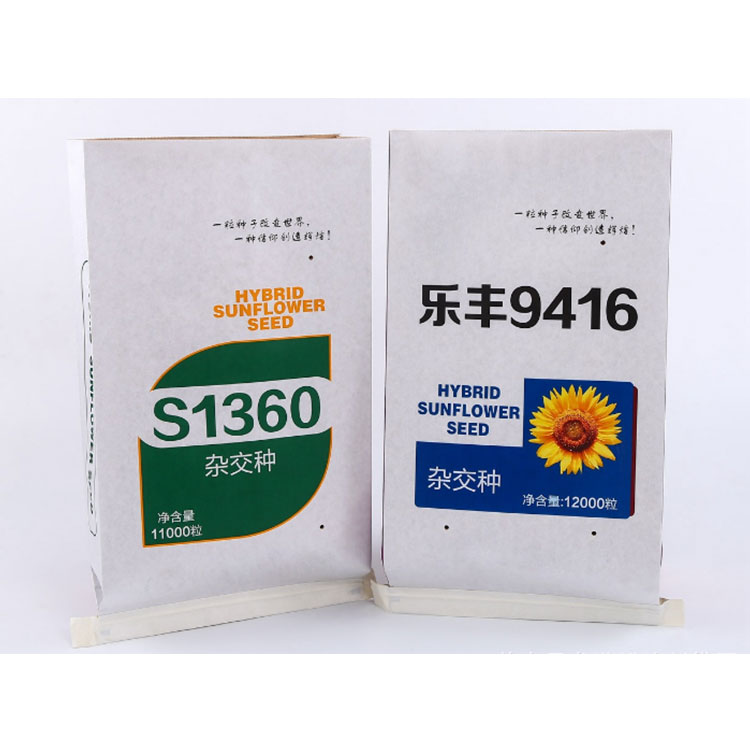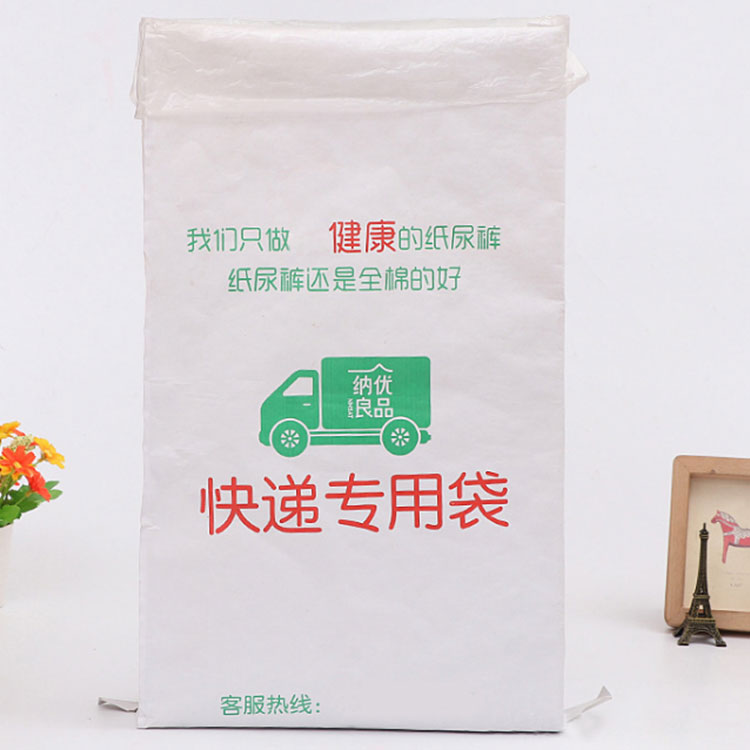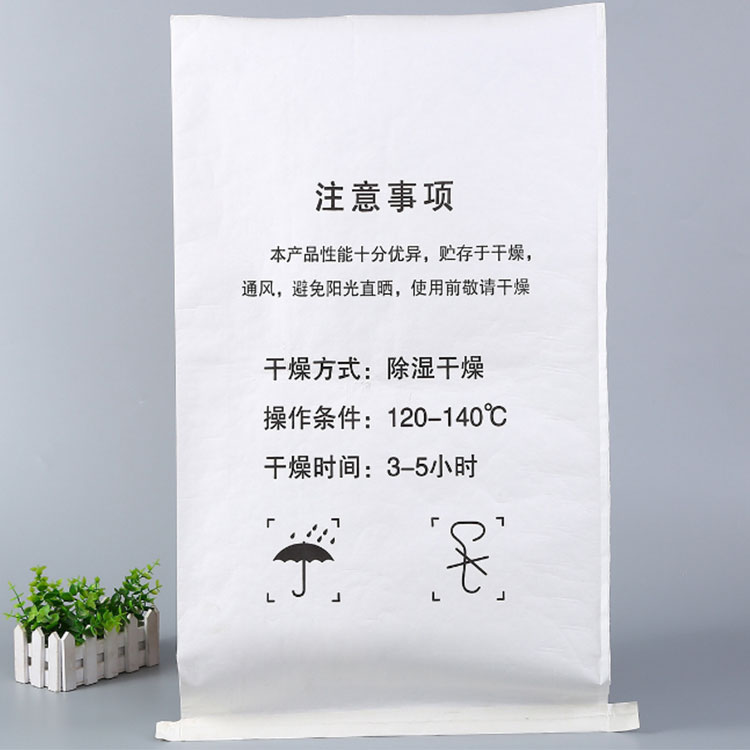









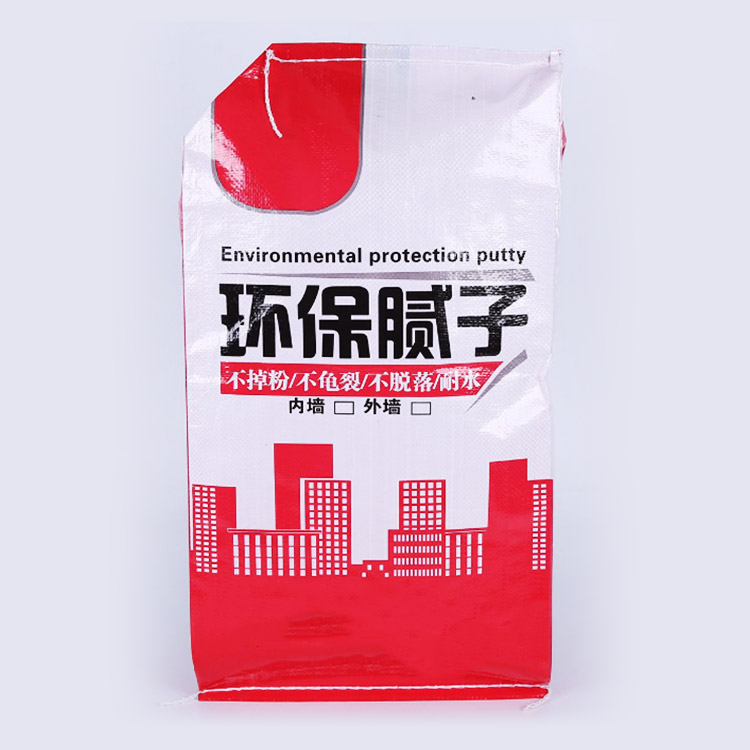


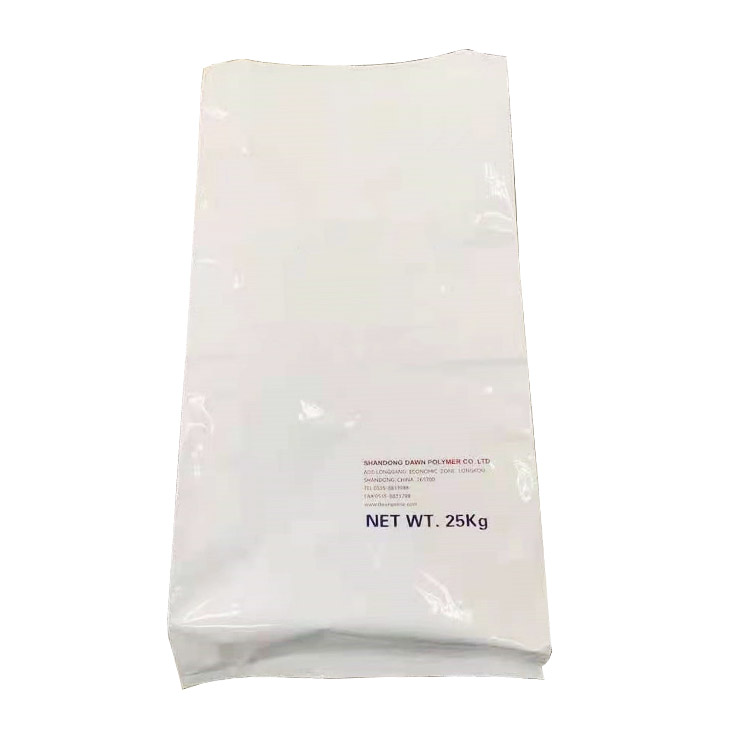
Paper-plastic composite bags are made by bonding plastic and kraft paper. The plastic layer usually consists of woven fabric made from flat yarns of polypropylene (PP) or polyethylene (PE) as the base material, while the kraft paper is made from refined composite kraft paper, featuring high strength, good waterproofing, and attractive appearance. They are one of the popular packaging materials and are widely used in industries such as plastic raw materials, cement, feed, chemicals, and fertilizers.
Paper-plastic composite bags are a small bulk container, primarily transported by manual labor or forklifts, designed for easy handling of small quantities of loose powdery materials. They feature high strength, good waterproofing, and ease of loading and unloading, making them a popular and practical general packaging material currently in use.
Paper-Plastic Composite Bag Process Description: The exterior is made of refined white kraft paper or yellow kraft paper, while the interior is made of plastic woven fabric. The plastic particles PP are melted through high temperature and pressure, bonding the kraft paper and plastic woven fabric together. An inner lining bag can be added as an option. The paper-plastic composite bag is similar in form to a sewn-bottom opening bag. It boasts superior features such as good strength, waterproofing, and moisture resistance.