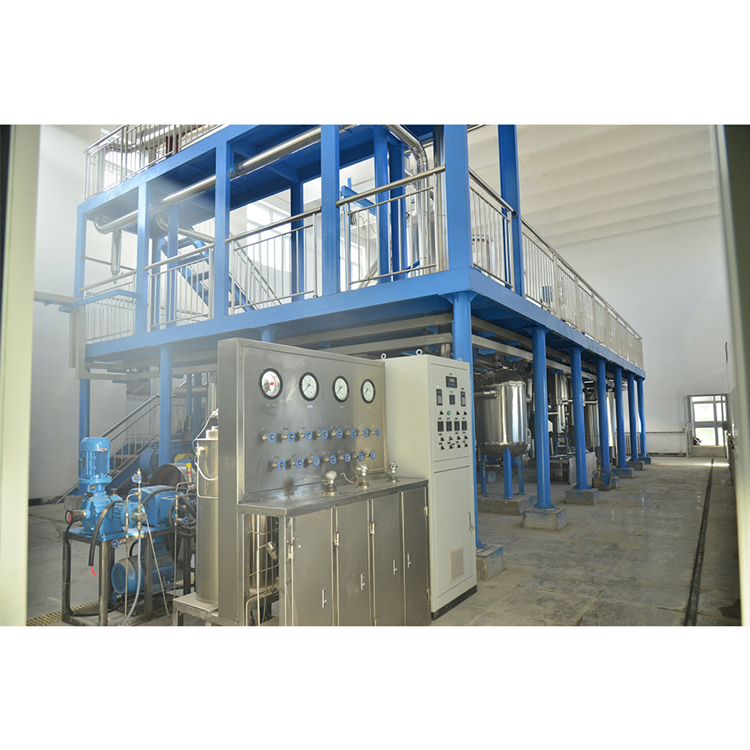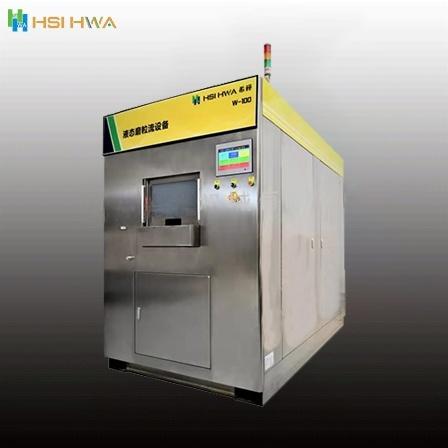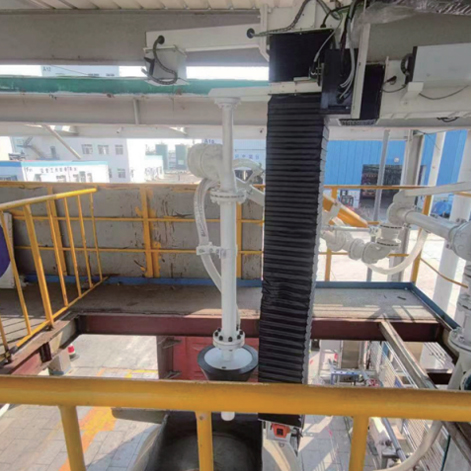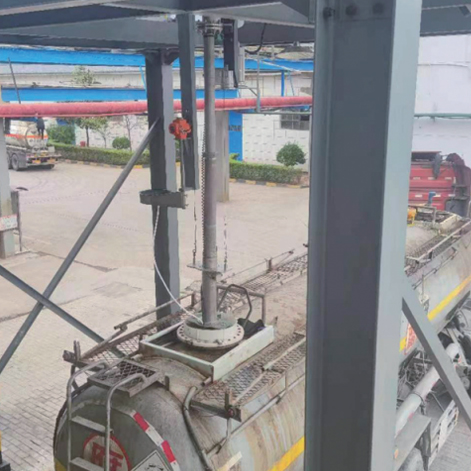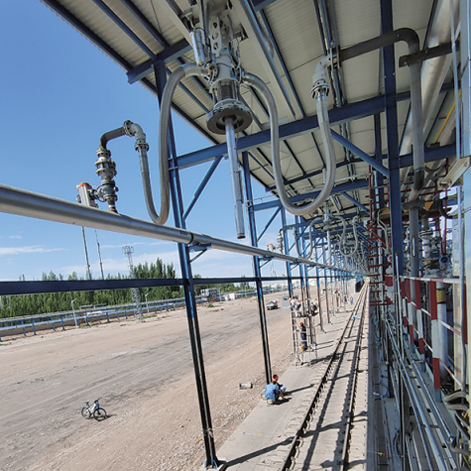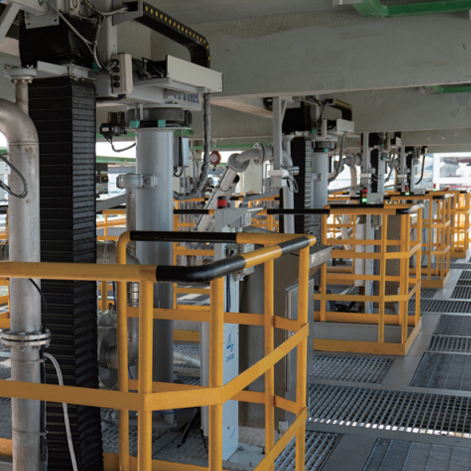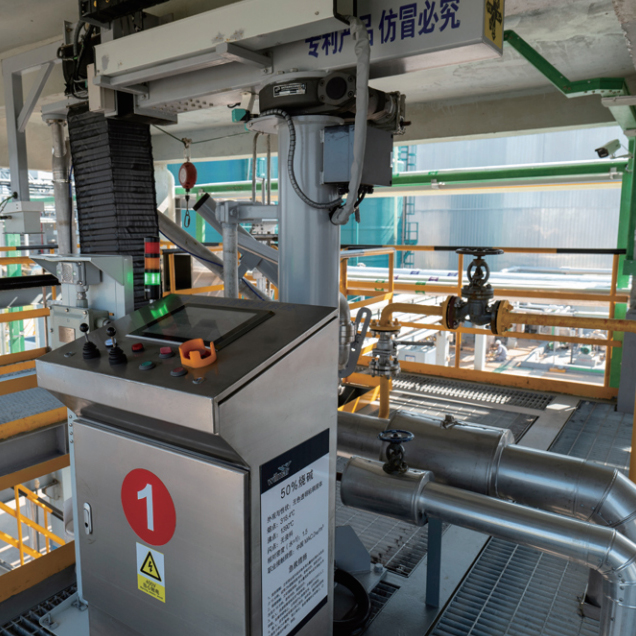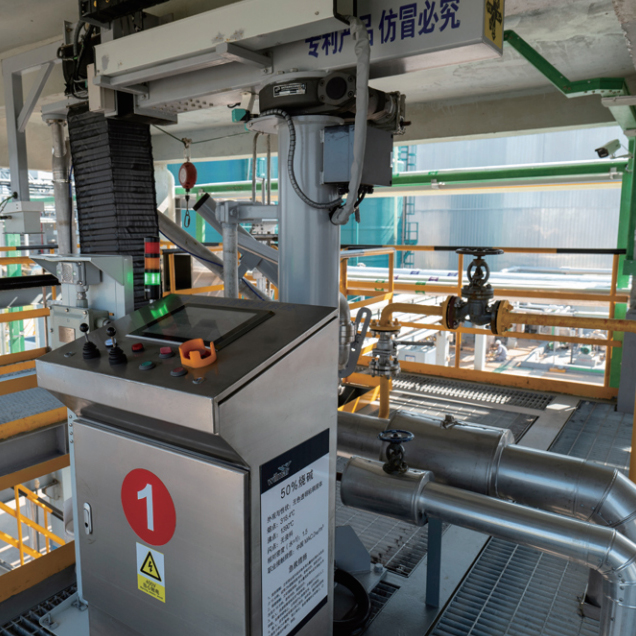

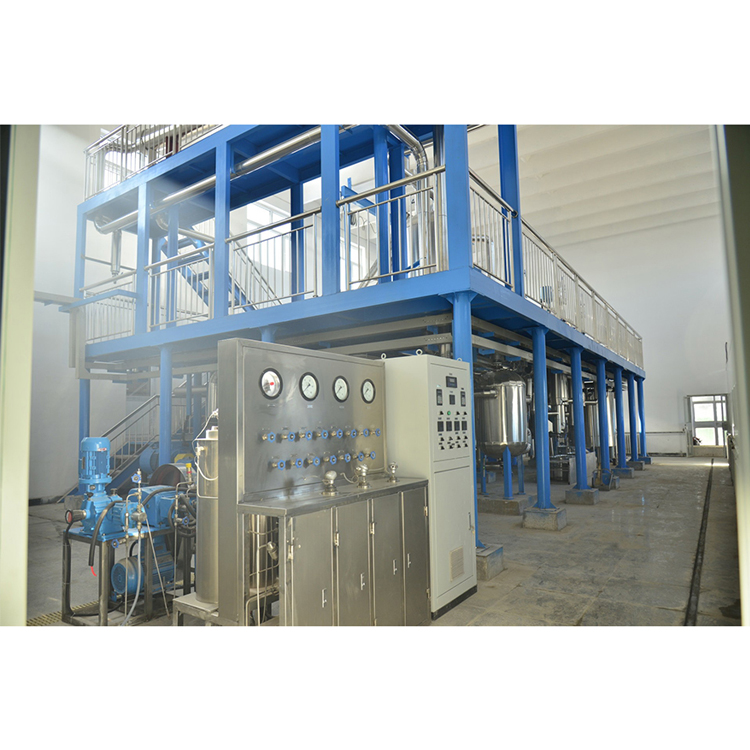

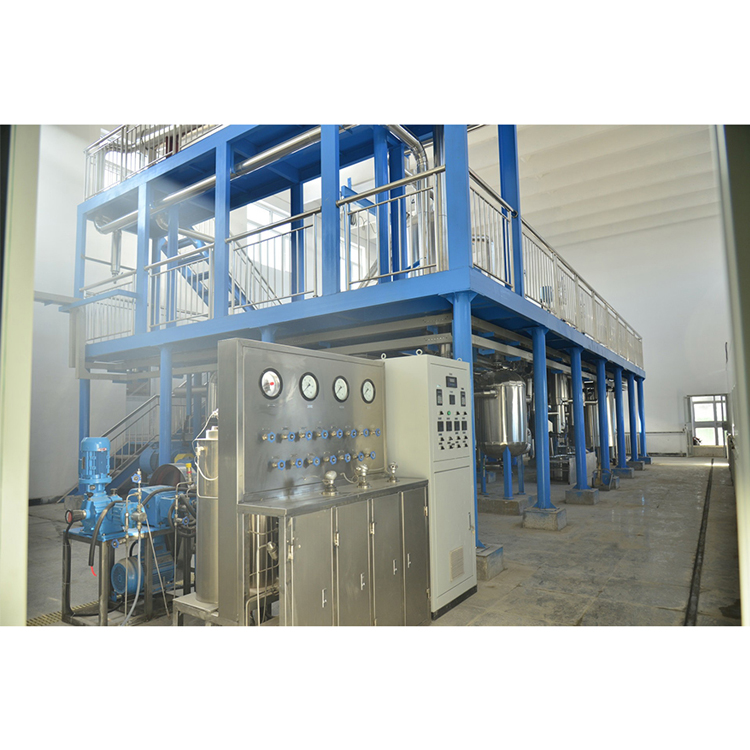
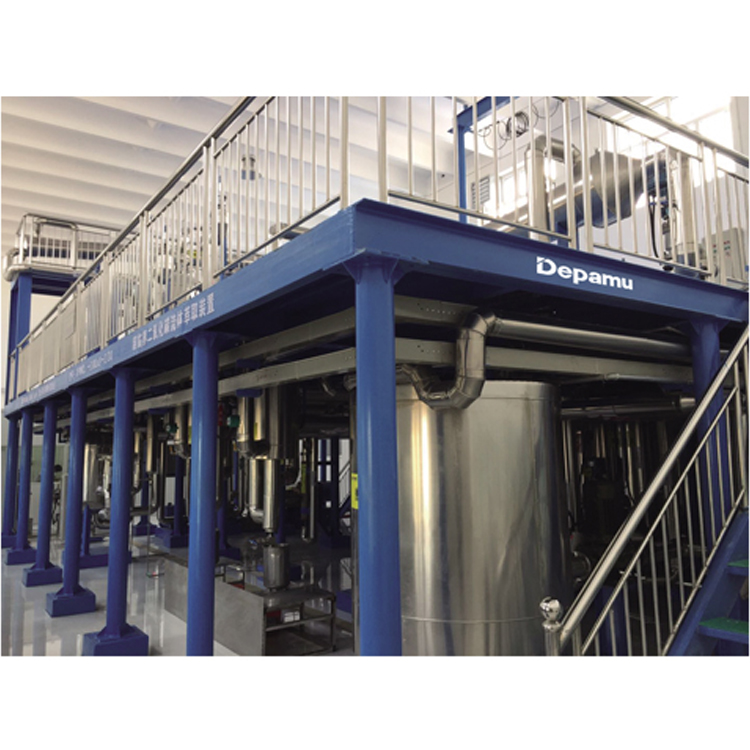
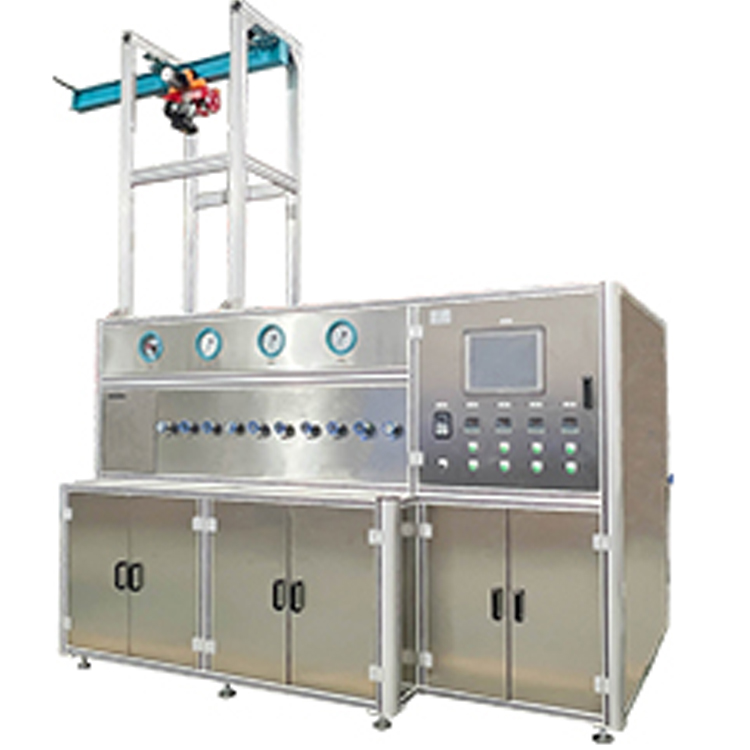









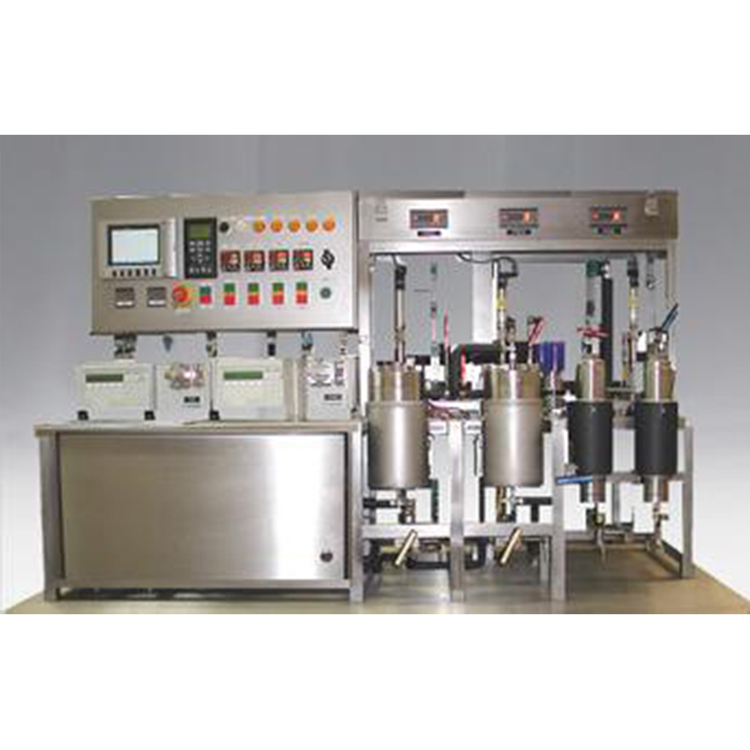
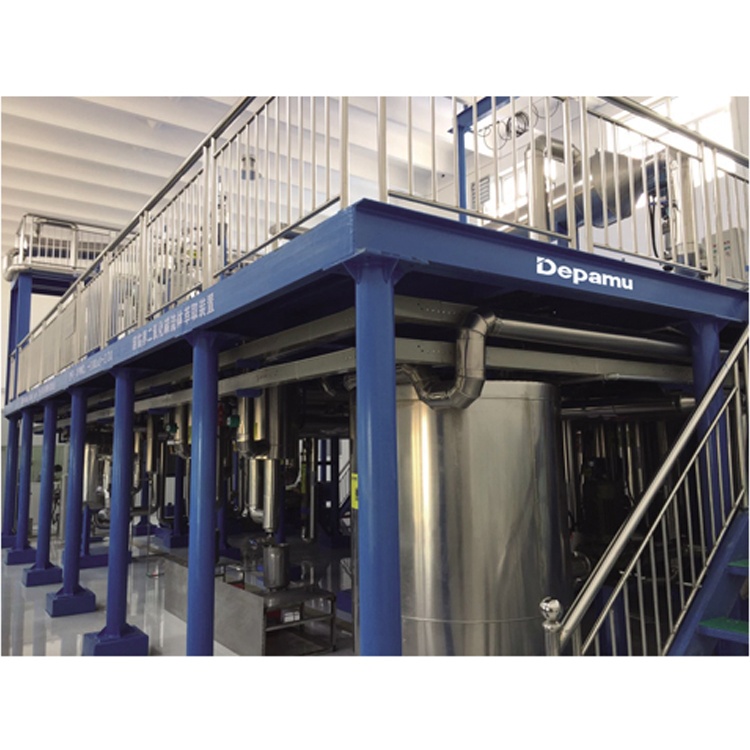
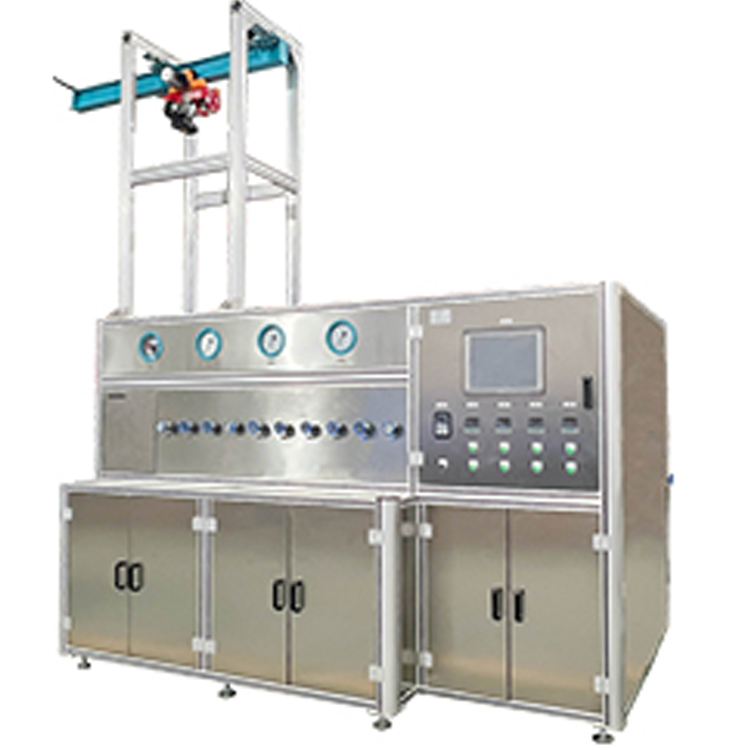
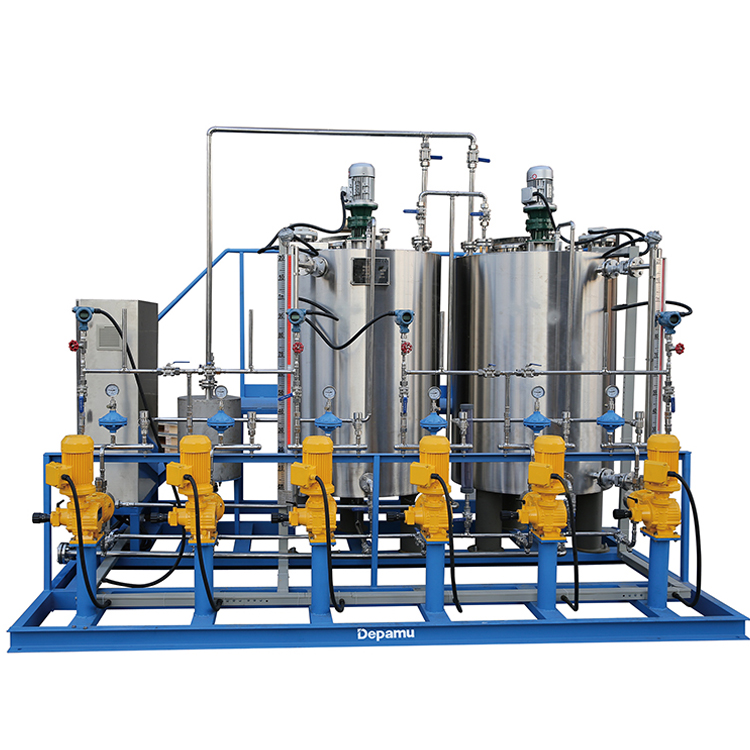
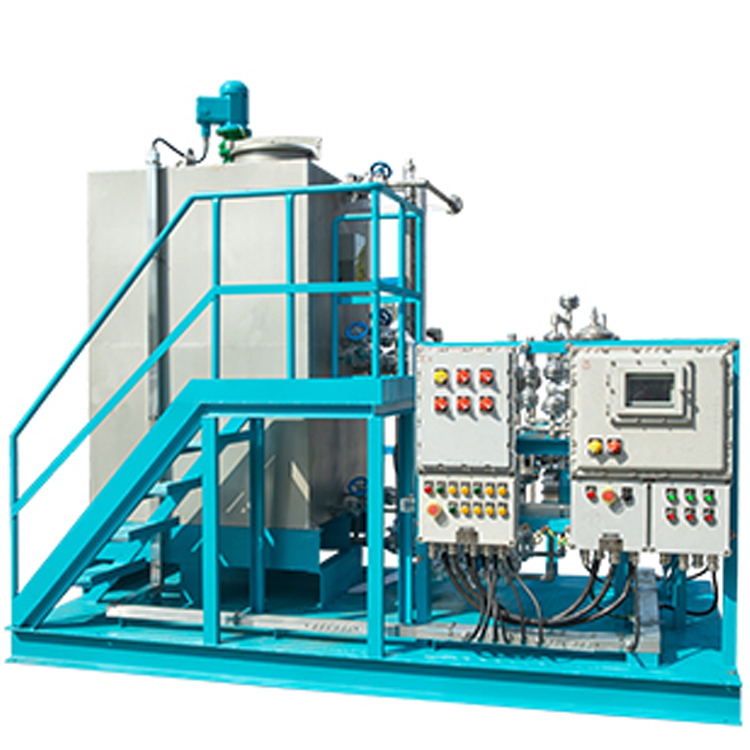
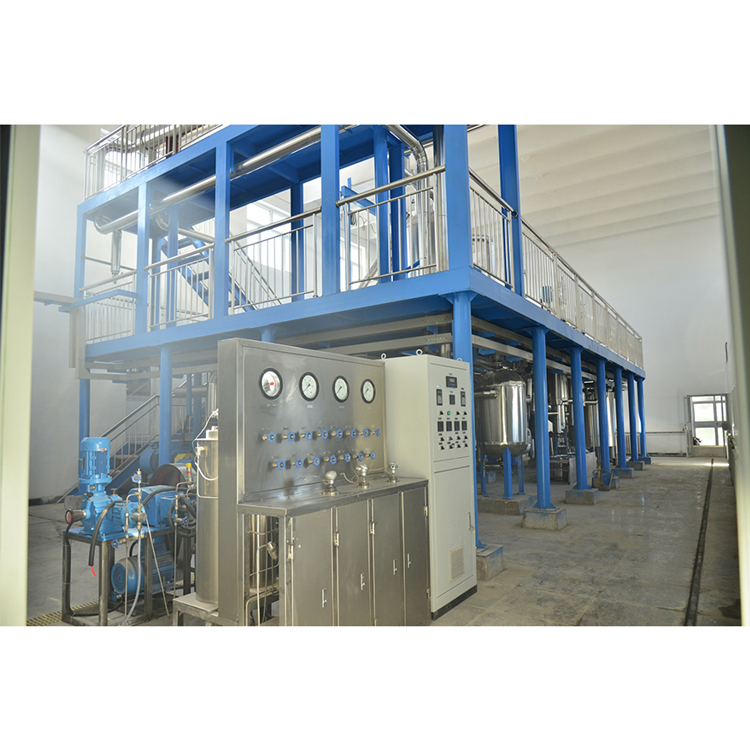
Supercritical CO2 fluid extraction refers to the extraction process conducted under conditions above the critical temperature (31.06°C) and critical pressure (7.39 MPa) of CO2.
Supercritical CO2 fluids are highly sensitive to changes in pressure and temperature. Under constant temperature, an increase in pressure leads to a higher density, which in turn increases the solubility of the solute. Conversely, under constant pressure, an increase in temperature results in a lower density, causing the solubility of the solute to decrease. Supercritical CO2 fluid extraction takes advantage of this property by dissolving solutes in the fluid above the CO2 critical pressure. Then, by reducing the fluid pressure or increasing the fluid temperature, the dissolved solute precipitates due to the decrease in fluid density and solubility, thereby achieving the extraction of specific solutes.
Features:
Due to its low viscosity and high diffusion coefficient, the extraction speed is faster than that of liquid extraction, particularly suitable for the separation and extraction of solid substances.
2. Operation parameters are easy to control, easily achieved by adjusting pressure and temperature.
3. Easy solvent recovery and recyclable for reuse.
4. Extraction can be conducted under ambient temperature (35-40℃) and CO2 atmosphere, effectively preventing oxidation and loss of thermally sensitive substances. Thus, it is suitable for processing thermally sensitive materials and can extract substances with high boiling points, low volatility, and prone to thermal decomposition below their boiling point temperature.
5. The separation of solute and solvent is easy and complete, ensuring no solvent residue in the product.
Application:
Food Industry
Extraction of oil substances: Sea buckthorn seed oil, soybean oil, celery seed oil, pumpkin seed oil, grape seed oil, rapeseed oil, edible ginger oil, walnut oil, Suaeda oil, flaxseed oil, egg yolk oil, red pine kernel oil, wheat germ oil, kiwi seed oil, hazelnut oil, almond oil, camellia seed oil, cottonseed oil, etc.
2. Extraction of Essential Oils and Spices: Sichuan pepper seed oil extraction, extraction of amides from Sichuan pepper, star anise volatile oil.
3. Extraction of animal and plant fats and fat-soluble components: Phosphatidylcholine extracted from Polygonum multiflorum, soy lecithin extracted from soybeans.
4. Alkaloid Extraction: Extract caffeine from tea leaves.
5. Extraction of Food Coloring: Extract lycopene from tomatoes, chili red pigment from chili peppers, carotene from carrots, and yellow pigment from corn.
6. Deodorization, decolorization, de-acidification, and removal of organic solvents: Eliminate soy protein off-odors.
Industry
Supercritical CO2 extraction of volatile oils and essential oils from Chinese herbal medicine: Almond oil, Anise oil, Peppermint oil, Houttuynia volatile oil, Shepherd's purse volatile oil, Cnidium volatile oil, Chuanxiong volatile oil, Bupleurum volatile oil, Wild volatile oil.
2. Extraction of bioalkaloids from traditional Chinese herbs: Sennoside in Sophora flavescens, Daturine in Datura stramonium, Colchicine in Armillaria mellea, Aconitine in Aconitum acuminatum, and Indigotin in Isatis indigotica.
3. Extraction of Flavonoids: Salvia miltiorrhiza tanshinone, Ginkgo biloba flavonoids, Licorice flavonoids, Herba epimedii extract, Sarcandra flavonoids.
4. Saponin Extracts: Licorice Saponins, Total Saponins in Snow Fungus, Artemisinin, Lithosapone, Rhubarb Alkaloids inPolygonum multiflorum, and Magnolol.
Cosmetic Industry
Natural Plant Essential Oils: Vanilla Extract, Clove Bud Oil, Lavender Oil,柚子花挥发油, Orange Blossom Absolute, Gardenia Oil, Peppermint Oil, Osmanthus Oil, Jasmine Oil, White Sage Oil, Camphorwood Oil, Grape Skin Oil, Sweet Orange Peel Oil, Lavender Oil.
Extraction of natural pigments.