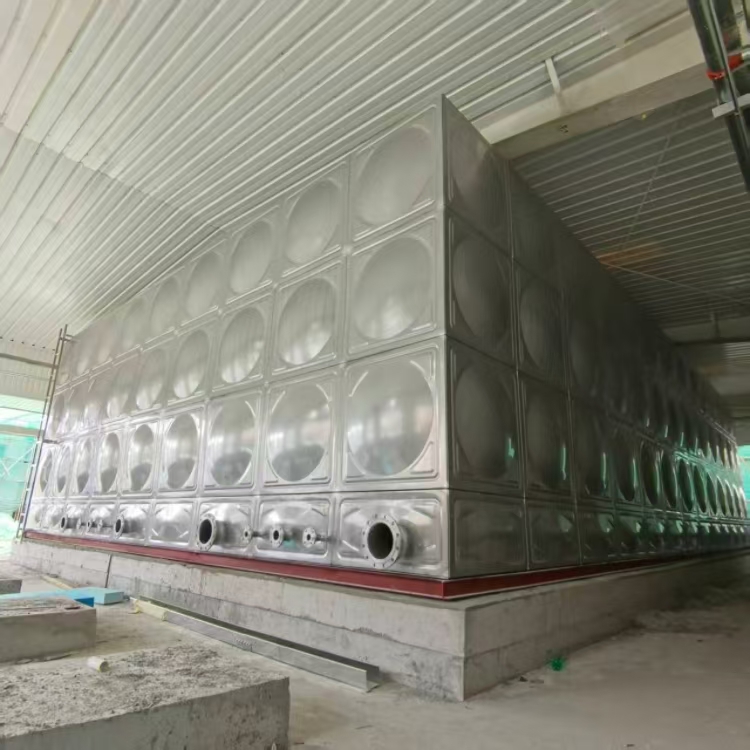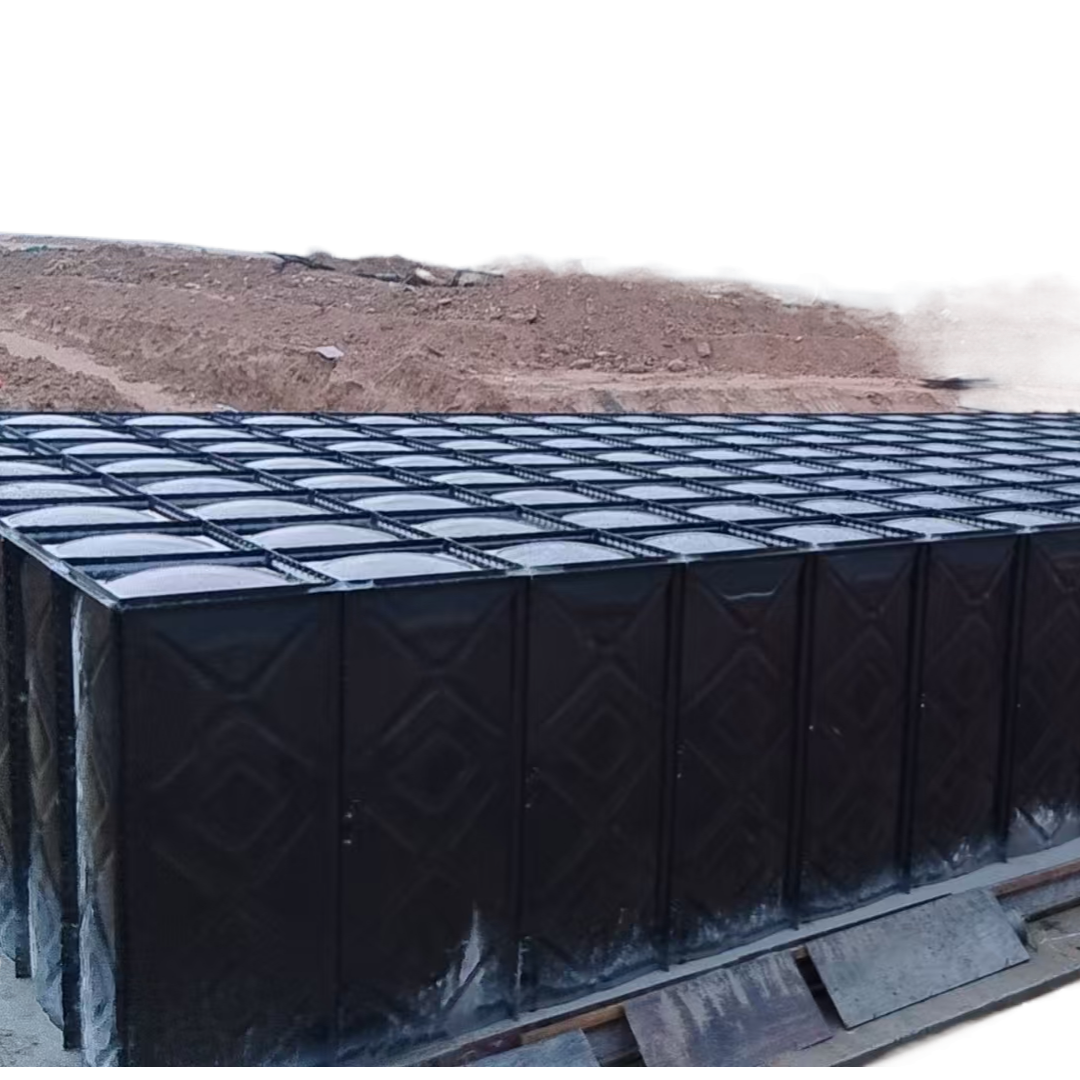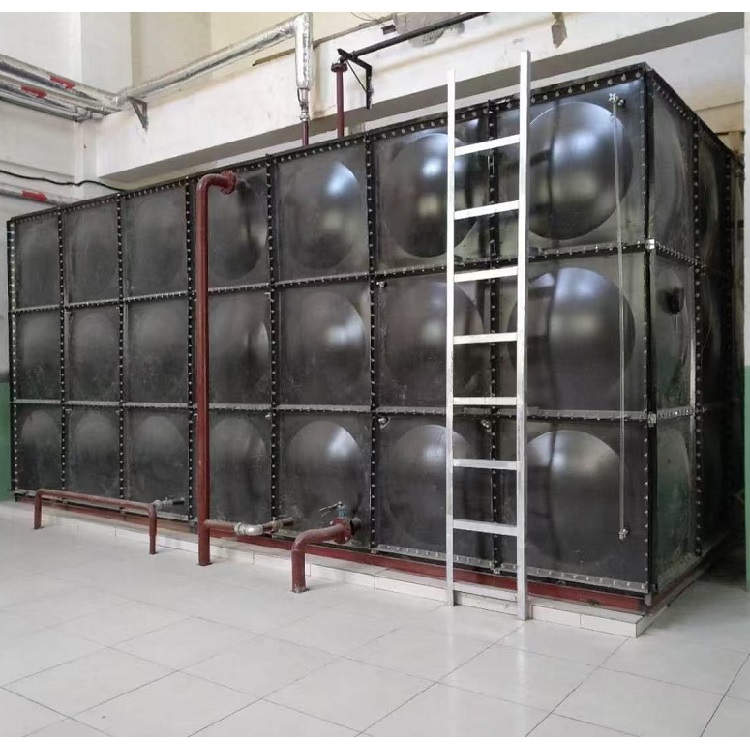







Product Name: 316L Stainless Steel Sheet - As tested, 316L stainless steel, with added Mo, exhibits excellent corrosion resistance, particularly resistance to pitting; good high-temperature strength; work hardening (weak magnetic after processing); and no magnetism in the solution-treated state. 316L Stainless Steel Grade:
00Cr17Ni14Mo2 is the new national standard grade, equivalent to 022Cr17Ni12Mo. 316L stainless steel is available in varieties such as bright stainless steel plate, polished stainless steel plate, precision stainless steel plate, 2B surface stainless steel plate, 8K surface stainless steel plate, 6K surface stainless steel plate, BA surface stainless steel plate, mirror surface stainless steel plate.
Super-thin stainless steel sheet, medium-thick stainless steel sheet, thick stainless steel sheet, extra-thick stainless steel sheet. 2205 stainless steel sheets are available in cold rolled and hot rolled versions. Standard sizes: Thickness: 3.0mm-10.0mm, Width: 1800mm and 2000mm, Length: over 6000mm (customizable to customer requirements)
People require cutting. 2205 stainless steel alloy is a duplex stainless steel composed of 21% chromium, 2.5% molybdenum, and 4.5% nickel-nitrogen alloy. Basic Information of Stainless Steel Stainless Steel refers to materials that resist corrosion by weak corrosive mediums such as air, steam, and water, as well as chemical erosion by acids, alkalis, salts, etc.
Steel that resists medium corrosion, also known as stainless acid-resistant steel. In practical applications, steel that resists mild corrosion is commonly referred to as stainless steel, while steel that resists chemical corrosion is called acid-resistant steel. Due to the differences in their chemical compositions, the former is not necessarily resistant to chemical corrosion, whereas the latter...
The material generally possesses corrosion resistance. The corrosion resistance of stainless steel depends on the alloy elements contained in the steel. Stainless steel is commonly categorized by its microstructure, such as Martensitic steel, Ferritic steel, Austenitic steel, etc. Additionally, it can be classified based on its composition: Chromium stainless steel, Chromium-nickel stainless steel, and
Chrome-molybdenum-nitrogen stainless steel, etc.