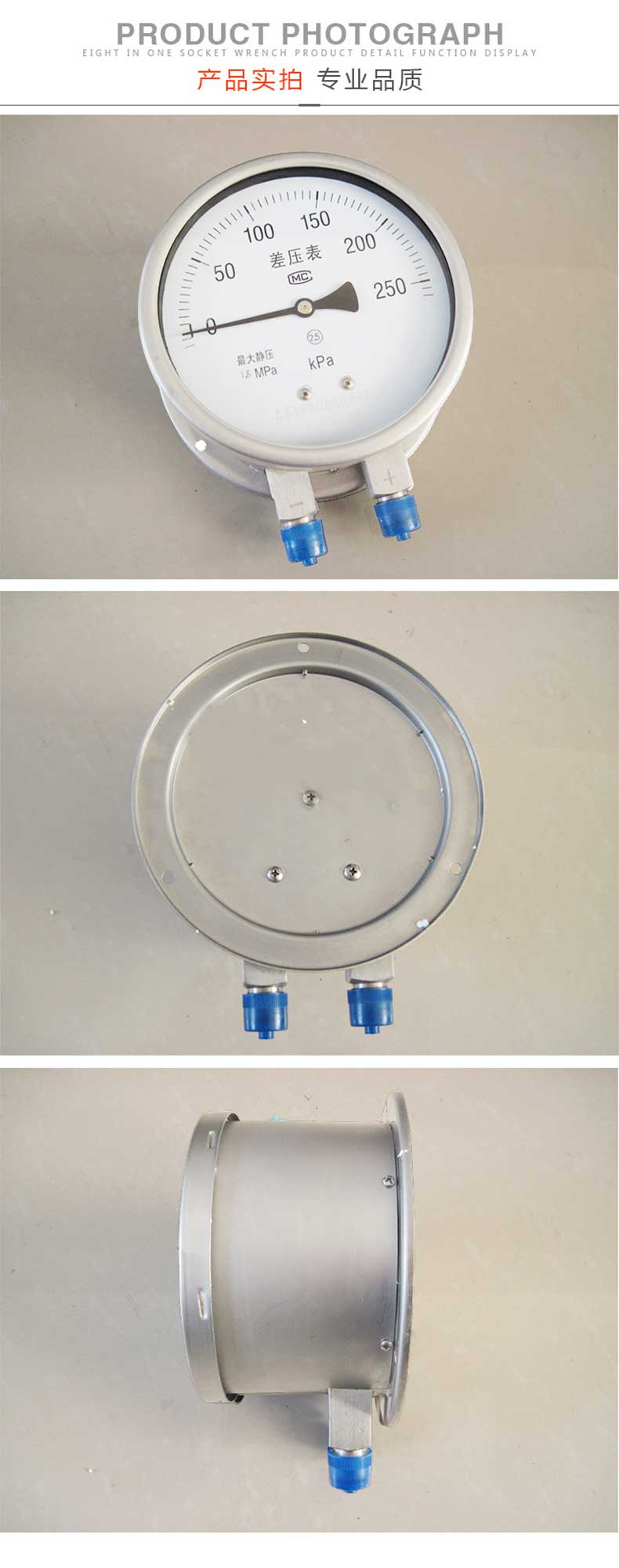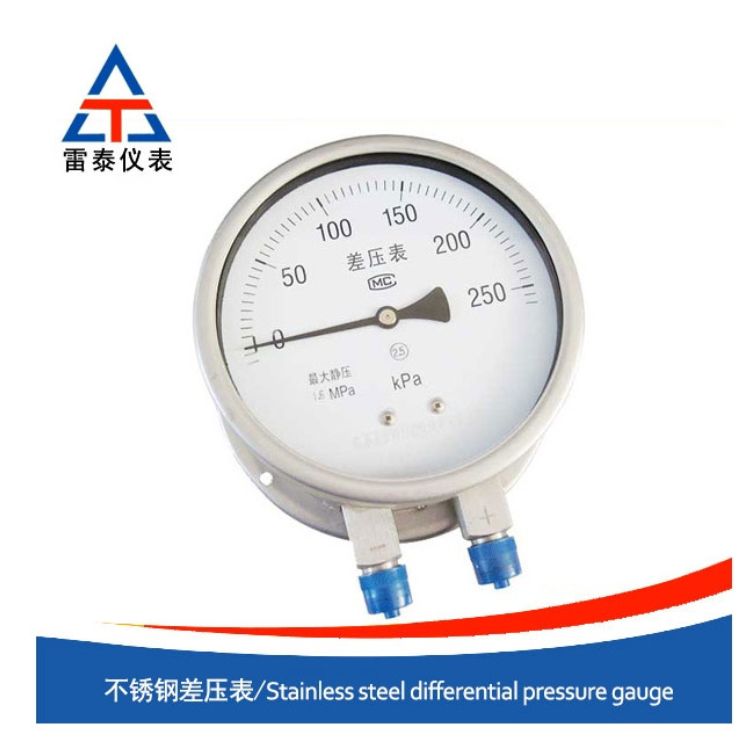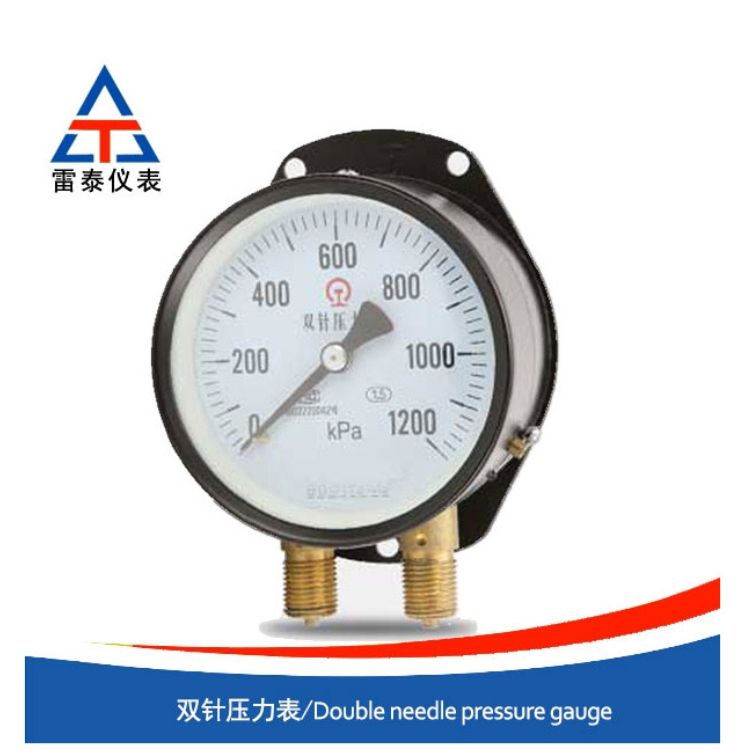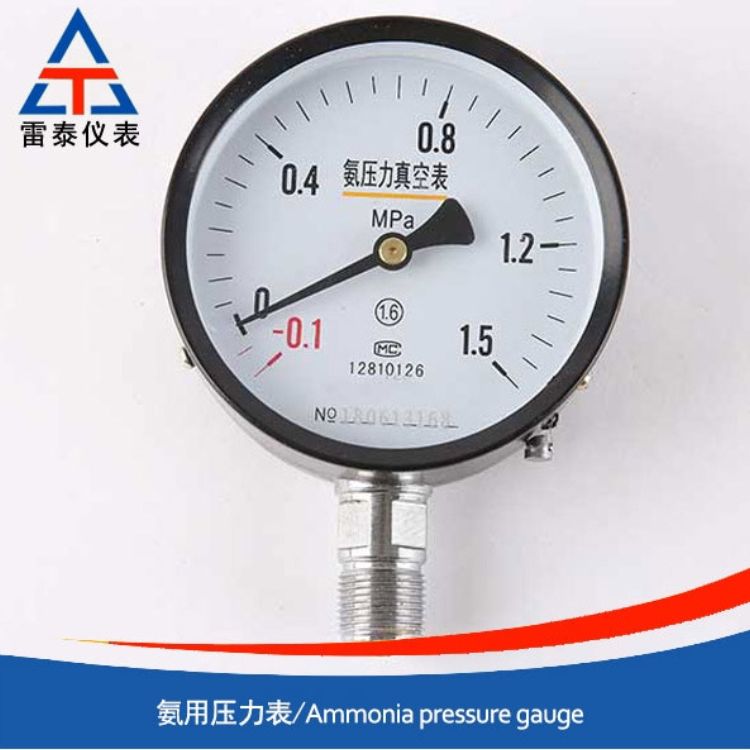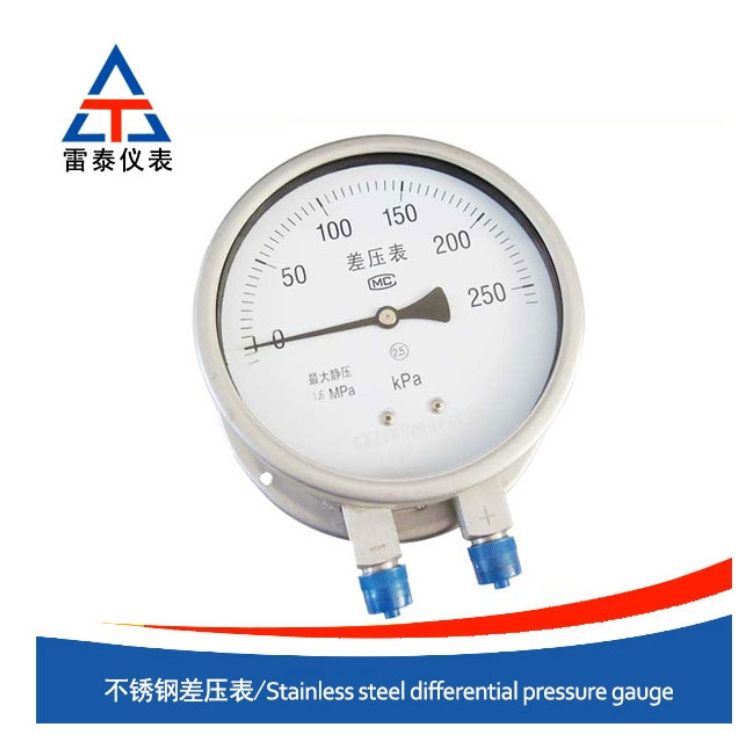

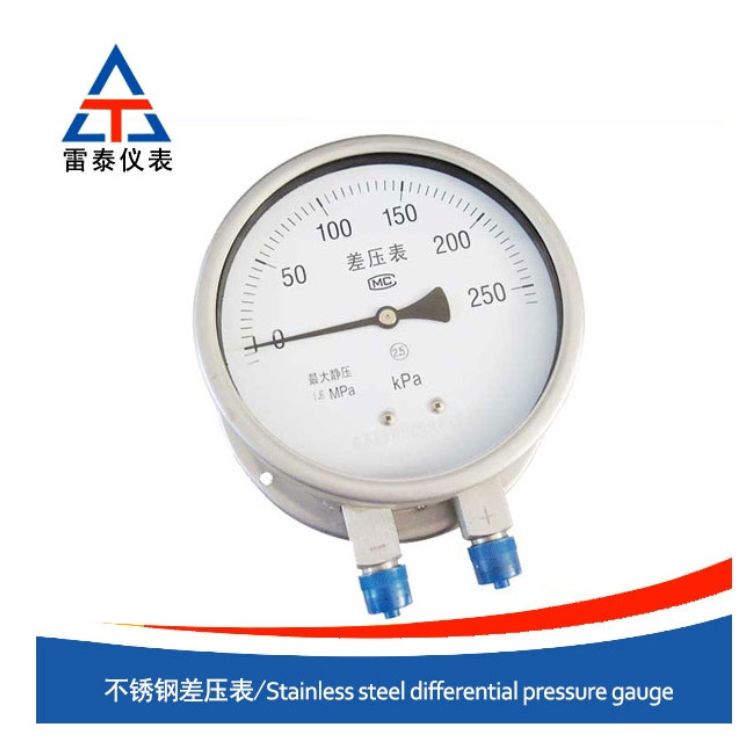
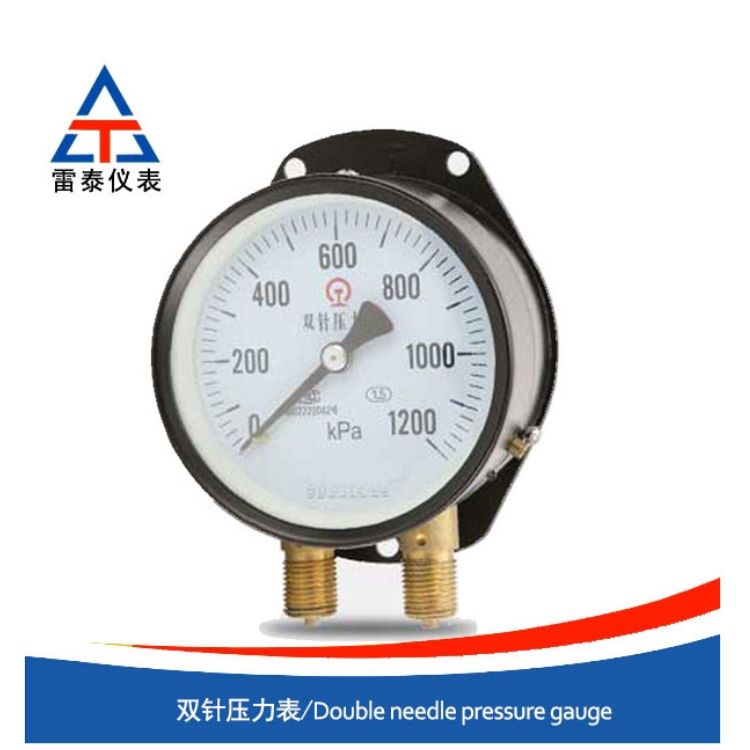
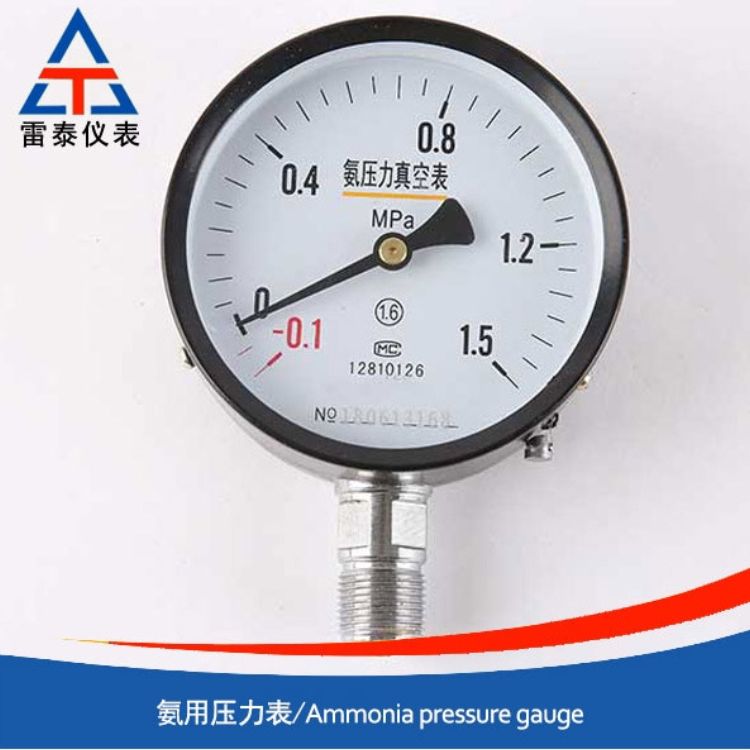







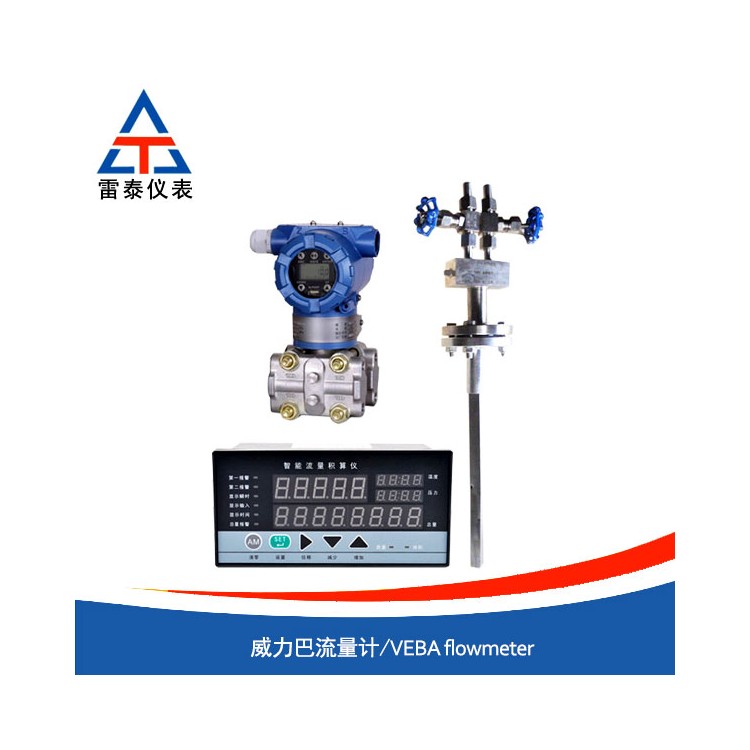
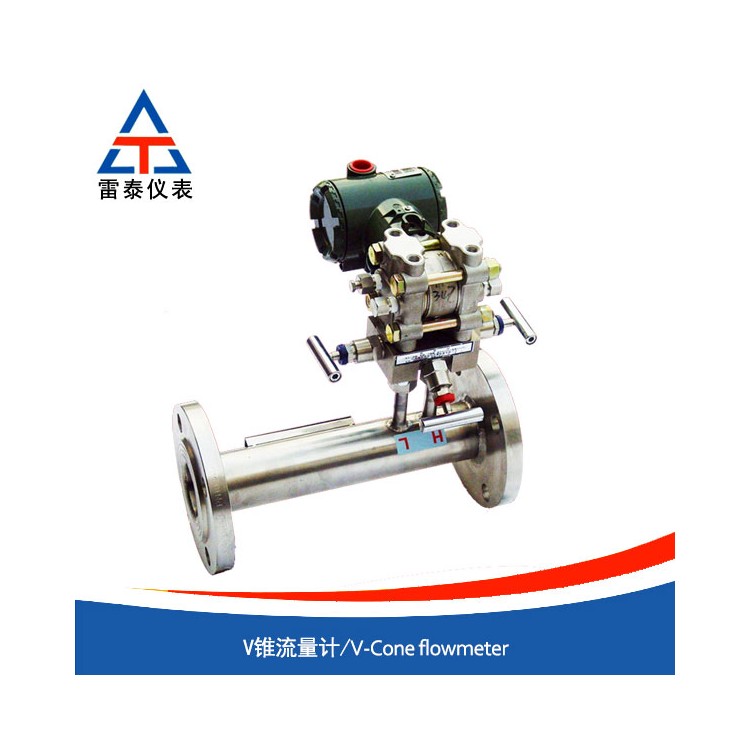
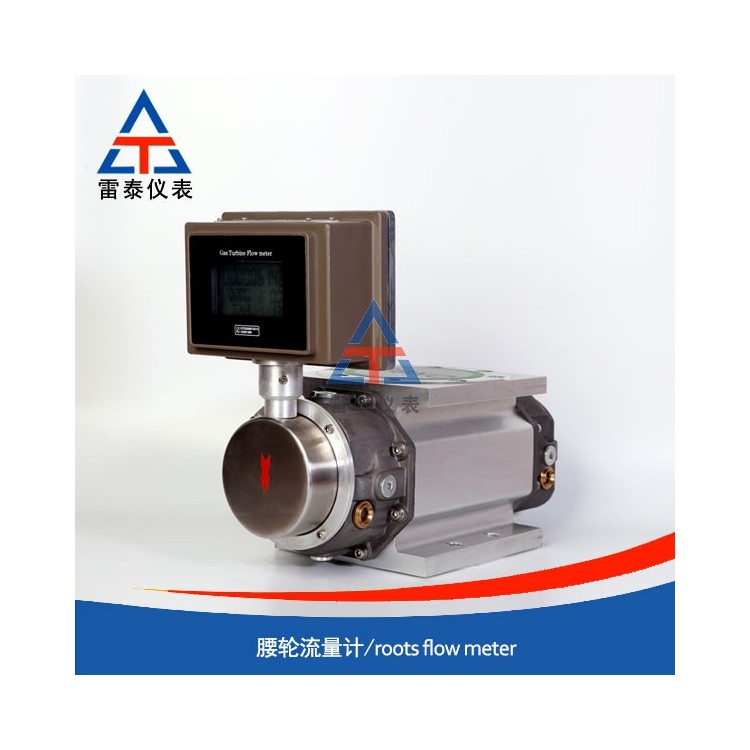

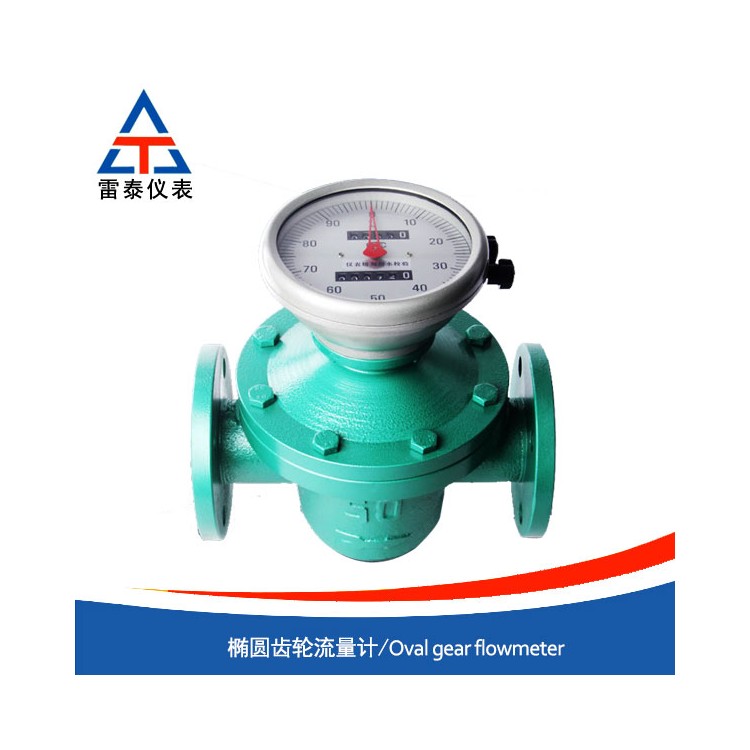
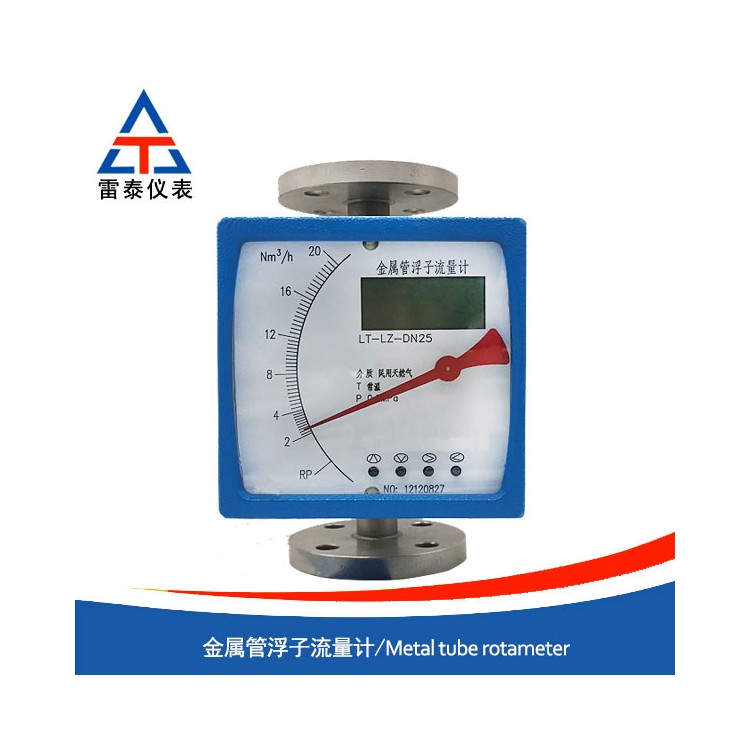
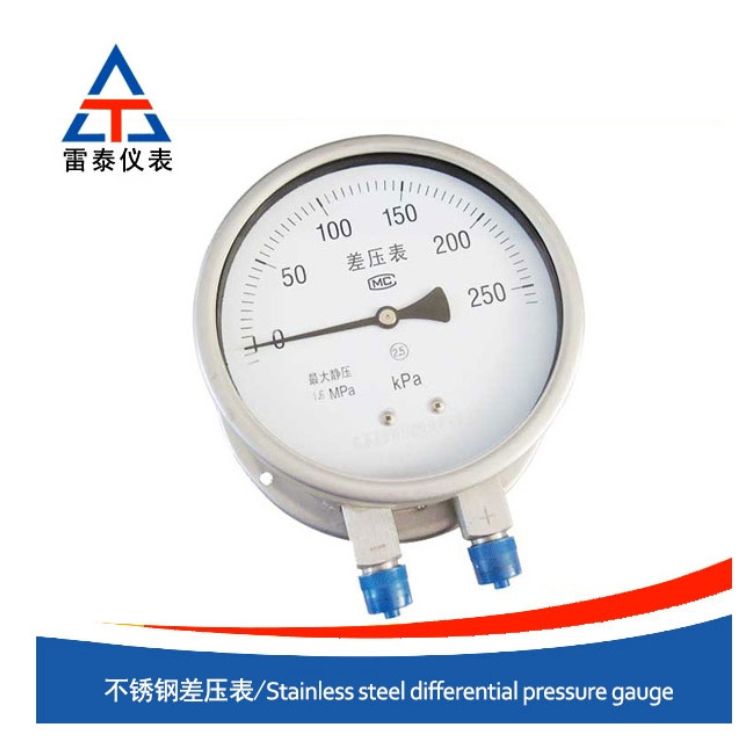
Stainless Steel Differential Pressure Gauges (hereinafter referred to as Differential Pressure Gauges) are suitable for measuring differential pressure and flow parameters of various liquid (gas) media in process flows of industrial sectors such as chemicals, chemical fibers, metallurgy, electricity, and nuclear power. The structure of the stainless steel differential pressure gauge is entirely made of stainless steel, with the measurement system (dual bellows and connecting components) and the pressure guiding system (including joints, pipes, etc.) made of special austenitic stainless steel, offering strong corrosion resistance and resistance to working environment erosion. The overall structure design is rational, the technology advanced, and it boasts small size, light weight, good stability, long service life, innovative appearance, and strong adaptability. The connection types of the gauge's fittings include parallel (which can be directly connected to a three-valve assembly) and diagonal, catering to different users' matching installation needs.
■ Structural Principle:
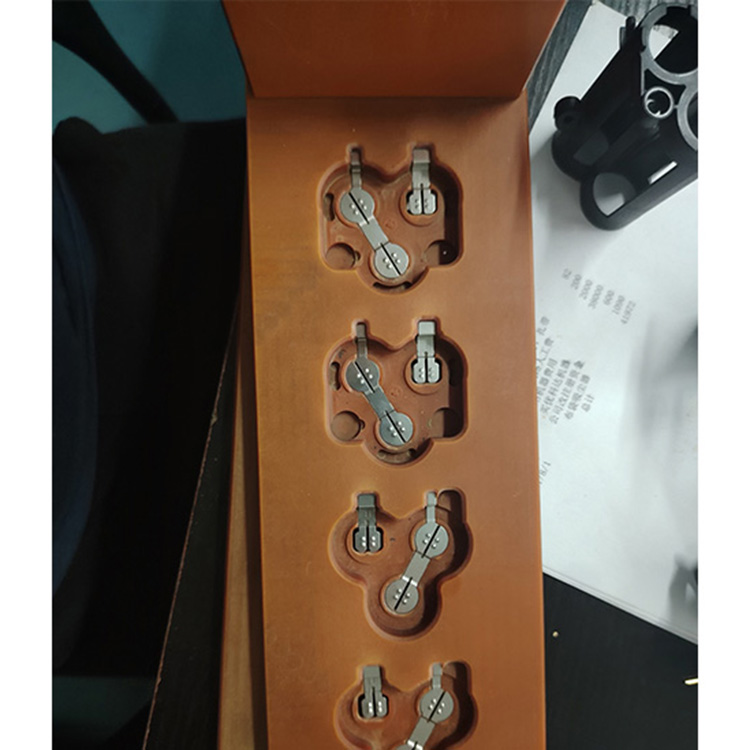
The gauge features a dual bellows structure, with each bellows installed symmetrically on either side of the "letter 'I' shaped bracket." The top and bottom ends of the "letter 'I' shaped bracket" are the movable and fixed ends, respectively, connected in the middle by a spring plate; the two bellows are in a parallel state, connected to the high and low-pressure fittings on the housing via conduits; the gear drive mechanism is directly mounted on the fixed end of the bracket and connected to the movable end of the bracket via a pull rod; the dial is directly mounted on the gear drive mechanism.
The working principle of the stainless steel differential pressure gauge: Based on pressure-sensing elements, it employs two bellows with the same stiffness. Under the same measured medium, they are forced to generate the same concentrated force, which acts on the movable bracket separately. Due to the equal torque on both sides of the spring strip, no deflection occurs, keeping the bracket in its original position. Consequently, the gear transmission mechanism does not activate, causing the pointer to remain at zero.
When different pressures (usually the high-pressure side is higher than the low-pressure side) are applied, the forces exerted by the two bellows on the moving bracket are unequal, causing corresponding displacements. These displacements drive the gear transmission mechanism, which amplifies the force and indicates the differential pressure between them by the deflection of the pointer.