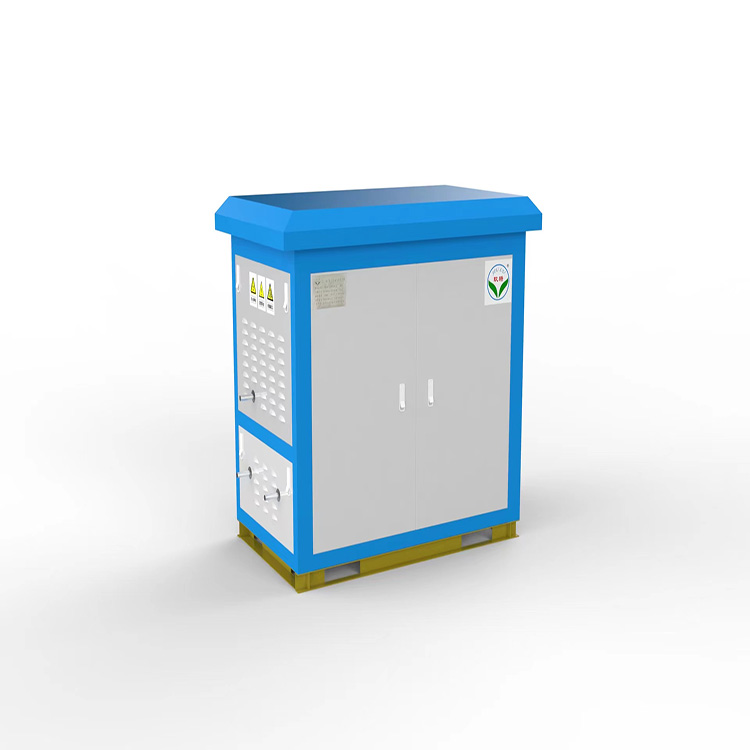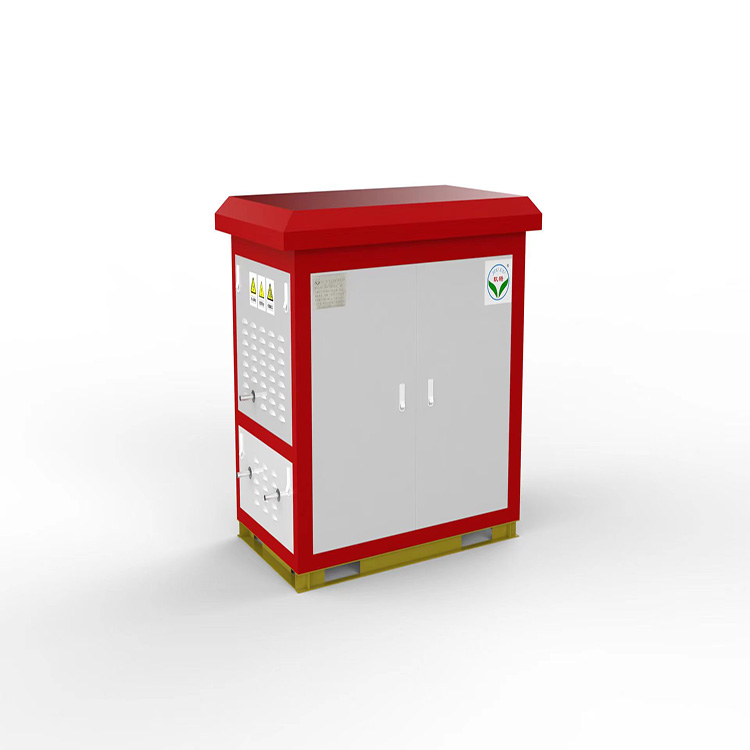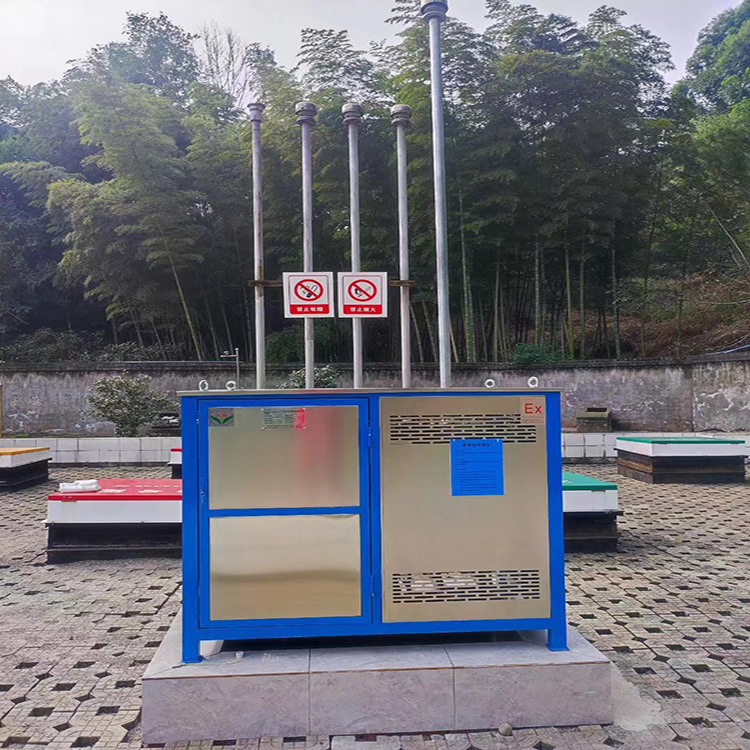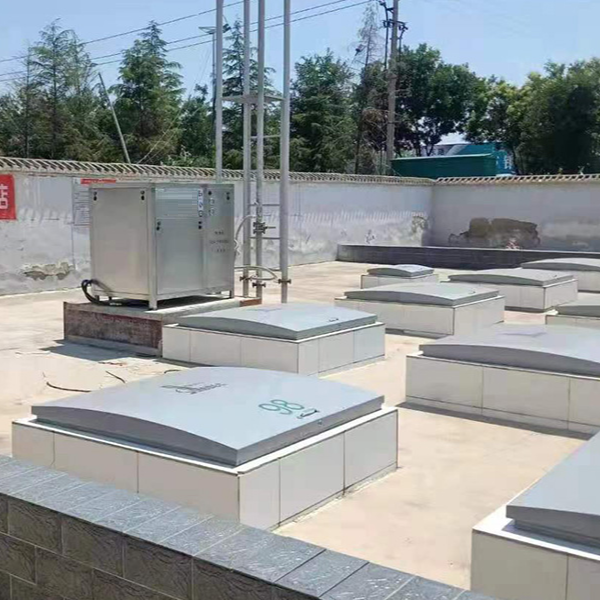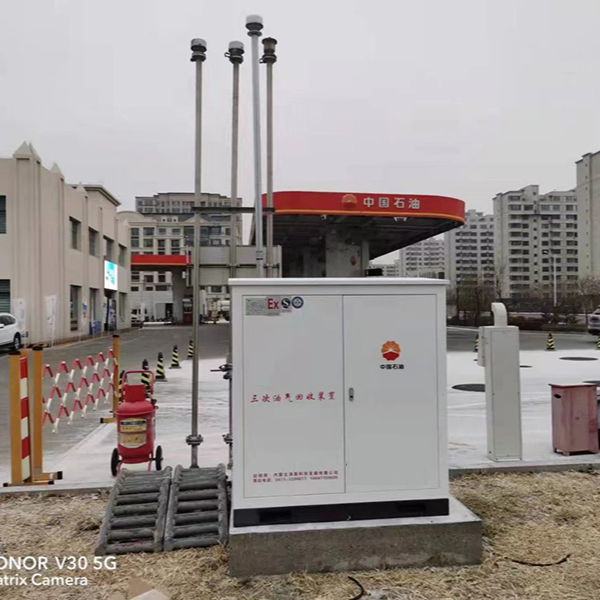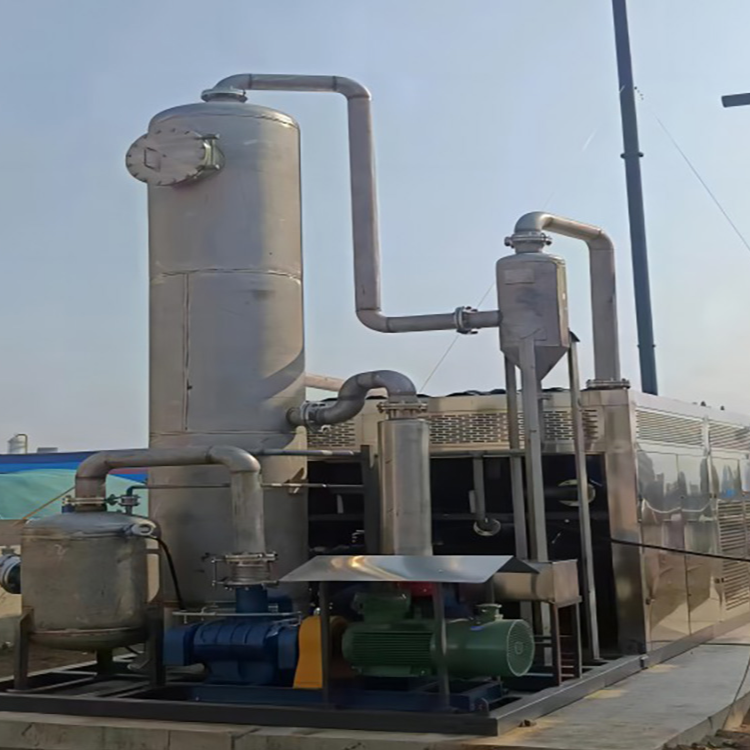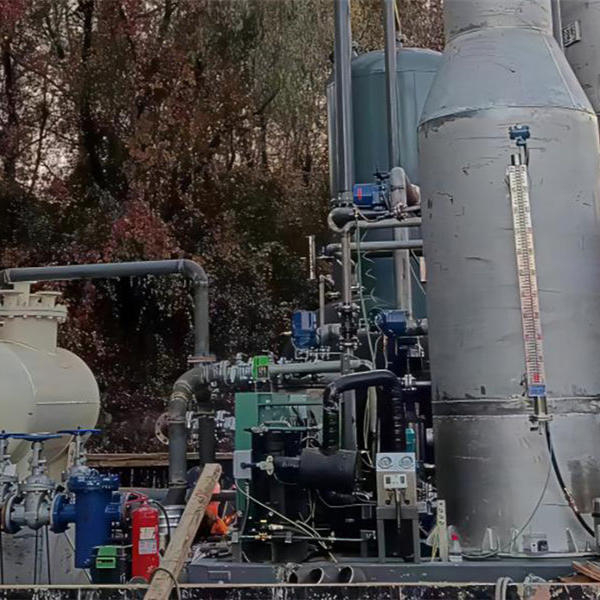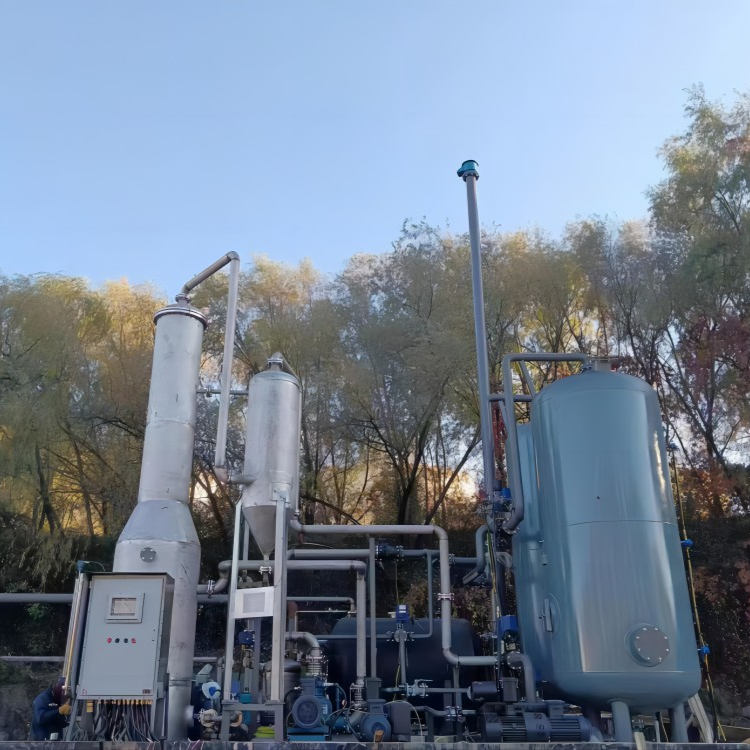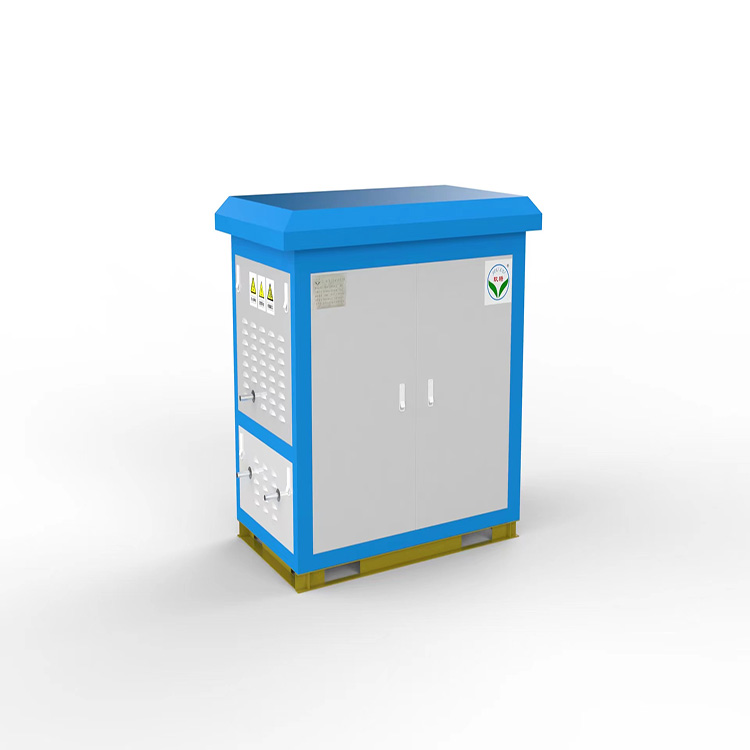

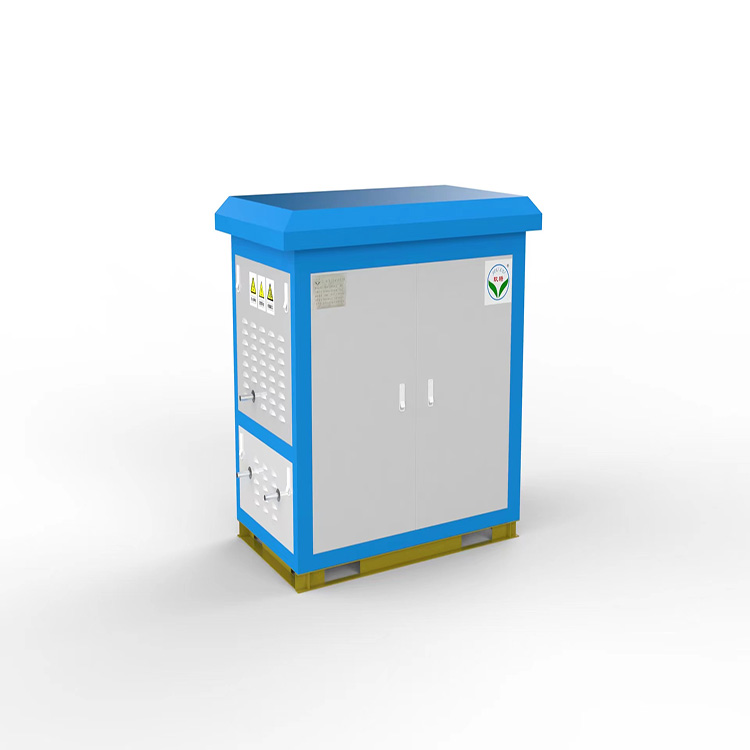
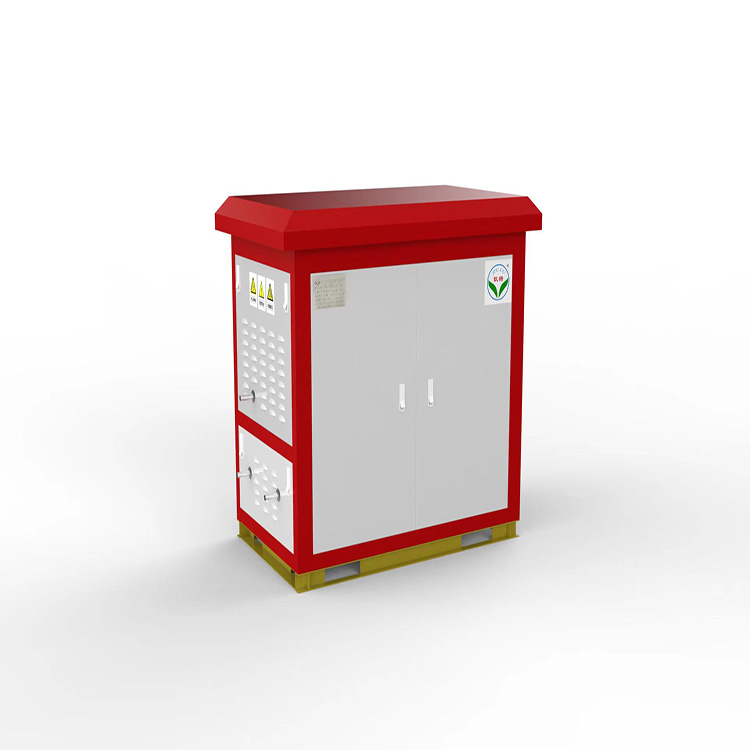
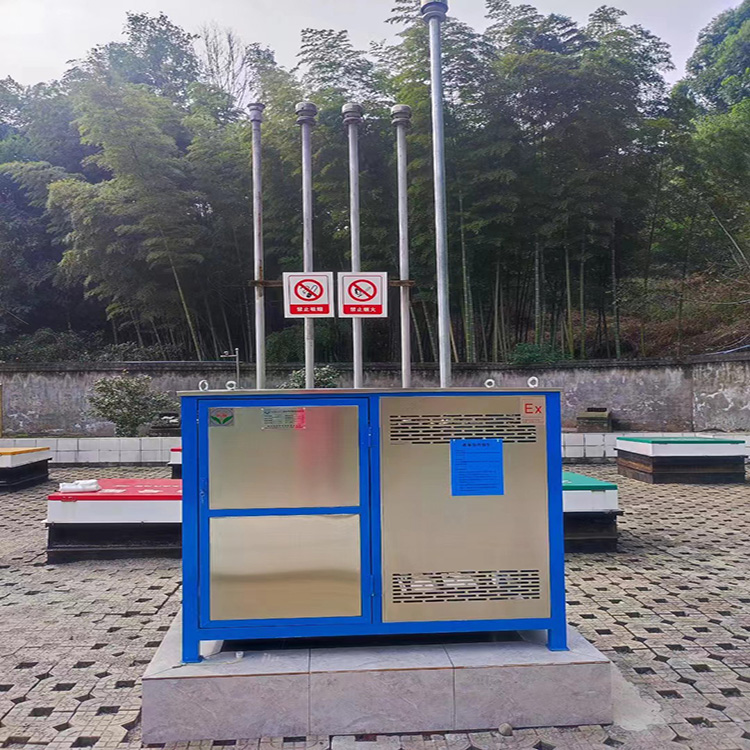


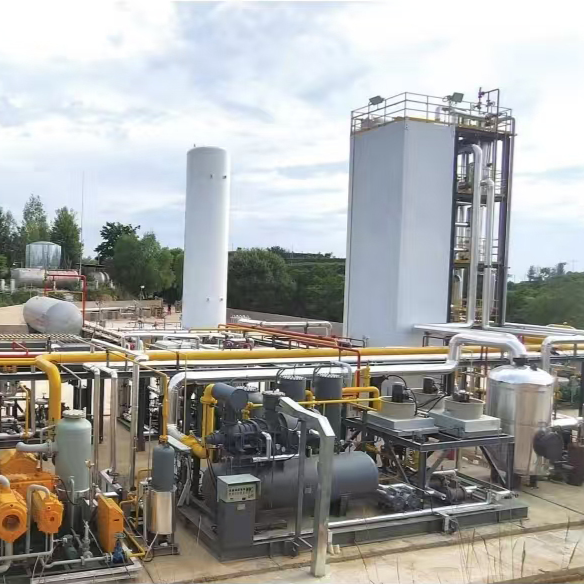
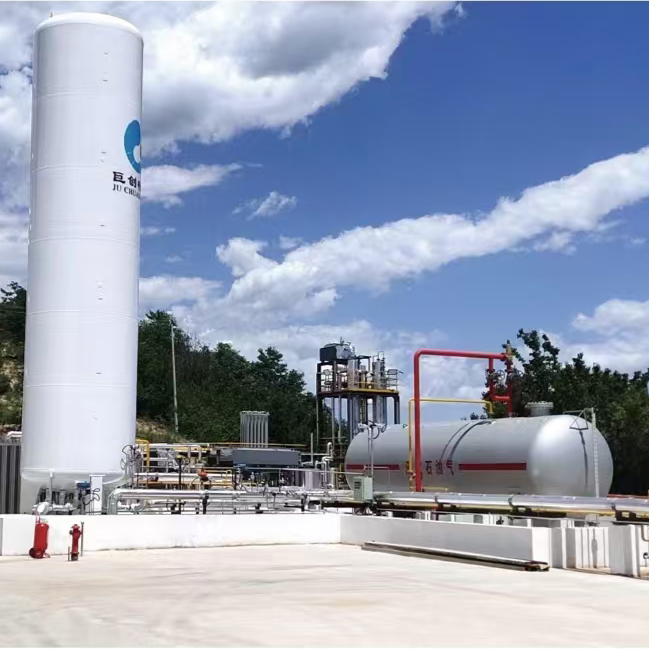
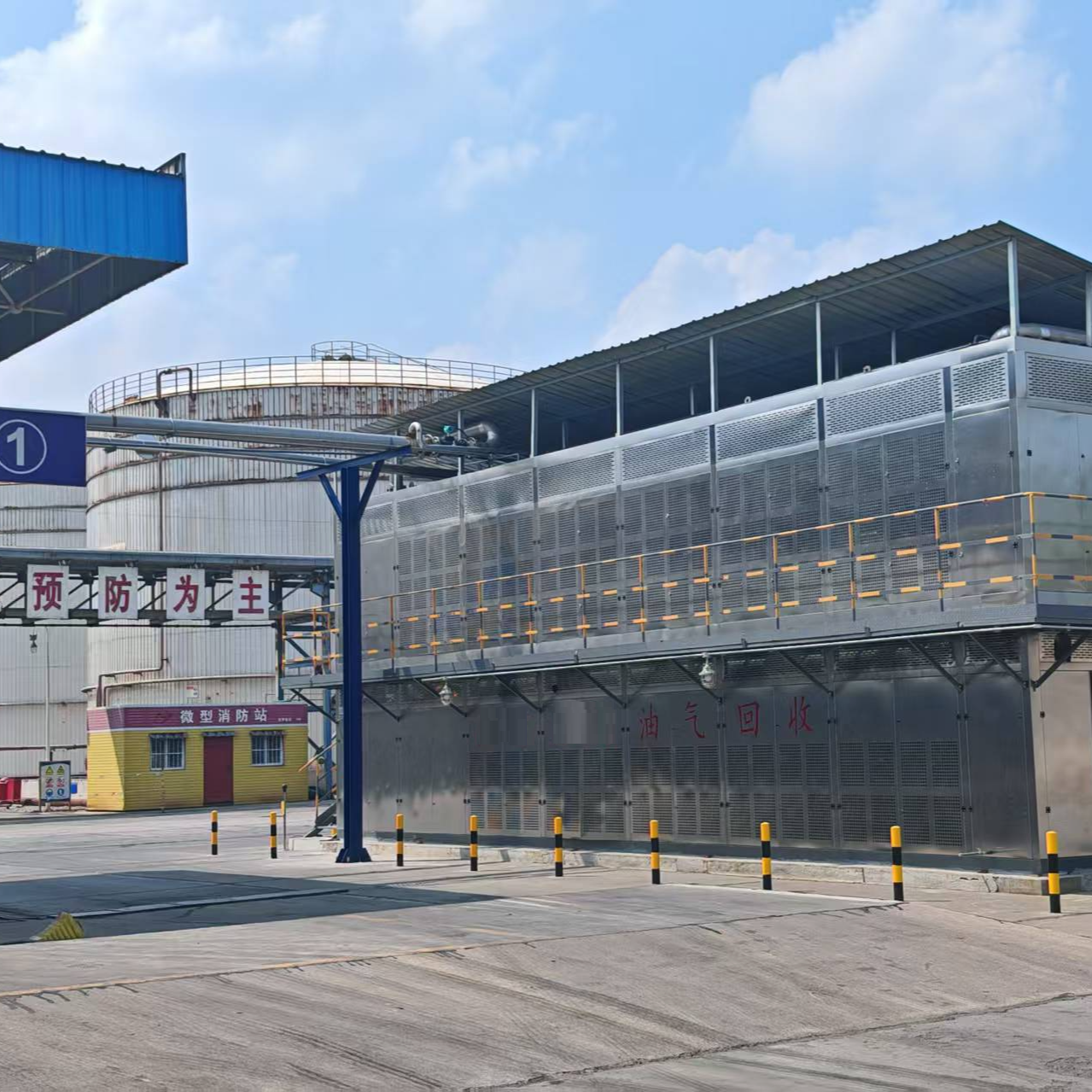
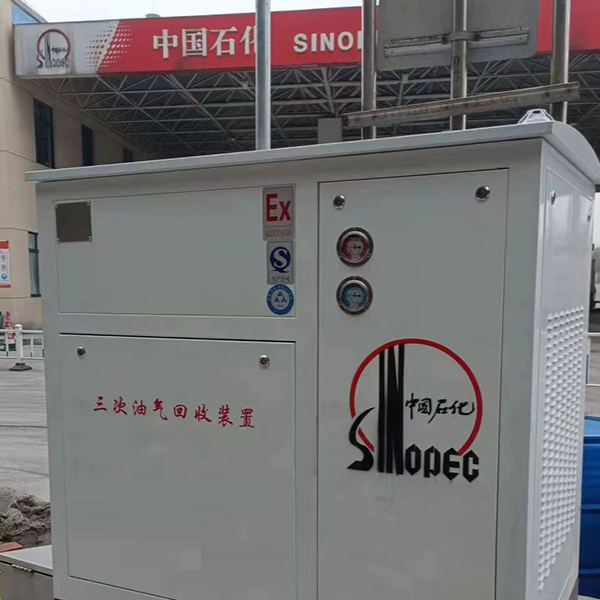
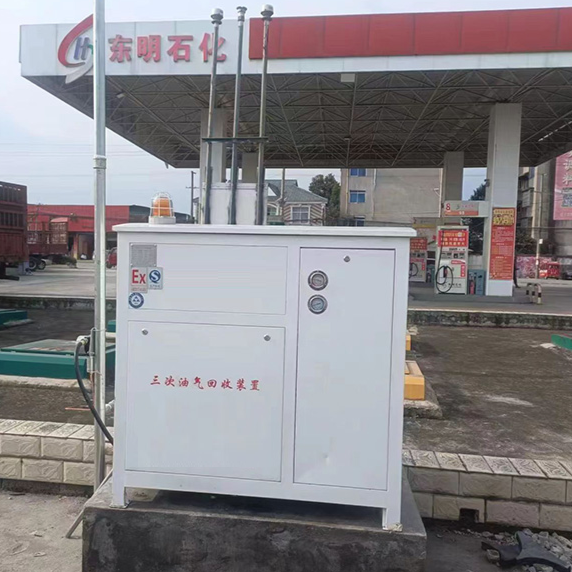





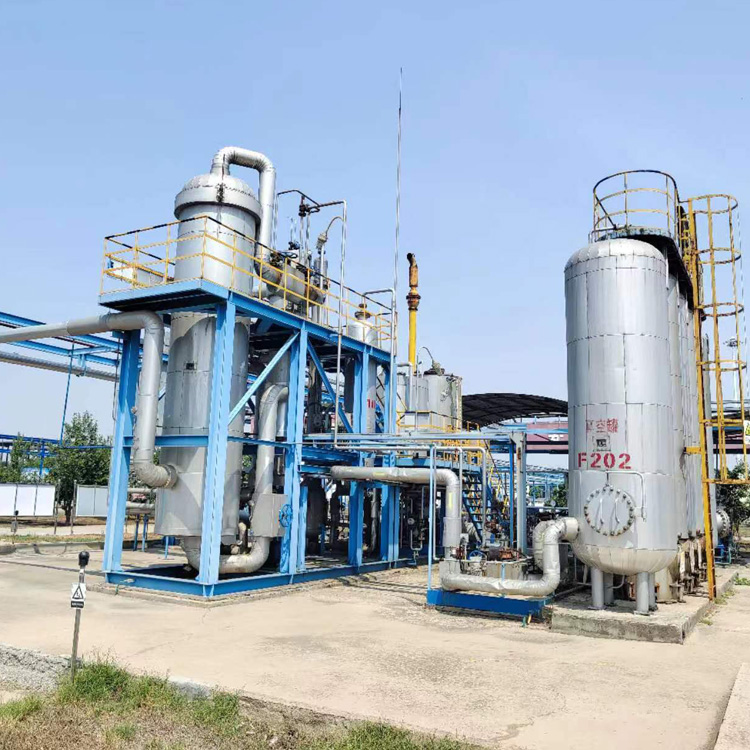
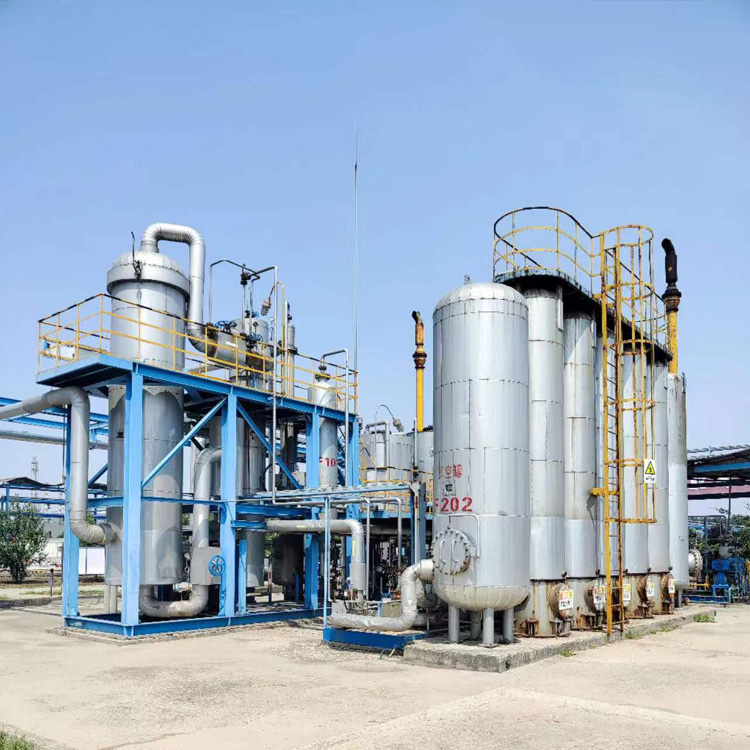
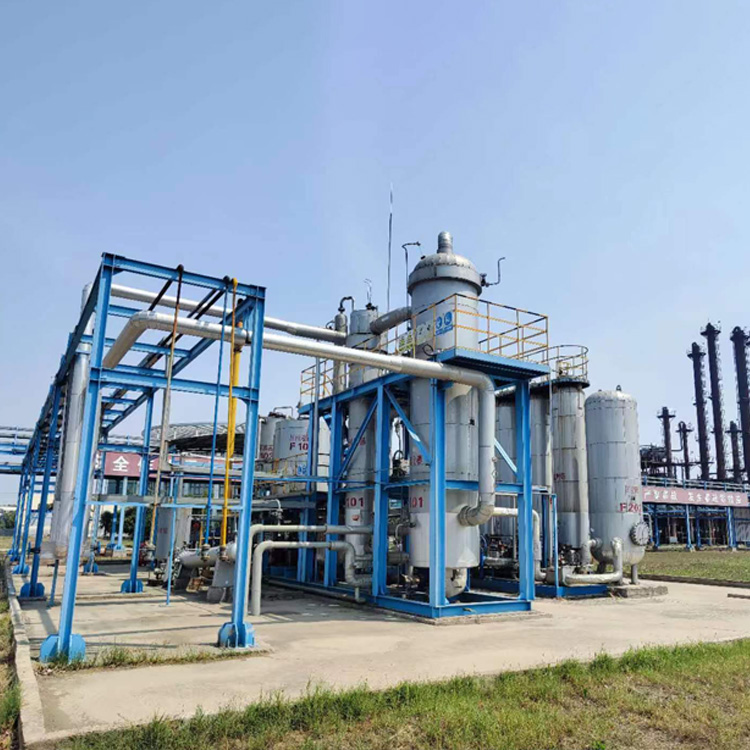
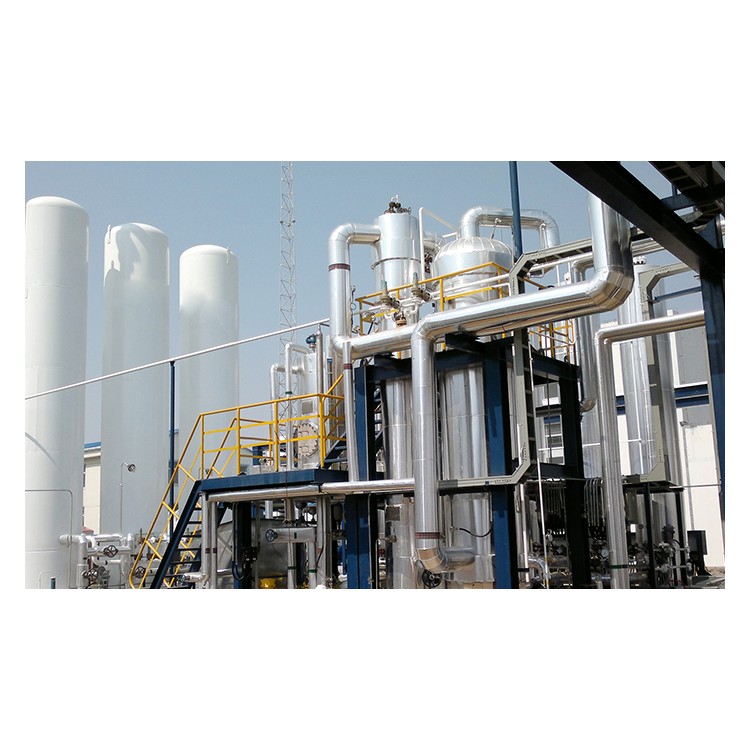
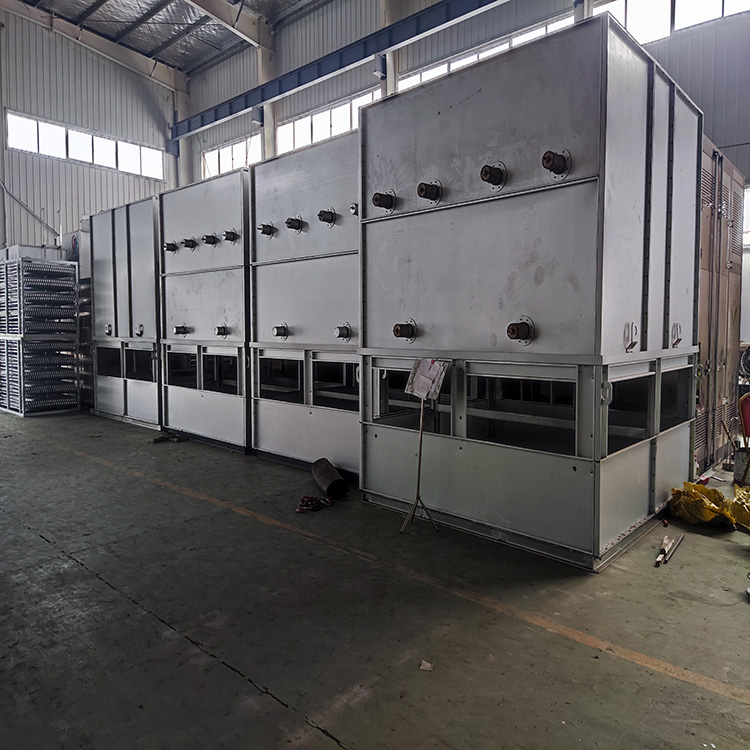
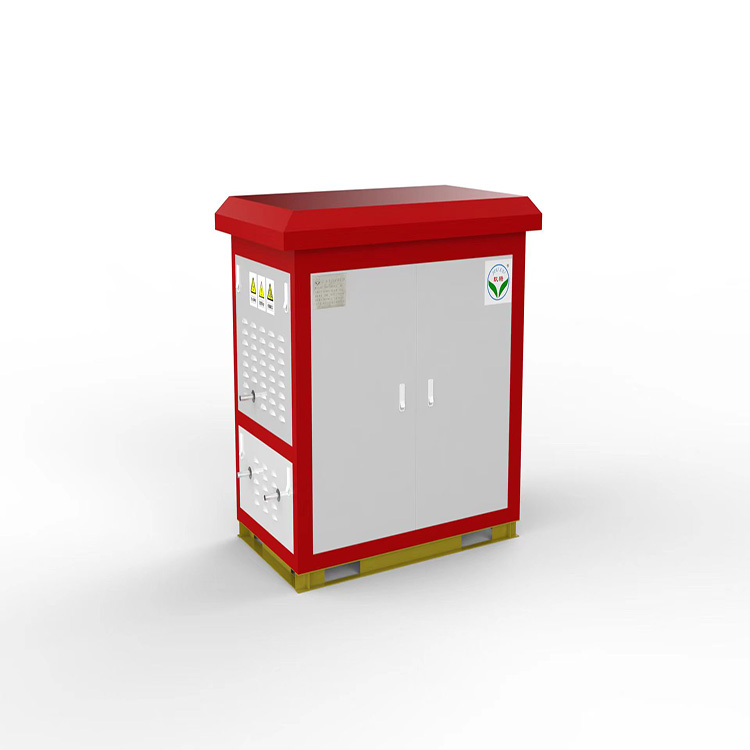
Gasoline station vapor recovery refers to the process of collecting and treating smoke, exhaust, or volatile organic compounds generated during refueling operations at gas stations. These emissions may come from the evaporation, overflow, and operation of internal equipment at the station, and require effective treatment to reduce environmental pollution and waste of resources.
Fuel vapor recovery at gas stations typically includes the following steps:
Emission Control: By designing rational fuel station ventilation systems and gas collection devices, control the release and dispersion of oil and gas.
Collection and separation: Collect and separate the emitted oil fumes, exhaust gases, or volatile organic compounds, and use appropriate technical methods to isolate the harmful components.
Processing and Recycling: Further process the separated hazardous components, while recycling and reusing the recoverable oil products.
The primary purpose of fuel vapor recovery at gas stations is to minimize environmental impact, ensure compliance with environmental regulations, and maximize the utilization of recyclable resources.