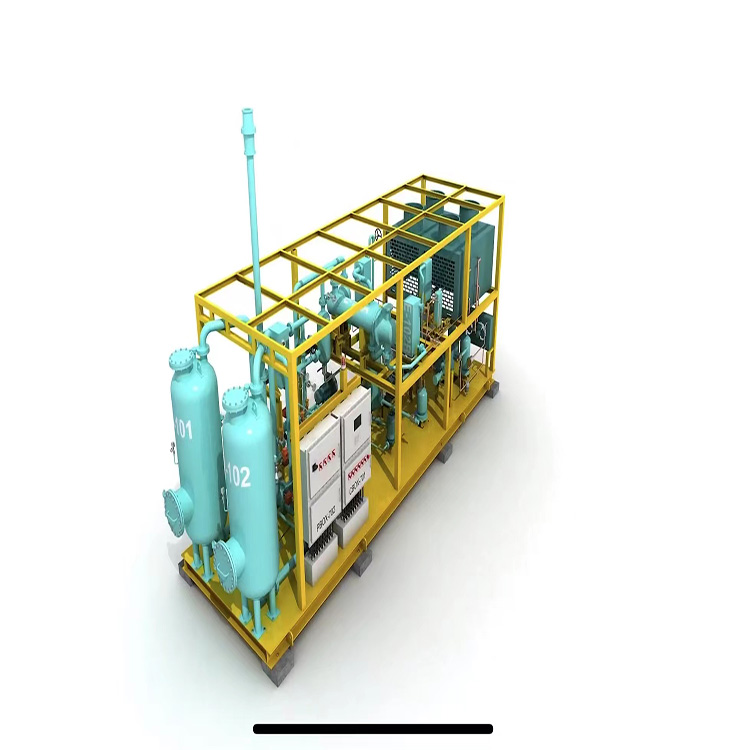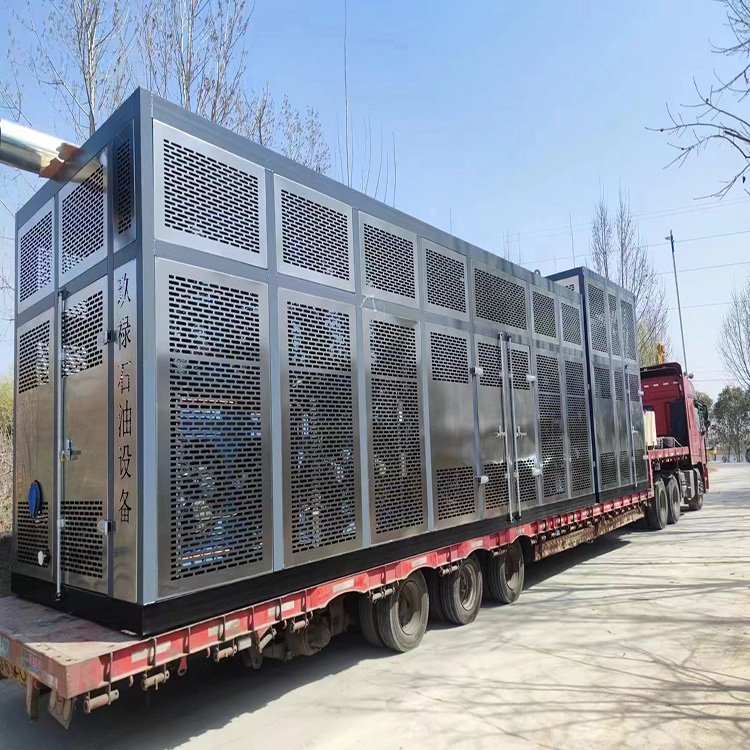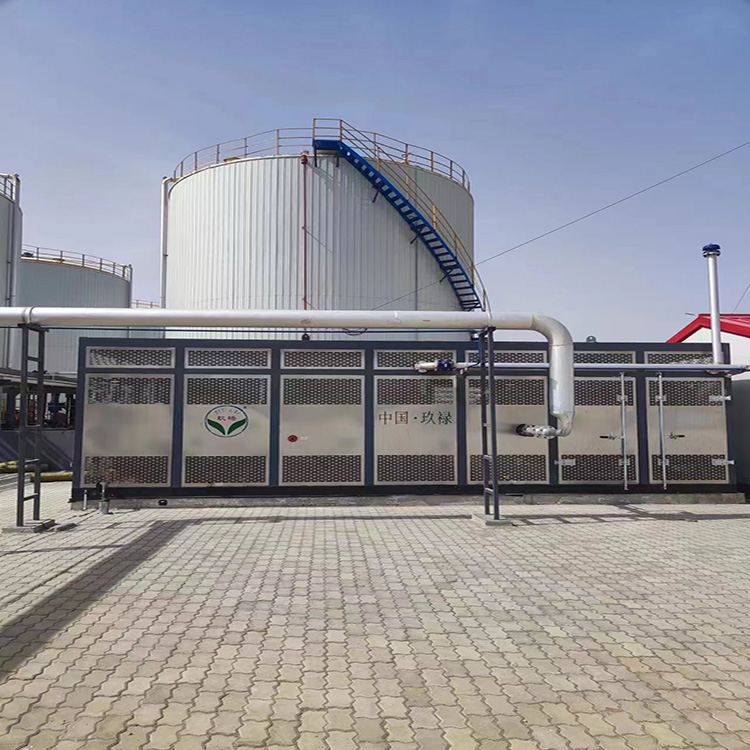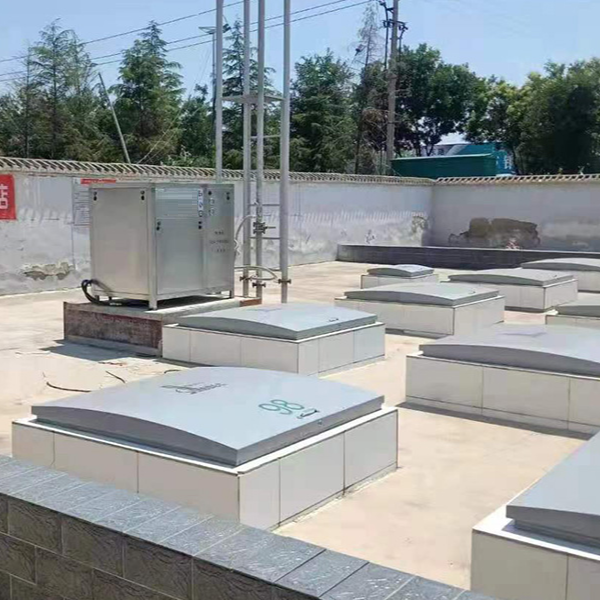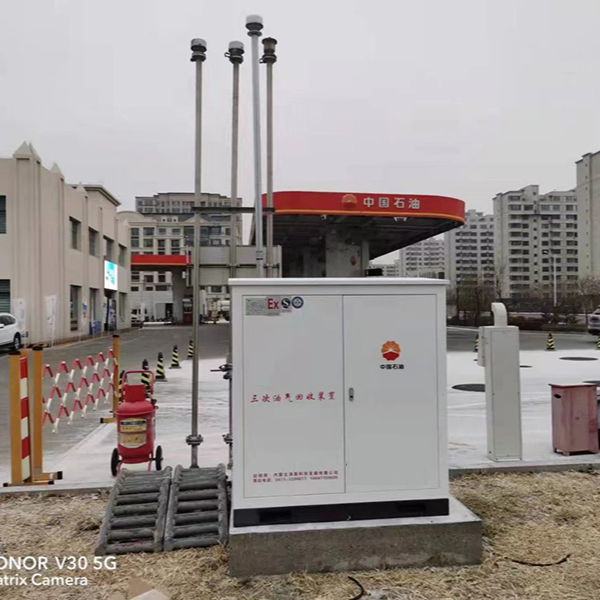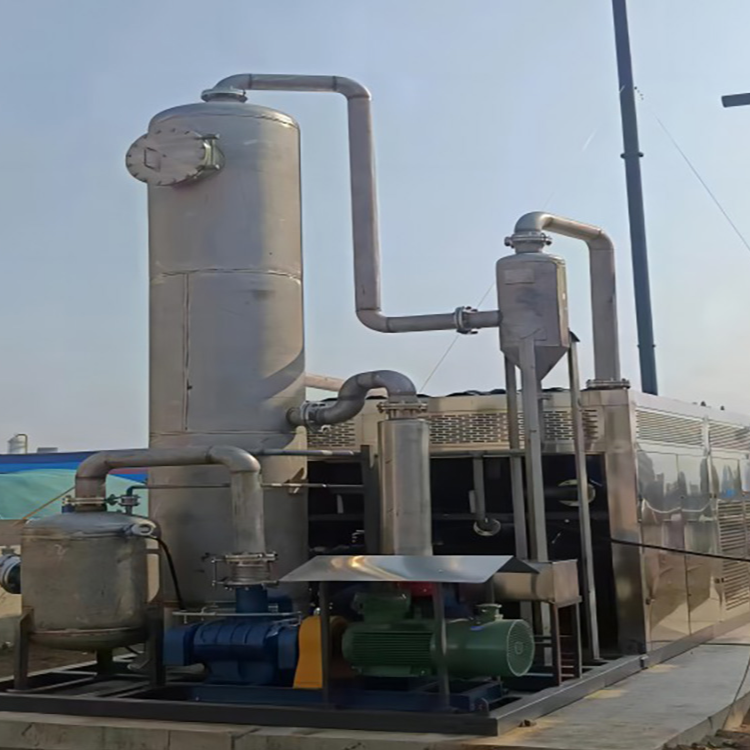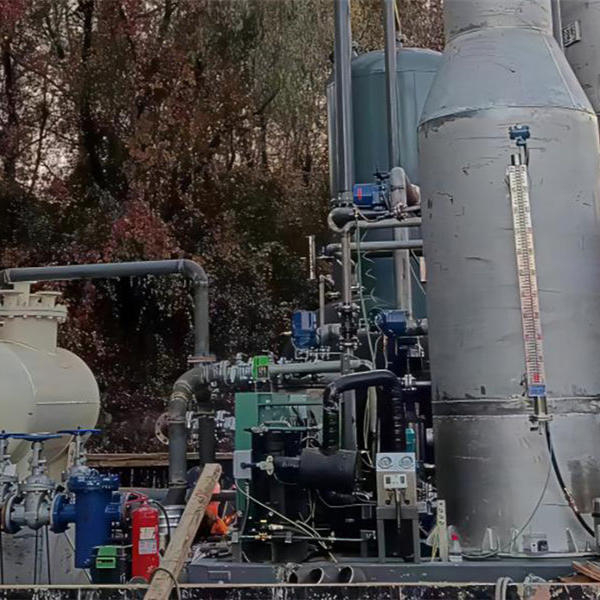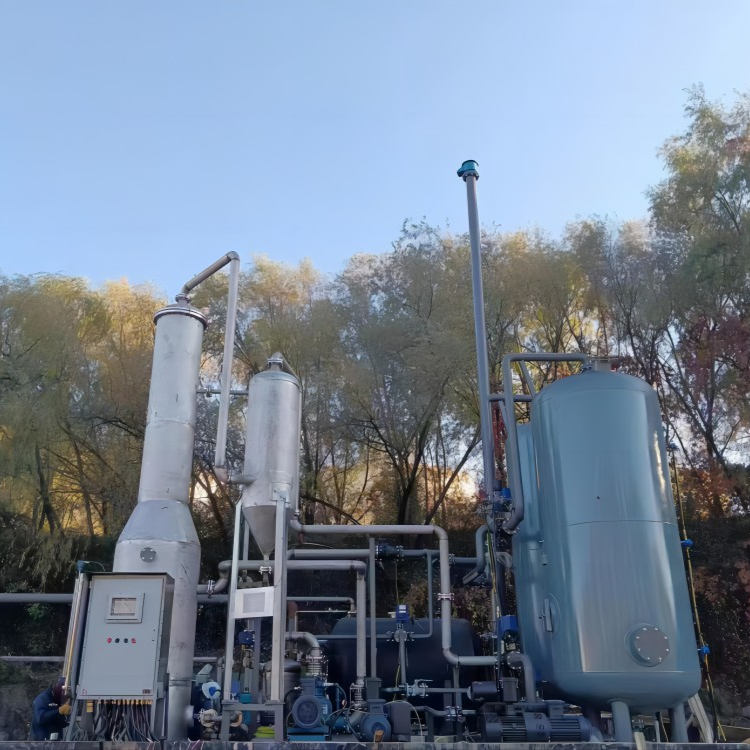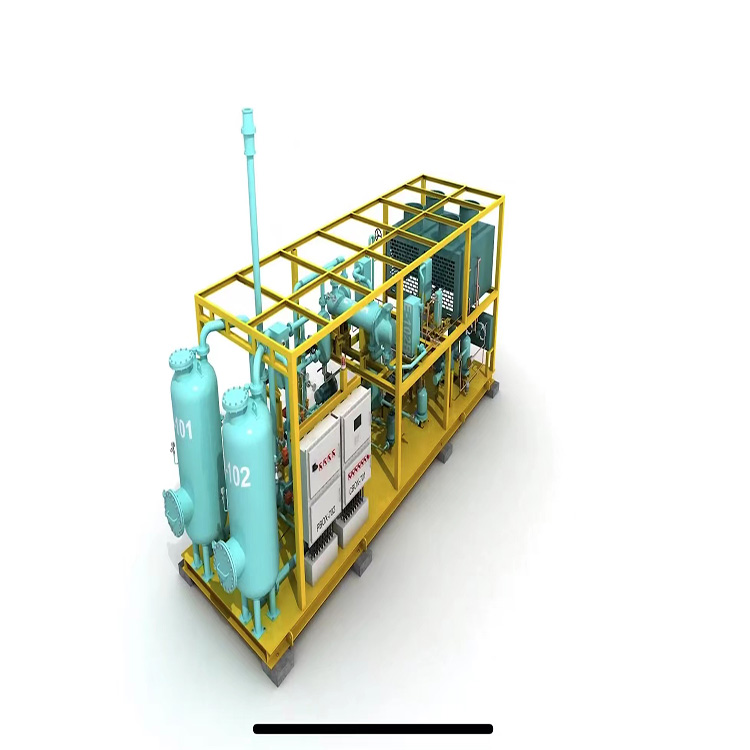

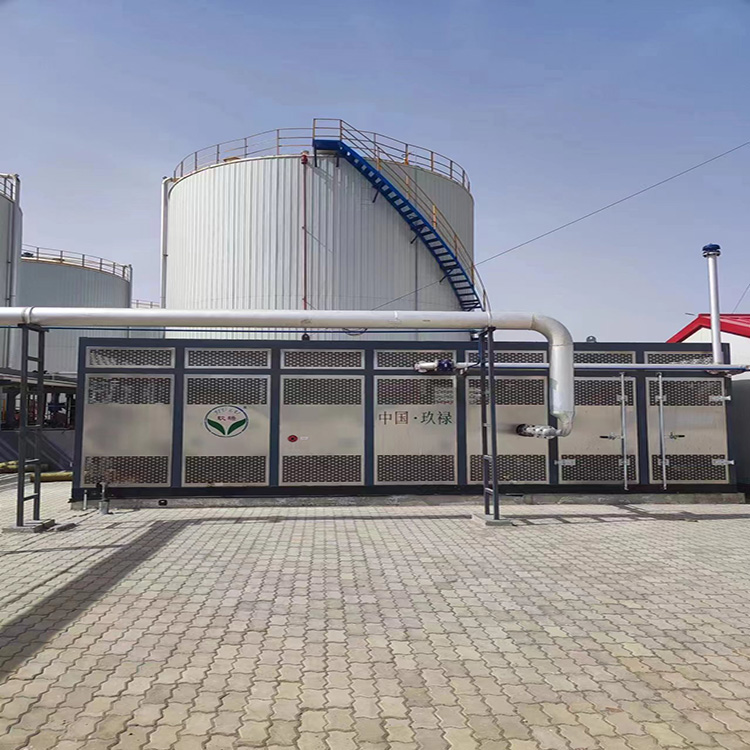


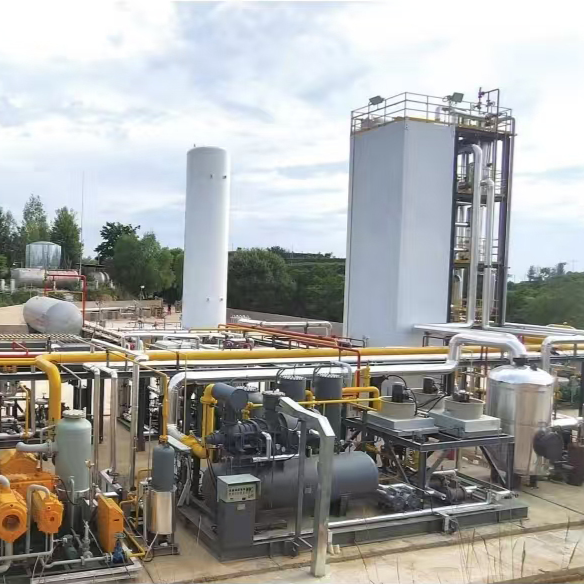
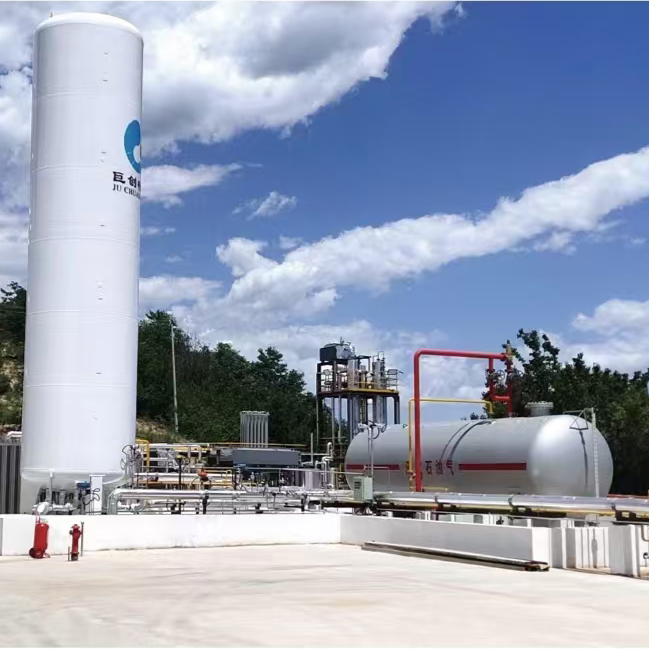
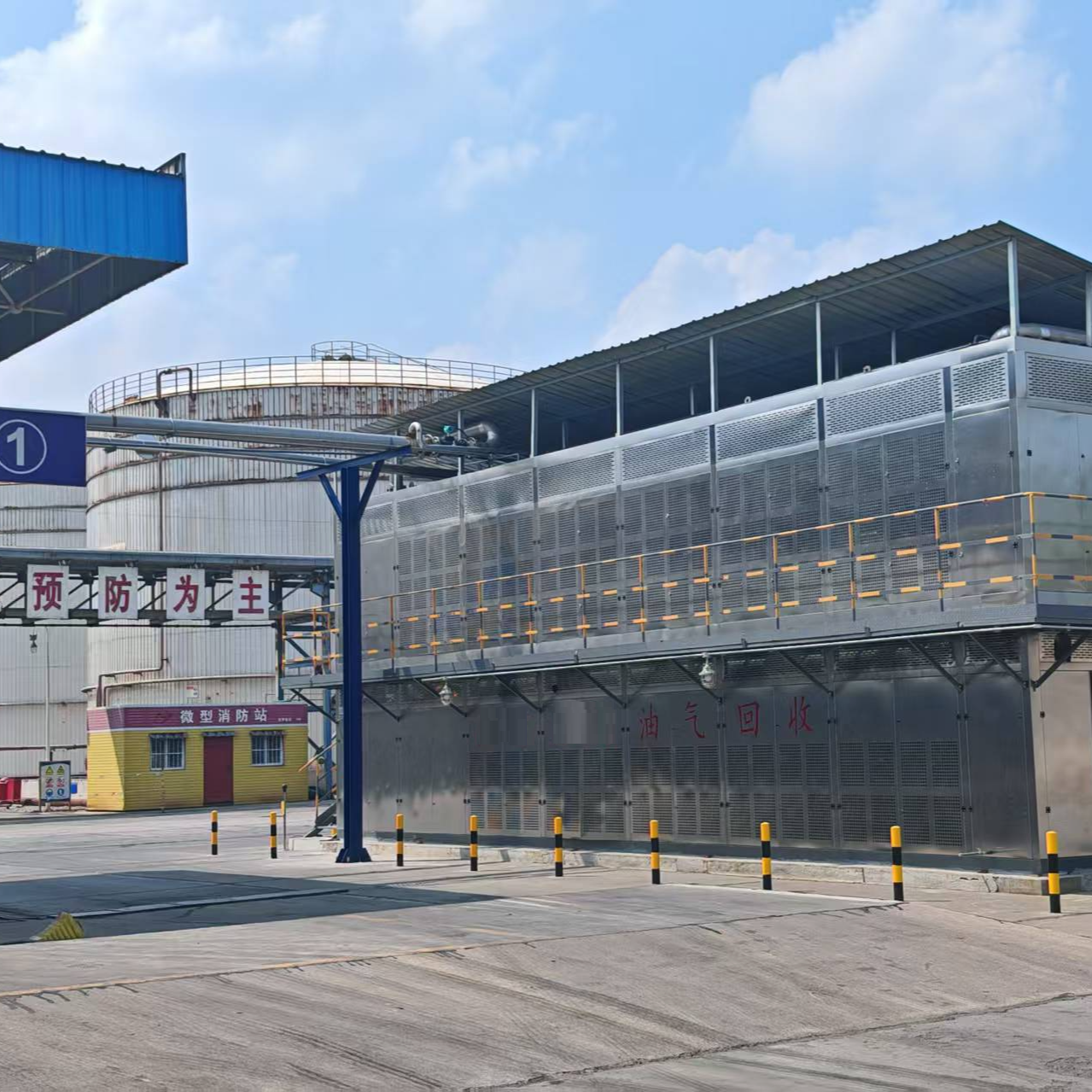
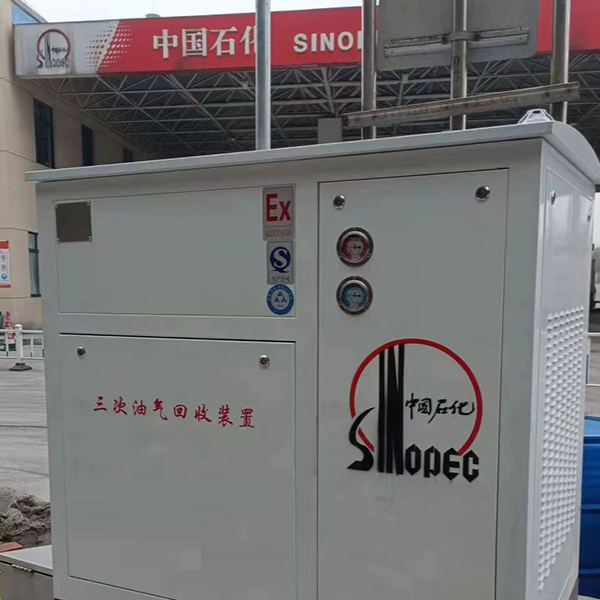
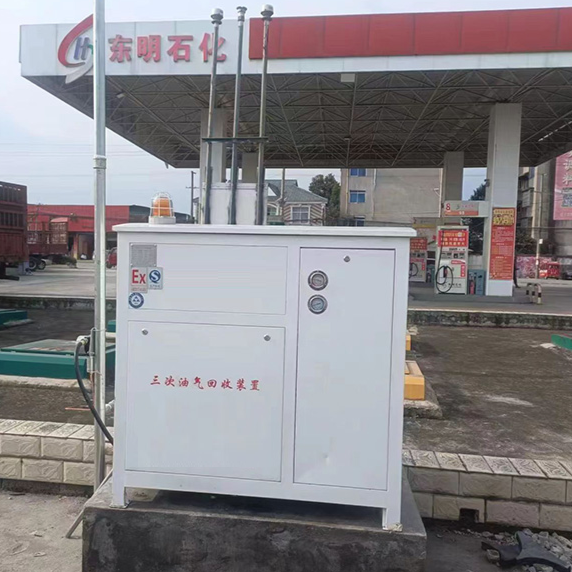





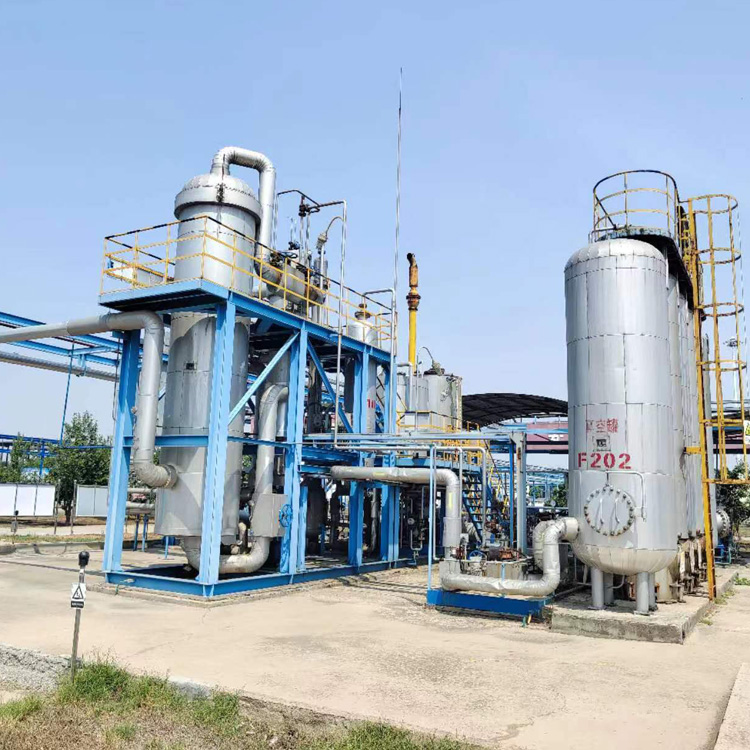
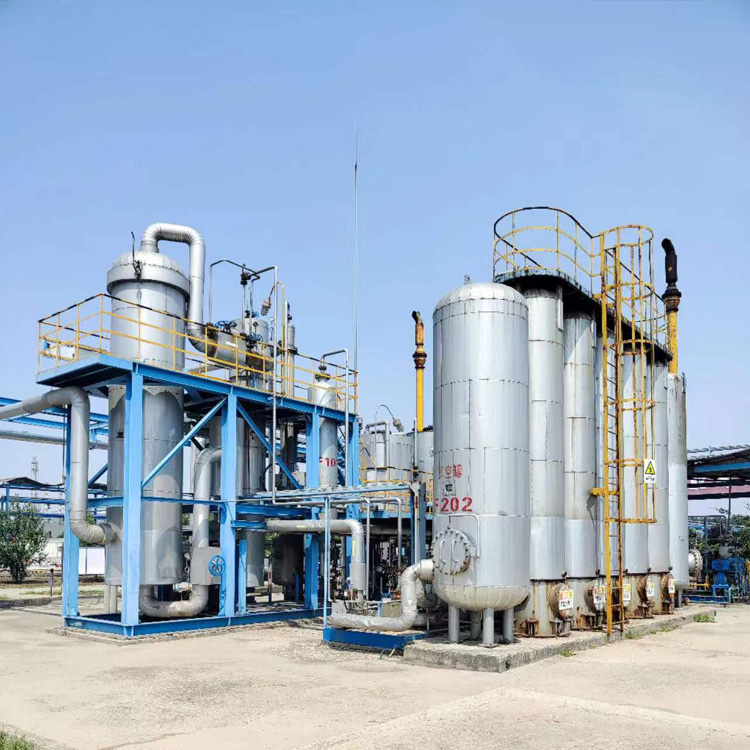
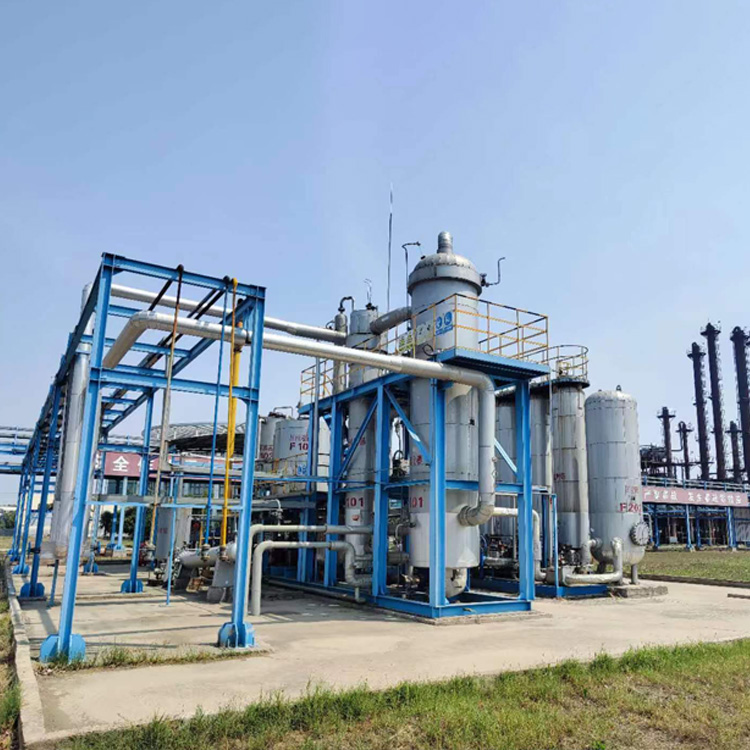
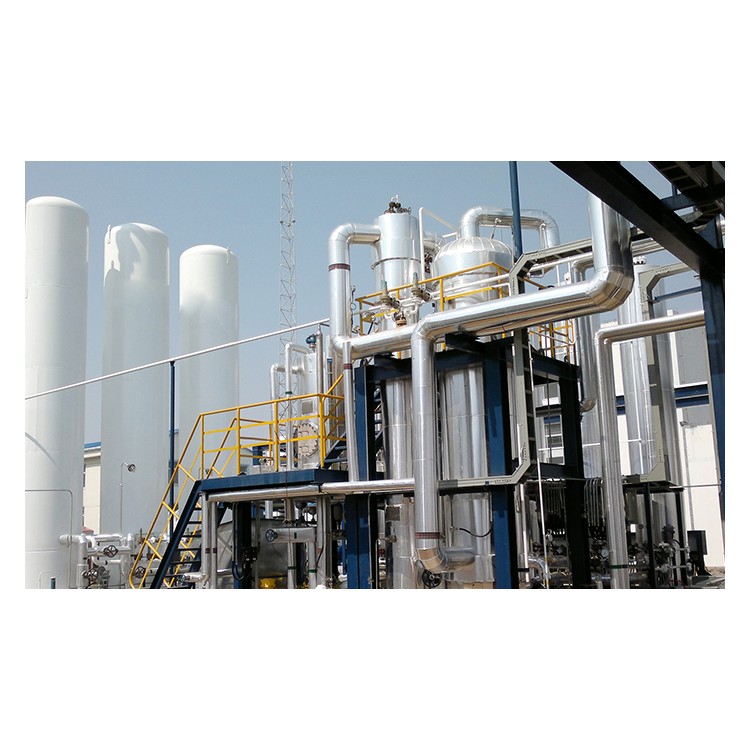
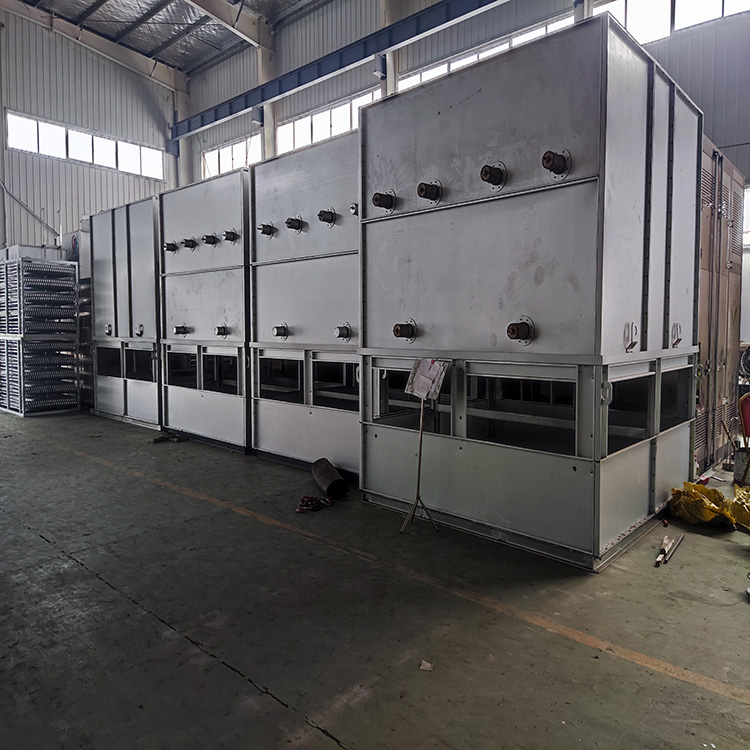
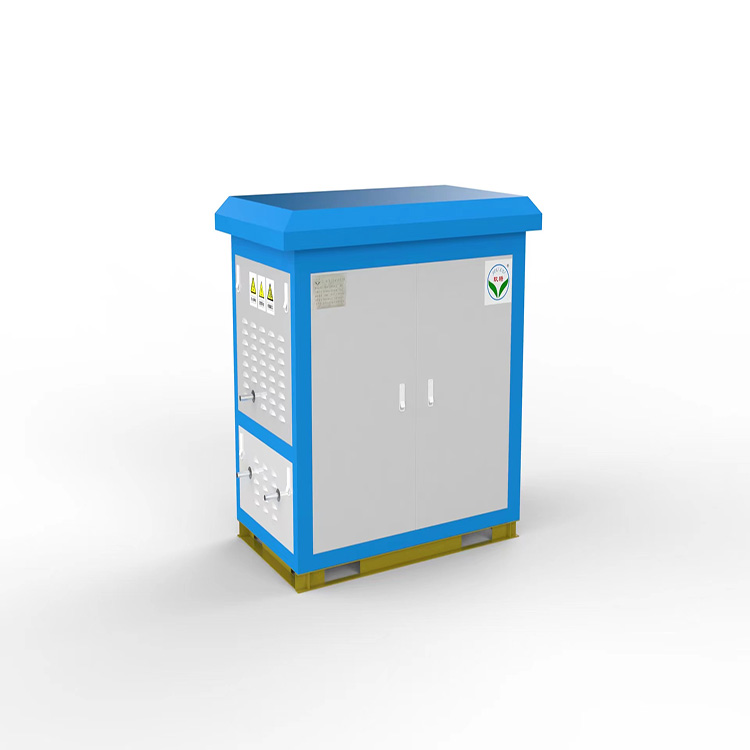
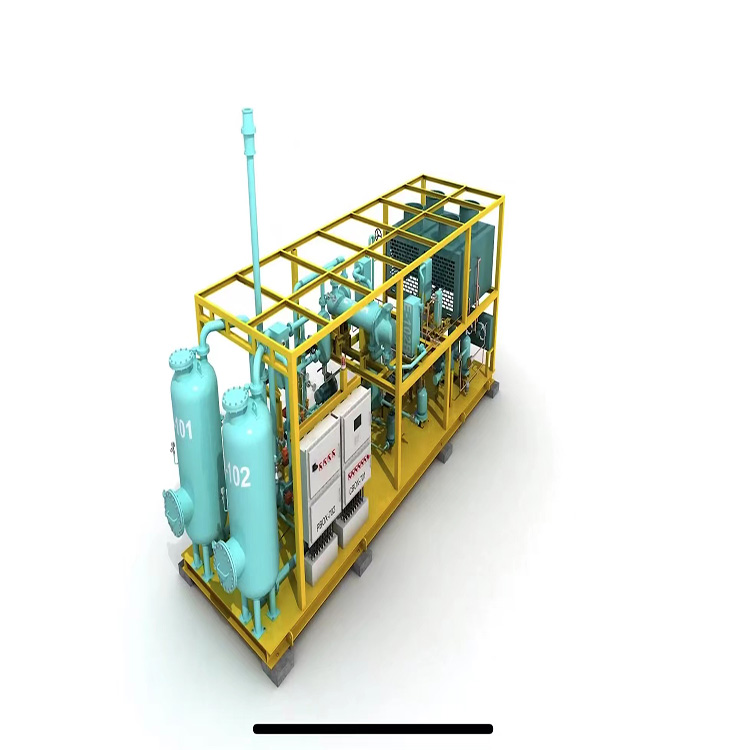
Vapor recovery refers to the process of capturing and treating smoke, exhaust, or oil vapors emitted during industrial production. These vapors may originate from refineries, chemical plants, machine shops, and other industrial processes, and require effective treatment to minimize environmental pollution and resource waste.
Generally speaking, the process of vapor recovery includes the following steps:
Collection: Utilize specially designed systems or equipment to collect emitted smoke, exhaust, or oil vapors.
Separation and Treatment: Separate the collected oil and gas, isolating recyclable oil products and harmful exhaust components.
Recycling: The separated oil products undergo appropriate technical treatment for recycling and reuse, while harmful emissions are further processed, such as incineration, absorption, or chemical treatment.
The primary goal of volatile organic compound (VOC) recovery is to minimize environmental impact while maximizing the utilization of recyclable resources. This also aids in ensuring the factory's environmental compliance and offers the potential for energy and cost savings for the company.