











Manual Download
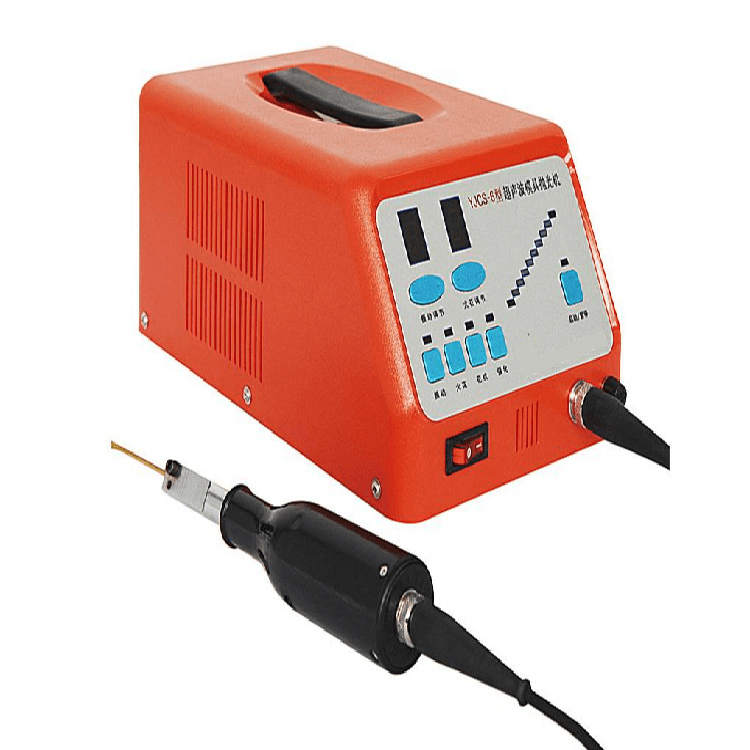
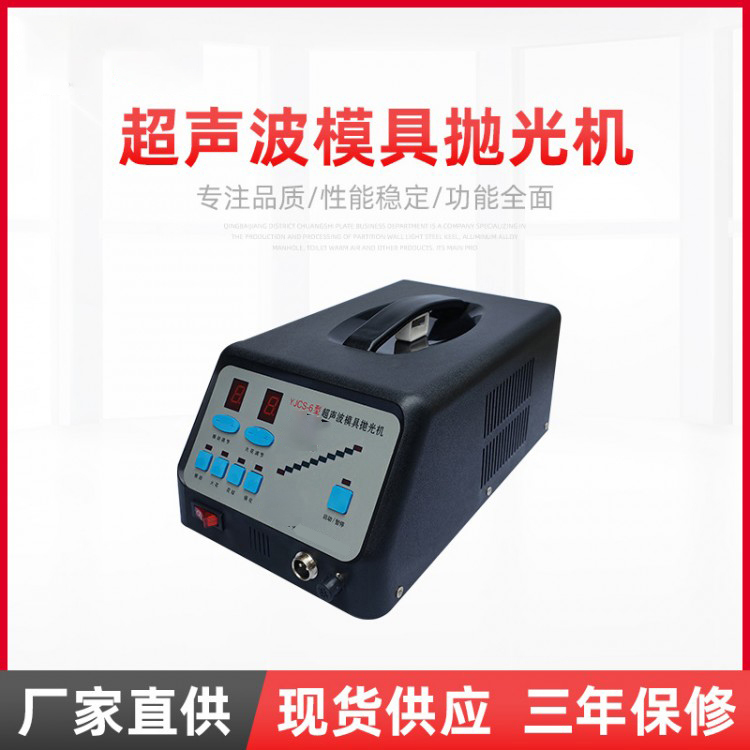
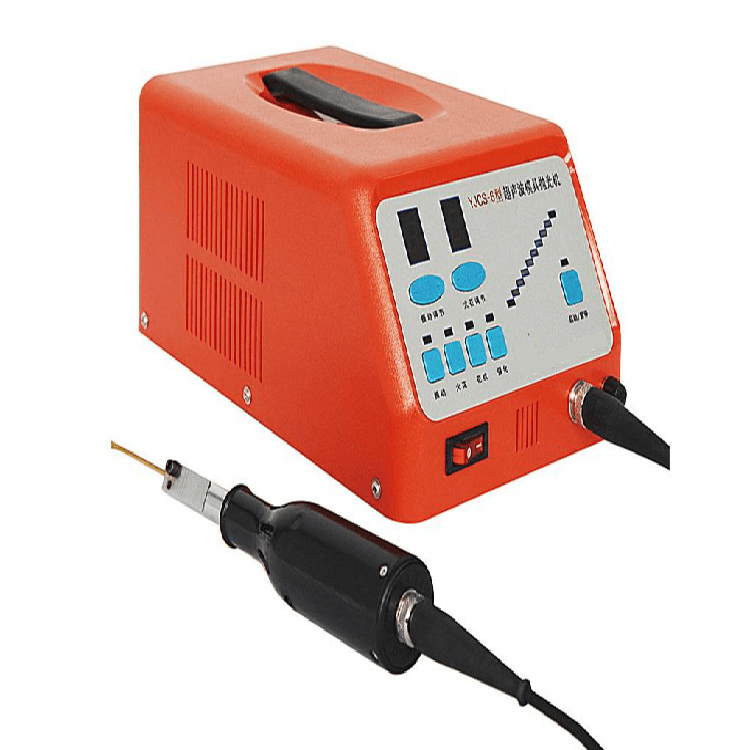
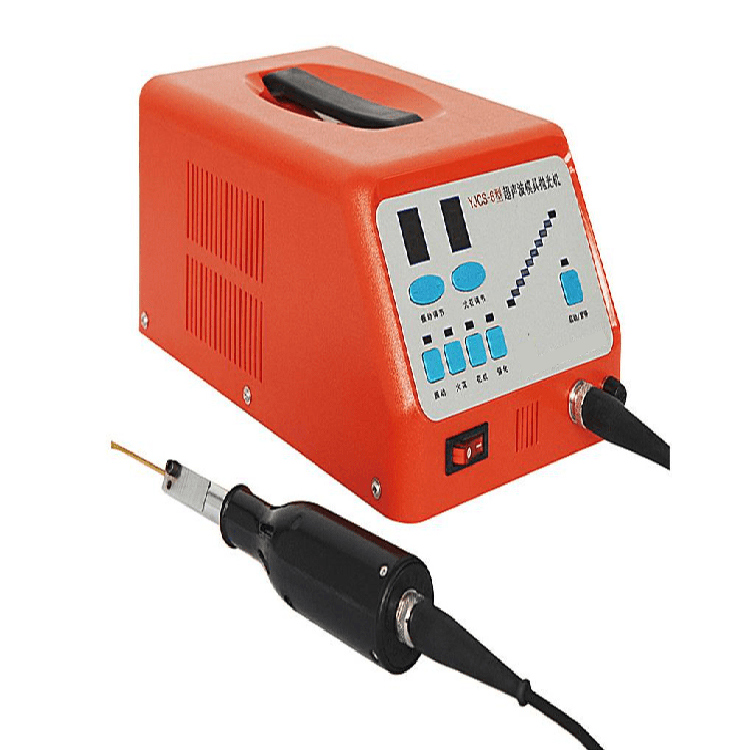
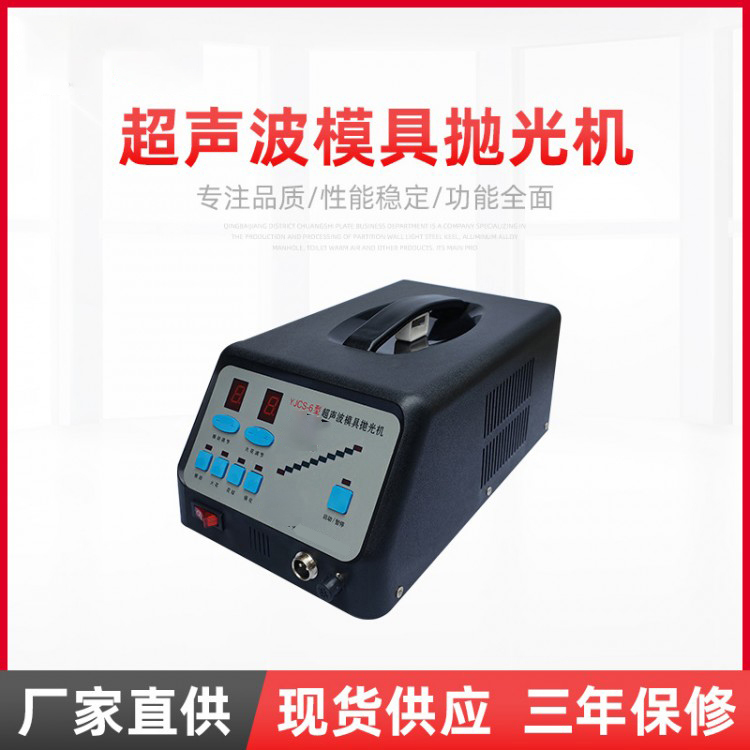
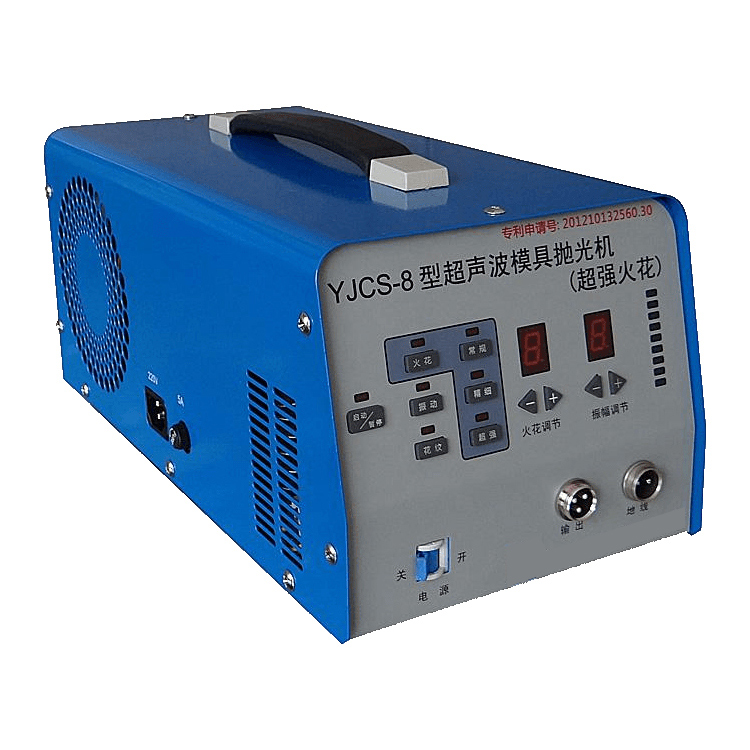
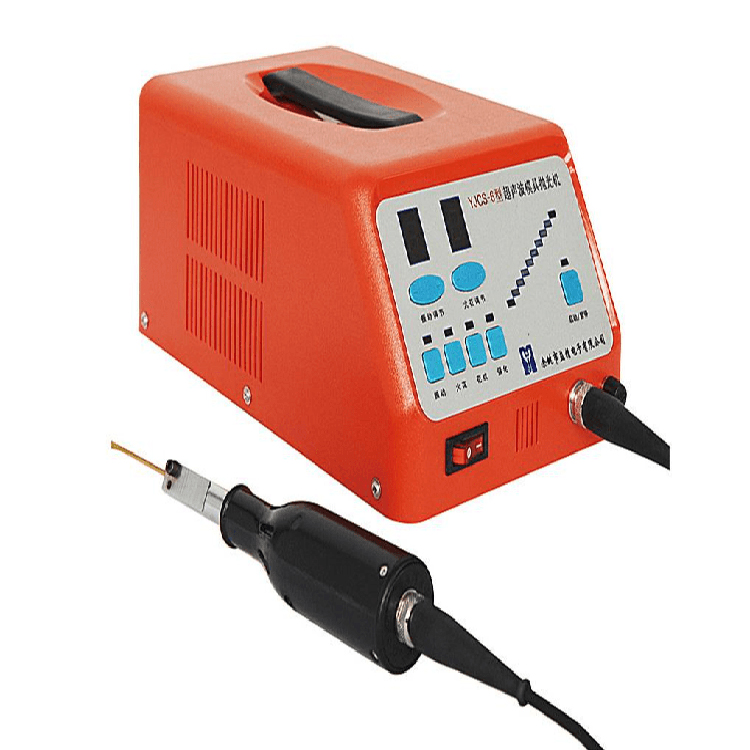
The YJCS-6 model mold polishing machine is a classic creation from our company's continuous research and development and upgrades of ultrasonic polishing machines over the past decade. Since its introduction in 2005, it has remained popular among users.
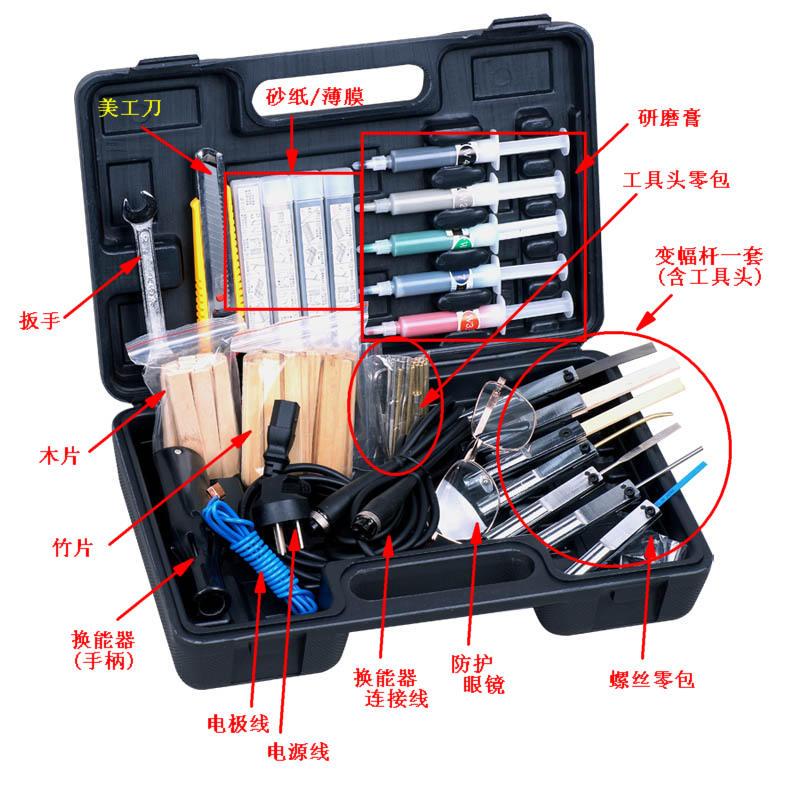
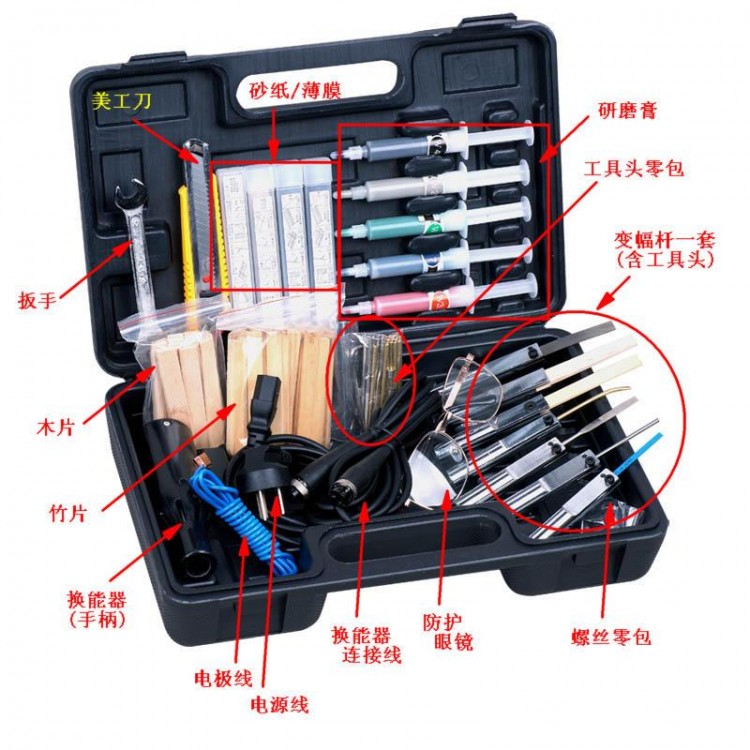
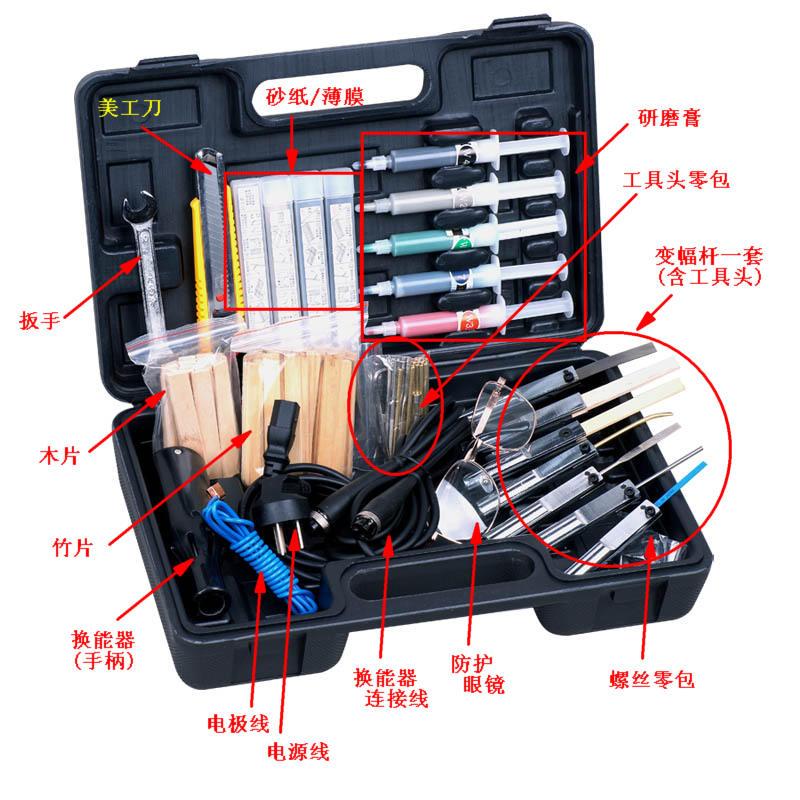
Standard Random Tool Box
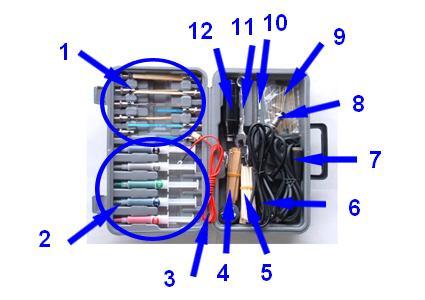
YJCS-5B toolbox
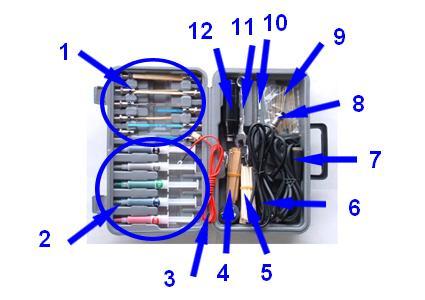
Traveling Rod
2 Diamond Polishing Paste
Spark Wire
4. Bamboo Strips
5. Wood Chips
Handle connection wire
7. Power Cord
8. Test Line
9. Tool Kit
10. Transformer
Wrench
Handle
YJCS-6 Tool Box
Starting January 1, 2010, purchase of the YJCS-6 ultrasonic mold polishing machine qualifies for a three-year warranty. Detailed warranty terms are outlined in the "Three-Year Warranty Service Instructions."
The YJCS-6 model ultrasonic mold polishing machine is the culmination of our factory's decades of experience in manufacturing ultrasonic mold polishing machines.
·Dual microcontrollers, one for the panel and the other for the mainboard, making the operating system smarter and more user-friendly.
Frequency Auto-Sensing and Locking System
· Accurately generates five-level spark pulse and ninety-nine patterns with reinforced pulses
·Enhanced ultrasonic output circuit, ideally suited for vibration polishing of rough surfaces using fiber oil stones and diamond files.
· Integrated with four major functions: reinforcement, pattern, spark, and vibration
·Humanized real voice intelligent voice prompts
Performance Specifications:
1. Application Range:整形 and polishing of complex cavities, narrow slots, blind holes, and rough surfaces to mirror finish for various molds (including cemented carbide molds).
2. Polishing Materials: Various metals, glass, jade, agate, etc.
3. Surface Roughness After Processing: 4. Grinding Materials: Diamond file, fiber oilstone, artificial diamond grinding paste, and diamond grinding paste
5. Discharge Medium: Kerosene or Water
6. Sound Wave Frequency: 26-35 kHz
7. High-level Spark Time: 0.8μs-15μs during sparking; 1-99μs for pattern and reinforcement
8. Operating Voltage: Single-phase 220V ±15% 50Hz, Power Consumption: 160W
9. Controller dimensions: 340×185×140 mm, Weight: 6 Kg
What is ultrasonic polishing? Principles and characteristics of ultrasonic polishing
Vibration waves with frequencies above 20KHz are referred to as ultrasonic waves.
The principle of ultrasonic polishing is: the transducer converts the input ultrasonic electrical signal into mechanical vibration, which is then amplified by the amplitude transformer and transmitted to the tool head mounted on it. This drives the high-speed friction of the abrasive suspension, such as diamond or abrasive material, attached to the tool head, rapidly reducing the surface roughness of the workpiece to a mirror-like finish, thereby achieving the polishing function.
Ultrasonic polishing boasts several key features:
1. Ideal for narrow areas, such as intricate shapes of crafts, complex mold cavities, narrow slots and gaps, blind holes, and other areas where polishing tools cannot reach or work efficiently.
2. The high-frequency vibration of the ultrasonic is used as the power for abrasive grinding, and the quality of vibration transmission directly affects work efficiency. Therefore, for ultrasonic polishing, it is essential to ensure a good connection and accurate frequency search.
Composite ultrasonic mold polishing machine
Ultrasonic polishing can be combined with other common mold processing techniques, creating a composite ultrasonic mold polishing machine, which is an essential and convenient tool for mold surface treatment professionals.
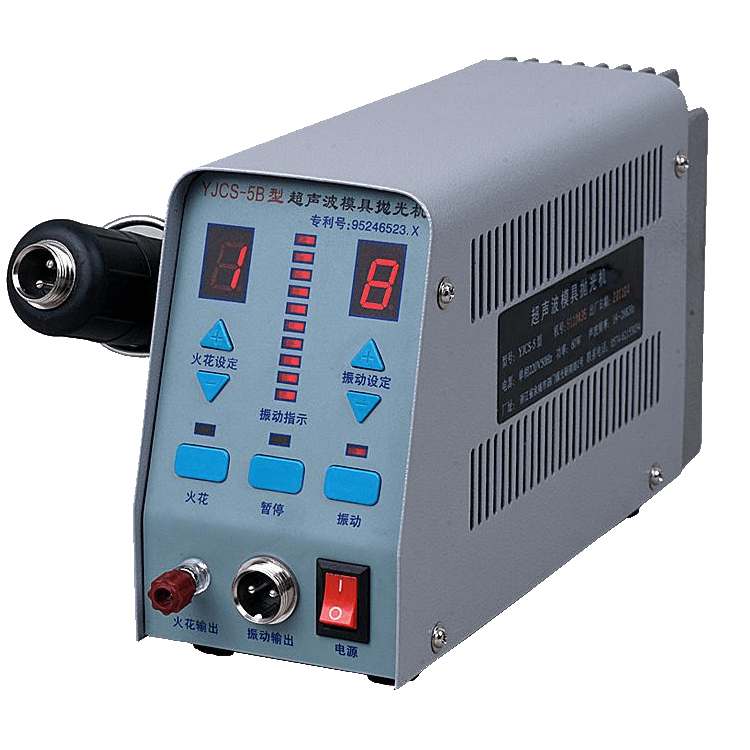
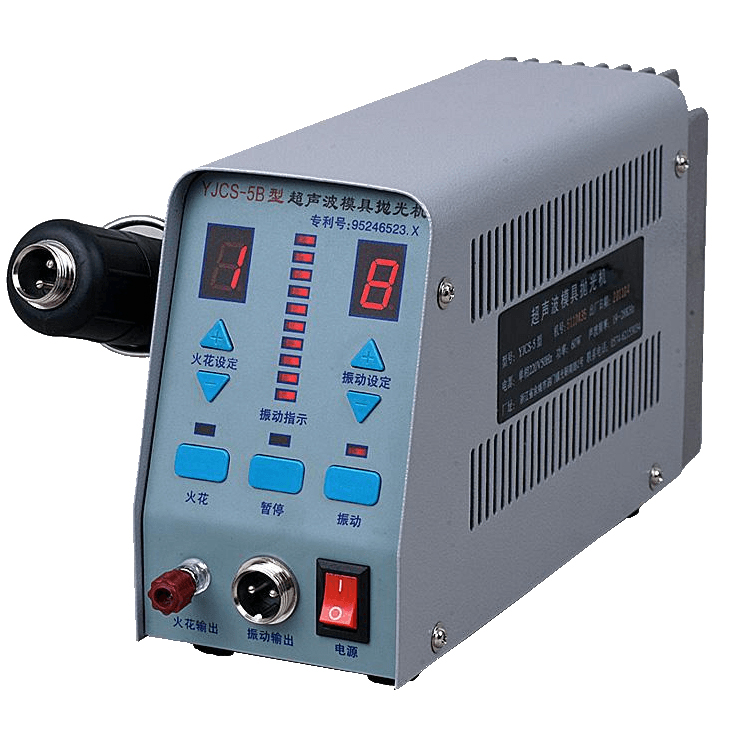
1. Combined with spark technology, offering spark shaping capabilities. Spark shaping is efficient and cost-effective, capable of quickly removing original processing surface marks such as wire-cutting patterns. Our YJCS-5B and YJCS-6 ultrasonic mold polishing machines both support the spark shaping feature.
2. Composite with patterned technology, known as pattern function. Capable of creating surface patterns similar to those produced by electrical discharge machining, suitable for repairing or creating new EDM patterned surfaces on mold cavities. Our YJCS-6 ultrasonic mold polishing machine supports the pattern function.
3. Composite with reinforced technology, offering reinforcement functionality. It can produce a coating layer of 10-20μm thickness on the working surface. Common coating materials include copper and tungsten steel. The copper layer is typically a non-slip layer, used to prevent the mold from jumping. The tungsten steel layer usually serves as a reinforcement layer, designed to reduce friction resistance, enhance mechanical accuracy, improve cutting performance, and extend service life. Our YJCS-6 ultrasonic mold polishing machine supports the reinforcement feature.