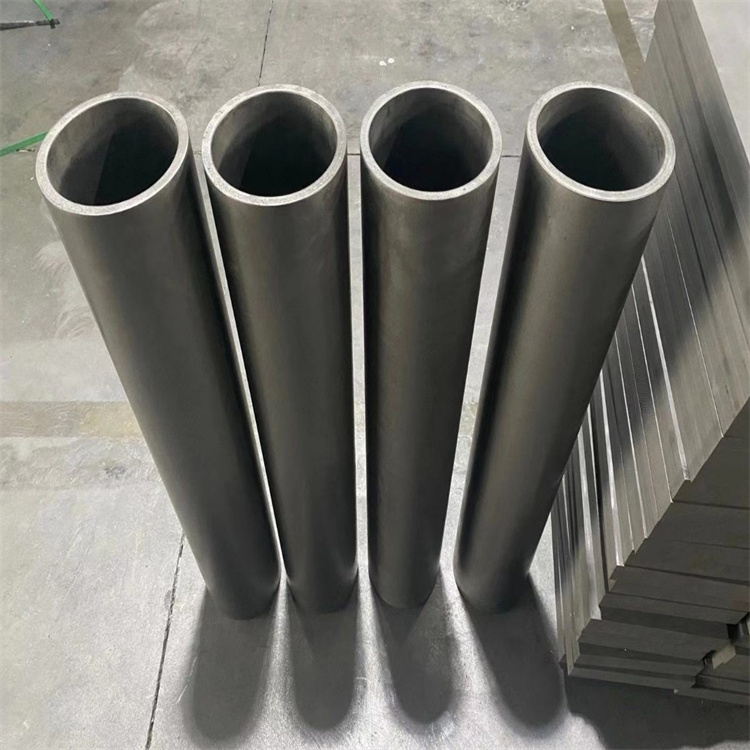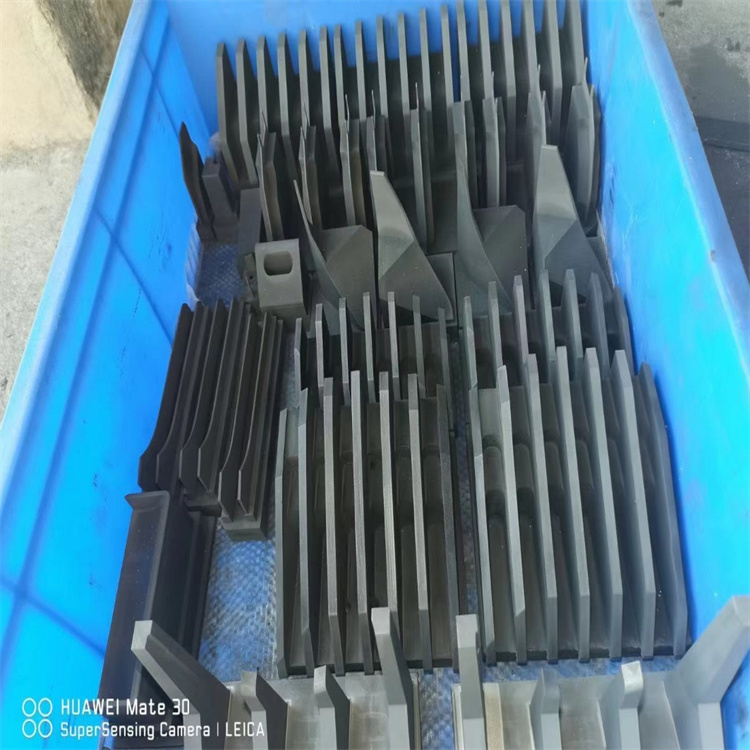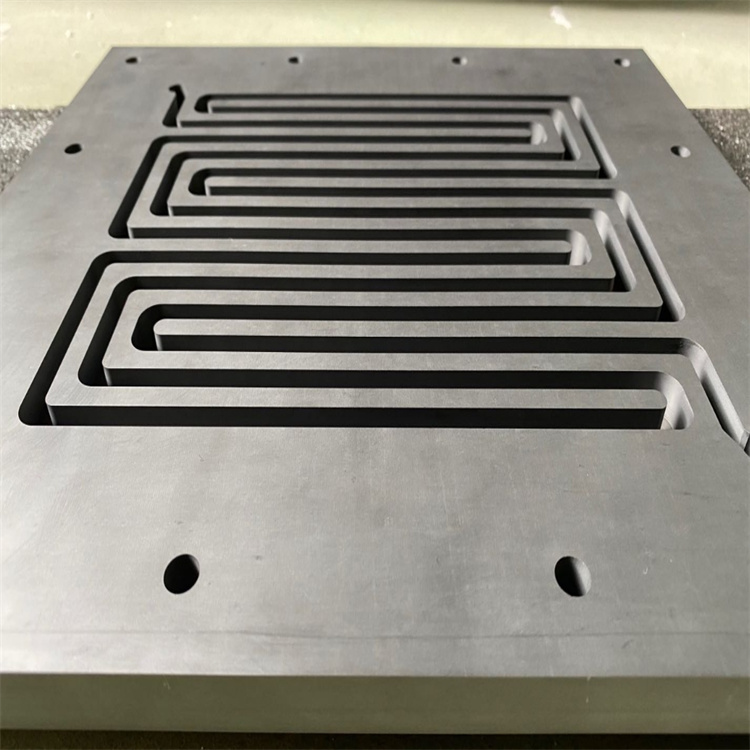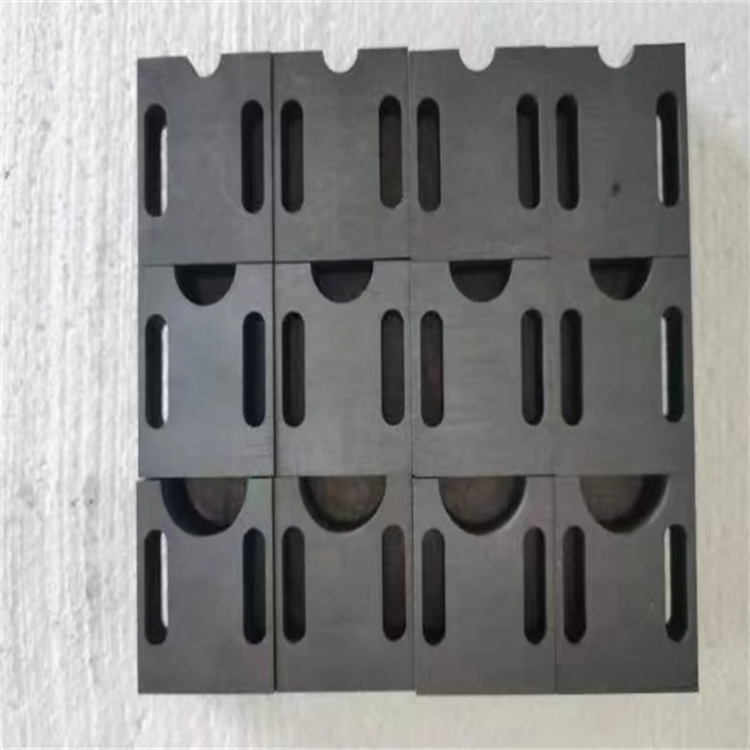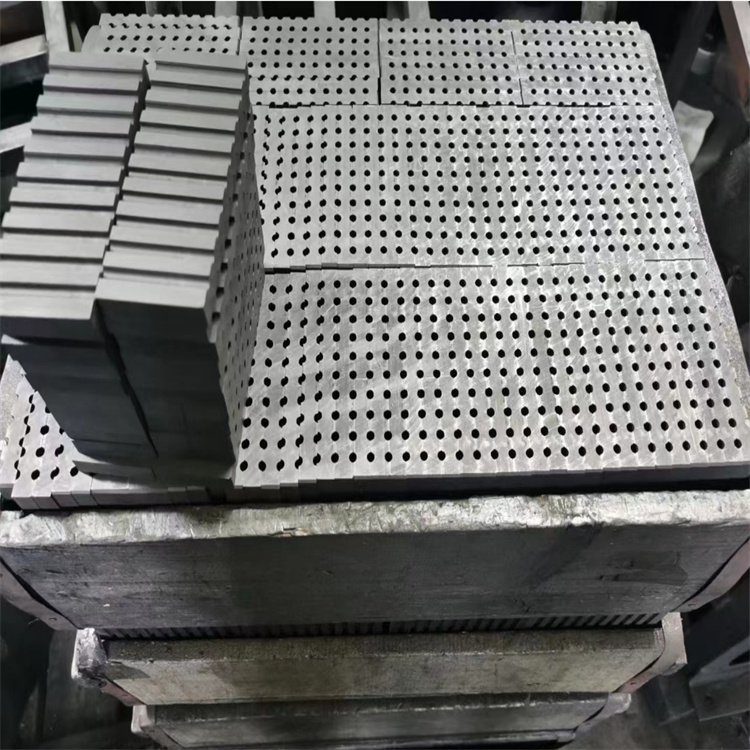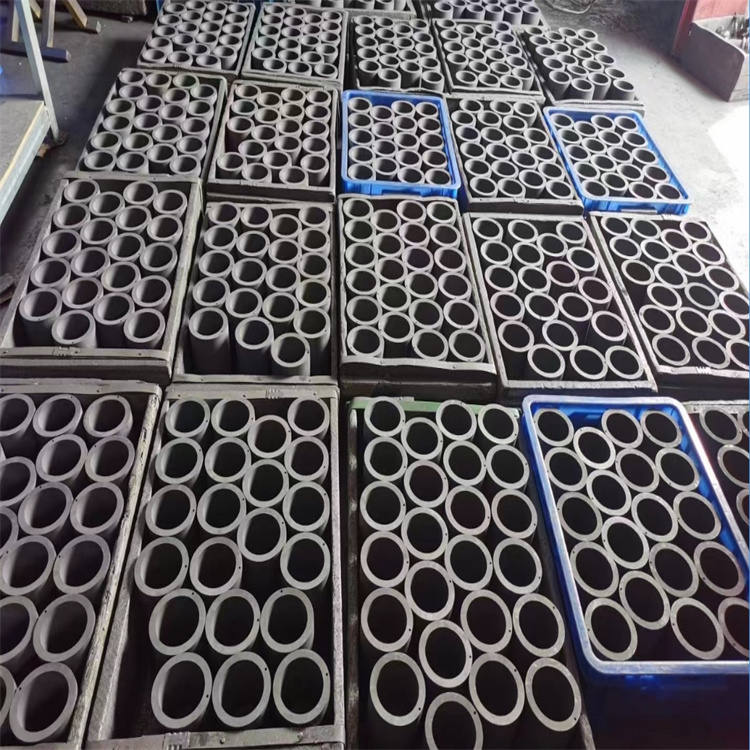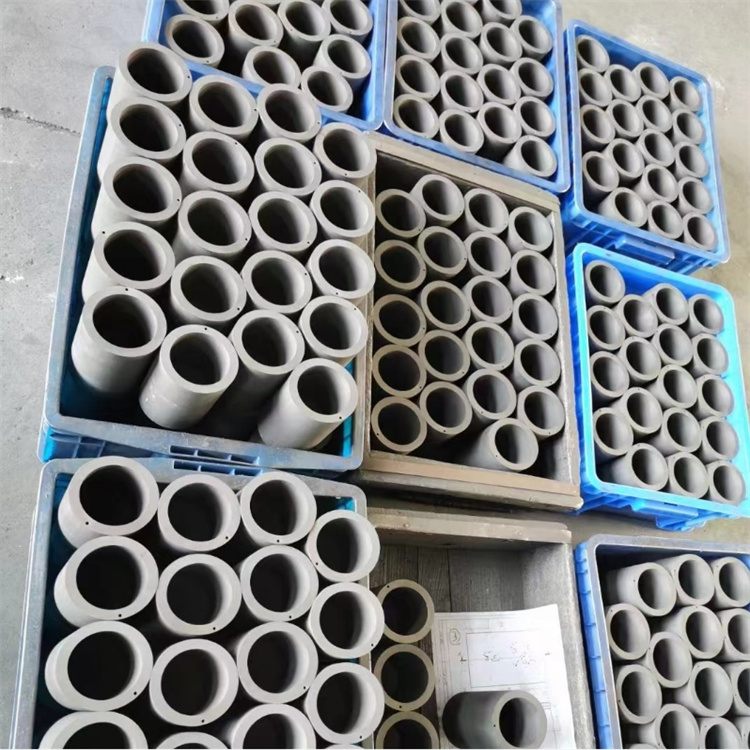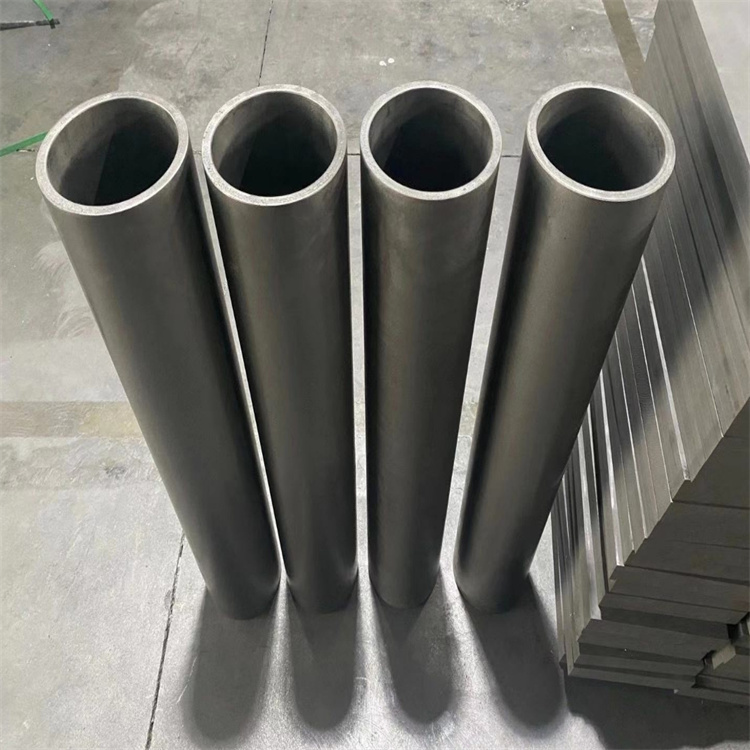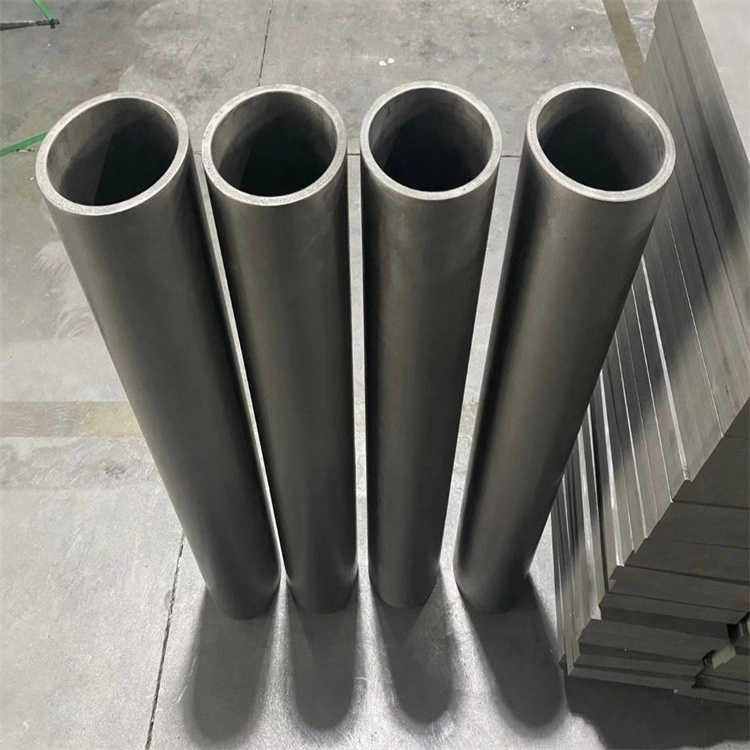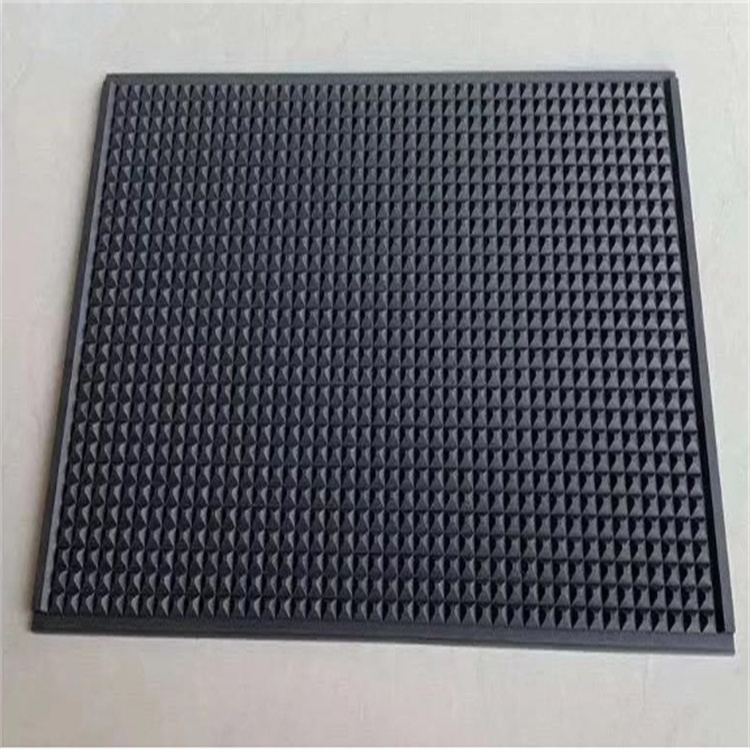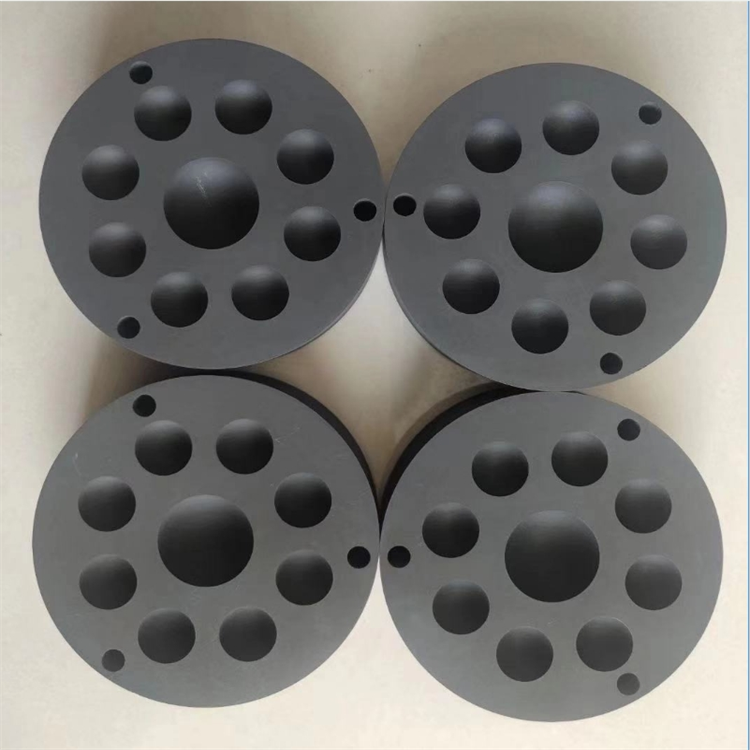


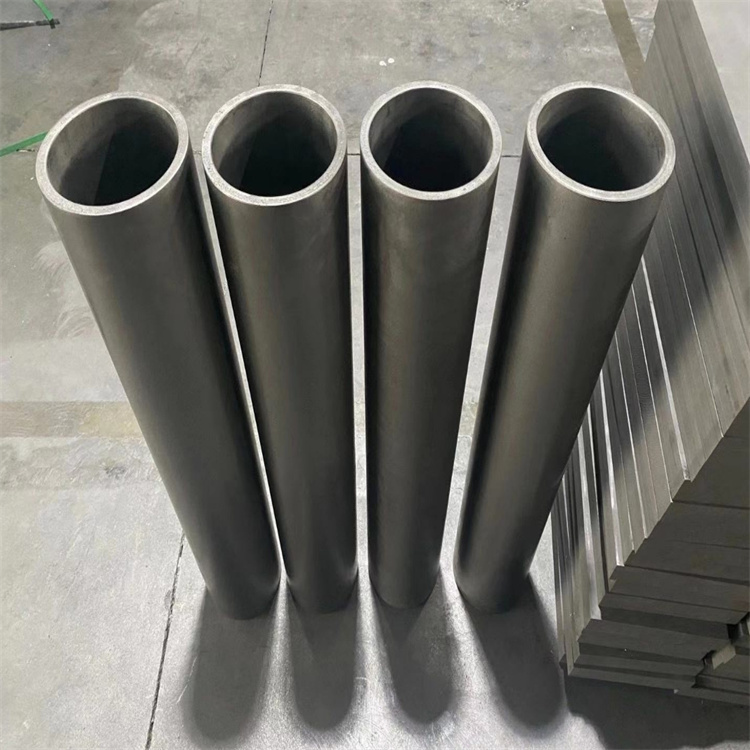
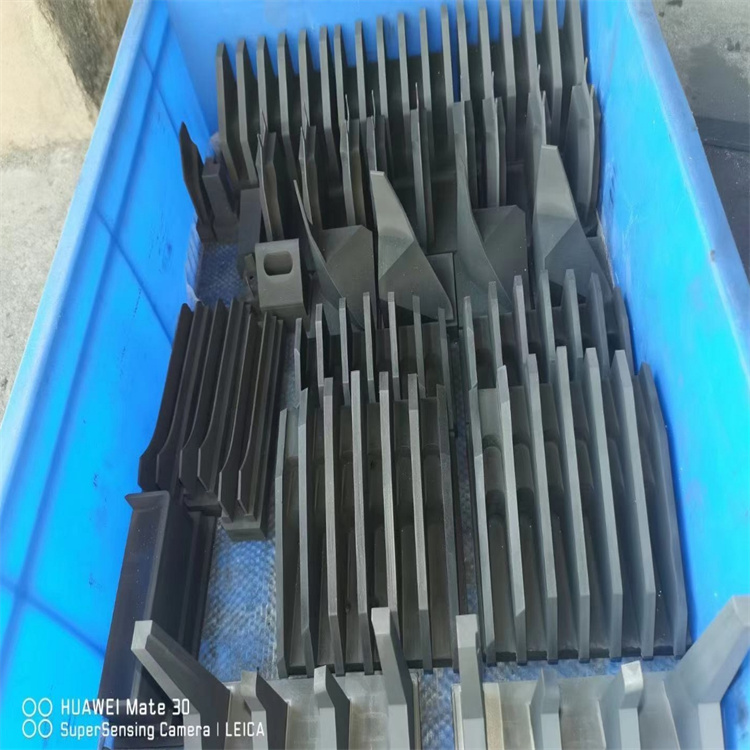







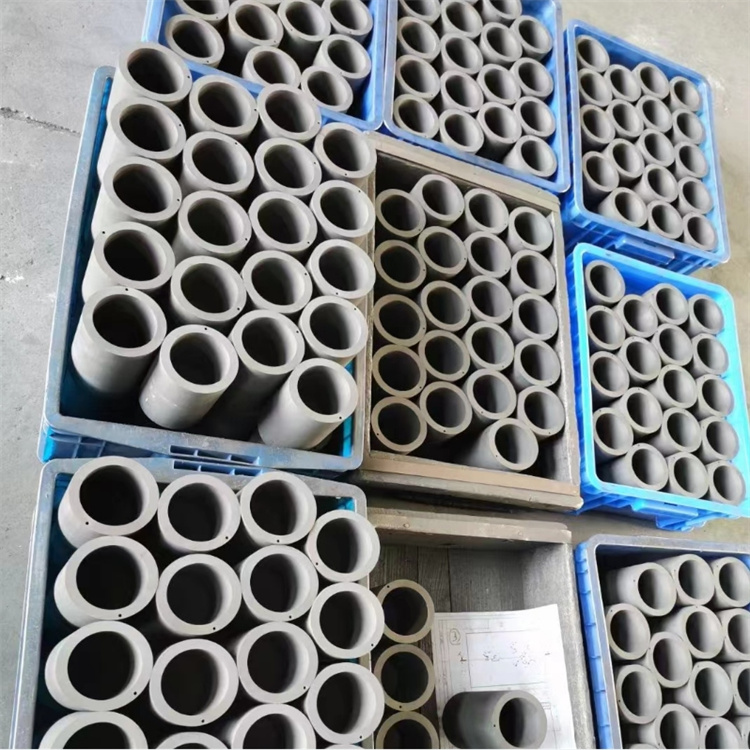
Advanced production methods that directly and continuously (or semi-continuously) manufacture billets or tubes from molten metal. Artificial graphite is considered suitable material for molds used in the continuous or semi-continuous casting of non-ferrous metals. Production practices have proven that the use of graphite molds in the continuous casting industry not only improves casting speed, surface finish, and uniform crystalline structure, but also allows for direct processing to the next stage. This significantly enhances yield rates, reduces waste losses, and greatly improves product quality.
There are two types of continuous casting methods: vertical continuous casting and horizontal continuous casting.
Continuous casting graphite molds are also used in the metal smelting industry, where molten metal can be cast using graphite molds. Graphite molds are reusable, but some designs are disposable. Casting directly with graphite molds can produce creatively small-grained castings.
The coefficient of thermal expansion is a crucial factor in determining graphite as a mold material. Molding is a medium with very uneven temperatures, heating internally from the molten material and cooling externally due to the cooling process applied to it. The low coefficient of thermal expansion exhibited by graphite allows the mold to function without deforming or cracking. Another very important factor is self-lubrication. Graphite is a solid lubricant that can produce low friction between the mold and casting materials. Subsequently, the graphite can smoothly extract the casting.
Multiple factors determine the lifespan of continuous casting graphite molds. These include the composition of the casting material, the casting temperature, and the cooling rate, all of which affect the lifespan of the graphite mold. The specific grade of graphite used is also determined by various factors. The primary factor is the material process field in which the mold to be cast is applied. For example, for gray cast iron or high-nickel alloys, wear-resistant graphite is required, while for brass, a relatively dense graphite with sufficient porosity to allow for zinc evaporation is a better choice.
Graphite molds designed for continuous casting require considering all these factors and applying them to your specific application. Grade selection is crucial and should involve input from casting personnel, graphite manufacturers, and machine shops specializing in graphite processing. Nonetheless, actual trials may be necessary before choosing the actual graphite grade when designing a new system.
We currently supply the following castings graphite molds:
Non-ferrous Metals (Brass, Bronze, Aluminum, and Copper)
Precious metals (gold, silver, and gemstones)
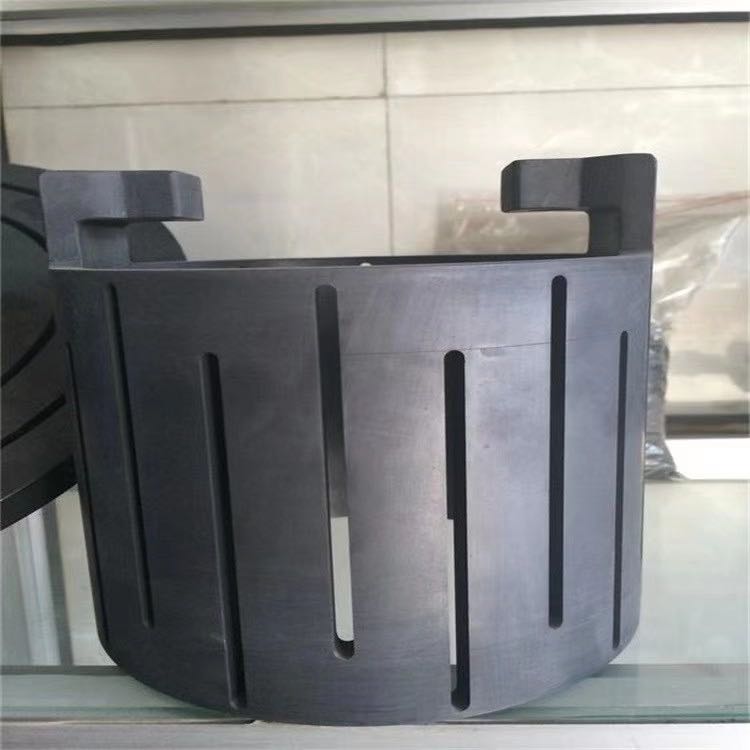
EDM-C3 is a high-density graphite, recommended for applications that prioritize processing speed, wear, and surface roughness. Users often choose this graphite to compensate for operator inexperience or for poor flushing conditions.
EDM-C3 Physical Properties
Average Particle Size (um): Less Than 5 Micron
Bending Strength (kg/cm²): 16,500
Compressive Strength (kg/cm²): 30,000
Average Density (g/cm³): 3.05
Rockwell Hardness (R): 67
Resistivity (uΩm): 3