





















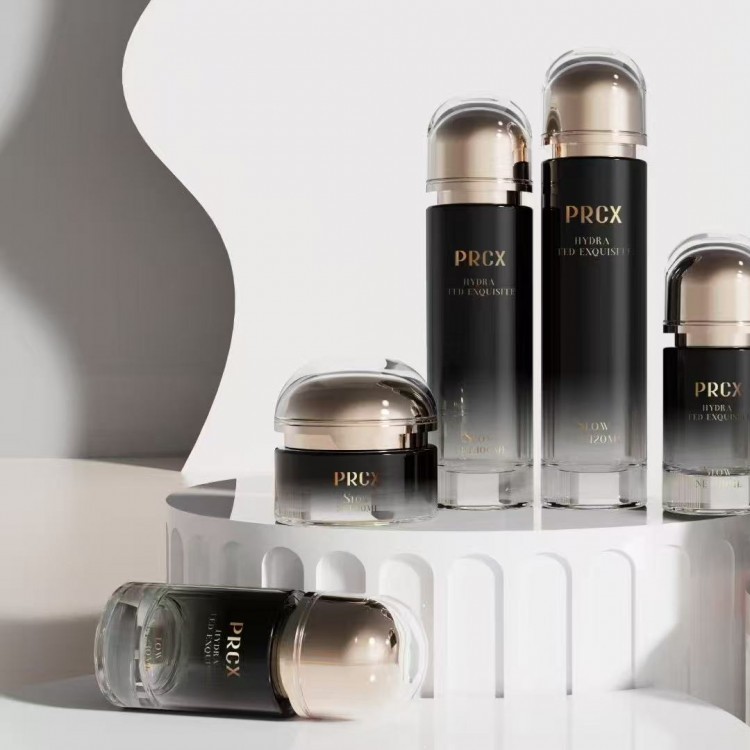


For glass bottle manufacturers, although energy conservation and cost reduction are crucial, it's a complex process. It requires manufacturers to invest time, effort, and human resources to address this issue. From raw material procurement to electrical, water, and gas consumption. The process of a glass bottle, starting from the clarification section of the melting furnace, through the feeding channel, supply channel, molding temperature, polishing heat loss, and the exit of the annealing furnace, is a physical heat dissipation process from high to low temperatures. Improvements in each part of these stages greatly promote energy conservation and cost reduction.
However, for every improvement, glass bottle manufacturers need to make adjustments to the existing system. There is an initial investment and commitment required. We hope that our glass bottle manufacturers can actively follow up from a long-term perspective. Glass bottles are heavy, have high transportation and storage costs, are not shock-resistant, and are brittle, making them easily breakable.
However, with the new technology of thin-walled lightweight and physically and chemically tempered glass in recent years, these drawbacks have been significantly improved, and thus, glass bottles have been able to increase their output year by year, competing fiercely with plastic, tin, and steel cans. We hope that more and more glass bottle companies can shift a portion of their sales focus to the internet, reducing the cost of sales for the company. This will enhance product competitiveness while allocating more funds to support the company's transformation and upgrading. We hope that the packaging form of glass bottles can maintain a long-lasting vitality, which, of course, depends on the innovative efforts that our factory continuously undertakes.