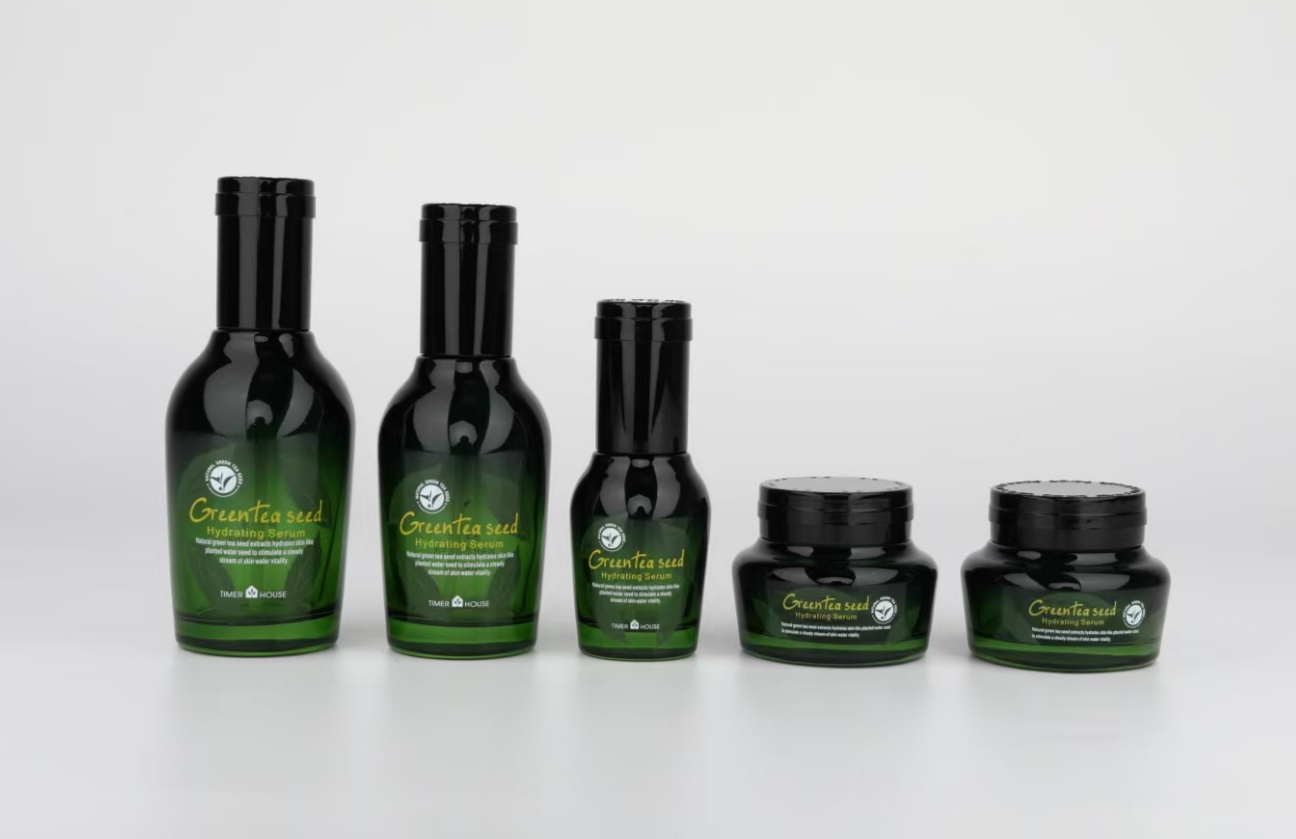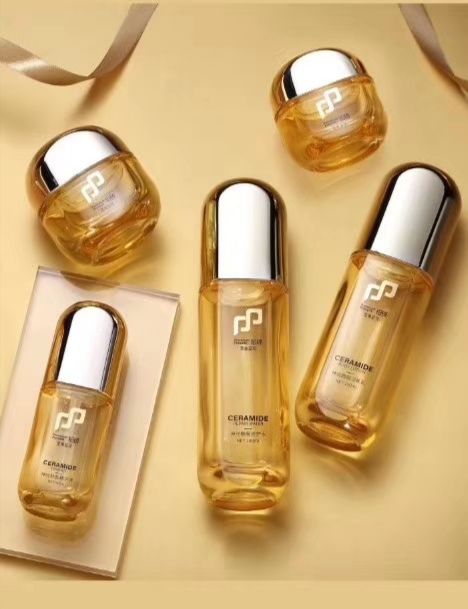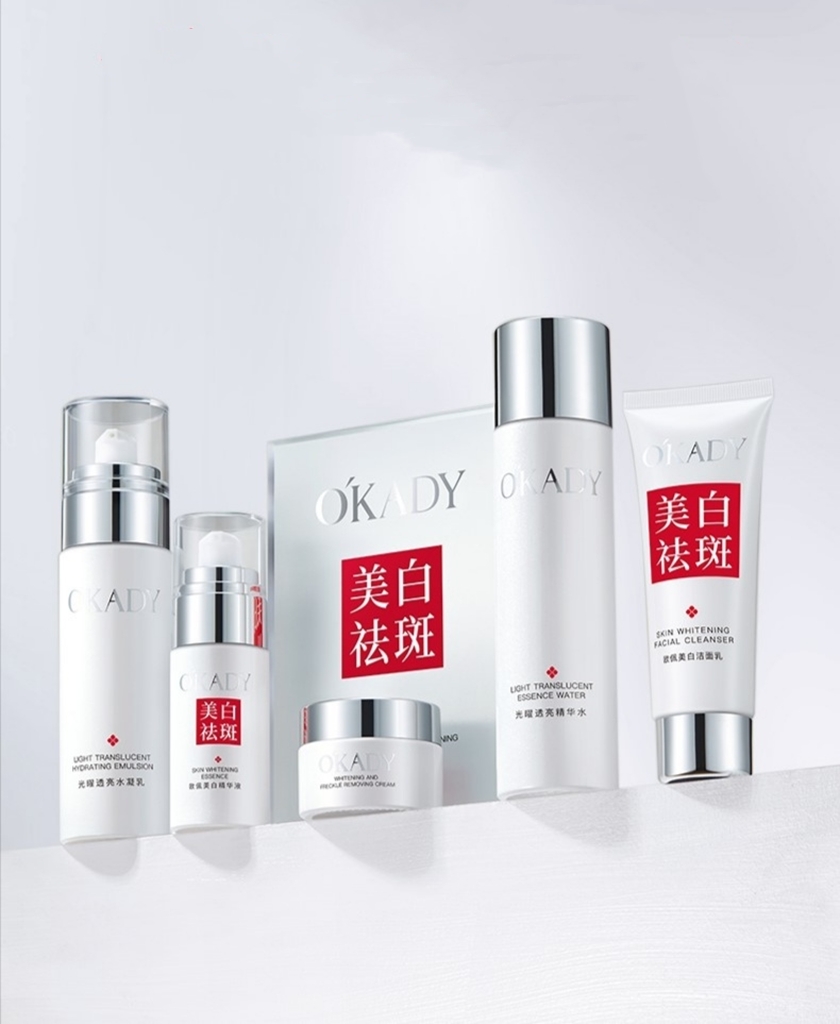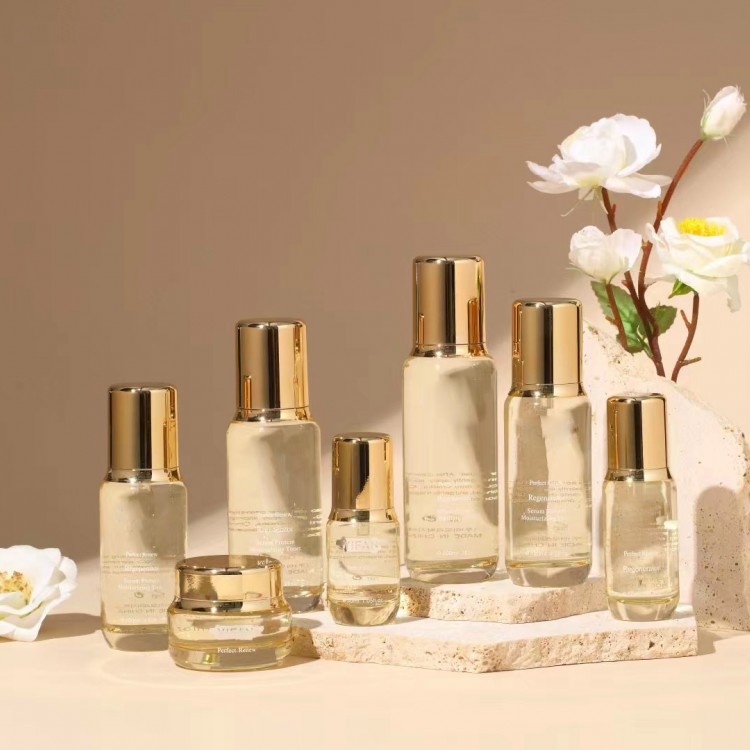

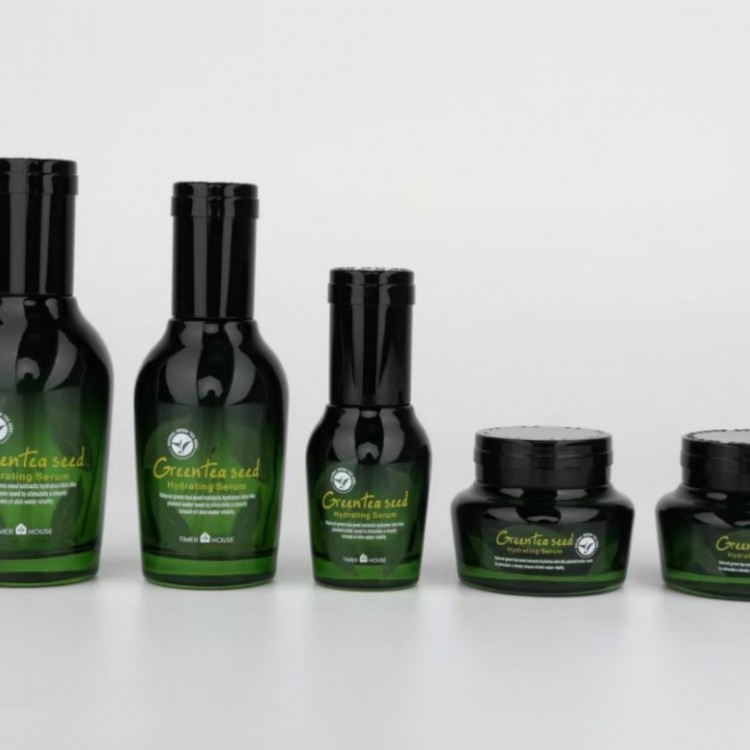

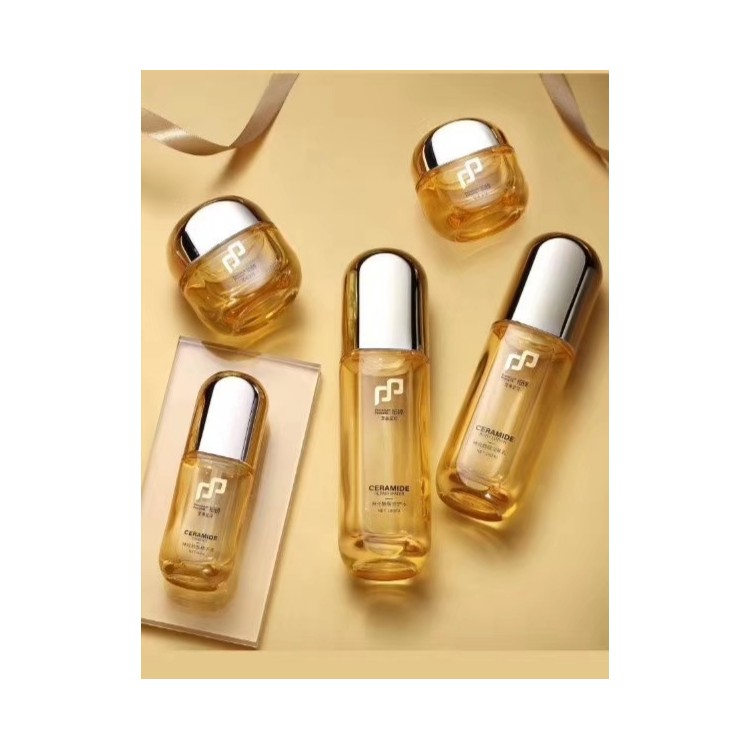
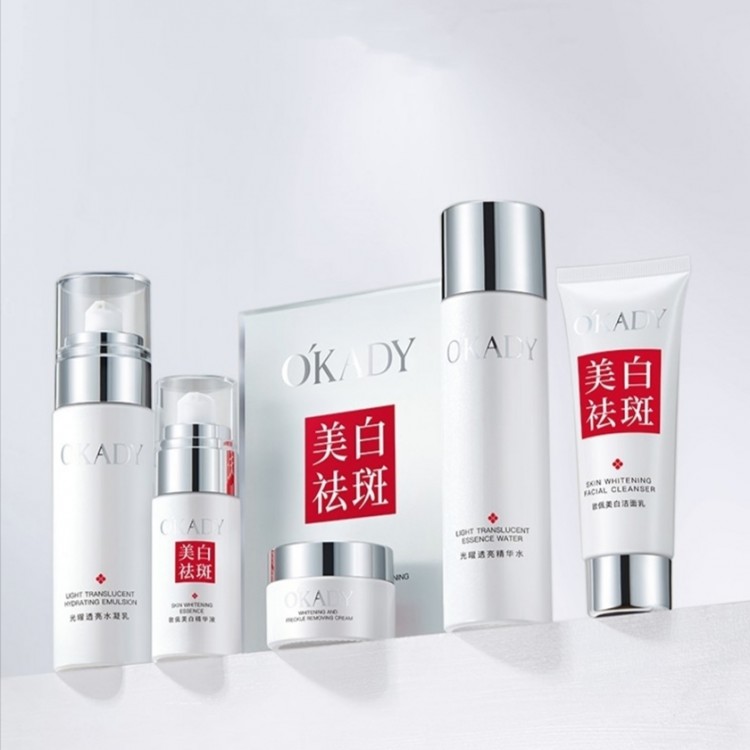












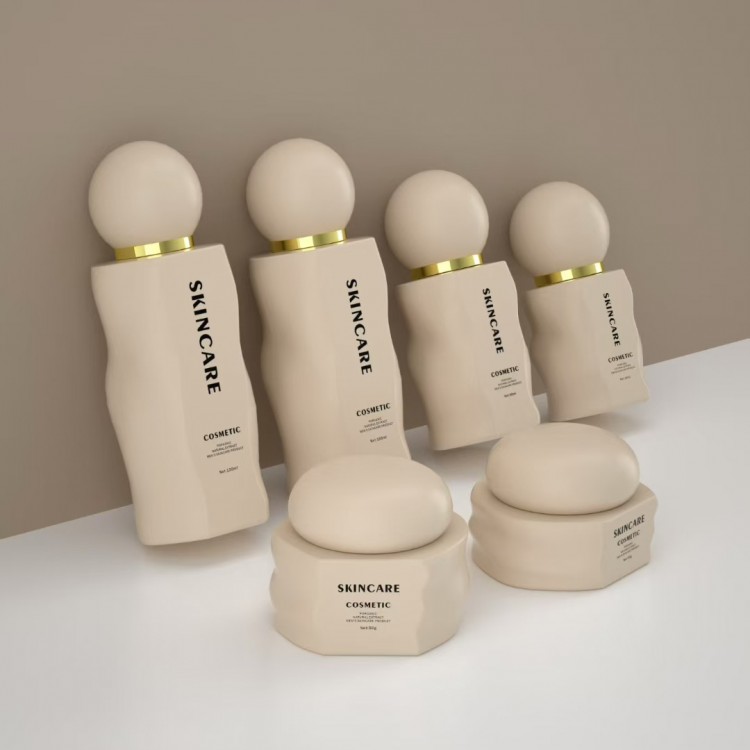
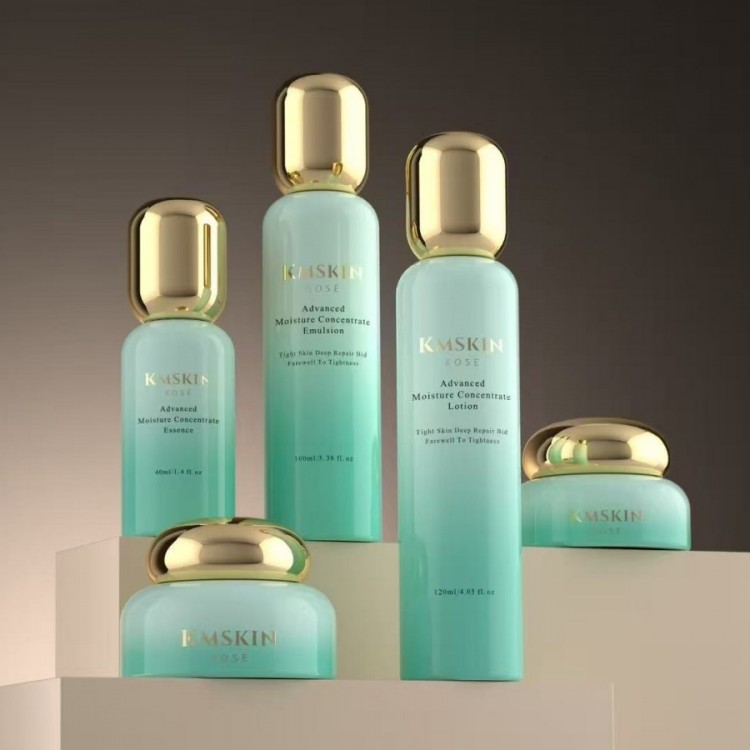
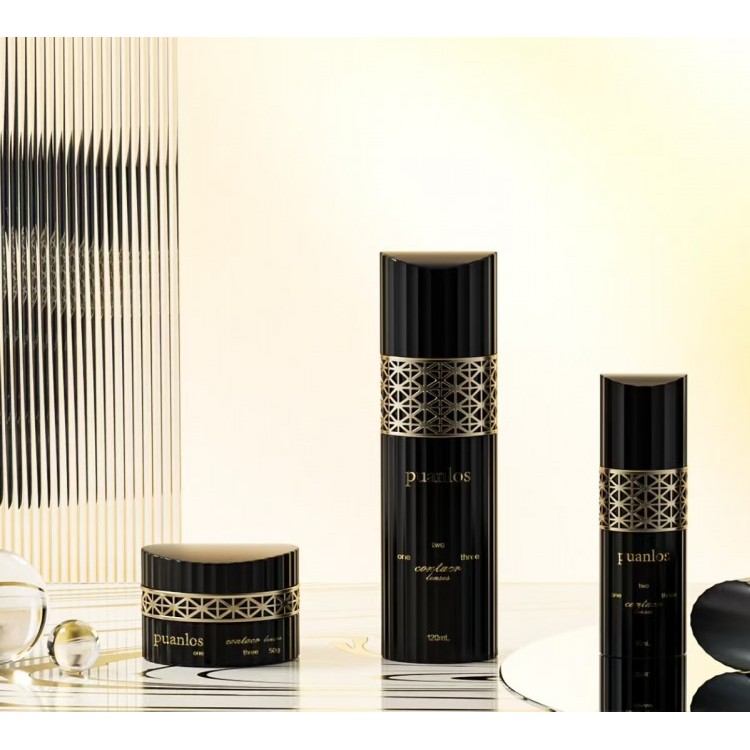
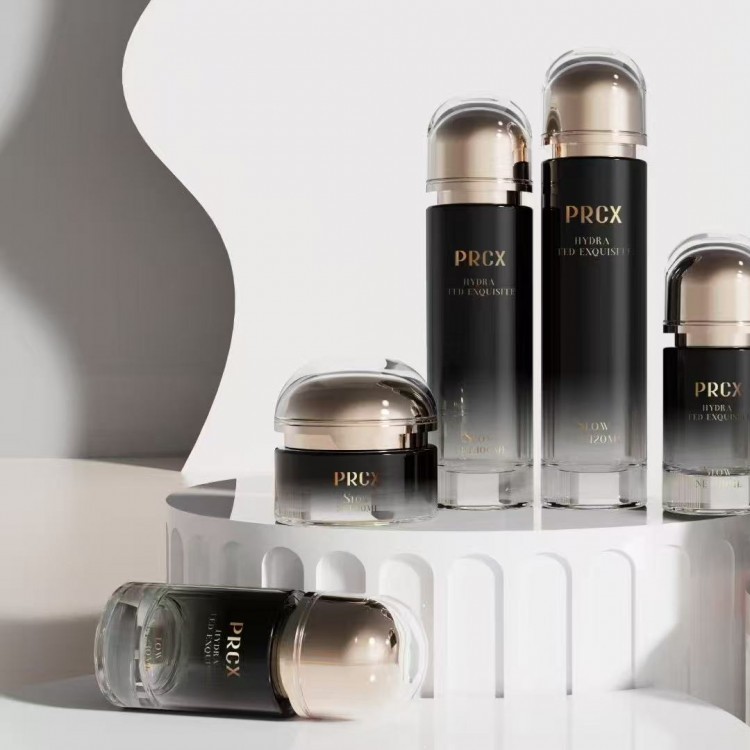
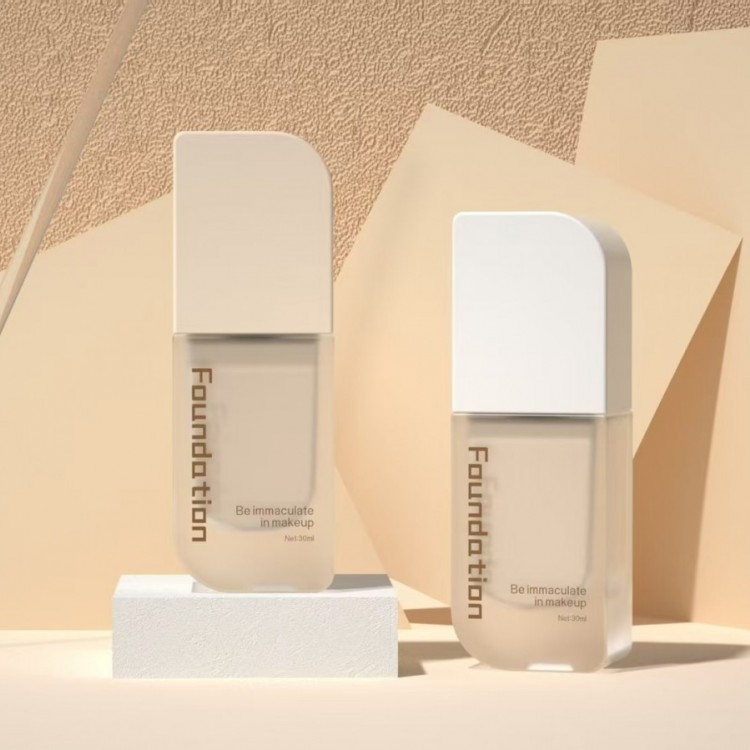
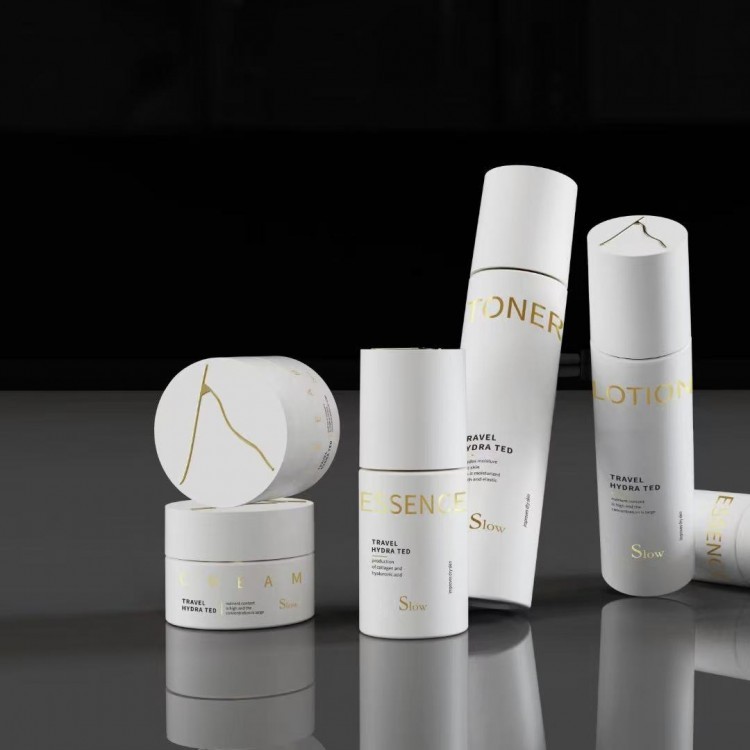
Cosmetic Bottle Caps: Electrofoil made, with an aluminum exterior wrapped over an inner plastic layer. Cosmetic Glass Bottles with Electroplating (UV): They have a brighter finish compared to printing. Cosmetic Empty Bottles Spray Painting: The color is more subdued compared to electroplating. Cosmetic Packaging Bottles with Inner and Outer Spray: The spray is applied to the outside of the inner bottle, creating a noticeable gap between it and the outer bottle when viewed from the side, with a smaller spray area on the side.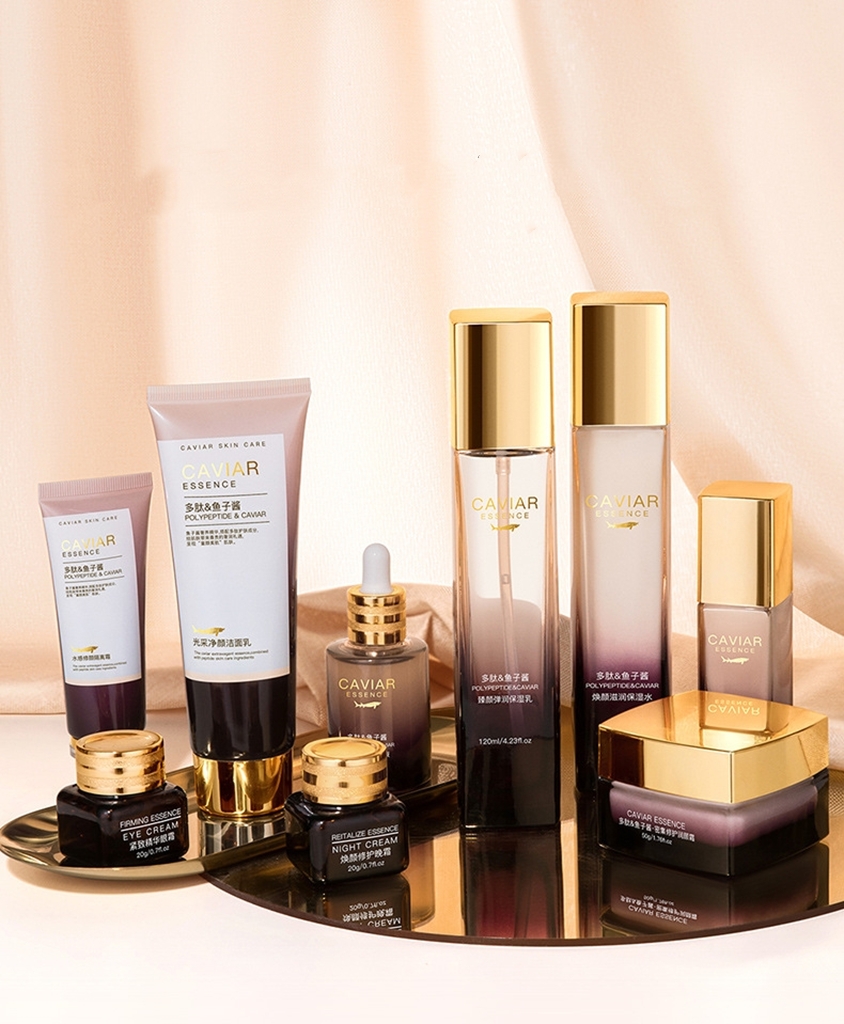
Cosmetic Spray Bottle Outer Vessel: The spray is applied on the inner side of the outer vessel, giving a larger appearance when viewed from the outside and a smaller one in a vertical plane, with no gaps between it and the inner bottle. Cosmetic Set Bottle Anodized with Gold or Silver Plating: It is actually a thin film, and upon close inspection, the seams where it joins the bottle can be seen. Empty Cosmetic Bottle Second Oxidation: This involves a second oxidation process on the existing oxidation layer, resulting in a glossy surface with matte patterns or vice versa, commonly used for logo creation.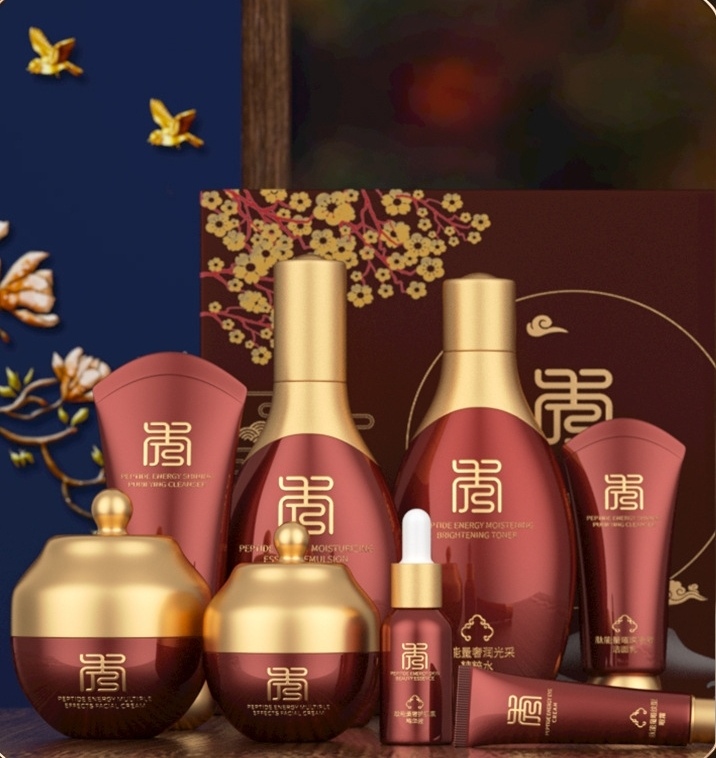
Cosmetic Bottle Injection Molding Color: This involves adding color powder to the material during the injection molding process, a relatively cost-effective method. Pearl powder can also be added; however, adding too much titanium dioxide powder will turn the PET transparent color into an opaque one. When choosing between glass and plastic for cosmetic packaging bottles, Package Doctor suggests opting for glass bottles due to their better sealing properties, recyclable material, and reduced environmental impact. They also effectively ensure the contents remain fresh for a long time. Particularly for products that require a longer shelf life, glass bottle packaging is more suitable.