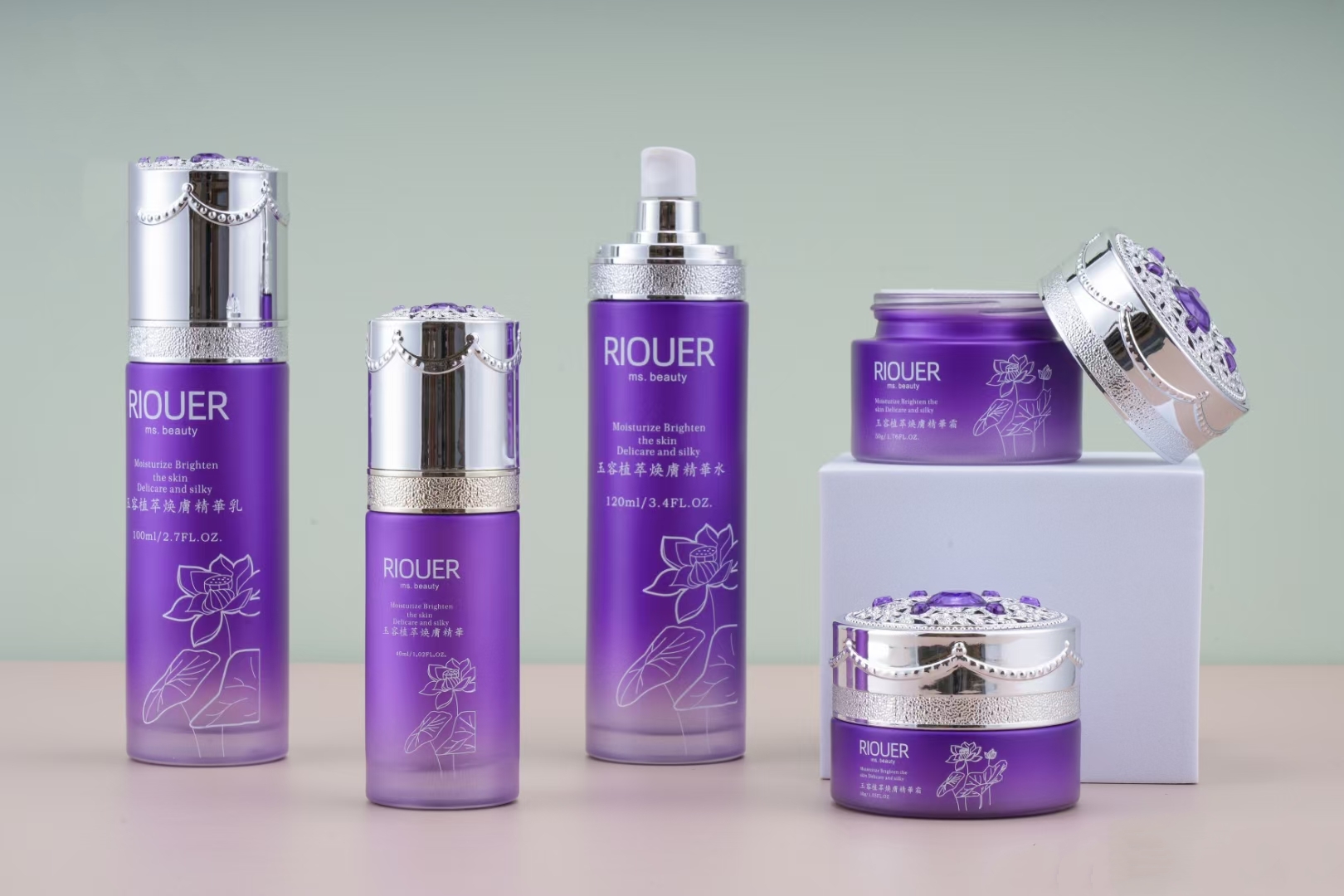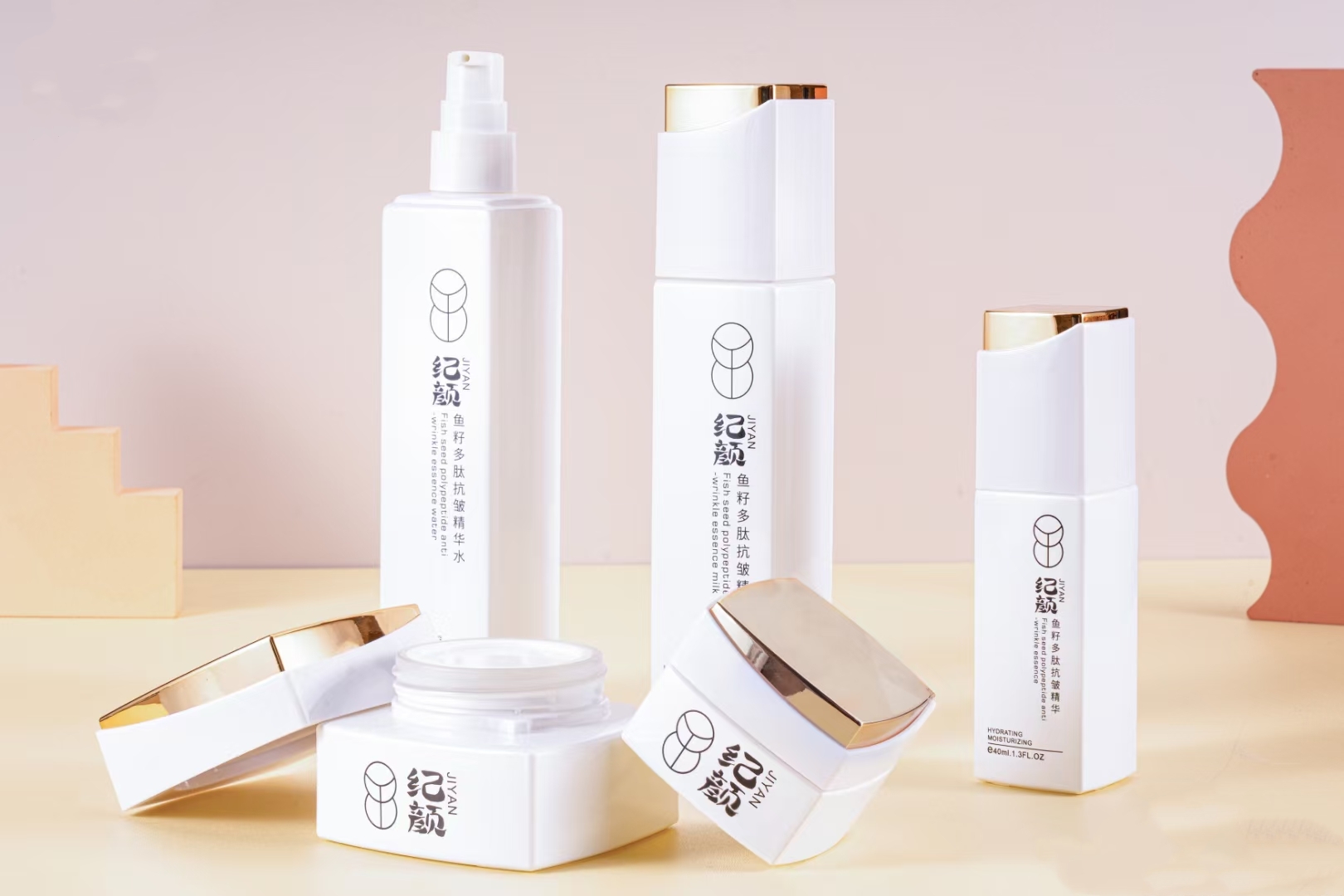


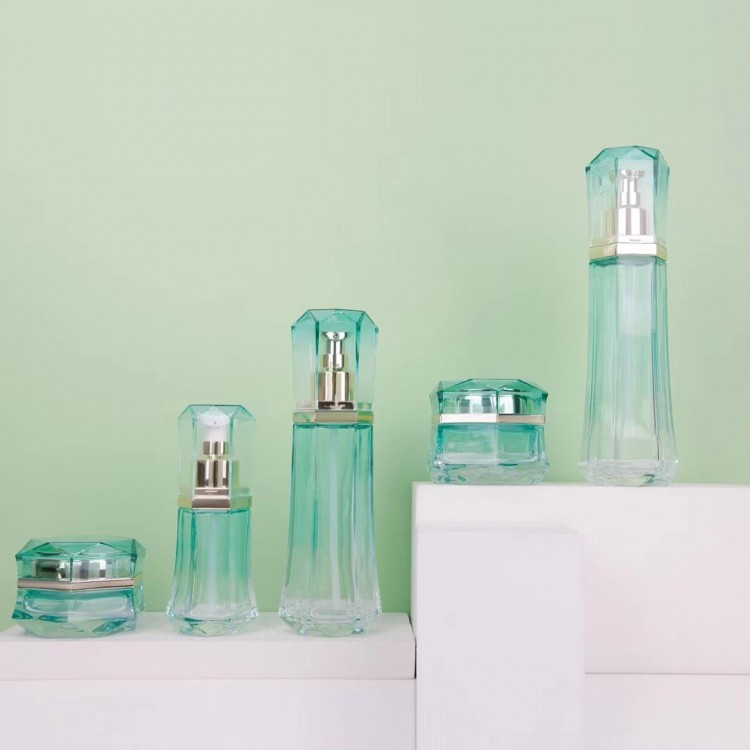












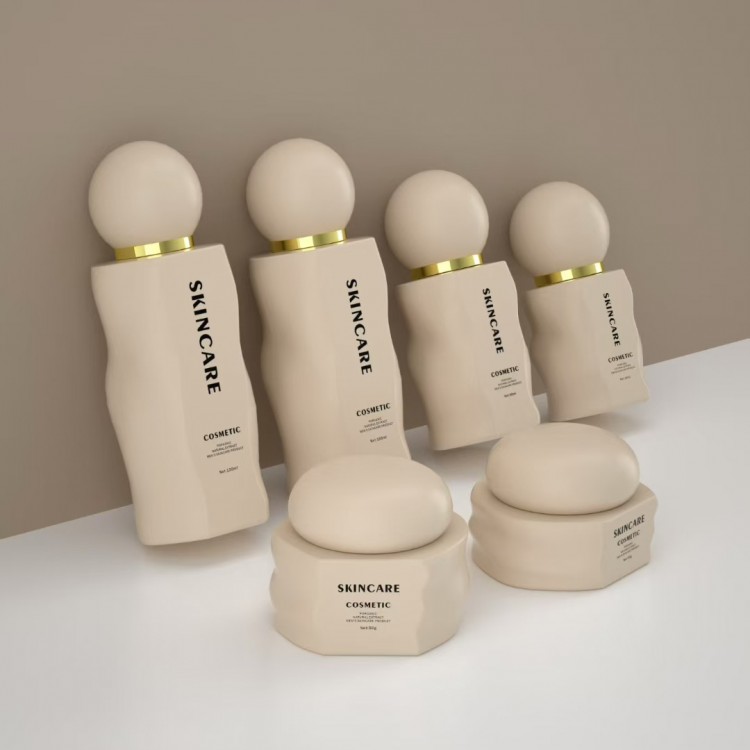



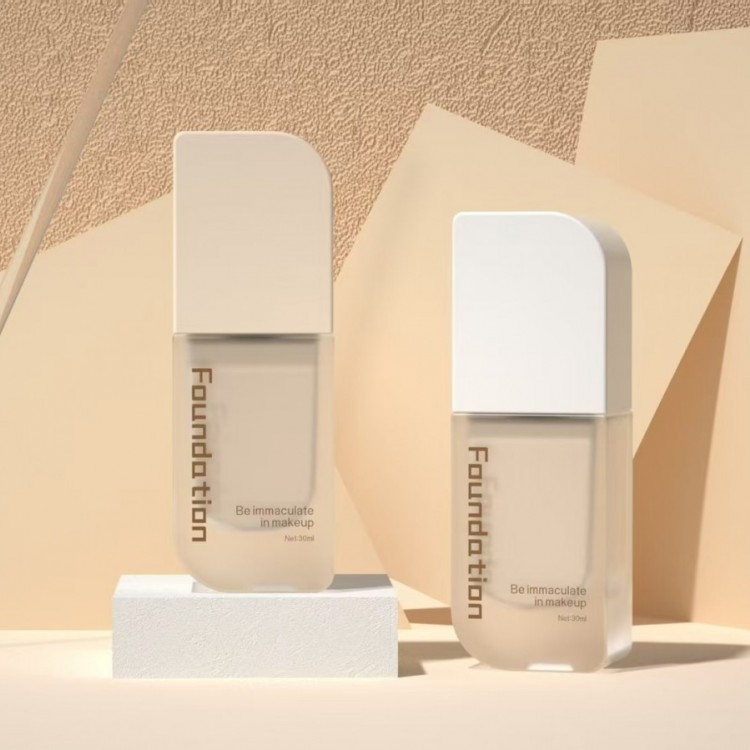
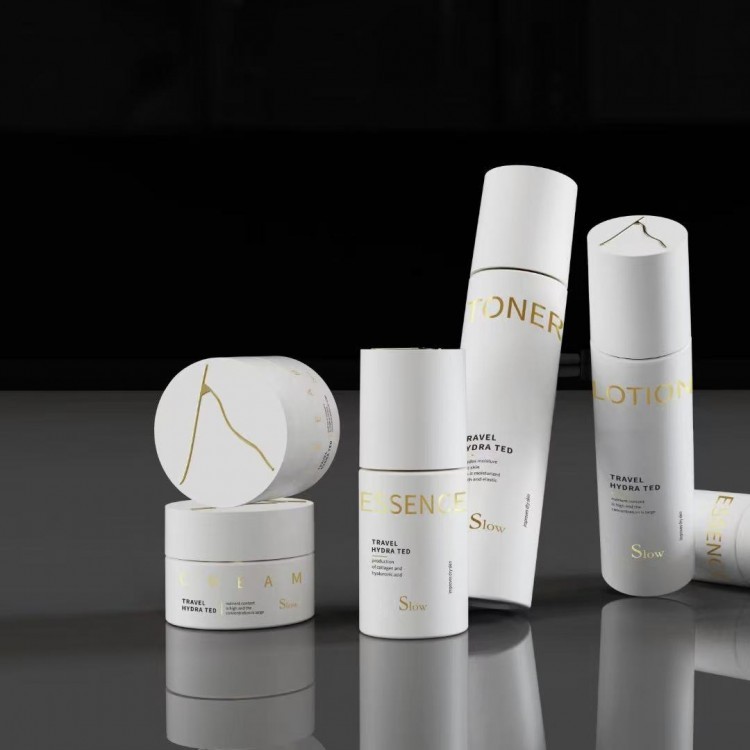
Guangzhou Le鑫 Glass Products Co., Ltd. specializes in manufacturing cosmetic glass bottles, packaging bottles, empty bottles, refill bottles, set bottles, spray bottles, glass packaging bottles, perfume bottles, glass jars, vials, cosmetic packaging materials, and offers silk screen printing services: the printed effect has a distinct raised texture due to the layer of ink. The cylindrical bottles can be printed in one go, while irregular shapes incur an additional fee per piece, and the color is also an extra charge. There are two types of inks available: self-drying and UV inks.
Hot Stamping: A thin layer of paper is stamped on it, so there's no embossed texture like screen printing. Hot stamping should not be directly done on PE and PP materials; it needs to be heat transferred first before hot stamping, or a high-quality gold foil can be used for direct hot stamping. Water Transfer Printing: It's an irregular printing process done in water, resulting in inconsistent patterns and is more expensive. Heat Transfer Printing: Used for large quantities and complex printing products, it involves applying a film to the surface, which is more expensive.
Printing can be customized to meet customer demands, achieving personalized effects. Whether it's patterns, text, or colors, they can be designed and adjusted according to the specific requirements, catering to diverse needs. Moreover, the development of digital foil stamping technology has made foil stamping printing more flexible and efficient. Environmental Friendliness: With the growing awareness of environmental protection, an increasing number of foil stamping processes are adopting eco-friendly materials, such as biodegradable plastics, making the foil stamping process more environmentally friendly and healthier. The company adheres to the business philosophy of "Quality and Service First," sincerely serving customers and continuously improving and enhancing the technology of coating products. Warmly welcome new and old customers to discuss cooperation and seek common development.