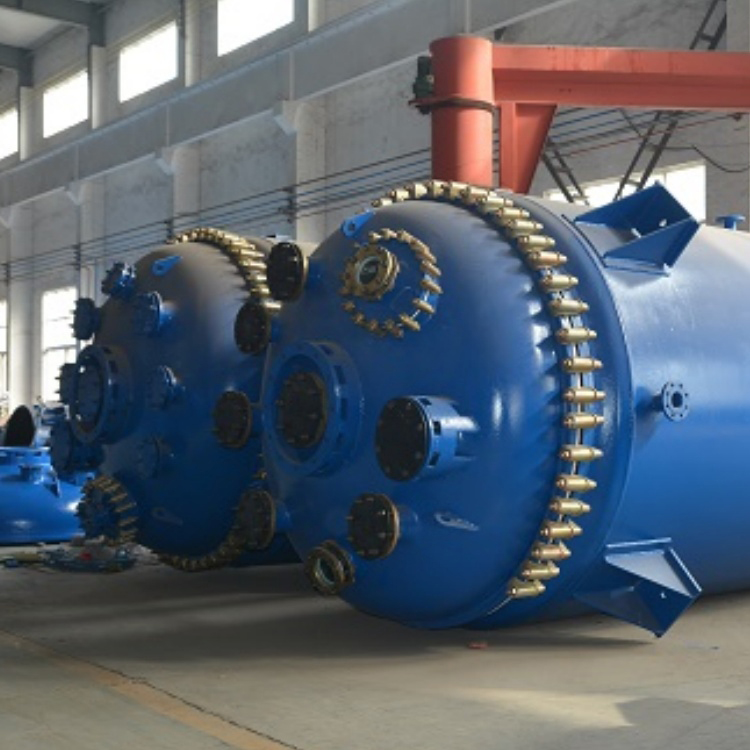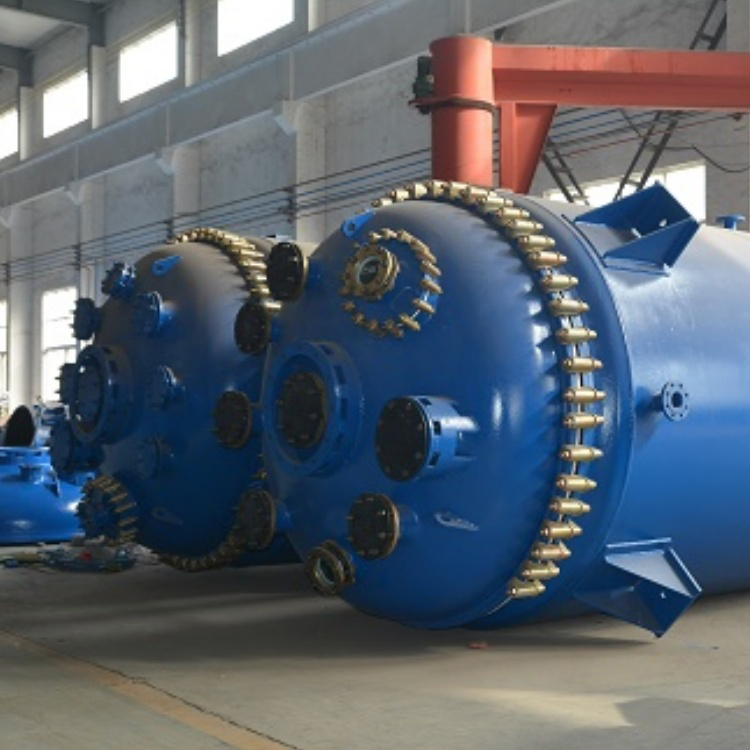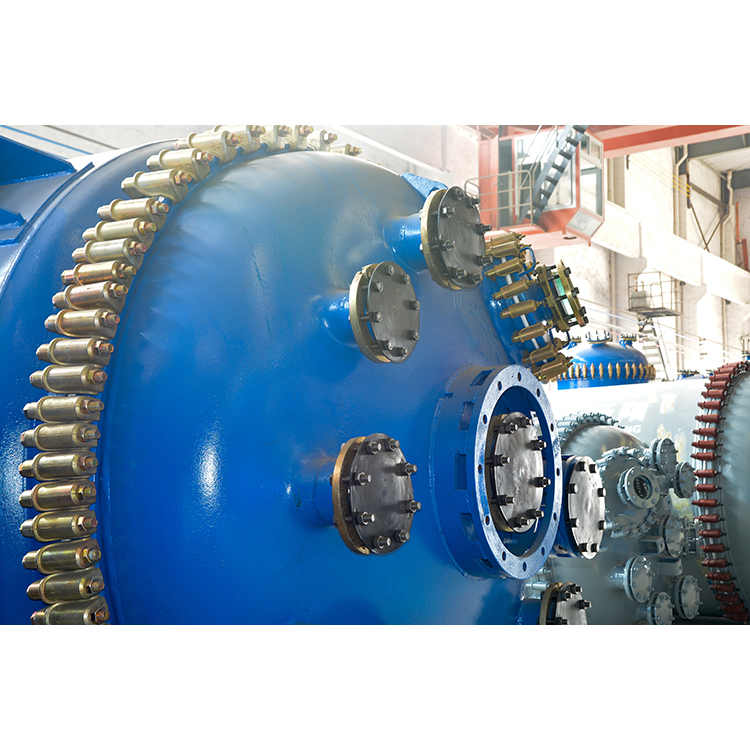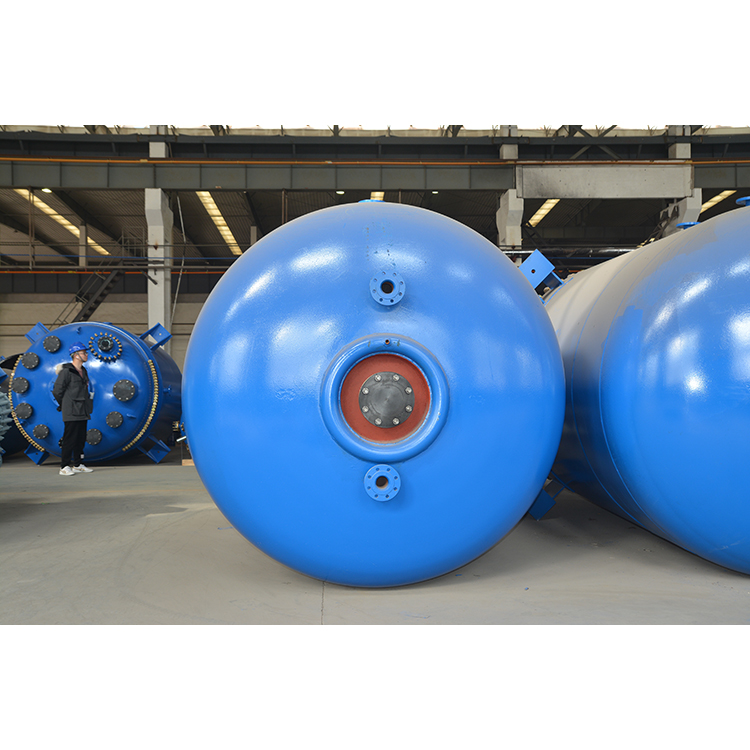

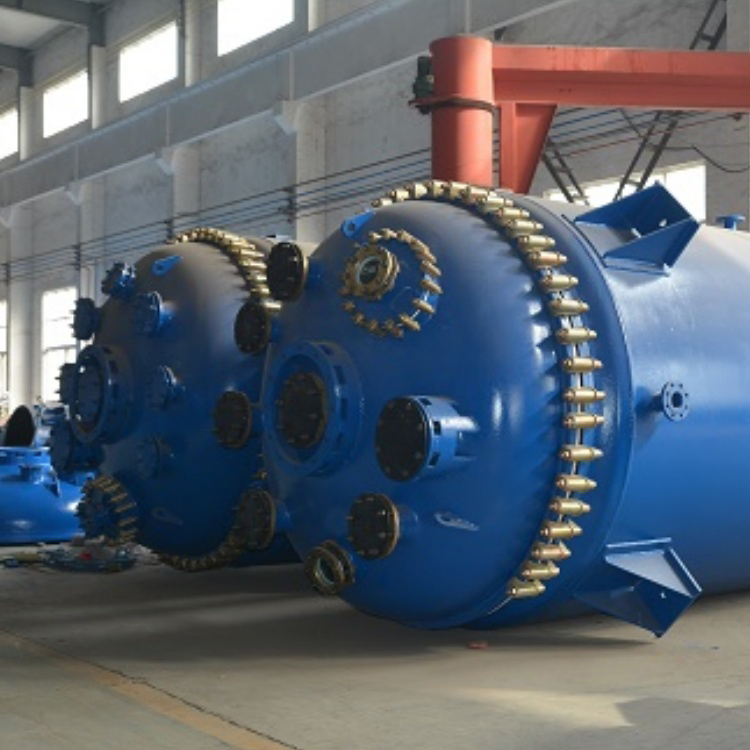

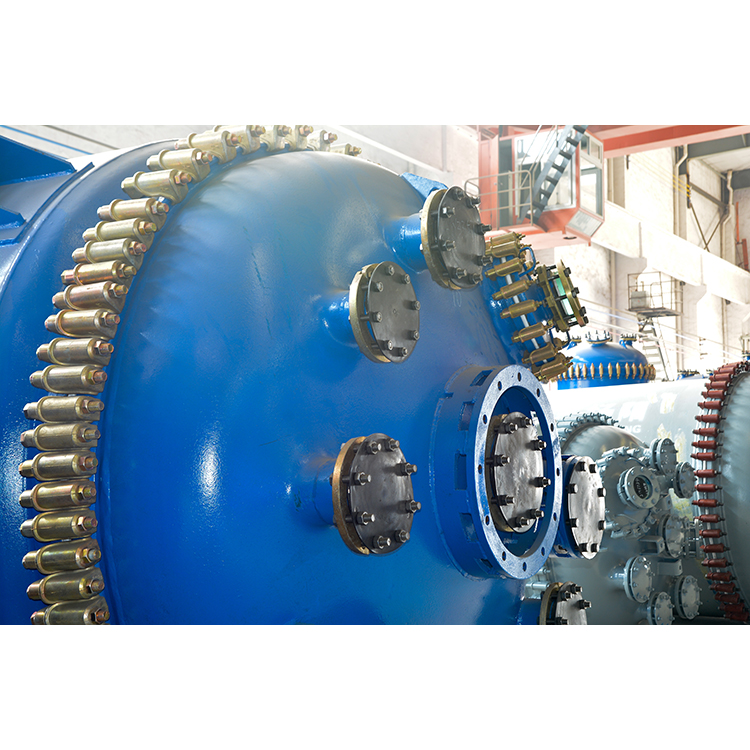
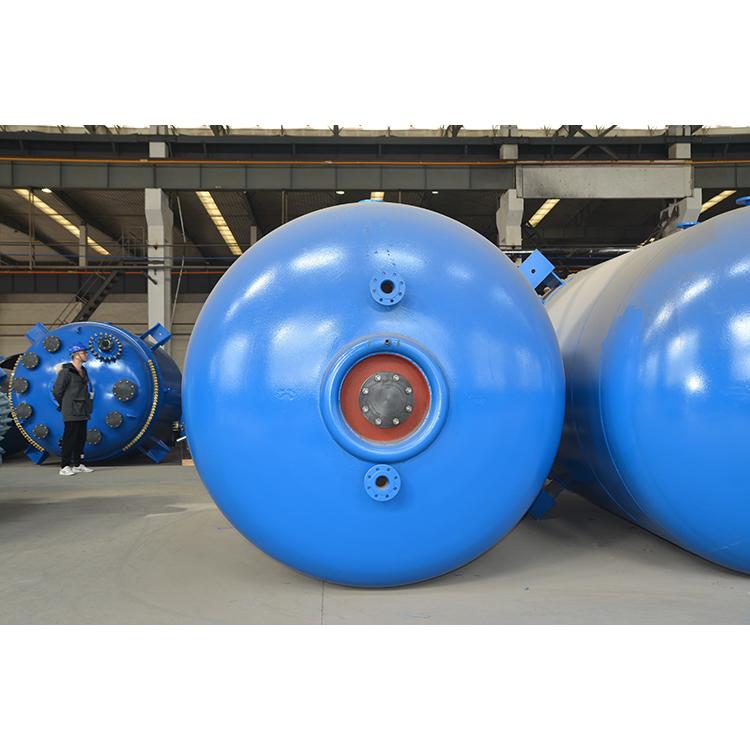







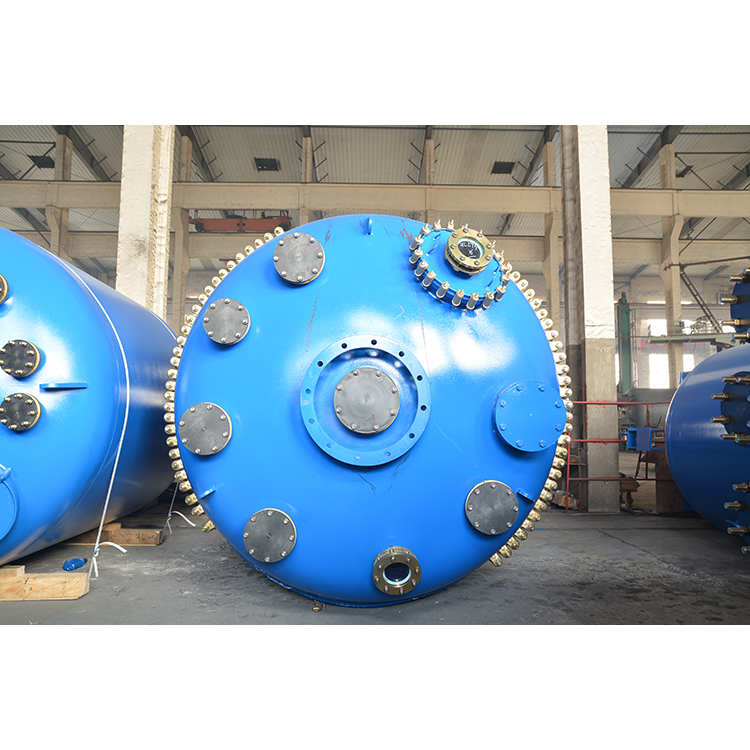
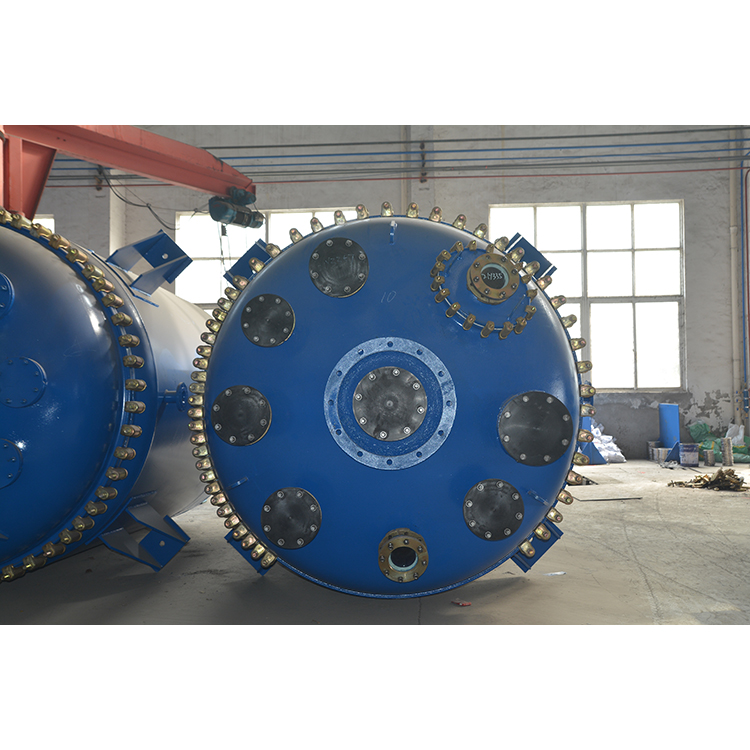
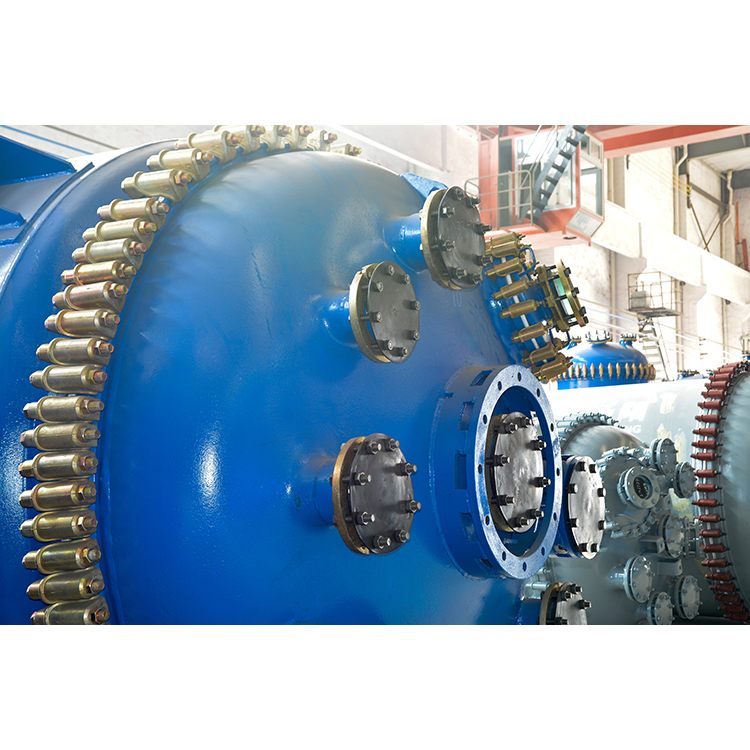

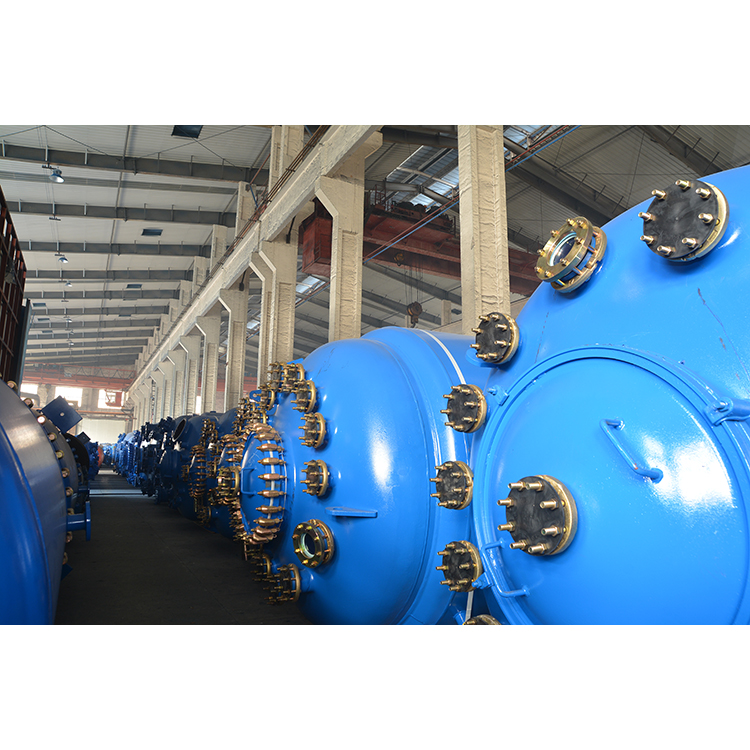
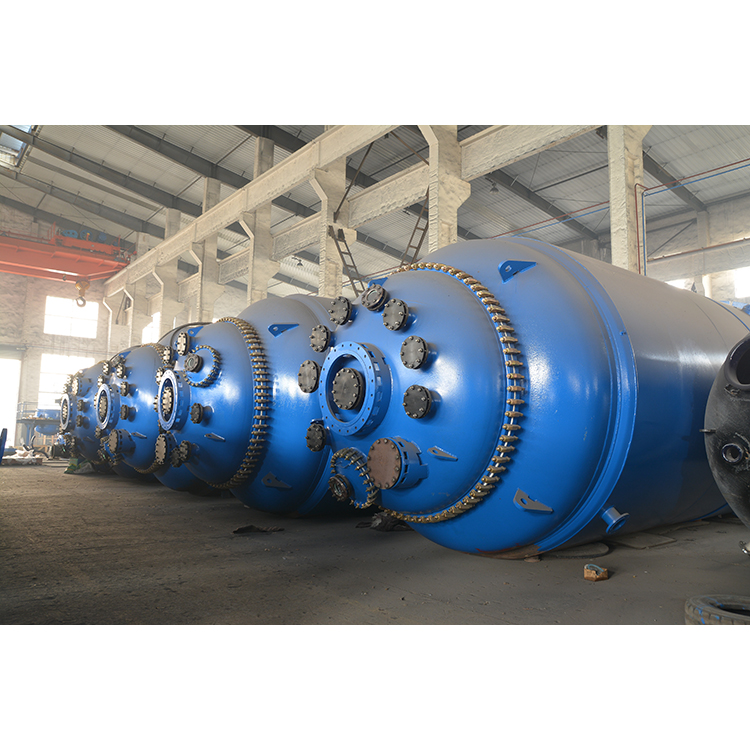
The glass-lined reaction vessel mainly features the following three characteristics:
1. Characteristics in operating pressure
The operating pressure of glass-lined reactors is generally quite high. As we all know, the pressure inside the tank is either produced by chemical reactions or formed due to temperature increases. If there are significant fluctuations in the internal pressure, operational instability may occur. A sudden increase in pressure could also exceed the normal pressure by several times, but glass-lined reactors can fully withstand these pressures. Therefore, in terms of operating pressure characteristics, glass-lined reactors have a distinct advantage.
2. Structural Advantages
The glass-lined reactor has a structure similar to other related equipment, with differences primarily in the transmission mechanism, agitation, and heating/condensing units. Among the advantages of related equipment, the glass-lined reactor can modify heat transfer conditions, allowing the reaction temperature to be maintained at a normal level without enhancing the mass transfer process.
3. Features of operating temperature
Typically, the operating temperature of glass-lined reactors is quite high. Generally, during chemical reactions, they must be conducted under specific temperature conditions, thus requiring glass-lined reactors to withstand high temperatures. They should be capable of handling both high pressure and high temperatures.