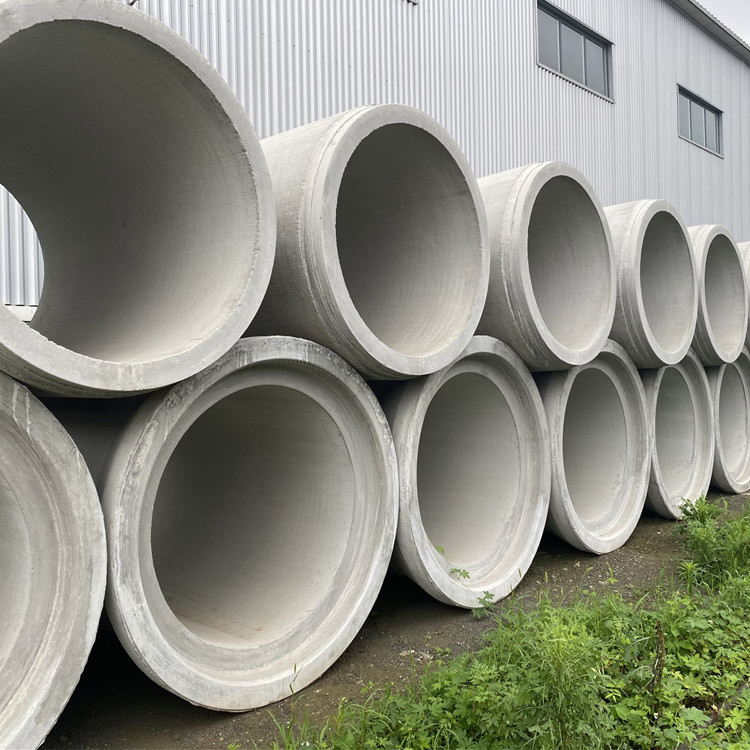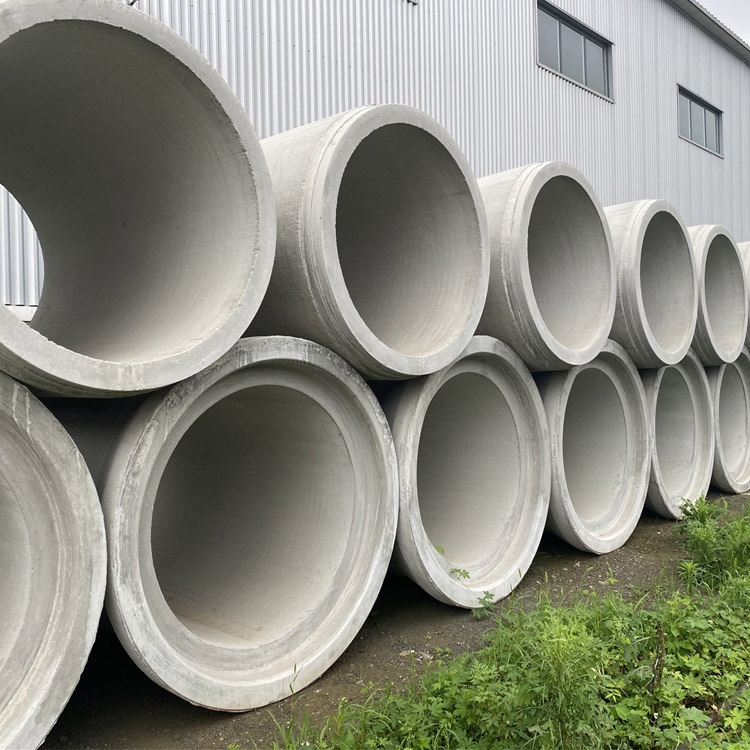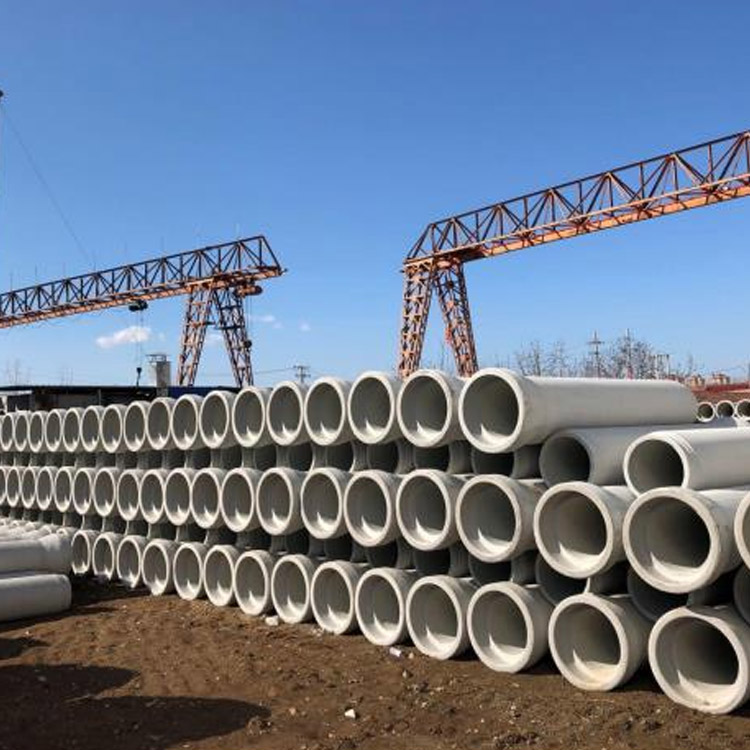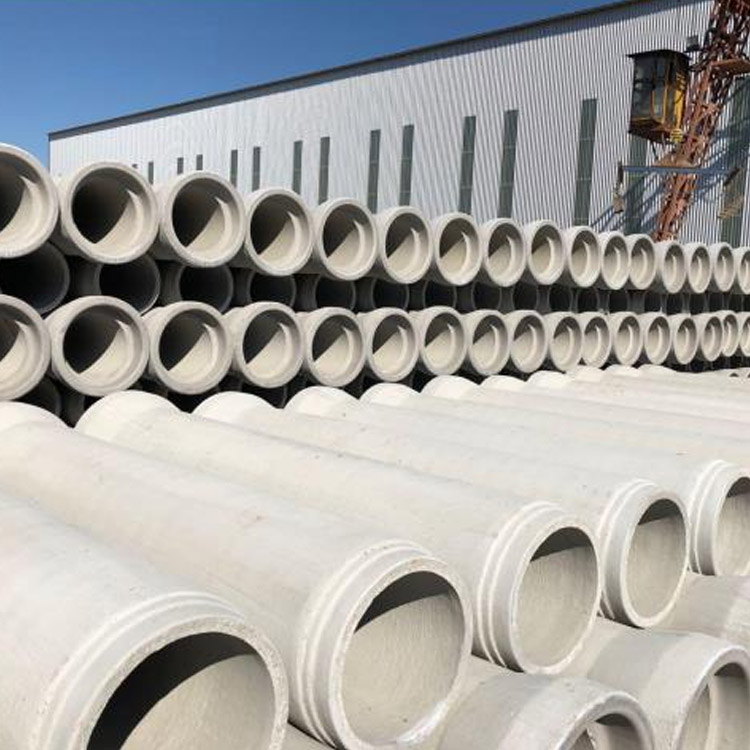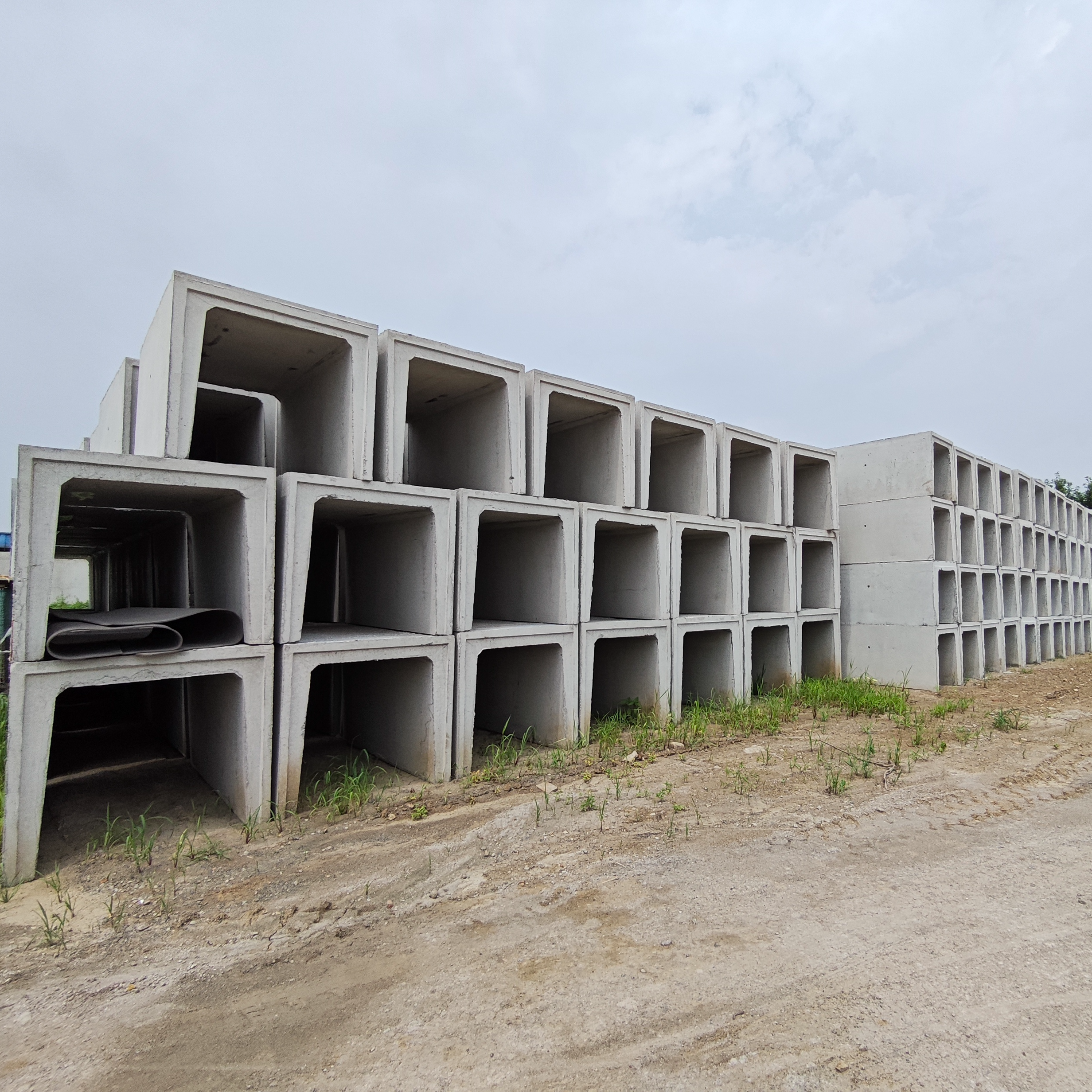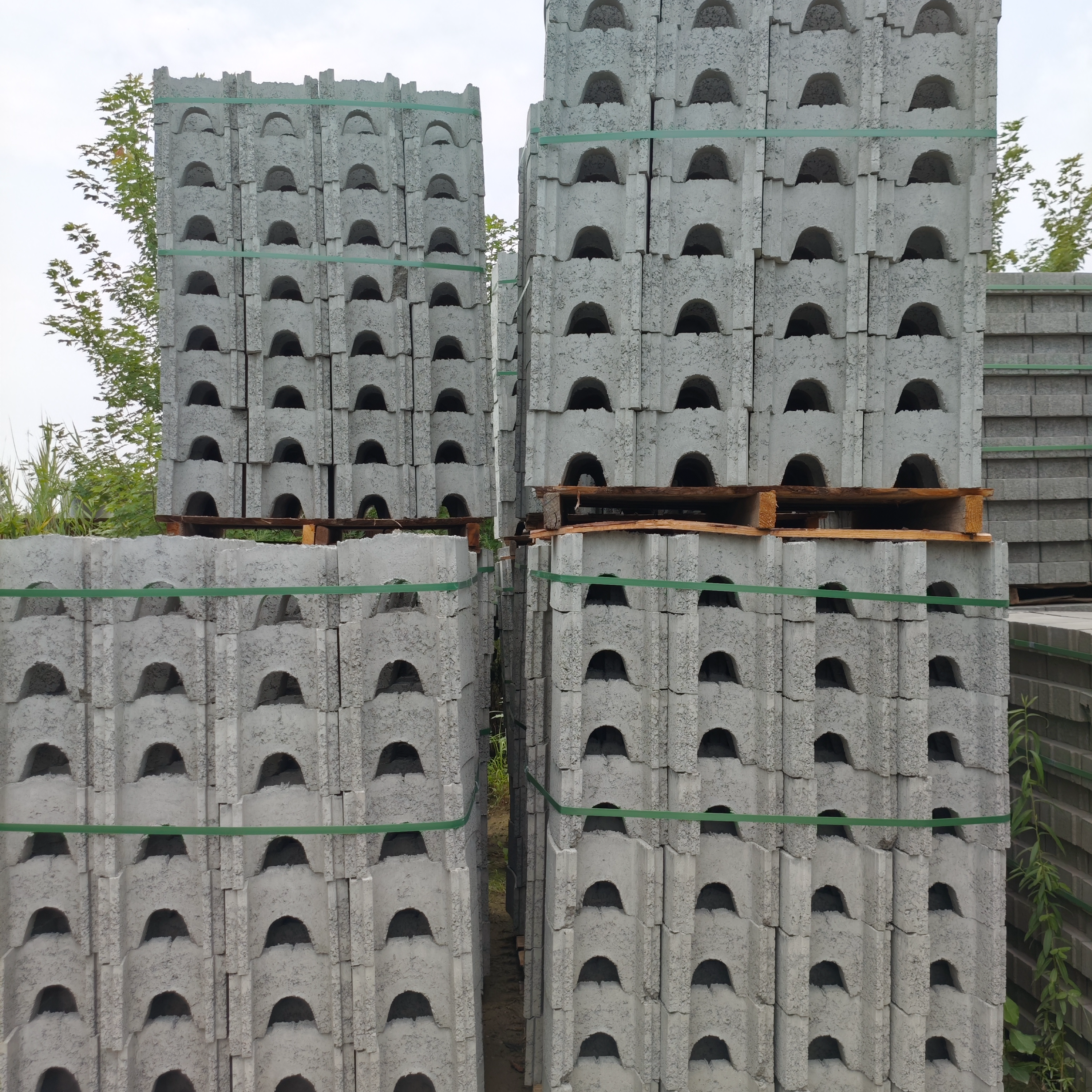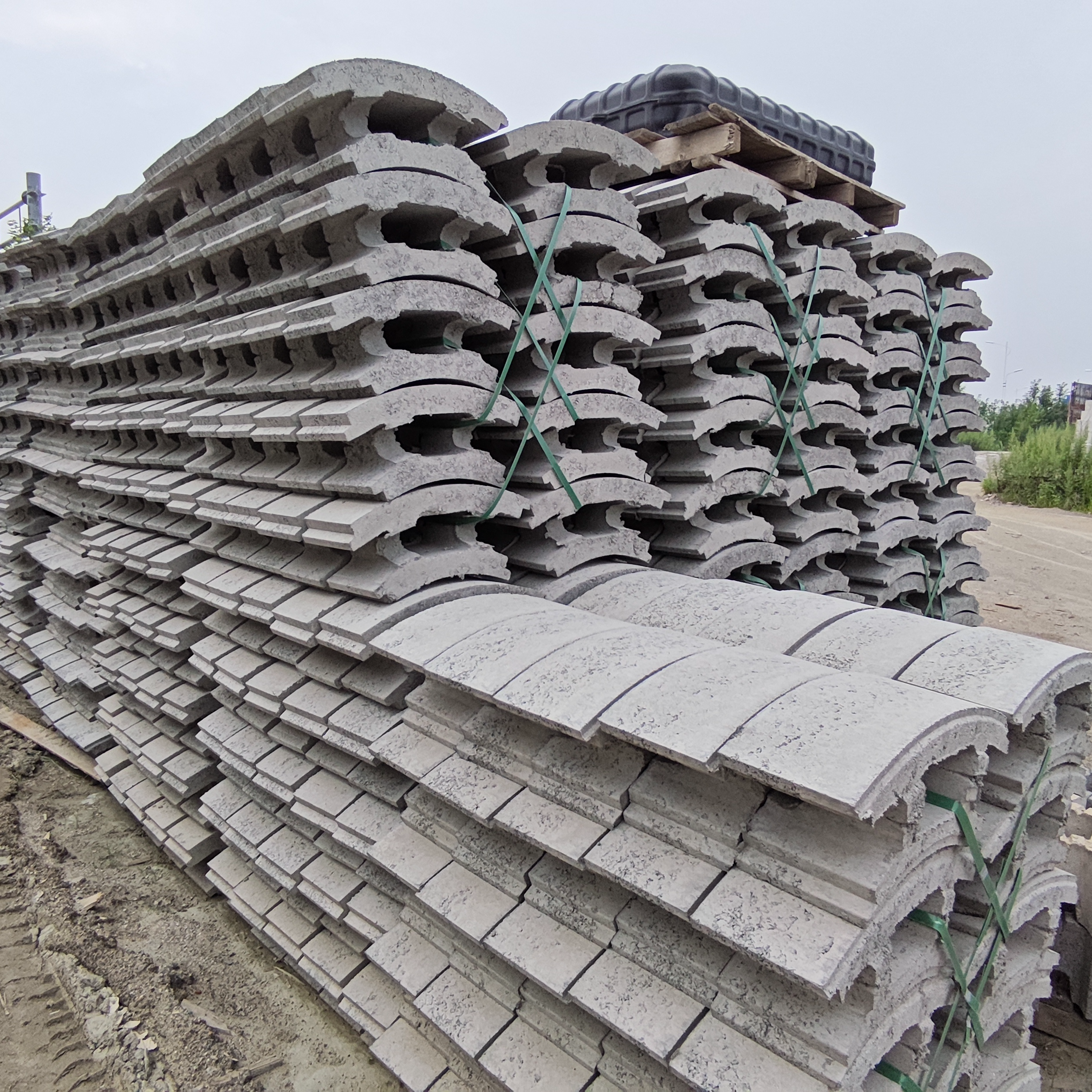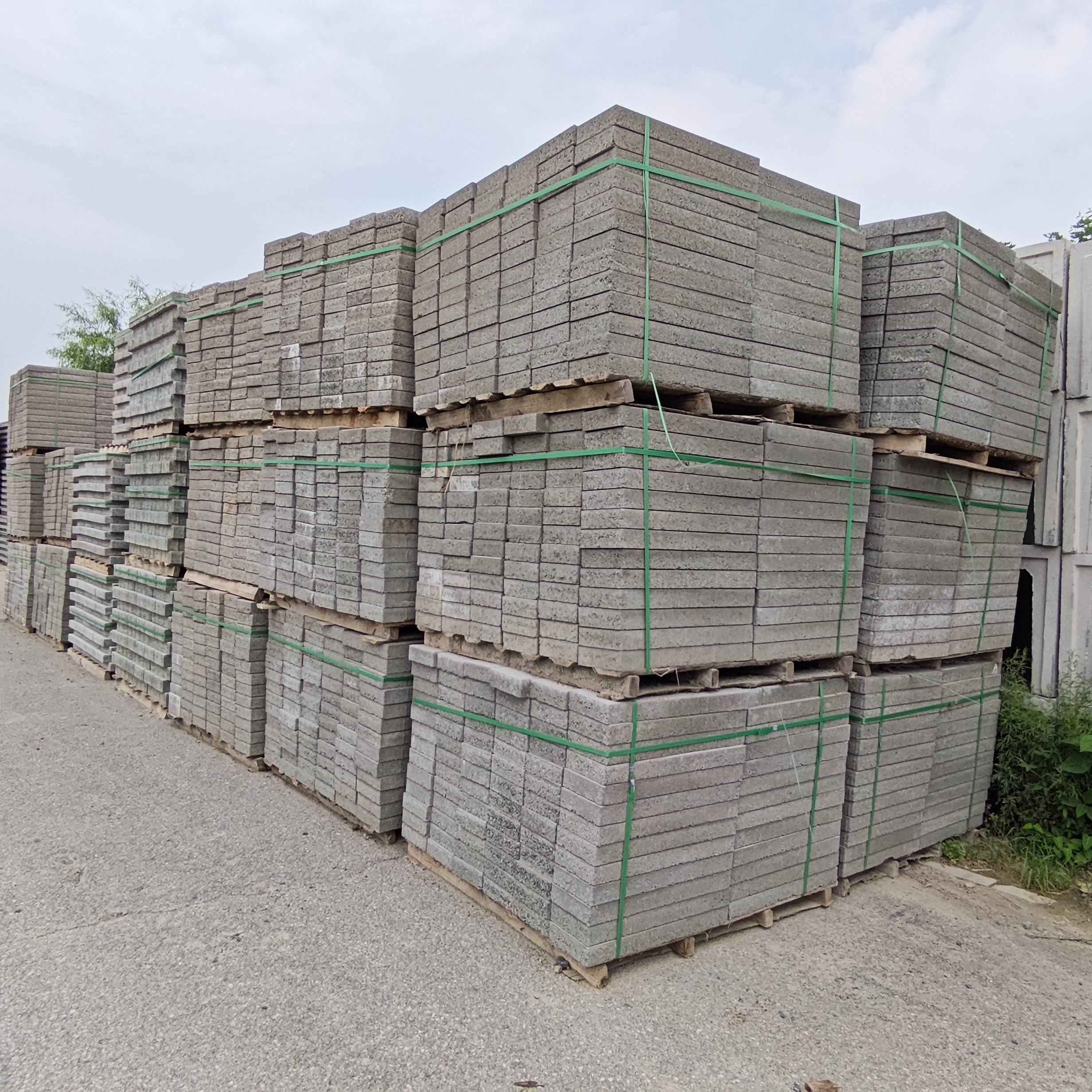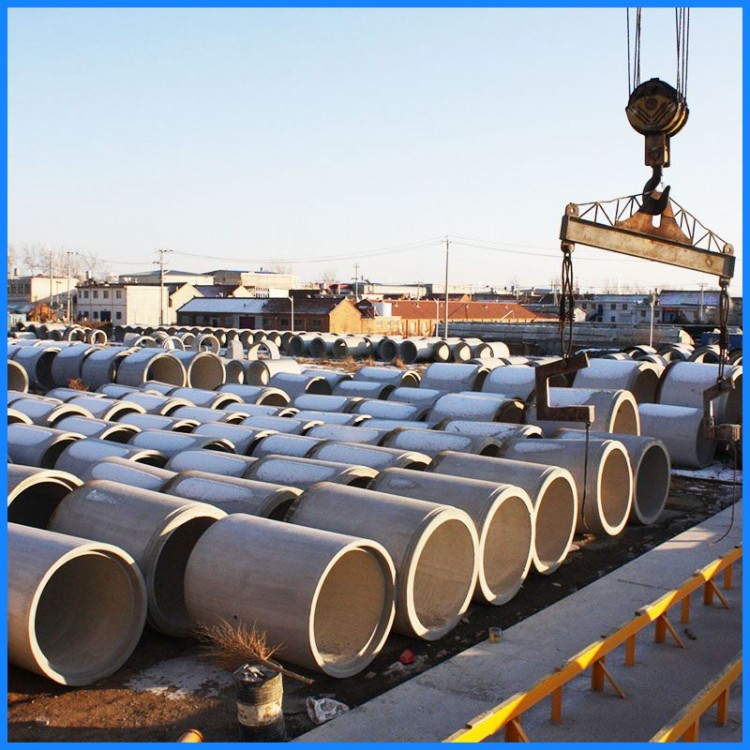

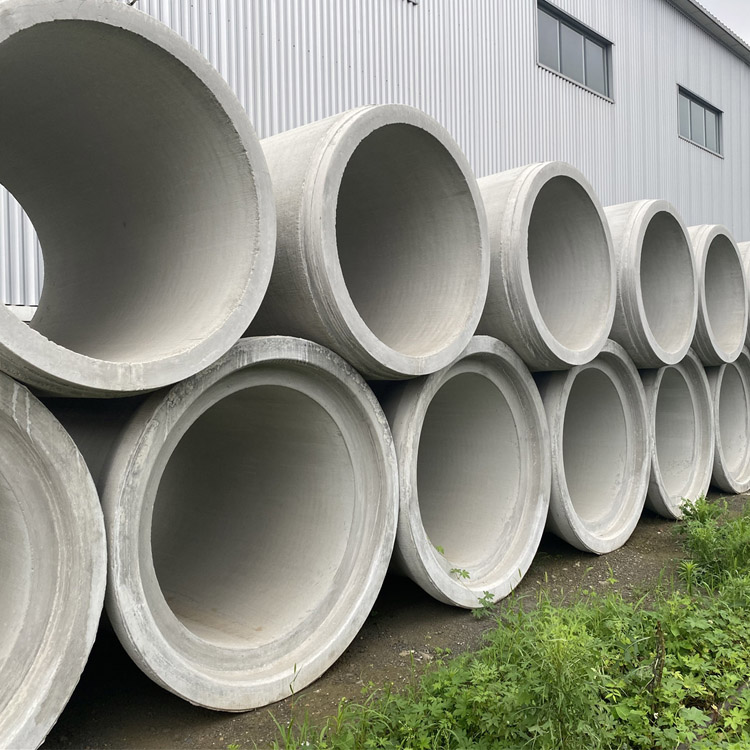

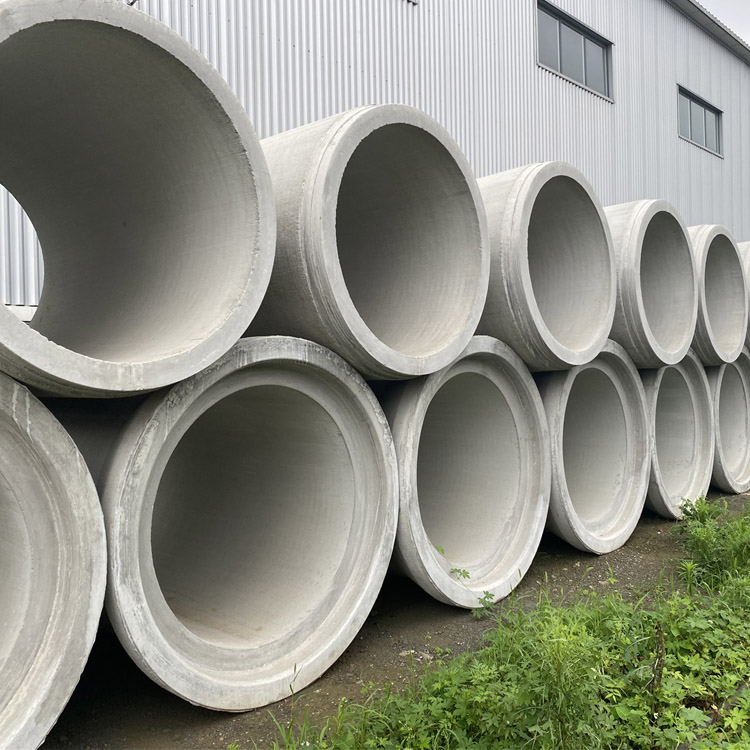
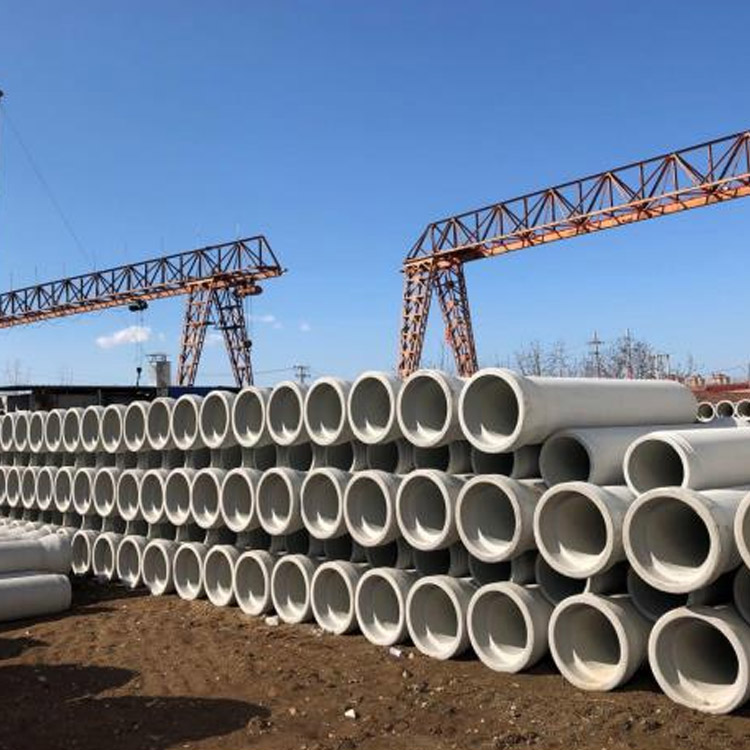
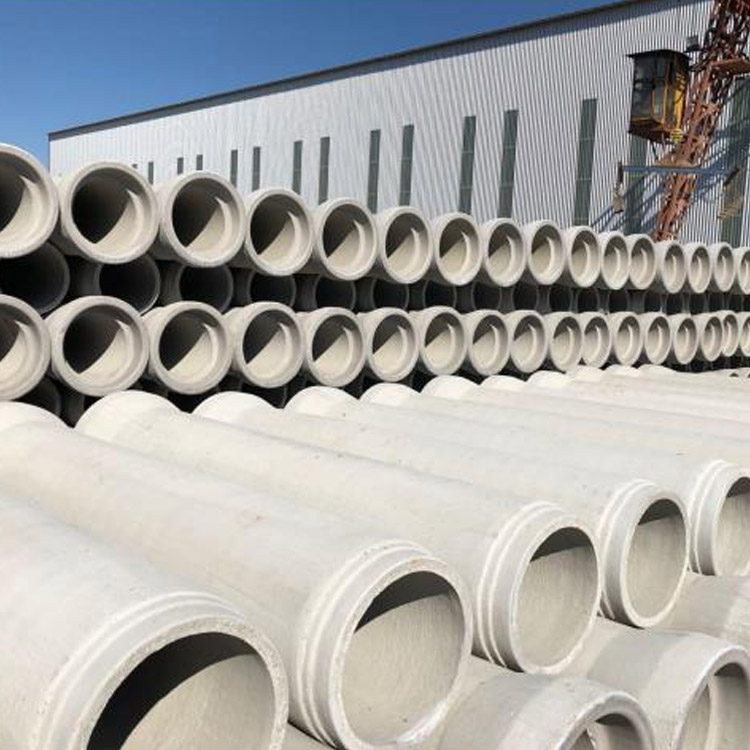


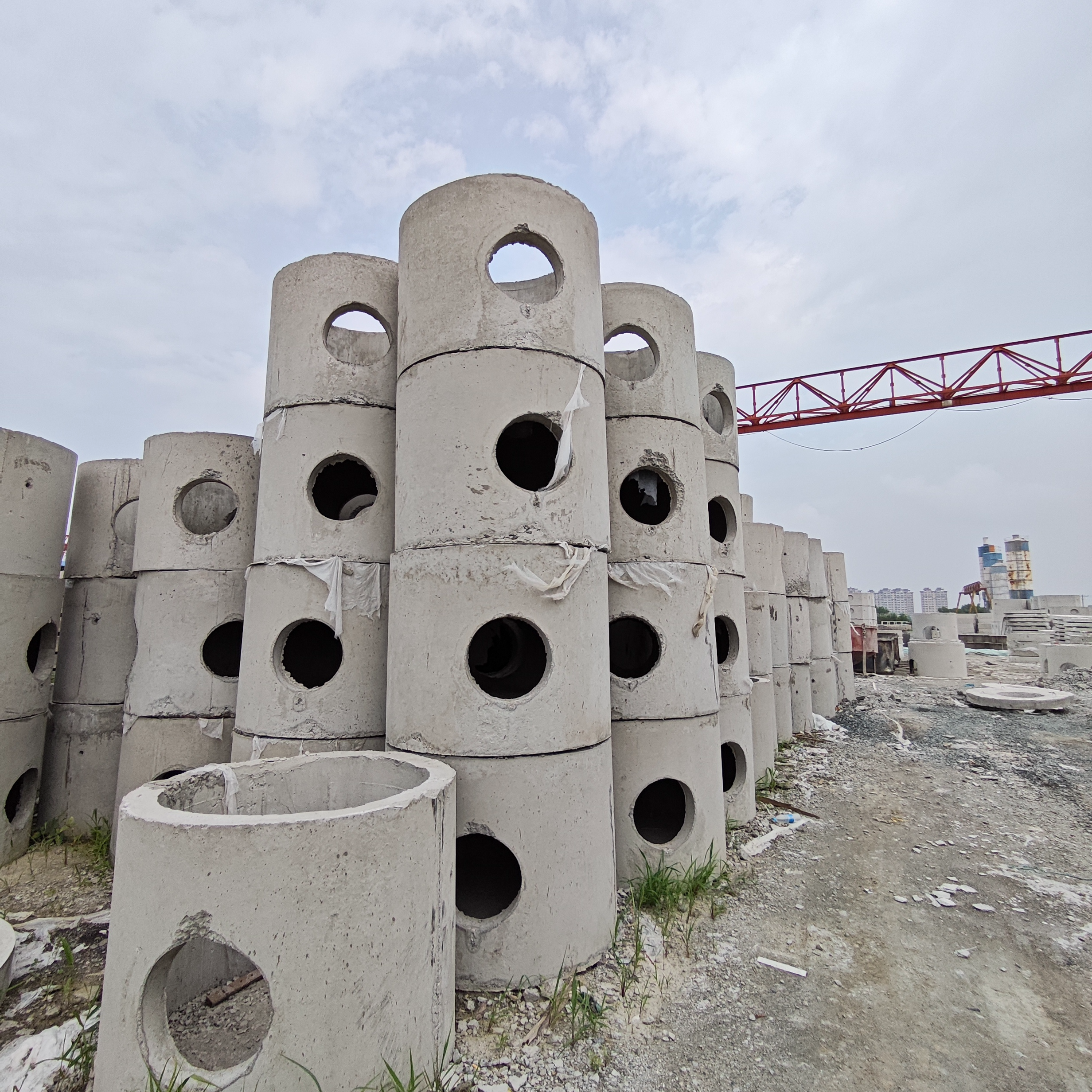
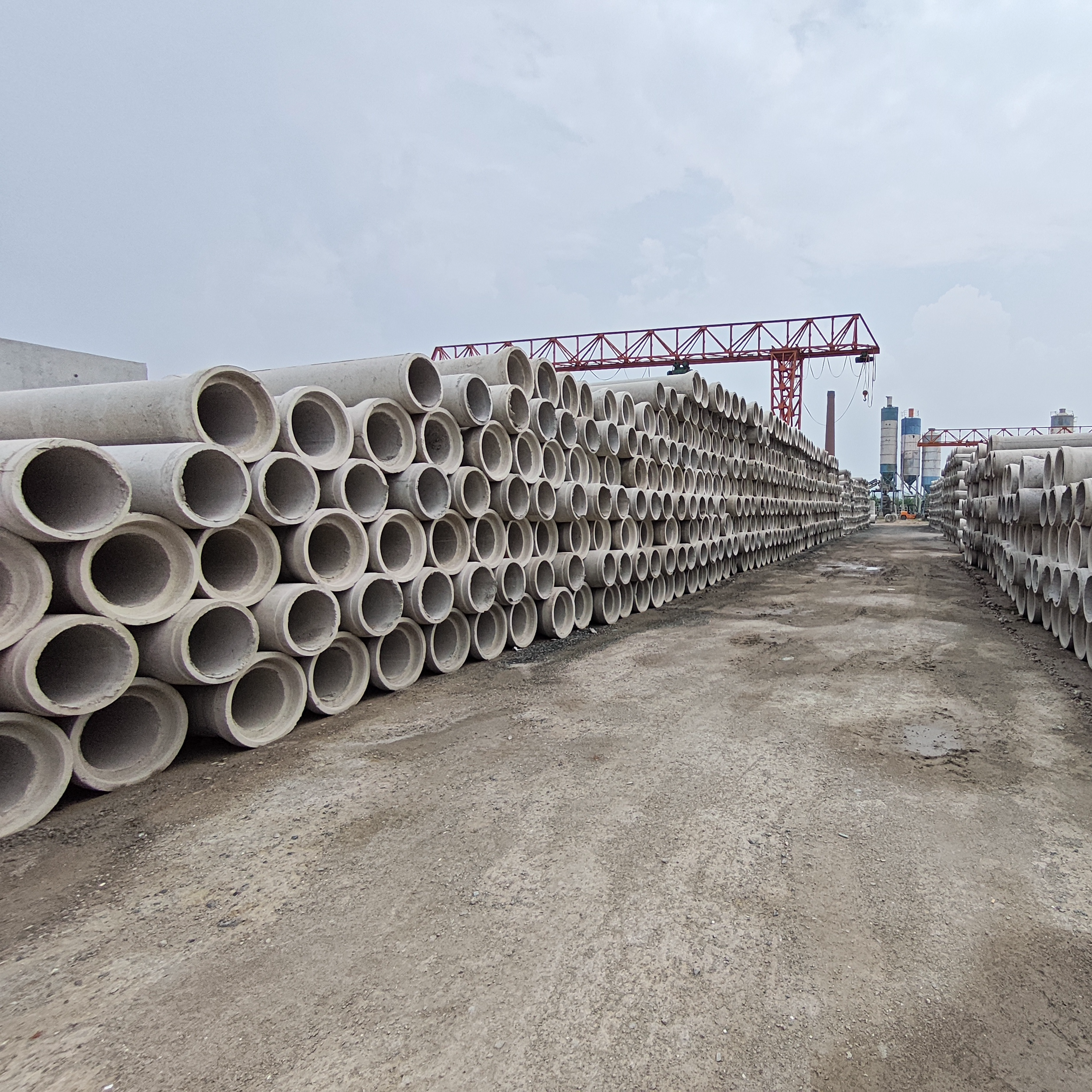






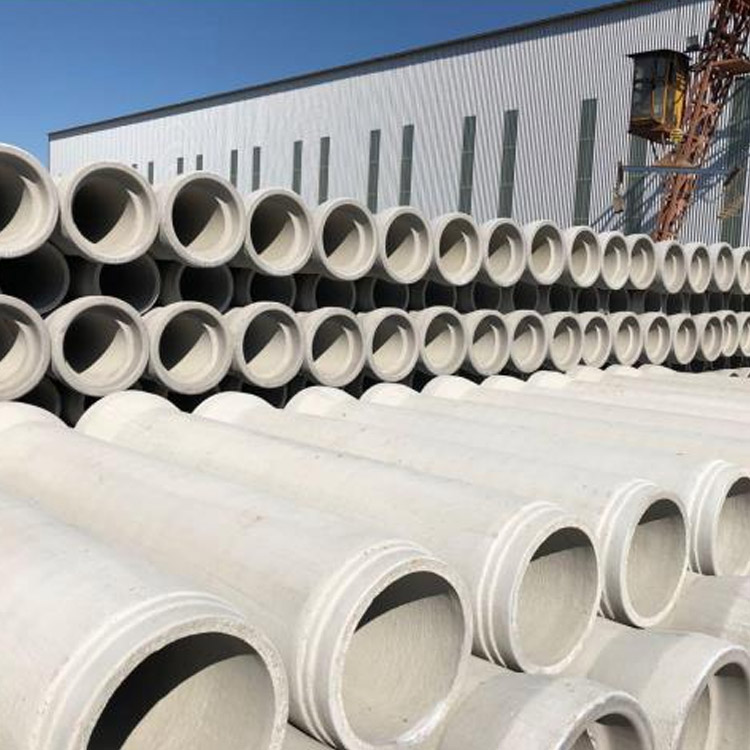
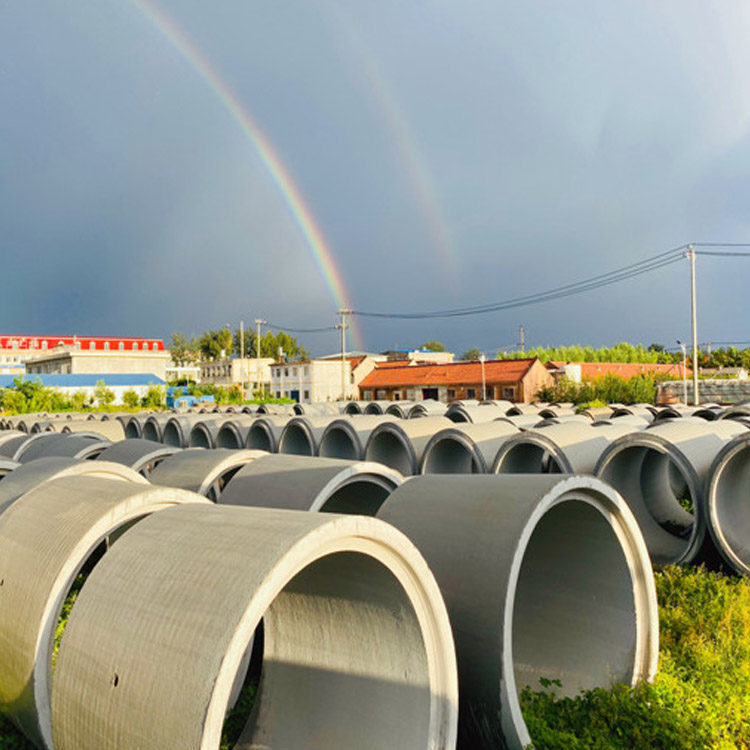
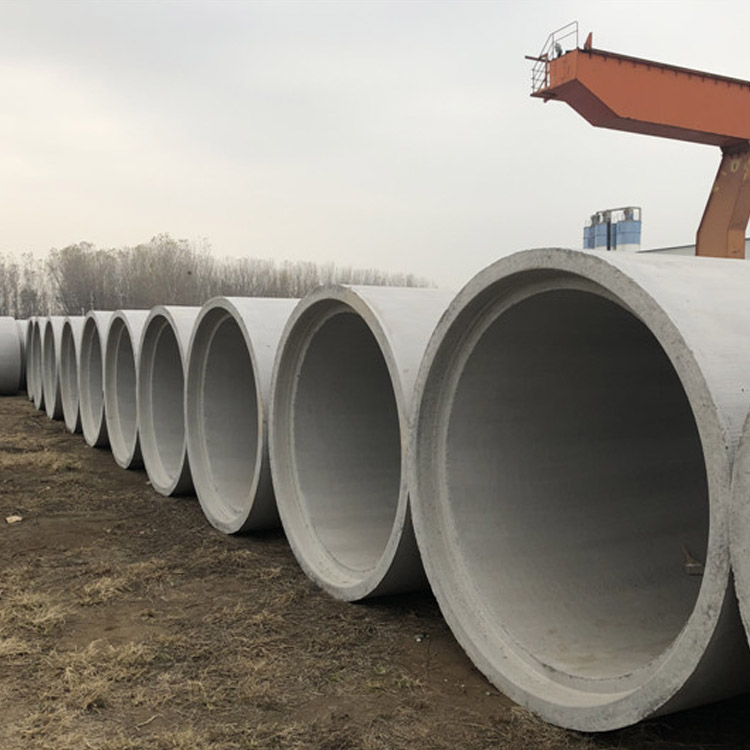
Cement pipes for general use
1. Typically used for town's rainwater and sewage drainage pipes.
2. Outer casing for pipelines required to be laid underground for operational utilities such as potable water, electricity, telecommunications, and gas.
3. Highway longitudinal and transverse drainage and permeability.
Tianjin Concrete Pipe Factory: Requirements for Cement Concrete in Pipe Processing (Rongfeng)
Tianjin Cement Pipe Factory: Requirements for cement concrete in cement pipe processing (Rongfeng)
To ensure the uniform quality of concrete pipes, the cement must be mixed and ground uniformly among various cement components. It is permissible to grind certain parts separately and then mix them, but the cement ground separately must maintain the same uniformity as that ground together. It is also stipulated that qualified cement must be stored in a cement silo with sufficient capacity before being shipped out, and it is not allowed to be shipped out directly without an intermediate storage after grinding or mixing. In recent years, new technologies and equipment have been adopted in raw material pre-uniformization, uniform conveyance of raw meal powder, and dust collection, especially with the emergence of off-burner decomposition technology, which has led to the birth of a new dry production process.
The fine grinding of cement clinker typically employs a circulating ball mill process, also known as a closed-loop system. To prevent dust from飞扬 during production, dust collection equipment is generally installed. Electrostatic precipitators, bag dust collectors, and cyclone dust collectors are commonly used dust collection devices in cement product factories.
Nowadays, over half of cement in industrialized countries is used for transporting concrete, with 20-30% used in cement product factories, meaning that 80-90% of cement is mixed into concrete through continuous mechanized production lines. On one hand, there is large-scale production; on the other hand, there is an increasing demand for the quality of concrete. This requires that cement not only meet the quality standards for its intended use but also ensure uniformity and stability in quality, particularly in terms of its water requirement and setting characteristics. Otherwise, it would cause numerous difficulties in concrete mixing and affect the stability of water content, workability, and the overall quality of the concrete.
We will continue to provide our customers with more exquisite products and higher-quality services, striving together to forge a beautiful and prosperous future!