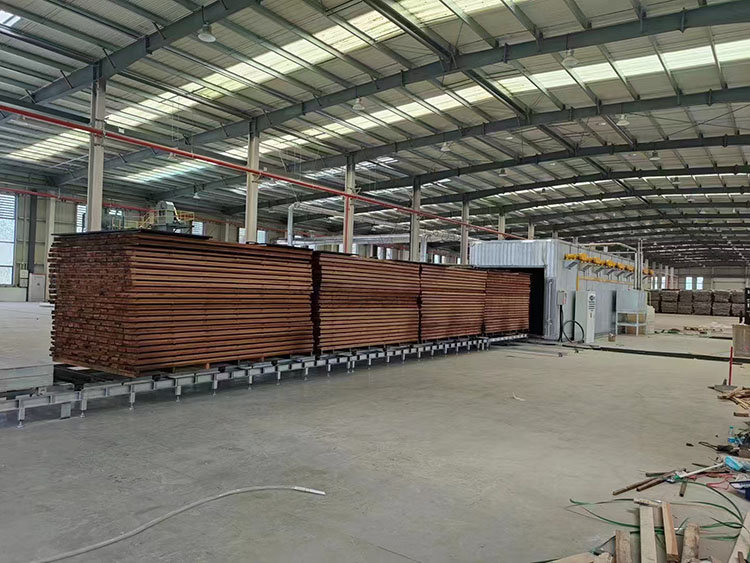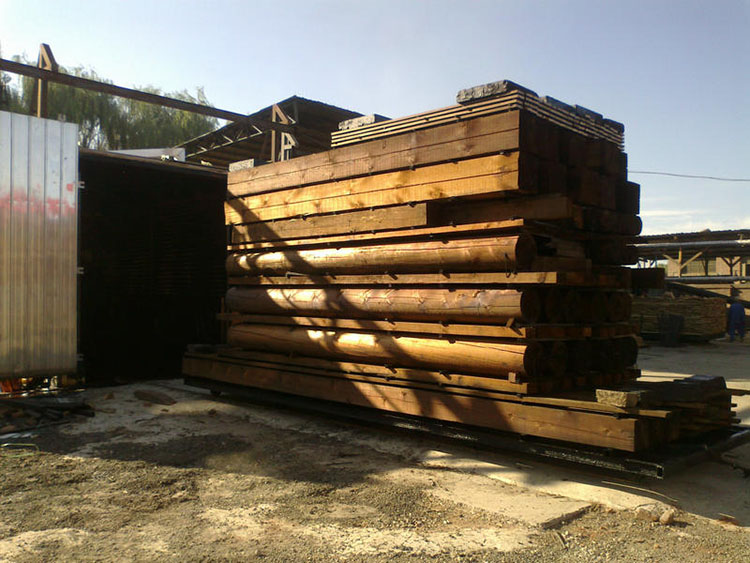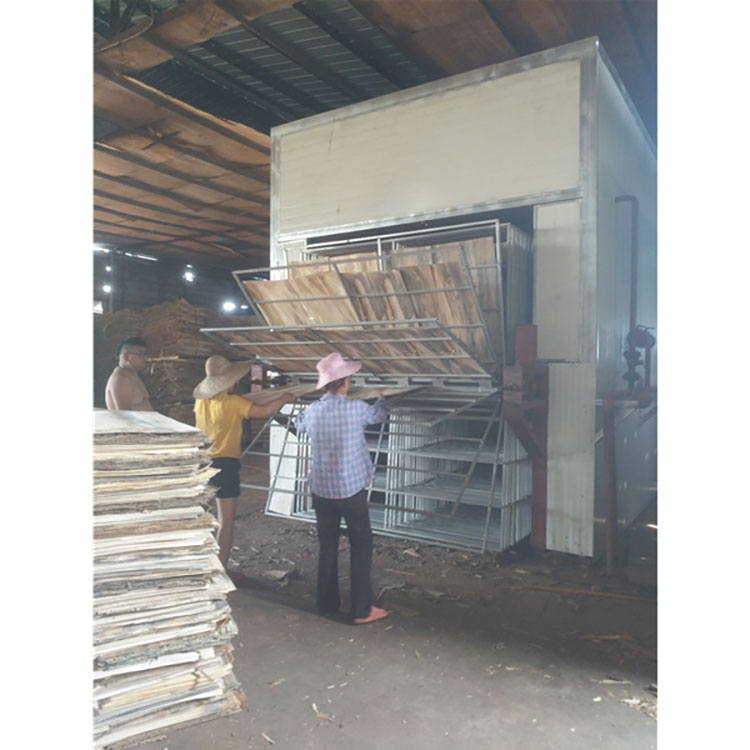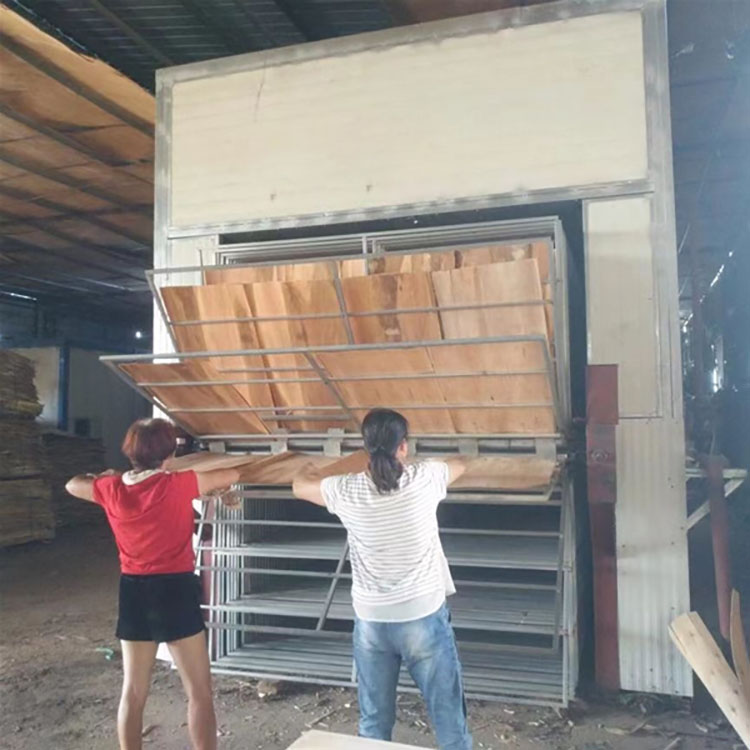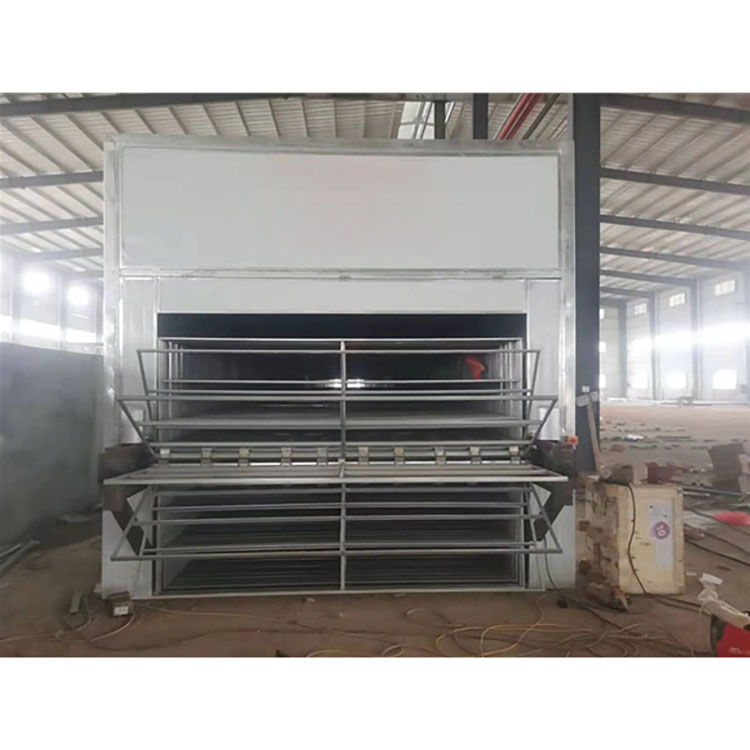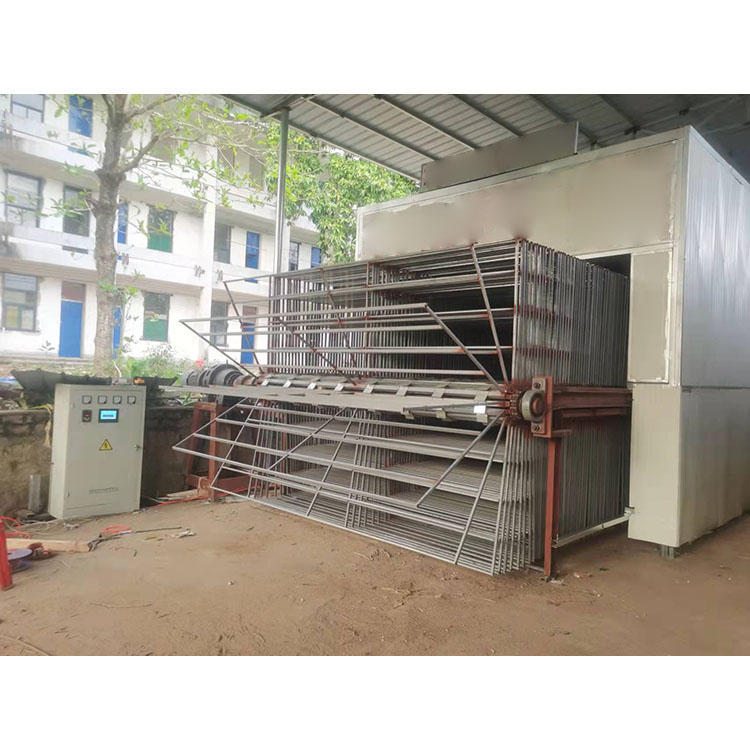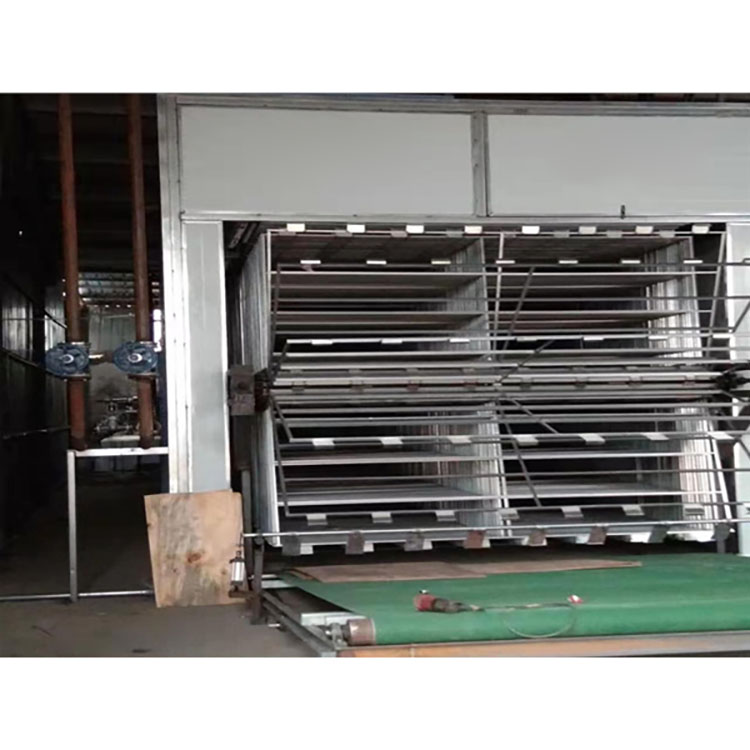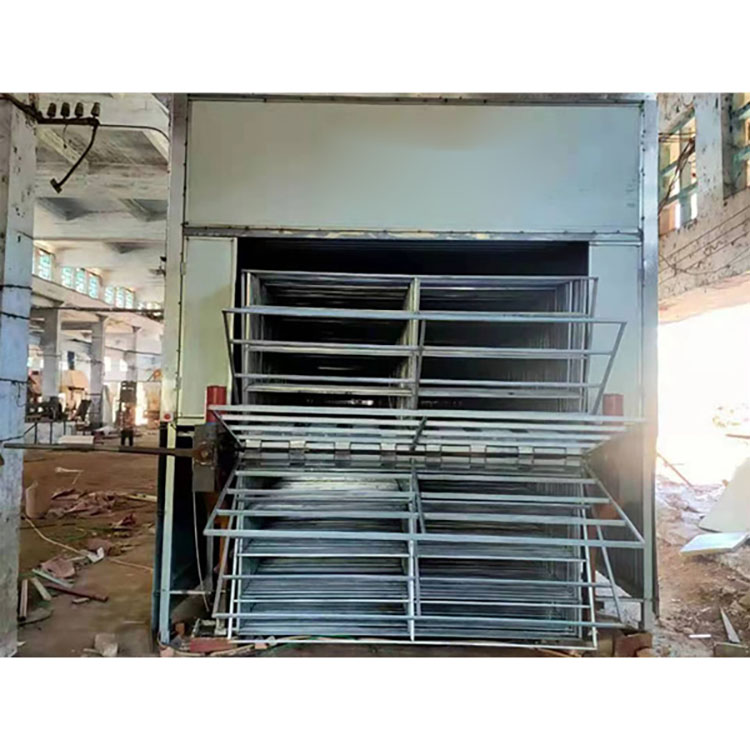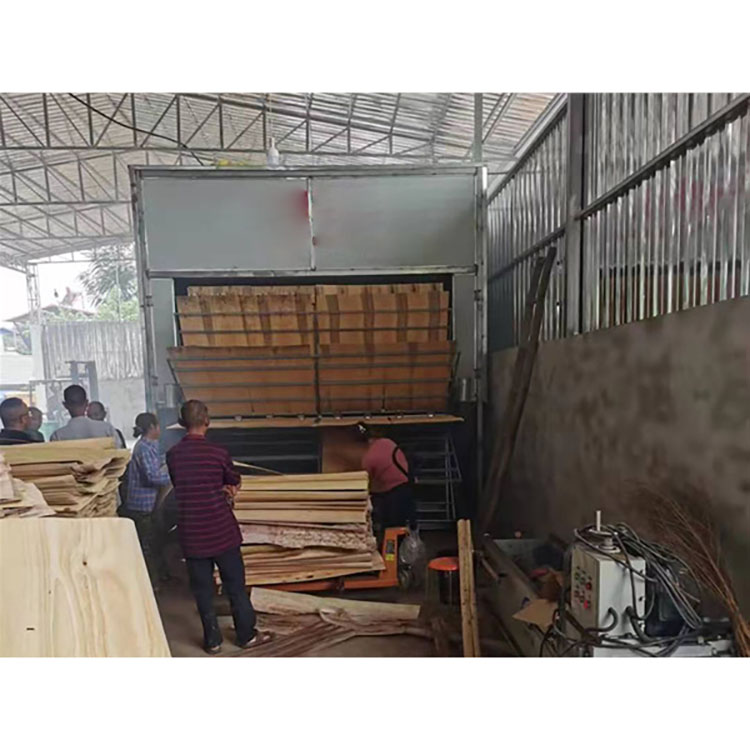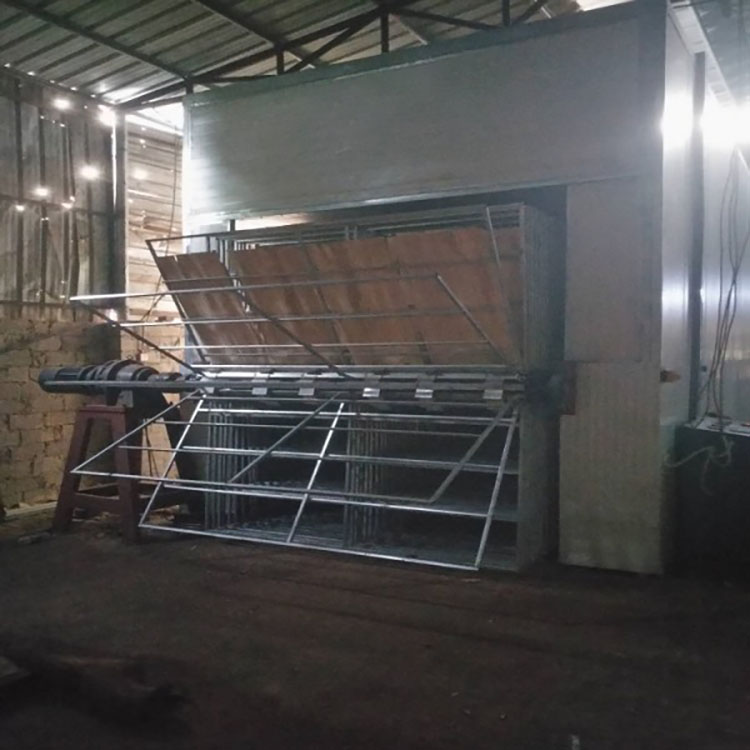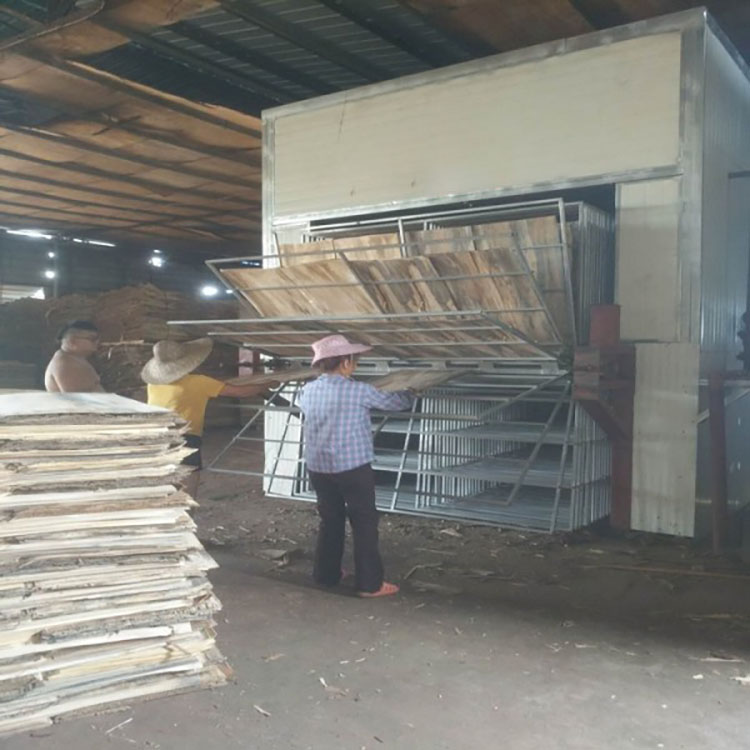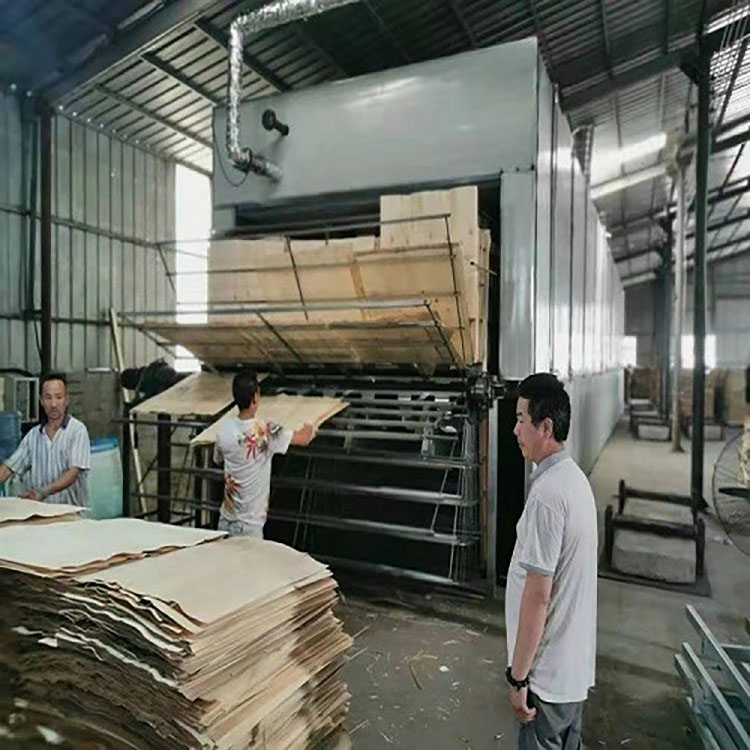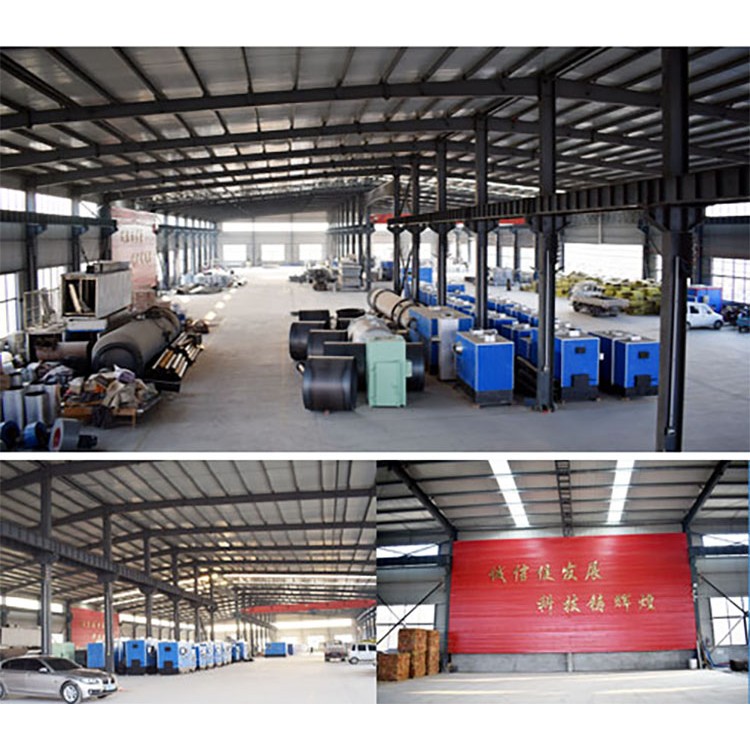

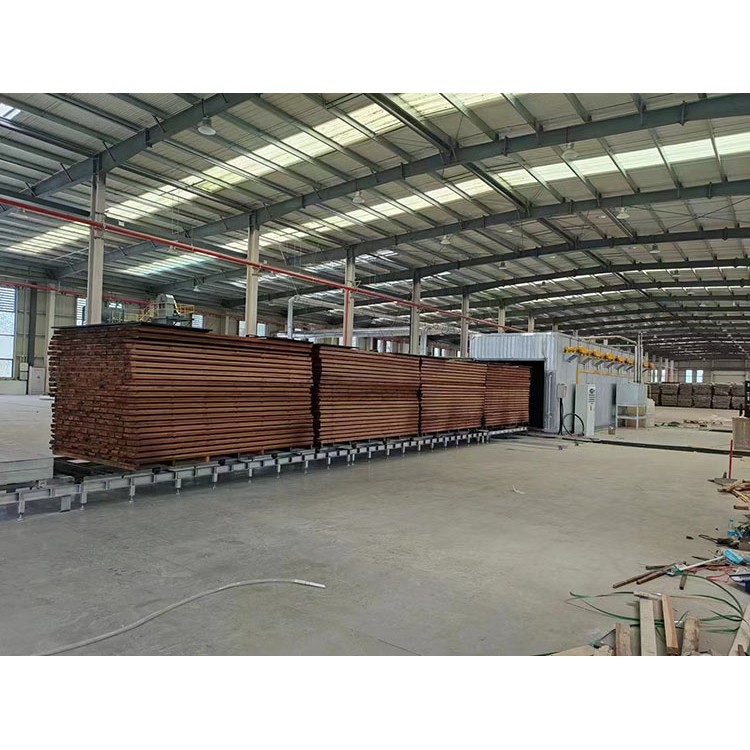

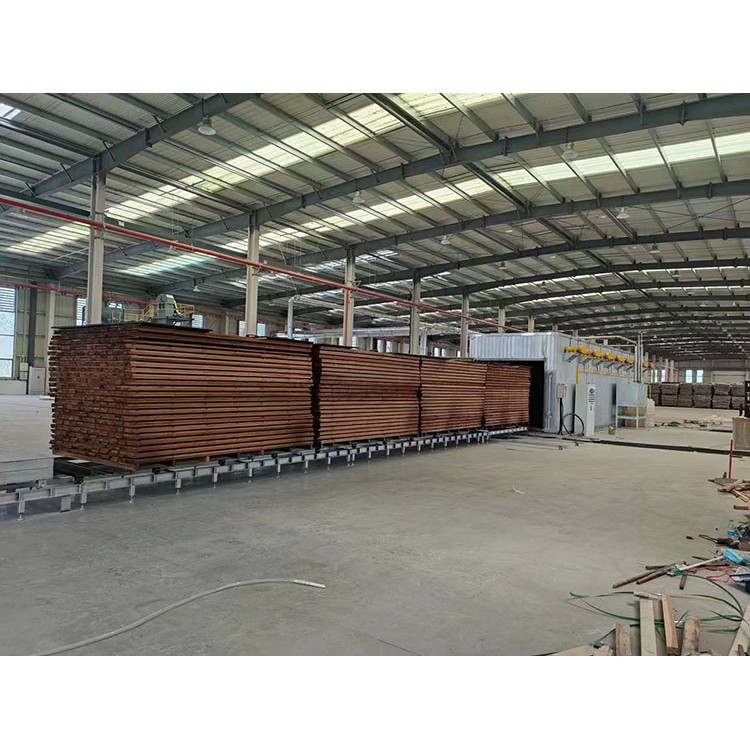
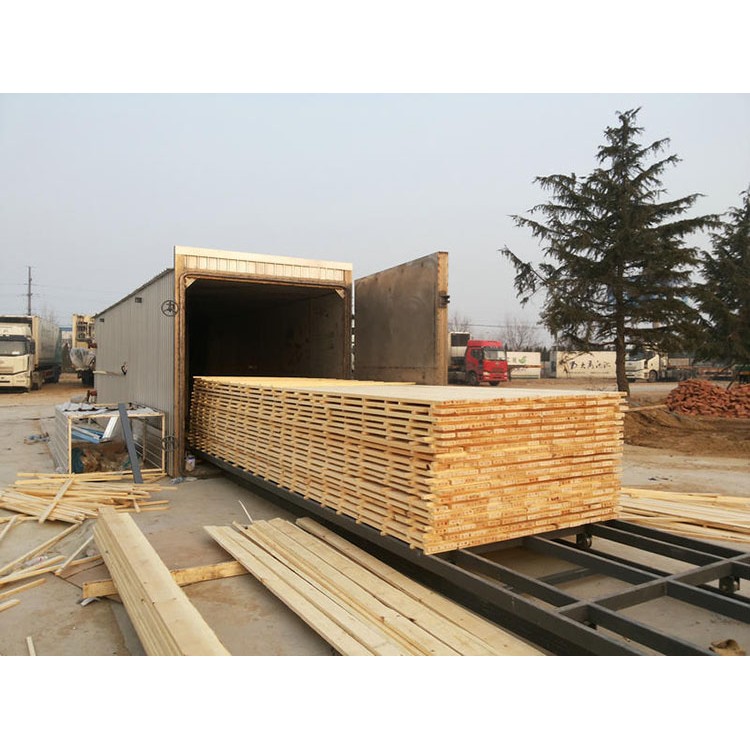
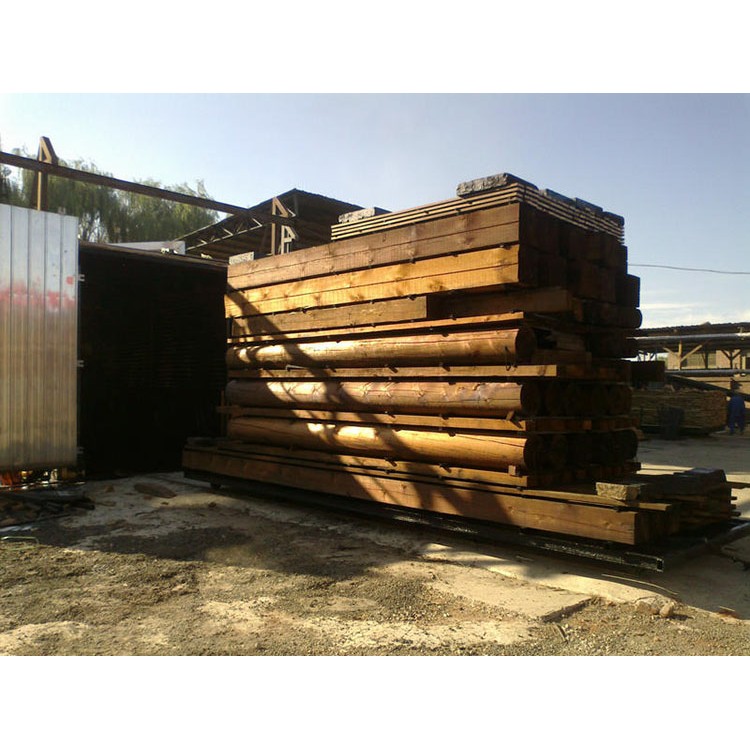


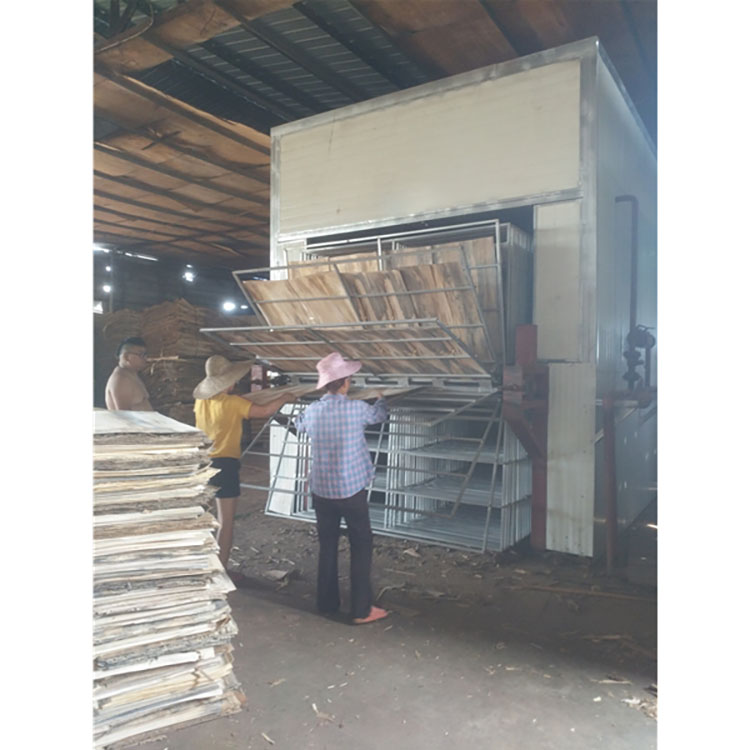
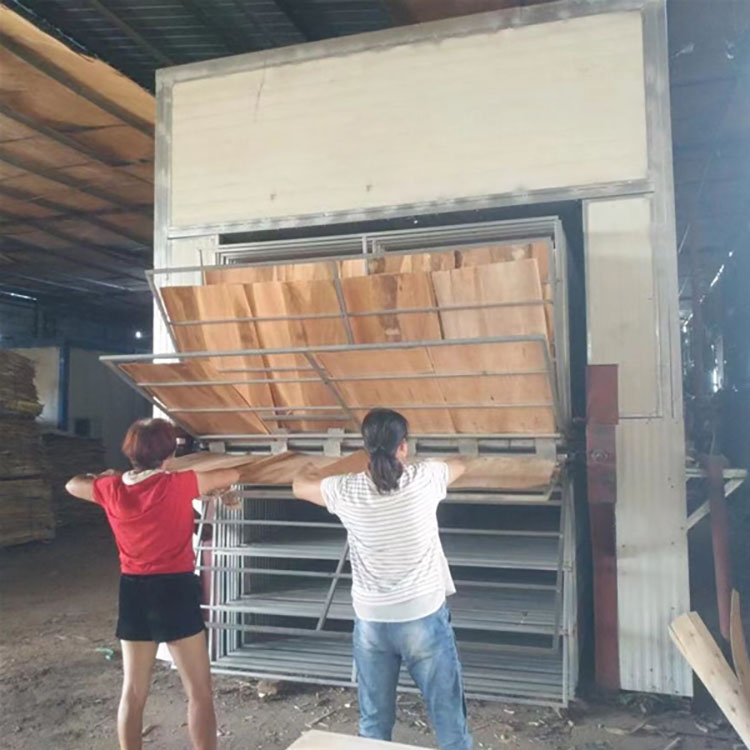
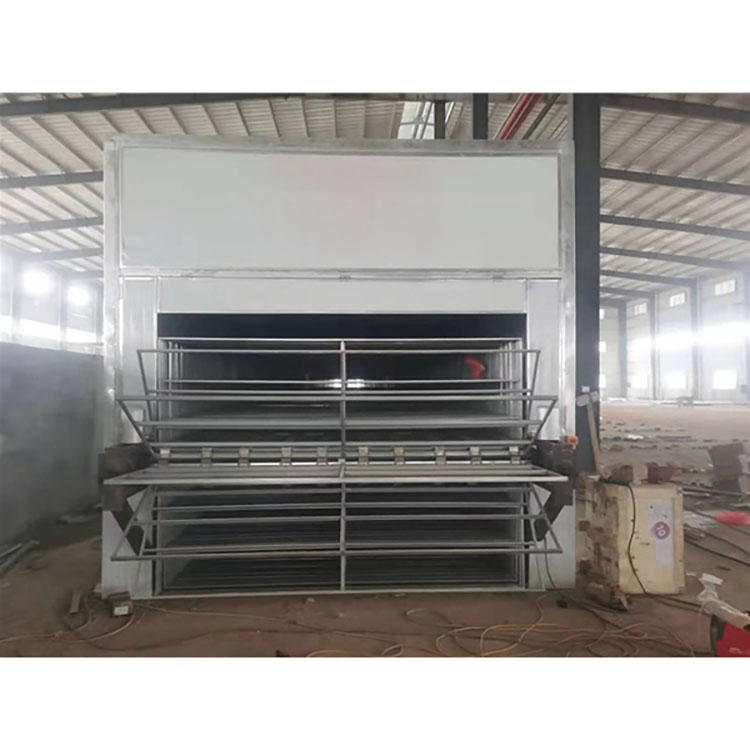
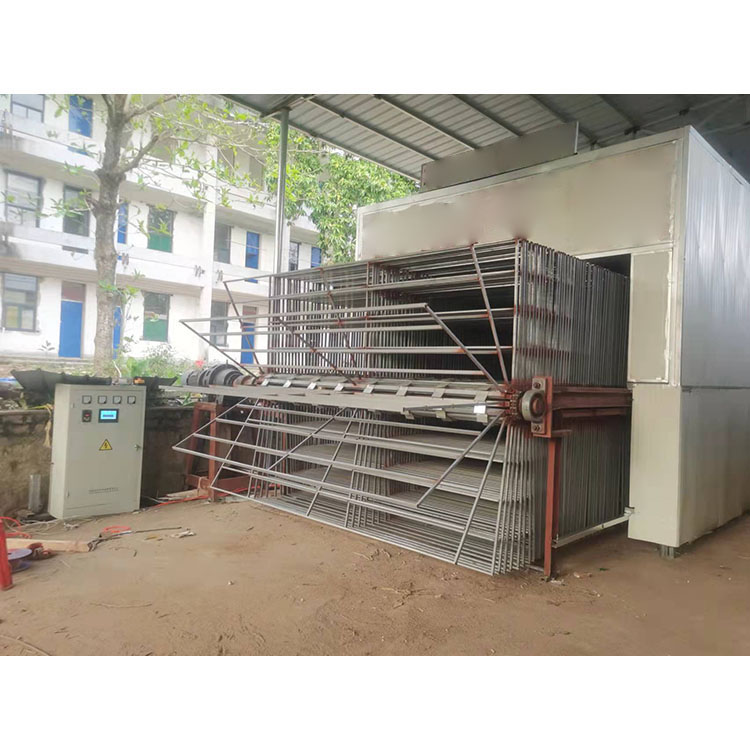
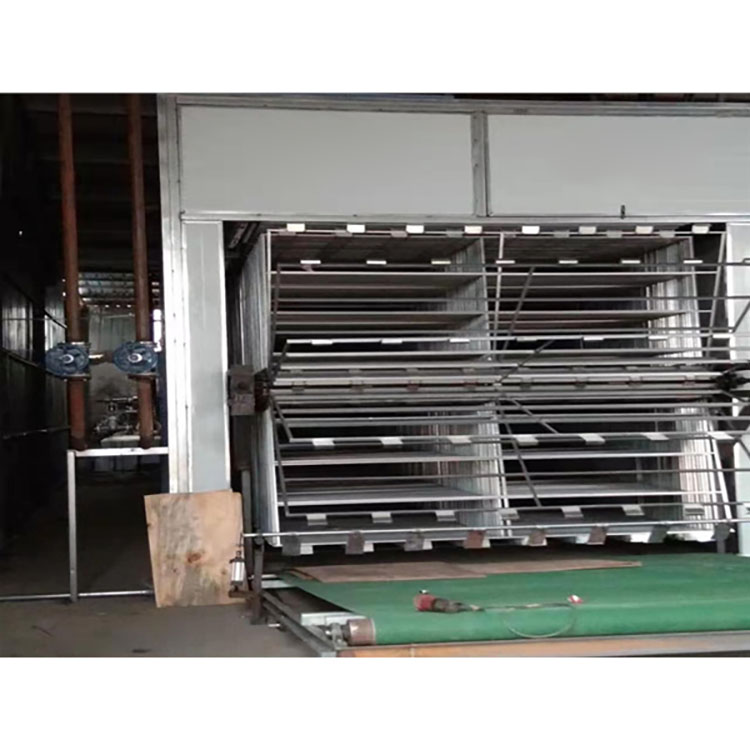





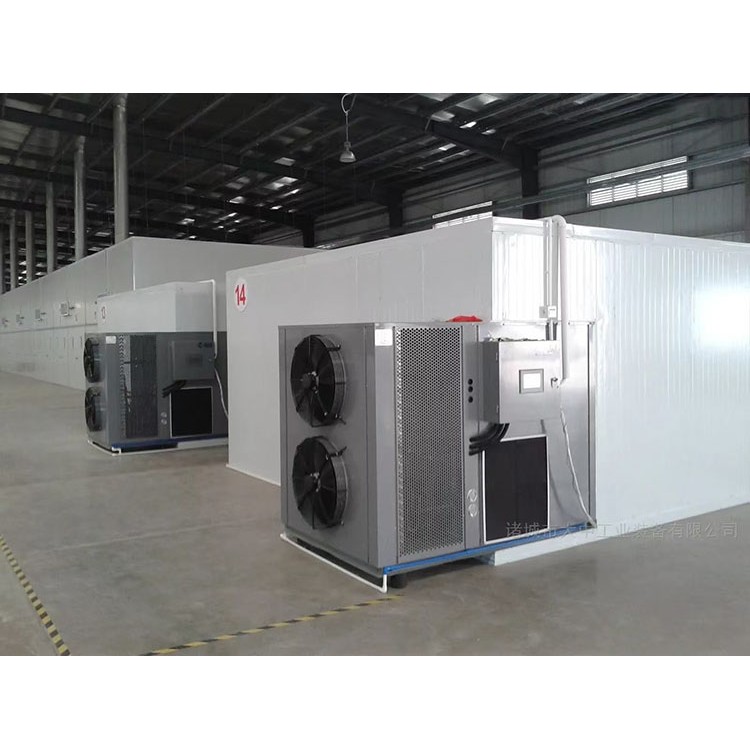
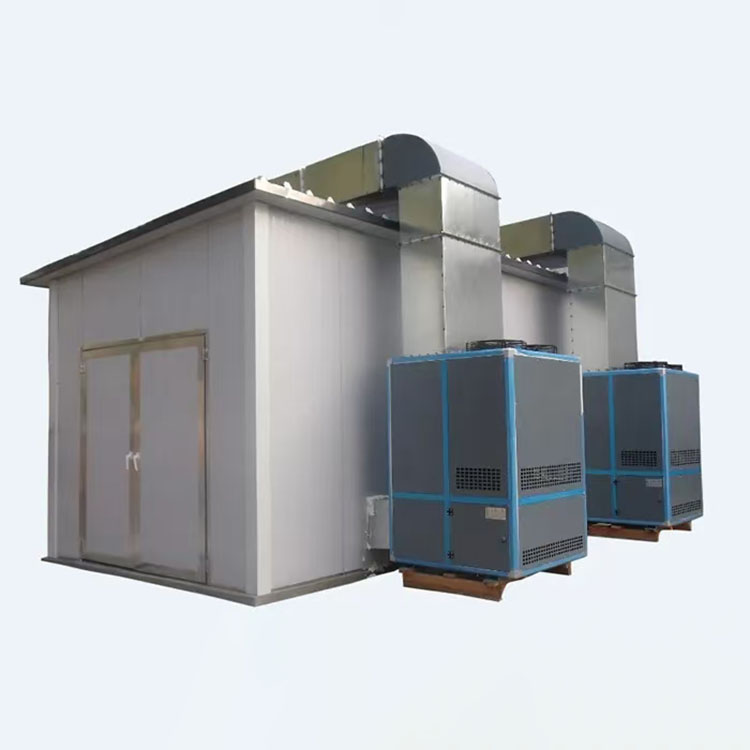
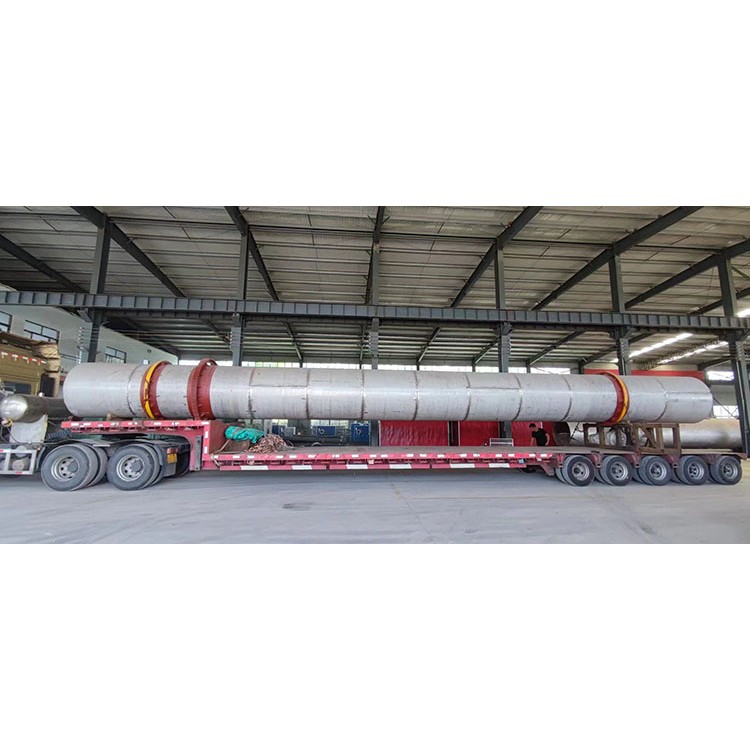
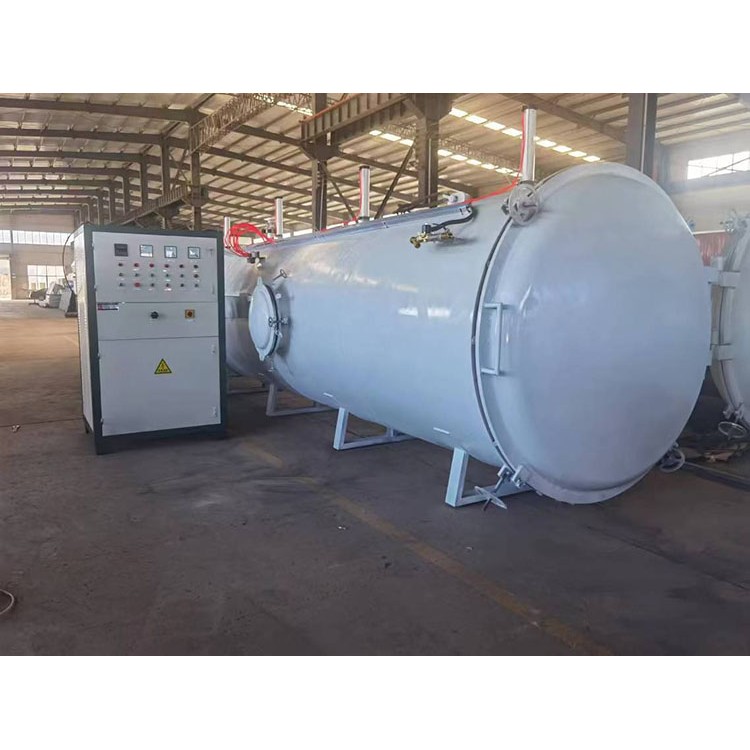
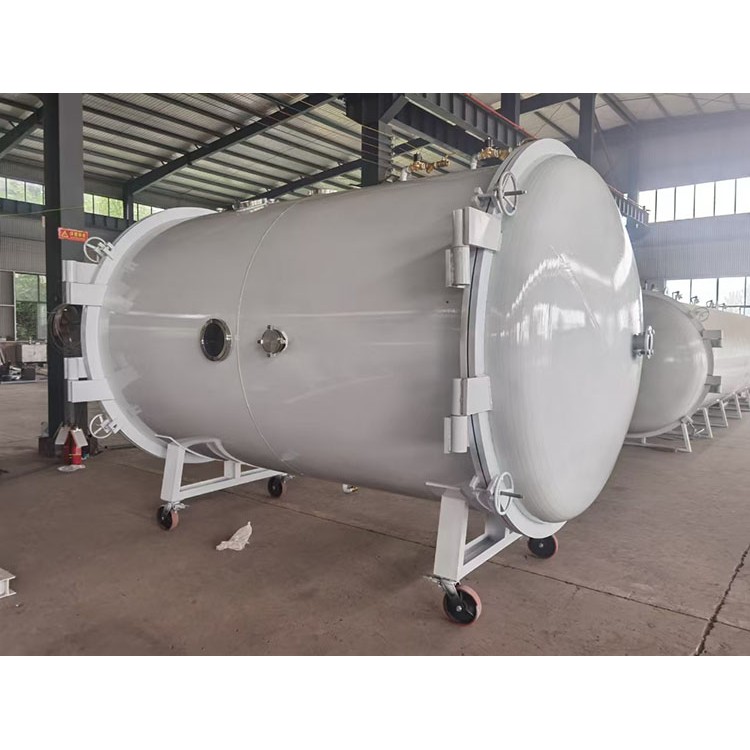
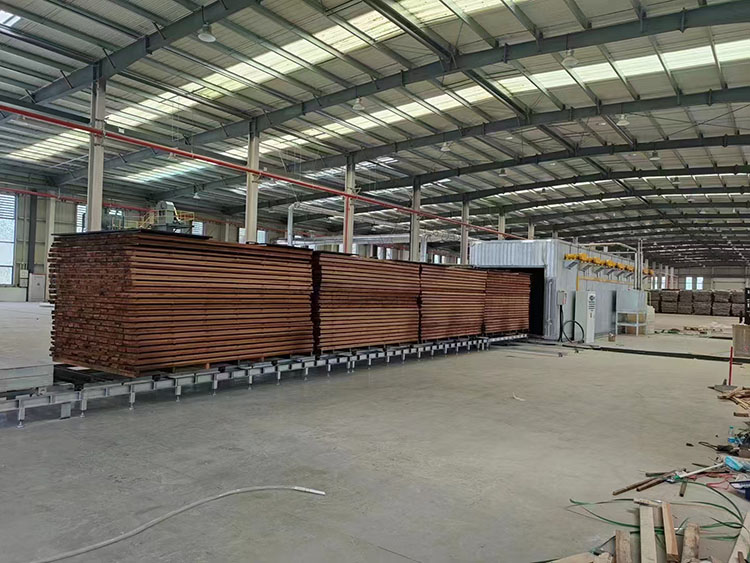
Wood Carbonization Furnace Equipment:
Wood carbonization involves heating treated wood at temperatures of 160~230°C (commonly 180~212°C) to improve its quality, reduce its moisture and water absorption, enhance dimensional stability, biological rot resistance, and climate resistance, thereby producing a high-performance, aesthetically pleasing, and environmentally friendly wood product.
Charcoalized wood features:
(1) Eco-friendly, safe
The carbonization heat treatment of wood is a pure physical technique, without the addition of chemical agents. Carbonized wood is an environmentally friendly material. Moreover, the carbonization process can improve the quality of fast-growing plantation wood, serving as an alternative to some natural forest wood. Therefore, carbonized wood holds significance for the protection of natural forests and environmental conservation.
(2) Improved Moisture Resistance
After carbonization, the strong hygroscopic hemicellulose degrades, reducing the moisture absorption and water absorption of the wood. Under the same air conditions, the moisture content of carbonized wood is much lower than that of conventional wood: during the rainy season in the south, the moisture content of carbonized wood used indoors is 7-8% lower, and in the north, it is 3-5% lower indoors.
(3) Improved dimensional stability, less prone to deformation
After carbonization, wood's moisture absorption and internal stress are significantly reduced, thereby greatly minimizing the expansion, contraction, and warping caused by moisture changes during usage.
(4) Significantly improved corrosion and weather resistance
During the carbonization process, the chemical composition of the wood changes, producing acetic acid, a substance disliked by decay fungi, while the nutrients favored by them are significantly reduced. This suppresses the growth of decay fungi in the food chain, thereby enhancing the wood's resistance to decay and weathering.
(5) Attractive and durable colors, consistent inside and out, and able to mimic the hues of rare tree species.
(6) Volatilization of resins and other extracts is beneficial for surface coating and bonding.
(7) Mechanical properties have changed: tensile strength, flexural modulus of elasticity, and hardness have slightly increased; flexural strength, impact toughness, and shear strength have slightly decreased.
(8) Easy Storage: Carbonized wood has significantly reduced moisture absorption, so temperature and humidity control is not necessary in storage facilities. Wood carbonization equipment is used for thermal treatment or thermal modification of wood, featuring low energy consumption, simple operation, easy installation, debugging, and maintenance, with a long service life. Wood carbonization equipment generally falls into two categories: kiln-type carbonization equipment and drum-type carbonization equipment. The carbonized wood produced by wood carbonization equipment can be used for outdoor decoration, garden wood products, outdoor furniture, outdoor flooring, and more. Liyang Fuwuode Drying Equipment Co., Ltd. (headquarters) and its subsidiary Anhui Fuwuode Drying Equipment Co., Ltd. have newly developed a control system that ensures reliable control; uses fans to ensure uniform heat treatment; and the carbonization treatment equipment can adjust the temperature between 160-220°C...
Requirements for carbonization equipment:
(1) The equipment should have a strong thermal power: The heat medium temperature should be high — use thermal oil; The thermal oil flow should be large — use larger pipes.
Thermal radiators require a large surface area – multi-group finned radiators.
(2) The air flow velocity through the material pile should be high—to facilitate heat transfer and even carbonization.
(3) The housing and equipment should be insulated, airtight, and corrosion-resistant—the housing should be airtight and well-insulated.
Carbonization Equipment Introduction
1. Kiln body
The carbonization kiln features a thermal break design for minimal heat loss; the interior is made of stainless steel, ensuring no rust and no pollution to the wood; the large door hinges are adjustable for excellent sealing; an observation hole is provided on the door, allowing for real-time monitoring of the carbonization process of the wood.
2. Control System
Utilizing imported PLCs for control, the advanced signal amplification processor ensures accurate and error-free data. The touch screen interface offers high automation, clear and attractive visuals, easy adjustments, and strong adaptability to different environments. Customers can freely modify the programs or input pre-programmed ones for other purposes, achieving the versatility of a single unit.
3. The performance of deep carbonization and anti-corrosion (commonly referred to as carbonized wood) makes it highly versatile, suitable for floorings and composite flooring tops, saunas and bathrooms, decorative wall panels, swimming pool floors, garden ornaments, courtyards, furniture, and more.
4. Carbonized wood changes in color; the degree of color intensity is determined by the customer.
Carbonized wood products
1. Carbonized wood features consistent color on both sides and maintains even color throughout the board. The color of carbonized wood is a physical dye, and its color does not change over time, ensuring a consistent decorative effect. Depending on the tree species and process, carbonized wood ranges from yellow to deep brown. For light-colored, fast-growing woods like pine, cedar, and poplar, carbonization can make these inexpensive woods resemble the colors of tropical precious woods, while also offering superior stability.
2. Carbonized wood, also known as heat-treated wood, is a type of wood that is termed "anti-corrosive" due to its physical properties. It is created through a special process of prolonged thermal decomposition at temperatures ranging from 180°C to 230°C. The carbonized wood features prominent grain patterns, luxurious coloration, and a woodsy aroma, making it a noble material for decorative purposes.
3. Deep carbonization treated wood (commonly referred to as carbonized wood) boasts performance that makes it highly versatile, suitable for use in flooring and composite floor panels, saunas and bathrooms, decorative wall panels, pool decks, garden ornaments, outdoor patios, and furniture.