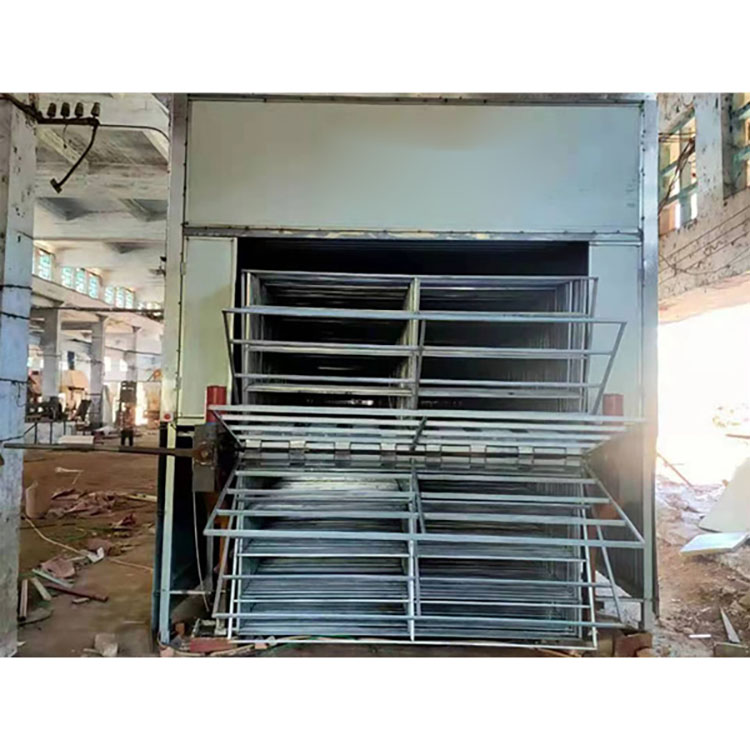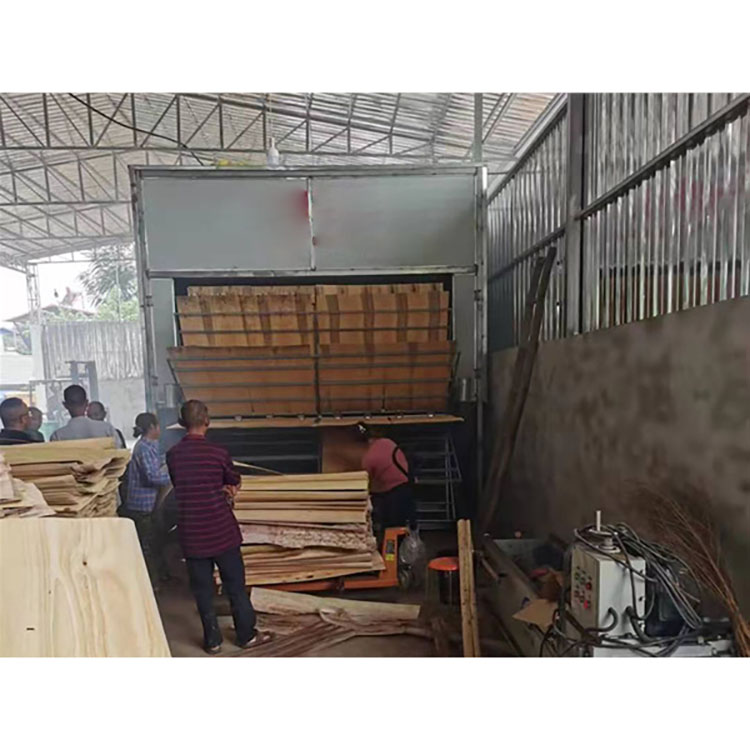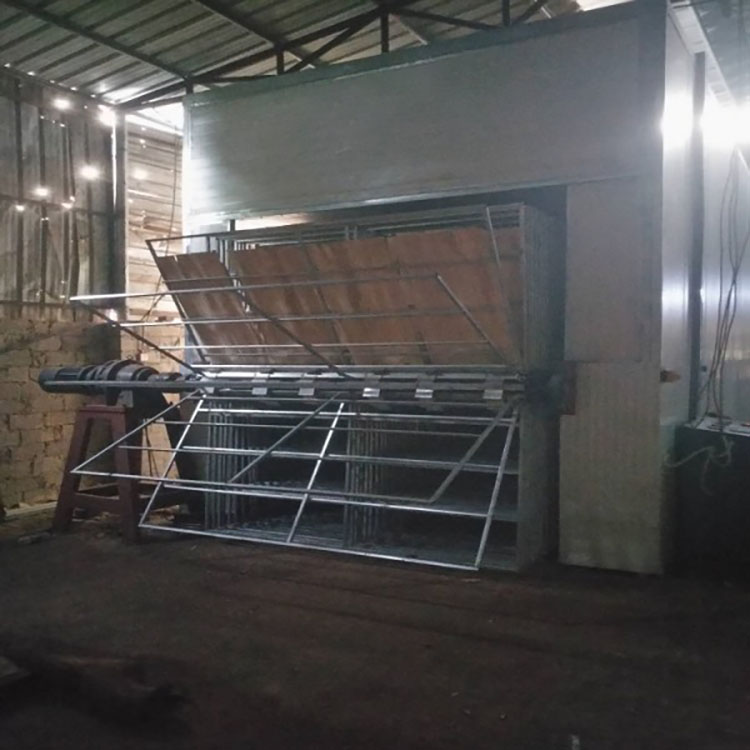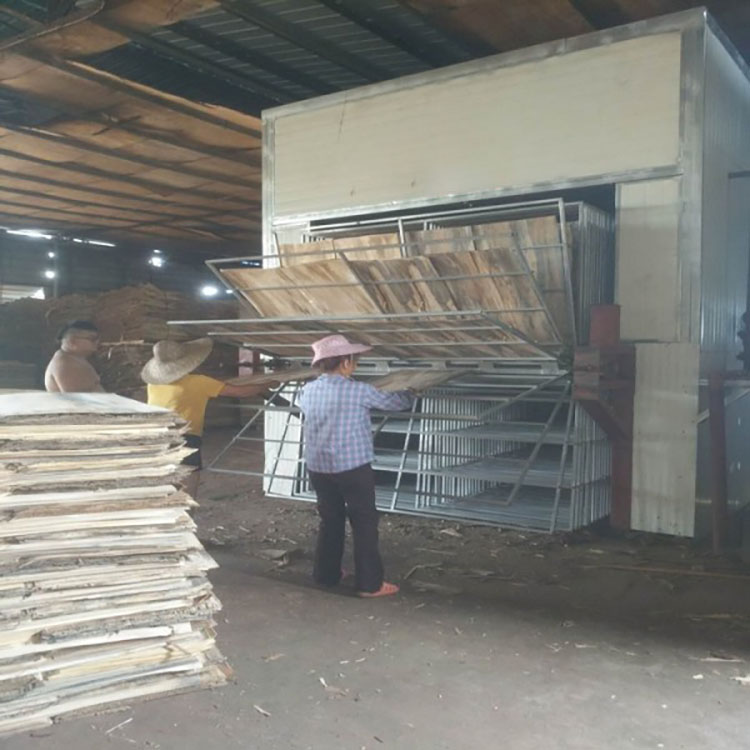




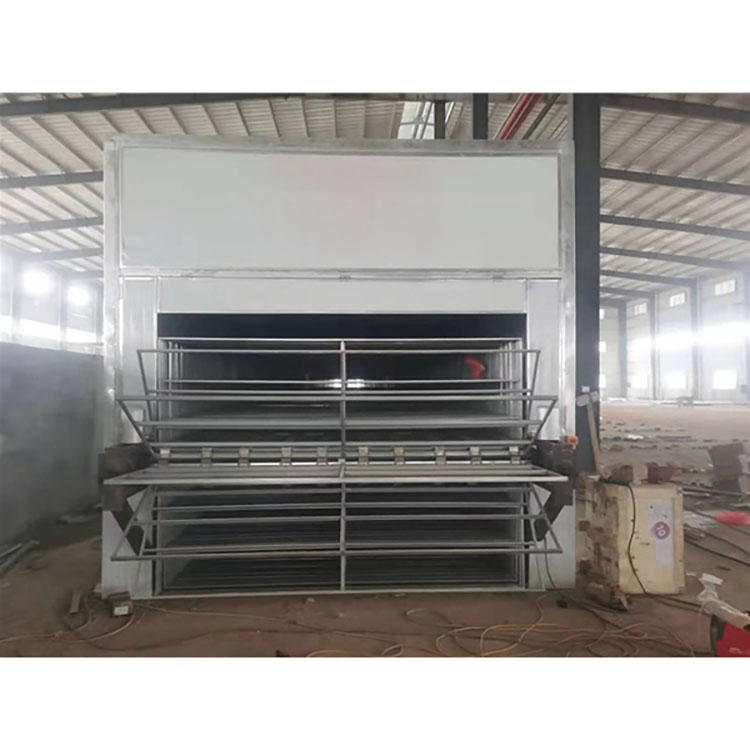
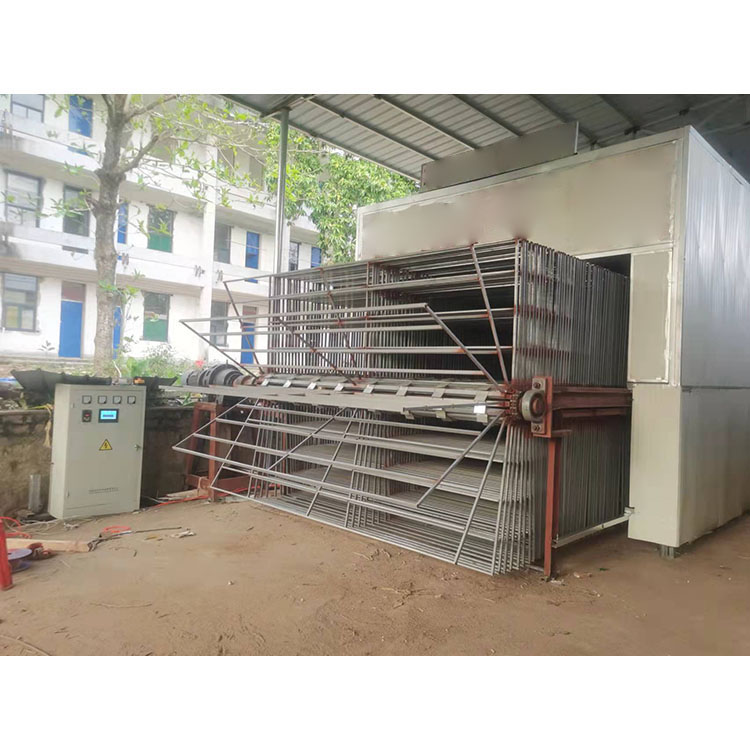
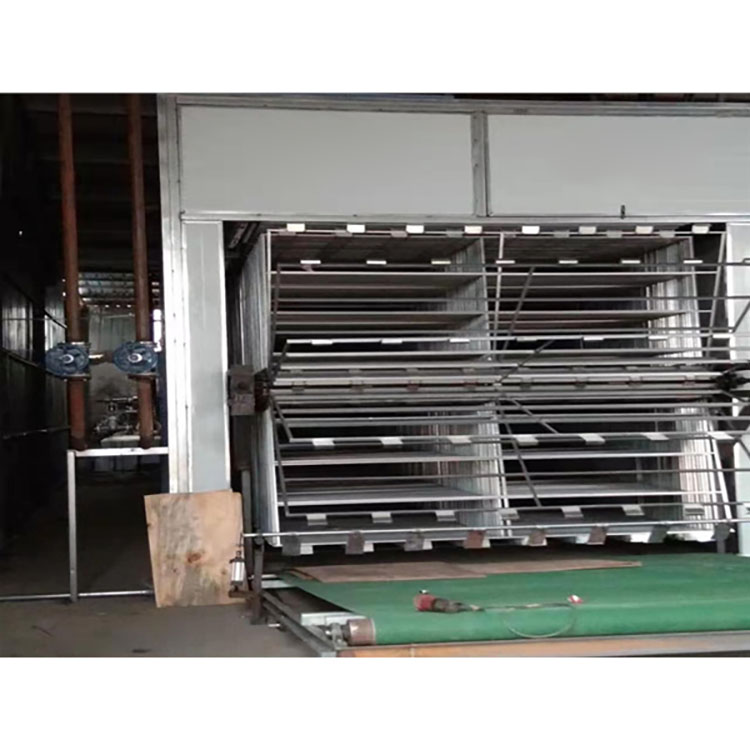





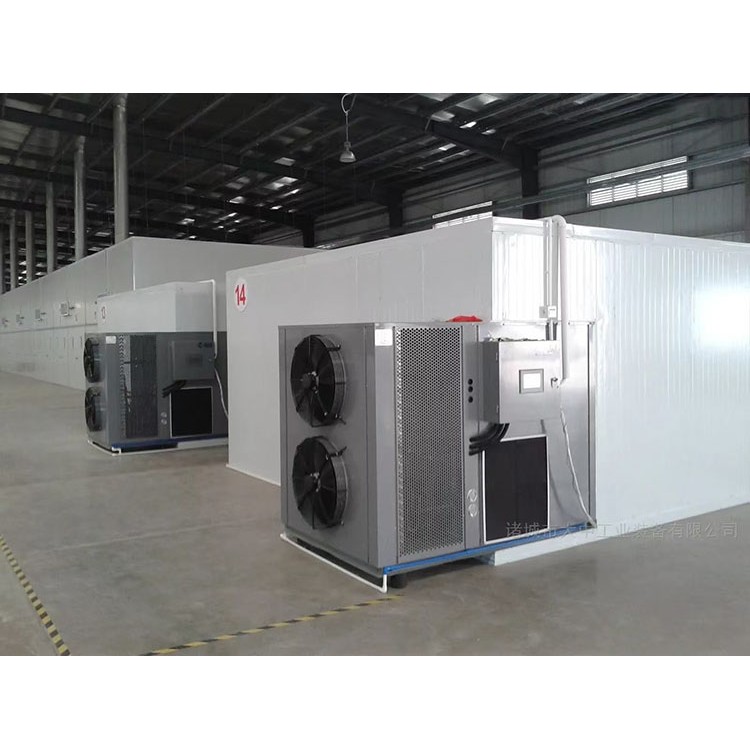

1. Kiln structure
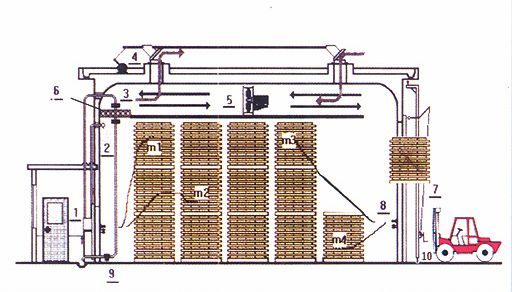
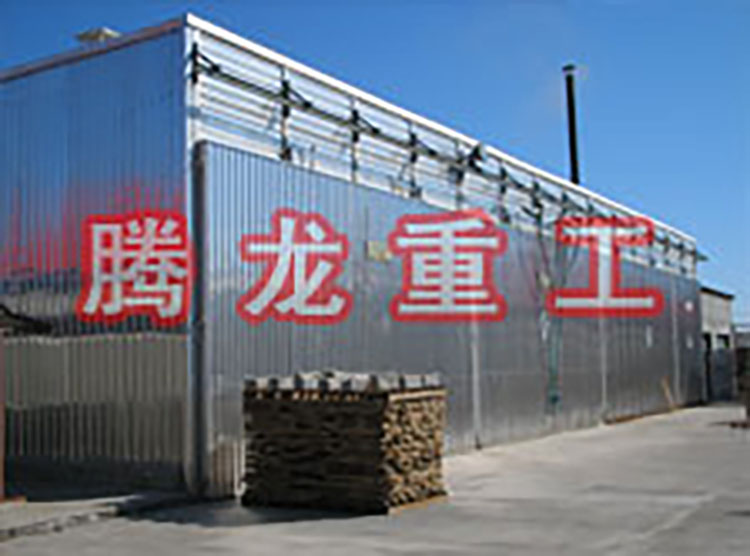
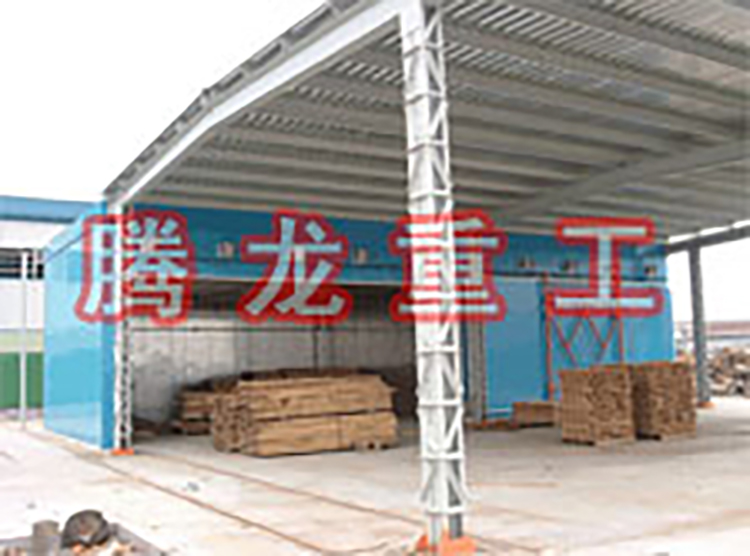
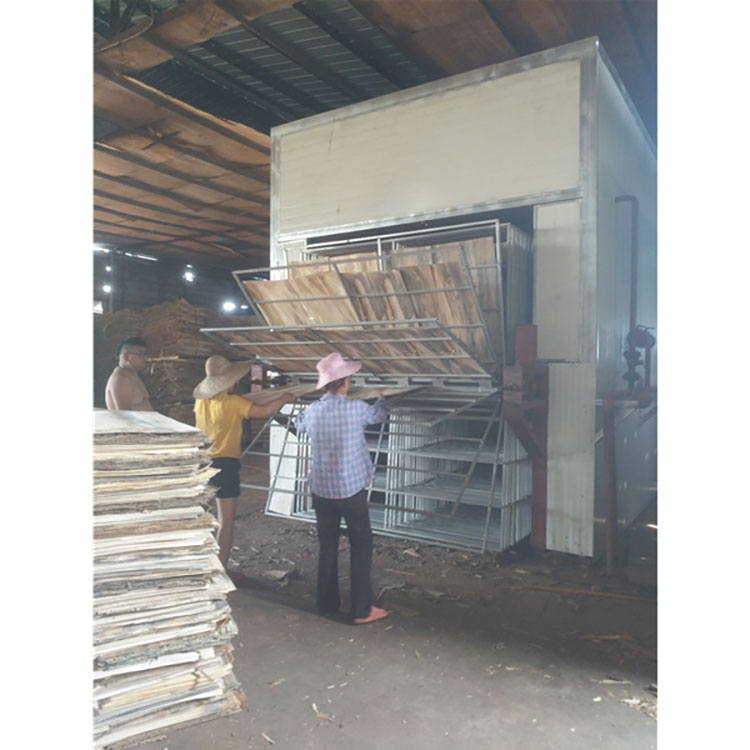
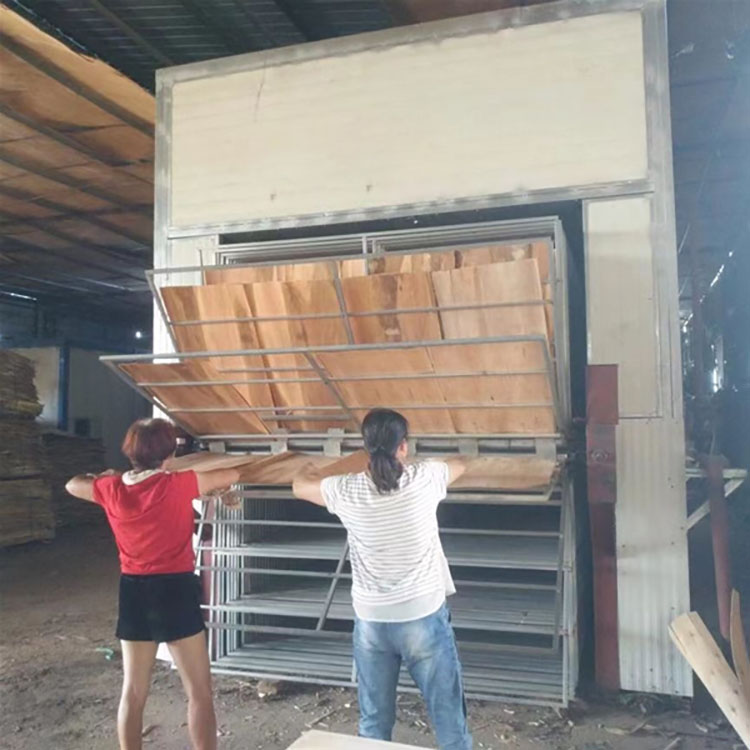
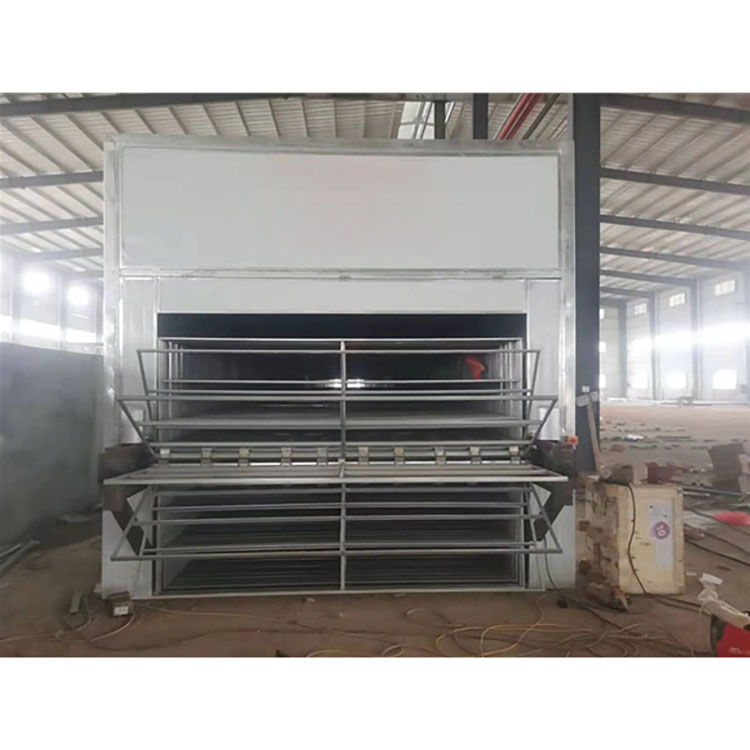
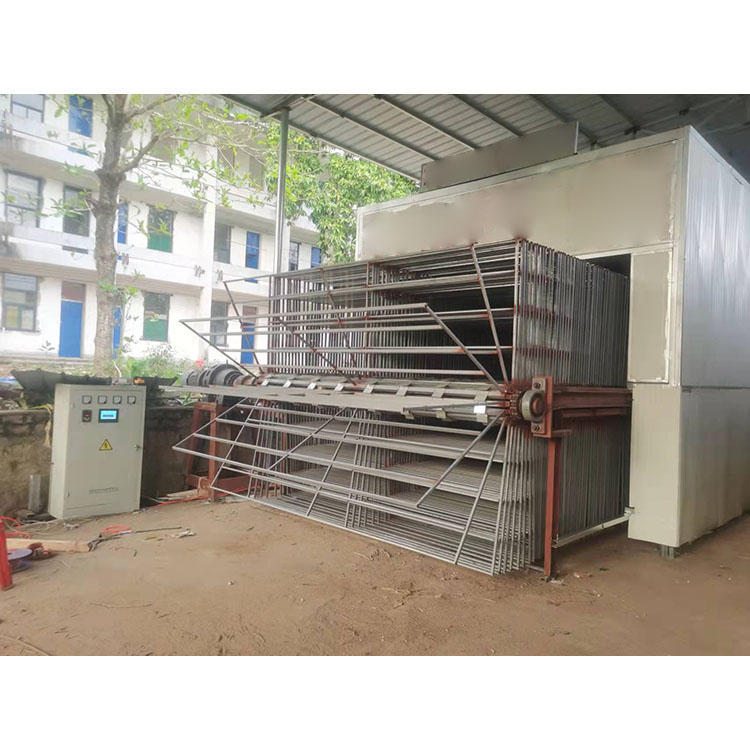
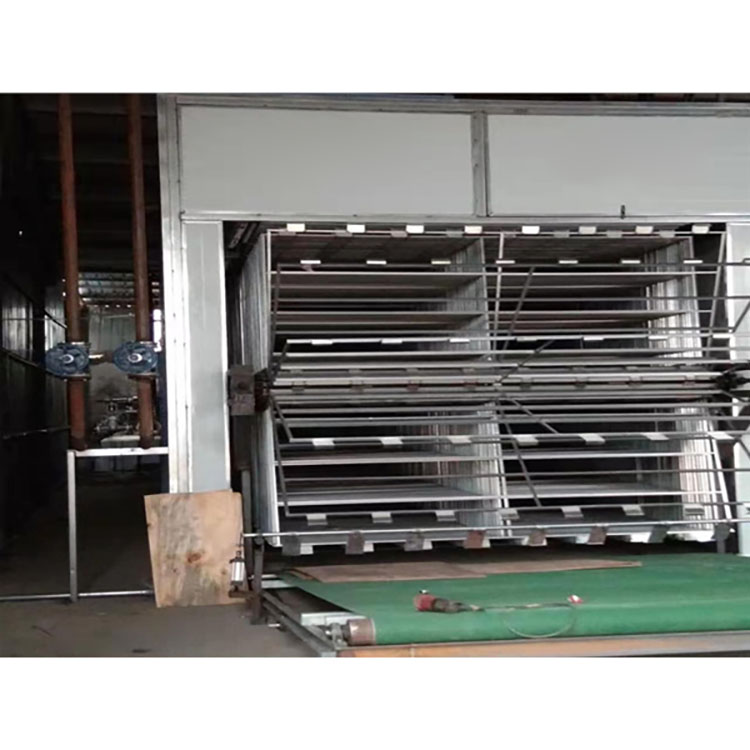
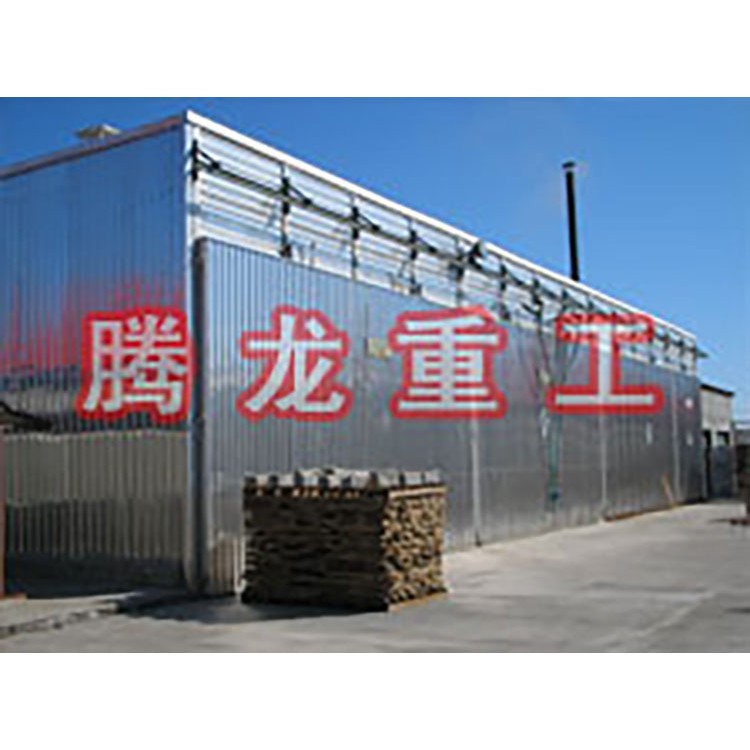
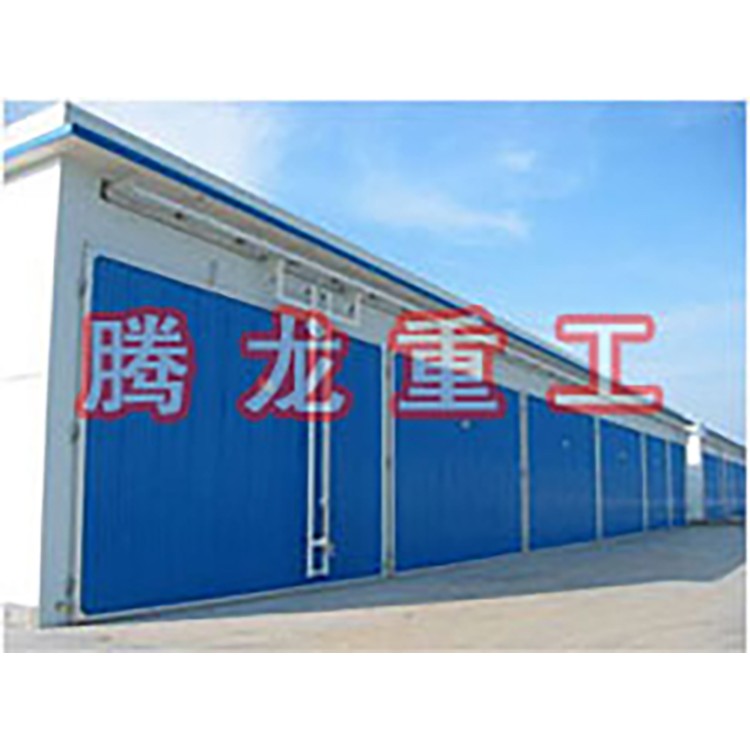
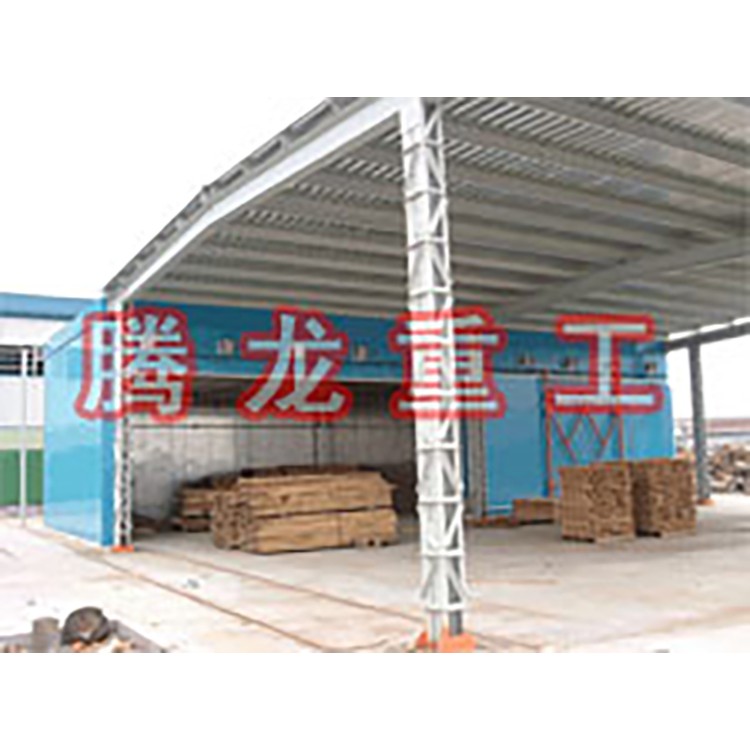
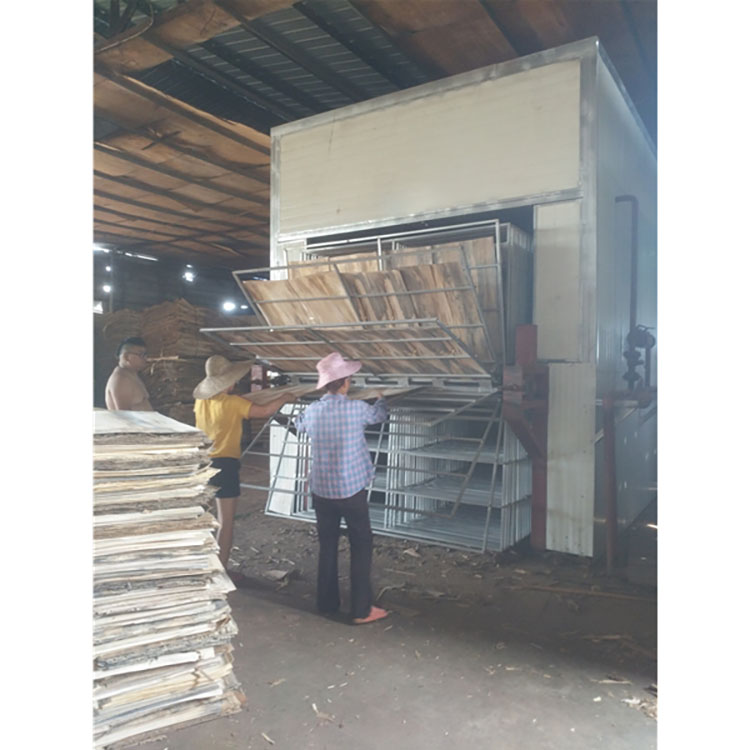
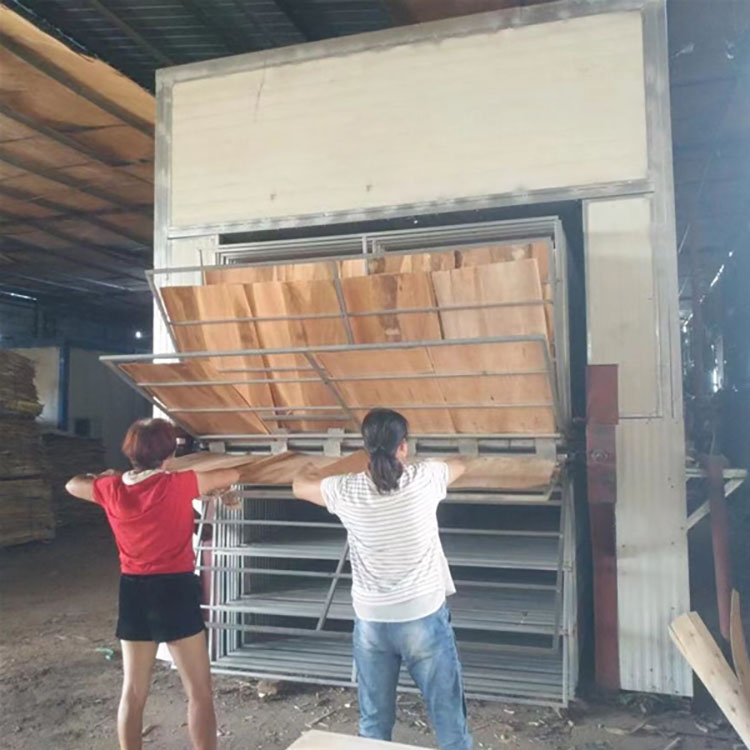
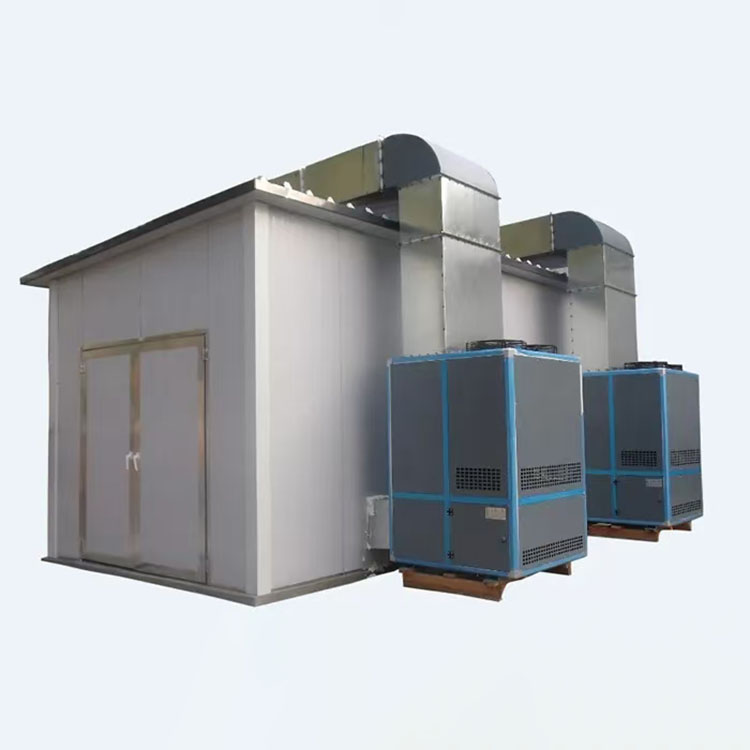
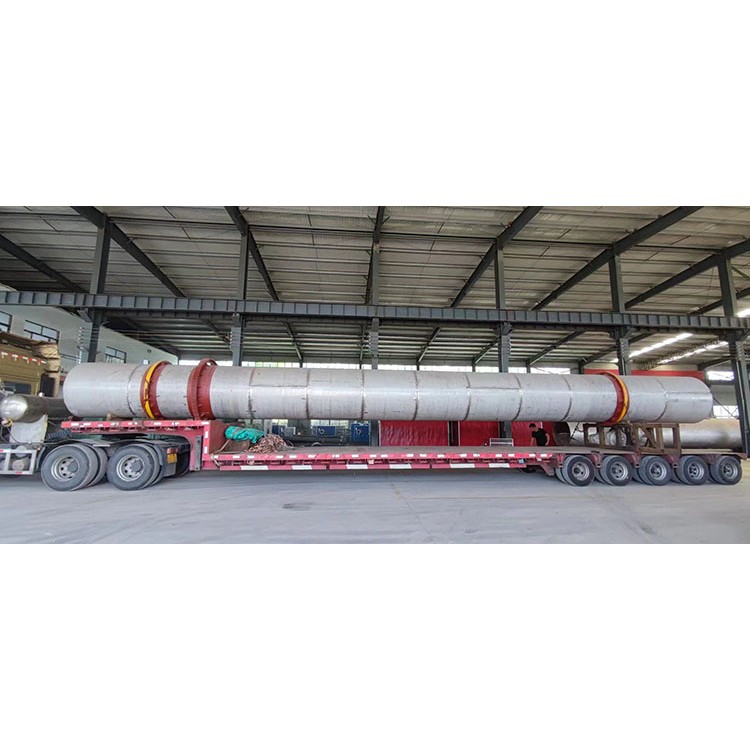
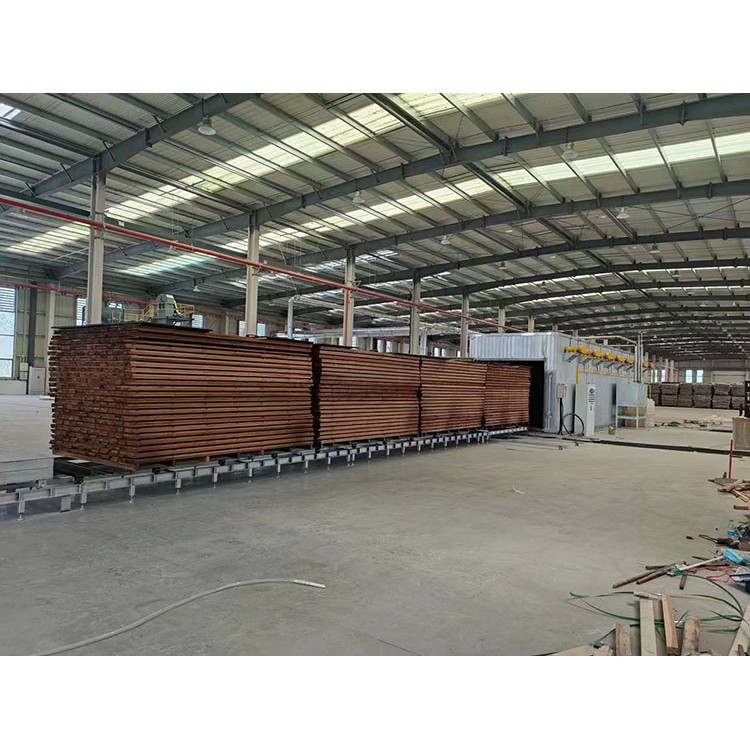
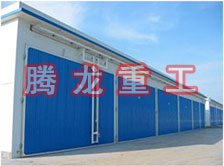
Divided into three main categories: Aluminum Alloy Assembly Dry Kilns, Full Brick Mixed Structure Dry Kilns, and Metal Structure (frames in square tubes, inner aluminum panels, outer color steel plates) Dry Kilns.
2. Heating System
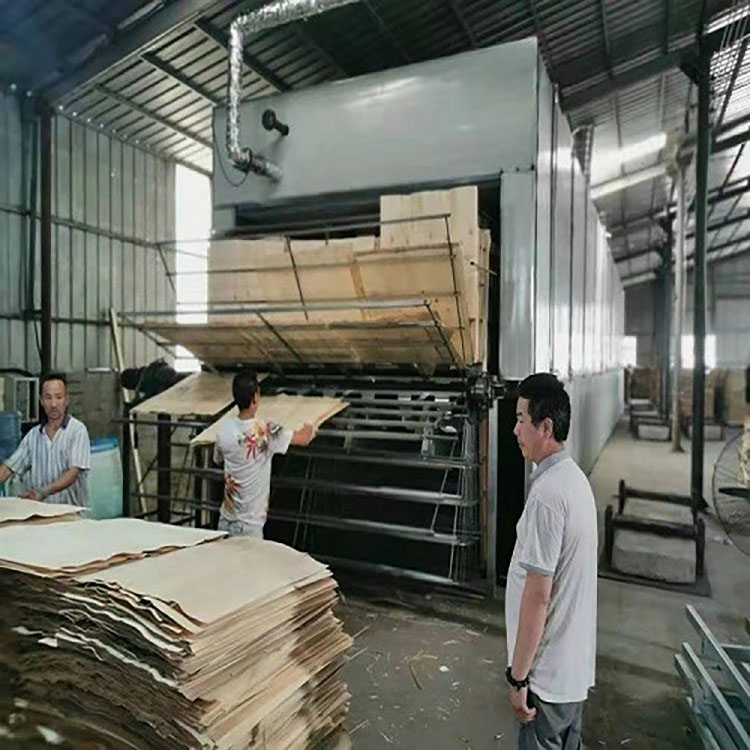
A drying kiln uses steam as its heat source and moist air as the medium, scientifically drying wood by controlling the parameters of the drying medium. Steam heating allows for precise control of temperature and humidity within the kiln, resulting in high-quality, uniformly moisture-content dried wood products.
3. Airflow Circulation System
The top fan type drying kiln is a periodic forced circulation drying kiln. The fan is located at the top of the kiln, equipped with high-temperature and moisture-resistant motors and corrosion-resistant aluminum die-cast impellers assembled on the fan frame. It is divided into positive pressure and negative pressure zones according to the air flow direction. The fan can reverse and rotate in both directions at timed intervals, changing the air flow direction accordingly, thereby achieving uniform air distribution through the material stack and obtaining excellent drying quality.
4. Control System
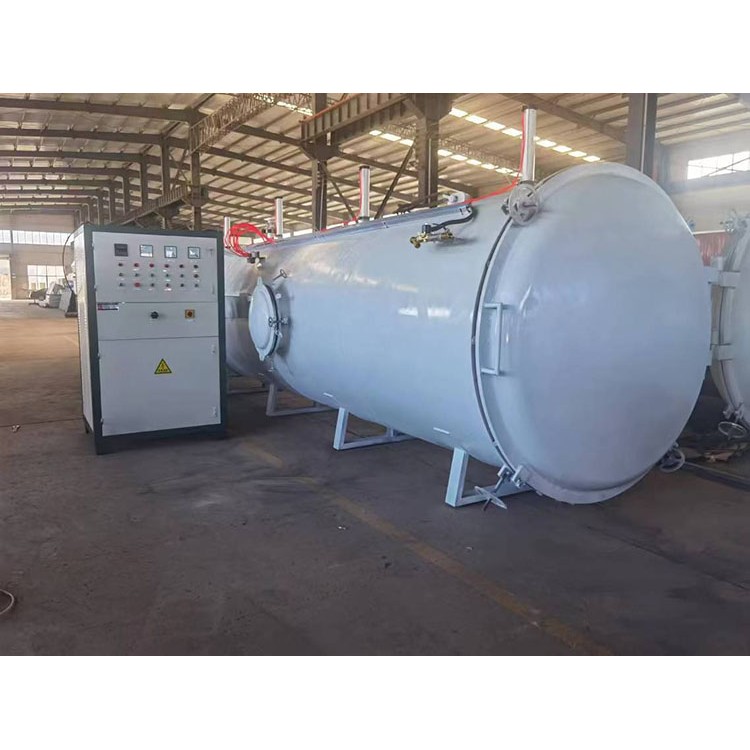
Monoblock drying kiln, the centralized operation room houses the semi-automatic control cabinet, allowing one person to manage multiple kilns. Operators set parameters based on tree species and drying standards; the semi-automatic control cabinet, through its actuators such as the electromagnetic valves for heaters, steam pipes, and air inlet/outlet butterfly valves, ensures automatic control of the drying medium's temperature and humidity, thus meeting the drying standards and ensuring both the quality and drying cycle of the wood.
5. Inspection System
Temperature is measured using a resistance thermometer and its matching digital display instrument. Relative humidity is detected by the difference between the dry and wet bulb temperatures, with one thermometer acting as the dry bulb and the other as the wet bulb; the difference is then used to determine the relative humidity of the kiln atmosphere from a table. Moisture content of wood is measured by weighing and calculating using a test board or by measuring with an electrical moisture meter.