








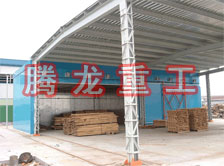
Key Product Features:
Manufactured with a helical heating device, it consists of a combustion chamber, heat conversion room, steam generator, combustion aid, fan, chimney, and other components. High heat conversion efficiency.
Fuel required for combustion includes wood shavings, sawdust, coal, etc.
Utilizing a unique steam generator, it ensures an adequate supply of steam to the drying kiln. During the initial drying stage, a large amount of steam enters the chamber, increasing humidity to prevent wood deformation and cracking.
Dried wood features a short drying cycle, low cost, even drying, and good results, effectively resolving defects such as internal cracks, splits, surface cracks, deformation, and discoloration that may occur during the drying process.
Can be designed to include two drying chambers in one furnace for alternating operations.
Combine with the existing earthen kiln for technical renovation to save on equipment investment.
The overall equipment is easy to operate and reliable.
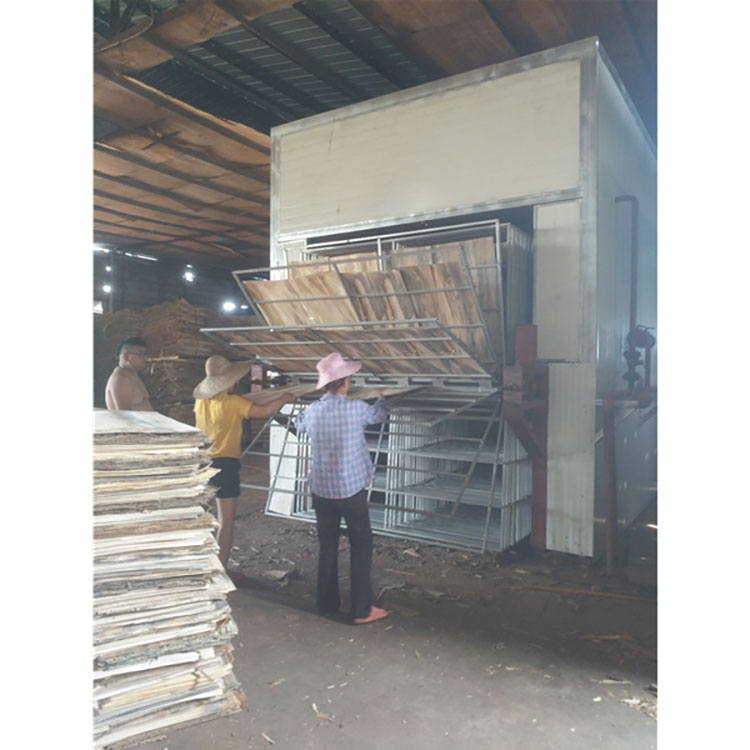
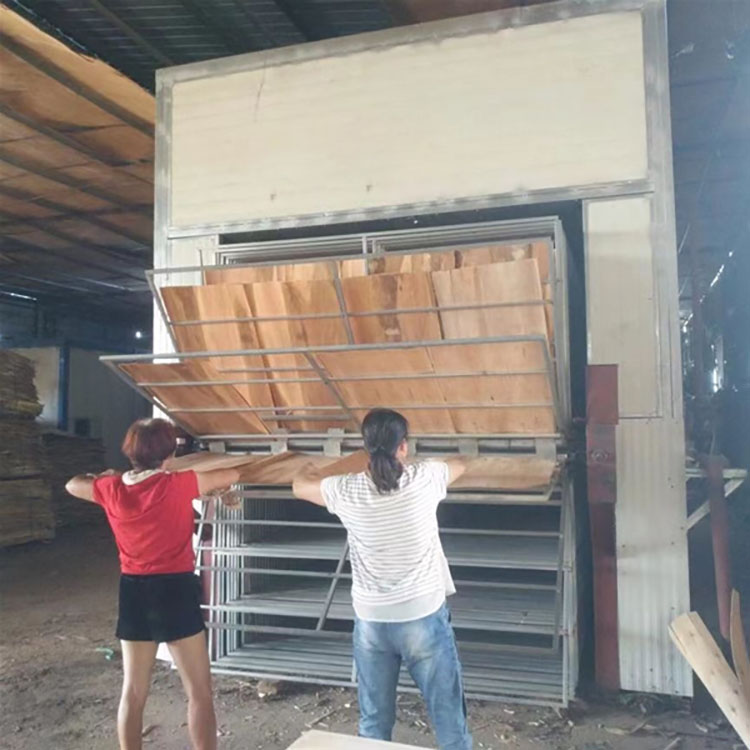
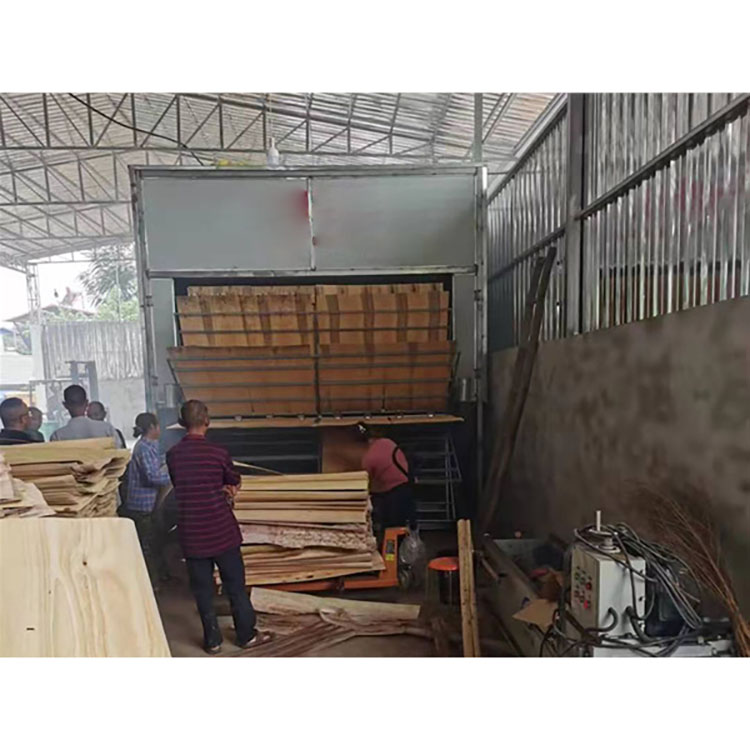
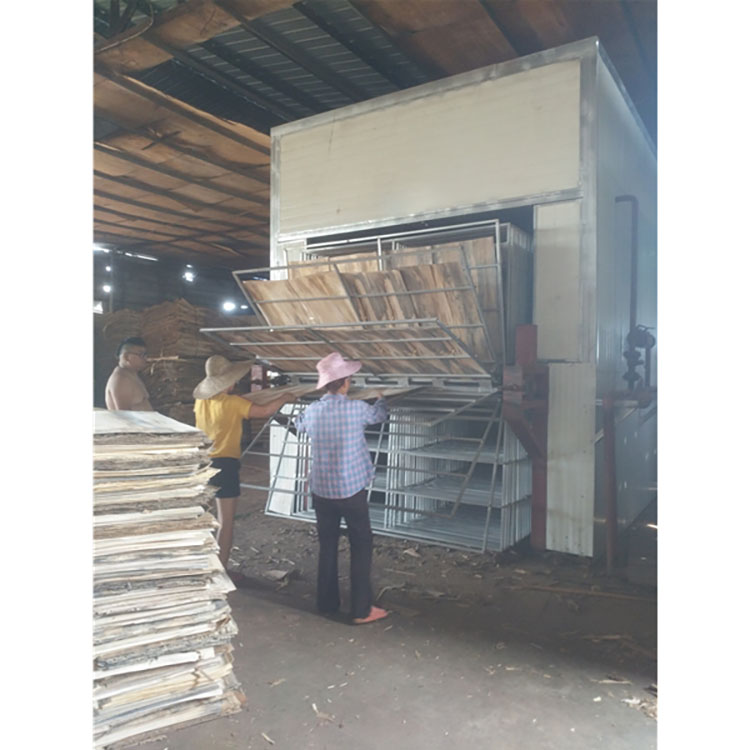
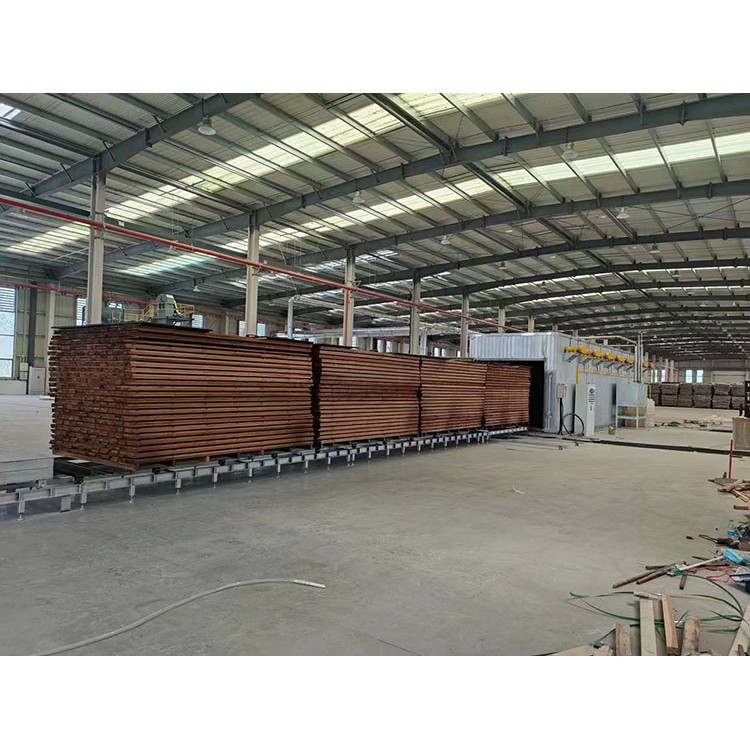
This equipment is suitable for drying various types of wood and is an ideal replacement for furniture factories, wood product factories, traditional drying kilns, and outdated drying equipment.
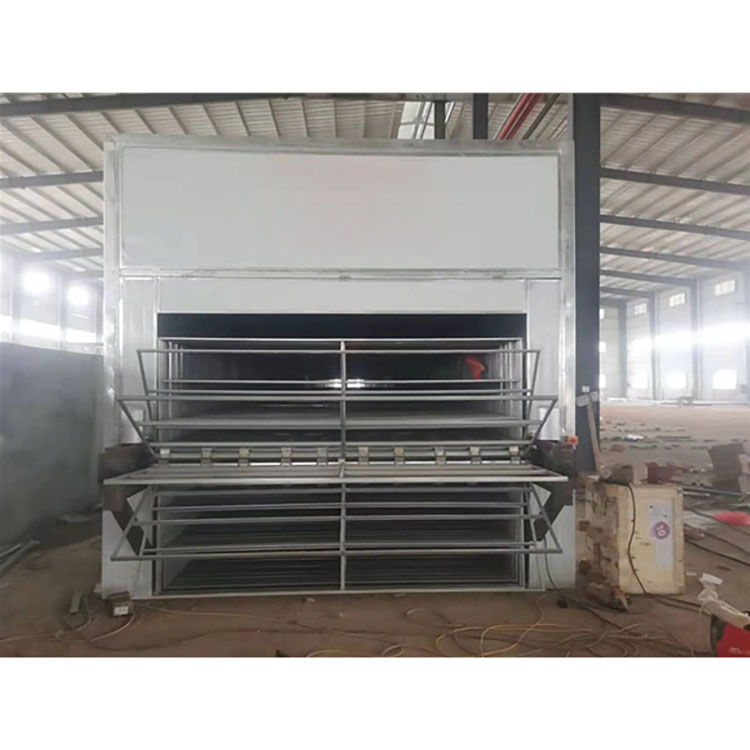
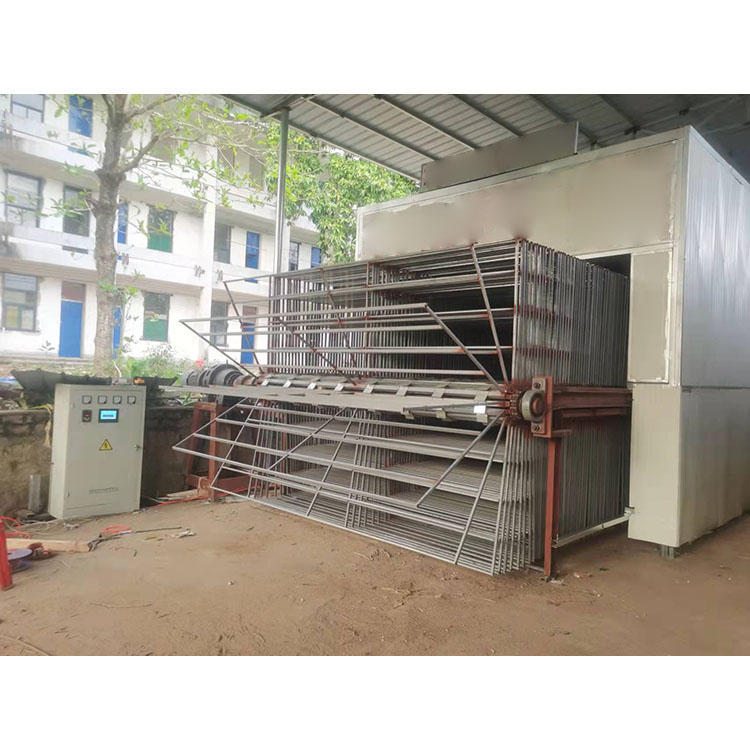
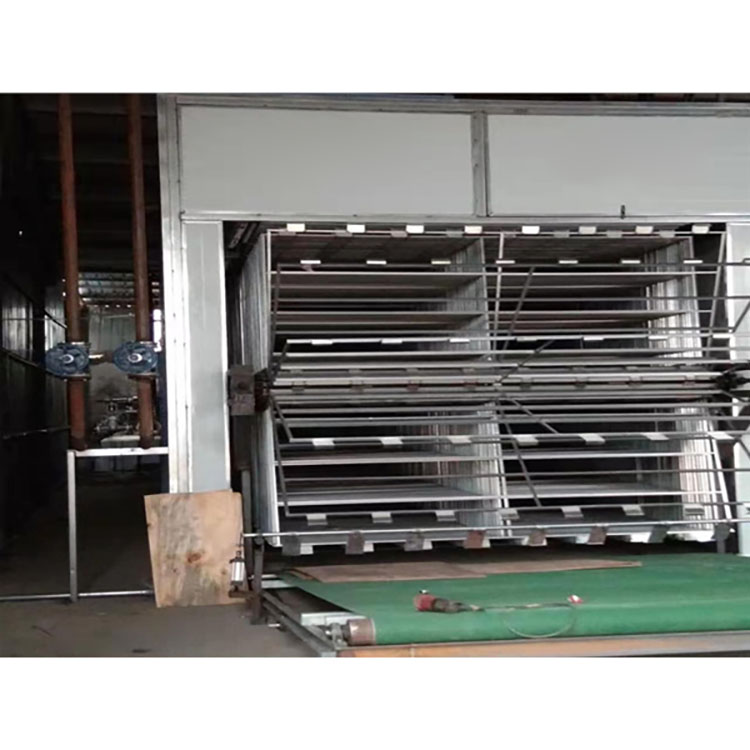
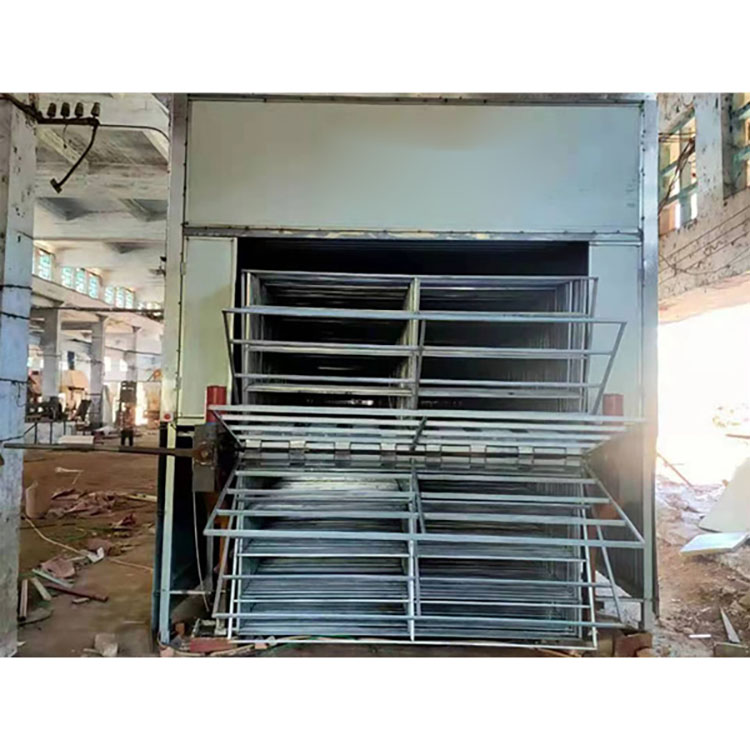
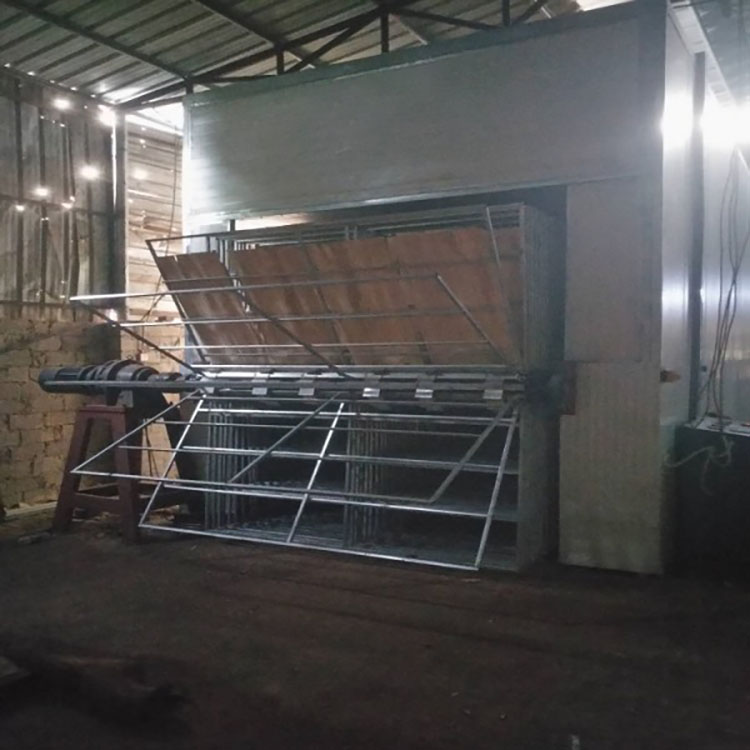
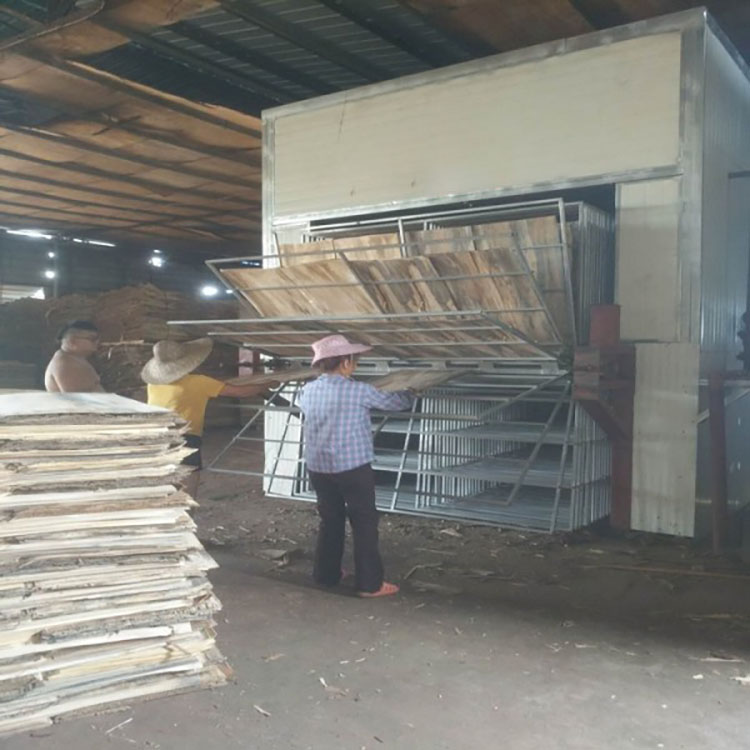
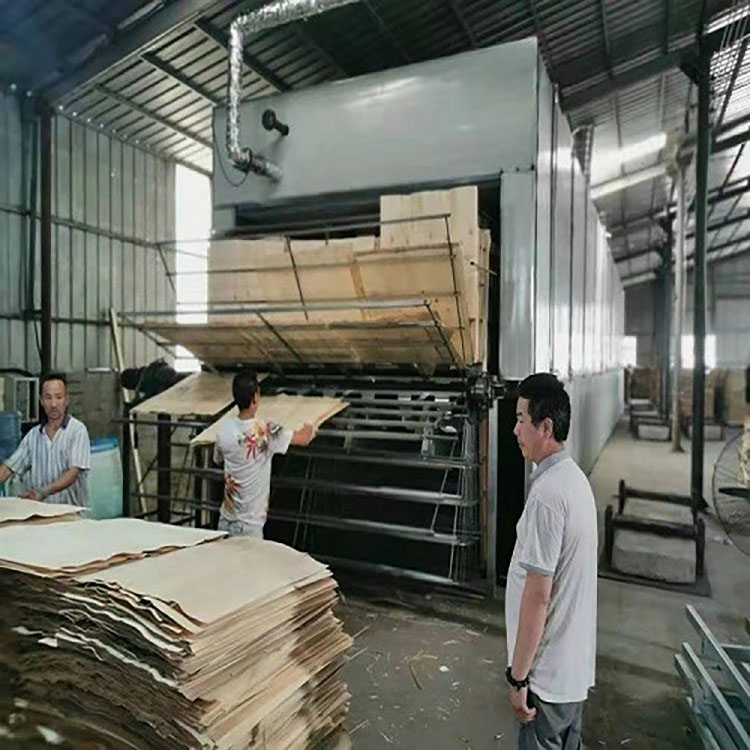
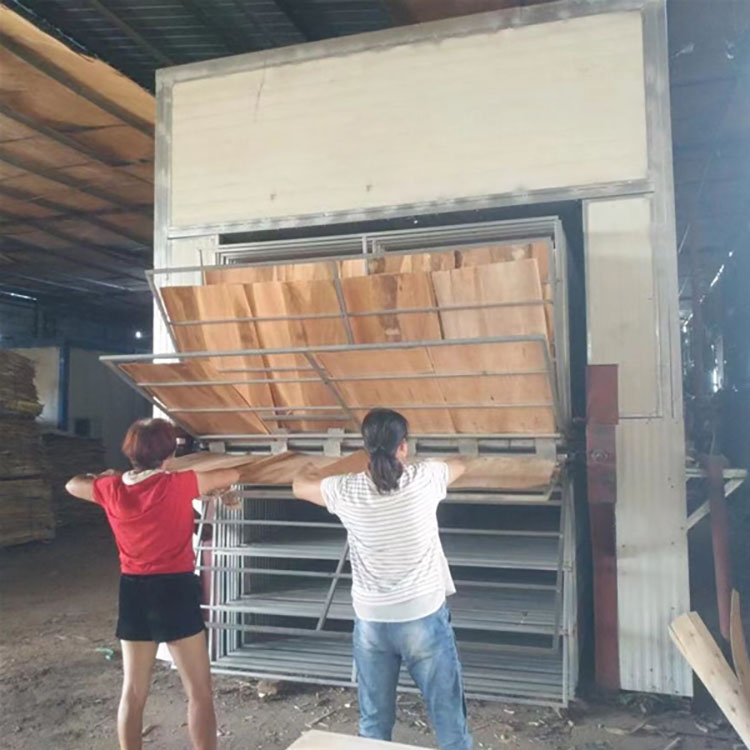
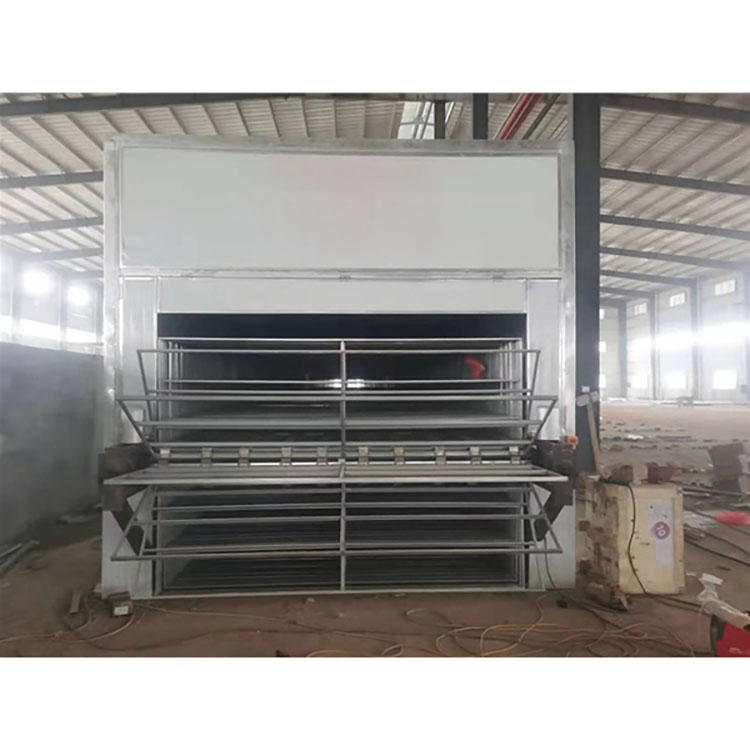
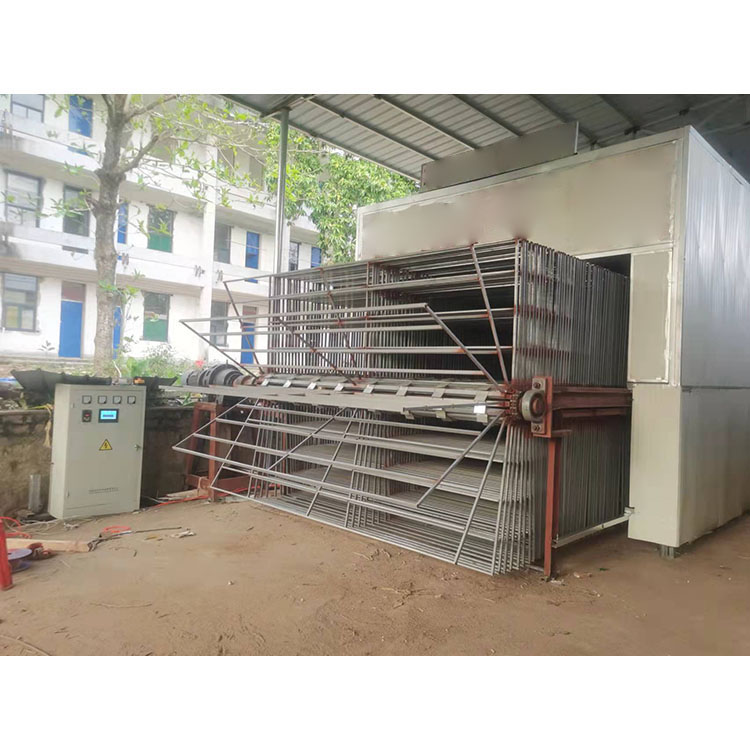
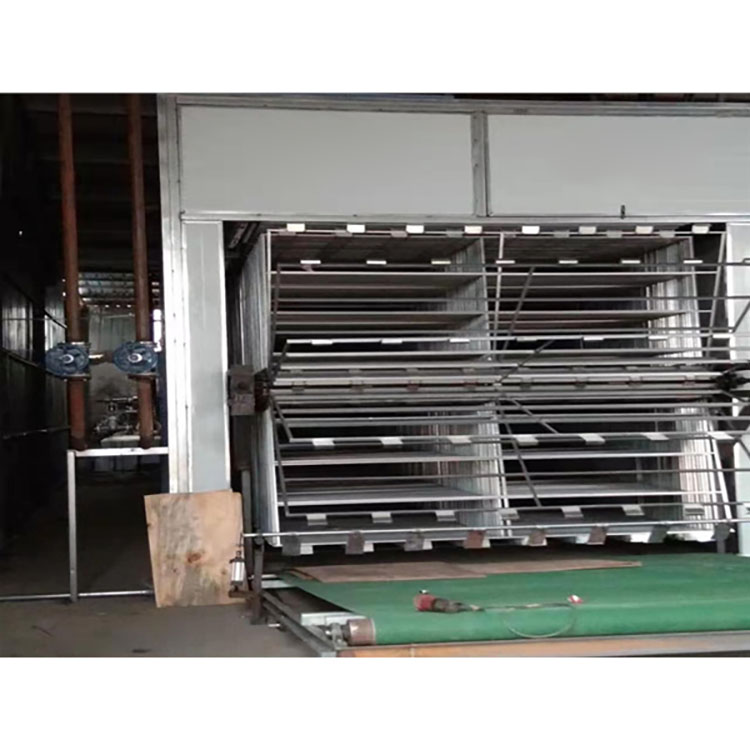
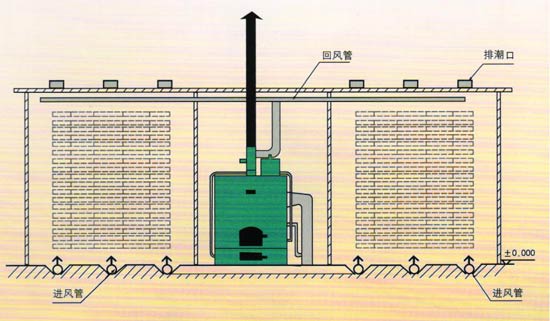
Vertical Cyclic Wood Drying Diagram
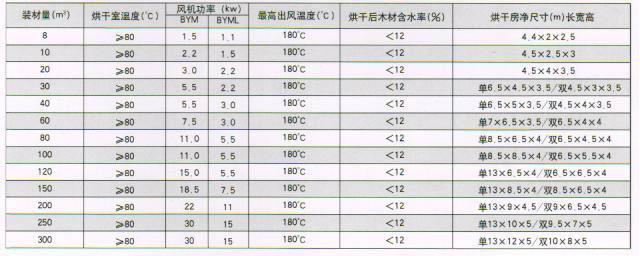
Key Parameters of Wood Drying System:
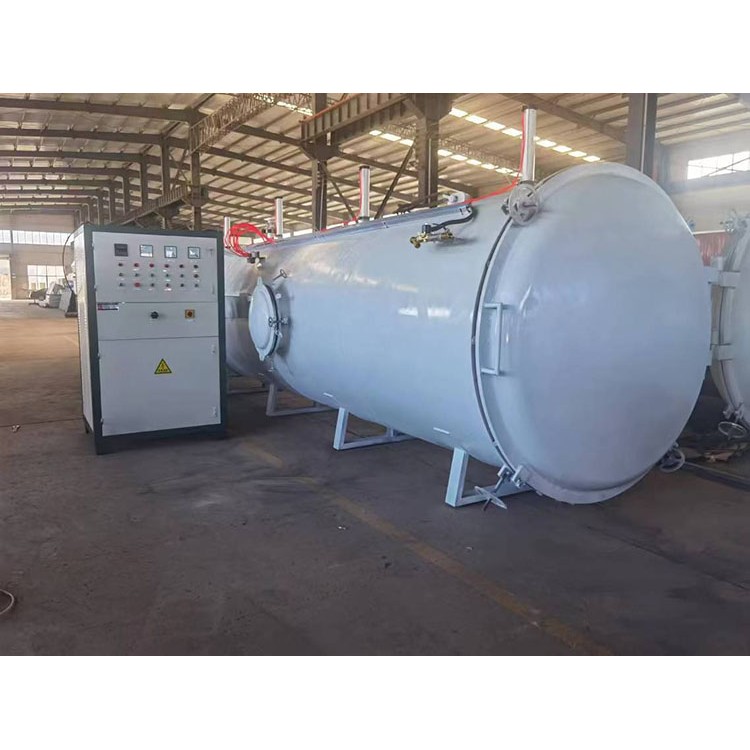
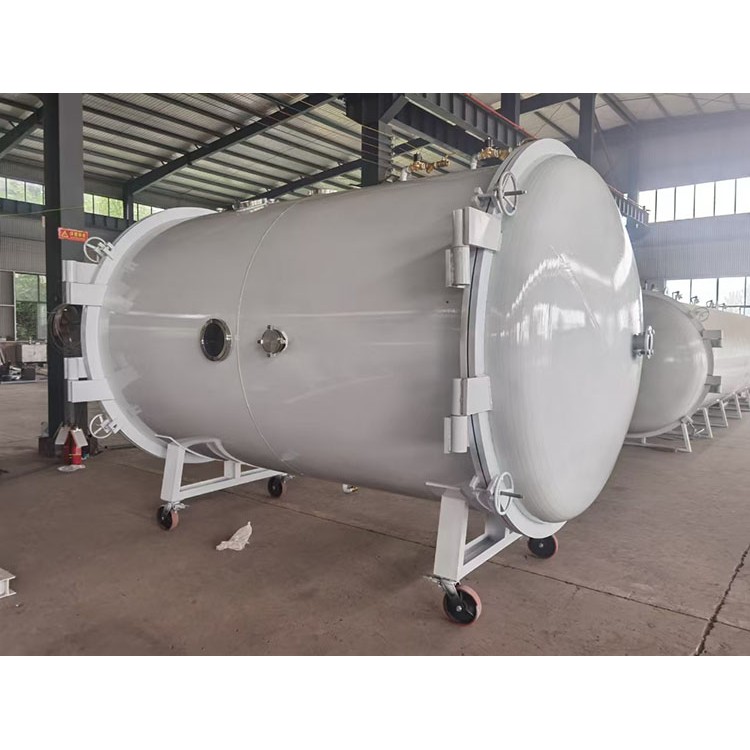
The working principle of the equipment: The equipment consists of two main parts, a combustion unit and a drying kiln.
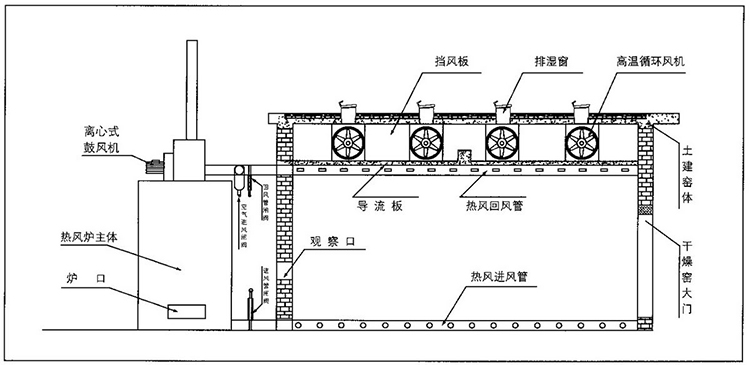
The principle of the hot air drying equipment is to utilize the heat energy generated by combustion to heat the air inside the kiln. The main fan at the top of the hot air furnace draws the air from the kiln through pipes into the furnace body and heats it. It is then delivered back into the kiln through pipes, where the circulating fan inside the kiln continuously circulates to evenly heat the wood. If steam is needed during the drying process, it can be provided by the steam generator inside the hot air furnace. In cases of a two-room or multi-room kiln, the pipes are equipped with insertion valves to regulate the kiln temperature through the valves. During the drying process, as moisture needs to be expelled from the wood, moisture exhaust holes (determined by the region) and a dehumidifier are left on the kiln roof to control the rate of moisture expulsion.