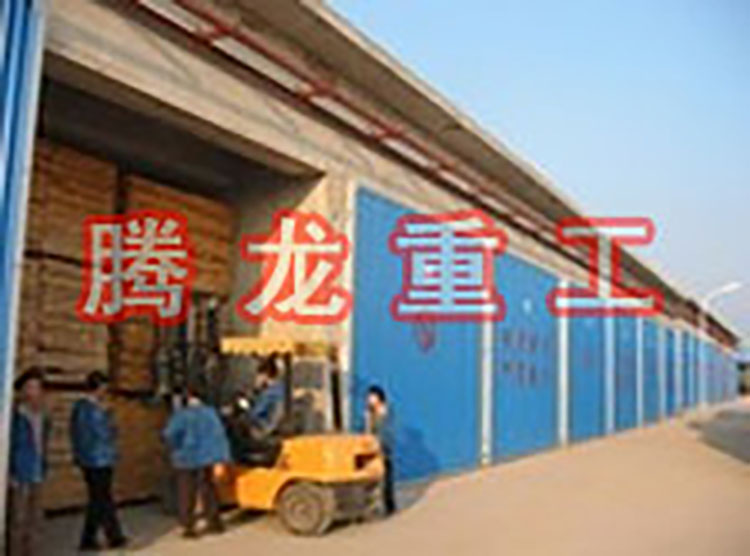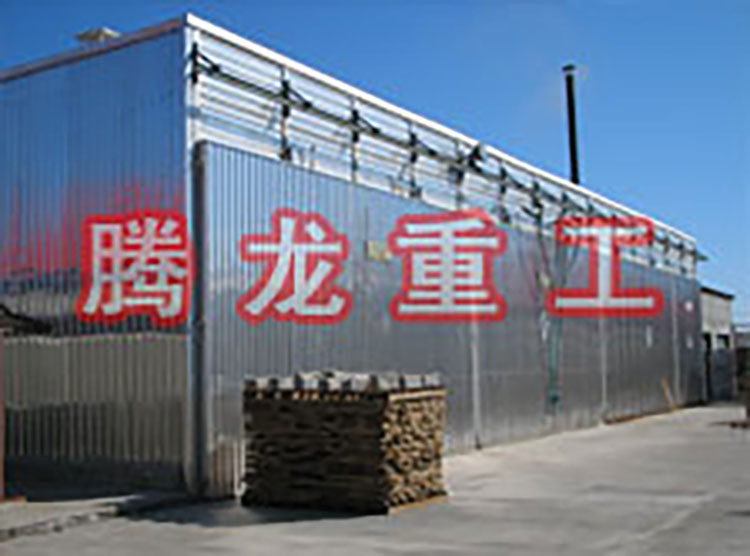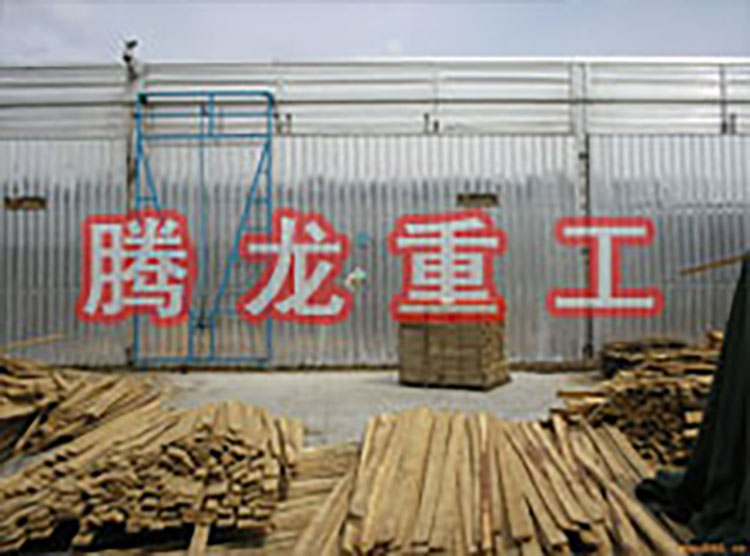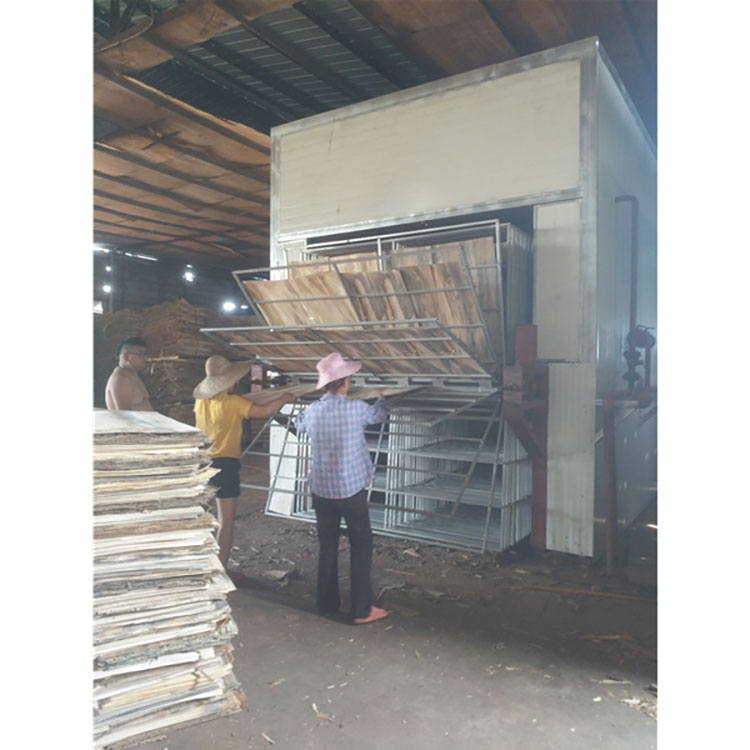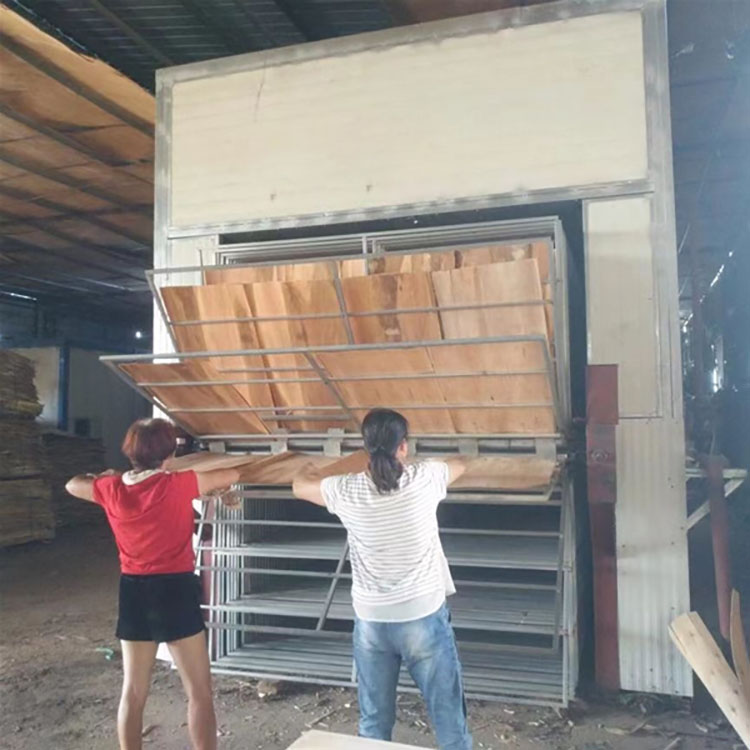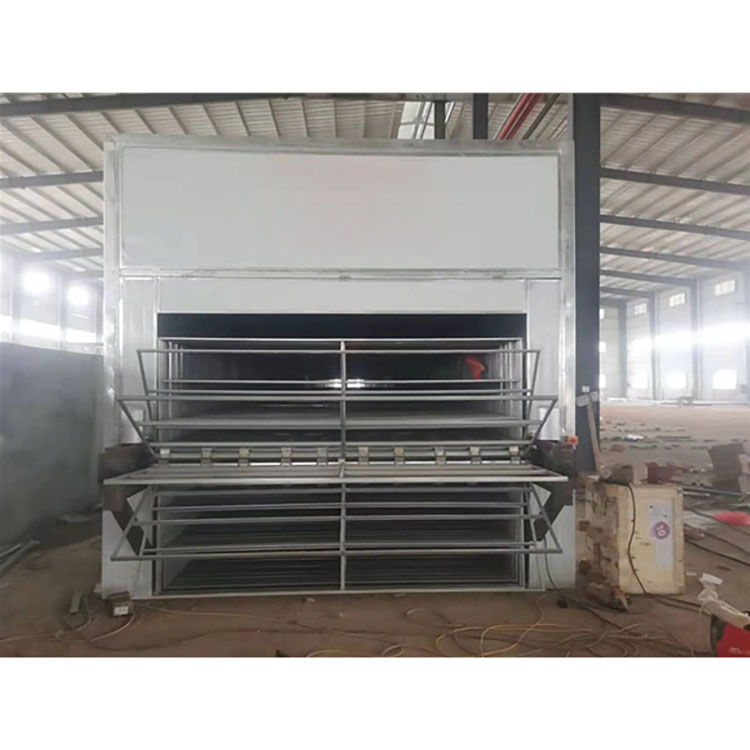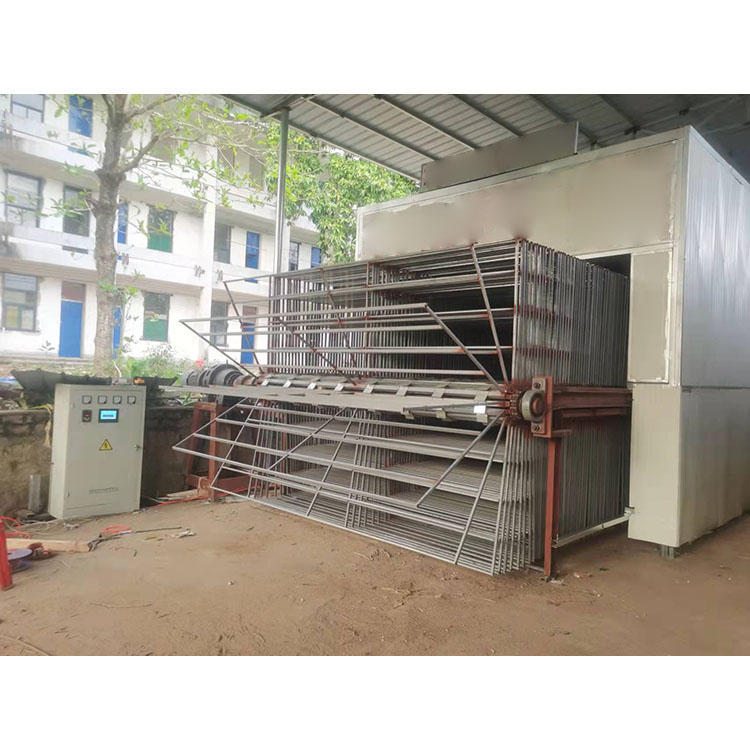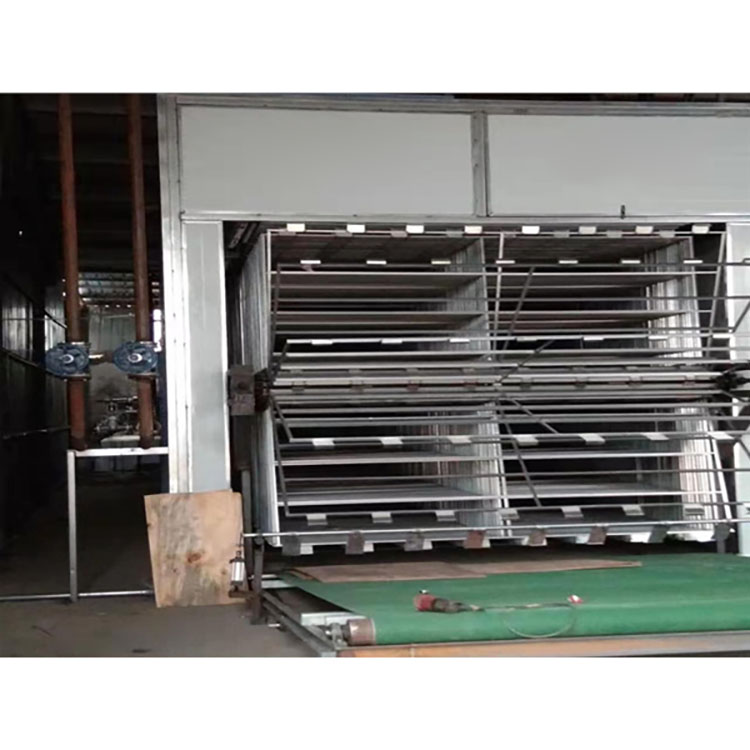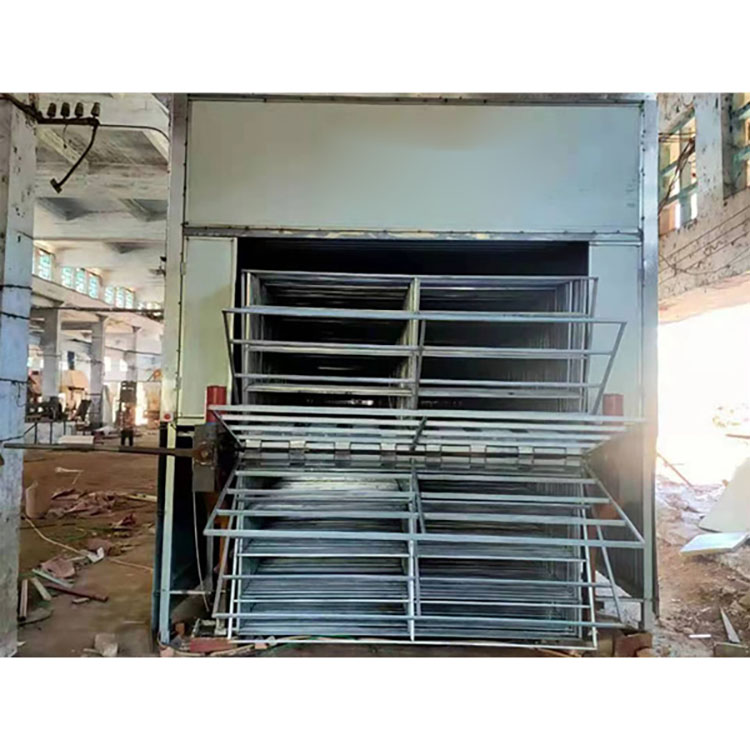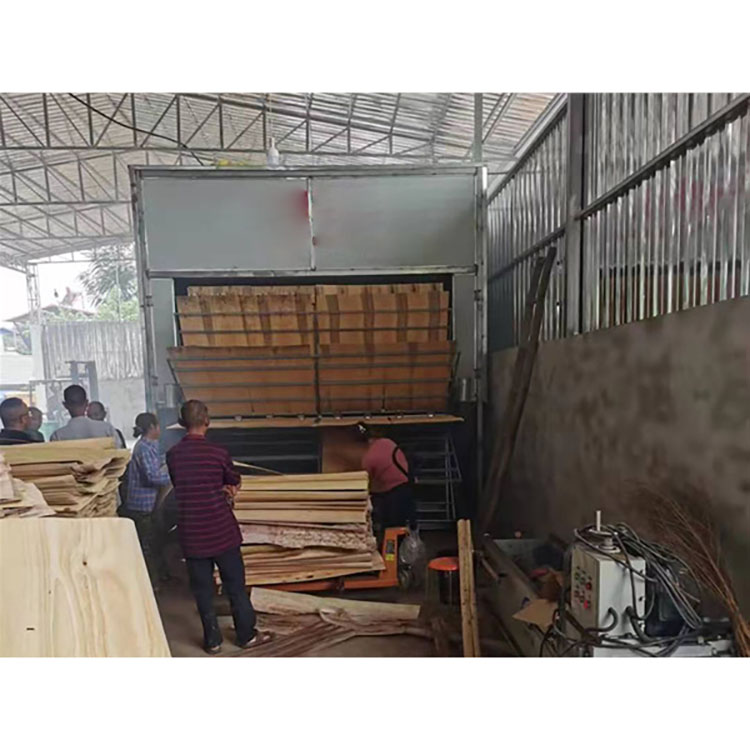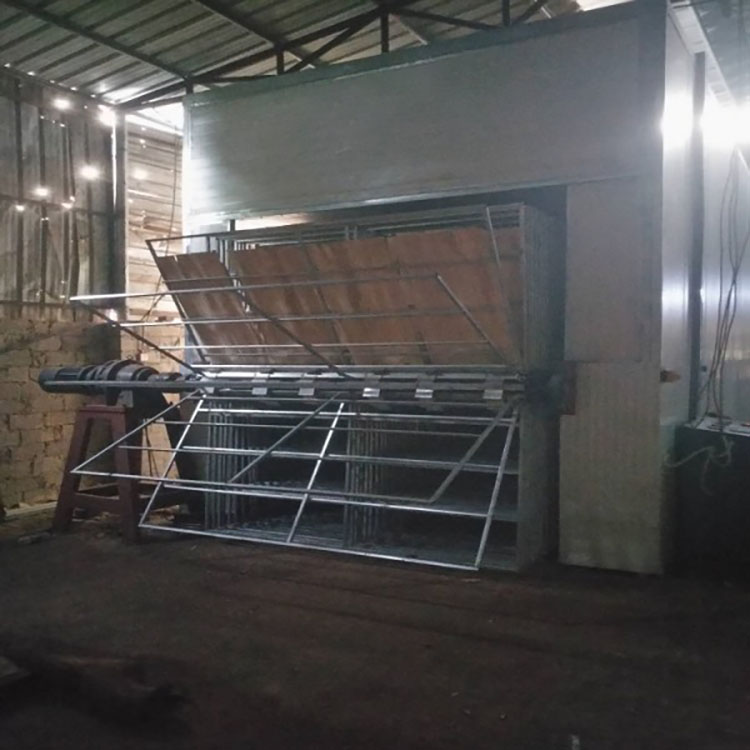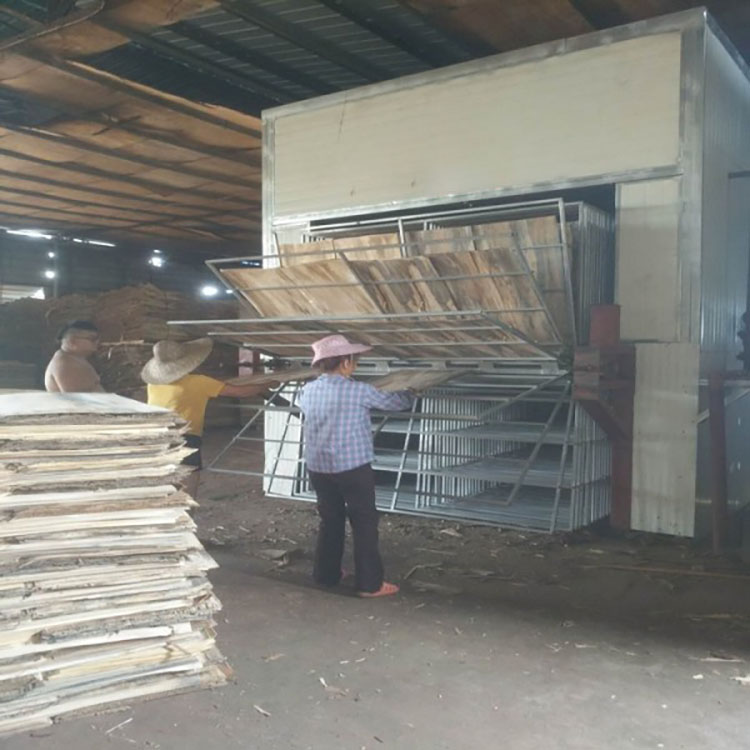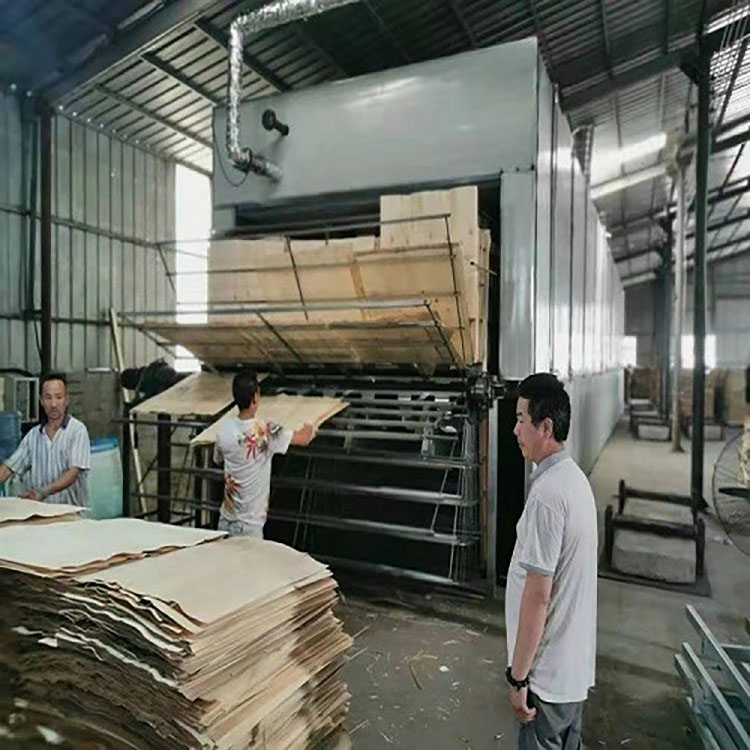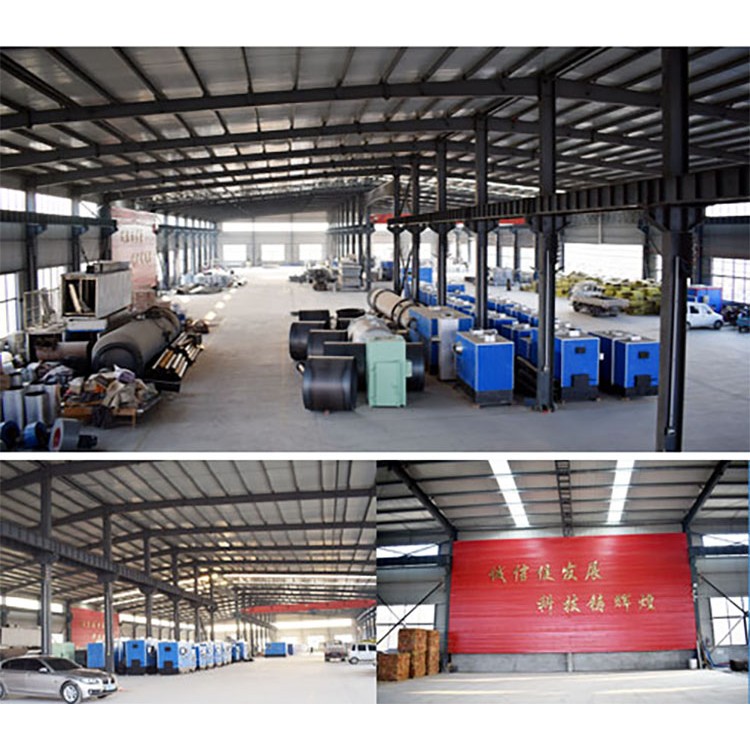




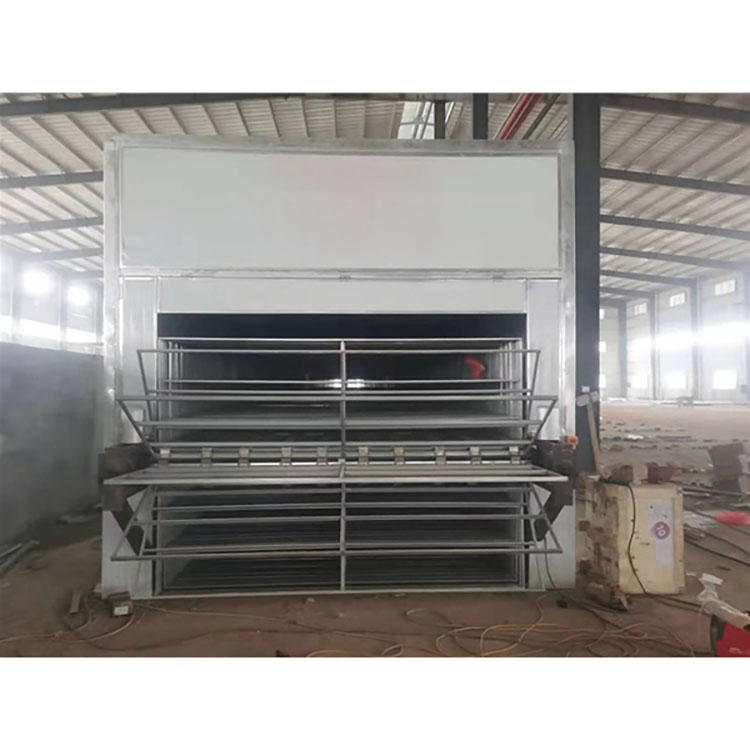
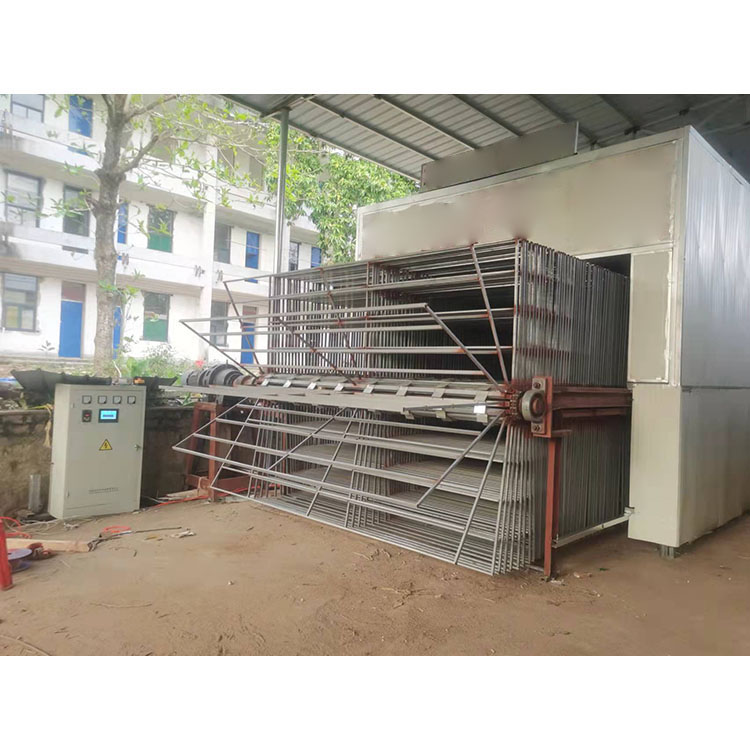
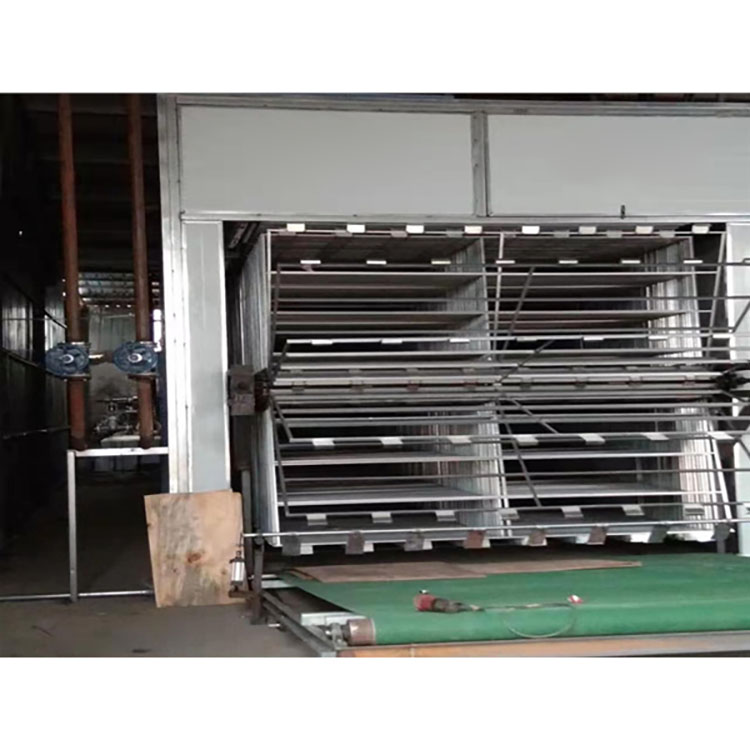





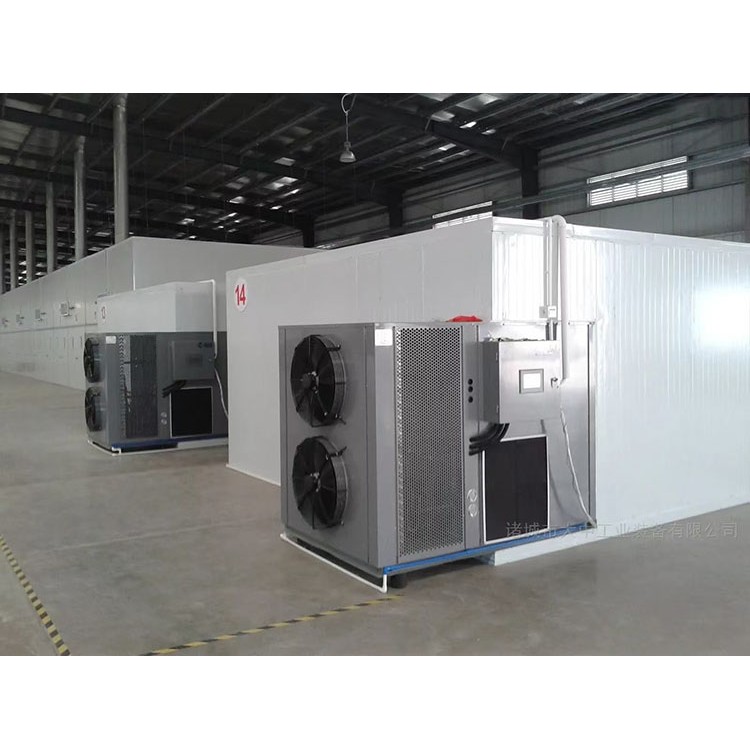
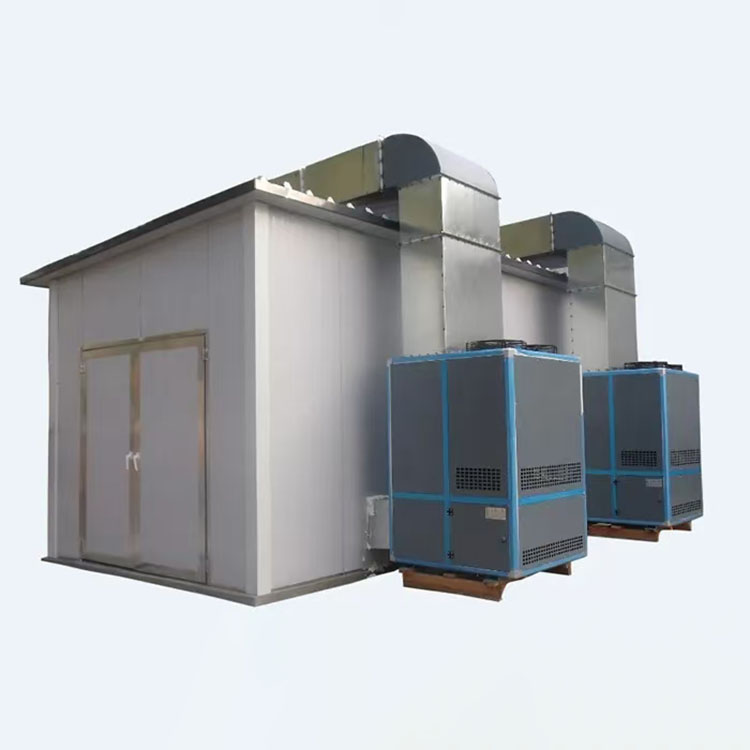
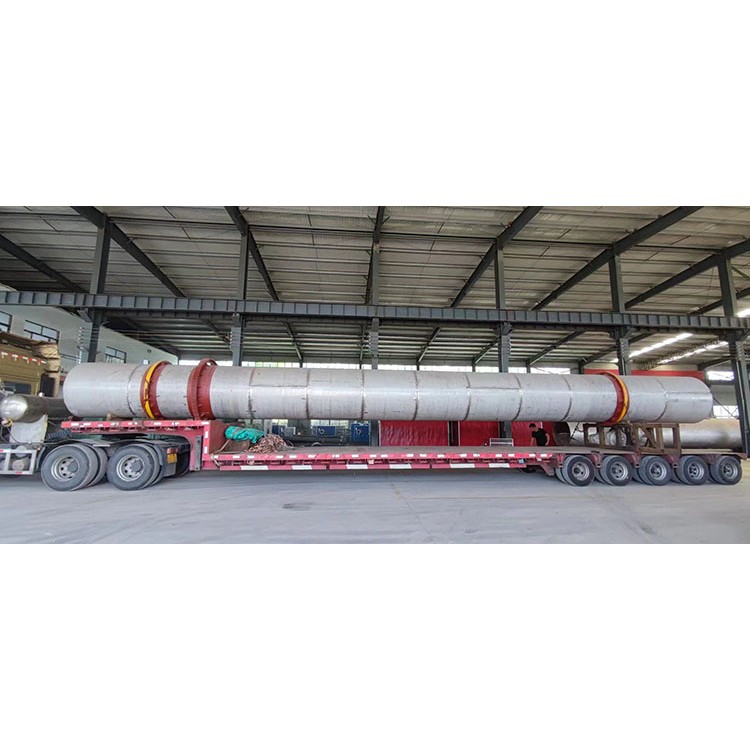
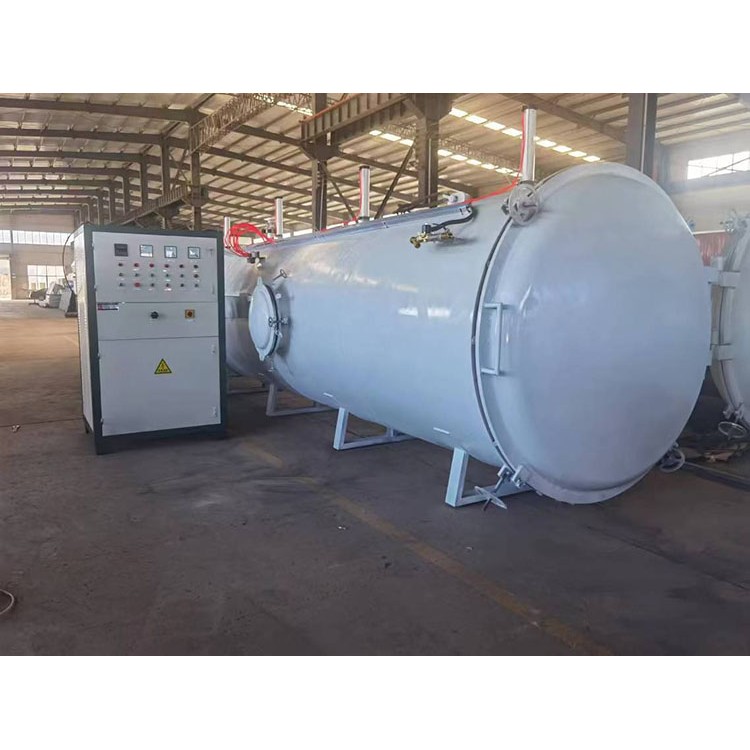
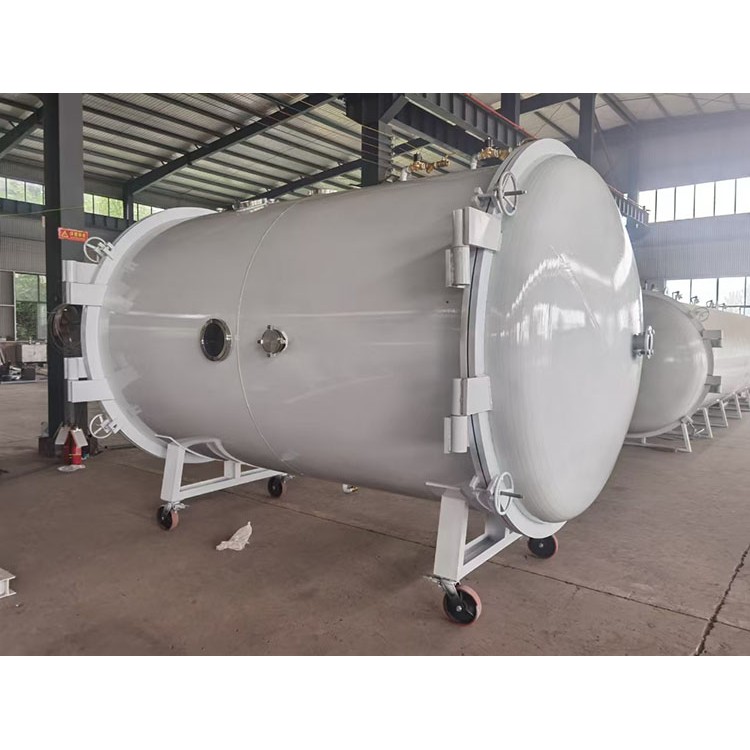
Wood heat treatment insect and bactericidal drying steam hot air furnace, made with a cyclone heating device, consisting of a combustion chamber, heat radiation exchange chamber, superheated steam generator, combustion assistance device, centrifugal blower, chimney, etc. Energy-saving with high heat conversion rate. Fuel burned: wood chips, sawdust, coal, etc.
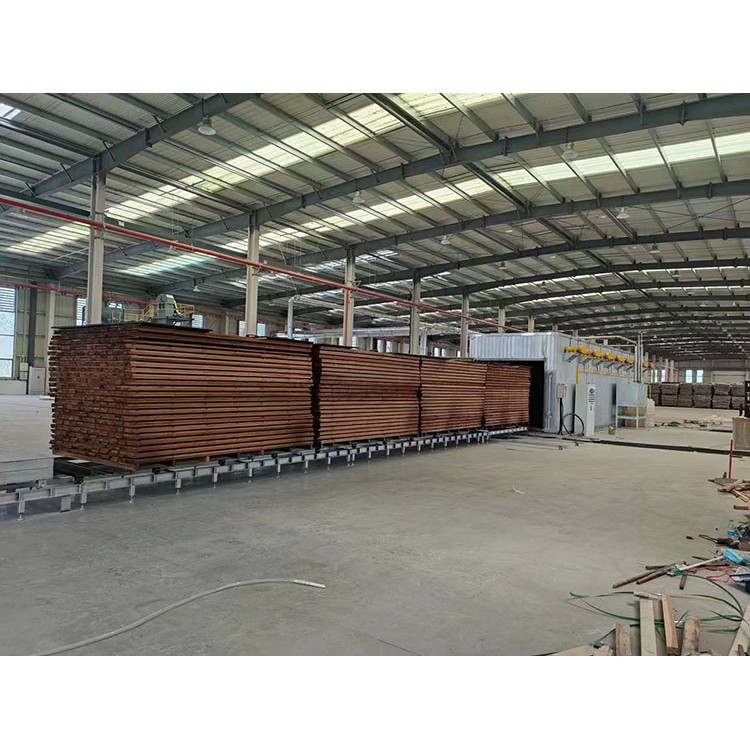
During normal operation, the fuel is fully combusted in the combustion chamber and then enters the multi-stage thermal energy conversion chamber. After full absorption, it produces a temperature of around 170°C. Under the action of the circulating fan, the high-temperature airflow passes through the control system and conveyance system of this equipment, delivering the hot air to the drying room, where it performs the drying process on the wood.
Simultaneously, the steam generator of the equipment can produce a large amount of atmospheric pressure steam, which can be sent into the drying room at the appropriate time according to the requirements of the drying process to perform steam-vapor humidification treatment on the wood. The humidification system is an independent steam system, where saturated steam can quickly equalize the surface and internal humidity of the wood, achieving the goal of drying the wood from the inside out.
The equipment is equipped with a heat recovery unit, highlighting the full utilization of heat energy, reducing drying costs. Additionally, during the drying process, the equipment can kill all pests and eggs that may infest the wood.
The equipment is the main heat source component for the MYHZ series and MYHH series.
Can be designed to include two drying chambers in one furnace, facilitating alternating operations.
Combine with existing earthen kilns for technical transformation to save on equipment investment.
The overall equipment is easy to operate and reliable.
This equipment is suitable for drying various types of wood and is an ideal upgrade and replacement for traditional and outdated drying methods in large, medium, and small furniture factories as well as wood product manufacturing facilities.
For second and third-grade wood, the intermittent heating and drying process can be used to address defects such as internal cracking, end cracking, surface cracking, deformation, and discoloration during the drying process, significantly improving the yield of finished wood products.