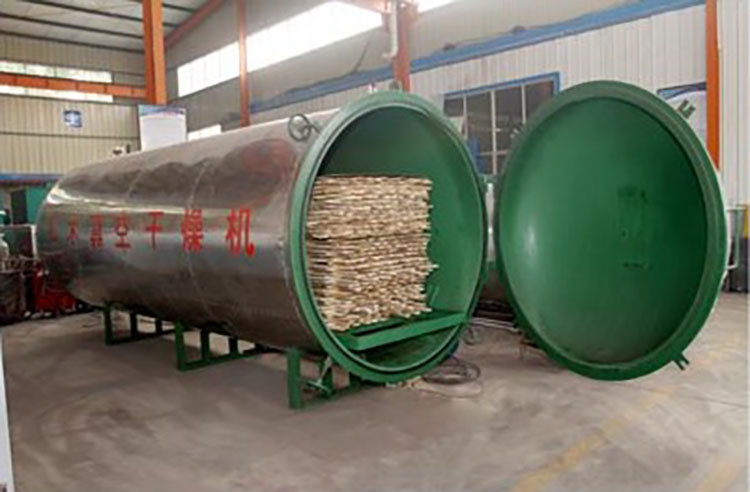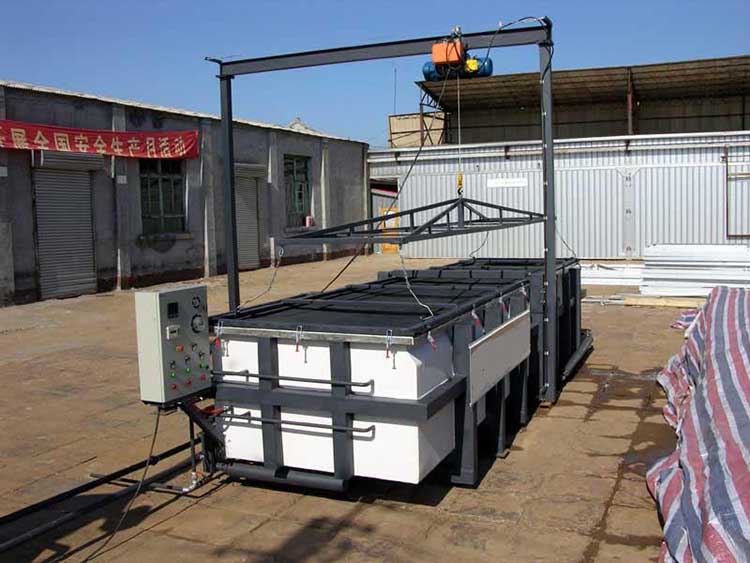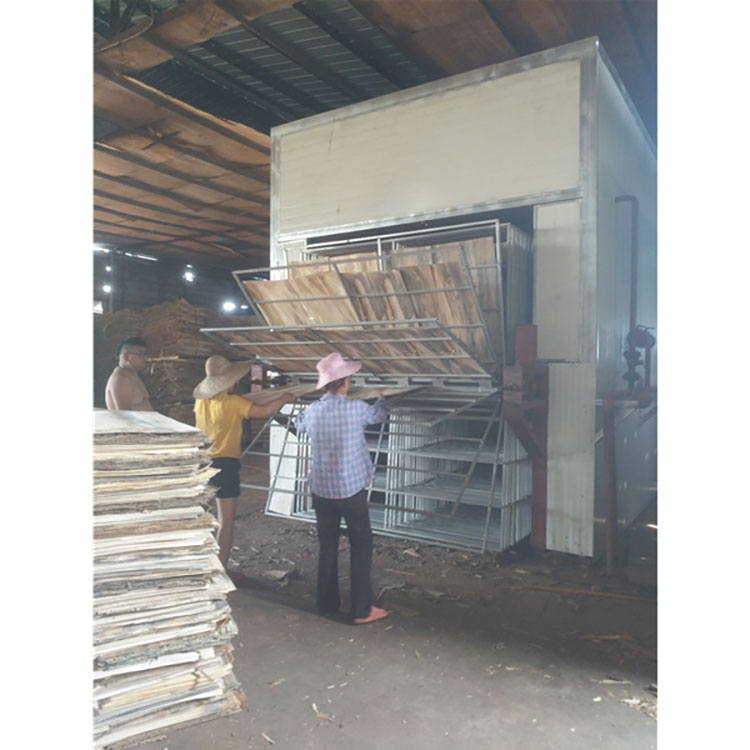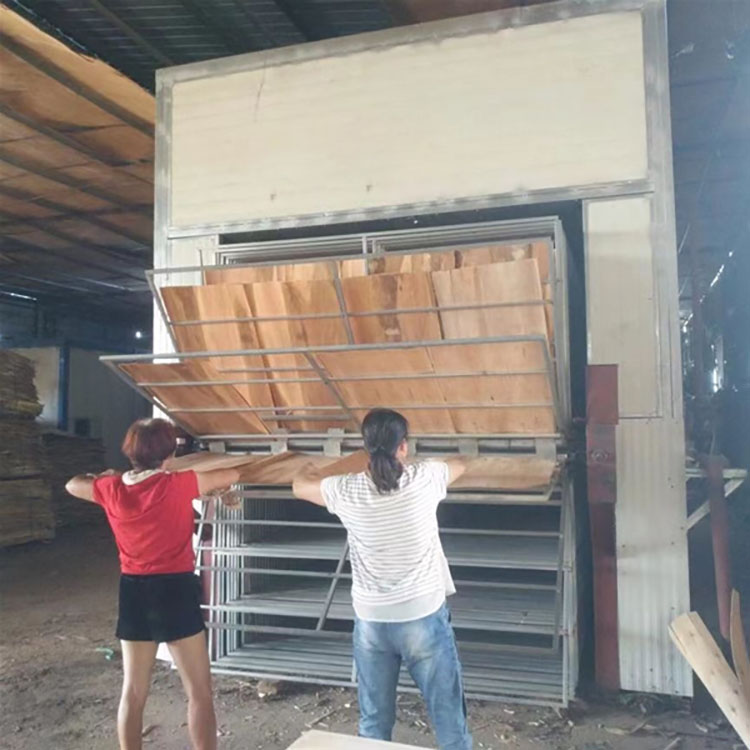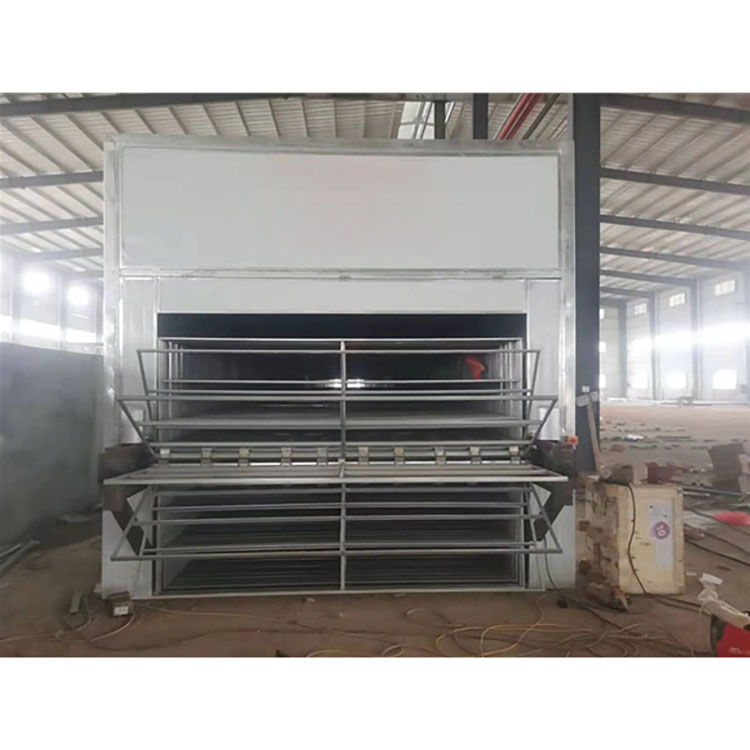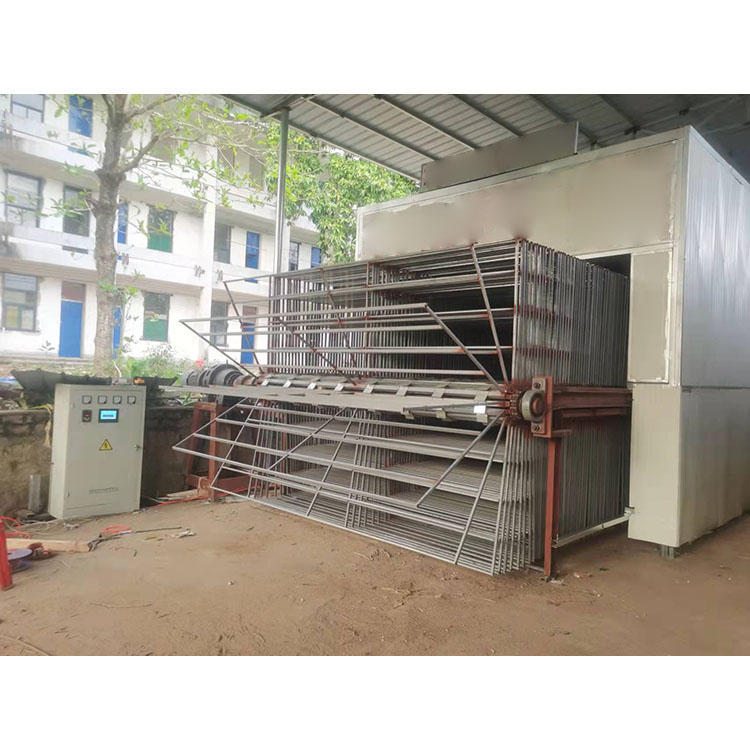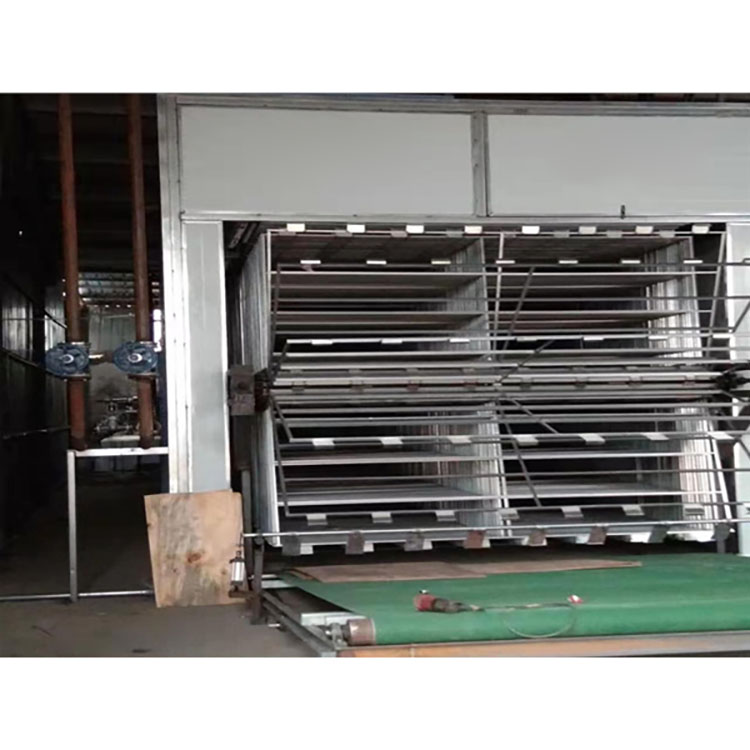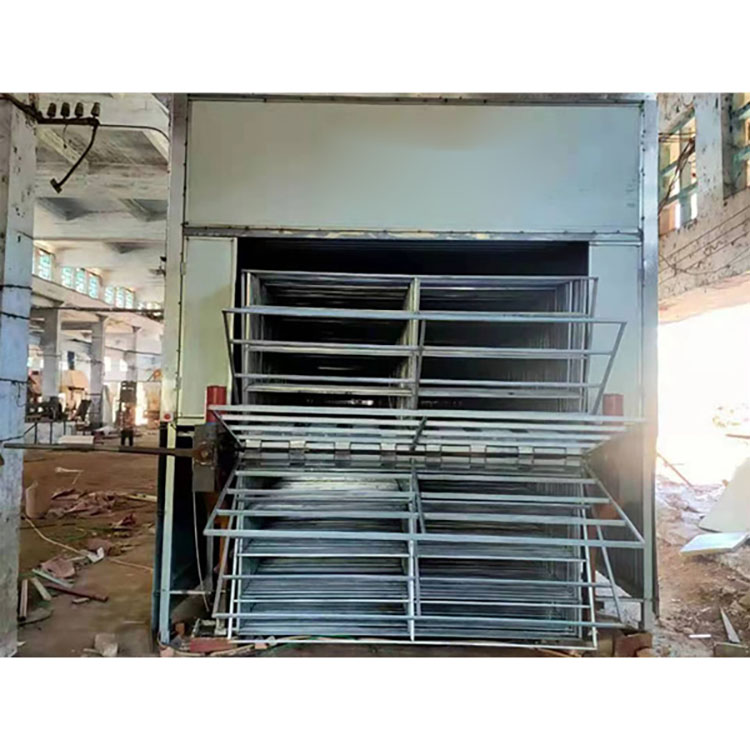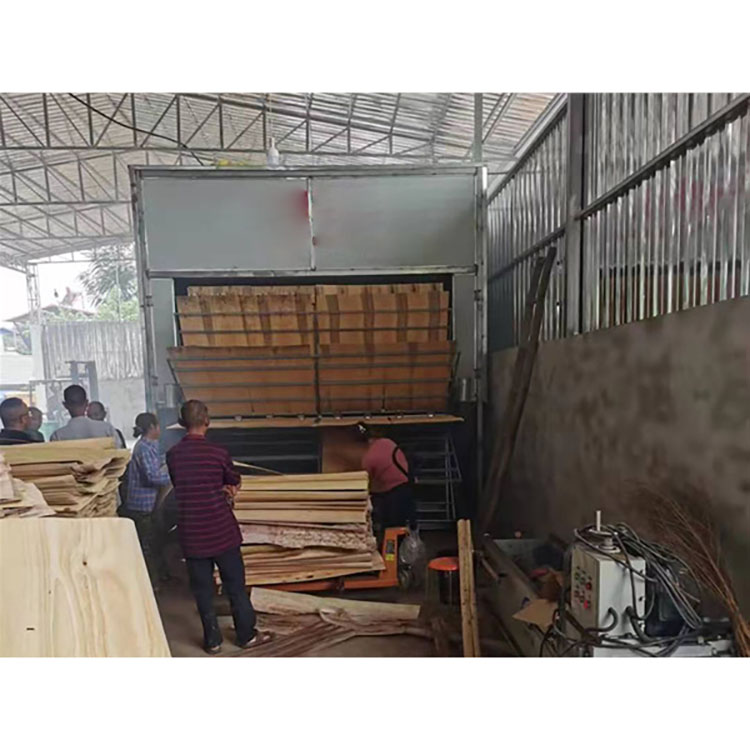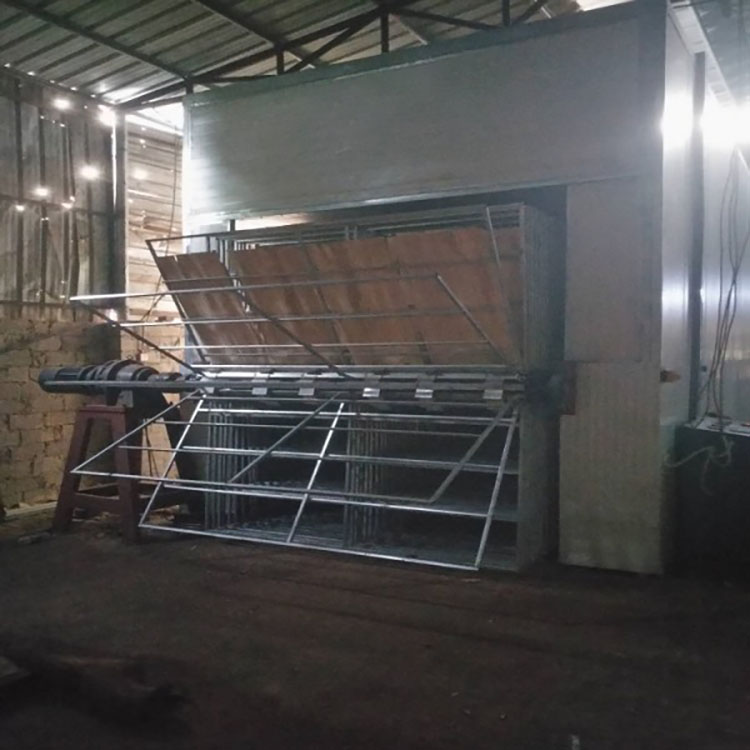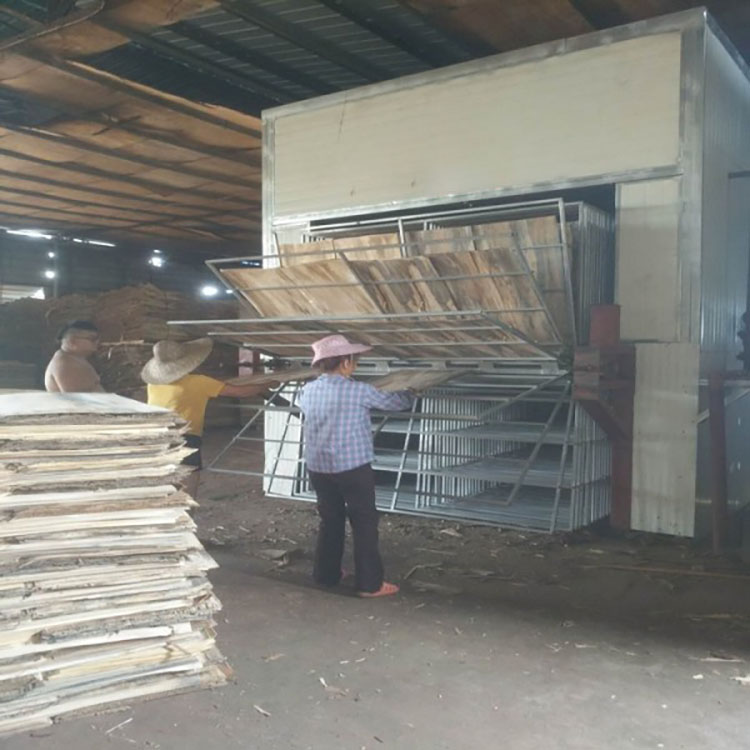


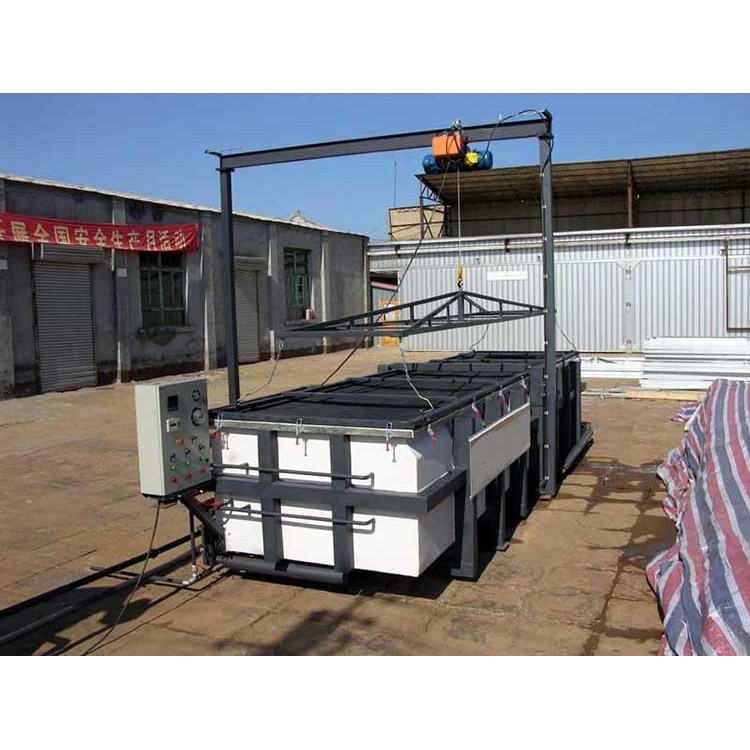
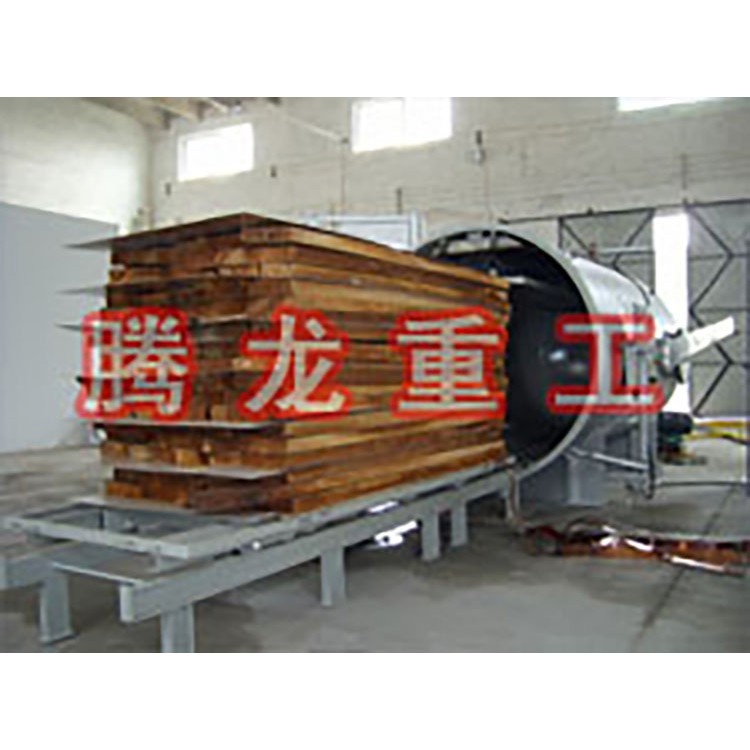


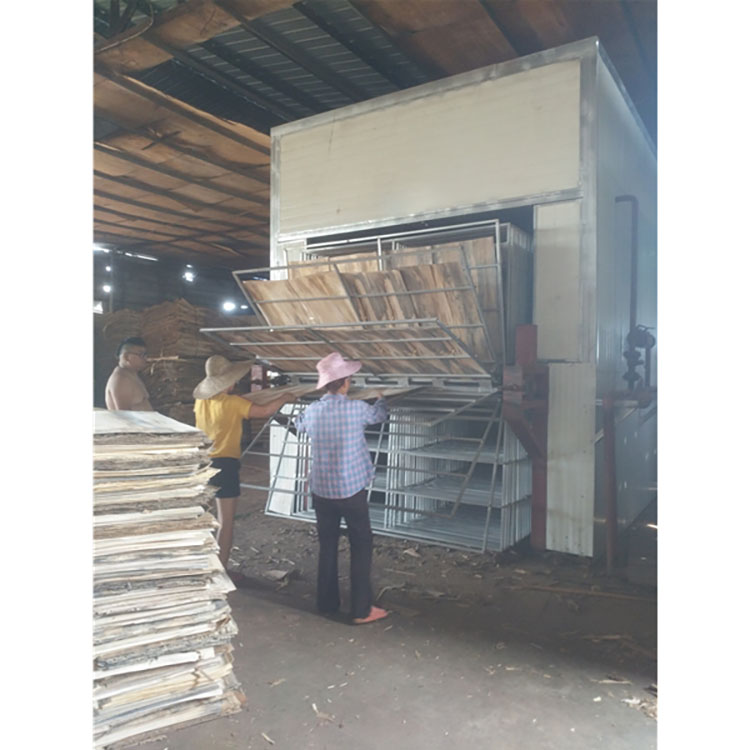
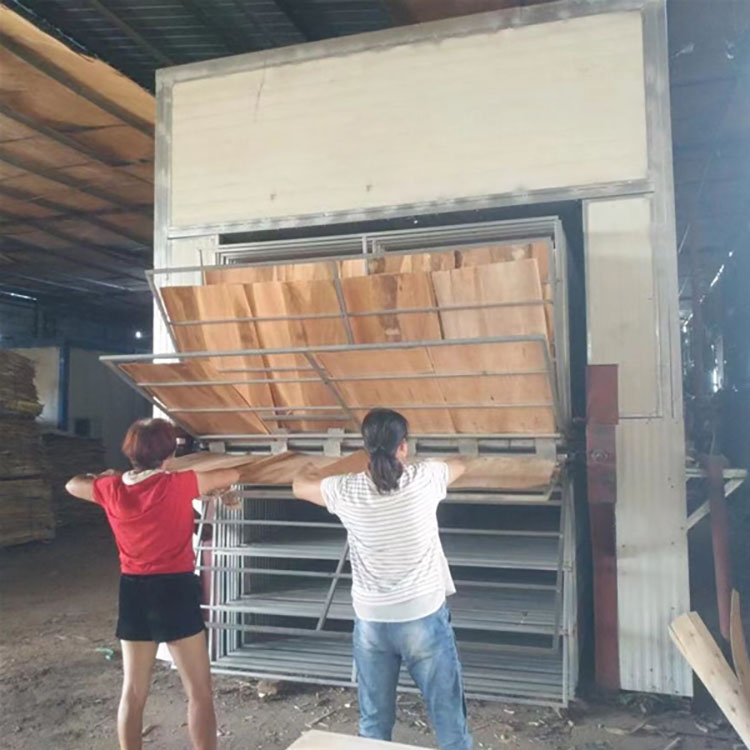
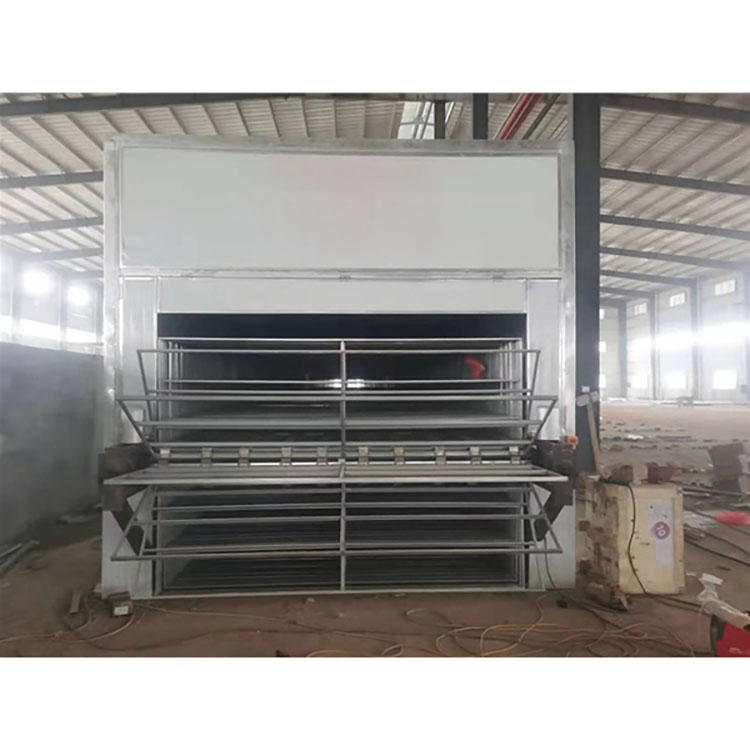
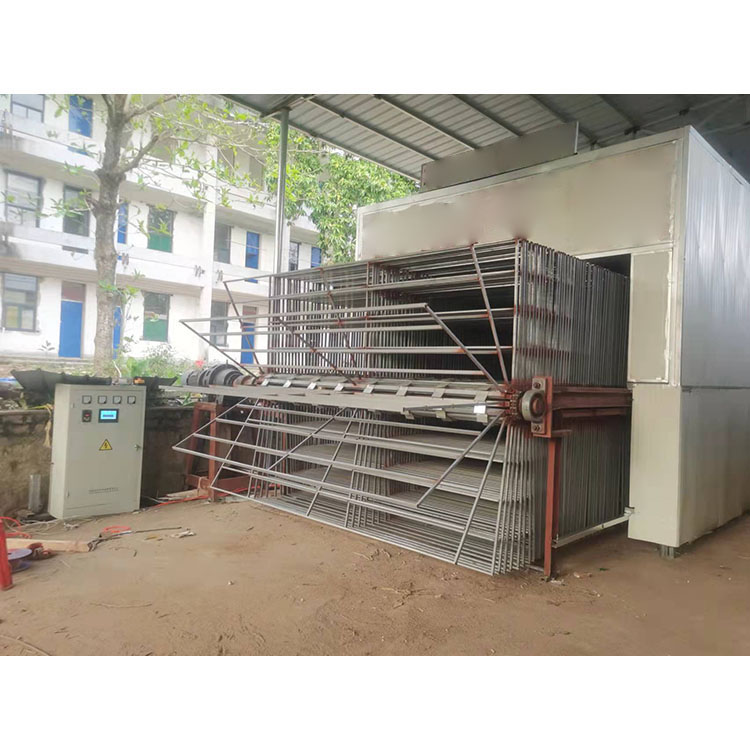
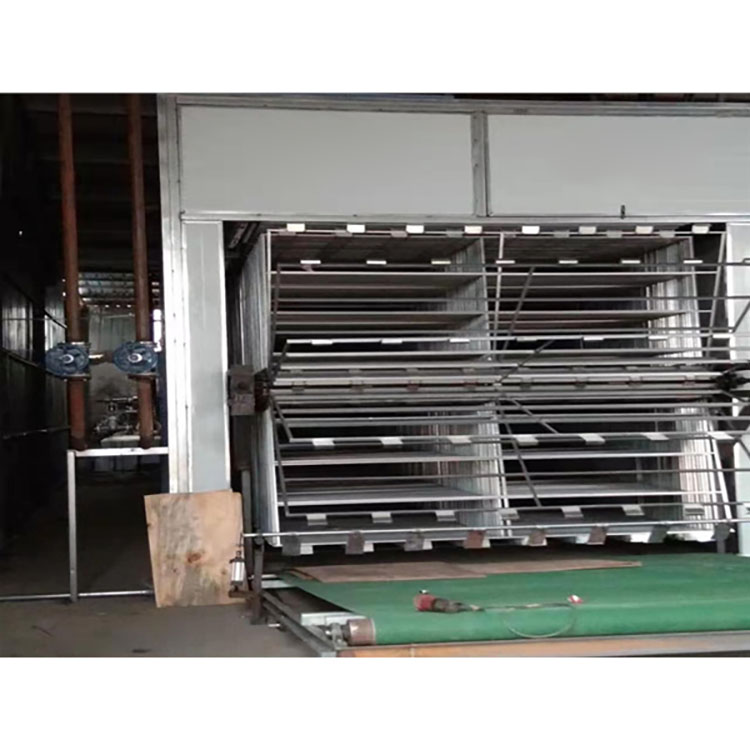





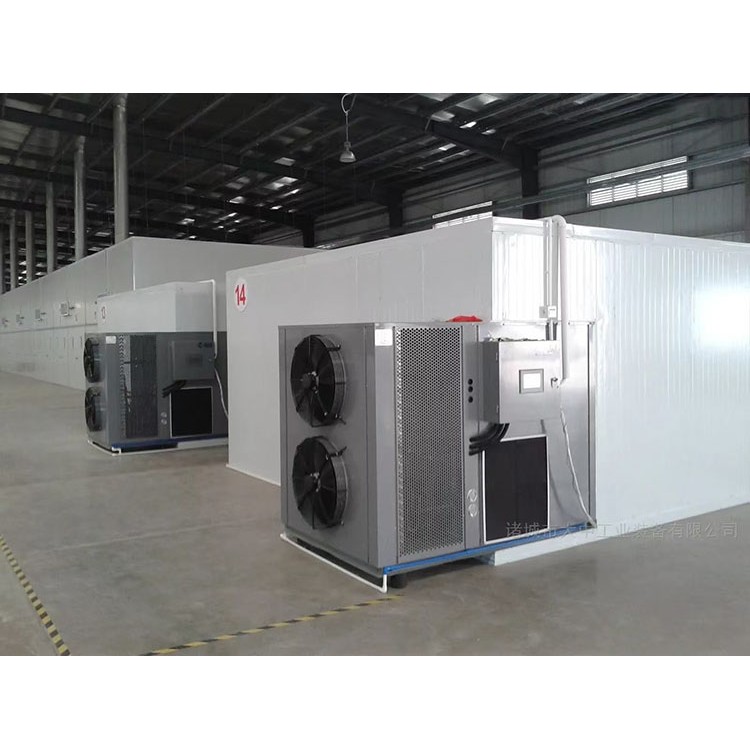
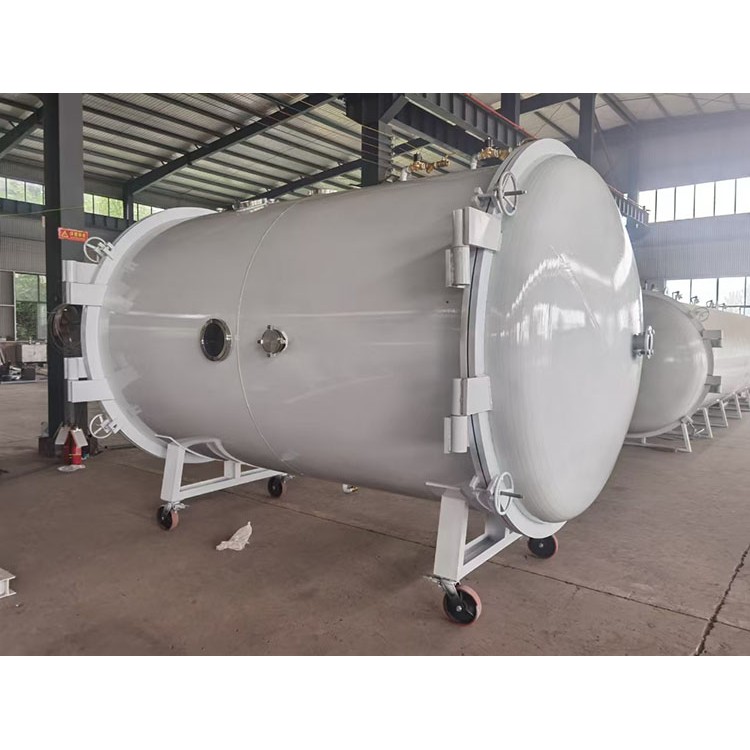

High-frequency vacuum drying working principle:
High-frequency vacuum drying is a combined method of high-frequency dielectric heating and vacuum low-temperature drying. It is a fast and almost waste-free drying process, particularly suitable for the drying of hard woods and thick, valuable timber.
High-frequency heating:
Also known as high-frequency medium heating, it involves boosting a standard 380V AC power supply to a higher voltage, rectifying it, and then converting it into a high-frequency electromagnetic field. High-frequency heating can be achieved through the use of related equipment with anode and cathode plates.
High-frequency heating is a penetrating type of heating, where the water in the material is uniformly heated within the electric field. Areas with more moisture absorb more high-frequency electromagnetic fields, while areas with less moisture absorb only a small amount. This ensures the efficient use of high-frequency output power. Since materials like wood or fiber are non-polar and do not absorb the electric field, high-frequency power is utilized with minimal waste, saving energy and reducing drying costs.
Vacuum state, primarily utilizing the lower boiling point of water under vacuum conditions, which accelerates evaporation rates. This increases the moisture gradient on the wood surface. During the drying process, the wood's surface moisture evaporates into the surrounding air, while internal moisture continuously moves towards the surface. This results in faster drying at lower temperatures, ensuring high-quality wood drying. The vacuum state, being a negative pressure condition, has a certain water-absorbing effect, similar to high-frequency pressure gradients, which also speeds up the expulsion of moisture from the wood core. Additionally, under low-pressure conditions, the oxygen in the drying medium undergoes less material discoloration due to thermal and oxidative reactions, thus maintaining the natural color of valuable wood.
Based on these characteristics, the high-frequency vacuum drying is applied to wood drying, making it a scientific and environmentally friendly drying method, especially suitable for drying wood with large cross-sections of hardwood.
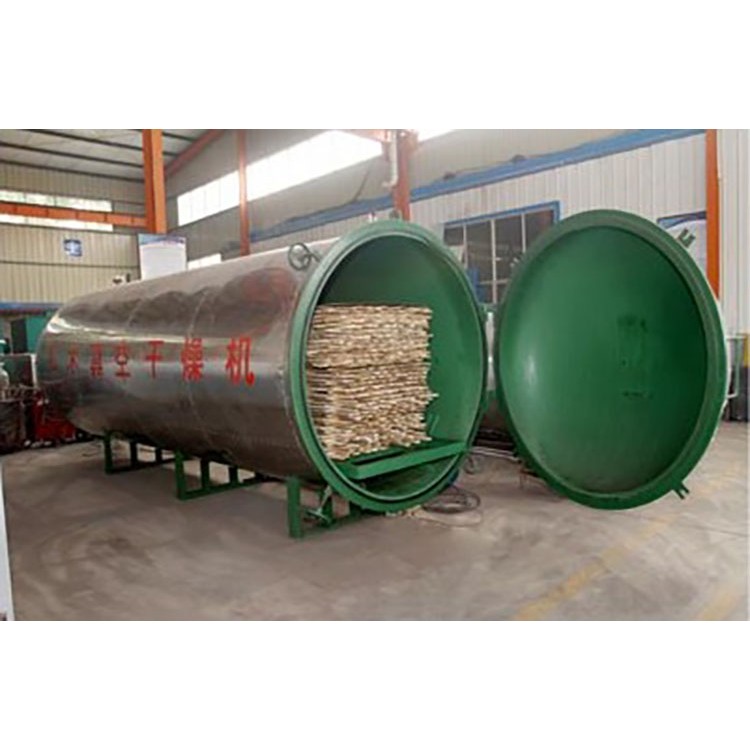
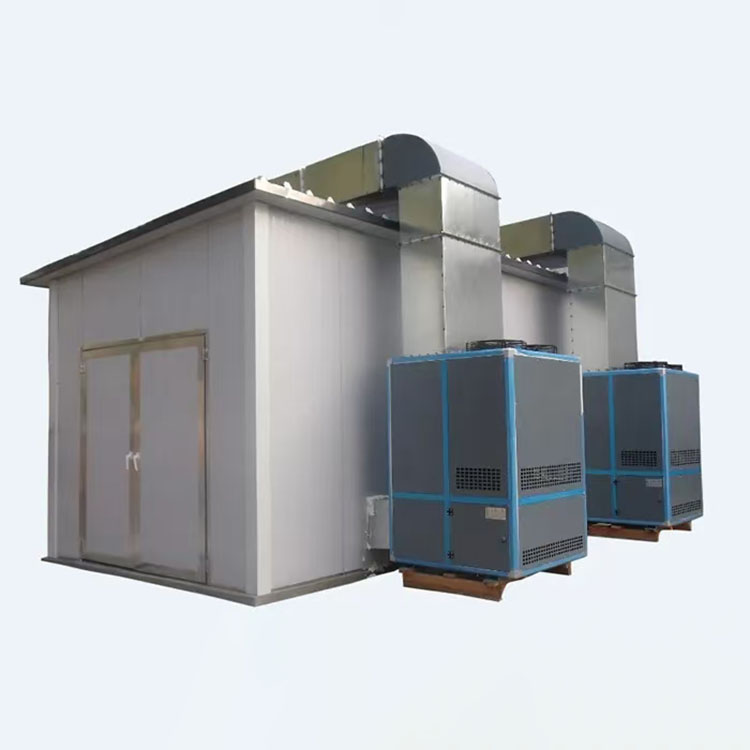
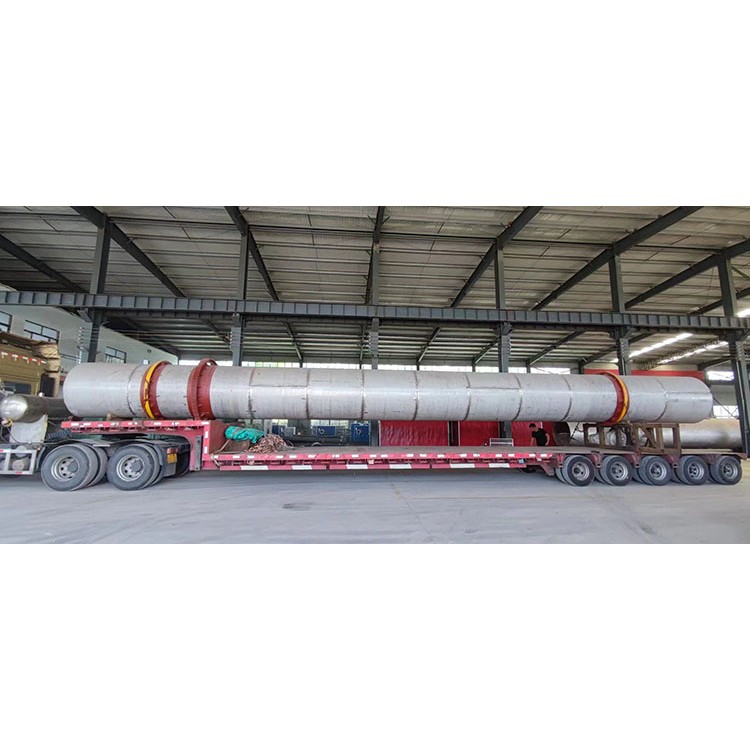
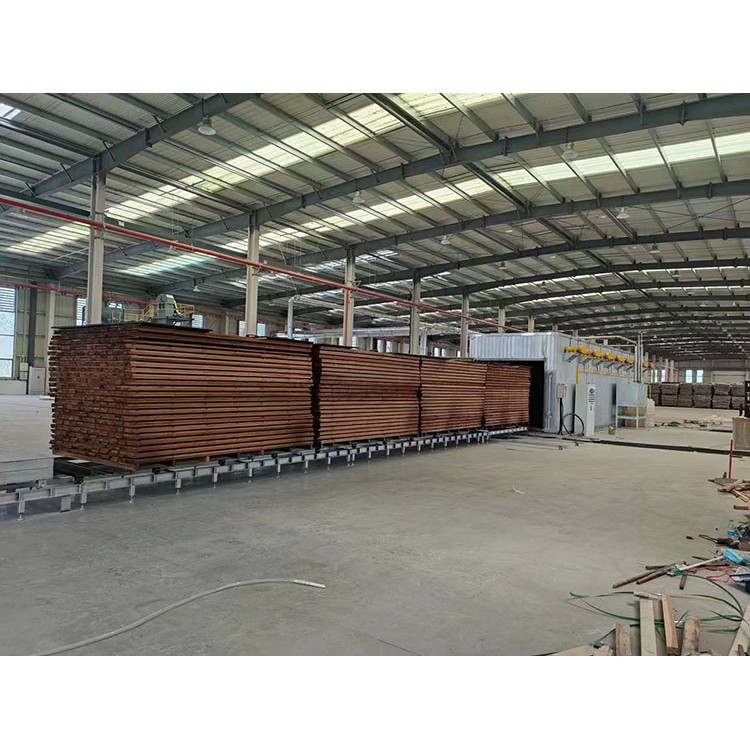
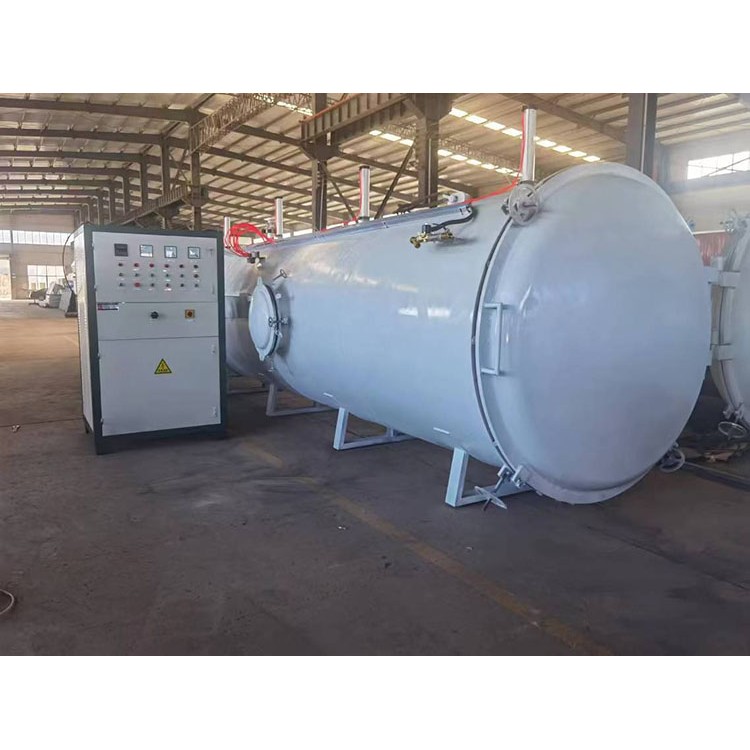
Tenglong High-frequency Vacuum Wood Drying Machine Features:
One: Utilizes high-frequency heating to achieve rapid temperature rise and fast drying of wood.
Two, heat the wood internally and externally simultaneously, ensuring even heating and good quality, while maintaining the natural color of the wood.
Three: Vacuum suction water reduction of the temperature in the wood drying process enables low-temperature vaporization of the wood, making it less prone to cracking and enhancing the wood's dehydration speed.
Four: Environmentally friendly with no pollution.
Five, high-frequency waves can kill insects and pathogens hidden within the boards, further ensuring the quality of wood drying while shortening the drying cycle.
Especially suitable for thick, hard, large-section square timbers (which require a long time to dry using conventional drying methods), such as valuable redwood woods like sandalwood, rosewood, and huanghuali, as well as the drying of wood flooring.
Also utilizes secondary drying for wood returned from express shipping in small batches.
Tenglong High-Frequency Vacuum Dryer Specifications:
1. Automatic control via an intelligent human-machine interface; operators only need to set basic parameters such as drying process, initial moisture content, and desired final moisture content; the entire drying process is controlled automatically by the program.
2. High-frequency automatic tuning, no manual adjustment required. The fault detection system constantly monitors the equipment's operational status, and in the event of a fault, the equipment will shut off power, trigger an alarm, and display fault information.
3. Utilizes real-time moisture content monitoring for humidity detection, allowing for immediate measurement of wood moisture content at any time, ensuring the accuracy of moisture content monitoring.
4. Utilizes fiber optic temperature detection devices for precise and error-free temperature readings, unaffected by high-frequency interference. Temperature detection is solely to ensure optimal drying results, avoiding the significant data errors commonly encountered with standard metal probes in electric fields.