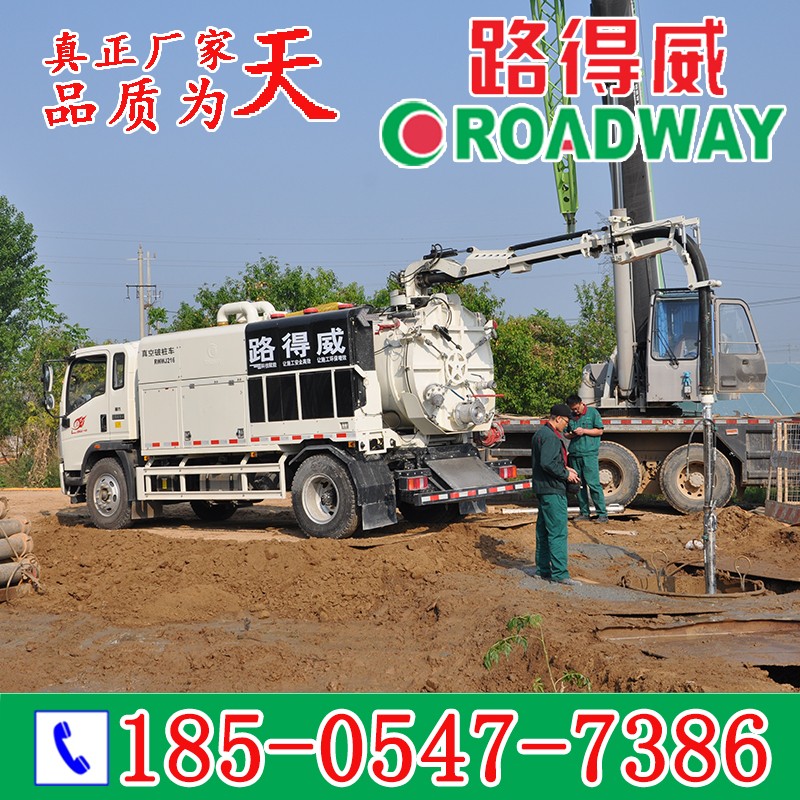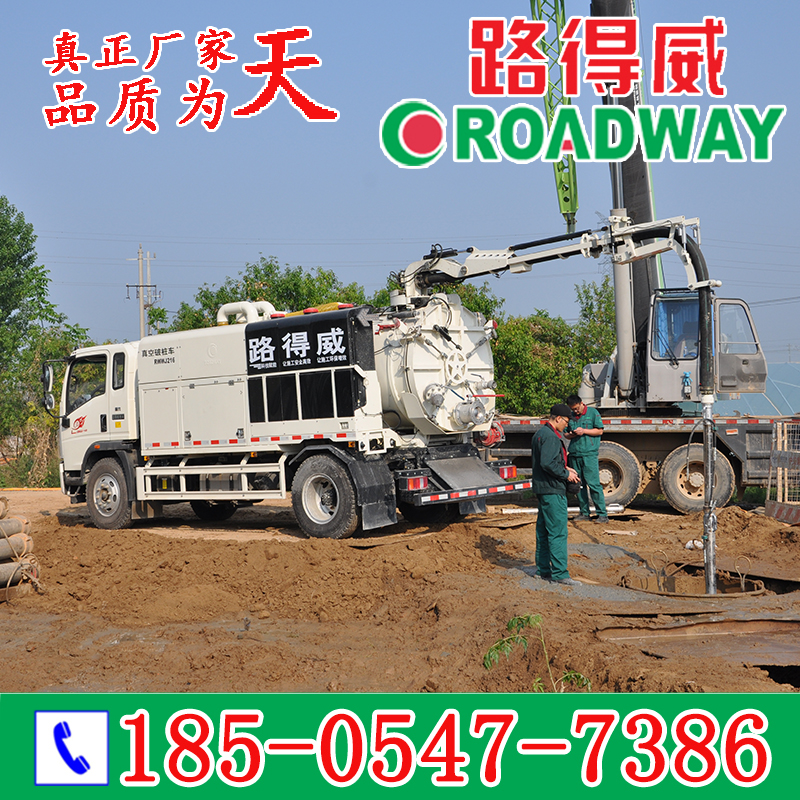




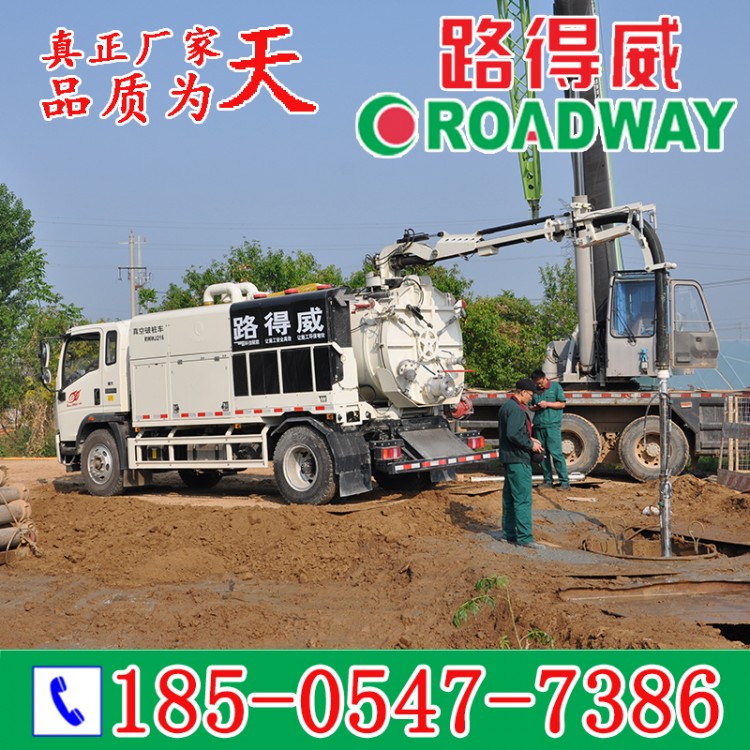










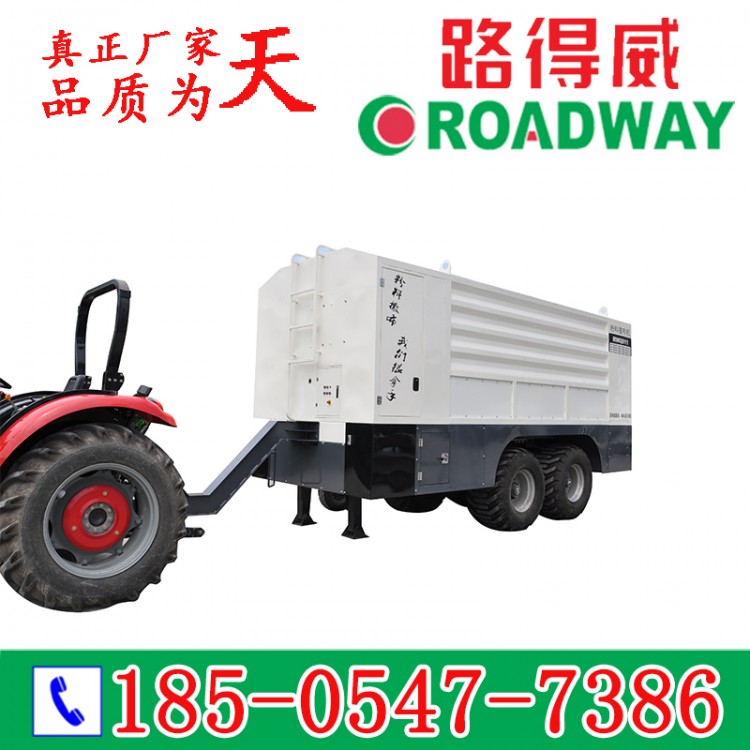

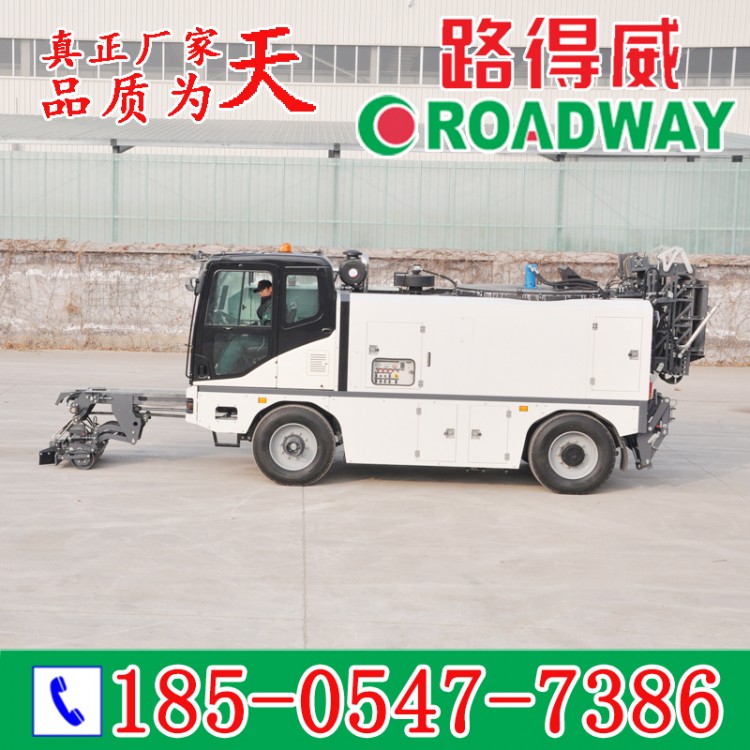

Vacuum excavation trucks are used for earthmoving in maintenance operations of underground pipelines for gas, communication, and water supply, and are also extensively employed for cleaning manholes in gas, rainwater, and sewage pipelines, as well as oil tanks. They represent an ideal new equipment for excavation projects, offering advantages such as safety, speed, environmental friendliness, labor-saving, and reduced labor intensity compared to traditional methods.
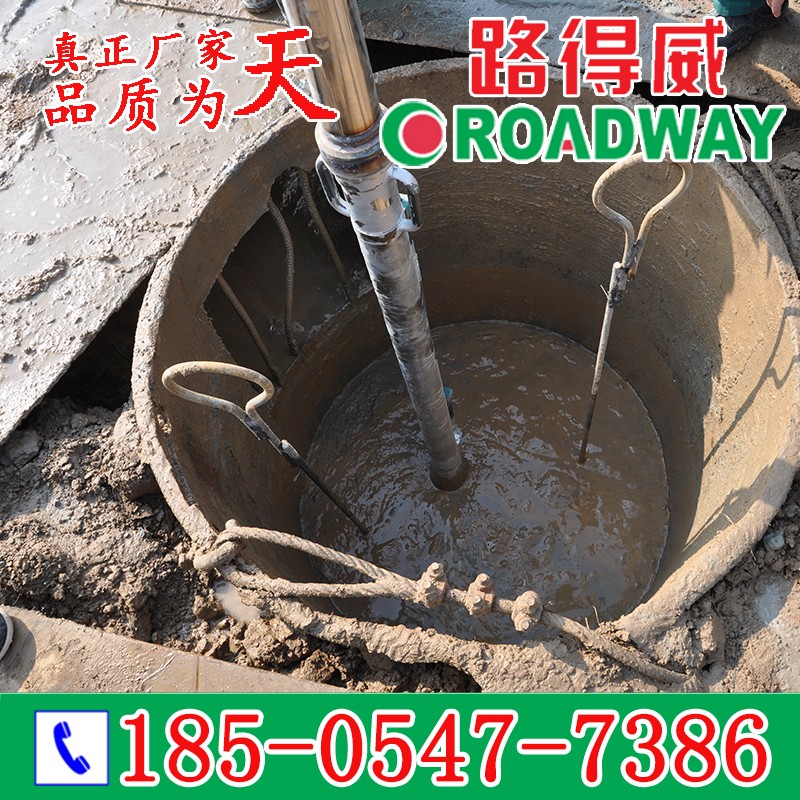
Based on the vacuum excavation vehicle, led by the National Railway Group Engineering Management Center, our company, in collaboration with the School of Mechanical Engineering of Jinan University and China Communications Construction Corporation Highway Engineering Bureau Co., Ltd., has jointly developed the vacuum pile breaking vehicle. The vacuum pile breaking vehicle is innovatively designed to address the thick consistency of mud slurry and the characteristics of concrete. It is capable of removing pile heads during the initial setting period of the pile, representing a revolutionary new method for pile head removal. Compared to the traditional manual breaking method, it boasts the following advantages:
1. High construction efficiency: Piling construction time reduced by 5 times, minimizing the time for process transitions.
2. High-quality pile heads: pile heads are free from damage, dents, and do not impair the reinforcement steel.
3. Low labor intensity: Only one person is needed to operate the remote control.
4. Waste Utilization: Collected concrete materials can be separated and reused.
5. Construction Safety: Eliminate operations with potential hazards such as cutting, drilling, cracking, and lifting.
6. Easy for Special Operation Scenarios: No restrictions on pile foundation construction along water and rail business lines.
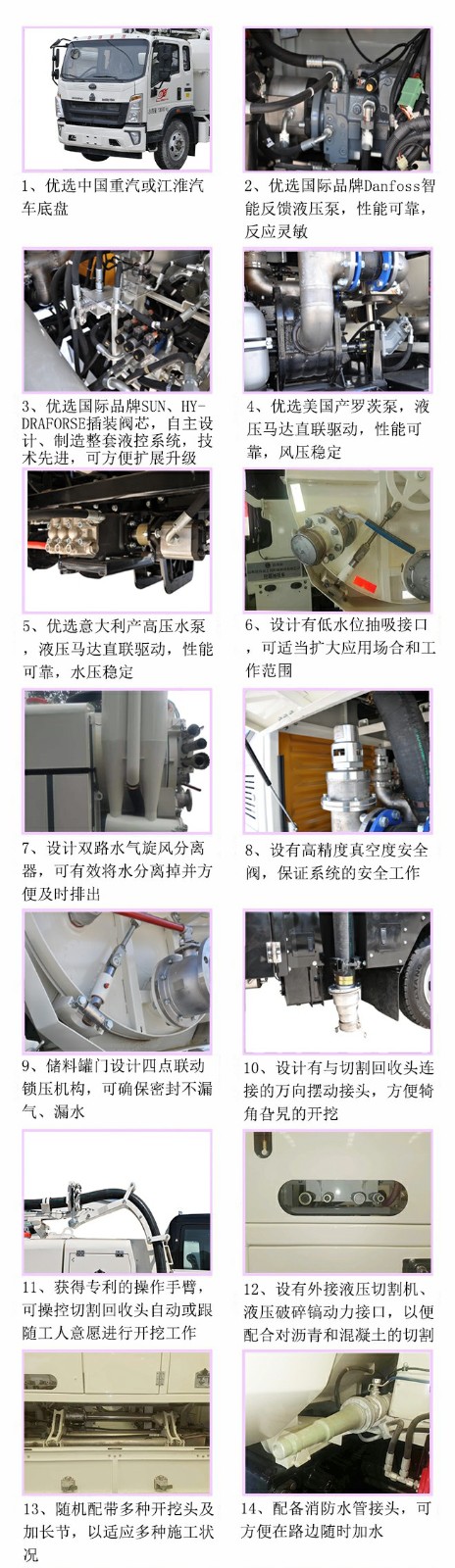
This vehicle integrates vacuum, high-pressure water, hydraulic control, and intelligent control technologies, reflecting innovative designs from multiple fields. It has been granted multiple invention patents by the National Intellectual Property Administration.。

Construction Scenario