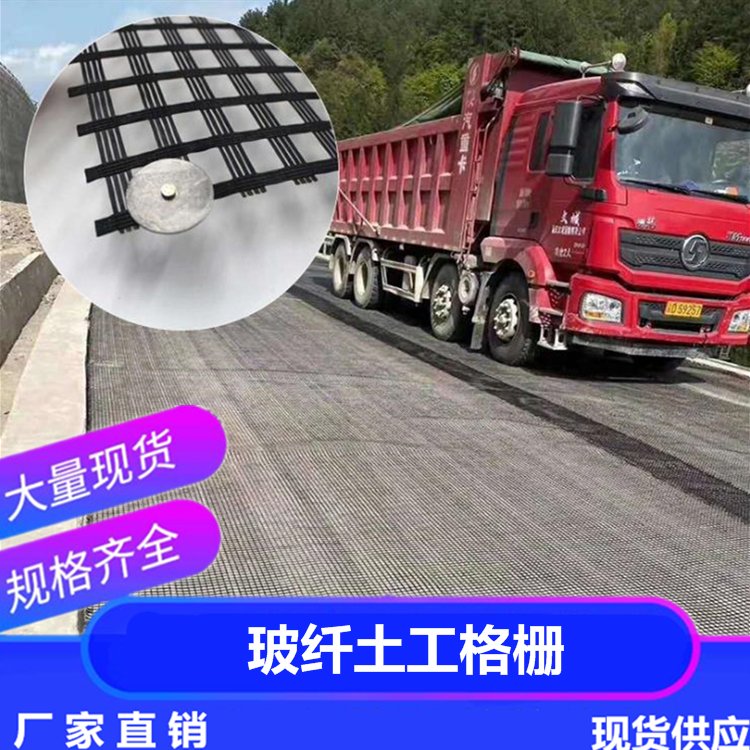













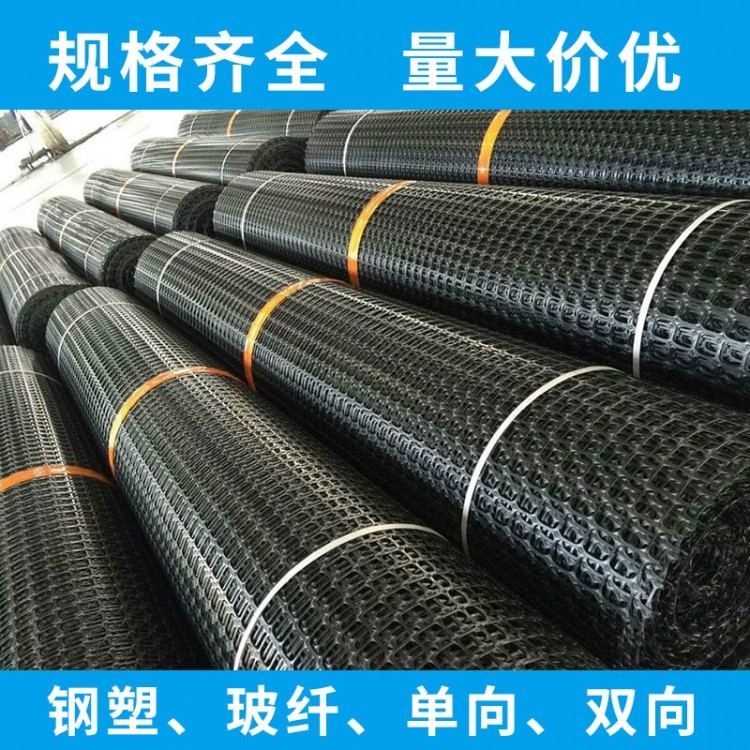

Glass Fiber Geogrid Manufacturer Direct Sales - Cash on Delivery - Reasonable Prices, Welcome to Collaborate
Characteristics of Glass Fiber Geogrid
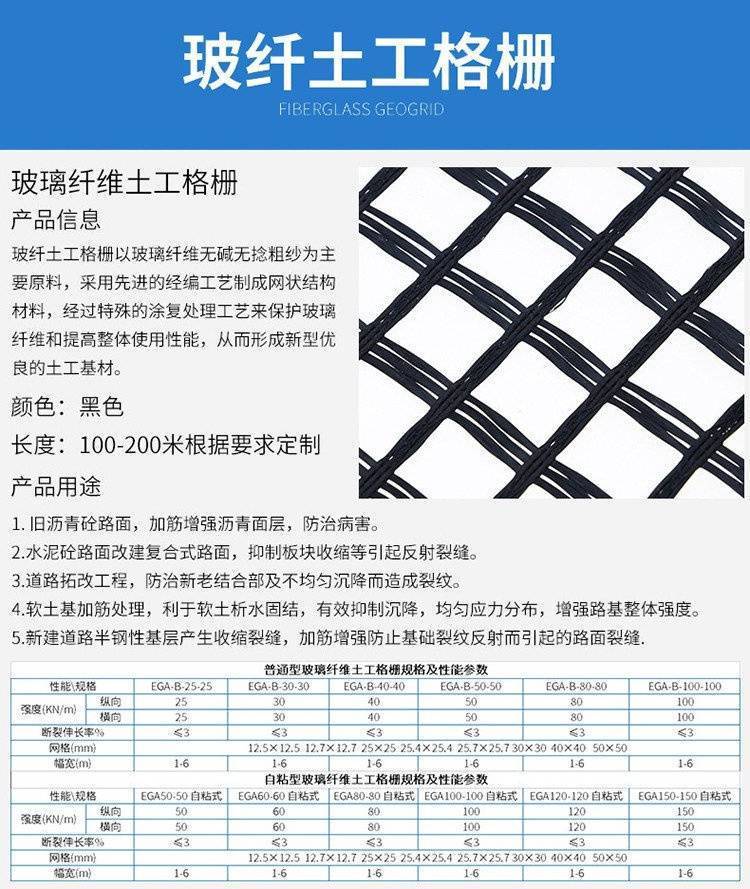
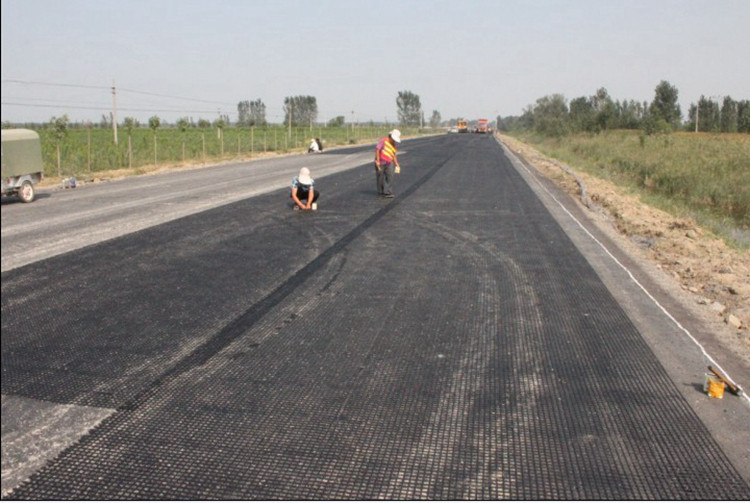
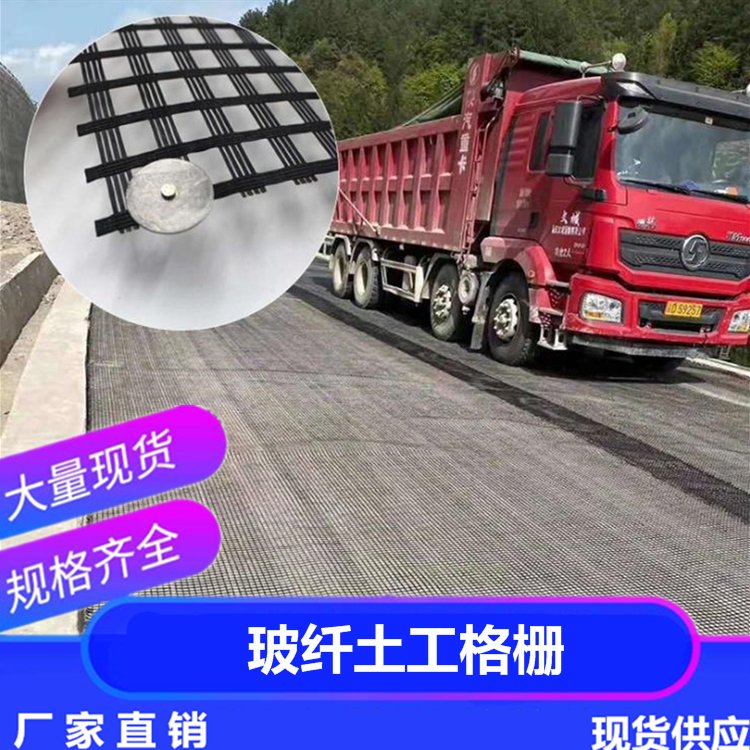
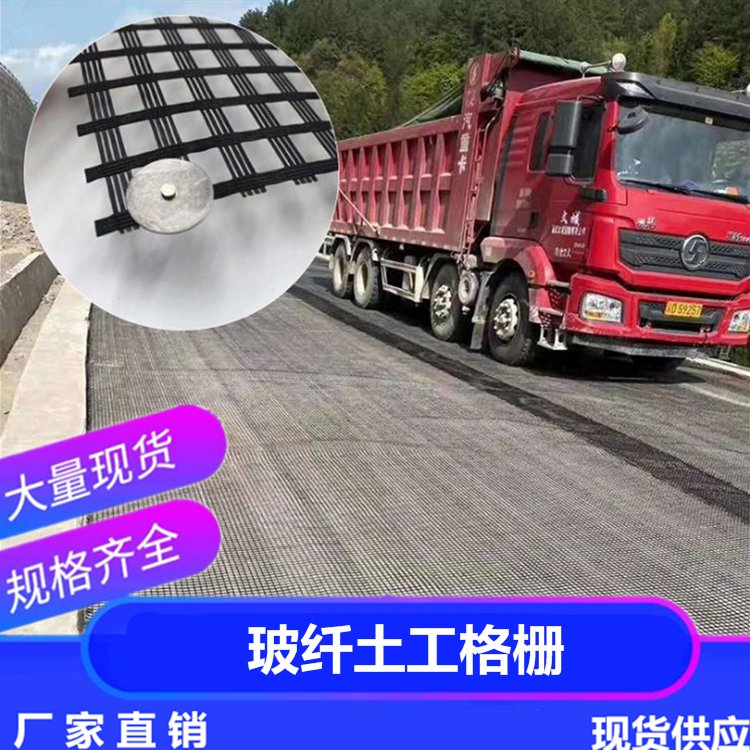
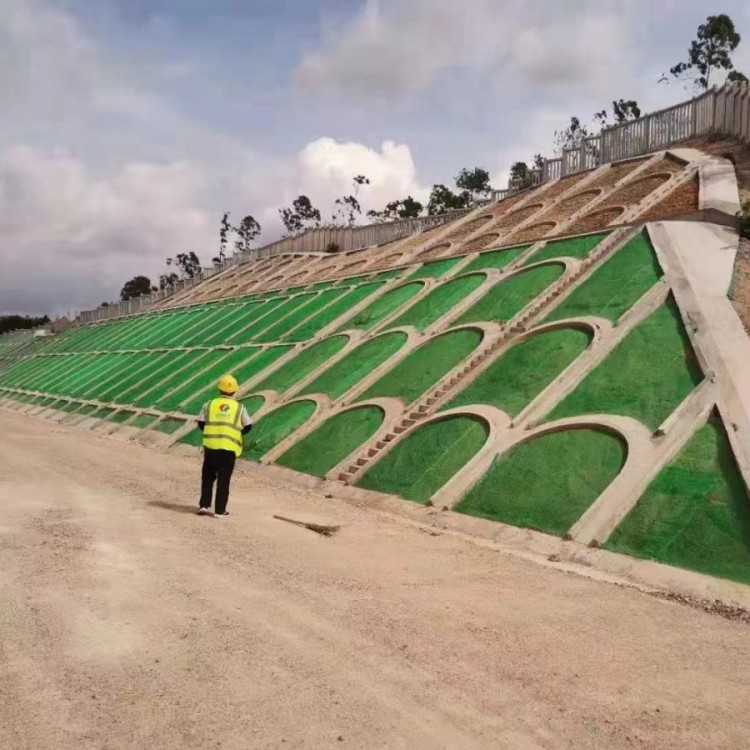
1. Our product boasts high strength, low elongation, high-temperature resistance, high modulus, light weight, good toughness, corrosion resistance, and long service life. It is widely applicable in projects such as the repair of old cement pavements, airport runways, embankments, riverbanks, slope protection, and road and bridge surface reinforcement. It can enhance and reinforce pavements, prevent rutting fatigue cracks, thermal expansion and contraction cracks, and reflective cracks below, and can also disperse the bearing stress of the pavement, extending its service life.
2. High tensile strength and low elongation: The glass fiber geogrid is made from glass fiber, and it also boasts a high modulus, providing excellent deformation resistance with a break elongation less than 3%.
3. No Long-Term Creep: As an reinforcing material, the ability to resist deformation under long-term loads, i.e., creep resistance, is crucial. Glass fiber does not creep, ensuring the product maintains its performance over the long term.
4. Excellent physical and chemical stability: After being coated with a special post-treatment agent, the glass fiber geogrid can withstand various physical wear and chemical erosion, as well as biological侵蚀 and climatic changes, ensuring its performance remains unaffected.
5. Excellent thermal stability: The melting point of glass fiber is above 1000°C, ensuring the stability of the geogrid under high temperatures during laying operations.
6. Aggregate Locking and Restraining Function: Due to the mesh structure of the glass fiber geogrid, aggregates in asphalt concrete can penetrate through it, forming a mechanical locking. This restraint hinders the movement of aggregates, allowing the asphalt mixture to achieve a better compaction state, higher load-bearing capacity, improved load transfer performance, and less deformation under load.
7. Compatibility with asphalt mixtures: The material coated on the glass fiber geogrid during the post-treatment process is specifically designed for asphalt mixtures, with each fiber thoroughly coated. This results in a high compatibility with asphalt, ensuring that the glass fiber geogrid does not isolate from the asphalt mixture within the asphalt layer but is firmly bonded together.
8. Fatigue Crack Resistance: The glass fiber geogrid, when incorporated into the asphalt surface layer, disperses the compressive and tensile stresses generated by the wheels passing over the road. It forms a buffer zone between the two stress-bearing areas, allowing for gradual stress changes rather than abrupt shifts, thereby reducing the damage to the asphalt surface layer from sudden stress changes. Additionally, the low elongation of the glass fiber geogrid minimizes the settlement of the road surface, ensuring that excessive deformation is prevented.
9. High-Temperature Traction: The use of glass fiber geogrids in asphalt pavement layers serves as a skeletal role. The aggregates in asphalt concrete pass through the grid, forming a composite mechanical interlocking system that restricts aggregate movement, increases the lateral restraint in the asphalt pavement layer, and binds the various parts together, preventing the pavement from slippage and thereby resisting rutting.
10. Low-Temperature Shrinkage Crack Resistance: Under low-temperature conditions, asphalt concrete shrinks and generates tensile stress. When the tensile stress exceeds the tensile strength of asphalt concrete, cracks form. The application of glass fiber geogrids in the asphalt surface layer enhances the lateral tensile strength, significantly increasing the tensile strength of asphalt concrete. Additionally, even if cracks occur in localized areas, the stress concentration at the cracks is dispersed through the transmission of the glass fiber geogrid, preventing the cracks from developing into larger fissures.
11. Delayed Reduction of Reflective Cracks: Laying a layer of glass fiber geogrid on asphalt to suppress shear or tensile stresses caused by traffic loads, relieve strain, and act as a tensile reinforcement material for asphalt concrete, achieving the purpose of delaying and reducing cracks.
Glass Fiber Geogrid Applications
1. Aging asphalt concrete pavement, reinforced asphalt surface treatment, and disease prevention.
2. Concrete road reconstruction to composite surfaces, suppressing reflection cracks caused by plate shrinkage.
3. Road widening project, preventing cracks caused by the combination of old and new sections and uneven settlement.
4. Reinforcement treatment for soft soil foundation, facilitating water drainage and consolidation of soft soil, effectively controlling settlement, even stress distribution, and enhancing the overall strength of the subgrade.
5. New road semi-rigid subgrade may develop shrinkage cracks; reinforcing and enhancing it prevents the reflection of foundation cracks into pavement cracks.