








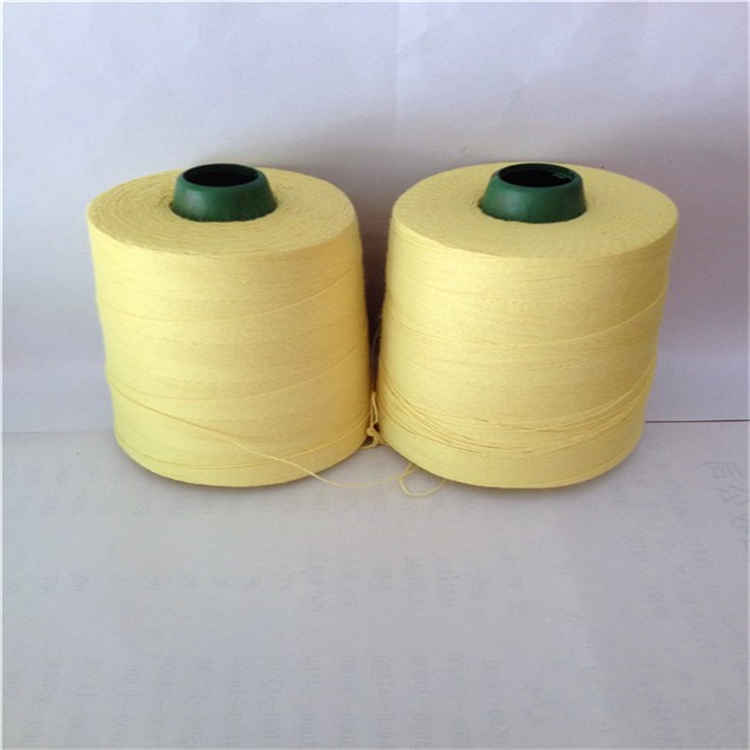

Aramid materials are widely used in electrical insulation and electronics fields, but they also face challenges. Efforts should be made to carry out projects such as transformers and transmission equipment to promote the application of this type of material in electrical insulation, continuously narrowing the gap between technological applications and foreign products. At the same time, it should also be encouraged to apply these materials in circuit boards and other areas to leverage their performance advantages, fostering better development in China's electrical insulation and electronics fields.
Aramid fiber molecules have a regular main chain, containing rigid crystal units that easily form液晶 shapes. When these rigid molecular chains are in the液晶 state, their concentration increases and they can form parallel arrangements. The internal molecular chain segments are highly ordered, allowing for the formation of extended chain structures without stretching, simply by spinning and orienting. This achieves high modulus.
Not only that, this structure allows for high-density, multi-layer stacking along the fiber orientation within limited space, resulting in a polymer with high strength. The molecular chains of aramid fibers are highly oriented along the fiber axis, and the hydrogen atoms on the amide groups can form hydrogen bonds with electron-donating bases on another molecular chain, creating hydrogen bond crosslinks between the molecular chains.
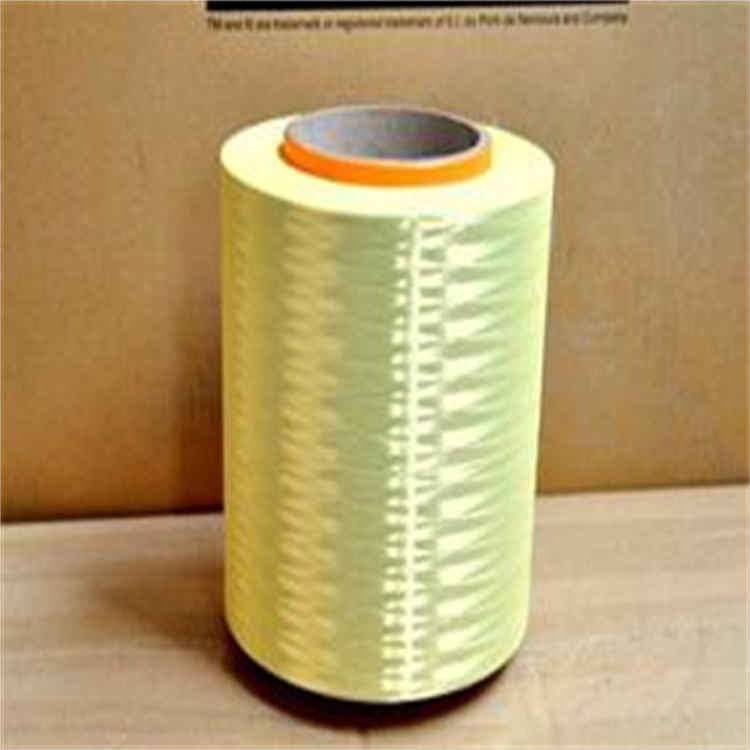
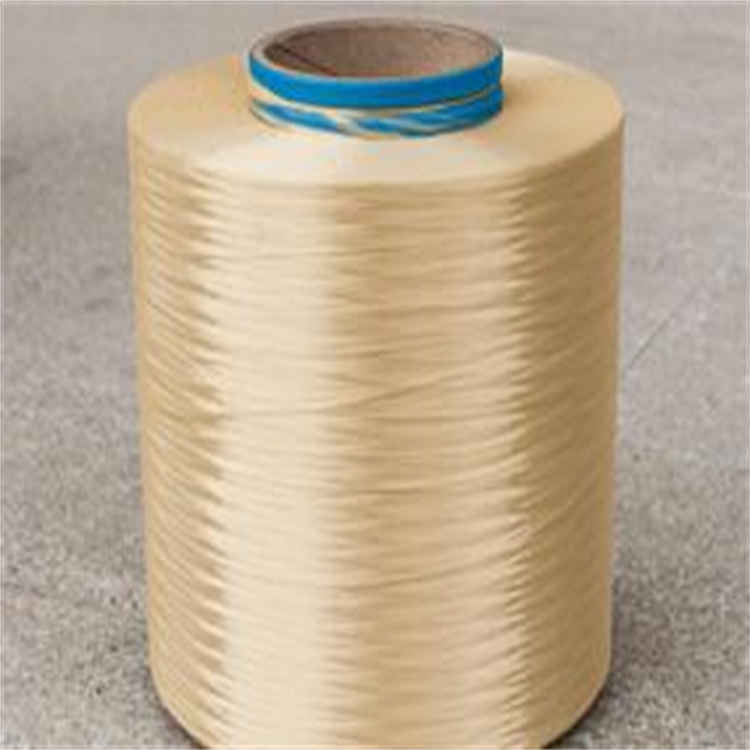
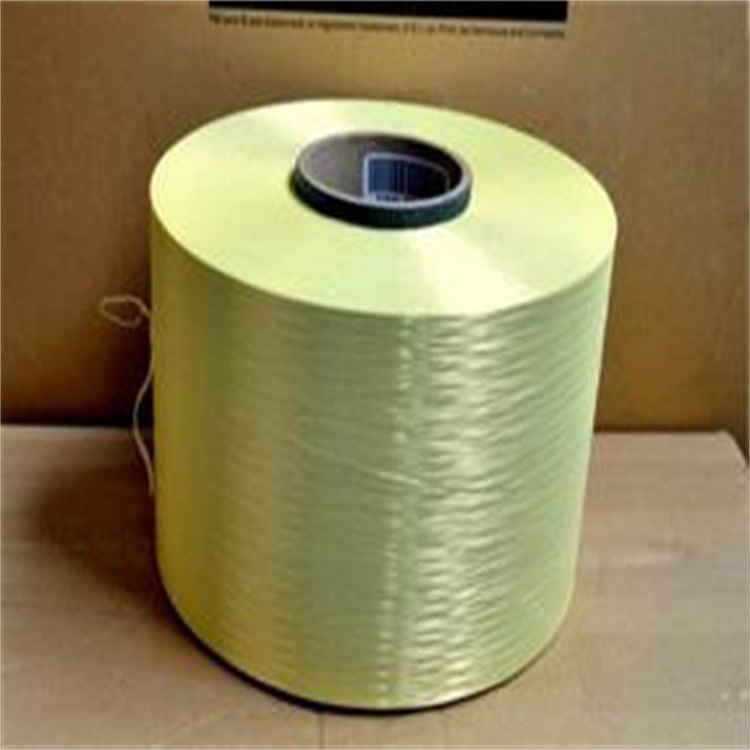
Aramid fibers exhibit excellent heat stability, with superior performance in withstanding both high and low temperatures. The density of aramid fibers is approximately 1.44 cm³, lower than that of carbon and glass fibers. Their weight is about 20% of steel, which is beneficial for lightweighting products and reinforced materials. The fibers have good flame-retardant properties and maintain their flame resistance regardless of usage time or washing frequency. Additionally, they offer excellent insulation and anti-aging characteristics. Moreover, aramid fibers have good heat stability, with minimal impact from both low and high temperatures on their performance. A drawback is that the fibers have strong moisture absorption, which can affect their properties after absorbing moisture.
Aramid fibers include various forms of supramolecular structures, such as skin-core, mesophase, and microfiber structures. The crystallinity of the fiber's skin is less than that of the core, with the skin thickness ranging approximately from 0.1μm to 1μm (which differs depending on the fiber type and spinning process).
The core layer is composed of single crystals aligned along the fiber axis. The microcrystals in the core layer are not as high as those in the cortex. The molecules within the fiber are nearly parallel to the fiber axis vertically and parallel to the hydrogen bond lamellae horizontally.