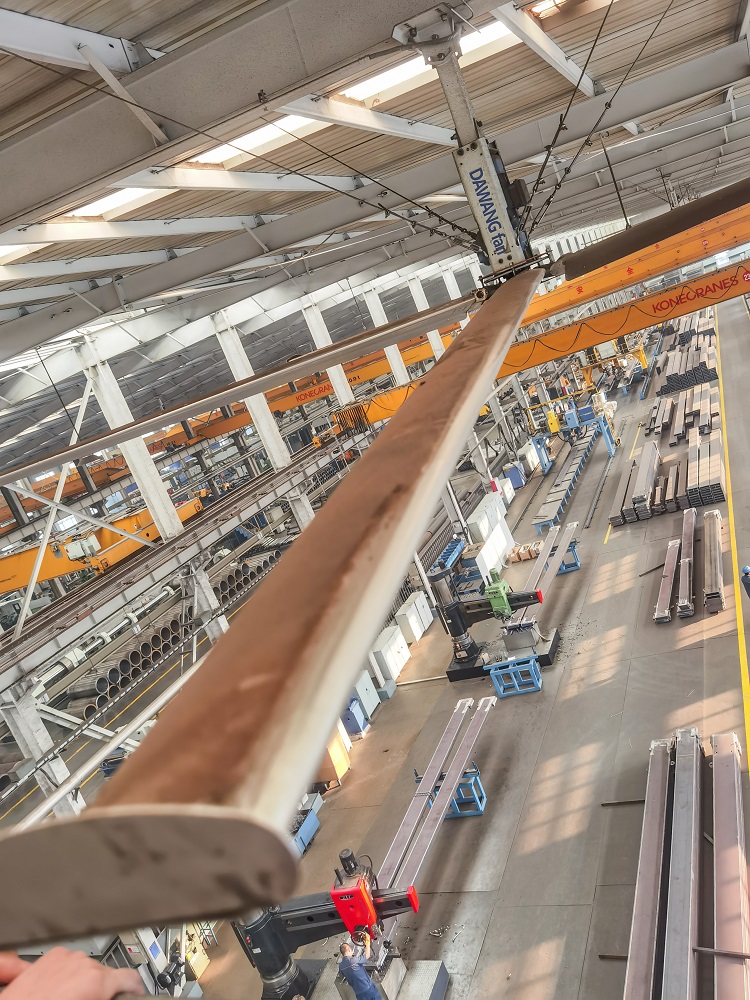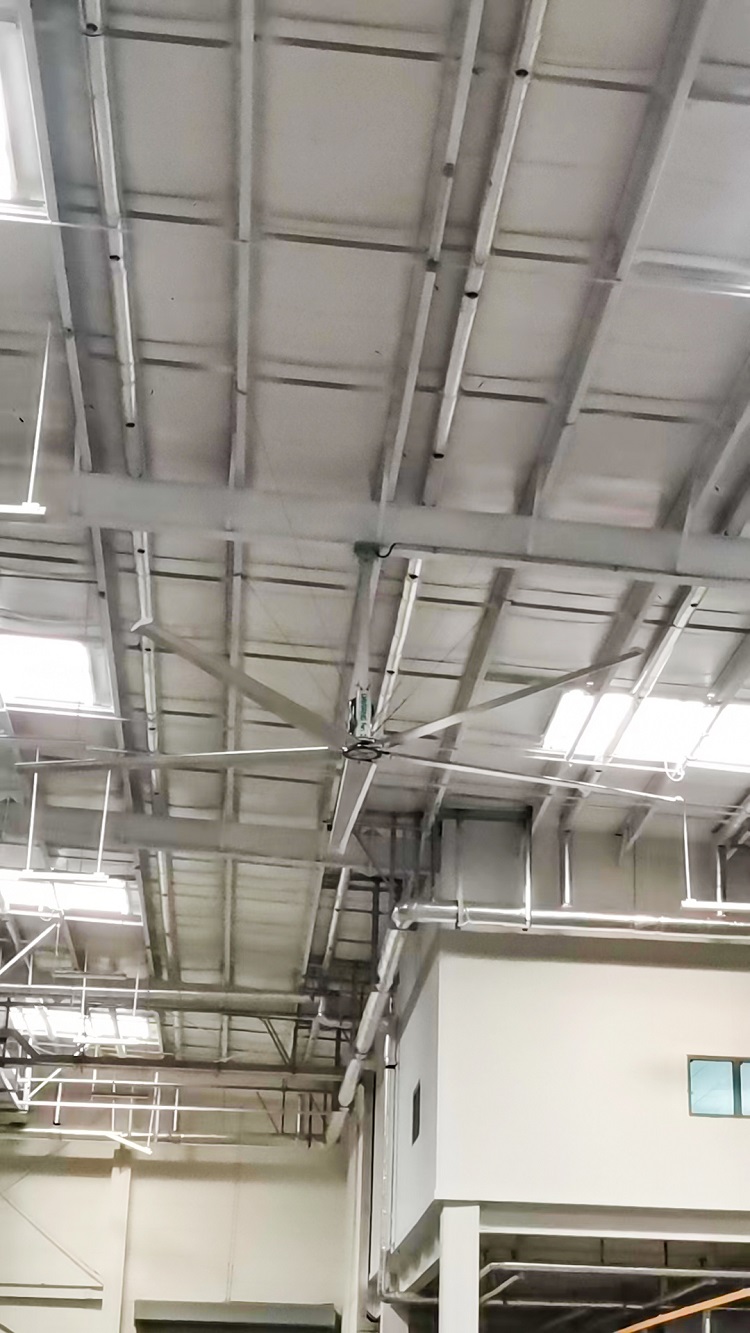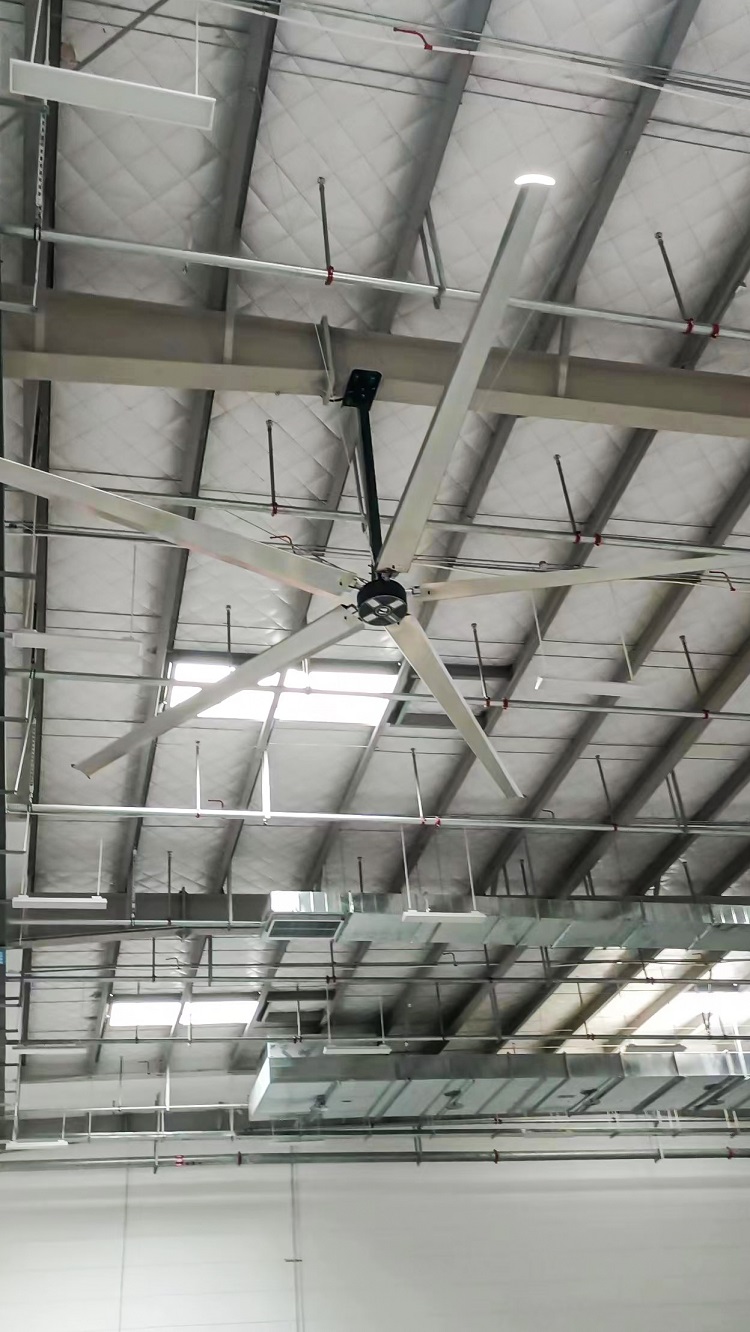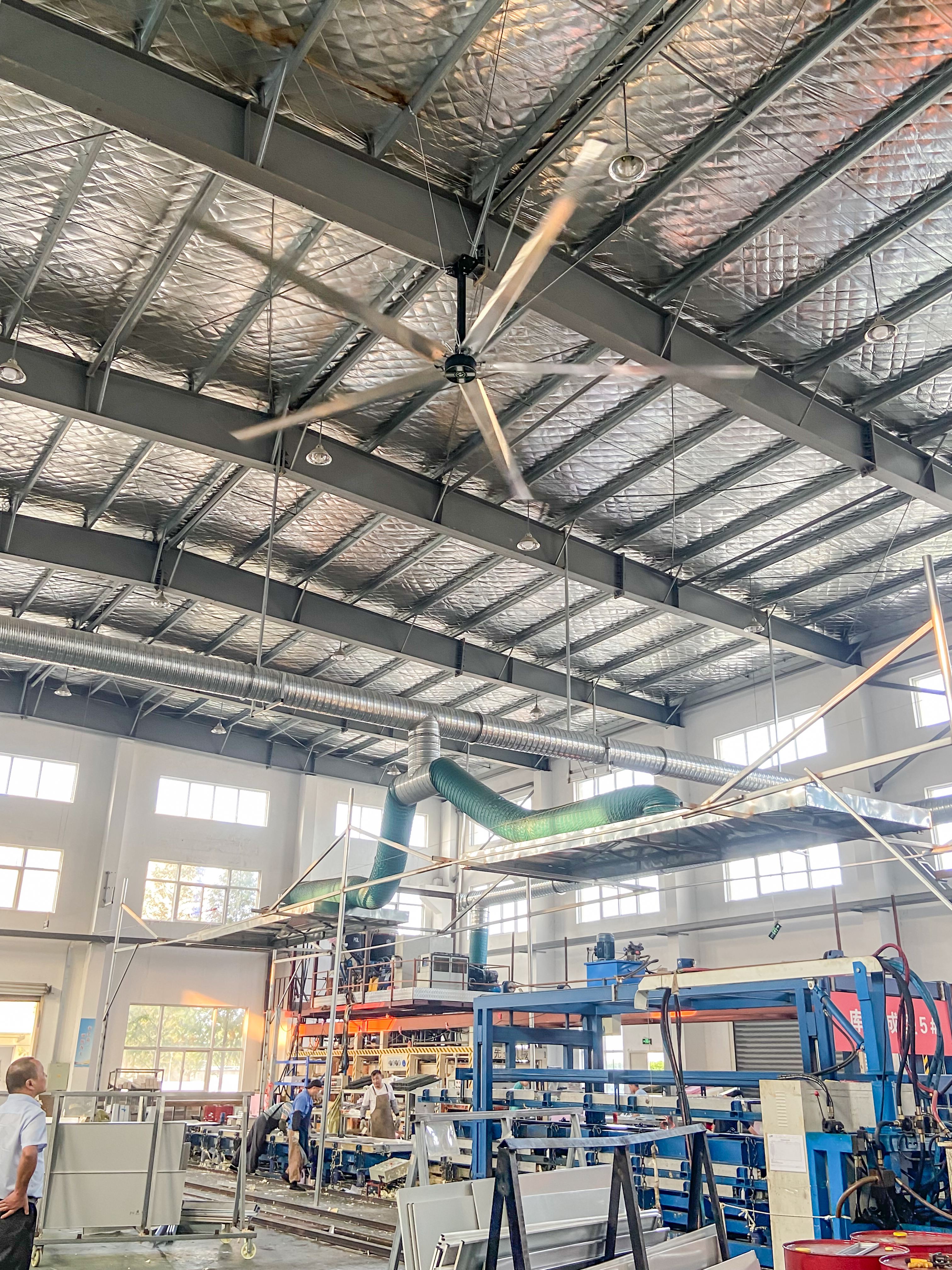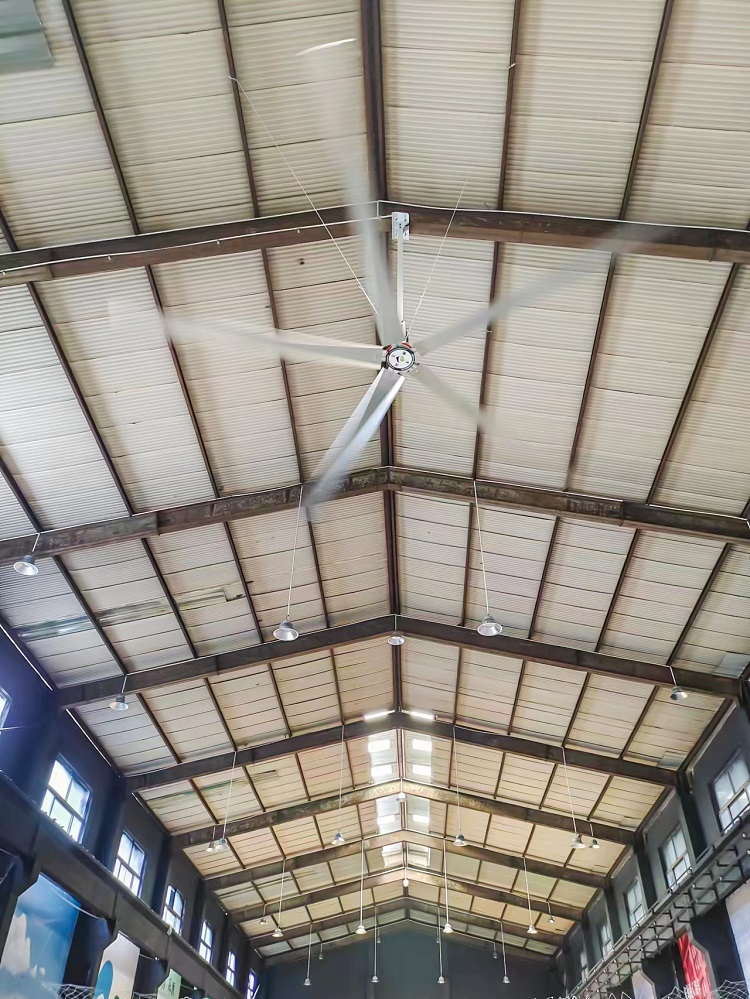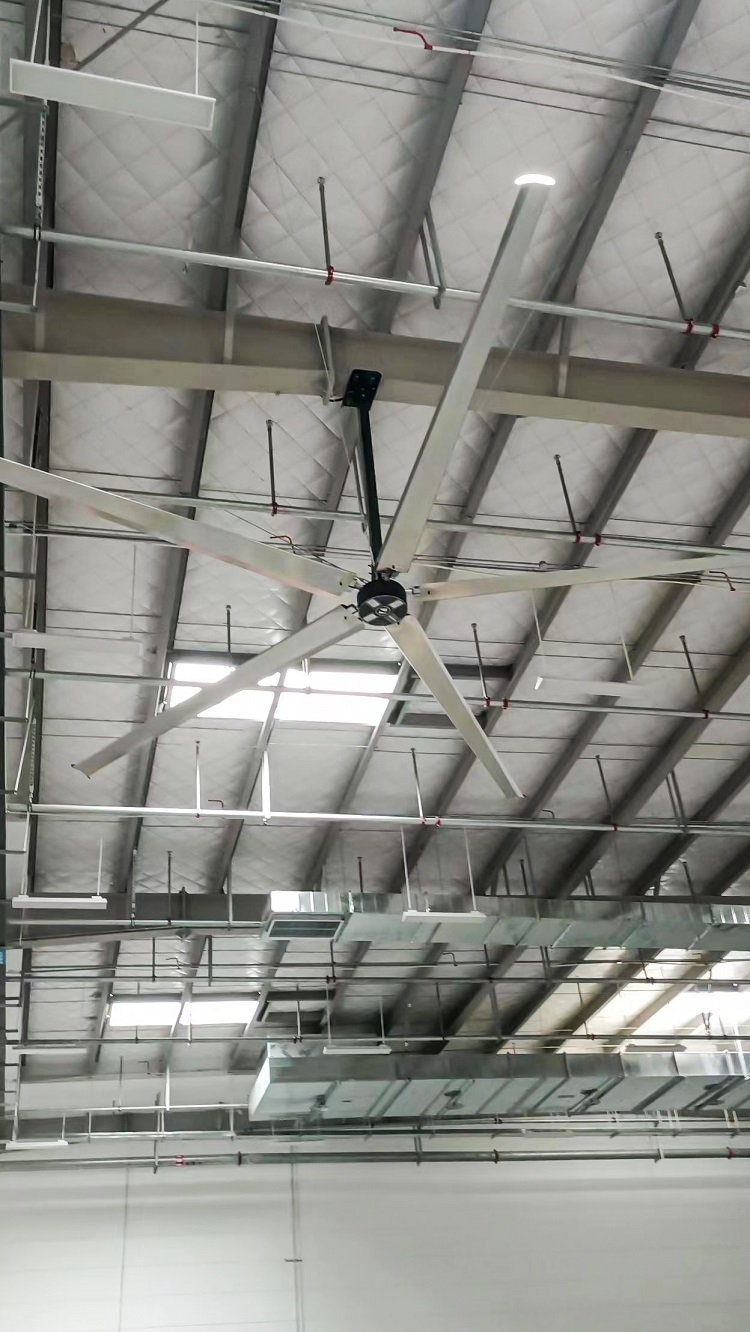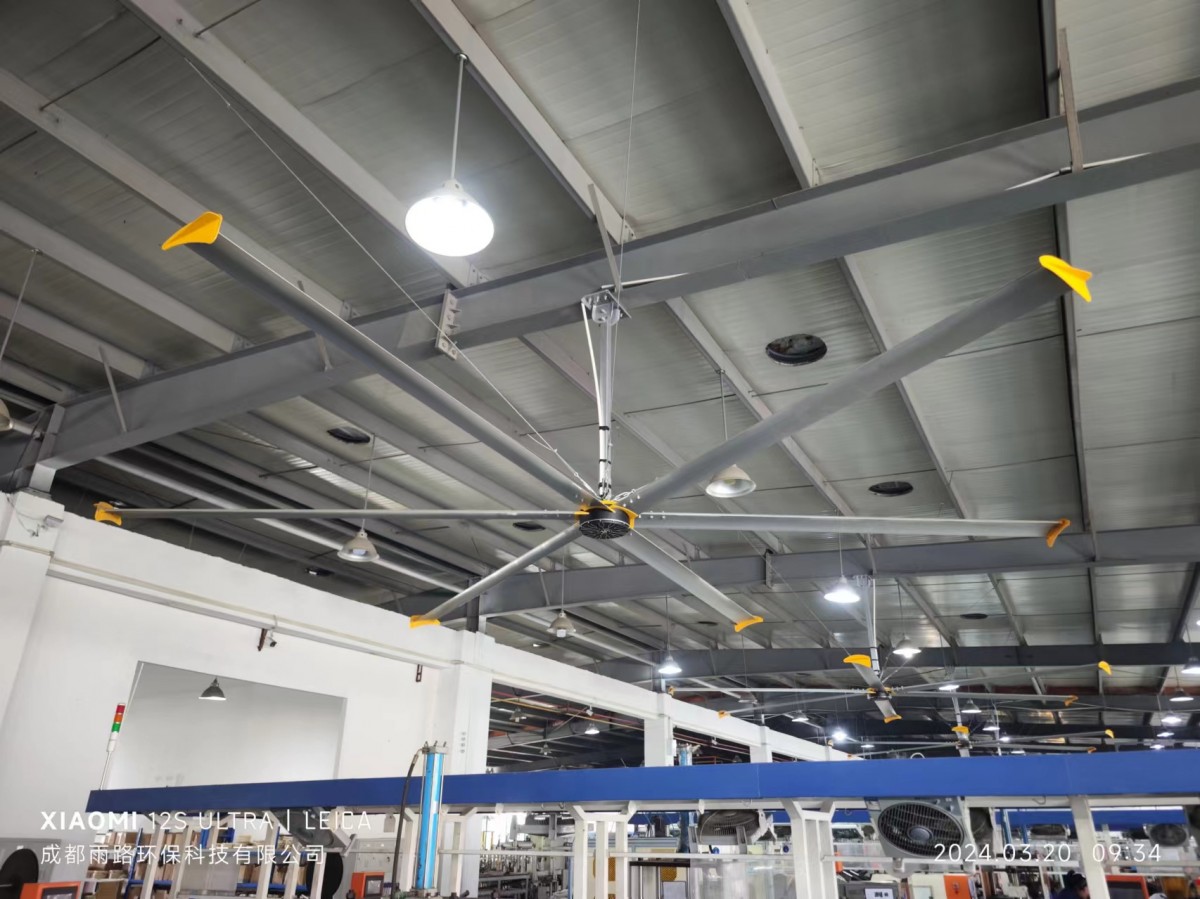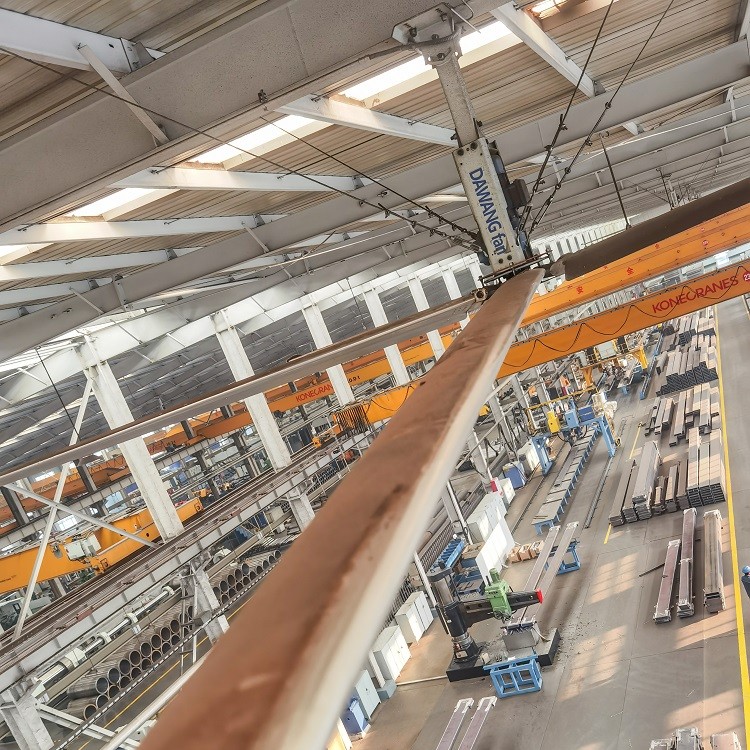

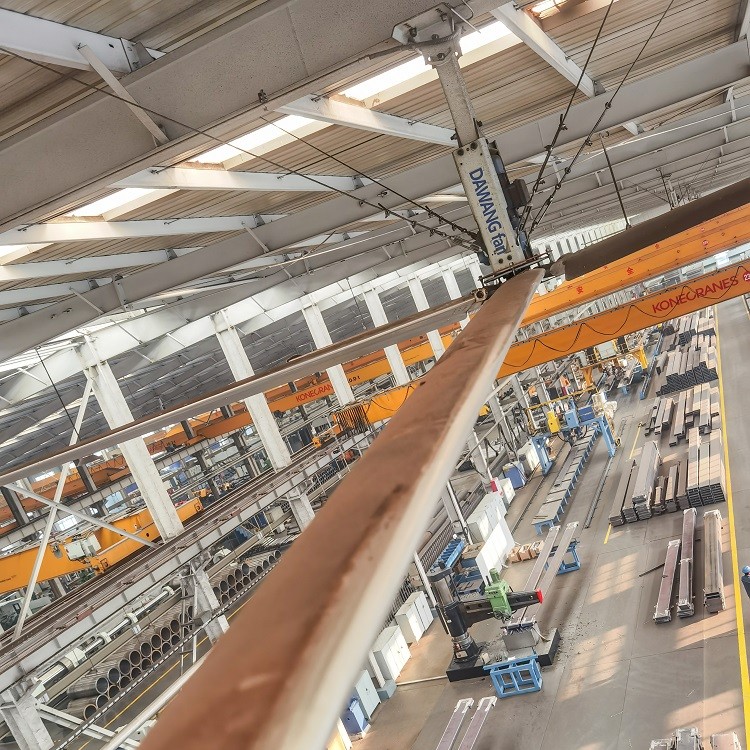
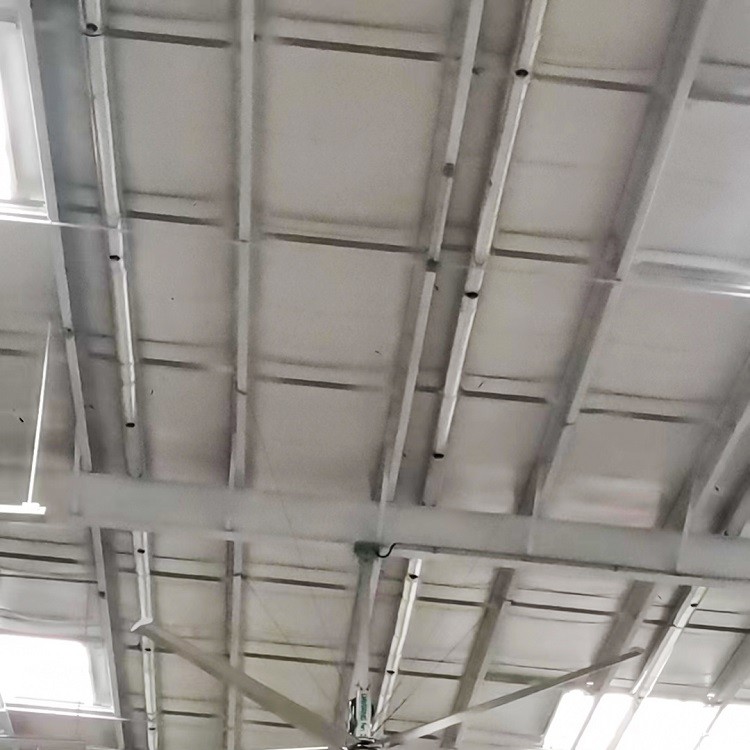
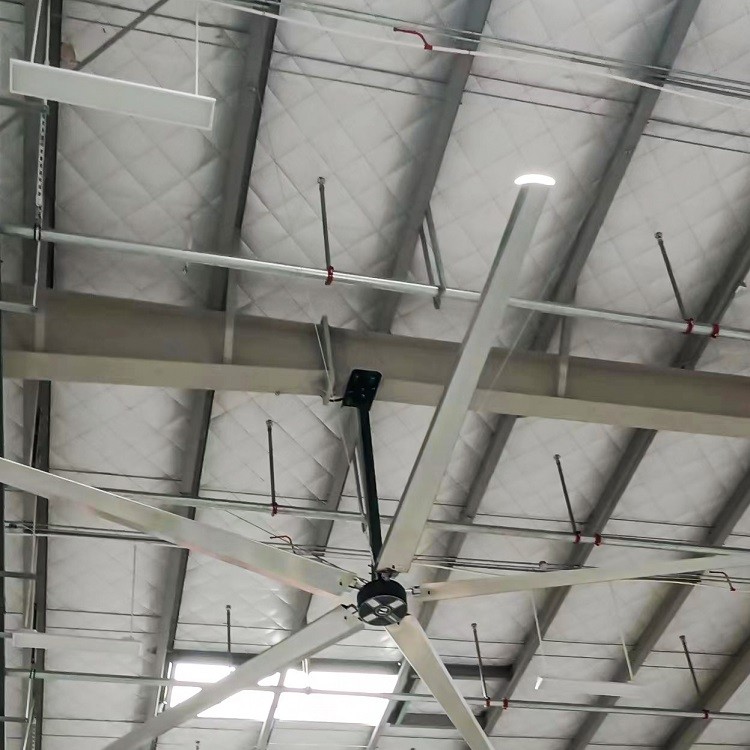


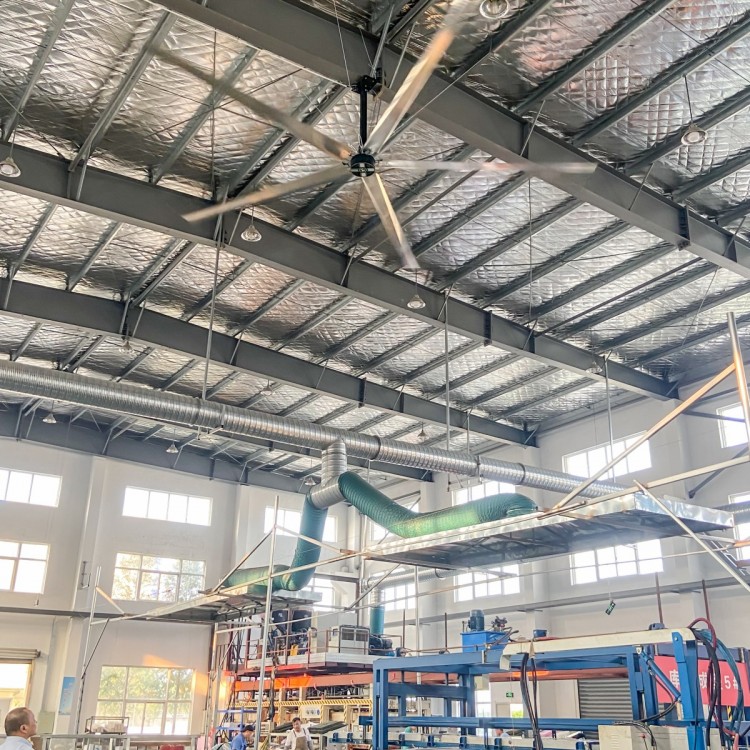
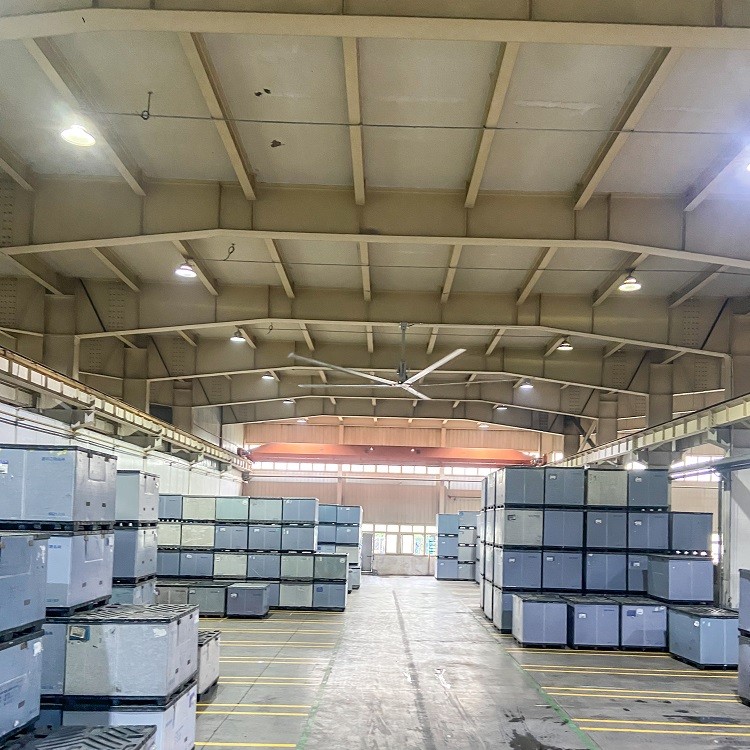
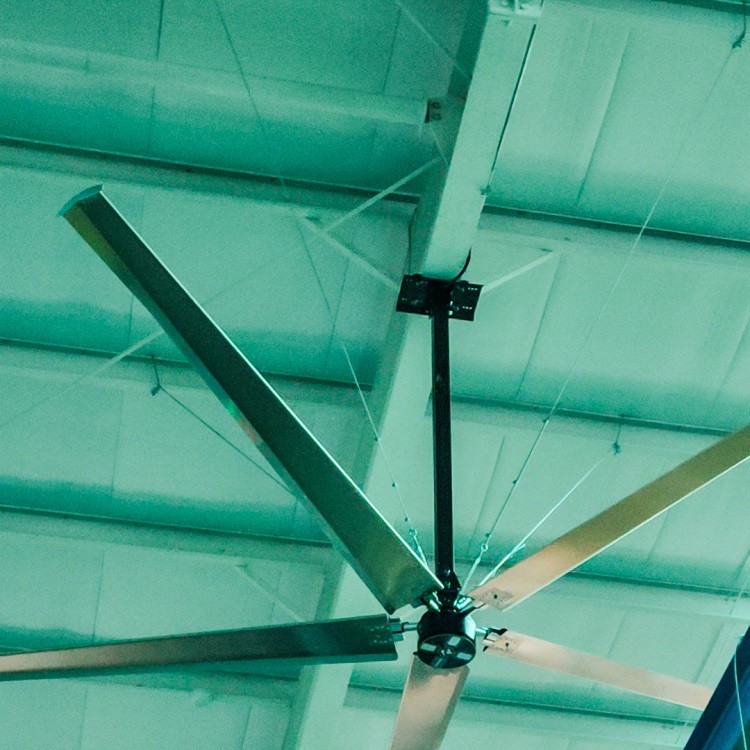
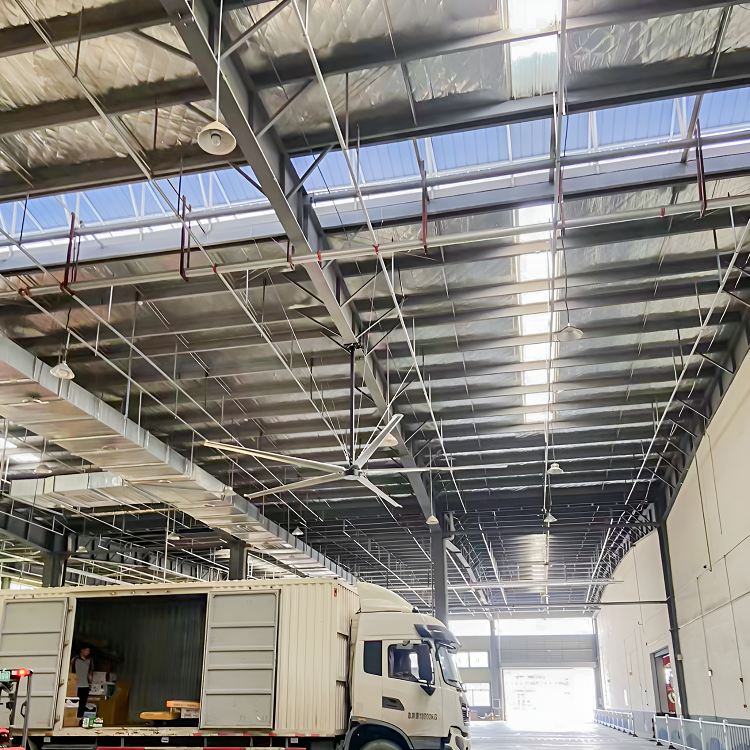





· 15,072 m³/min full load air volume
·1.5 kW/h motor power
In recent years, an increasing number of workshops, factories, and warehousing logistics facilities have been utilizing industrial fans for ventilation and cooling, making industrial fans a powerful tool for enhancing recruitment efficiency and reducing the turnover rate of frontline employees.
Safety of industrial large fans is crucial during use, as it directly affects the production safety of the enterprise. Industrial fan safety encompasses both the product's inherent safety features and maintenance during usage.
Safety features include the connection methods of all components, shock-absorbing cushions, wire rope protection, blade material, and abnormal alarm systems. The safest connection method for industrial large fans is the mortise and tenon joint, and the safest blade material is aviation-grade aluminum plate. Integrated hub bodies are safer.
Maintenance includes regular inspections, dusting, adding lubricating oil, and checking for fan cracks.
Regular maintenance includes inspecting electrical wiring, screws, bearings, the insulation capability of insulating materials, and the grounding devices of motors. Dust can reduce insulation capacity, so it is crucial to frequently clean dust and dirt from the outside of the motor base. Traditional reducers require lubricating oil, so it is necessary to clean or replace the oil every 3-6 months. Cracks can lower the fan's risk resistance, making it important to check them before use or during regular inspections.
If the motor head of the industrial large fan vibrates during use, the power must be turned off immediately and inspected promptly. Also, if the speed, power, air volume, or noise deviates abnormally, timely inspection is required to prevent an increase in the risk factor.
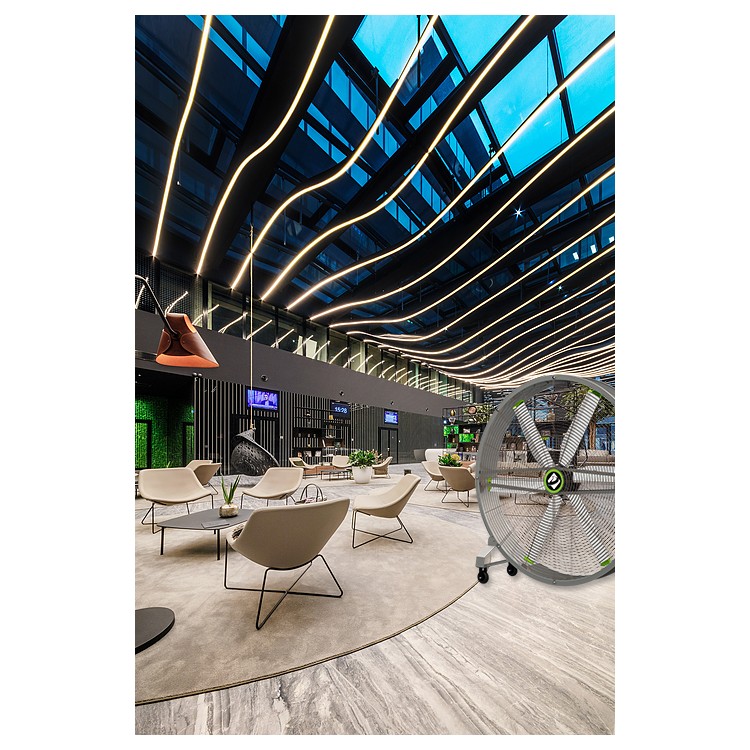
Industrial fans are primarily used for ventilation and cooling in workshops, warehouses, and logistics, and are categorized into industrial ceiling fans, industrial cow horn fans, and industrial floor fans.
Industrial large fans are designed using aerodynamic principles, with streamlined blades that can move a large volume of air with minimal power. The specifications and power vary; generally, the larger the diameter, the higher the power and the larger the coverage area. For instance, an industrial large fan with a 7.3-meter diameter typically has a power rating of 1.5KW/H and can cover an area of up to 1900 square meters per unit. A 3.6-meter diameter industrial large fan usually has a power rating of 1.1KW/H, covering an area of 380 square meters per unit.
The standard industrial ceiling fans available are 7.3 meters, 6.1 meters, 4.9 meters, 3.6 meters, 3.1 meters, and 2.5 meters. Users can reasonably select the appropriate size based on the actual workshop area, dimensions, staff positions, and workshop environment.
The main component of the industrial cow horn fan is an AC motor. The energized coil rotates under the influence of the magnetic field, with a diameter ranging from 560mm to 780mm, and a corresponding power of 180W to 280W.
Industrial pedestal fans' main component is also the motor, with sizes ranging from 10 inches to 20 inches, and corresponding power varying from 80W to 150W.
Industrial ceiling fans effectively cool and ventilate the entire workshop, with their continuous 3D circulation system reaching every corner. The coverage area of a single industrial ceiling fan is equivalent to that of dozens of industrial cow horn fans or industrial floor fans.
There are various methods for waste disposal in our country, such as recycling, sanitary landfilling, incineration, and composting. The disposal methods vary depending on the type of waste. Currently, waste incineration for power generation has become the mainstream approach. Many cities are concentrating on incinerating domestic waste to achieve reduction and non-hazardous disposal, while the heat generated from the combustion can be used for power generation, realizing waste recycling.
The widespread adoption of waste incineration for power generation in big cities is not only due to its harmless and reduced treatment of waste, but also because its concept of sustainable development and resource reuse has gained widespread social recognition.
Waste incineration power plants are fundamentally different from other power plants. Each fuel composition in a waste incineration plant varies, as does the design requirement for ventilation equipment. The fuel for waste incineration power plants is complex domestic waste, whereas for conventional power plants, it's coal and others. Therefore, the ventilation design process must also be distinct from other power plants.
The characteristics of waste incineration power plants include: Firstly, the pollution generated during the waste disposal process, such as odor and microbial pollution, which must be effectively treated to prevent significant impacts on local health. Secondly, secondary pollution may occur during the waste treatment process. Therefore, waste incineration power plants must incorporate ventilation design during waste handling. This design should not only meet the requirements of the construction and power industries but also cater to specific needs of the waste-to-energy plant to ensure no secondary pollution is produced during power generation and to minimize environmental impact.
The waste pool employs a ventilation system with mechanical exhaust and natural makeup air. The mechanical exhaust utilizes industrial fans, with a wind volume of 14,130 m³/min. Due to the exceedance of pollution indicators such as CODcr, BOD5, NHs-N, and the presence of corrosive gases and pollutants like halogenated aromatic hydrocarbons, viruses, and heavy metals in the leachate, it is advisable to select anti-corrosion and explosion-proof industrial fans.
The odor from waste incineration power plants is mainly concentrated in areas such as the waste pool, unloading hall, and near the magnet separator. Employees should pay special attention to deodorization in these locations. Install industrial fans for deodorization in the feed hall and ash room, and utilize physical technology for deodorization.
Waste incineration power plant ventilation technology is a new technique that can address the secondary pollution issues caused by waste incineration, playing a better role in environmental protection. Due to the high density of people in waiting rooms, a significant amount of dust, odors, and carbon dioxide can be released, along with a variety of microorganisms. Combined with poor ventilation and other biological pollutants, they can survive and spread in certain environments for a long time. If the total PM10 and PM2.5 levels are excessive, it can easily lead to the spread of respiratory diseases. Although there is a unified cleaning and disinfection program in waiting rooms, including cleaning the floor, seats, and handrails, such disinfection is far from sufficient.
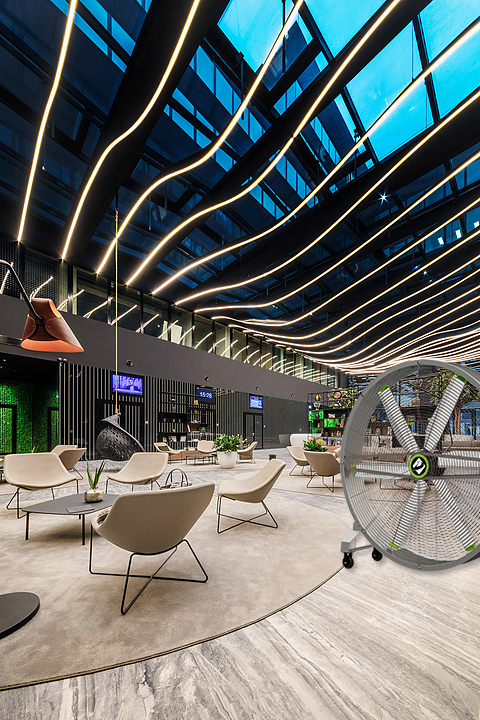
To compensate for the insufficient fresh air in the air conditioning system, some waiting rooms are now employing large industrial ceiling fans to address this issue. With the use of these large industrial ceiling fans, the massive blades propel a vast amount of air, energizing the atmosphere in the waiting room. The air exchange rate can reach 60-120 times per hour, improving the stale air within the waiting room to create a fresh, comfortable environment. Additionally, by slightly increasing the air conditioning temperature by 1-2°C, considerable electricity costs can be saved without compromising the pleasant waiting experience.
The waiting room has become popular among passengers after installing large industrial ceiling fans, so the price has caught the attention of the railway operation department. Generally, the price is influenced by factors such as overall material and installation services.
The motor of our Da Wang ventilation series large industrial ceiling fans is divided into a reducer motor and a permanent magnet synchronous motor. The permanent magnet synchronous motor features maintenance-free operation, eliminating the need for regular maintenance and saving on subsequent maintenance costs. Additionally, the one-piece hub is manufactured from 7075 aerospace-grade aluminum, processed on CNC lathes and utilizing CNC precision machining techniques. This not only ensures the high quality of the hub but also its high precision, with tolerances for each part controlled within 100μm. It also resolves material strength issues at the mating points with the motor shaft.
Each hub, after being machined and formed, undergoes precise dynamic balancing tests to ensure the large fan rotor has excellent balance performance, thereby enhancing the fan's safety as well.
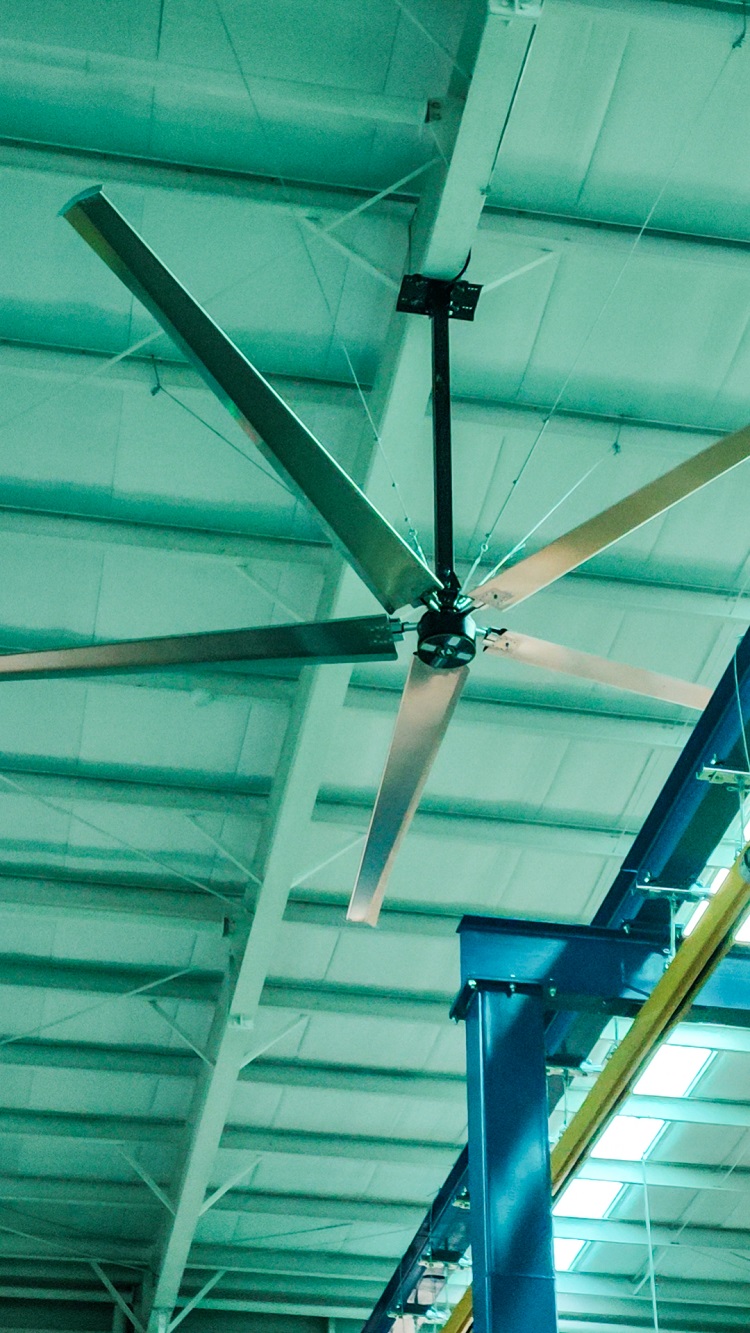
Large industrial ceiling fans feature blades made from 5052 aircraft-grade aluminum, capable of withstanding over 3 tons of tensile force, and won't break upon accidental impact. Designed according to aerodynamic principles, they have low wind resistance, fully converting electrical energy into kinetic energy, ensuring more even air volume distribution without any hollows in the center.
Safety is of paramount importance in production, and the alarm bell must be sounded at all times. The Da Wang ventilation series of large industrial ceiling fans ensures the overall safety of the fan by using a full mortise and tenon structure. The motor and base, the base and the blade shaft, and the blade and the blade shaft are not only connected by normal reinforcement but also designed with mortise and tenon structures for double insurance.
Choosing the right large industrial ceiling fan determines its later performance and safety. Only with good performance, no accidents, low maintenance costs, and a long service life can you enjoy it comfortably, safely, and with ease.
As the most facility-complete and hardware-improved gym among the existing sites in Texas, the main court of the 2600㎡ DeSheng Huangchi Orange Basketball Park utilizes multi-layer shock-absorbing joists. The wooden flooring within the venue offers excellent court feel, benefiting both knee protection and avoiding unnecessary sports injuries.
DeSheng features cutting-edge sports technology with AI video capture of goals. Using artificial intelligence algorithms, it captures, edits, and showcases every moment of a goal from multiple angles! Based on big data analysis, it automatically generates multi-camera highlight reels, allowing you to easily share with background music and an impressive soundtrack, making your朋友圈 witness the exciting moments!
Dezhou is located in the northwestern part of Shandong Province, north of the lower reaches of the Yellow River, between 115°45′E to 117°36′E longitude and 36°24′25″N to 38°0′32″N latitude. It is significantly influenced by monsoons, with distinct seasons characterized by cold and hot, dry and wet weather. The summer is particularly hot and rainy. The indoor basketball courts during the summer are not only stuffy with people but also the wooden floors are prone to damage due to direct sunlight, poor ventilation, and slippery conditions during the rainy season. Although DeSheng has installed air conditioning, the indoor ventilation issue has been a persistent concern for the management.
To address issues such as high energy consumption for ventilation and air conditioning in tall buildings, and climate challenges, Desheng Management has been seeking large-scale ventilation equipment. The Da Wang oversized fan, boasting a stable torque of 260 N.m and a full-load air volume of up to 15,072 m³/min, has caught the eye of Desheng Management. The IE4 energy-saving standard, maintenance-free motor that doesn't require oil or seal changes, and the structural design with mortise and tenon joints at critical locations have all been highly appreciated by Desheng Management!
The King ventilation engineer designed an installation plan based on the layout and height of the basketball court, installing 3 W.FANS series ultra-large fans. The low-speed, high-airflow, and corner-free air circulation eliminated the high temperature and stuffiness inside the basketball gym, balanced the air humidity, increased the oxygen content, and reduced indoor concentration.
In the summer, using extra-large fans in conjunction with air conditioning can raise the AC temperature by 2-3 degrees Celsius, resulting in a 30% reduction in overall energy consumption—a highly praised approach by Desun management!
Industrial ceiling fans have brought a breeze of coolness to factory workshops and warehousing logistics. Now, they are also used in other tall spaces such as waiting rooms in bus stations and indoor basketball gyms. There are many large fans on the market with similar external shapes but different internal structures, and there's actually a lot of thought that goes into this.
Industrial large fans with a decelerating motor, upon sudden power failure or power outage, the decelerator will directly lock up. However, the fan continues to operate, causing the blade and handle to generate a cutting force that continuously slices through the bolts. Bolts subjected to long-term cutting will loosen, leading to the potential for blade detachment or fall in industrial large fans that are solely secured by bolts, posing a serious safety hazard. In addition to bolt fastening, if a mortise and tenon structure is used, the tenon will automatically lock, preventing the blade from falling off.
Industrial large fans using permanent magnet synchronous motors will not experience the aforementioned issues during sudden power outages or blackouts. Their internal components will slowly rotate to a stop, preventing any sudden cutting force from the blades and stems to the bolts, eliminating the risk of blade detachment.
Reduced-speed motors and permanent magnet synchronous motors are the two most commonly used types of motors in the industrial large fan market. The lifespan of reduced-speed motors is typically 1-3 years, whereas the lifespan of the Da Wang Ventilation series permanent magnet synchronous motors is usually over 10 years. Reduced-speed motors contain gears internally, which create frictional losses, thus shortening their lifespan. In contrast, the Da Wang Ventilation series permanent magnet synchronous motors do not have components like减速机 (deceleration unit) and gears that cause frictional losses, which is why they have a longer lifespan.
Friction also results in power loss, which is why the efficiency of a decelerating motor is only around 78%, classifying it as energy-efficient. However, the King Ventilation series of permanent magnet synchronous motors can achieve an efficiency of over 95%, allowing for a 30% increase in energy savings.
Safety and energy consumption are the two major factors that industrial fan users consider, and these factors also determine the price range. Only products that are both reassuring and energy-efficient can adapt to the overall market trend and meet users' needs.
Shanghai is located between 120°52′E and 122°12′E, and 30°40′N and 31°53′N, with a north subtropical monsoon climate, distinct seasons, ample sunshine, and sufficient rainfall. Dongguan is situated between 22°39′N and 23°09′N latitude, and 113°31′E and 114°15′E longitude, featuring high temperatures year-round and abundant rainfall for most of the time. During the rainy season, warehouses with high humidity are prone to mold growth, leading to poor indoor air quality and product quality degradation. Additionally, the significant temperature difference between day and night can cause condensation, making the ground slippery and increasing safety hazards.
The Porsche China Parts Distribution Center has been searching for ventilation equipment capable of achieving three-dimensional air circulation in large spaces and removing moisture to address product quality issues caused by climate and ensure employee comfort. In comparing various ventilation systems, industrial floor fans stood out with their clear advantages, including cost, lifespan, and air flow volume. Among numerous industrial floor fans, the Da Wang Industrial Floor Fan stands out for its safety.
The engineer at Da Wang, after conducting on-site surveys of the Porsche China Parts Distribution Center's East China and South China warehouses, developed a plan. Based on the actual length, width, storage locations, and staff work areas of the warehouse, an optimized solution was implemented, including the installation of 16 W.FANS series industrial ceiling fans.
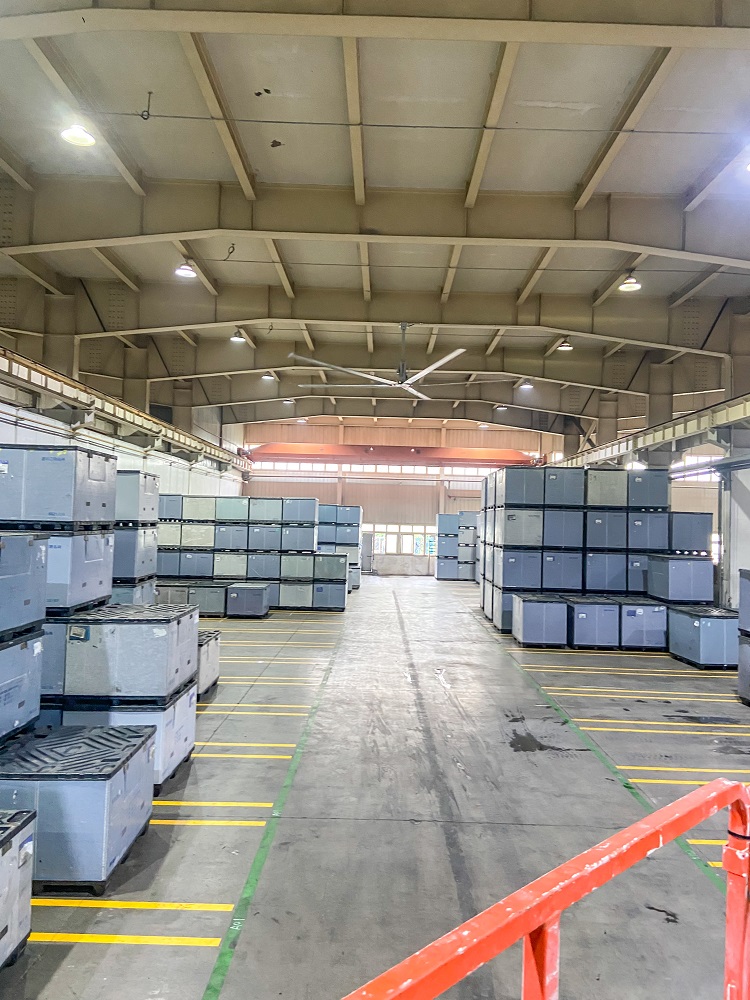
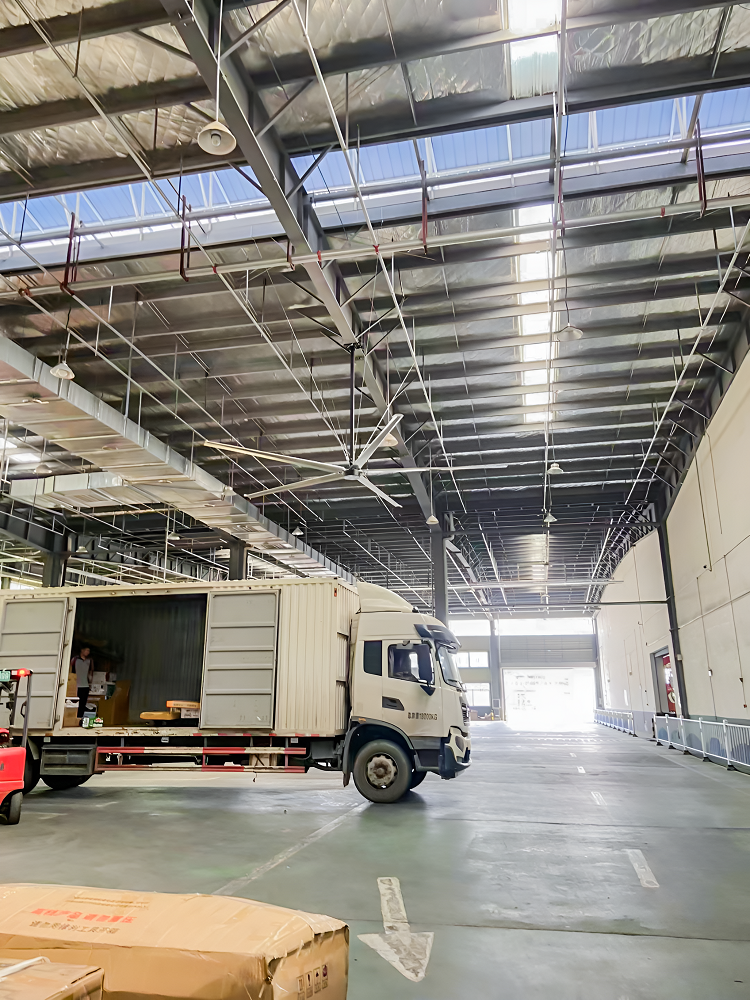
A 7.3-meter diameter industrial fan rotates slowly, its 360-degree three-dimensional circulation enhancing the air flow, accelerating air movement and moisture evaporation. This expels stale indoor air through doors and windows while drawing in fresh outdoor air.
During the rainy season, industrial fans remove the damp air from the warehouse, inhibit the growth of mold, and maintain Porsche's consistent excellent quality! At the same time, they reduce economic losses caused by the environment.
Rucker Park is a household name among basketball enthusiasts. As the basketball court of the world, it originated in New York, USA, and gained widespread recognition for its cool street style and the prowess of its players, many of whom later joined the NBA. With the street basketball culture wave sweeping across China, Mr. Dai Fugui, the founder of Rucker Park in China, brought the sacred street basketball haven to life in the country in 2006.
Shanghai Lock Park features an arched-roof basketball gym measuring 38 meters wide, 70 meters long, and 8 meters high at the edges, with 4 standard basketball courts. To ensure air circulation and cooling within the facility, two 8-meter diameter King Ventilation safety fans were installed on the roof. To minimize disruption to the gym's operations, the managers chose to conduct the installation at night. To protect the gym's floor, engineers from King Ventilation laid panels on the ground before installation and used an elevator for rapid assembly. In one night, both fans were successfully installed.
By utilizing safety large fans to enhance air circulation, players and spectators no longer have to endure polluted air and the chill of air conditioning. The gym's electricity bill can also be reduced by tens of thousands. The gentle breeze from the safety large fans won't affect the game, maintaining the integrity of the match. In winter, the safety large fans can recirculate the trapped warm air from the ceiling back to the ground, thus keeping the heating low and comfort high.
The Wuhan Metro Line 5, situated on the south bank of the Yangtze River in Wuhan, runs through the entire Wuchang District from north to south, serving as a crucial passenger transport route to the Shunjiang direction. It spans 32.3 kilometers with 25 stations along the route, starting at the South Third Ring Station and ending at Wuhan Station. There are 4 elevated stations and 21 underground stations, with a maximum operating speed of 80 kilometers per hour and driverless trains in use.
Wuhan is located in the eastern part of the Jianghan Plain, where the Yangtze River and Han River converge in the middle reaches. It has a subtropical humid monsoon climate. July marks the peak of summer, with temperatures often ranging from 37-39°C, and high humidity often makes it feel muggy and uncomfortable.
To enhance passenger comfort, the vehicle employs lateral air ventilation to avoid direct airflow towards the passengers' heads. The vehicle is also equipped with an air purification system to ensure the air quality. To improve the working environment for maintenance staff, this subway line uses oversized fans for ventilation and cooling.
The subway maintenance section is approximately 200 meters long and 15 meters high, featuring an I-steel roof structure. Standard fans and cow horn fans are insufficient for ventilation and cooling during operation. The advantage of the oversized fans lies in their ability to ventilate and cool large spaces. With 7.3-meter diameter blades, these fans can generate a large amount of natural-like air circulation, allowing sweat to evaporate quickly, resulting in a perceived temperature drop of 5-8°C. Therefore, the Wuhan Subway Group chose the oversized fans for ventilation and cooling.
In comparing numerous large fan manufacturers, Wuhan Metro Group places a greater emphasis on the safety performance of large fans. They understand that the mortise and tenon structure used in large fans is safer than the rigid bolt connections, as it can eliminate the centrifugal and shearing forces during operation. Therefore, Wuhan Metro Group has chosen the independently intellectual property-owned Da Wang Ventilation Large Fan to enhance safety in work.
The Dapang Ventilation Department staff conducted a site survey upon receiving the task, measuring the layout and optimal ground distance for the oversized fans to ensure full air volume coverage across the site. Engineers swiftly transported each oversized fan into the work area, with the articulated arms carefully and methodically lifting personnel and fan components to high altitudes until reaching the installation points. With the installation of two batches of 36 oversized fans completed in Wuhan Metro Line 5, the construction phase of the Zhangjiawan Main Transformer Cable Channel Trenching Project has officially commenced.
A short video titled "Xixian Flood Disaster: Tea Company's 3,000 Tons of Tea Soaked, Losses Reach 90 Million Yuan, Manager in Tears" has gained widespread attention online. The manager, to help tea farmers get through the tough times, bought more tea than usual. However, the unexpected heavy rain flooded the tea company's warehouse, resulting in massive losses, and now, the manager is unable to even pay the workers.
Actually, disasters are never far away. Faced with heavy rain, how can tea companies take preemptive measures to protect their tea?
Water is a necessary medium for the reaction of various biochemical components in tea leaves, and it is also the main factor for mold formation and a necessary condition for microbial proliferation. Generally, the higher the moisture content of tea, the faster it ages. When the moisture content exceeds 6.5%, it will produce stale air after 6 months. When the moisture content exceeds 7%, the taste will gradually deteriorate. Mold is prone to develop within a short time when the moisture content reaches 8.8%. When the moisture content exceeds 12%, mold will thrive and produce a musty smell. Therefore, for high-quality tea with good price, the moisture content should be between 4%-5%, followed by 6%, not exceeding 7%.
Tea companies should store a large volume of tea leaves in low-temperature, low-humidity, and sealed cold storage facilities for optimal preservation and cost-effectiveness. The warehouse temperature should generally not exceed 5°C, with humidity kept below 60%. A 180-cubic-meter cold storage can accommodate 15,000 kg of tea leaves. After 8 months of storage, the quality of the tea leaves remains largely unchanged.
Without refrigeration, a large quantity of famous teas like Longjing from West Lake and Maofeng from Huangshan, which are not to be used immediately after purchase, are temporarily stored to prevent quality degradation. Typically, lime block preservation or industrial ceiling fan dehumidification methods are employed. Lime block preservation utilizes the lime block's moisture absorption properties to keep the tea fully dry. The dehumidification method of the industrial ceiling fan takes advantage of its dehumidifying characteristics to maintain a well-ventilated environment in the storage area, accelerating the evaporation of moisture in the air to keep the tea dry.
Although natural disasters are unpredictable, as a business, tea companies should continuously enhance their risk resistance capabilities, such as purchasing insurance and developing a composite business model, as better-prepared companies are more likely to survive in times of disaster.
An unexpected event has impacted the global economy, leaving many facing unemployment. Consequently, some have brought up the concept of "stall economy" again, causing a stir and suddenly sparking its widespread popularity.
How to quickly set up a small stall? It has become a hot topic among netizens.
No inventory? Look to Alibaba, JD.com. What to stock? Find Alibaba. How to store goods? Look to Suning. No funds? Turn to Alibaba, JD.com, Suning, Meituan, Pinduoduo. No customers? Seek Meituan, Tencent. How to boost street stall profits in summer? Look to industrial fans.
Summer's high temperatures have many preferring outdoor dining due to the comfort of the outdoor environment over the indoors. With occasional gentle breezes, it's quite pleasant. But how to keep the breeze blowing continuously? The "Smart Vertical Industrial Fan" developed by the Dawa Ventilation Technology team can do just that.
The vertical industrial fan, after numerous designs, optimizations, and experiments, has finally been successfully launched. It features a diameter of 2.5-4.9 meters and a wind speed of 1-3 m/s, resembling natural wind frequencies. One unit of the vertical industrial fan can cover a radius of up to 18 meters, with a power consumption of only 1.5 kW/h. It occupies minimal space, meeting outdoor ventilation and cooling needs, and can also accommodate billboards, lighting, fence seats, and more on the fan pole.
The aerodynamic principles and streamlined variable cross-section blade technology enable the function of propelling a large volume of air to the ground, creating a horizontal airflow layer at a certain height, thereby promoting overall air circulation. The wing-shaped blades rotate slowly in the air, forming a continuous, whisper-quiet breeze that glides over the skin, producing a cool, alleyway-like sensation.
WeChat Official Account

Scan to follow Official Account