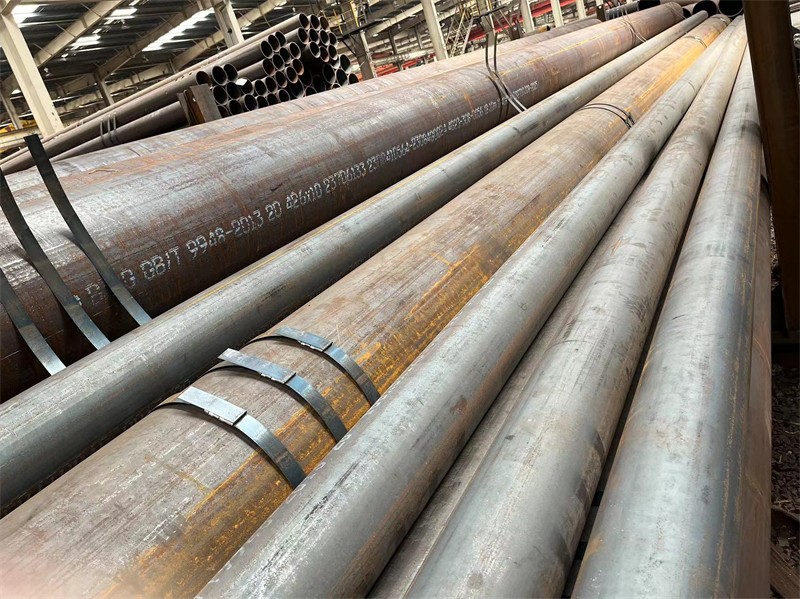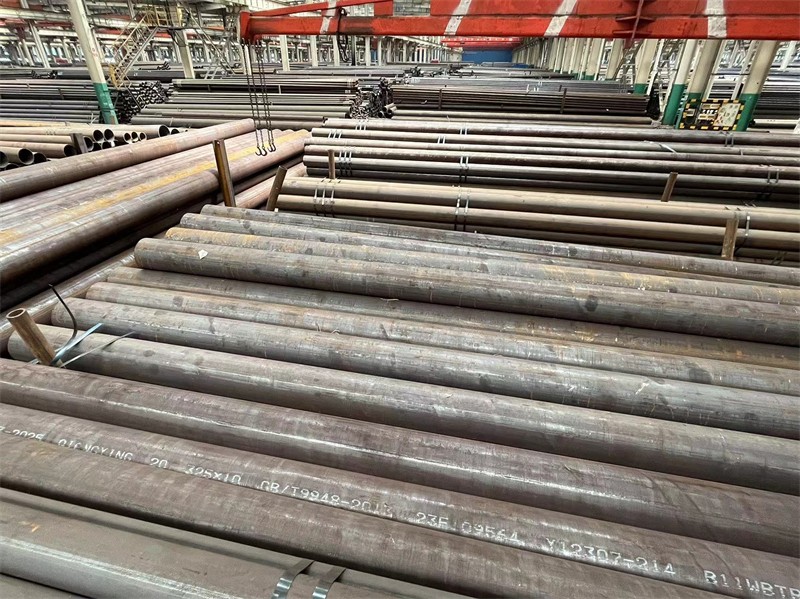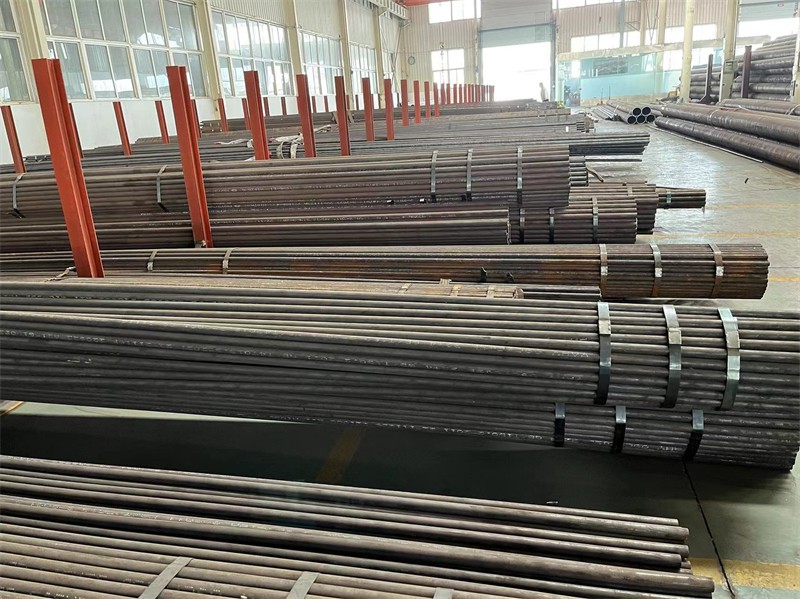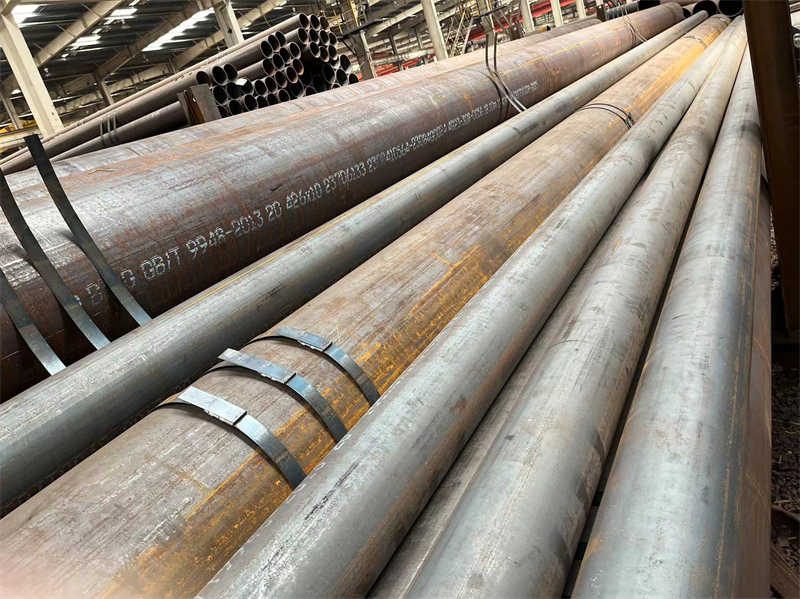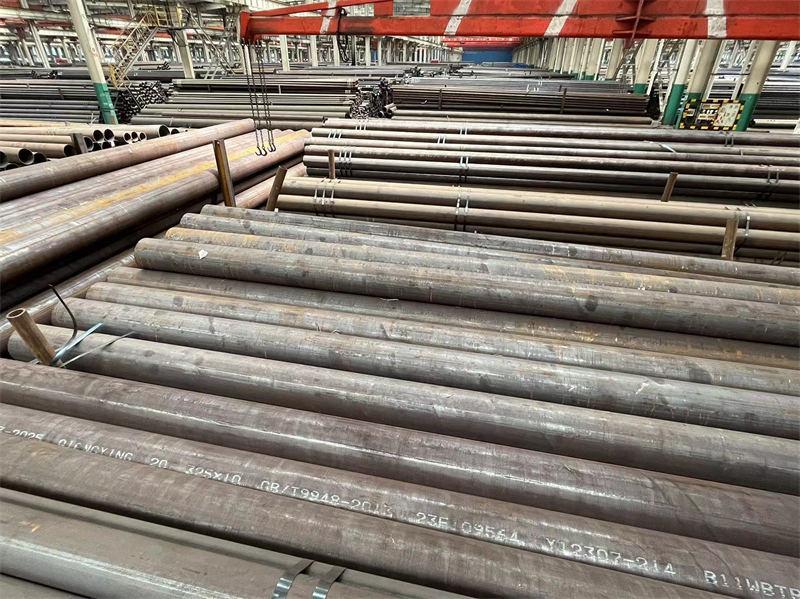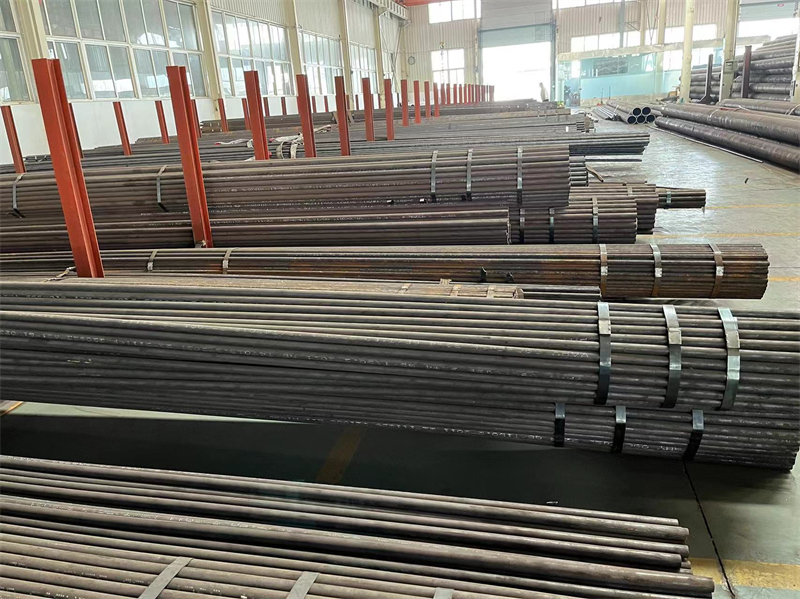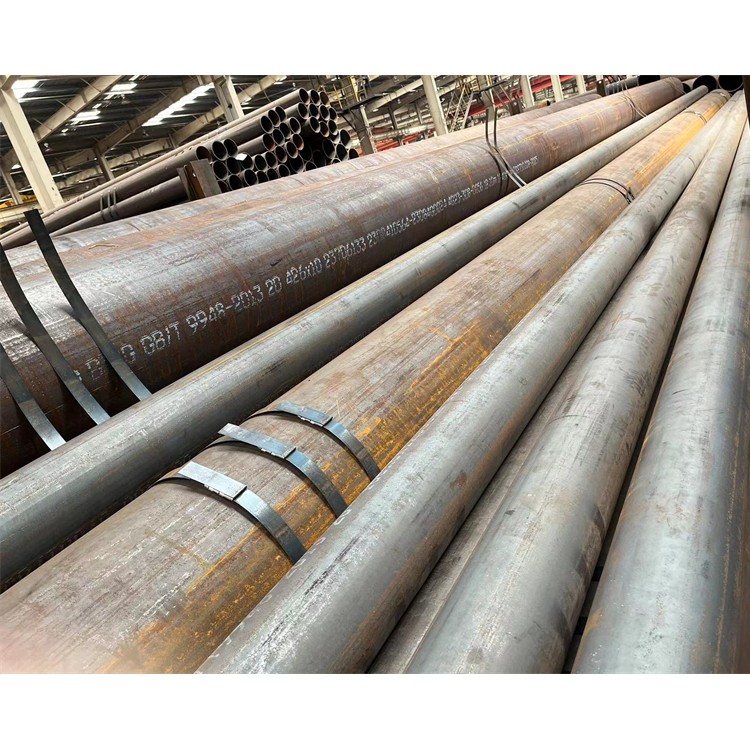

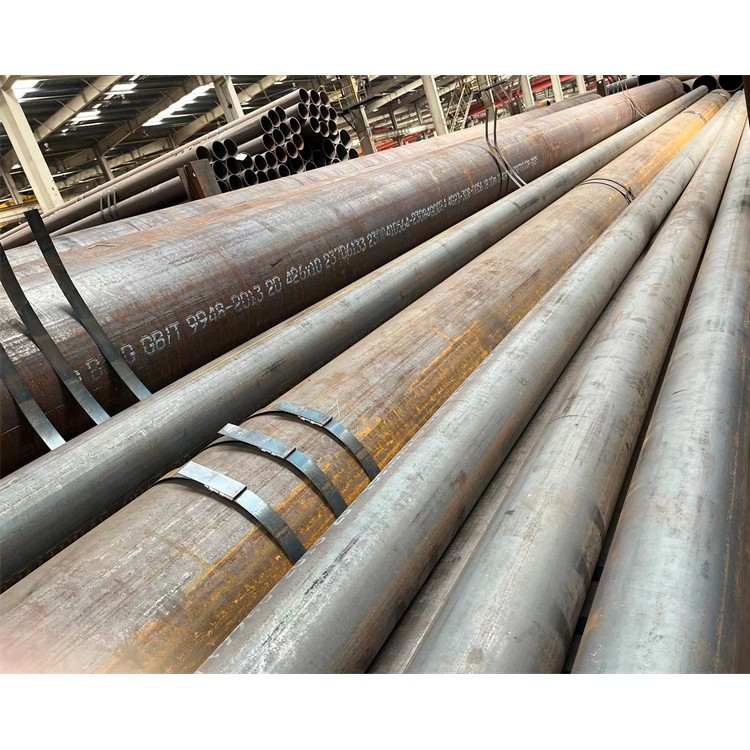
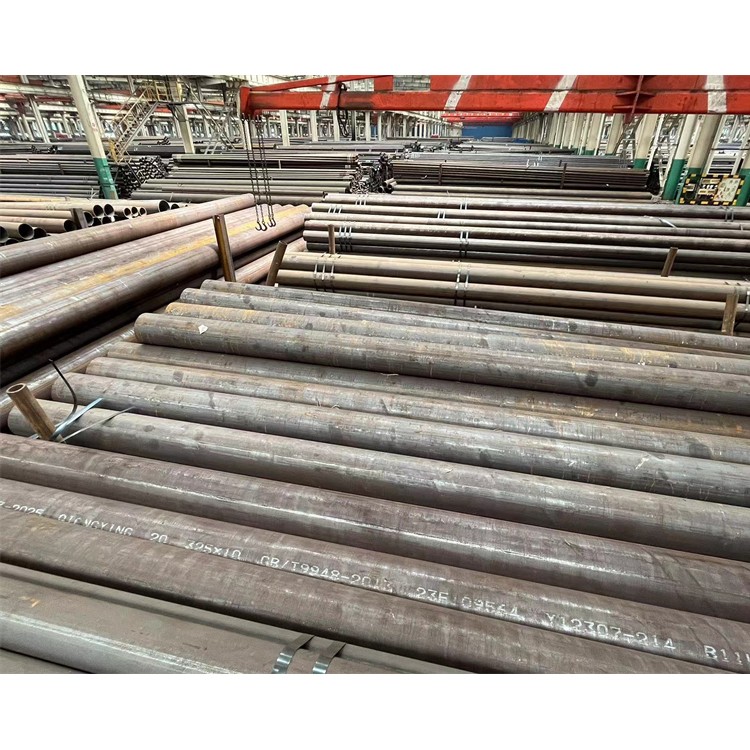
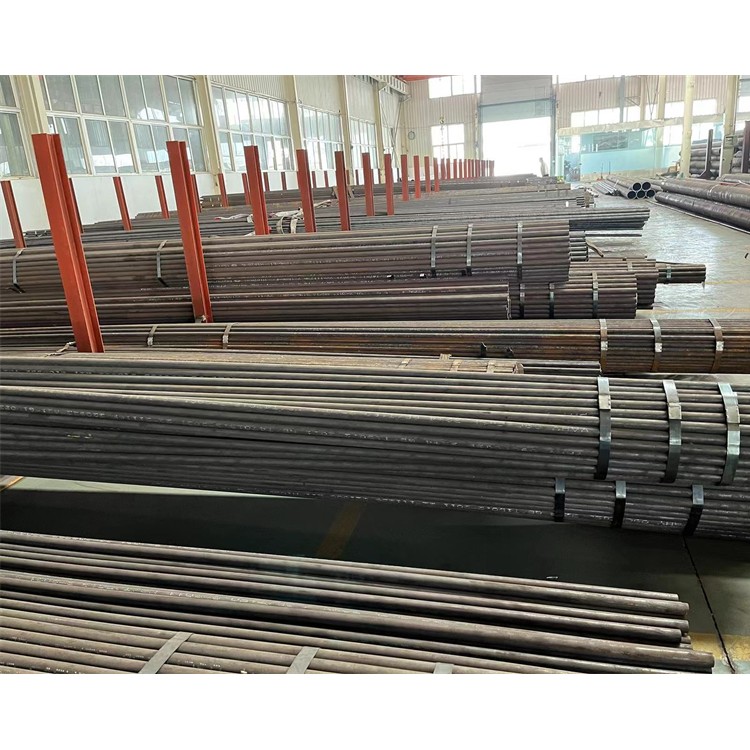












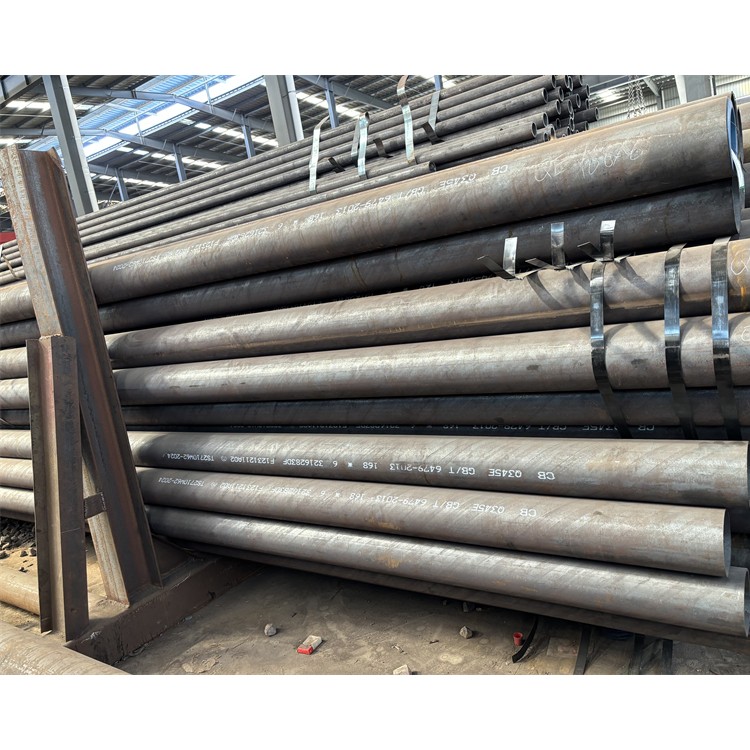


The 9948 Cracking Pipe is primarily used in the petrochemical industry, particularly in refineries as key components such as boiler tubes, heat exchanger pipes, and pressure pipes. Its excellent mechanical properties, corrosion resistance, and smooth inner wall along with high-pressure tolerance make it outstanding in various high-temperature and high-pressure fluid transportation scenarios. Additionally, it is widely employed for transporting gasoline, kerosene, diesel, and other petroleum products, as well as for corrosion prevention on various steel structures, docks, ships, sluices, gas storage tanks, equipment in refining and chemical plants, and on buildings such as concrete pipes and sewage pools.
Material and Performance
The 9948 Cracking Pipe is primarily made from carbon structural steel, alloy structural steel, and heat-resistant stainless steel. These materials possess excellent high-temperature strength, oxidation resistance, and corrosion resistance, capable of meeting the stringent conditions during the cracking process. Additionally, they feature high durability and good structural stability, ensuring consistent performance under high temperature and pressure environments.
II. Specifications and Standards
The specifications of the 9948 Cracking Pipe are indicated by outer diameter and wall thickness, typically measured in millimeters (mm). The specific values for these dimensions are determined based on actual requirements. In addition, the steel pipe must meet all technical requirements of the GB/T9948 standard, including chemical composition, mechanical properties, dimensional tolerances, and appearance quality.
Section 3: Production Process
The production process of 9948 cracking pipes primarily includes steps such as raw material preparation, heating, piercing, rolling, sizing, cooling, straightening, and cutting. Throughout the production process, strict control of various process parameters is essential to ensure that the quality and performance of the steel pipes meet the standard requirements.