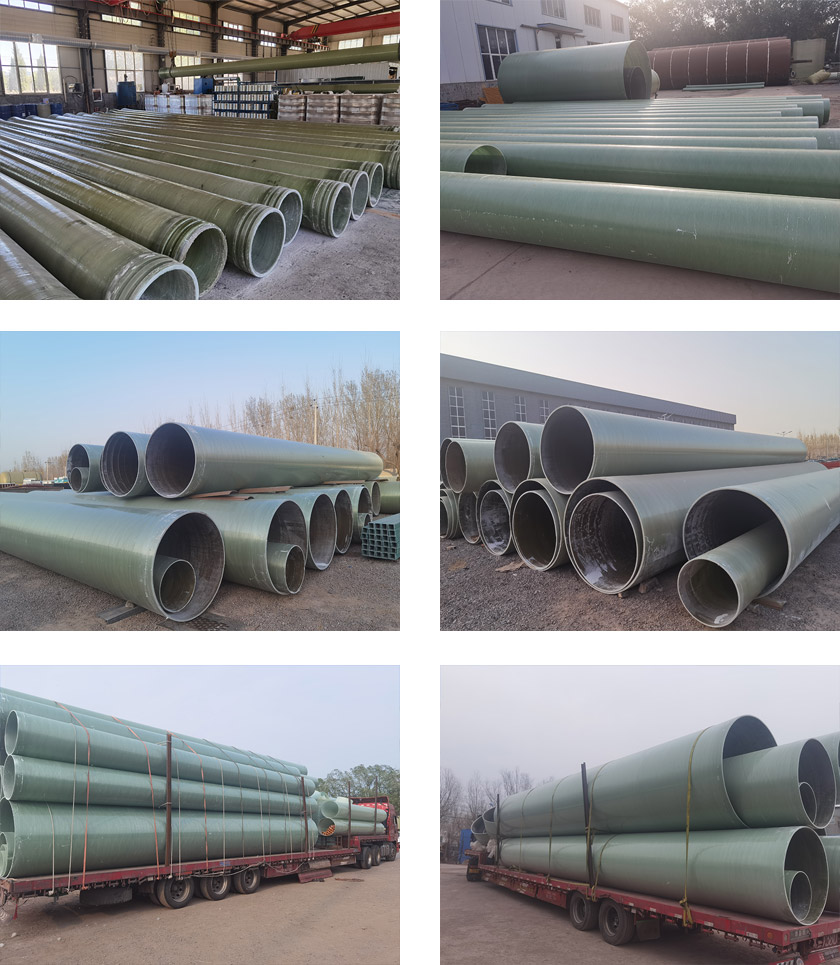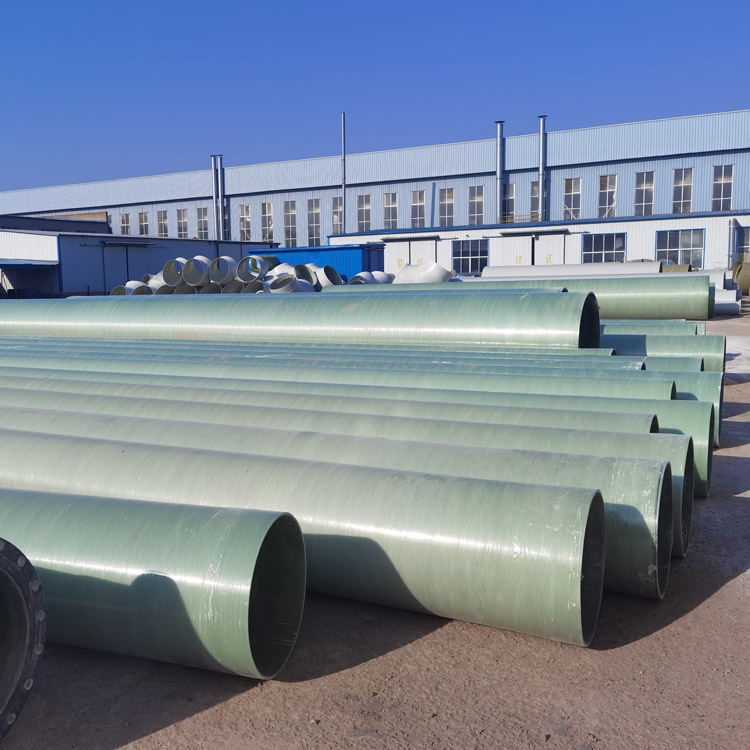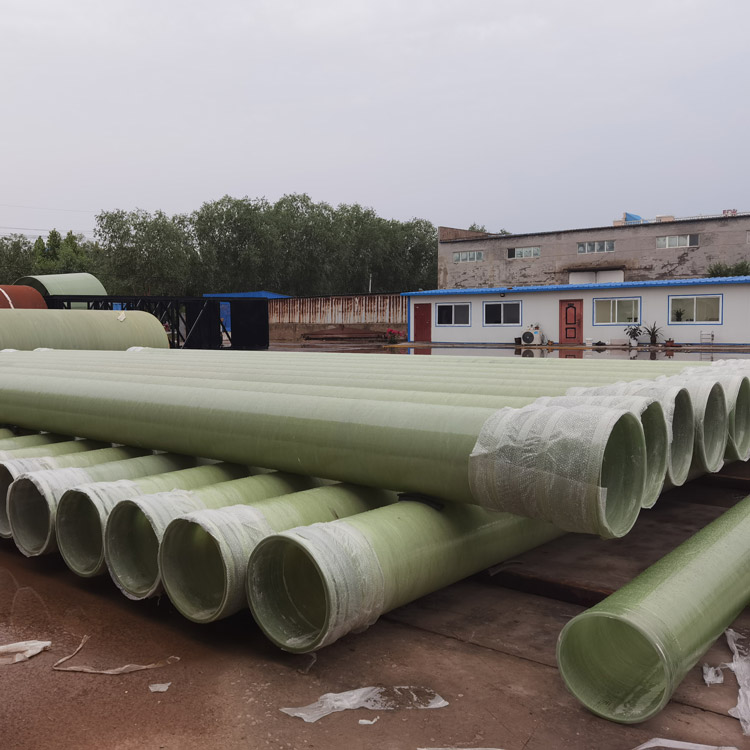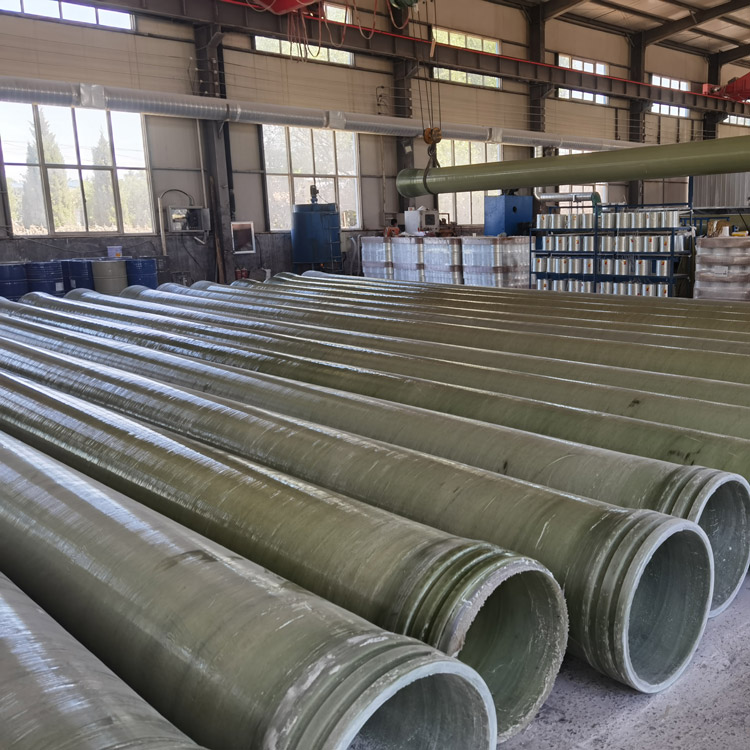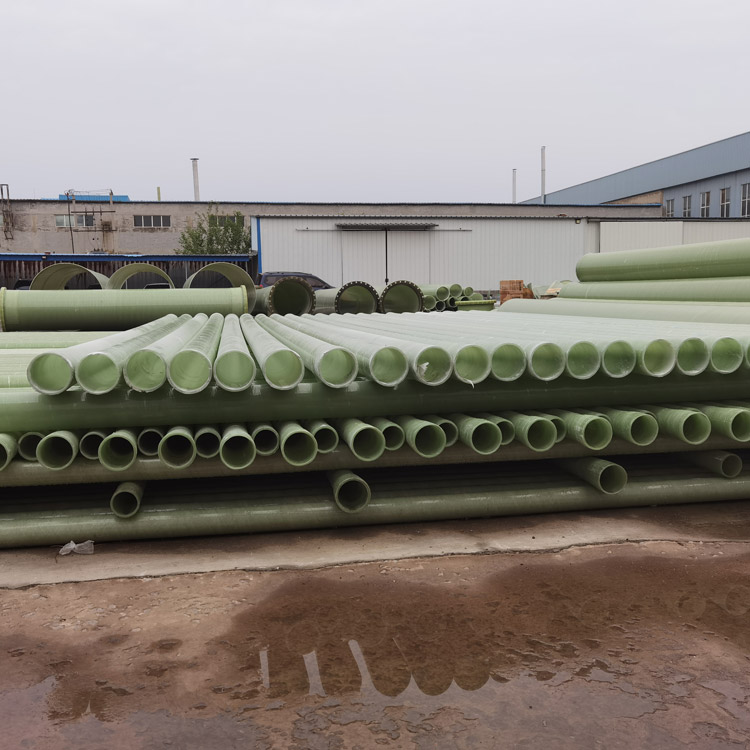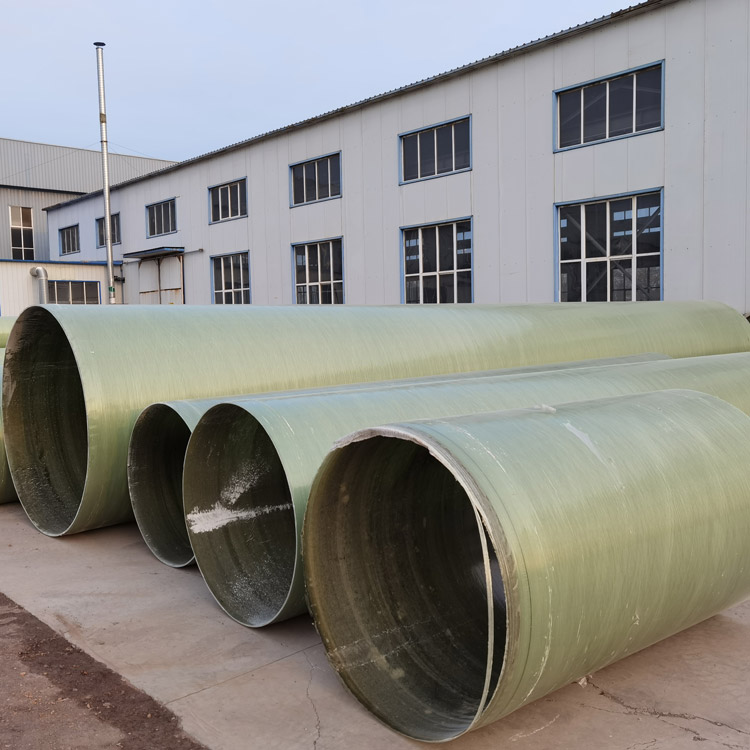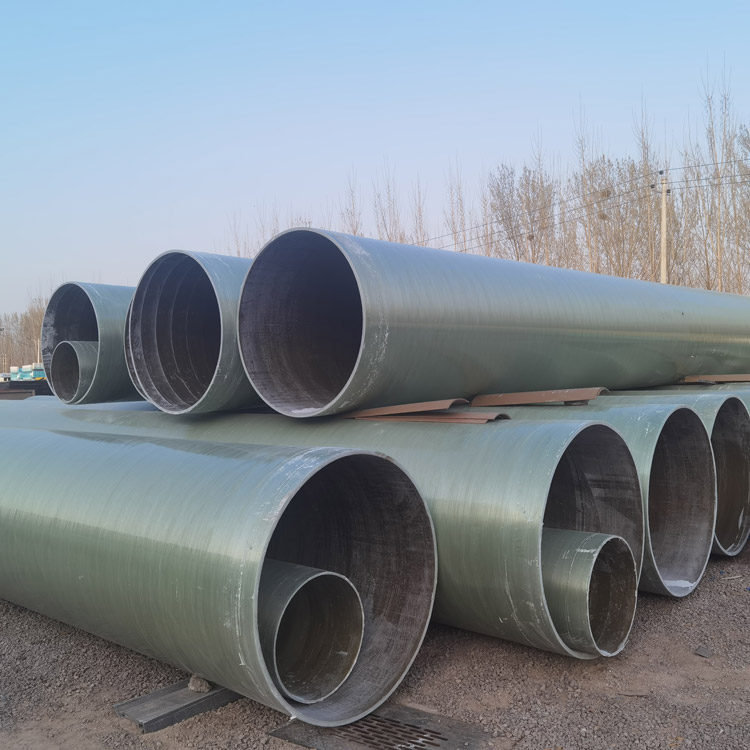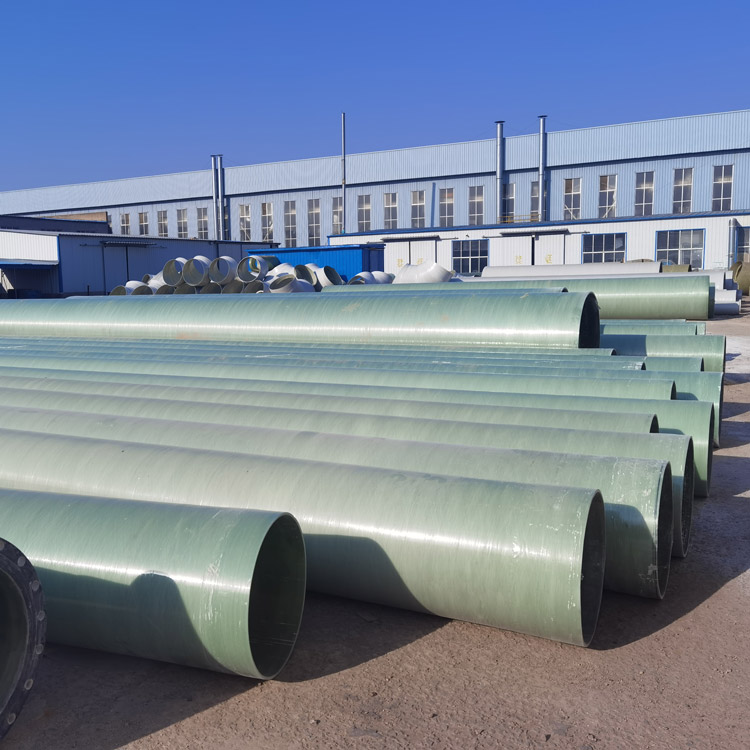

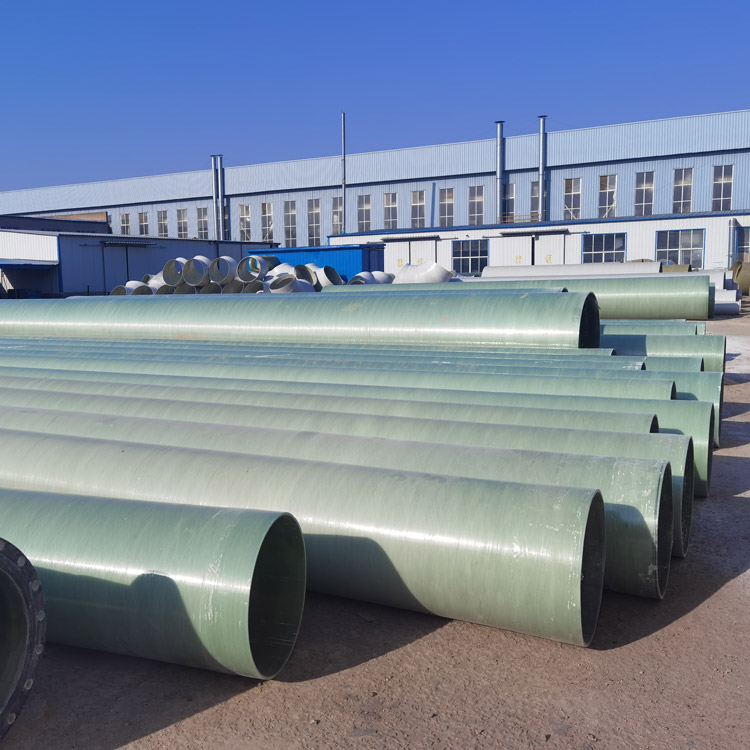
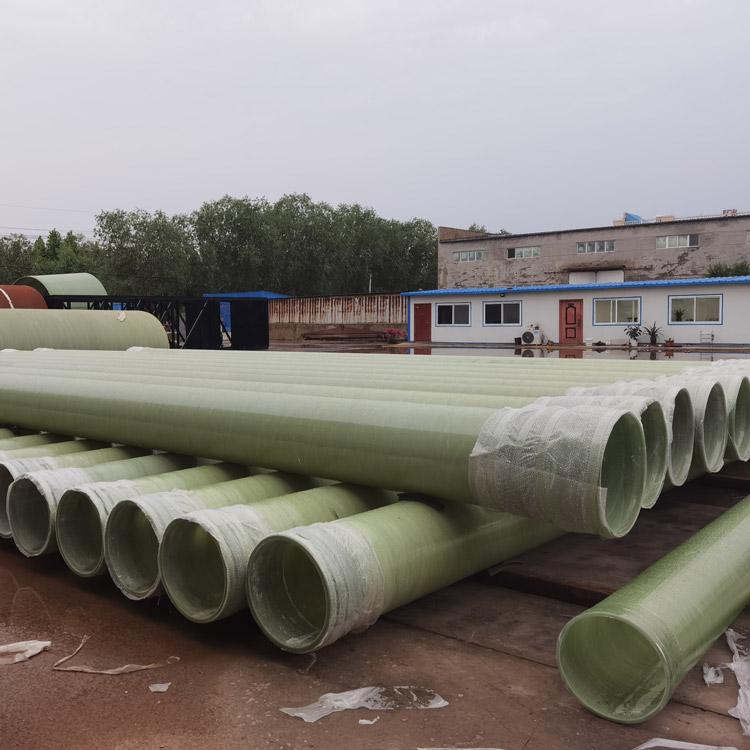
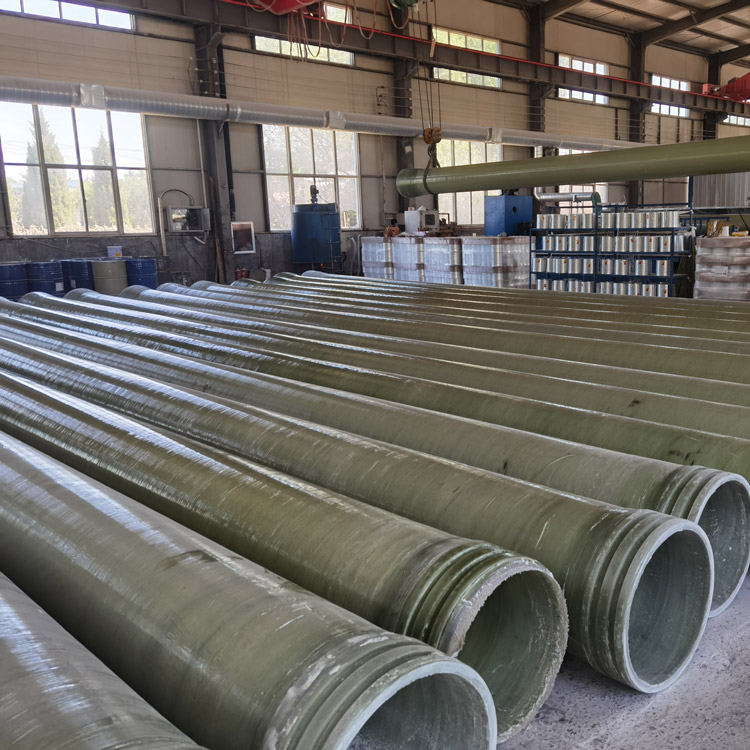


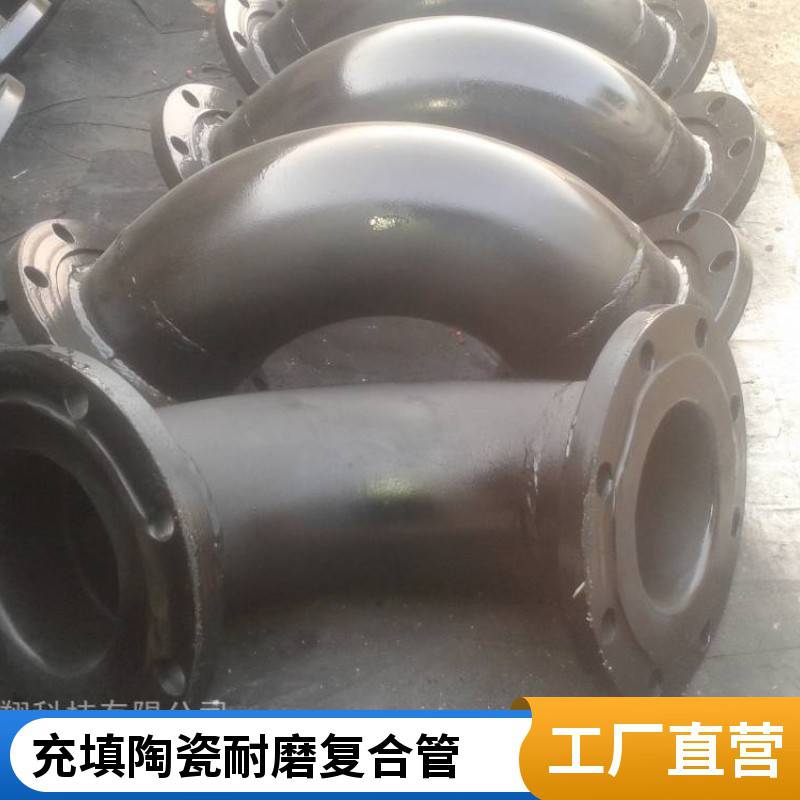
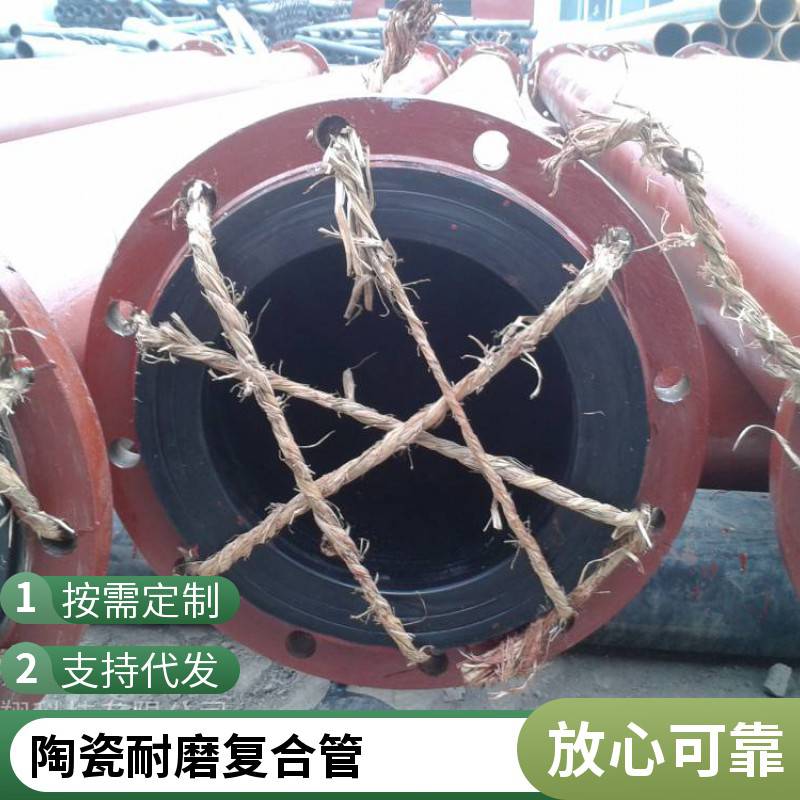
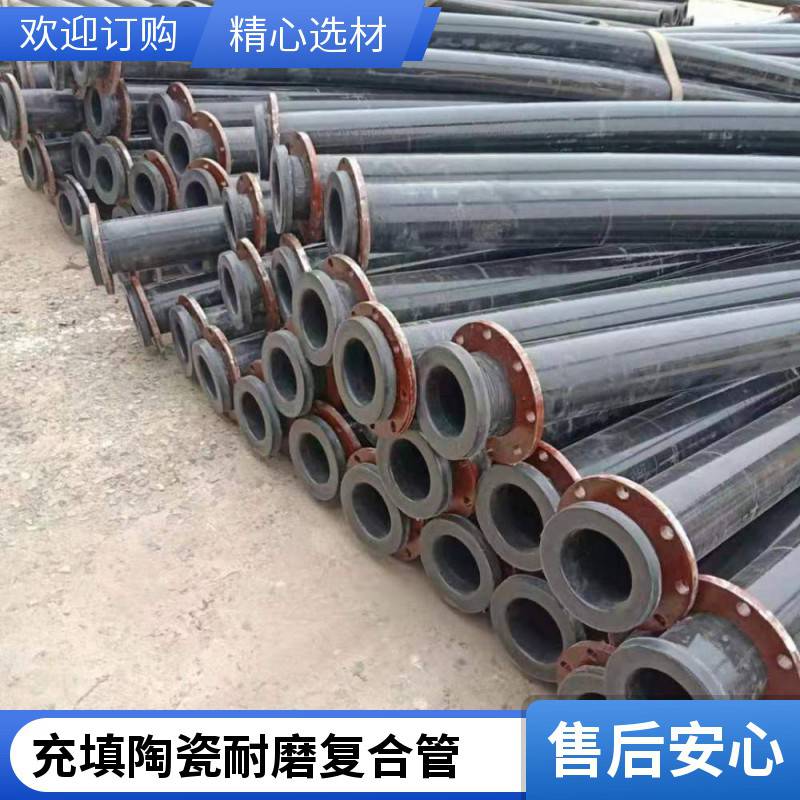
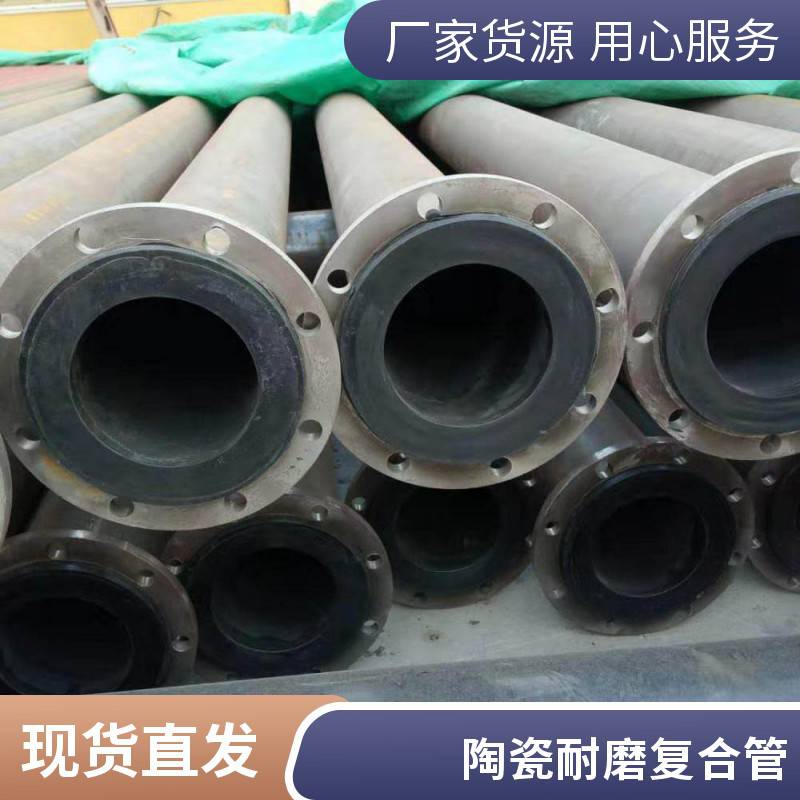





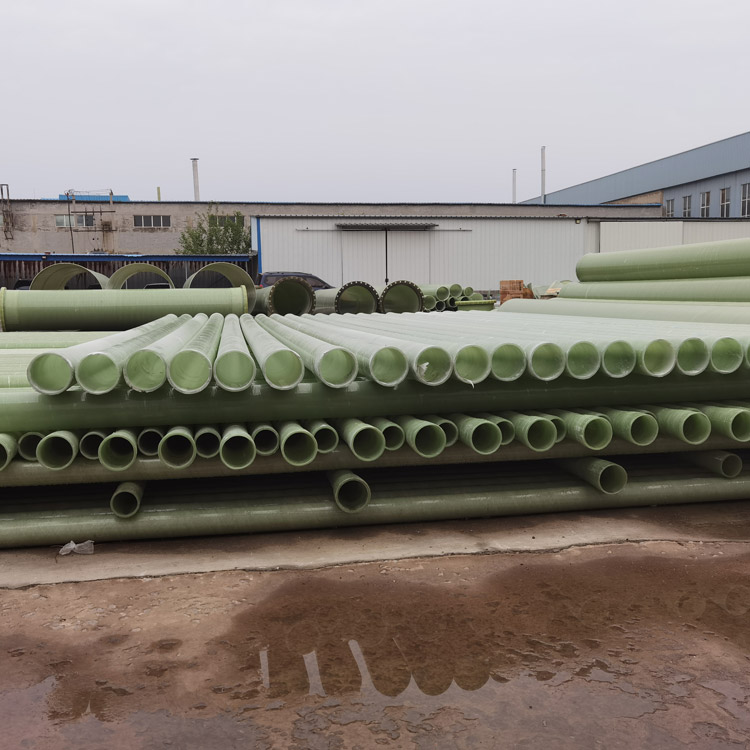

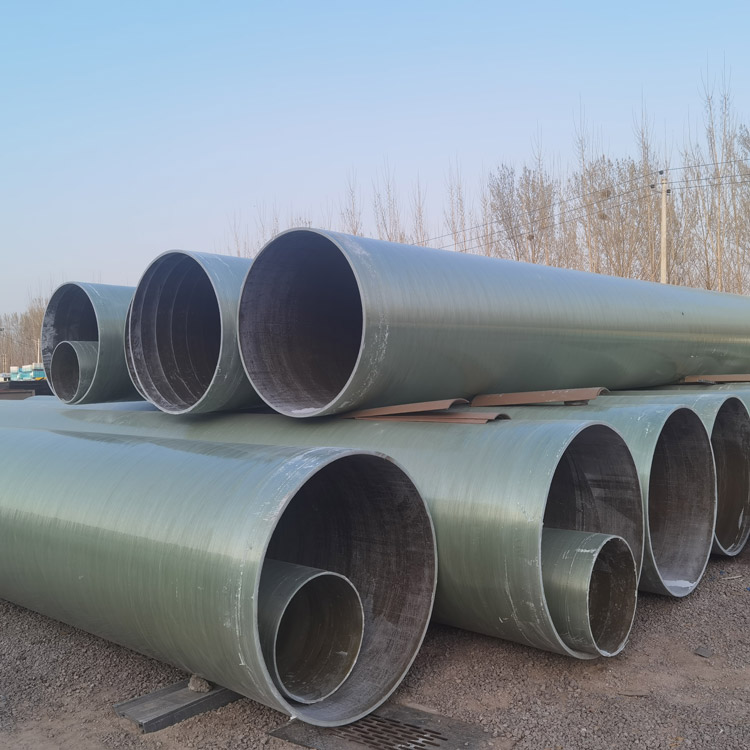
Fiberglass Reinforced Plastic (FRP) Pipe: A lightweight, high-strength, and corrosion-resistant non-metallic pipe. Made from resin (food-grade resin for drinking water transport), glass fiber, and quartz sand, it is produced using special technology. It is constructed by winding resin as the matrix and glass fiber in layers on a rotating mandrel according to the manufacturing process, with quartz sand evenly laid in between as the sand-laying layer. The pipe's wall structure is rational and advanced, fully utilizing the material's properties. It enhances rigidity while ensuring product stability and reliability, under the premise of meeting the required strength.
2. Glass-Fiber Reinforced Plastic (GRP) Sanded Pipes: Known for their excellent chemical resistance, lightweight strength, non-scaling properties, strong seismic resistance, longer lifespan compared to standard steel pipes, low overall cost, quick installation, and no need for maintenance, these pipes have a service life of over 50 years. With their safety and reliability, they have been widely accepted by users. GRP pipes are used in industries such as oil, chemical, ventilation, and water supply and drainage. The production and application of GRP pipes in our country are rapidly developing, with the quantity increasing year by year and the scope of application expanding to more departments.
3. Superior Performance: No need for anti-corrosion protection or other measures, does not cause secondary pollution to water or other media, and has a long service life. The pipe weight is only 1/4 of the same specification and length ductile iron pipe, and 1/10 of the cement pipe, making transportation and handling convenient, and easy to install. Reduces pipeline joints, accelerates installation speed, and improves the overall quality of the pipeline. Reduces flow resistance, increases flow velocity, and lowers energy consumption. Transports the same flow rate of fluid through pipes with a smaller diameter, which can increase the flow rate by about 10% compared to steel pipes of the same specification; does not scale, and does not decrease flow velocity over time. Provides good protection for cables in turbulent and heavily corrosive environments.
4. High mechanical strength and strong temperature adaptability: Excellent resistance to water pressure, external pressure, and impact, with pipes and fittings designed and manufactured to meet specified pressure requirements. Operating temperature range: greater than -70°C and less than 250°C; pipes remain crack-free under frozen media. Non-toxic, suitable for conveying drinking and utility water, maintaining water quality hygiene for extended periods.
5. Excellent heat and cold resistance, as well as wear resistance: At -30°C, it maintains good toughness and strength, and can be used over a long period within the range of -50°C to 80°C. Resins with special formulations can even withstand temperatures up to 150°C. The wear resistance of glass steel pipes is exceptional; tests have shown that when a mixture of mud, sand, and stones is placed inside the pipes and rotated, the wear depth on the inner wall after 300,000 rotations is as follows: 0.53mm for pipes coated with tar and porcelain oil; 0.48mm for pipes treated with surface hardening; and only 0.21mm for glass steel pipes, demonstrating the high wear resistance of glass steel pipes. Due to the low thermal conductivity of glass steel products, their insulation performance is particularly excellent.