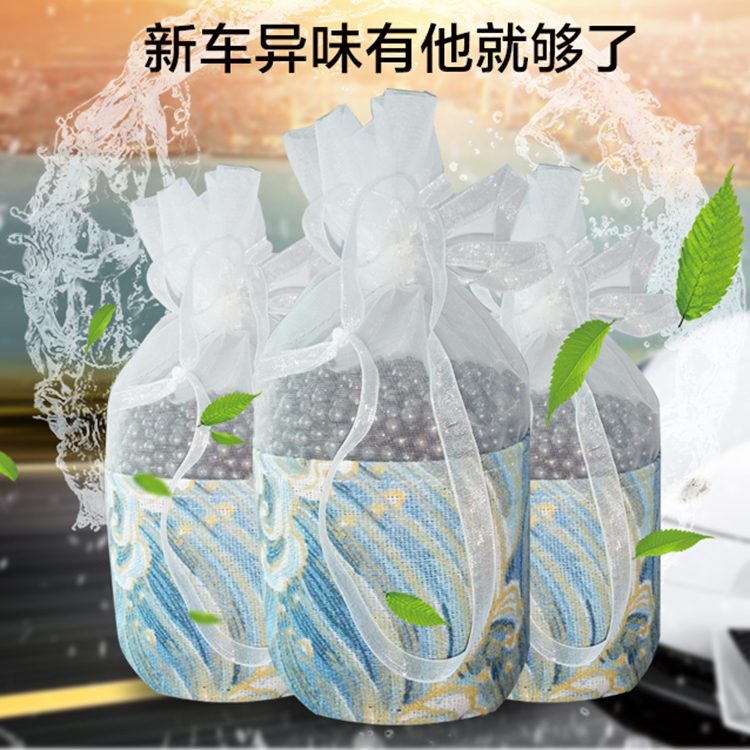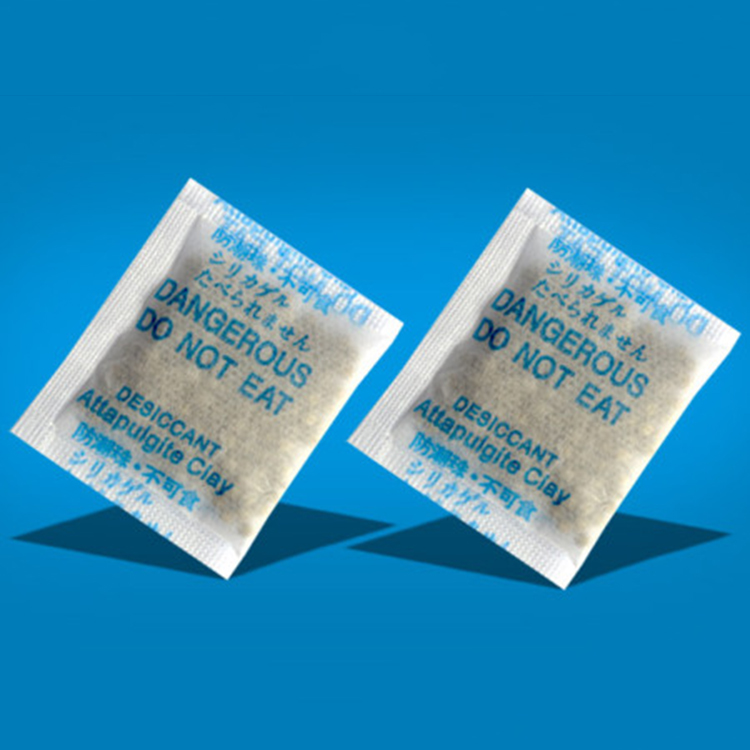

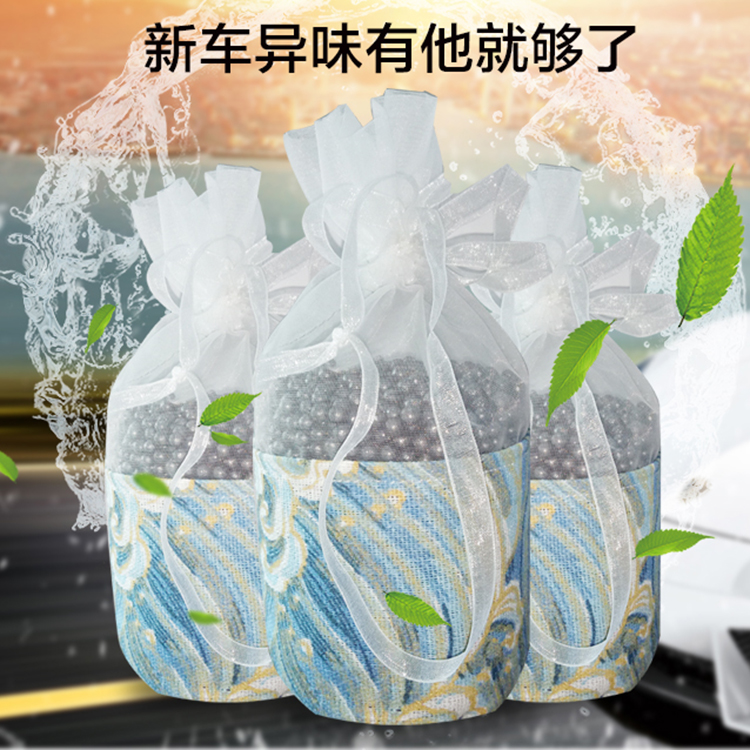

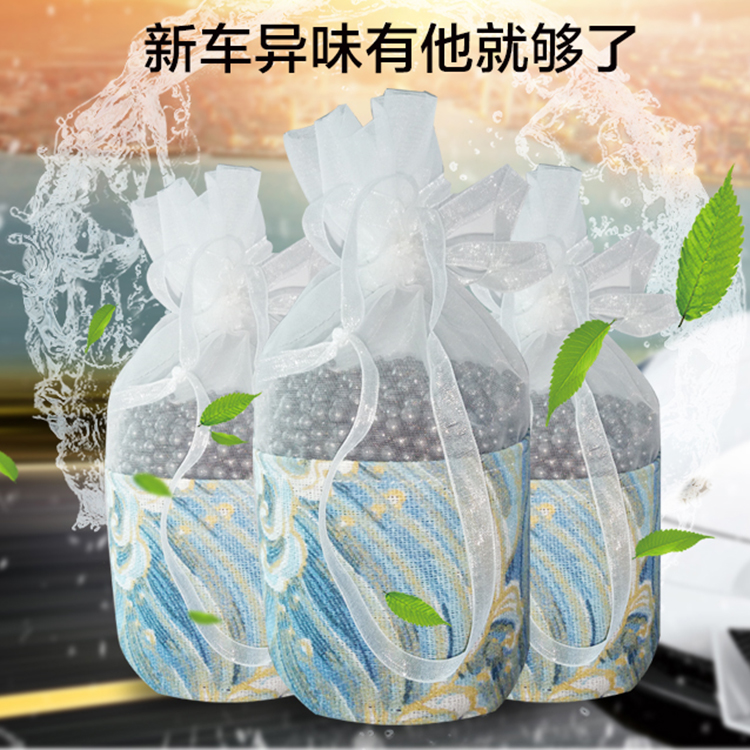
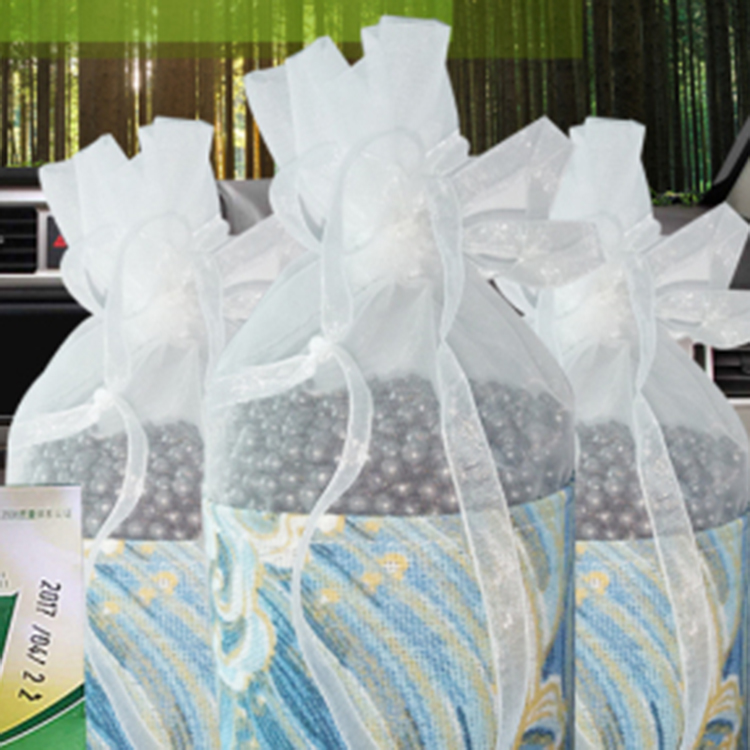



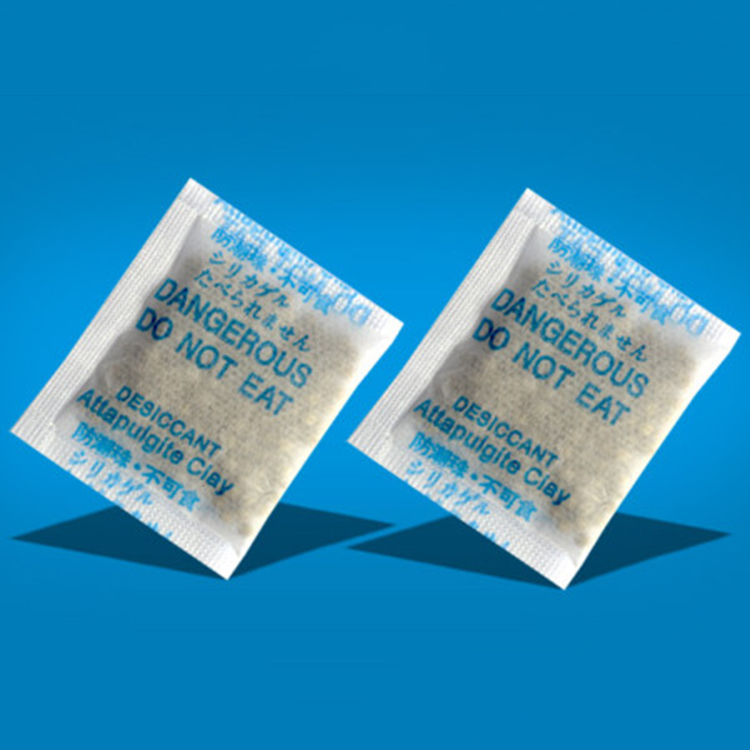





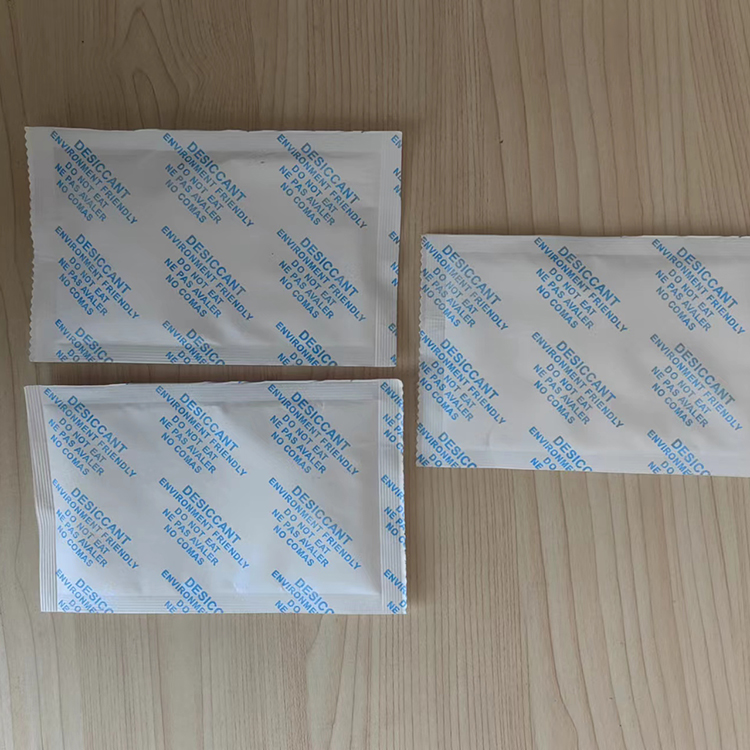
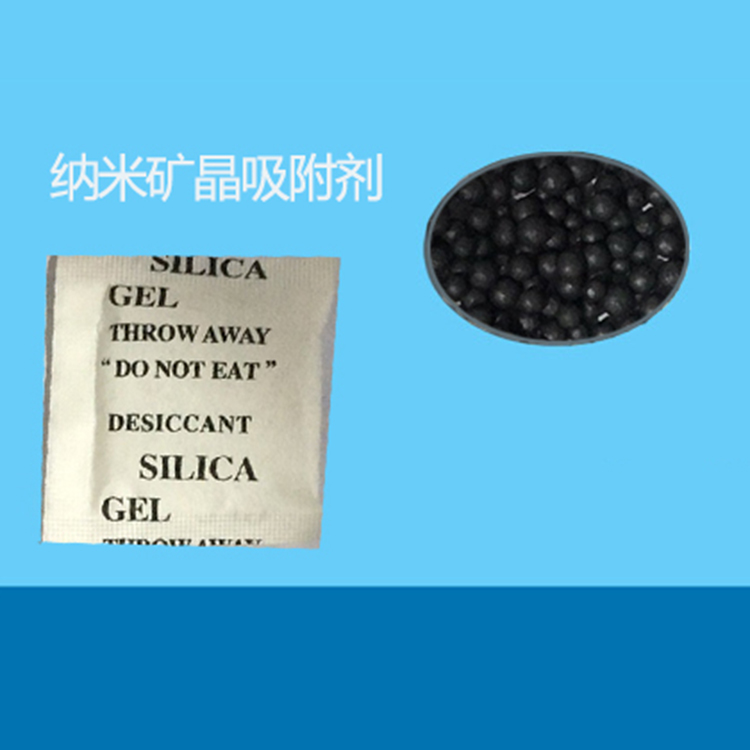
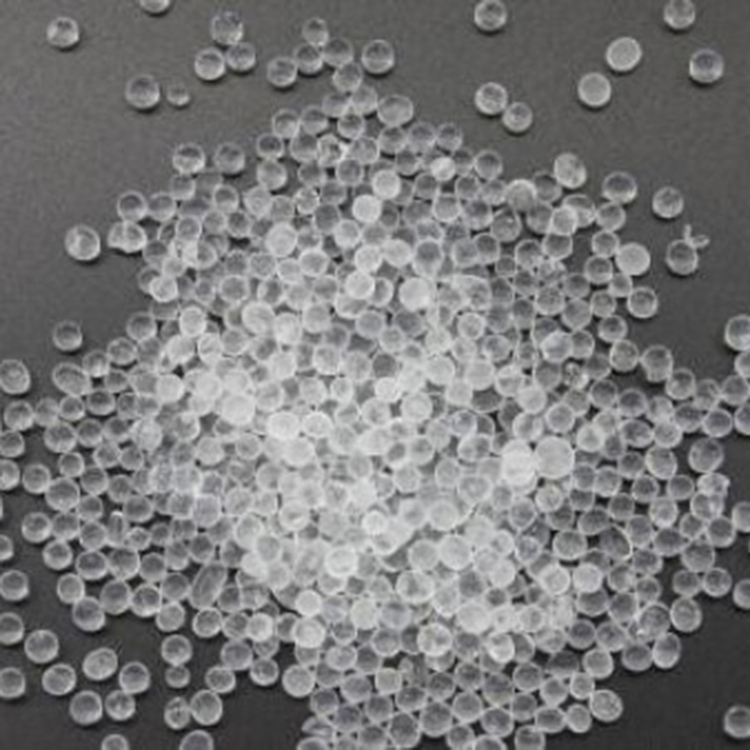
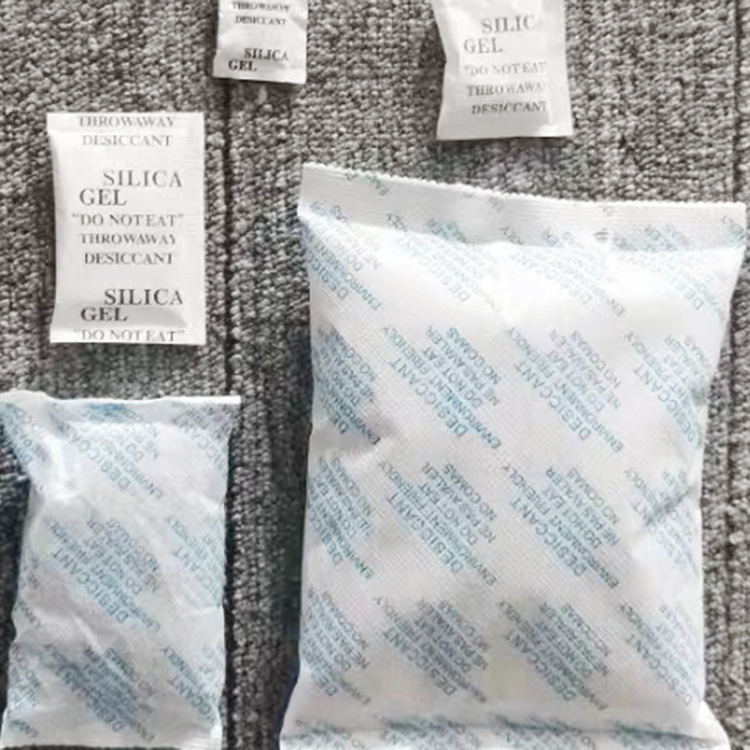
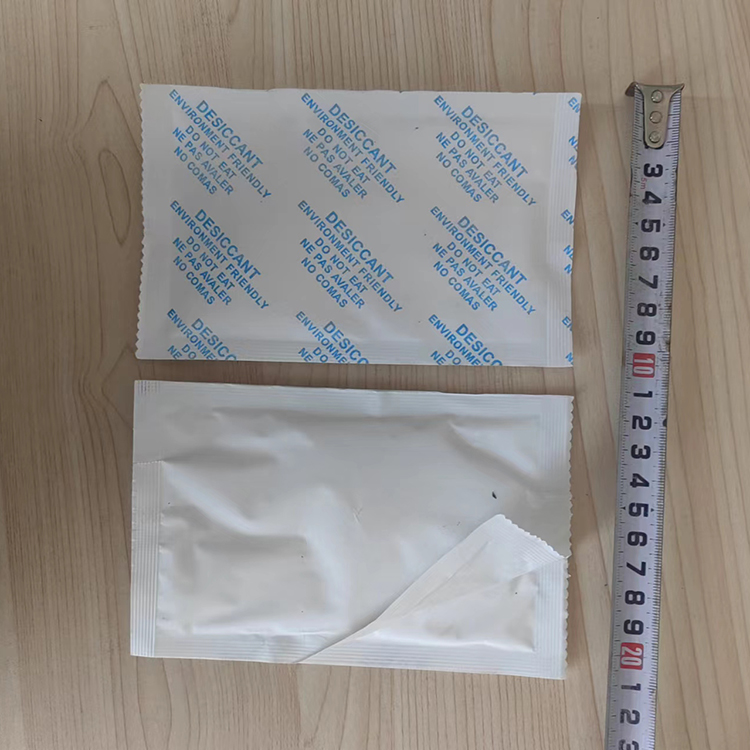

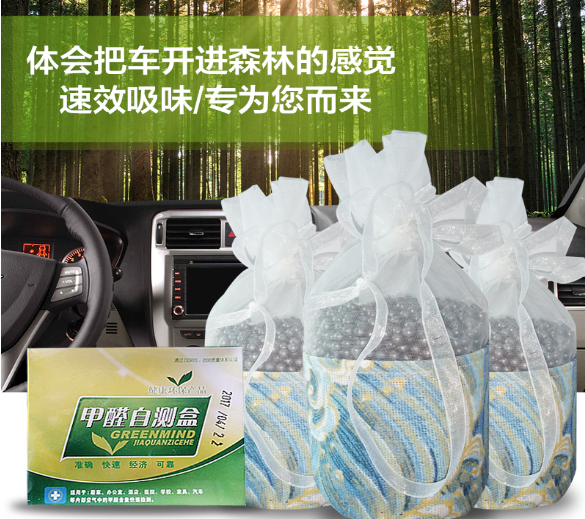
Nano mineral crystals are precious non-metallic natural minerals bestowed upon us by nature, such as palygorskite, attapulgite, and diatomite. They are rich in pore mineral adsorbents, and when properly configured, they form nano mineral crystal air purifier products. The nano lattices of palygorskite and attapulgite can adsorb harmful nano-sized molecules like formaldehyde, benzene, and ammonia from the air. Diatomite, in addition to adsorbing micro-sized air impurities, also provides adsorption channels for the nano mineral crystals, enhancing their吸附 effectiveness. These nano mineral crystal air purifiers feature fast adsorption rates, molecular targeting, and can be recycled.
Products that can be made with nanotechnology include: a series of air purification products for removing formaldehyde and odors in cars and during decoration, home air purification products for removing smoke and odors, deodorizing products for bathrooms and toilets, deodorizing products for refrigerators and freezers, air purification equipment with adsorption filters, and chemical filters in industrial air purification equipment.
Feature characteristics
Nano mineral crystals possess a large number of pores, with a structure similar to 3A, 4A, and 5A molecular sieves. Their micropore diameters are approximately 0.3-0.9 nanometers, which are the three key characteristics of nano mineral crystals, determining their adsorption power and the feature of recyclable and sustainable use.
Only absorbs nanometer-scale gas molecules.
2. The lattice pore surface is polar, actively preferentially adsorbs polar gas compounds.
3. Simple and effective desorption conditions: above 45 degrees Celsius, nano mineral crystals will desorb and regenerate, allowing for reuse.
Nano mineral crystal model classification
Nano mineral crystals are categorized into Basic, Standard, Negative Ion Health, Adsorption, Decomposition (Photocatalytic), and Efficacy (Little Dragon) types, depending on the production process. Please select the corresponding model based on the usage space for optimal effects. [2]
Unique Characteristics of Nano Mineral Crystals
1. Nanometer-scale micropores are more numerous than activated carbon of the same volume, thus the nanocrystalline material adsorbs harmful gases like formaldehyde faster and more effectively than activated carbon.
2. Due to the strong adsorption effect of nano mineral crystals, the usage per unit area of nano mineral crystals is significantly less than that of activated carbon. It is proven that the usage of activated carbon per unit area is 250g, whereas only 25g of nano mineral crystals are required.
3. Due to different production processes, activated carbon is often black and dirty, whereas nano mineral crystals are natural substances, odorless, clean, and dust-free, making them suitable as filling material for other products (such as toys).
4. Activated carbon has a lifespan of only 5-8 months, while formaldehyde has a release cycle of 3-15 years. Nano mineral crystals can be recycled; exposure to direct sunlight or heating can regenerate the product, far outlasting activated carbon. They are an ideal substitute for activated carbon.
Usage of Nano Mineral Crystals
Editor
1. Due to the strong adsorption of nano mineral crystals, it is prone to adsorption saturation under conditions of severe indoor pollution or heavy humidity. Therefore, users should expose the product to the sun for direct sunlight to release the adsorbed substances, thereby rejuvenating the product's activity and restoring its powerful adsorption capabilities.
2. Due to the release of gas compounds during sun exposure or baking, please dry the product in a well-ventilated outdoor area. When using baking equipment, opt for a vented model or ensure good ventilation during the baking process.
3. When using this product inside the vehicle, please note the following details: If the car is parked in the sun, the interior temperature may exceed 45 degrees. Before entering the car, ventilate the doors for 2-4 minutes to release pollutants inside. After entering and starting the car, if you don't use the air conditioning, drive with the windows open. This product can still protect the health of passengers at 45 degrees.
Note: It is recommended to use 1-2 kg per 10 square meters of new home, and 1-3 kg per new vehicle. Increased usage yields better results.