








Desiccants for shipping containers are widely used for electronic products, agricultural goods, wooden crafts, metal products, and fabrics.
During the ocean shipping or storage of containers, the significant diurnal temperature variations at sea cause the hot, humid air trapped inside the containers during the day to reach supersaturation with water vapor at night due to the drop in temperature. This often leads to high humidity and pronounced diurnal temperature fluctuations, ranging from 0℃ to 80℃, with temperatures reaching up to 98%, resulting in condensation. At 30℃ air temperature, the water content is 30.4g/m³. When the temperature drops from 30℃ to 18℃, the water vapor content decreases to 15.4g/m³. The excess water vapor condenses into water, and in a 40-foot container, this can produce 1000g of condensation, commonly referred to as "container rain," which can have a very negative impact on the packaging of goods.
Product Features:
Beyond the application in container ocean shipping, it can also be used for container air, rail, and road transportation, as well as storage of goods. It can also be directly applied to moisture-proof packaging for large machinery, electronics, and communication equipment. Freight logistics, warehousing, export of goods; marine moisture-proof products.
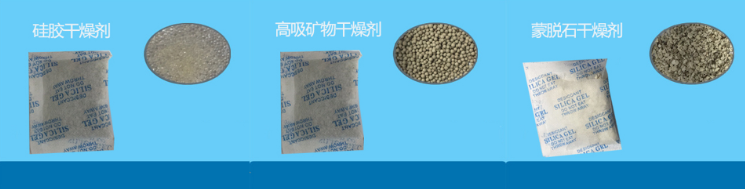
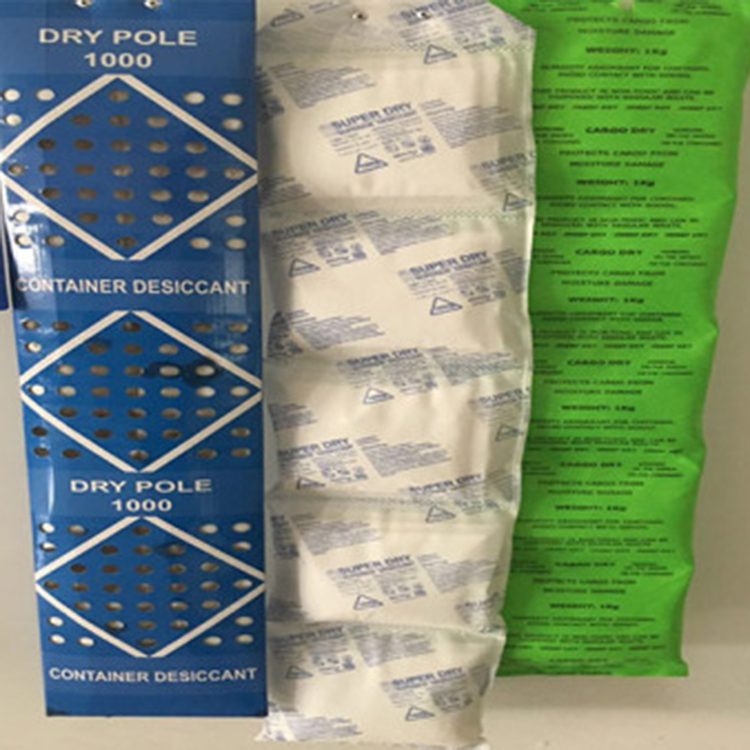
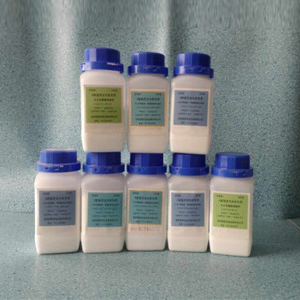
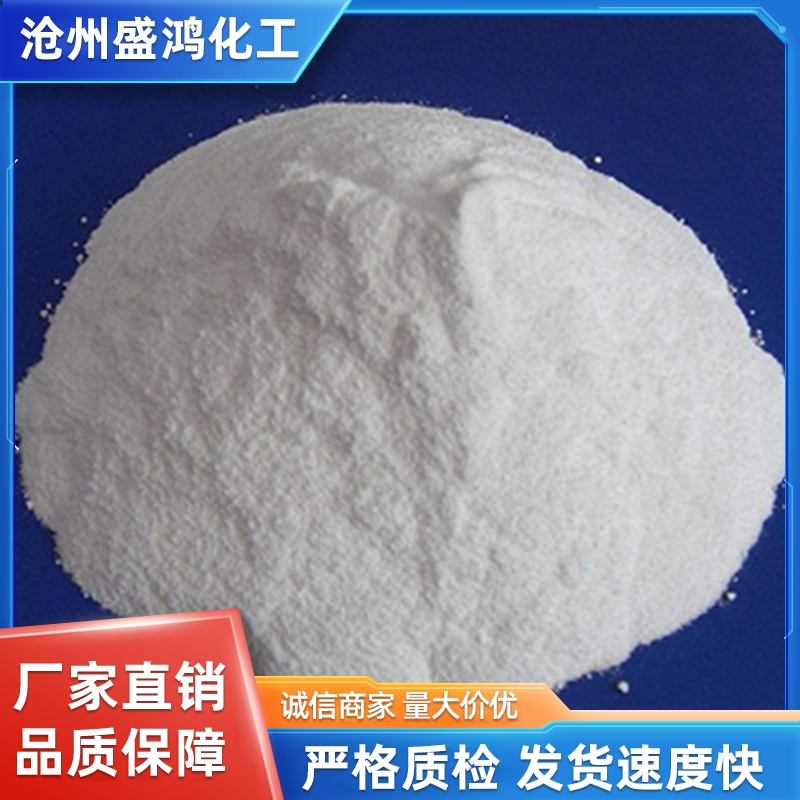
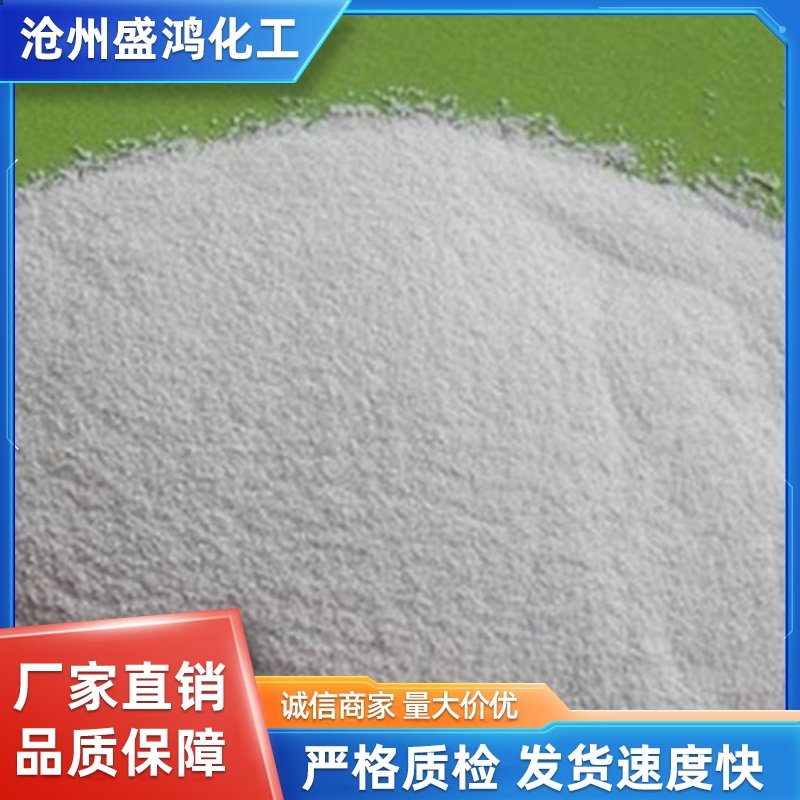
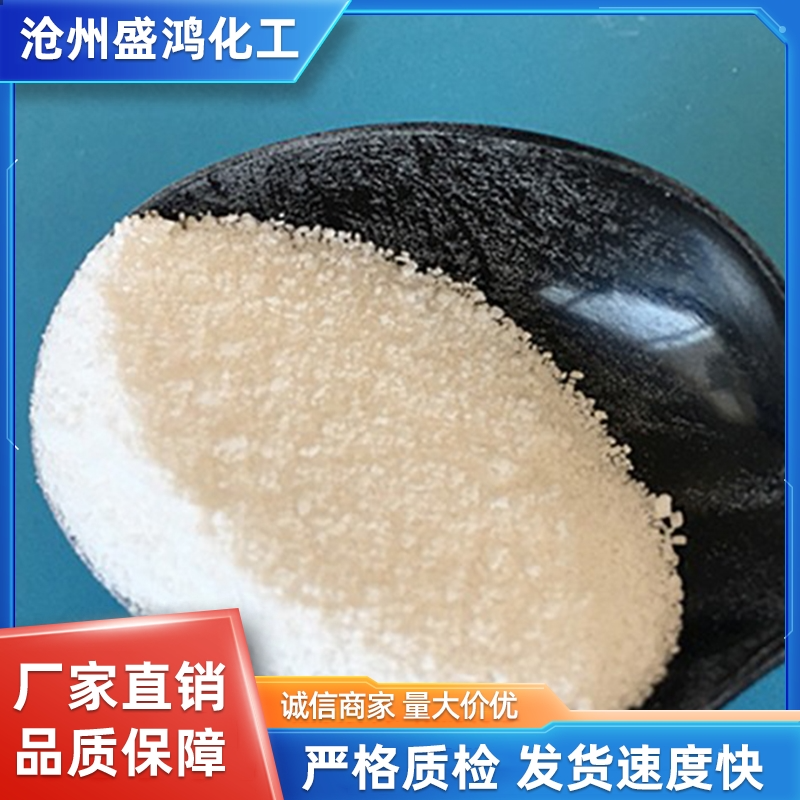
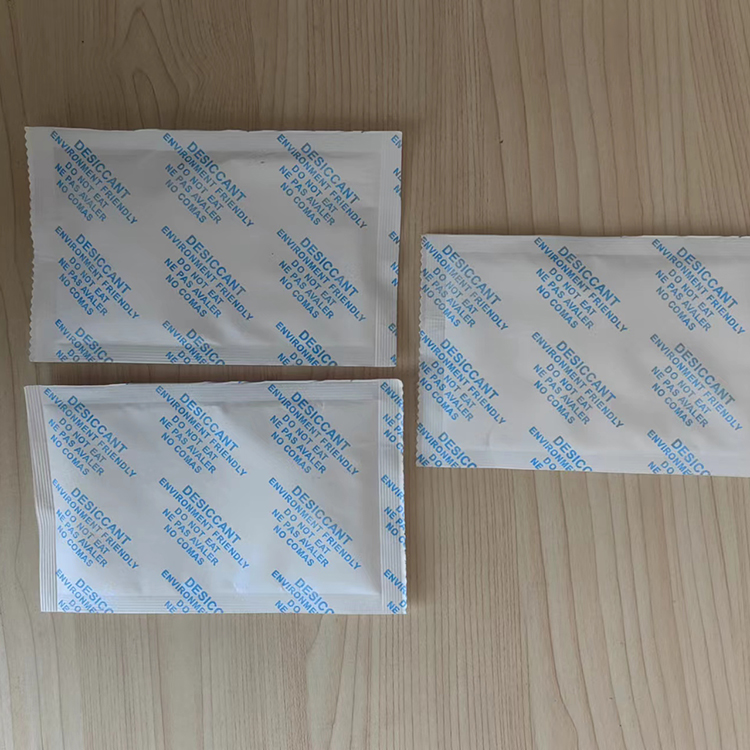
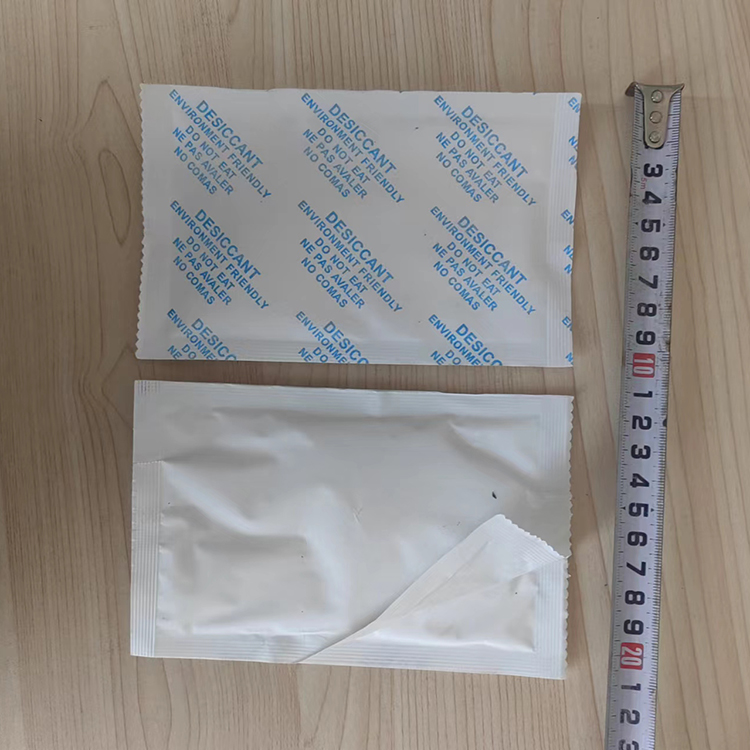
Desiccant containers come in various types.
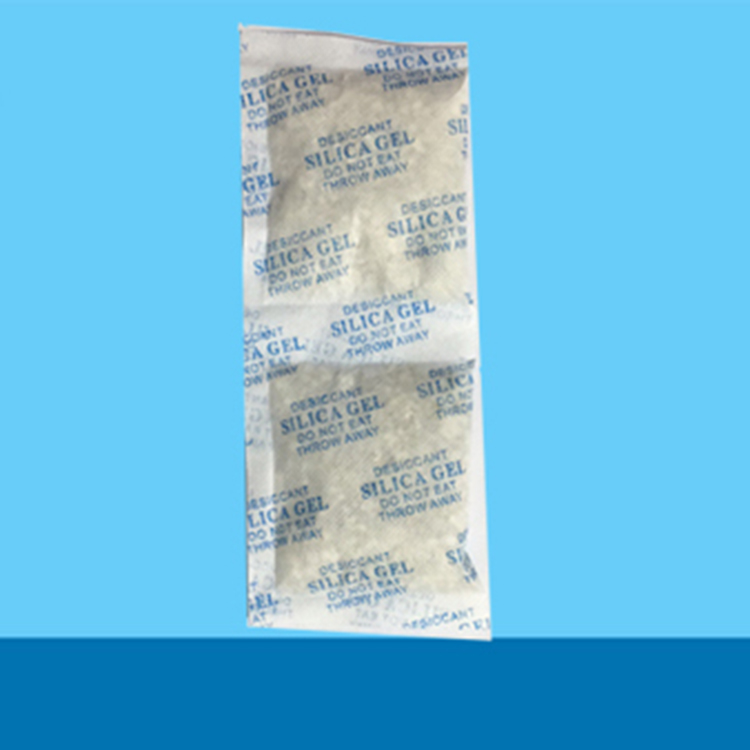
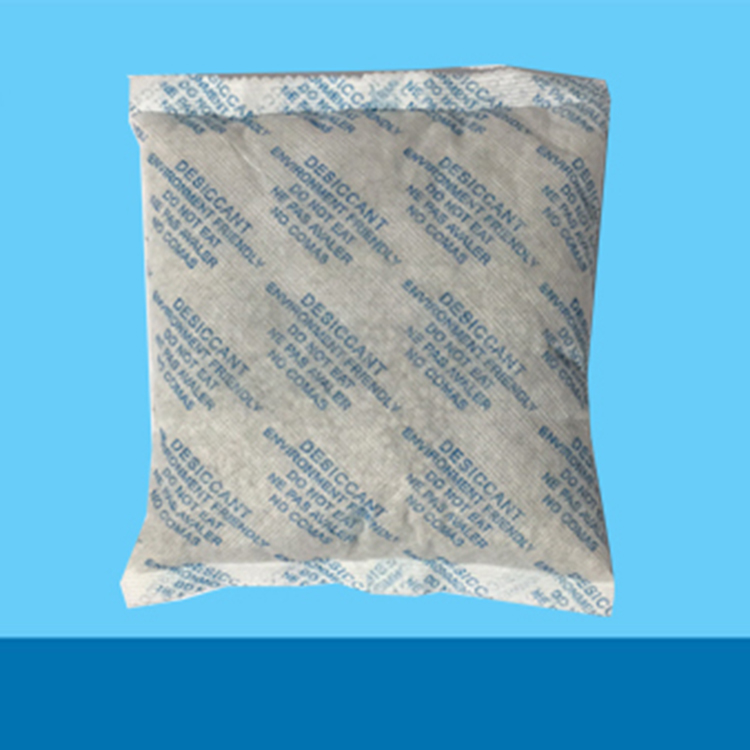
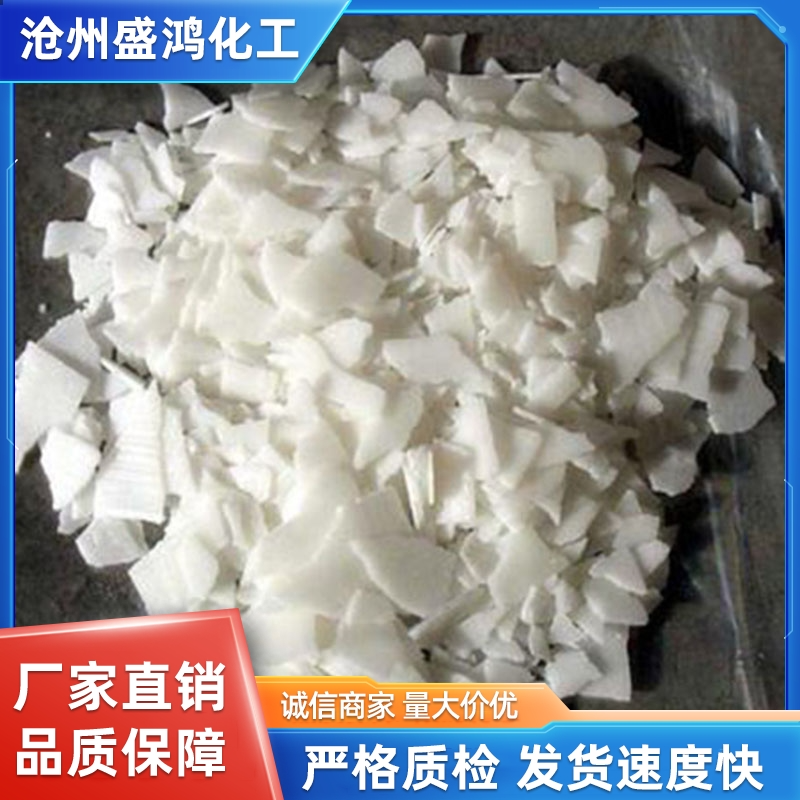
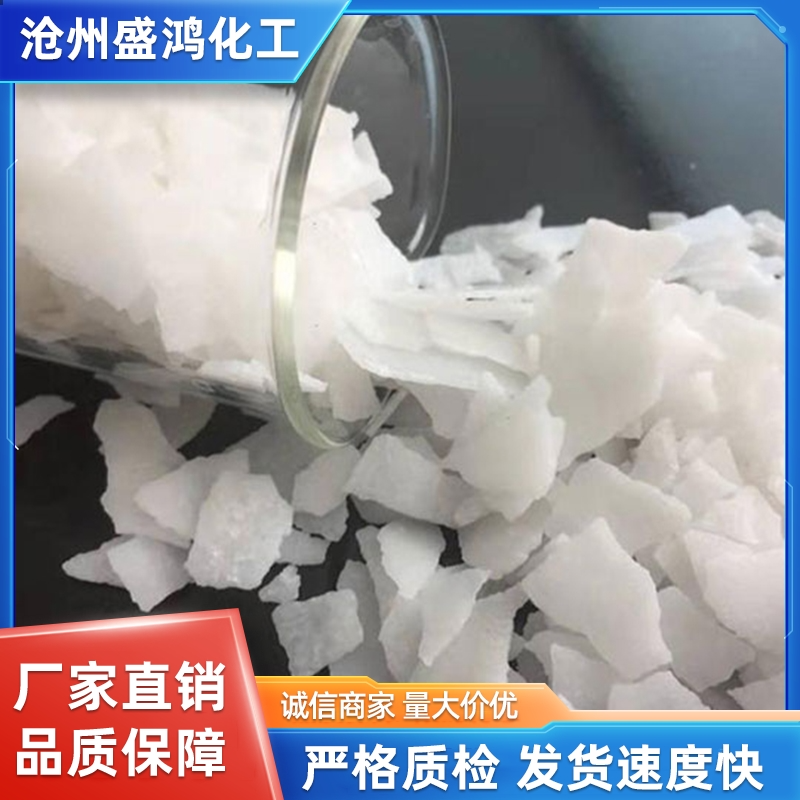
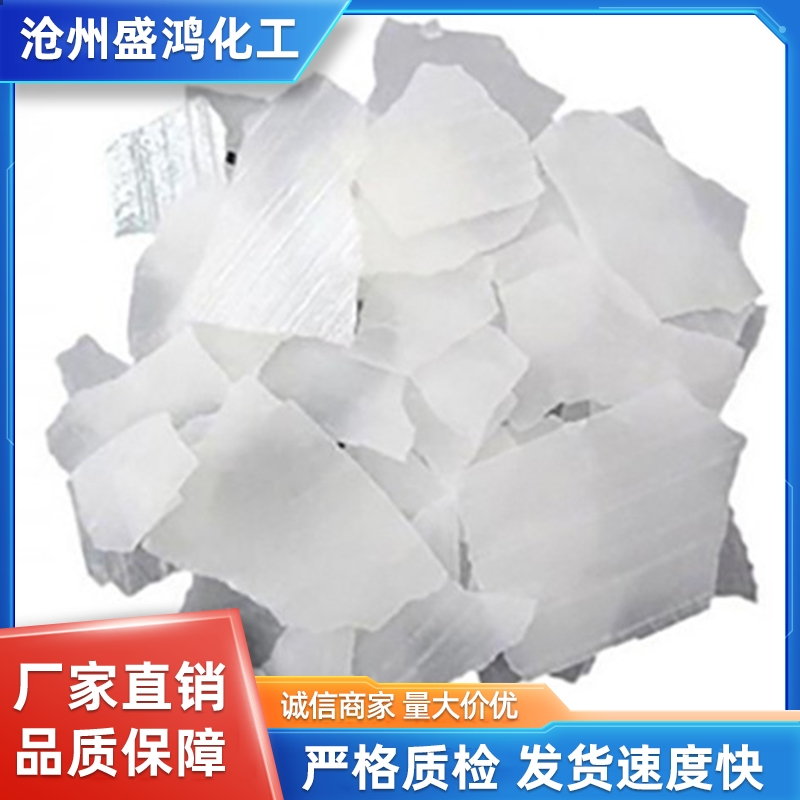
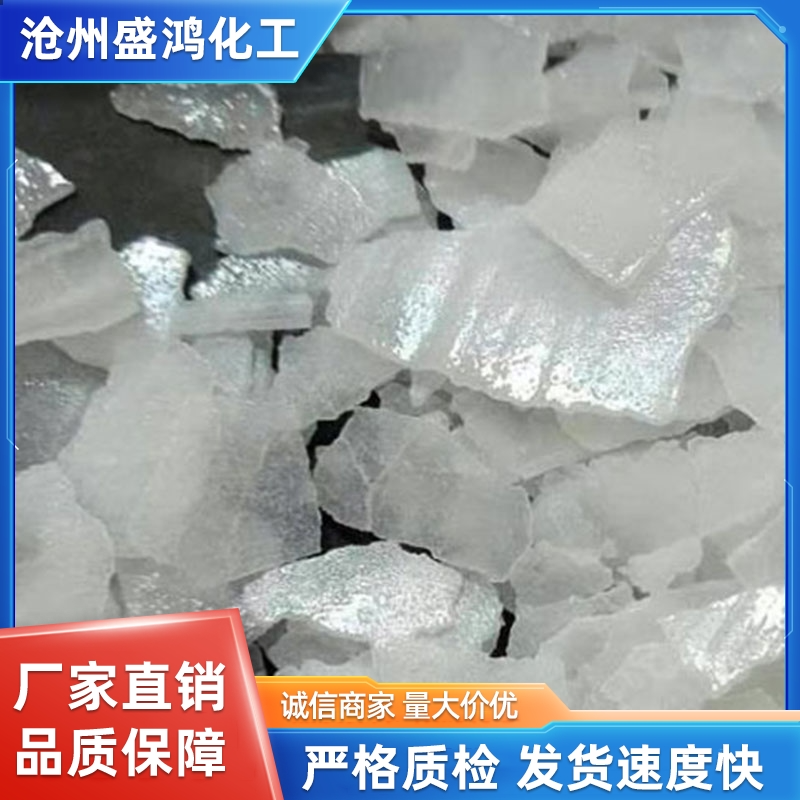
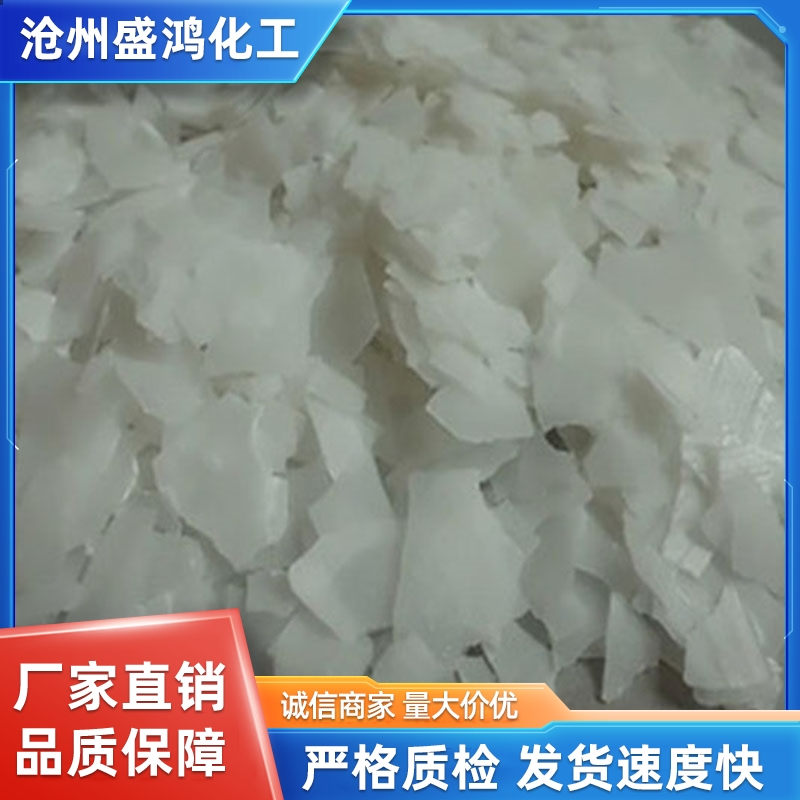
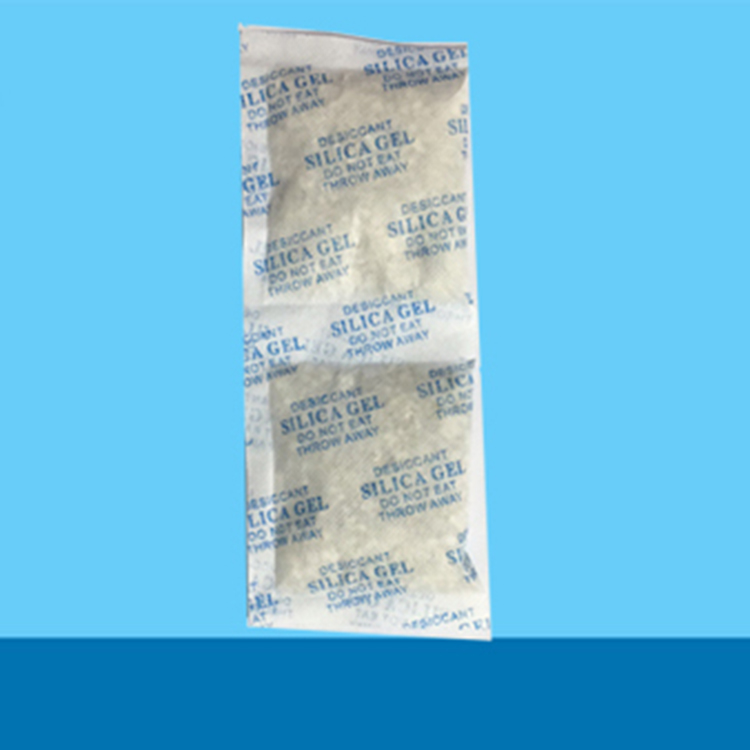
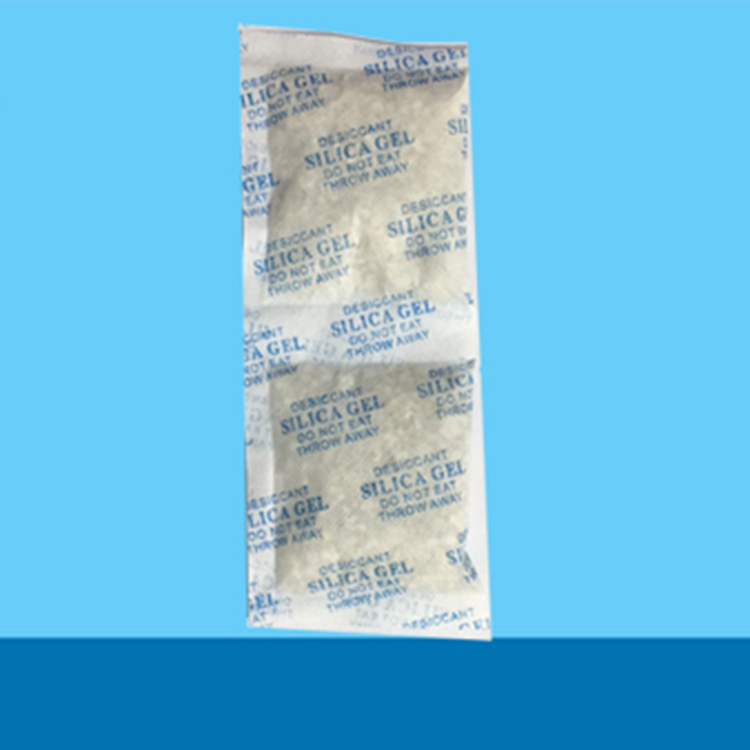
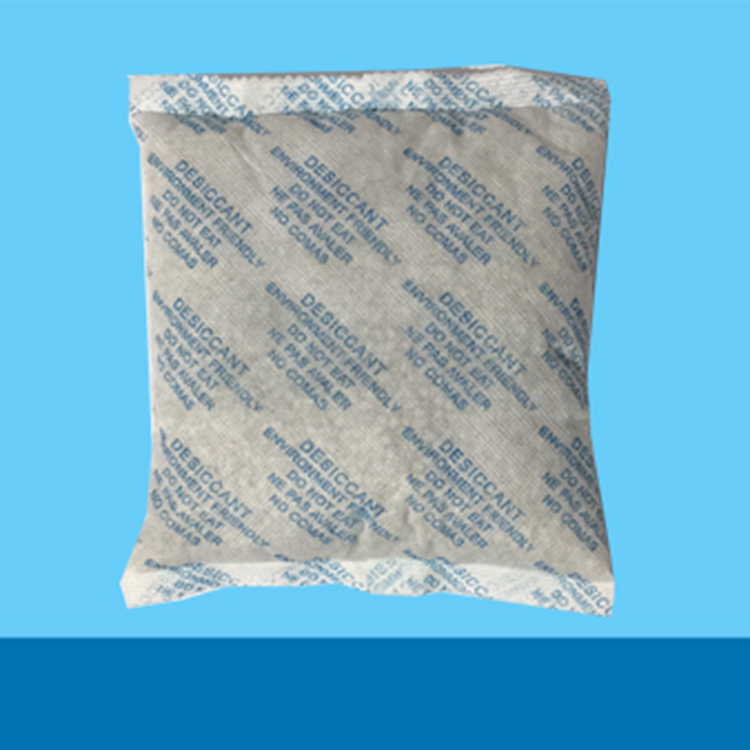
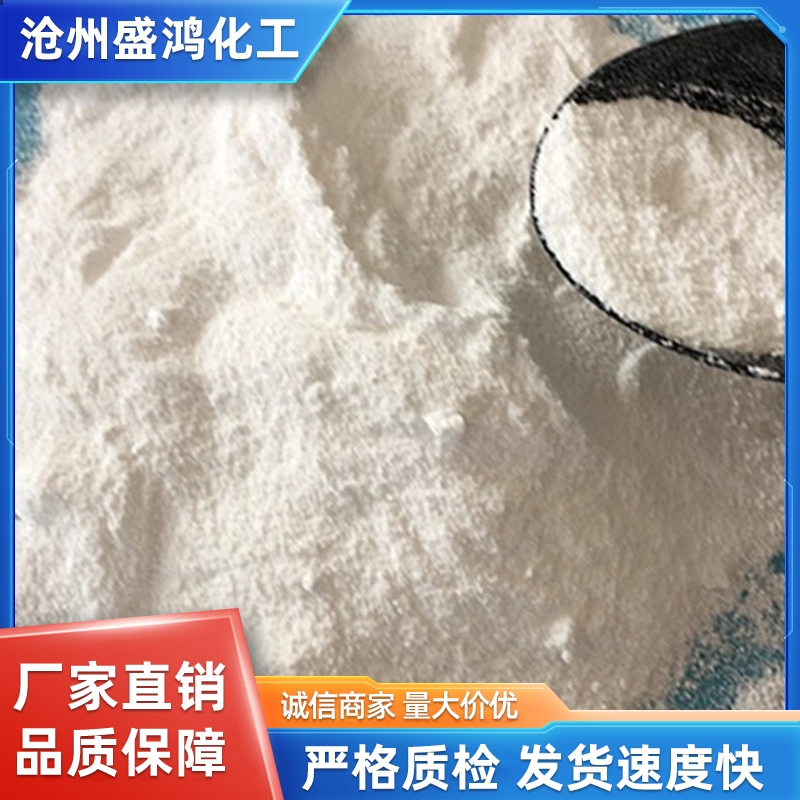
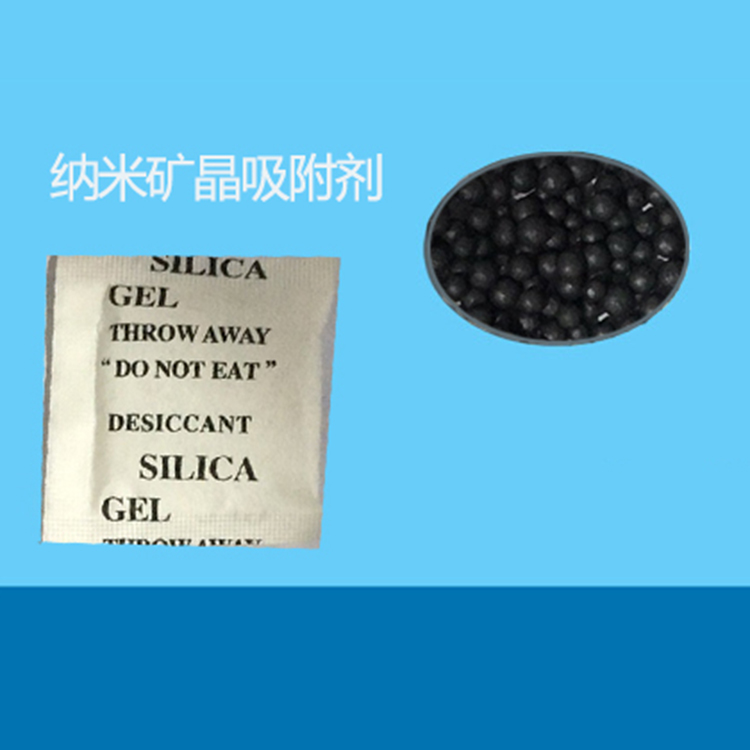
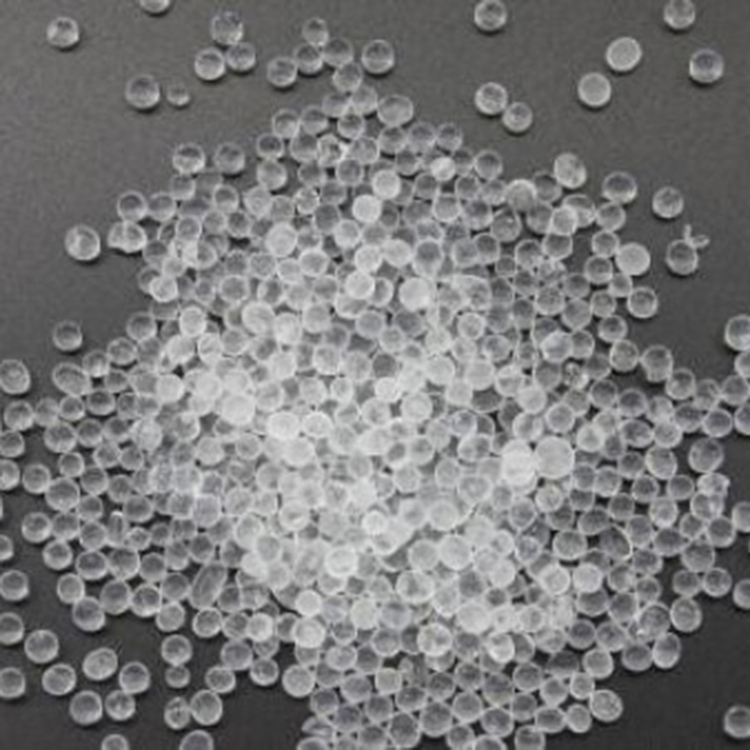
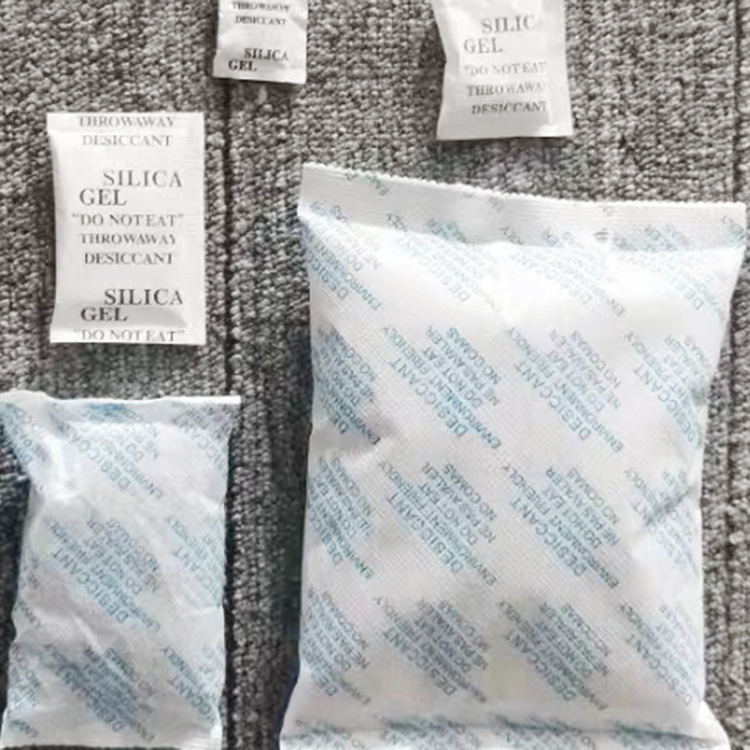
1. Mineral Desiccant for Shipping Containers, 2. Silica Gel Desiccant for Shipping Containers, 3. Montmorillonite Desiccant for Shipping Containers, 4. Calcium Chloride Desiccant
Industry Scope:
Electronics: Appliances, cables, precious metal plates, PCB boards, etc.
Agricultural Products: rice, wheat, corn, tea, tobacco, chili peppers, food packaging, etc.
Wooden crafts: furniture, wooden crafts, packaging paper, wooden toys, etc.
Metal Products: metal sheets, coils, machine accessories, auto parts, aluminum products, steel paper products, etc.
Fabric & Textiles: Apparel, hats, fabrics, etc.
Home Products: Glassware, plastic resin products, hollow glass doors, etc.
Product Advantages:
Absorb 200% of its weight in water over a continuous 60-day period.
2. The product turns into a gel after absorbing moisture; it will not become a liquid and leak out.
3. Single-item breathable composite film packaging, food-grade green packaging.
Non-toxic and environmentally friendly materials.